Hai trovato un fornitore stampaggio ad iniezione con un sito Web intuitivo e un preventivo competitivo. Prima di effettuare un deposito, chiediti: sai effettivamente in cosa stai acquistando? Abbiamo visto acquirenti perdere cifre a sei cifre per utensili che non hanno mai prodotto una parte utilizzabile e fornitori svanire dopo la prima disputa sulla qualità. La differenza tra un progetto di successo e una lezione costosa di solito sta nelle domande che poni prima di firmare il contratto. Questa guida copre le domande di verifica più importanti, sulla base di due decenni di esperienza di produzione reale nello stampaggio a iniezione.
- Verificare il numero di macchine e la gamma di tonnellaggio prima di impegnarsi con un fornitore
- Esigere la proprietà interna dell'attrezzaggio e piani documentati di manutenzione degli stampi
- Esigete certificazioni ISO e dati di ispezione reali, non semplici dichiarazioni commerciali
- Verificare la competenza sui materiali tramite rapporti di prova e registri di lavorazione effettivi
- Escludere i fornitori che rifiutano audit di fabbrica o eludono le domande tecniche
Quali domande porre sulle capacità produttive di un fornitore?
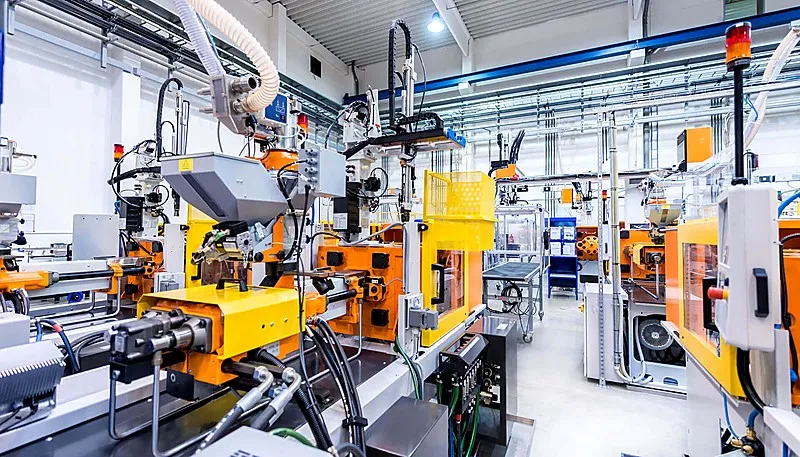
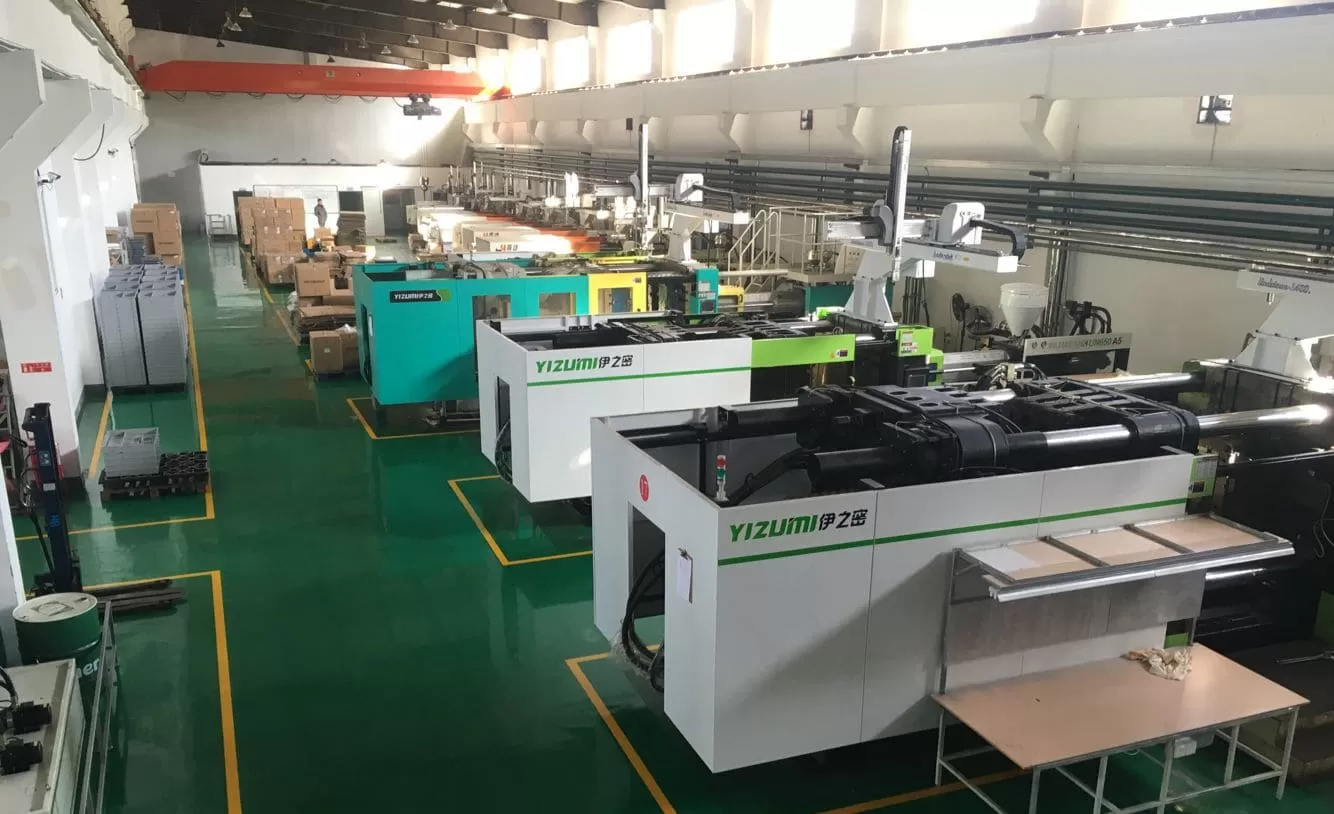
La prima verifica è stabilire se il fornitore sia realmente in grado di produrre i vostri pezzi. Molte società commerciali si presentano come produttori, ma esternalizzano tutto a officine sconosciute. Chiedete direttamente: quante presse a iniezione utilizzate e qual è il vostro intervallo di tonnellaggio? Un fornitore con 5 presse sotto 200T non può gestire un alloggiamento automobilistico che richiede una forza di chiusura di 1200T. Nel nostro stabilimento di Shanghai utilizziamo 47 presse a iniezione da 90T a 1850T—una gamma sufficiente per produrre sotto lo stesso tetto sia microcomponenti medicali sia grandi alloggiamenti industriali.
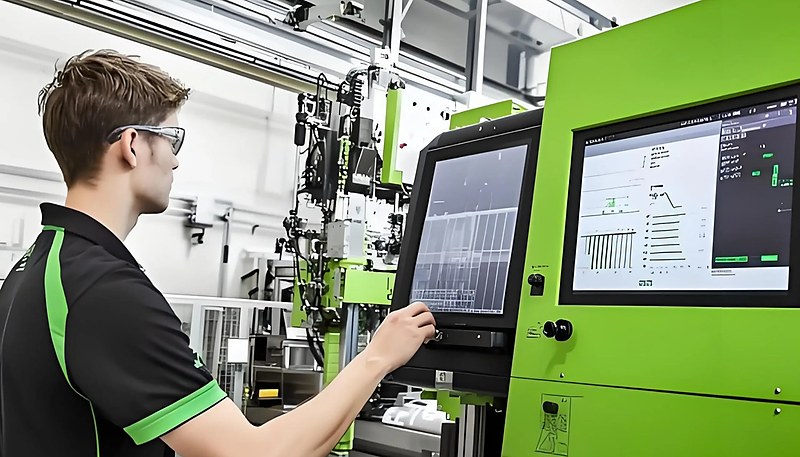
Informatevi sull’automazione e sul controllo del processo. Utilizzano robot per l’estrazione dei pezzi? Monitoraggio della pressione ad anello chiuso? Principi di stampaggio scientifico con processi disaccoppiati? Un fornitore che utilizza ancora le macchine in modalità manuale, con qualità dipendente dall’operatore, rappresenta un rischio per qualsiasi produzione superiore a poche centinaia di pezzi. Richiedete anche il programma di manutenzione delle macchine: una macchina di 10 anni ben mantenuta e con uno storico documentato degli interventi è generalmente migliore di una macchina nuova priva di un piano di manutenzione preventiva. Abbiamo visto fornitori omettere per mesi la lubrificazione dei tiranti e poi chiedersi perché la costanza tra una stampata e l’altra variasse del 15%.
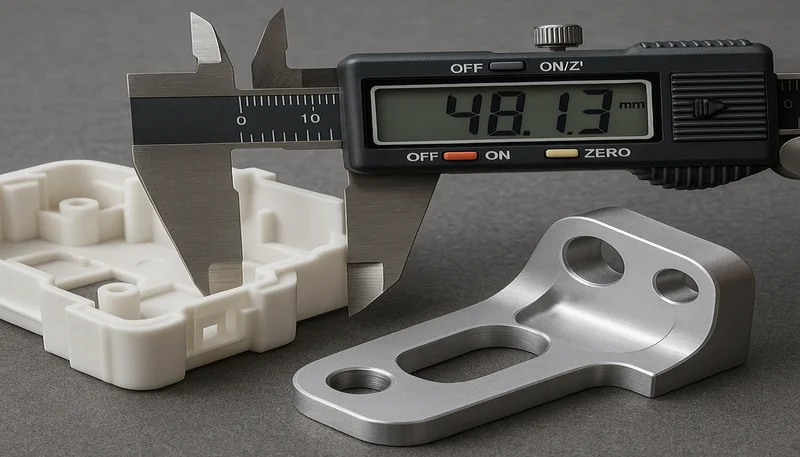
Chiedete inoltre come il fornitore confronta le capacità di tolleranza dello stampaggio a iniezione con le alternative di lavorazione CNC per la specifica geometria del vostro pezzo. Comprendere quando lo stampaggio a iniezione raggiunge una tolleranza adeguata e quando è necessaria una post-lavorazione CNC dimostra autentico giudizio tecnico. Un fornitore capace di spiegare i compromessi di tolleranza tra questi processi e raccomandare l’approccio più conveniente per i vostri requisiti di volume e precisione dimostra la profondità tecnica che distingue i partner produttivi dai semplici raccoglitori di ordini.
Nel nostro stabilimento di Shanghai utilizziamo 47 presse a iniezione con tonnellaggio da 90T a 1850T, in grado di produrre dai microcomponenti di precisione ai grandi componenti automobilistici. Questa ampiezza di dotazione ci consente di produrre il vostro pezzo attuale e sostenere i progetti futuri senza dover cambiare fornitore con la crescita della gamma prodotti.
Come si verificano la qualità delle attrezzature e quella della fabbricazione degli stampi?
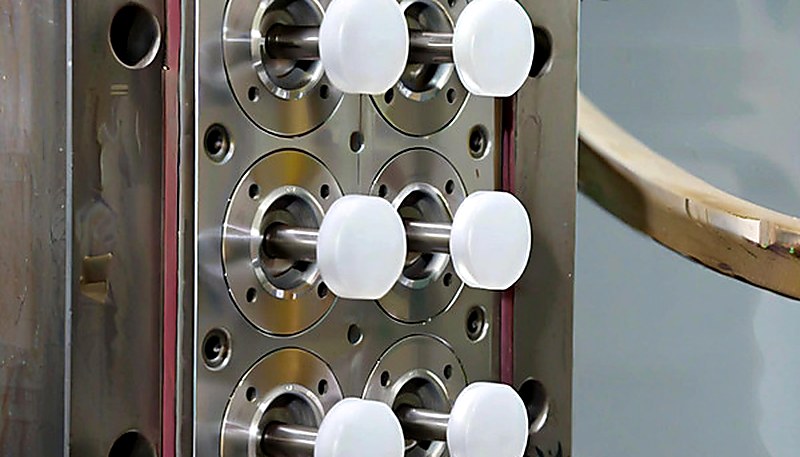
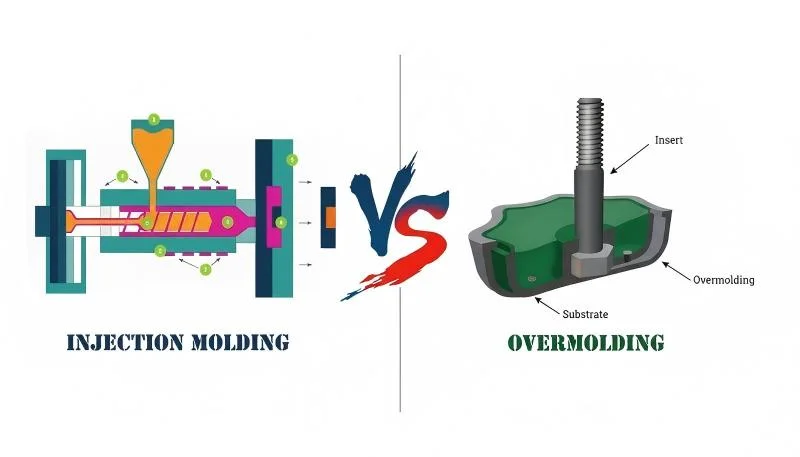
Gli utensili sono il luogo in cui si perde la maggior parte del denaro in qualsiasi progetto stampo ad iniezioneing. Uno stampo è uno strumento di precisione che costa dai 5.000 ai 200.000+ dollari e chi lo costruisce controlla il destino della tua produzione per gli anni a venire. La questione cruciale è se il fornitore dispone di una propria capacità di produzione di stampi a iniezione o si affida a un’officina di stampi di terze parti. Quando gli utensili vengono esternalizzati, non hai una linea diretta con le persone che tagliano l’acciaio e quando è necessaria una revisione, ogni richiesta di modifica passa attraverso un intermediario che potrebbe non comprendere l’intento ingegneristico. Ciò aggiunge costi, ritardi e rischi di cattiva comunicazione che si aggravano con ogni iterazione della progettazione.
Durante la valutazione, ponete queste domande specifiche: posso visitare di persona l’officina stampi? Quanti set di stampi producete mediamente al mese? Quali tipi di acciaio utilizzate per anime e cavità, e perché? Eseguite l’analisi del flusso nello stampo prima di lavorare l’acciaio? Qual è la vostra garanzia standard sulla durata dello stampo, espressa in stampate? Un fornitore con produzione interna degli stampi può generalmente offrire cicli di iterazione più rapidi: quando individuiamo un problema dimensionale durante il campionamento T1, i nostri attrezzisti possono apportare una modifica all’acciaio entro 24-48 ore, anziché attendere giorni affinché un’officina esterna inserisca il lavoro nella propria programmazione. Questo vantaggio in termini di velocità si accumula durante l’intera vita di un progetto con molteplici revisioni progettuali.
Il nostro reparto interno produce oltre 100 stampi al mese, dandoci controllo diretto su qualità, tempi e comunicazione tecnica durante l'intero processo di attrezzaggio.
Quali certificazioni e sistemi di qualità deve avere un fornitore?
Le certificazioni di qualità sono la prova minima che un fornitore segue processi documentati. ISO90011 è il requisito di base, mentre ISO134852 per il settore medicale e IATF169493 per quello automobilistico sono integrazioni essenziali a seconda del settore. Ogni fornitore dichiara di offrire qualità: la vera domanda di verifica è se sia in grado di mostrarne le prove. Per i componenti medicali, la norma ISO 13485 è richiesta dagli enti regolatori di tutto il mondo. Per i componenti automobilistici, IATF 16949 è lo standard riconosciuto della catena di fornitura. Le certificazioni di gestione ambientale (ISO 14001) e di salute e sicurezza sul lavoro (ISO 45001) indicano un’azienda matura, che investe nella gestione sistematica anziché reagire alle emergenze. Tuttavia, i certificati appesi a una parete non significano nulla senza prove della conformità quotidiana.
Operiamo con sistemi di gestione qualità certificati ISO 9001, ISO 13485, ISO 14001 e ISO 45001 e un team dedicato di oltre 10 specialisti QC che esegue controlli dimensionali, visivi e funzionali su ogni ordine di produzione. Il laboratorio qualità dispone di macchine di misura a coordinate, comparatori ottici e rugosimetri per garantire che ogni pezzo rispetti costantemente le specifiche in tutti i cicli produttivi.
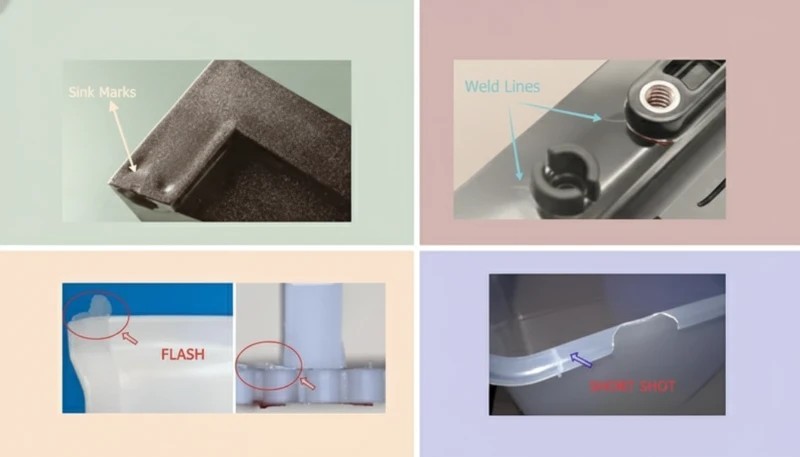
Oltre alle certificazioni, valutare come il fornitore gestisce linee di giunzione, risucchi, bava e riempimenti incompleti. Un sistema robusto include analisi sistematica delle cause, azioni correttive con responsabili e scadenze e prevenzione nei parametri, non solo ispezione finale. Chiedere il registro difetti recente: classificare tipo e frequenza dimostra gestione attiva. Chiedere anche obiettivi di scarto e misura del miglioramento.
Una fabbrica che non sa indicare l’attuale tasso di difettosità per mille pezzi non gestisce la qualità in modo proattivo.
"Una risposta rapida al preventivo indica sempre una buona comunicazione del fornitore."True
Falso. La rapidità del preventivo e la qualità della comunicazione sono aspetti diversi. Un fornitore che quota in due ore senza fare domande potrebbe lavorare superficialmente. Cerca reattività abbinata a competenza tecnica.
"La certificazione ISO 9001 garantisce una qualità costante dei componenti."False
Falso. ISO 9001 certifica che un fornitore dispone di processi documentati, non che ogni pezzo sia conforme alle specifiche. Richiedete sempre dati di ispezione effettivi e registrazioni SPC per verificare la costanza reale.
Perché la competenza sui materiali distingue i buoni fornitori da quelli scadenti?
La competenza sui materiali è il principale indicatore della capacità di un fornitore di offrire una qualità costante anziché costose sorprese. Un fornitore che si limita a chiedere quale materiale desideri e lo ordina è un semplice intermediario di materie prime, non un partner produttivo. Il fornitore giusto deve mettere in discussione la scelta del materiale, suggerire alternative e spiegare i compromessi. Deve sapere che non tutte le qualità di ABS offrono le stesse prestazioni, che il nylon richiede un’essiccazione accurata e che il PC ha una finestra di processo ristretta, nella quale lievi scostamenti di temperatura causano ingiallimento o fragilità. Chiedere quanti materiali diversi lavora regolarmente. Un fornitore che lavora 400+ materiali ha incontrato e risolto problemi che uno specialista di sole tre resine non potrà mai conoscere.
Richiedere i rapporti di prova dei materiali (MTR) relativi ai lotti specifici. Informarsi sul controllo dei materiali in ingresso: vengono verificati l’indice di fluidità, il contenuto di umidità e le contaminazioni prima di caricare il materiale nella pressa? Esiste un sistema di tracciabilità che colleghi il pezzo finito allo specifico lotto di resina? Queste prassi sono fondamentali quando si analizza un guasto sul campo sei mesi dopo l’avvio della produzione. Senza tracciabilità del lotto, l’analisi della causa radice diventa un esercizio basato su ipotesi.
Grazie all’esperienza maturata in oltre 20 anni nella lavorazione di più di 400 materiali plastici, manteniamo database dettagliati dei parametri di processo che ci aiutano a ottimizzare tempi ciclo e qualità dei pezzi fin dalla prima prova.
Come valutare la comunicazione e la gestione del progetto?
La comunicazione è il costo invisibile che determina se un progetto procede senza intoppi o si trasforma in un calvario di mesi. Il test più pratico consiste nell’inviare al fornitore una richiesta tecnica e misurare sia i tempi sia la qualità della risposta. Una risposta di una sola riga come “sì, possiamo farlo” è un segnale d’allarme. Una risposta ragionata, che chieda chiarimenti sull’applicazione, sui requisiti di tolleranza e sui volumi previsti, indica invece un team che comprende davvero il progetto.
Chiedi specificamente informazioni sul loro supporto tecnico in lingua inglese. Molti fornitori cinesi hanno venditori che parlano un inglese decente ma ingegneri che comunicano solo in mandarino. Quando sorgono problemi tecnici, e si verificano sempre, sono necessari ingegneri in grado di spiegare chiaramente il problema e proporre la soluzione. Chiedi anche informazioni sui loro sistemi di monitoraggio dei progetti: forniscono aggiornamenti regolari sui progressi con foto? Possono condividere la progettazione dello stampo per l’approvazione prima di tagliare l’acciaio? Usano rapporti di campionamento standardizzati con dati dimensionali? Queste non sono caratteristiche di lusso: sono aspettative di base per qualsiasi progetto approvvigionamento per lo stampaggio a iniezione serio.
Il nostro team comprende 30+ persone che parlano fluentemente inglese e 8 ingegneri senior che comunicano direttamente con i clienti internazionali in merito alle decisioni tecniche, eliminando la perdita di informazioni dovuta all'affidamento esclusivo a intermediari commerciali.
Quali segnali d’allarme dovrebbero indurvi ad abbandonare un fornitore?
Il principale segnale d’allarme è il rifiuto di consentire un audit dello stabilimento: rinuncia immediatamente. Dopo aver valutato centinaia di fornitori in due decenni, abbiamo imparato a riconoscere i segnali che preannunciano il fallimento di un progetto. Se un fornitore non consente a te o a un ispettore terzo di visitare il reparto produttivo, sta nascondendo qualcosa: potrebbe subappaltare a officine non certificate, avere condizioni di lavoro scadenti oppure attrezzature non corrispondenti a quanto dichiarato. Nessun produttore legittimo rifiuta una ragionevole richiesta di audit.
Altri segnali d’allarme includono: preventivi molto inferiori a quelli dei concorrenti senza una spiegazione chiara dei risparmi; riluttanza a fornire referenze di clienti attuali del vostro settore; assenza di un sistema di gestione qualità documentato; pressioni per saltare la prototipazione e passare direttamente agli stampi di produzione; risposte vaghe sull’approvvigionamento dei materiali senza tracciabilità. Il segnale forse più pericoloso è un fornitore che accetta ogni richiesta senza obiezioni. Un buon partner produttivo vi segnala problemi di progettazione, tolleranze irrealistiche o materiali che creano rischi inutili. Chi dice sempre sì commette errori costosi.
"Una visita virtuale dello stabilimento in videochiamata offre lo stesso valore di verifica di un audit in loco."True
Falso. Le visite video mostrano soltanto ciò che il fornitore vuole farti vedere. Sono utili come strumento di selezione preliminare, ma non possono sostituire una visita al reparto produttivo, il controllo delle condizioni delle attrezzature e la verifica che lo stabilimento corrisponda alle dichiarazioni promozionali.
"Il preventivo più basso offre generalmente il miglior valore nello stampaggio a iniezione."False
Falso. Preventivi anormalmente bassi spesso indicano costi nascosti: gradi di acciaio inferiori per gli stampi, assenza di controlli qualità o varianti pianificate che fanno lievitare il conto finale. Confrontate i preventivi voce per voce e chiedete ai fornitori di spiegare le differenze di prezzo significative.
Quando richiedere un audit di fabbrica e cosa controllare?
Richiedi un audit prima di impegnarti in qualsiasi investimento in stampi superiore a una soglia modesta. Per progetti con stampi inferiori a 10,000 USD, possono bastare una visita video e il controllo delle referenze. Per importi superiori, programma una visita in loco o incarica una società di ispezione terza. Durante l’audit, guarda oltre lo showroom: ogni fornitore dispone di un locale pulito per i visitatori. Chiedi di vedere il vero reparto produttivo in cui verranno realizzati i tuoi pezzi. Controlla le condizioni delle macchine: sono operative, ben mantenute e adatte alle dimensioni e al materiale del pezzo? Osserva il magazzino: il materiale è conservato correttamente con controlli ambientali? Verifica il laboratorio qualità: dispone di strumenti di misura calibrati con etichette di certificazione valide?
Osservate le persone. Gli operatori sono concentrati o visibilmente disinteressati? Il supervisore risponde con sicurezza alle domande tecniche? Vi sono prove di pratiche 5S o lean? Queste osservazioni dicono più della qualità operativa quotidiana di qualsiasi certificato. Chiedete anche di vedere il sistema di monitoraggio degli scarti—una fabbrica che non misura il tasso di scarto non può migliorarlo, e una che lo nasconde probabilmente se ne vergogna.
Quali sono le Domande più Comuni sulla Verifica del Fornitore di Stampaggio ad Iniezione?
Domande frequenti
Quante macchine di stampaggio ad iniezione dovrebbe avere un fornitore qualificato?
Non esiste un minimo universale, ma un fornitore con meno di 10 macchine potrebbe avere difficoltà con la flessibilità di capacità durante i periodi di picco. Più importante del totale è se il loro range di tonnellaggio copre i requisiti specifici della tua parte. Un fornitore con 5 macchine tutte sotto 200T non può produrre una parte che richiede una forza di clamping di 800T, indipendentemente dalla volontà di provare. Assicura sempre che il profilo dell’equipaggiamento del fornitore corrisponda alle tue reali necessità di produzione piuttosto che affidarsi a un benchmark arbitrario di numero di macchine. Chiedi anche sul loro rateo di utilizzo—una fabbrica che opera a 95 percento di capacità non ha spazio per i tuoi ordini urgenti.
Qual è la certificazione più importante per un fornitore di stampaggio ad iniezione?
ISO 9001 è la base essenziale per qualsiasi fornitore industriale di stampaggio ad iniezione. Se produci componenti per dispositivi medici, ISO 13485 diventa assolutamente critica per la conformità normativa. Per applicazioni automobilistiche, IATF 16949 è lo standard riconosciuto nella supply chain globale. Tuttavia, le certificazioni da sole non garantiscono una qualità costante delle parti nell’area di produzione. Richiedi sempre registri di inspection reali, grafici SPC, dati Cpk e report di audit recenti di terza parte per verificare che i sistemi certificati siano attivamente seguiti nelle operazioni quotidiane, non solo durante gli audit di surveillance annuali.
Devo sempre visitare la fabbrica prima di effettuare un ordine?
Per investimenti in tooling sopra 10.000 USD, una visita in loco o un audit di terza parte è fortemente raccomandata per verificare che la fabbrica corrisponda alle loro dichiarazioni di marketing. Sotto quella soglia, un tour video dettagliato combinato con controlli di referenza da clienti attuali nel tuo settore può fornire una ragionevole sicurezza per ordini di produzione iniziali. Il principio chiave è la verifica tramite evidenza indipendente, che provenga dai tuoi occhi durante una visita personale o da un partner di inspection di terza parte fidato che comprende i requisiti di qualità dello stampaggio ad iniezione e può valutare ciò che osserva.
Quali domande dovrei fare sulla manutenzione degli stampi?
Chiedi dettagliatamente sul loro programma di manutenzione preventiva, inventario di parti di ricambio e condizioni di conservazione degli stampi. Un fornitore qualificato dovrebbe poter dire esattamente quanto spesso controllano i perni di ejector, lubrificano i componenti scorrevoli e puliscono i canali di raffreddamento. La corretta manutenzione degli stampi influisce direttamente sulla consistenza delle parti e sulla durata totale dello stampo—ignorare la manutenzione di routine può ridurre un stampo classificato per un milione di cicli a metà di quel numero. Chiedi anche se fotografano e documentano la condizione dello stampo prima della conservazione a lungo termine, e se eseguono un test di ciclo a vuoto prima di riavviare un stampo conservato per una nuova produzione.
Una società di trading può fornire la stessa qualità di una fabbrica?
Le società di trading possono coordinare la produzione efficacemente, ma aggiungono un importante livello di distanza comunicativa tra te e le persone che effettivamente producono i tuoi componenti. Per parti semplici di tipo commodity con tolleranze generose, questa disposizione può essere accettabile e conveniente. Per qualsiasi cosa con tolleranze strette, requisiti normativi o geometria complessa, l’accesso diretto alla fabbrica ti offre un controllo migliore sui risultati di qualità, una risoluzione più rapida dei problemi e una chiara responsabilità quando sorgono problemi durante la produzione. La scelta corretta dipende dalla complessità del tuo progetto e dalla tolleranza al rischio di qualità.
Come verificare che un fornitore produce effettivamente in-house?
Richiedi una videochiamata live che mostri l’area di produzione con macchine attivamente in funzione, chiedi foto delle targhette dei loro equipaggiamenti con i numeri seriali, e confronta la lista di macchine dichiarata con ciò che osservi durante una visita alla fabbrica. Puoi anche chiedere la loro licenza commerciale di produzione, che specifica le attività di produzione autorizzate e l’indirizzo registrato. Un altro metodo efficace di verifica è richiedere i registri di produzione di lavori recenti che mostrino l’assegnazione delle macchine—se le stesse macchine appariscono costantemente in più ordini di clienti, la fabbrica probabilmente svolge il lavoro in-house piuttosto che subappaltarlo a laboratori non identificati.
Pronto a lavorare con un Partner di Stampaggio ad Iniezione Verificato?
Scegliere il corretto fornitore di stampaggio ad iniezione è una decisione che influisce sulla qualità del tuo prodotto, sulla tempistica e sul costo totale per gli anni a venire. A ZetarMold, accogliamo le vostre domande e i vostri audit—poiché crediamo che una produzione trasparente costruisca partnership durature. La nostra sede di Shanghai opera con 47 macchine di stampaggio ad iniezione con tooling interno, sistemi di qualità certificati ISO e un team di oltre 30 professionisti che parlano inglese, pronti a supportare il tuo progetto dal concetto alla produzione.
Ottieni un preventivo gratuito: inviaci il design e i requisiti del tuo componente. Forniremo un preventivo dettagliato con prezzi trasparenti, consigli sui materiali e una tempistica di produzione entro 24 ore. Nessun costo nascosto, nessuna sorpresa: solo le informazioni di cui hai bisogno per prendere la decisione giusta.
ISO9001: ISO9001 si riferisce ai requisiti dei sistemi di gestione della qualità ISO 9001:2015 ↩
ISO13485: ISO13485 si riferisce a ISO 13485:2016 Sistemi di gestione della qualità dei dispositivi medici ↩
IATF16949: IATF16949 si riferisce allo standard iATF 16949:2016 per i sistemi di gestione della qualità nel settore automobilistico ↩