Sie haben einen Spritzgießlieferanten mit professioneller Website und wettbewerbsfähigem Angebot gefunden. Bevor Sie eine Anzahlung überweisen, sollten Sie sich fragen: Wissen Sie wirklich, worauf Sie sich einlassen? Wir haben erlebt, dass Einkäufer sechsstellige Beträge für Werkzeuge verloren haben, die nie ein brauchbares Teil produzierten, und dass Lieferanten nach dem ersten Qualitätsstreit verschwanden. Ob ein Projekt erfolgreich wird oder zu einer teuren Lektion, hängt meist von den Fragen ab, die Sie vor Vertragsunterzeichnung stellen. Dieser Leitfaden behandelt die wichtigsten Prüffragen – gestützt auf zwei Jahrzehnte praktische Produktionserfahrung im Spritzgießen.
- Prüfen Sie Maschinenanzahl und Schließkraftbereich, bevor Sie sich für einen Lieferanten entscheiden
- Bestehen Sie auf internem Werkzeugeigentum und dokumentierten Werkzeugwartungsplänen
- Verlangen Sie ISO-Zertifizierungen und echte Prüfdaten statt bloßer Marketingaussagen
- Bestätigen Sie die Materialkompetenz anhand tatsächlicher Prüfberichte und Verarbeitungsprotokolle
- Beenden Sie die Zusammenarbeit mit Lieferanten, die Werksaudits ablehnen oder technischen Fragen ausweichen
Welche Fragen sollten Sie zu den Fertigungskompetenzen eines Lieferanten stellen?
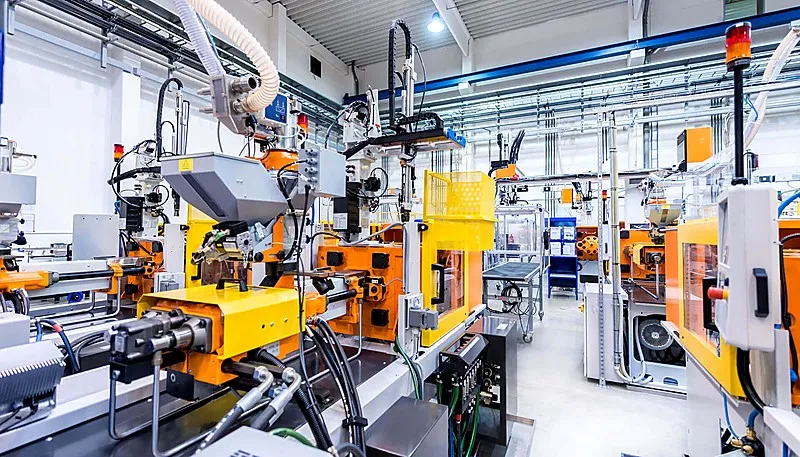
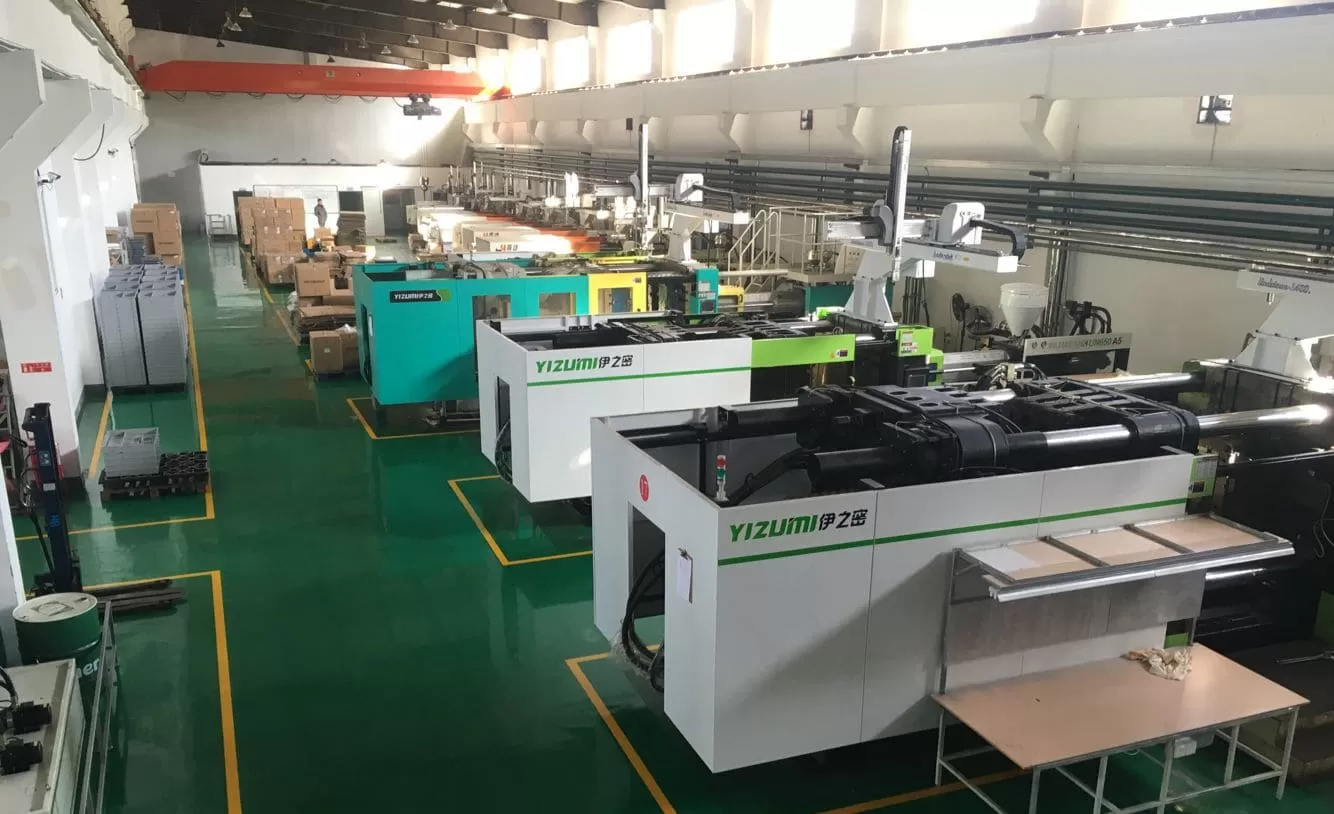
Zuerst ist zu prüfen, ob ein Lieferant Ihre Teile tatsächlich fertigen kann. Viele Handelsunternehmen treten als Hersteller auf, vergeben jedoch die gesamte Produktion an unbekannte Werkstätten. Fragen Sie direkt: Wie viele Spritzgießmaschinen betreiben Sie und welchen Tonnagebereich decken sie ab? Ein Lieferant mit 5 Maschinen unter 200T kann kein Automobilgehäuse fertigen, das 1200T Schließkraft erfordert. In unserem Werk in Shanghai betreiben wir 47 Spritzgießmaschinen von 90T bis 1850T—damit decken wir unter einem Dach alles ab, von medizinischen Mikrobauteilen bis zu großen Industriegehäusen.
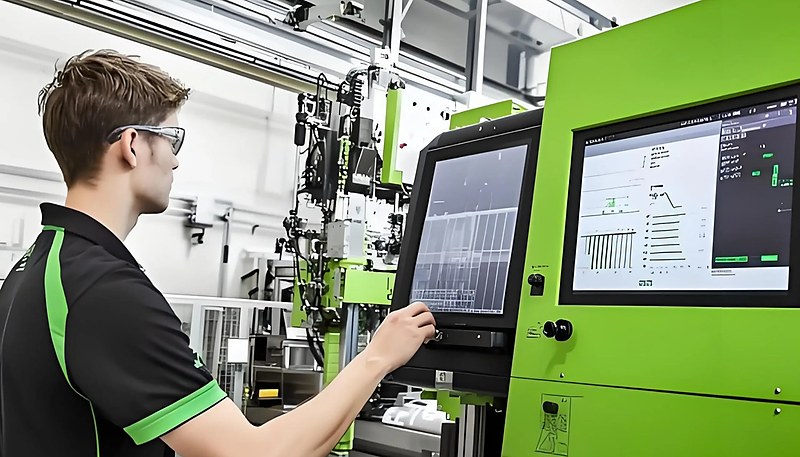
Fragen Sie nach Automatisierung und Prozessregelung. Werden Roboter zur Teileentnahme eingesetzt? Gibt es eine Drucküberwachung im geschlossenen Regelkreis? Werden Grundsätze des wissenschaftlichen Spritzgießens mit entkoppelten Prozessphasen angewendet? Ein Lieferant, der Maschinen noch im Handbetrieb führt und dessen Qualität vom Bediener abhängt, stellt bei jedem Produktionslauf von mehr als wenigen Hundert Teilen ein Risiko dar. Fordern Sie außerdem den Wartungsplan für die Maschinen an – eine gut gewartete 10 Jahre alte Maschine mit dokumentierter Wartungshistorie ist üblicherweise besser als eine fabrikneue Maschine ohne vorbeugenden Wartungsplan. Wir haben erlebt, dass Lieferanten die Schmierung der Holme monatelang ausließen und sich anschließend wunderten, warum die Konstanz von Schuss zu Schuss um 15% abwich.
Fragen Sie außerdem, wie der Lieferant die beim Spritzgießen erreichbaren Toleranzen für Ihre konkrete Bauteilgeometrie mit alternativen CNC-Bearbeitungsverfahren vergleicht. Zu erkennen, wann der Spritzguss ausreichende Toleranzen erreicht und wann eine CNC-Nachbearbeitung erforderlich ist, zeugt von fundiertem technischem Urteilsvermögen. Ein Lieferant, der die Toleranzkompromisse dieser Verfahren erläutern und den kostengünstigsten Ansatz für Ihre Mengen- und Präzisionsanforderungen empfehlen kann, zeigt jene technische Tiefe, die Fertigungspartner von reinen Auftragsabwicklern unterscheidet.
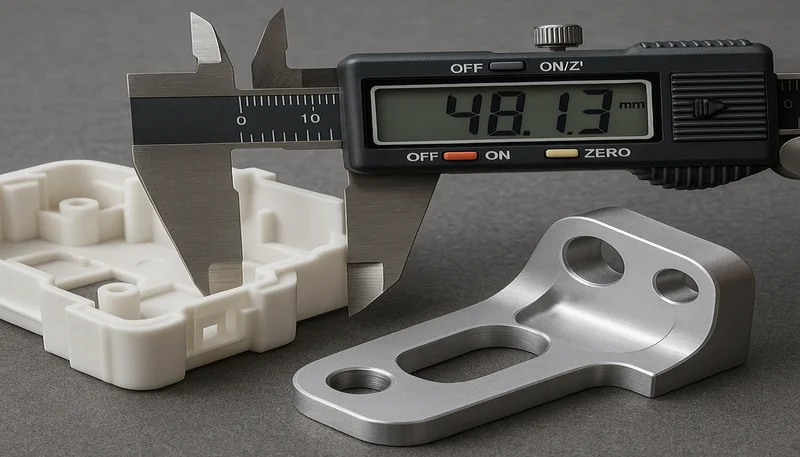
In unserem Werk in Shanghai betreiben wir 47 Spritzgießmaschinen mit einem Schließkraftbereich von 90T bis 1850T und können damit alles von Präzisionsmikroteilen bis zu großen Automobilkomponenten fertigen. Dank dieser breiten Maschinenausstattung können wir Ihr aktuelles Bauteil herstellen und künftige Projekte skalieren, ohne dass Sie bei wachsendem Produktportfolio den Lieferanten wechseln müssen.
Wie überprüfen Sie die Qualität des Werkzeug- und Formenbaus?
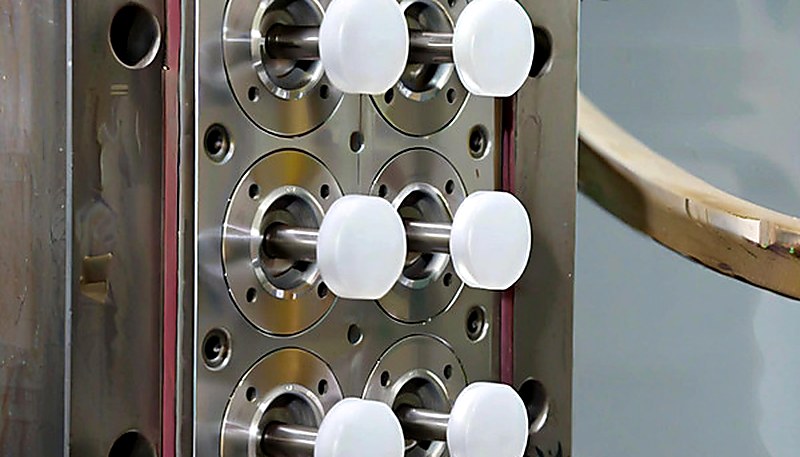
Im Werkzeugbau geht bei jedem Spritzgussprojekt das meiste Geld verloren. Ein Werkzeug ist ein Präzisionsinstrument, das zwischen 5,000 und 200,000+ USD kostet. Wer es baut, bestimmt über Jahre hinweg das Schicksal Ihrer Produktion. Die entscheidende Frage ist, ob der Lieferant über eigene Fertigungskapazitäten für Spritzgussformen verfügt oder an einen externen Werkzeugbau auslagert. Bei ausgelagertem Werkzeugbau haben Sie keinen direkten Kontakt zu den Fachkräften, die Ihren Stahl bearbeiten. Ist eine Überarbeitung erforderlich, läuft jede Änderungsanforderung über einen Vermittler, der die technische Absicht möglicherweise nicht versteht. Mit jeder Konstruktionsiteration steigen dadurch Kosten, Verzögerungen und das Risiko von Missverständnissen.
Stellen Sie bei Ihrer Bewertung diese konkreten Fragen: Kann ich den Werkzeugbau persönlich besichtigen? Wie viele Werkzeugsätze fertigen Sie durchschnittlich pro Monat? Welche Stahlsorten verwenden Sie für Kerne und Kavitäten und warum? Führen Sie vor der Stahlbearbeitung eine Moldflow-Analyse durch? Welche Standardgarantie geben Sie auf die Werkzeugstandzeit in Schuss? Ein Lieferant mit eigenem Werkzeugbau kann in der Regel schnellere Iterationszyklen bieten: Wenn wir bei der T1-Bemusterung ein Maßproblem feststellen, können unsere Werkzeugingenieure innerhalb von 24 bis 48 Stunden eine Stahländerung umsetzen, statt tagelang darauf zu warten, dass ein externer Werkzeugbau den Auftrag in seine Warteschlange einplant. Dieser Geschwindigkeitsvorteil summiert sich über die Laufzeit eines Projekts mit mehreren Konstruktionsänderungen.
Unser eigener Formenbau fertigt monatlich über 100 Formensätze. Dadurch kontrollieren wir Qualität, Termine und technische Abstimmung während des gesamten Werkzeugbauprozesses direkt.
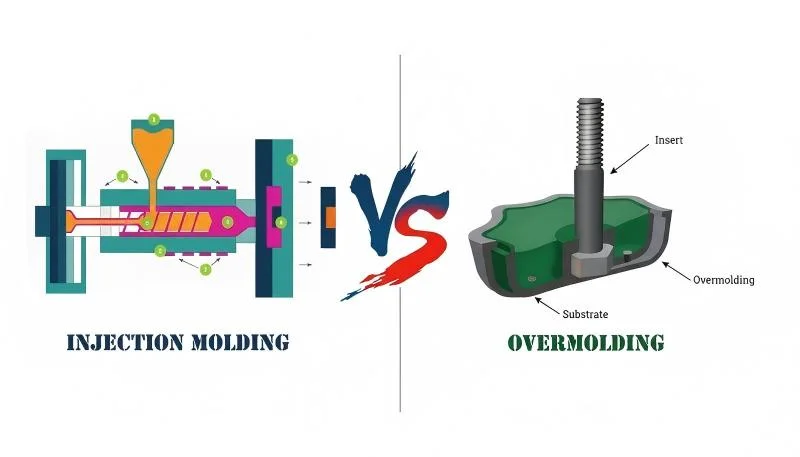
Welche Qualitätszertifizierungen und -systeme muss ein Lieferant haben?
Qualitätszertifizierungen sind der Mindestnachweis dafür, dass ein Lieferant dokumentierte Prozesse befolgt. ISO90011 ist die Grundanforderung, ergänzt durch ISO134852 für medizinische und IATF169493 für die Automobilindustrie als wesentliche Ergänzungen, abhängig von Ihrer Branche. Jeder Lieferant behauptet, Qualität zu liefern – entscheidend ist, ob er Ihnen die Nachweise zeigen kann. Für medizinische Komponenten wird ISO 13485 von Aufsichtsbehörden weltweit verlangt. Für Automobilteile ist IATF 16949 der anerkannte Standard der Lieferkette. Zertifizierungen für Umweltmanagement (ISO 14001) und Arbeitsschutz (ISO 45001) weisen auf einen ausgereiften Betrieb hin, der in systematisches Management statt in reaktive Problembekämpfung investiert. Zertifikate an der Wand sind jedoch ohne Nachweis der täglichen Einhaltung wertlos.
Wir arbeiten nach ISO 9001, ISO 13485, ISO 14001 und ISO 45001 zertifizierten Qualitätsmanagementsystemen. Ein spezialisiertes Team aus über 10 QC-Fachkräften prüft bei jedem Produktionsauftrag Maße, Optik und Funktion. Unser Qualitätslabor ist mit Koordinatenmessgeräten, optischen Komparatoren und Rauheitsmessgeräten ausgestattet, damit jedes Bauteil Ihre Spezifikationen über alle Produktionsläufe hinweg zuverlässig erfüllt.
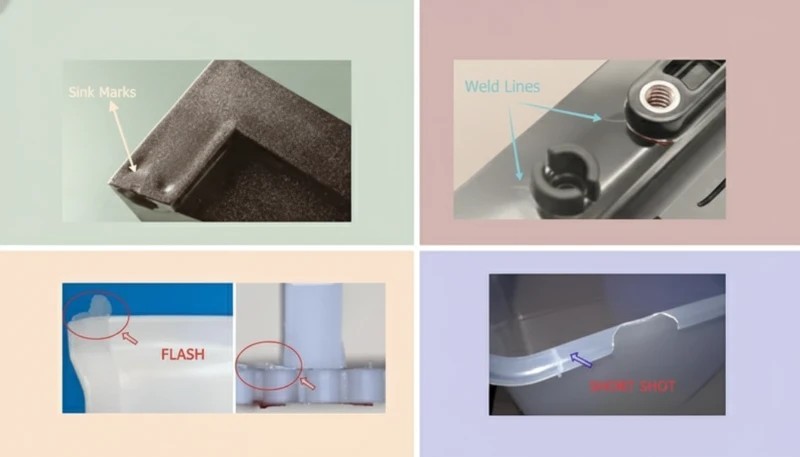
Prüfen Sie über Zertifizierungen hinaus, wie der Lieferant im täglichen Betrieb mit Spritzgießfehlern wie Bindenähten, Einfallstellen, Grat und unvollständiger Füllung umgeht. Ein belastbares Qualitätssystem umfasst eine systematische Ursachenanalyse jedes Fehlers, die Verfolgung von Korrekturmaßnahmen mit Verantwortlichen und Fristen sowie direkt in den Prozessparametern verankerte Vorbeugungsmaßnahmen, statt sich allein auf die Endprüfung zu verlassen. Lassen Sie sich das Fehlerprotokoll aktueller Produktionsläufe zeigen — Lieferanten, die Fehler nach Art und Häufigkeit erfassen und kategorisieren, steuern die Qualität aktiv, statt erst nach dem Versand auf Kundenreklamationen zu reagieren. Fragen Sie außerdem nach Zielwerten für die Ausschussquote und danach, wie Verbesserungen im Zeitverlauf gemessen werden.
Eine Fabrik, die ihre aktuelle Fehlerquote je tausend Teile nicht nennen kann, steuert Qualität nicht proaktiv.
"Eine schnelle Angebotsantwort ist immer ein Zeichen guter Lieferantenkommunikation."True
Falsch. Angebotsgeschwindigkeit und Kommunikationsqualität sind nicht dasselbe. Ein Lieferant, der ohne Rückfragen innerhalb von zwei Stunden anbietet, spart möglicherweise an entscheidenden Schritten. Achten Sie auf schnelle Reaktion in Verbindung mit technischer Tiefe.
"Die Zertifizierung nach ISO 9001 garantiert eine gleichbleibende Bauteilqualität."False
Falsch. ISO 9001 bescheinigt, dass ein Lieferant dokumentierte Prozesse unterhält, nicht dass jedes Teil die Spezifikation erfüllt. Fordern Sie stets tatsächliche Prüfwerte und SPC-Aufzeichnungen an, um die reale Prozesskonstanz zu verifizieren.
Warum unterscheidet Materialkompetenz gute von schlechten Lieferanten?
Werkstoffkompetenz ist der stärkste einzelne Indikator dafür, ob ein Lieferant gleichbleibende Qualität liefert oder kostspielige Überraschungen verursacht. Ein Lieferant, der lediglich nach dem gewünschten Material fragt und es bestellt, ist ein Rohstoffhändler, kein Fertigungspartner. Der richtige Lieferant sollte Ihre Materialwahl hinterfragen, Alternativen vorschlagen und die Zielkonflikte erläutern. Er sollte wissen, dass sich nicht alle ABS-Typen gleich verhalten, dass Nylon sorgfältig getrocknet werden muss und dass PC ein enges Verarbeitungsfenster hat, in dem geringe Temperaturabweichungen Vergilbung oder Versprödung verursachen. Fragen Sie, wie viele verschiedene Materialien regelmäßig verarbeitet werden. Ein Lieferant, der mit 400+ Materialien arbeitet, hat Probleme gesehen und gelöst, die ein Spezialist für drei Harze nie kennenlernen wird.
Fordern Sie für Ihre konkreten Chargen Materialprüfberichte (MTR) an. Erkundigen Sie sich nach der Wareneingangsprüfung: Werden Schmelzflussindex, Feuchtigkeitsgehalt und Verunreinigungen geprüft, bevor das Material in die Maschine gelangt? Unterhält der Lieferant ein System zur Materialrückverfolgbarkeit, mit dem ein Fertigteil der konkreten Granulatcharge zugeordnet werden kann? Diese Verfahren sind von entscheidender Bedeutung, wenn sechs Monate nach Produktionsbeginn ein Ausfall im Feld untersucht werden muss. Ohne Chargenrückverfolgbarkeit wird die Ursachenanalyse zum Rätselraten.
Mit unserer in 20+ Jahren aufgebauten Erfahrung in der Verarbeitung von über 400 Kunststoffen pflegen wir detaillierte Datenbanken mit Verarbeitungsparametern, anhand derer wir Zykluszeiten und Bauteilqualität bereits ab dem ersten Probelauf optimieren können.
Wie bewerten Sie Kommunikation und Projektmanagement?
Kommunikation ist der unsichtbare Kostenfaktor, der darüber entscheidet, ob ein Projekt reibungslos verläuft oder zu einer monatelangen Belastungsprobe wird. Der praktischste Einzeltest: Senden Sie dem Lieferanten eine technische Anfrage und bewerten Sie sowohl die Reaktionszeit als auch die Qualität der Antwort. Eine einzeilige Antwort wie “Ja, das können wir” ist ein Warnsignal. Eine durchdachte Antwort mit Rückfragen zu Ihrer Anwendung, den Toleranzanforderungen und den prognostizierten Stückzahlen deutet auf ein Team hin, das Ihr Projekt tatsächlich versteht.
Fragen Sie ausdrücklich nach technischer Unterstützung in englischer Sprache. Viele chinesische Lieferanten beschäftigen Vertriebsmitarbeiter mit guten Englischkenntnissen, während ihre Ingenieure nur auf Mandarin kommunizieren. Wenn technische Probleme auftreten — und das tun sie immer — benötigen Sie Ingenieure, die das Problem und die vorgeschlagene Lösung klar erläutern können. Fragen Sie auch nach den Systemen zur Projektverfolgung: Werden regelmäßig Fortschrittsberichte mit Fotos bereitgestellt? Kann der Lieferant die Werkzeugkonstruktion vor der Stahlbearbeitung zur Genehmigung vorlegen? Werden standardisierte Bemusterungsberichte mit Maßdaten verwendet? Dies sind keine Luxusmerkmale — sie gehören zu den grundlegenden Anforderungen an jedes seriöse Beschaffungsprojekt für Spritzgussleistungen.
Unser Team umfasst 30+ Mitarbeiter mit fließenden Englischkenntnissen und 8 erfahrene Ingenieure, die technische Entscheidungen direkt mit internationalen Kunden abstimmen. Dadurch werden Informationsverluste vermieden, die entstehen, wenn ausschließlich Vertriebsvermittler eingesetzt werden.
Welche Warnsignale sollten Sie dazu veranlassen, sich von einem Lieferanten abzuwenden?
Das größte Warnsignal ist die Weigerung, ein Werksaudit zuzulassen — beenden Sie die Zusammenarbeit sofort. Nach der Bewertung Hunderter Lieferanten über zwei Jahrzehnte erkennen wir Warnzeichen, die ein Projektversagen ankündigen. Lässt ein Lieferant weder Sie noch Ihren externen Prüfer die Fertigung besichtigen, verbirgt er etwas — etwa die Untervergabe an nicht zertifizierte Betriebe, schlechte Arbeitsbedingungen oder Anlagen, die nicht den Angaben entsprechen. Kein seriöser Hersteller lehnt eine angemessene Auditanfrage ab.
Weitere Warnsignale sind: Angebote, die ohne klare Erklärung der Einsparungen erheblich unter denen der Wettbewerber liegen; die Weigerung, Referenzen aktueller Kunden aus Ihrer Branche vorzulegen; ein nicht dokumentiertes Qualitätsmanagementsystem; Druck, den Prototypenbau zu überspringen und direkt ein Serienwerkzeug zu bauen; sowie vage Angaben zur Materialbeschaffung ohne Rückverfolgbarkeit. Das vielleicht gefährlichste Zeichen ist ein Lieferant, der jeder Forderung widerspruchslos zustimmt. Ein guter Fertigungspartner weist Sie darauf hin, wenn Ihre Konstruktion Probleme aufweist, Ihre Toleranzanforderungen unrealistisch sind oder Ihre Materialwahl unnötige Risiken schafft. Jasager verursachen kostspielige Fehler.
"Eine Werksbesichtigung per Videoanruf bietet denselben Prüfwert wie ein Audit vor Ort."True
Falsch. Videorundgänge zeigen nur das, was der Lieferant Sie sehen lassen möchte. Sie eignen sich für eine erste Vorauswahl, können jedoch weder einen Rundgang durch die Fertigung noch die Prüfung des Anlagenzustands und die Verifizierung ersetzen, dass der Betrieb den Marketingaussagen entspricht.
"Das niedrigste Angebot bietet beim Spritzgießen normalerweise den besten Wert."False
Falsch. Ungewöhnlich niedrige Angebote weisen häufig auf versteckte Kosten hin: minderwertige Stahltypen für Formen, fehlende Qualitätsprüfung oder geplante Änderungsaufträge, die die Schlussrechnung erhöhen. Vergleichen Sie die Angebote Position für Position und lassen Sie sich erhebliche Preisunterschiede von den Lieferanten erläutern.
Wann sollten Sie ein Werksaudit anfordern und was sollten Sie prüfen?
Fordern Sie vor jeder größeren Werkzeugbauinvestition oberhalb eines angemessenen Schwellenwerts ein Audit an. Bei Projekten mit Werkzeugkosten unter 10,000 USD können eine Videoführung und Referenzprüfung ausreichen. Planen Sie bei größeren Projekten einen Vor-Ort-Besuch oder beauftragen Sie einen unabhängigen Prüfdienstleister. Blicken Sie beim Audit über den Vorführbereich hinaus — jeder Lieferant besitzt einen sauberen Besucherraum. Lassen Sie sich die tatsächliche Produktionsfläche zeigen, auf der Ihre Teile gefertigt werden. Prüfen Sie den Maschinenzustand: Laufen die Maschinen, sind sie gut gewartet und für Bauteilgröße und Material geeignet? Prüfen Sie das Lager: Werden Materialien ordnungsgemäß und unter kontrollierten Umgebungsbedingungen gelagert? Prüfen Sie das Qualitätslabor: Sind kalibrierte Messmittel mit gültigen Kalibrieraufklebern vorhanden?
Achten Sie auf die Mitarbeiter. Arbeiten die Bediener konzentriert oder wirken sie erkennbar unbeteiligt? Beantwortet der Schichtleiter technische Fragen sicher? Gibt es Anzeichen für 5S- oder Lean-Manufacturing-Praktiken? Diese Beobachtungen sagen mehr über die tägliche Betriebsqualität aus als jedes Zertifikat an der Wand. Lassen Sie sich außerdem das System zur Ausschusserfassung zeigen: Ein Werk, das die Ausschussquote nicht misst, kann sie nicht verbessern; ein Werk, das sie verbirgt, hat dafür vermutlich einen Grund.
Was sind die häufigsten Fragen zur Verifizierung von Spritzgießlieferanten?
Häufig gestellte Fragen
Wie viele Spritzgießmaschinen sollte ein qualifizierter Lieferant haben?
Es gibt kein universelles Minimum, aber ein Lieferant mit weniger als 10 Maschinen könnte während Spitzenzeiten mit Kapazitätsflexibilität kämpfen. Wichtiger als die Gesamtzahl ist, ob ihr Tonnagebereich Ihre spezifischen Bauteilanforderungen abdeckt. Ein Lieferant mit 5 Maschinen, die alle unter 200T liegen, kann kein Teil herstellen, das eine Schließkraft von 800T erfordert, unabhängig von der Bereitschaft, es zu versuchen. Passen Sie das Lieferantenausstattungsprofil stets an Ihre tatsächlichen Produktionsbedürfnisse an, anstatt sich auf einen willkürlichen Maschinenanzahl-Benchmark zu verlassen. Fragen Sie auch nach ihrer Auslastungsrate – ein Werk, das mit 95 Prozent Kapazität läuft, hat keinen Spielraum für Ihre Eilaufträge.
Was ist die wichtigste Zertifizierung für einen Spritzgießlieferanten?
ISO 9001 ist die wesentliche Grundlage für jeden industriellen Spritzgießlieferanten. Wenn Sie Medizinproduktekomponenten herstellen, wird ISO 13485 für die regulatorische Compliance absolut entscheidend. Für Automobilanwendungen ist IATF 16949 der anerkannte Standard in der globalen Lieferkette. Zertifizierungen allein garantieren jedoch keine konsistente Bauteilqualität in der Produktion. Fordern Sie stets tatsächliche Prüfberichte, SPC-Diagramme, Cpk-Daten und aktuelle Drittanbieter-Auditberichte an, um zu überprüfen, dass die zertifizierten Systeme im täglichen Betrieb aktiv befolgt werden, nicht nur während der jährlichen Überwachungsaudits.
Sollte ich vor einer Auftragsvergabe immer das Werk besuchen?
Für Werkzeuginvestitionen über 10.000 USD wird ein Vor-Ort-Besuch oder ein Drittanbieter-Audit dringend empfohlen, um zu überprüfen, ob das Werk seinen Marketingaussagen entspricht. Unterhalb dieser Schwelle können eine detaillierte Videotour kombiniert mit Referenzprüfungen aktueller Kunden aus Ihrer Branche eine angemessene Sicherheit für erste Produktionsaufträge bieten. Das Schlüsselprinzip ist die Verifizierung durch unabhängige Beweise, sei es durch eigene Beobachtungen während eines persönlichen Besuchs oder durch einen vertrauenswürdigen Drittanbieter-Inspektionspartner, der die Qualitätsanforderungen für das Spritzgießen versteht und bewerten kann, was er beobachtet.
Welche Fragen sollte ich zur Formenwartung stellen?
Fragen Sie detailliert nach ihrem vorbeugenden Wartungsplan, ihrem Ersatzteillager und ihren Formlagerbedingungen. Ein qualifizierter Lieferant sollte Ihnen genau sagen können, wie oft sie Auswerferstifte prüfen, Gleitteile schmieren und Kühlkanäle reinigen. Eine ordnungsgemäße Formenwartung beeinflusst direkt die Bauteilkonsistenz und die Gesamtlebensdauer der Form – Vernachlässigung der Routinewartung kann die Lebensdauer einer für eine Million Zyklen ausgelegten Form auf die Hälfte reduzieren. Fragen Sie auch, ob sie den Formenzustand vor der Langzeitlagerung fotografieren und dokumentieren und ob sie einen Trockenlauf-Test durchführen, bevor sie eine gelagerte Form für einen neuen Produktionslauf wieder in Betrieb nehmen.
Kann ein Handelsunternehmen die gleiche Qualität wie ein Werk bieten?
Handelsunternehmen können die Produktion effektiv koordinieren, fügen jedoch eine wichtige Kommunikationsbarriere zwischen Ihnen und den Personen hinzu, die Ihre Teile tatsächlich herstellen. Für einfache Standardteile mit großzügigen Toleranzen kann diese Vereinbarung akzeptabel und kostengünstig sein. Bei allem mit engen Toleranzen, regulatorischen Anforderungen oder komplexer Geometrie bietet der direkte Zugang zum Werk eine bessere Kontrolle über die Qualitätsergebnisse, schnellere Problemlösung und klarere Verantwortlichkeit bei Problemen während der Produktion. Die richtige Wahl hängt von Ihrer Projektkomplexität und Ihrer Toleranz gegenüber Qualitätsrisiken ab.
Wie verifiziere ich, dass ein Lieferant tatsächlich intern fertigt?
Fordern Sie einen Live-Videoanruf an, der die Produktionshalle mit aktiv laufenden Maschinen zeigt, bitten Sie um Fotos der Maschinenkennzeichnungen mit Seriennummern und gleichen Sie die von ihnen angegebene Maschinenliste mit Ihren Beobachtungen während eines Werksbesuchs ab. Sie können auch nach ihrer Herstellungsbetriebslizenz fragen, die die zulässigen Produktionstätigkeiten und die eingetragene Adresse angibt. Eine weitere wirksame Verifizierungsmethode ist die Anforderung von Produktionsaufzeichnungen aus jüngsten Aufträgen, die Maschineneinsätze zeigen – wenn dieselben Maschinen bei mehreren Kundenaufträgen regelmäßig auftauchen, führt der Betrieb die Arbeiten wahrscheinlich intern durch und vergibt sie nicht an unbekannte Werkstätten.
Bereit, mit einem verifizierten Spritzgießpartner zusammenzuarbeiten?
Die Wahl des richtigen Spritzgusslieferanten ist eine Entscheidung, die Ihre Produktqualität, Ihren Zeitplan und Ihre Gesamtkosten für die kommenden Jahre beeinflusst. Bei ZetarMold heißen wir Ihre Fragen und Audits willkommen – denn wir glauben, dass transparente Fertigung dauerhafte Partnerschaften aufbaut. Unsere Anlage in Shanghai betreibt 47 Spritzgussmaschinen mit eigener Werkzeugherstellung, ISO-zertifizierten Qualitätssystemen und einem Team von über 30 englischsprachigen Fachleuten, die Ihr Projekt von der Konzeption bis zur Produktion unterstützen.
Kostenloses Angebot anfordern — Senden Sie uns Ihre Teilekonstruktion und Anforderungen. Innerhalb von 24 Stunden erhalten Sie ein detailliertes Angebot mit transparenter Preisgestaltung, Materialempfehlungen und einem Produktionszeitplan. Keine versteckten Gebühren, keine Überraschungen — nur die Informationen, die Sie für die richtige Entscheidung benötigen.
ISO9001: ISO9001 bezeichnet die Anforderungen an Qualitätsmanagementsysteme gemäß iSO 9001:2015 ↩
ISO13485: ISO13485 bezeichnet iSO 13485:2016 Qualitätsmanagementsysteme für Medizinprodukte ↩
IATF16949: IATF16949 bezeichnet die Norm iATF 16949:2016 für Qualitätsmanagementsysteme in der Automobilindustrie ↩