Você encontrou um fornecedor de moldagem por injeção com um site sofisticado e uma cotação competitiva. Antes de fazer um depósito, pergunte-se: você realmente sabe o que está comprando? Vimos compradores perderem seis dígitos em ferramentas que nunca produziram uma peça utilizável e fornecedores desaparecerem após a primeira disputa de qualidade. A diferença entre um projeto bem-sucedido e uma aula cara geralmente se resume às perguntas que você faz antes de assinar o contrato. Este guia aborda as questões de verificação mais importantes, com base em duas décadas de experiência real em produção em moldagem por injeção.
- Verifique o número de máquinas e a gama de tonelagens antes de se comprometer com um fornecedor
- Exija a propriedade interna do ferramental e planos documentados de manutenção dos moldes
- Exija certificações ISO e dados reais de inspeção, não apenas alegações de marketing
- Confirme os conhecimentos sobre materiais através de relatórios de ensaio e registos de processamento reais
- Exclua os fornecedores que recusem auditorias à fábrica ou evitem questões técnicas
O que deve perguntar sobre as capacidades de fabrico de um fornecedor?
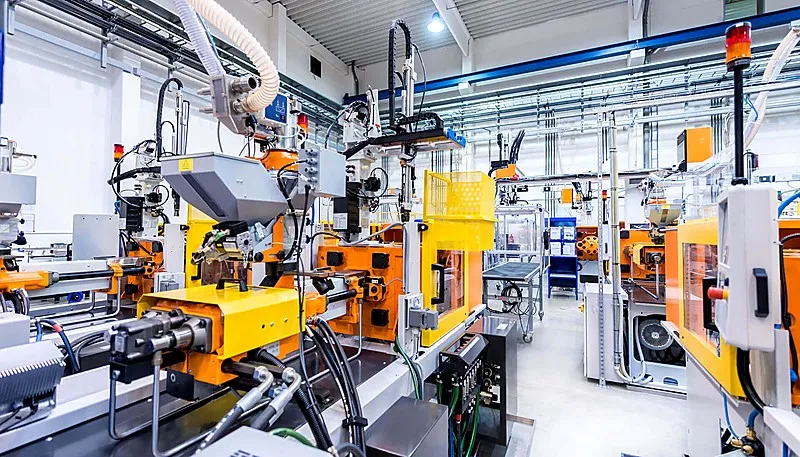
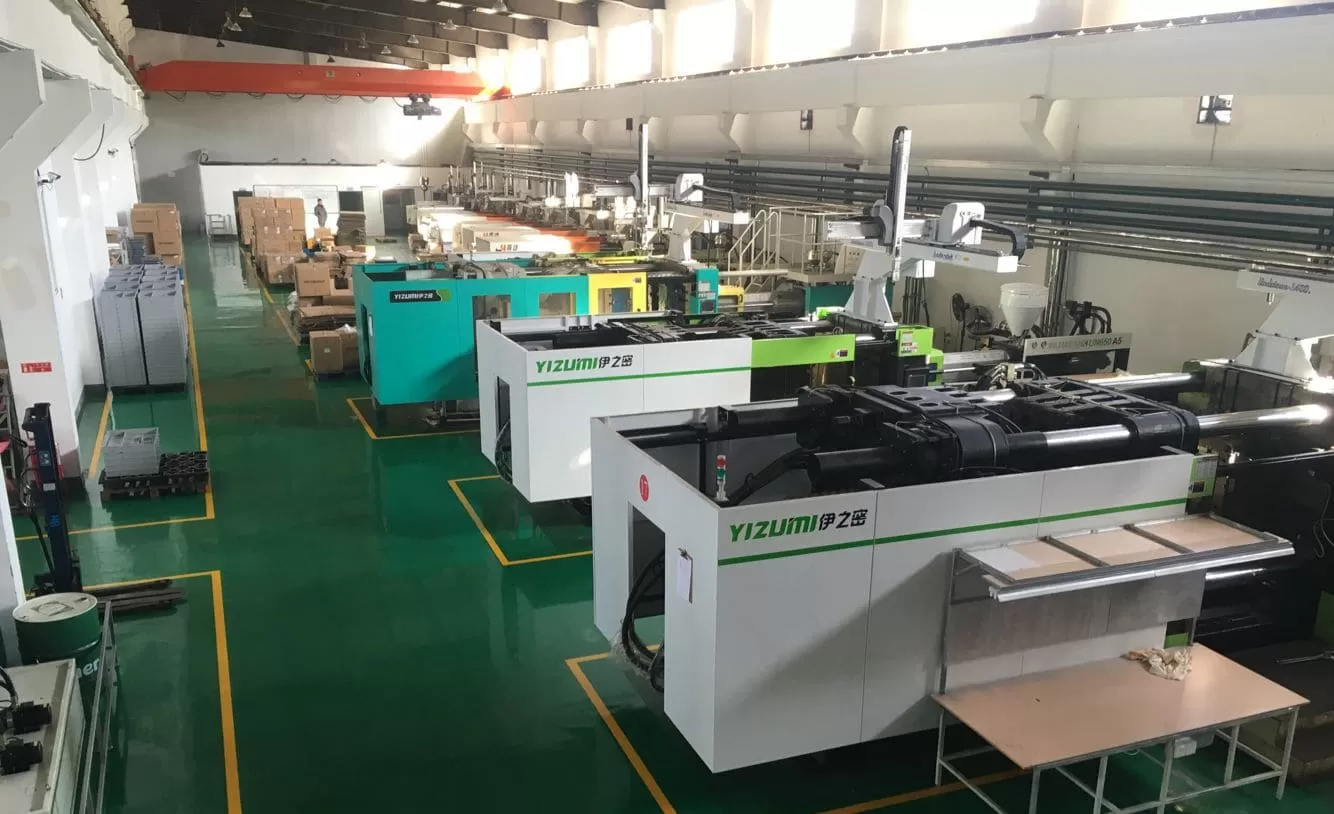
A primeira coisa a verificar é se um fornecedor consegue realmente produzir as suas peças. Muitas empresas comerciais apresentam-se como fabricantes, mas subcontratam tudo a oficinas desconhecidas. Pergunte diretamente: quantas máquinas de moldação por injeção operam e qual é a gama de tonelagem? Um fornecedor com 5 máquinas abaixo de 200T não consegue produzir uma carcaça automóvel que necessite de uma força de fecho de 1200T. Na nossa fábrica de Xangai, operamos 47 máquinas de moldação por injeção de 90T a 1850T — uma gama suficiente para produzir, sob o mesmo teto, desde microcomponentes médicos até grandes carcaças industriais.
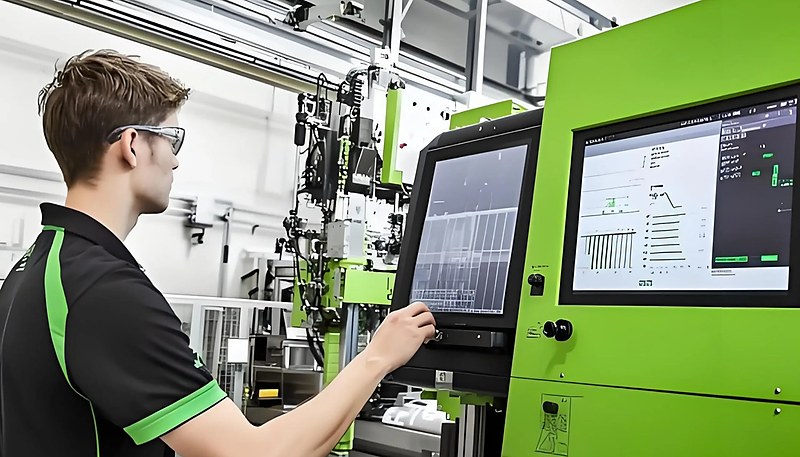
Pergunte pela automatização e pelo controlo do processo. Utilizam extração robotizada das peças? Monitorização da pressão em circuito fechado? Princípios de moldação científica com processos desacoplados? Um fornecedor que ainda opere máquinas em modo manual, com uma qualidade dependente do operador, representa um risco para qualquer série de produção superior a algumas centenas de peças. Solicite também o plano de manutenção das máquinas—uma máquina com 10 anos bem conservada e com um histórico de manutenção documentado é normalmente melhor do que uma máquina nova sem um plano de manutenção preventiva. Já vimos fornecedores omitirem durante meses a lubrificação dos tirantes e depois questionarem por que motivo a consistência entre injeções se desviava 15%.
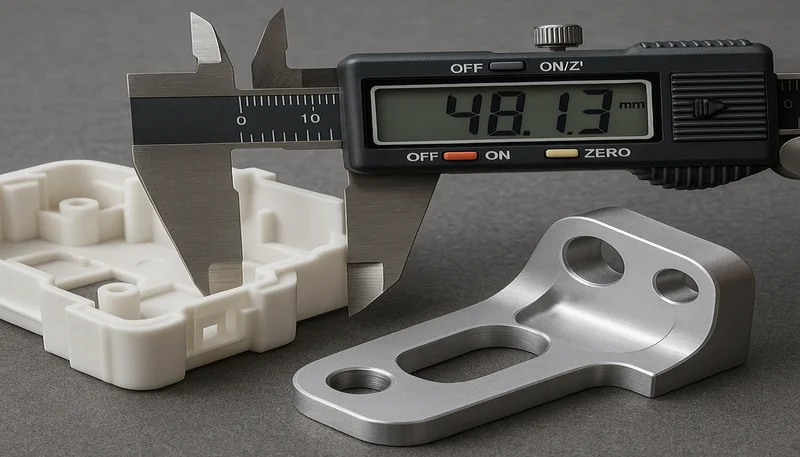
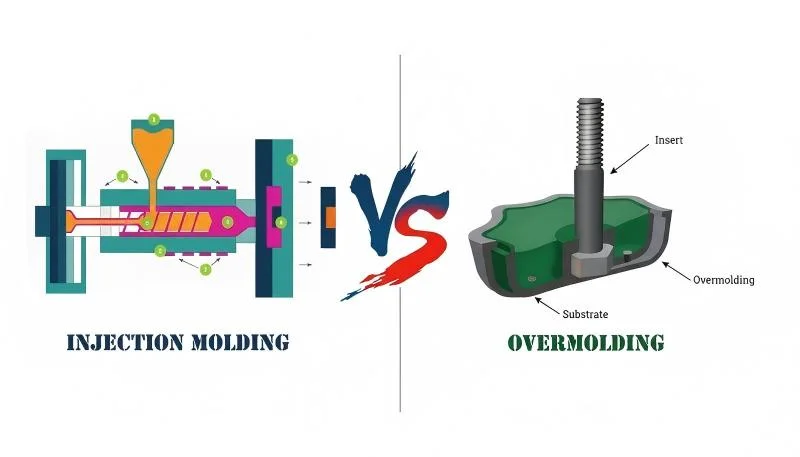
Pergunte também como o fornecedor compara a capacidade de tolerância da moldagem por injeção com alternativas de maquinagem CNC para a geometria específica da sua peça. Compreender quando a moldagem por injeção alcança uma tolerância adequada e quando é necessário um pós-processamento por maquinagem CNC demonstra verdadeiro discernimento técnico. Um fornecedor capaz de explicar os compromissos de tolerância entre estes processos e recomendar a abordagem mais económica para os seus requisitos de volume e precisão demonstra a profundidade técnica que distingue os parceiros de fabrico dos simples angariadores de encomendas.
Na nossa fábrica de Xangai, operamos 47 máquinas de moldação por injeção com uma gama de tonelagem de 90T a 1850T, o que nos permite processar desde micropeças de precisão até grandes componentes automóveis. Esta amplitude de equipamento significa que podemos produzir a sua peça atual e aumentar a escala em projetos futuros sem exigir a mudança de fornecedor à medida que a sua linha de produtos cresce.
Como verificar a qualidade das ferramentas e do fabrico de moldes?
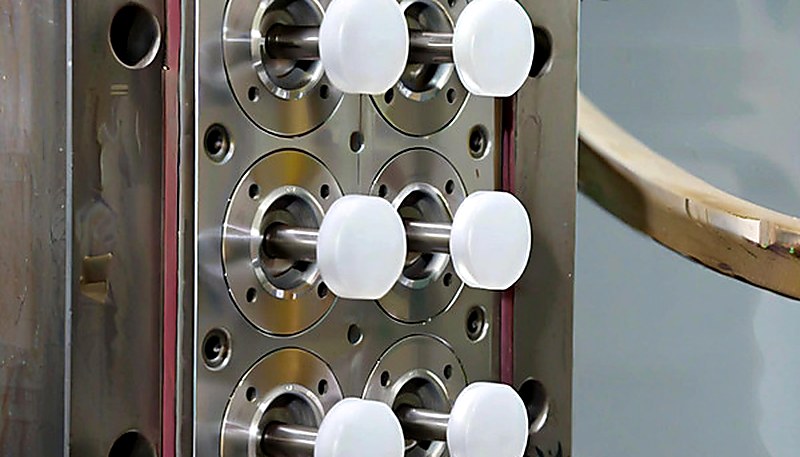
É nas ferramentas que se perde a maior parte do dinheiro em qualquer projeto de moldagem por injeção. Um molde é um instrumento de precisão que custa entre 5.000 e 200.000+ dólares, e quem o constrói controla o destino da sua produção nos próximos anos. A questão crítica é se o fornecedor tem sua própria capacidade de fabricação de moldes de injeção ou terceiriza para uma oficina de ferramentas terceirizada. Quando as ferramentas são terceirizadas, você não tem uma linha direta com as pessoas que cortam seu aço – e quando uma revisão é necessária, cada solicitação de mudança passa por um intermediário que pode não entender a intenção da engenharia. Isso adiciona custos, atrasos e riscos de falha de comunicação que aumentam a cada iteração do projeto.
Faça estas perguntas específicas durante a avaliação: Posso visitar pessoalmente a oficina de moldes? Quantos conjuntos de moldes produz, em média, por mês? Que tipos de aço utiliza nos machos e nas cavidades, e porquê? Realiza uma análise do fluxo do molde antes de maquinar o aço? Qual é a garantia normal de vida útil do molde em número de injeções? Um fornecedor com fabrico interno de moldes consegue normalmente oferecer ciclos de iteração mais rápidos — quando identificamos um problema dimensional durante a amostragem T1, os nossos engenheiros de moldes conseguem implementar uma alteração no aço em 24 a 48 horas, em vez de esperar vários dias para que uma oficina externa encaixe o trabalho na sua fila. Esta vantagem de rapidez acumula-se ao longo da vida de um projeto com várias revisões de desenho.
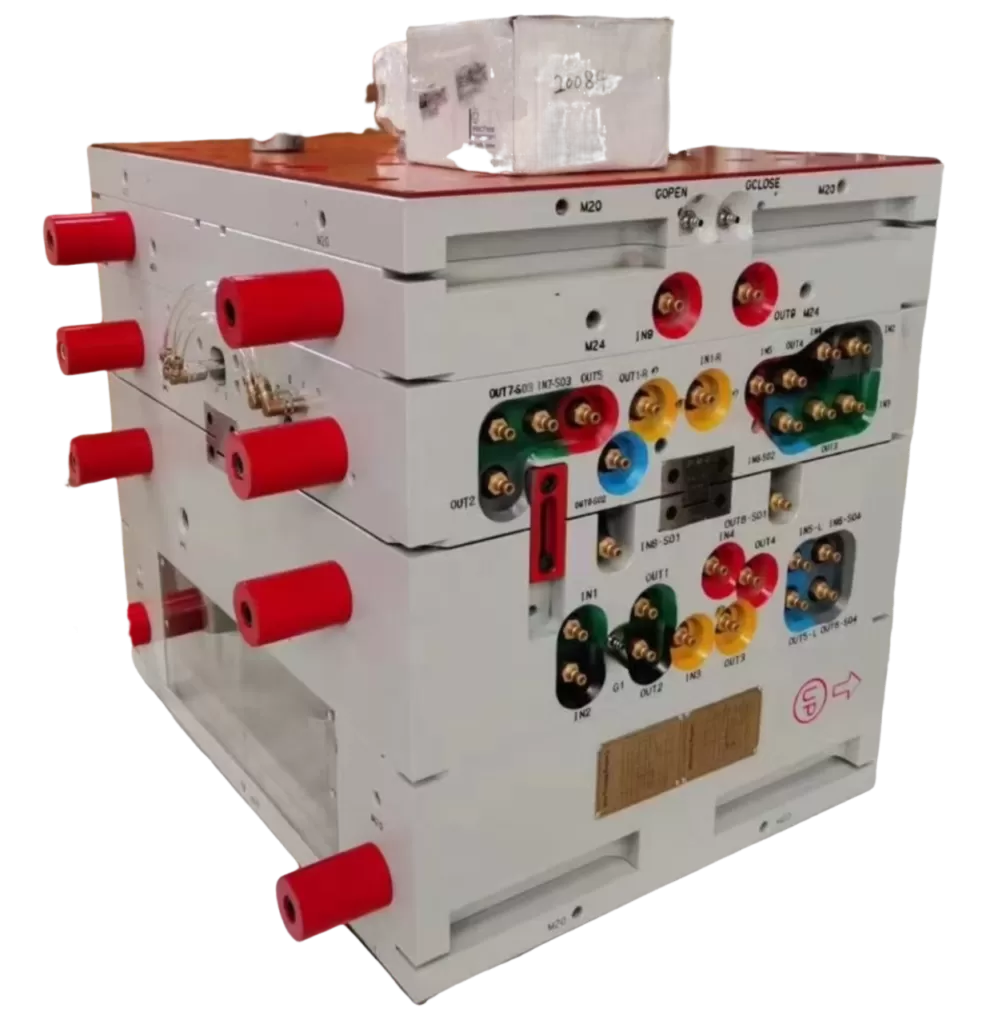
As nossas instalações internas de fabrico de moldes produzem mais de 100 conjuntos de moldes por mês, o que nos proporciona um controlo direto da qualidade, dos prazos e da comunicação de engenharia durante todo o processo de fabrico dos moldes.
Que certificações e sistemas de qualidade deve ter um fornecedor?
As certificações de qualidade são a prova mínima de que um fornecedor segue processos documentados. ISO90011 é o requisito básico, com ISO134852 para medicina e IATF169493 para automotivo como adições essenciais, dependendo do seu setor. Todo fornecedor afirma qualidade – a verdadeira questão de verificação é se eles podem lhe mostrar as evidências. Para componentes médicos, a ISO 13485 é exigida por reguladores em todo o mundo. Para peças automotivas, a IATF 16949 é o padrão reconhecido da cadeia de suprimentos. As certificações de gestão ambiental (ISO 14001) e saúde ocupacional (ISO 45001) sinalizam uma operação madura que investe na gestão sistemática em vez do combate reativo a incêndios. Mas os certificados pendurados na parede não significam nada sem a prova de cumprimento diário.
Operamos ao abrigo de sistemas de gestão da qualidade certificados pelas normas ISO 9001, ISO 13485, ISO 14001 e ISO 45001, com uma equipa dedicada de mais de 10 especialistas em controlo da qualidade que realiza inspeções dimensionais, visuais e funcionais em todas as encomendas de produção. O nosso laboratório de qualidade está equipado com máquinas de medição por coordenadas, comparadores óticos e medidores de rugosidade superficial, para garantir que todas as peças cumprem sistematicamente os requisitos das suas especificações ao longo das séries de produção.
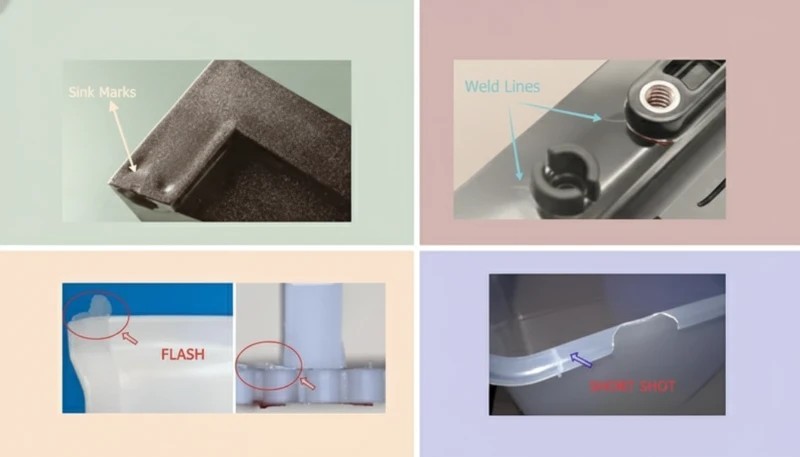
Para além das certificações, analise a forma como o fornecedor lida diariamente com defeitos de moldação por injeção, como linhas de soldadura, marcas de afundamento, rebarbas e enchimentos incompletos. Um sistema de qualidade sólido deve incluir uma análise sistemática da causa principal de cada ocorrência, o acompanhamento das ações corretivas com responsáveis e prazos atribuídos e medidas preventivas integradas diretamente nos parâmetros do processo, em vez de depender apenas da inspeção após a produção. Peça para consultar o registo de defeitos de produções recentes — os fornecedores que acompanham e classificam os defeitos por tipo e frequência gerem ativamente a qualidade, em vez de se limitarem a reagir às reclamações dos clientes após a expedição. Pergunte também quais são os objetivos para a taxa de refugo e como medem a melhoria ao longo do tempo.
Uma fábrica que não sabe indicar a sua taxa atual de defeitos por mil peças não gere a qualidade de forma proativa.
"Uma resposta rápida a um pedido de cotação indica sempre uma boa comunicação do fornecedor."True
Falso. A rapidez da proposta e a qualidade da comunicação são coisas diferentes. Um fornecedor que apresenta uma proposta em duas horas sem fazer perguntas pode estar a omitir etapas. Procure rapidez de resposta acompanhada de profundidade técnica.
"A certificação ISO 9001 garante uma qualidade consistente das peças."False
Falso. A ISO 9001 certifica que um fornecedor dispõe de processos documentados, não que todas as peças cumprem as especificações. Solicite sempre dados de inspeção reais e registos SPC para verificar a consistência na prática.
Porque distingue o conhecimento dos materiais os bons fornecedores dos maus?
O domínio dos materiais é o principal indicador de que um fornecedor entregará qualidade uniforme ou surpresas dispendiosas. Um fornecedor que apenas pergunta qual o material pretendido e o encomenda é um intermediário de matérias-primas, não um parceiro de fabrico. O fornecedor certo deve questionar a sua escolha de material, sugerir alternativas e explicar as contrapartidas. Deve saber que nem todos os graus de ABS têm o mesmo desempenho, que o nylon exige uma secagem cuidadosa e que o PC tem uma janela de processamento estreita, na qual pequenos desvios de temperatura causam amarelecimento ou fragilidade. Pergunte quantos materiais diferentes processa regularmente. Um fornecedor que trabalha com 400+ materiais já encontrou e resolveu problemas que um especialista em três resinas nunca encontrará.
Solicite relatórios de ensaio de materiais (MTR) para os seus lotes específicos. Pergunte sobre a inspeção dos materiais recebidos: verificam o índice de fluidez, o teor de humidade e a contaminação antes de carregar o material na máquina? Mantêm um sistema de rastreabilidade de materiais capaz de associar uma peça acabada ao lote de resina específico? Estas práticas são extremamente importantes ao investigar uma falha no terreno seis meses após o início da produção. Sem rastreabilidade dos lotes, a análise da causa-raiz torna-se mera suposição.
Com a experiência acumulada no processamento de mais de 400 materiais plásticos ao longo de 20+ anos, mantemos bases de dados detalhadas de parâmetros de processamento que nos ajudam a otimizar os tempos de ciclo e a qualidade das peças desde o primeiro ensaio.
Como deve avaliar a comunicação e a gestão de projetos?
A comunicação é o custo invisível que determina se um projeto decorre sem problemas ou se transforma num calvário de vários meses. O teste prático mais simples é enviar um pedido de informação técnica ao fornecedor e medir tanto o tempo como a qualidade da resposta. Uma resposta de uma só linha, como «sim, conseguimos fazê-lo», é um sinal de alerta. Uma resposta ponderada, que coloque questões de esclarecimento sobre a sua aplicação, os requisitos de tolerância e as previsões de volume, indica uma equipa que compreende efetivamente o projeto.
Pergunte especificamente sobre o suporte de engenharia em inglês. Muitos fornecedores chineses têm vendedores que falam inglês decentemente, mas engenheiros que só se comunicam em mandarim. Quando surgem problemas técnicos – e sempre surgem – você precisa de engenheiros que possam explicar claramente o problema e propor a solução. Pergunte também sobre seus sistemas de acompanhamento de projetos: eles fornecem atualizações regulares do progresso com fotos? Eles podem compartilhar o projeto do molde para aprovação antes de cortar o aço? Eles usam relatórios de amostragem padronizados com dados dimensionais? Esses não são recursos de luxo. São expectativas básicas para qualquer projeto sério de fornecimento de moldagem por injeção.
A nossa equipa inclui 30+ falantes fluentes de inglês e 8 engenheiros seniores que comunicam diretamente com clientes internacionais sobre decisões técnicas, eliminando a perda de informação causada pela dependência exclusiva de intermediários comerciais.
Que sinais de alerta o devem levar a abandonar um fornecedor?
O maior sinal de alerta é a recusa em permitir uma auditoria à fábrica—afaste-se imediatamente. Depois de avaliarmos centenas de fornecedores ao longo de duas décadas, aprendemos a reconhecer os sinais de alerta que prenunciam o fracasso de um projeto. Se um fornecedor não permitir que o comprador ou o seu inspetor independente percorra a área de produção, está a esconder algo—pode estar a subcontratar oficinas não certificadas, a ocultar más condições de trabalho ou equipamento que não corresponde às suas alegações. Nenhum fabricante legítimo recusa um pedido de auditoria razoável.
Outros sinais de alerta incluem: propostas com preços drasticamente inferiores aos dos concorrentes sem uma explicação clara de como conseguem a poupança; relutância em fornecer referências de clientes atuais do seu setor; ausência de um sistema de gestão da qualidade documentado; pressão para ignorar a prototipagem e avançar diretamente para o molde de produção; e respostas vagas sobre a origem dos materiais, sem rastreabilidade. Talvez o sinal mais perigoso seja um fornecedor que aceita todos os pedidos sem levantar objeções. Um bom parceiro de fabrico dir-lhe-á quando o seu projeto tem problemas, quando as suas expectativas de tolerância são irrealistas ou quando a escolha do material cria riscos desnecessários. Quem concorda com tudo comete erros dispendiosos.
"Uma visita à fábrica por videochamada proporciona o mesmo valor de verificação que uma auditoria no local."True
Falso. As visitas por vídeo mostram apenas o que o fornecedor quer que veja. São úteis como instrumento de pré-seleção, mas não substituem uma visita ao espaço de produção, a verificação do estado do equipamento e a confirmação de que as instalações correspondem às afirmações comerciais.
"A proposta mais baixa é normalmente a que oferece a melhor relação qualidade-preço na moldação por injeção."False
Falso. As cotações anormalmente baixas indicam frequentemente custos ocultos: tipos de aço inferiores para os moldes, ausência de inspeção da qualidade ou ordens de alteração planeadas que aumentam a fatura final. Compare as cotações linha a linha e peça aos fornecedores que expliquem as diferenças de preço significativas.
Quando deve solicitar uma auditoria à fábrica e o que deve verificar?
Solicite uma auditoria antes de assumir qualquer investimento em moldes acima de um limiar modesto. Para projetos com menos de 10,000 USD em moldes, uma visita por vídeo e a verificação de referências podem ser suficientes. Para valores superiores, agende uma visita ao local ou contrate uma empresa de inspeção independente. Durante a auditoria, veja além da sala de exposição — todos os fornecedores têm uma sala limpa para visitantes. Peça para ver a área de produção real onde as suas peças serão fabricadas. Verifique o estado das máquinas: estão em funcionamento, têm boa manutenção e são adequadas às dimensões e ao material da sua peça? Observe o armazém: o material está devidamente armazenado, com controlos ambientais? Verifique o laboratório de qualidade: dispõe de equipamento de medição calibrado, com etiquetas de certificação válidas?
Preste atenção às pessoas. Os operadores estão focados no trabalho ou visivelmente desinteressados? O supervisor de piso responde a questões técnicas com confiança? Há evidências de práticas 5S ou de manufatura enxuta? Estas observações dizem-lhe mais sobre a qualidade operacional diária do que qualquer certificado na parede. Peça também para ver o sistema de rastreamento de desperdícios—uma fábrica que não mede a taxa de desperdício não a pode melhorar, e uma fábrica que esconde a sua taxa de desperdício provavelmente tem vergonha dela.
Quais são as perguntas mais comuns sobre a verificação de fornecedores de moldagem por injeção?
Perguntas mais frequentes
Quantas máquinas de moldagem por injeção deve ter um fornecedor qualificado?
Não existe um mínimo universal, mas um fornecedor com menos de 10 máquinas pode ter dificuldades com a flexibilidade de capacidade durante os períodos de pico. Mais importante do que o número total é saber se a sua gama de tonelagem cobre os seus requisitos específicos de peças. Um fornecedor com 5 máquinas todas abaixo de 200T não pode produzir uma peça que exija uma força de fecho de 800T, independentemente da vontade de tentar. Combine sempre o perfil de equipamento do fornecedor com as suas necessidades reais de produção, em vez de confiar num parâmetro arbitrário de contagem de máquinas. Pergunte também sobre a sua taxa de utilização—uma fábrica a funcionar a 95% de capacidade não tem margem para as suas encomendas urgentes.
Qual é a certificação mais importante para um fornecedor de moldagem por injeção?
A ISO 9001 é a base essencial para qualquer fornecedor de moldagem por injeção industrial. Se estiver a produzir componentes para dispositivos médicos, a ISO 13485 torna-se absolutamente crítica para o cumprimento regulamentar. Para aplicações automóveis, a IATF 16949 é a norma reconhecida em toda a cadeia de abastecimento global. No entanto, as certificações por si só não garantem uma qualidade consistente das peças na linha de produção. Solicite sempre registos de inspeção reais, gráficos SPC, dados Cpk e relatórios recentes de auditoria de terceiros para verificar se os sistemas certificados são seguidos ativamente nas operações diárias, e não apenas durante as auditorias de vigilância anuais.
Devo sempre visitar a fábrica antes de fazer um pedido?
Para investimentos em ferramentas acima de 10.000 USD, recomenda-se vivamente uma visita no local ou uma auditoria de terceiros para verificar se a fábrica corresponde às suas alegações de marketing. Abaixo desse limiar, uma visita detalhada em vídeo combinada com verificações de referência de clientes atuais no seu setor pode fornecer garantias razoáveis para encomendas de produção iniciais. O princípio chave é a verificação através de provas independentes, quer provenha dos seus próprios olhos durante uma visita pessoal, quer de um parceiro de inspeção de terceiros de confiança que compreenda os requisitos de qualidade da moldagem por injeção e possa avaliar o que observa.
Que perguntas devo fazer sobre a manutenção de moldes?
Pergunte detalhadamente sobre o seu calendário de manutenção preventiva, o inventário de peças sobressalentes e as condições de armazenamento dos moldes. Um fornecedor qualificado deve conseguir dizer-lhe exatamente com que frequência inspecionam os pinos ejetores, lubrificam os componentes deslizantes e limpam os canais de refrigeração. Uma manutenção adequada do molde afeta diretamente a consistência das peças e a vida útil geral do molde—negligenciar a manutenção de rotina pode reduzir um molde classificado para um milhão de ciclos para metade desse número. Pergunte também se fotografam e documentam o estado do molde antes do armazenamento a longo prazo, e se realizam um teste de ciclo seco antes de reiniciar um molde armazenado para uma nova série de produção.
Uma empresa comercial pode fornecer a mesma qualidade que uma fábrica?
As empresas comerciais podem coordenar a produção de forma eficaz, mas acrescentam uma camada importante de distância comunicacional entre si e as pessoas que realmente fabricam as suas peças. Para peças de mercadoria simples com tolerâncias generosas, este arranjo pode ser aceitável e económico. Para qualquer coisa com tolerâncias apertadas, requisitos regulamentares ou geometria complexa, o acesso direto à fábrica dá-lhe um melhor controlo sobre os resultados de qualidade, uma resolução mais rápida de problemas e uma responsabilização mais clara quando surgem problemas durante a produção. A escolha certa depende da complexidade do seu projeto e da sua tolerância ao risco de qualidade.
Como posso verificar se um fornecedor realmente fabrica internamente?
Solicite uma videochamada ao vivo mostrando a área de produção com máquinas em funcionamento ativo, peça fotos das placas de identificação dos equipamentos com números de série e cruze a lista de máquinas que eles afirmam ter com o que observa durante uma visita à fábrica. Também pode pedir a sua licença comercial de fabrico, que especifica as atividades de produção permitidas e a morada registada. Outro método de verificação eficaz é solicitar registos de produção de trabalhos recentes que mostrem as atribuições das máquinas—se as mesmas máquinas aparecerem consistentemente em várias encomendas de clientes, é provável que a fábrica esteja a realizar o trabalho internamente em vez de subcontratar a oficinas desconhecidas.
Pronto para trabalhar com um parceiro verificado de moldagem por injeção?
Escolher o fornecedor de moldagem por injeção adequado é uma decisão que afeta a qualidade do seu produto, o cronograma e o custo total nos próximos anos. Na ZetarMold, damos as boas-vindas às suas perguntas e auditorias—porque acreditamos que a fabricação transparente constrói parcerias duradouras. A nossa instalação em Xangai opera com 47 máquinas de moldagem por injeção com ferramentaria interna, sistemas de qualidade certificados ISO e uma equipa de mais de 30 profissionais anglófonos prontos para apoiar o seu projeto desde a conceção até à produção.
Obtenha um orçamento gratuito - Envie-nos o design e os requisitos da sua peça. Forneceremos um orçamento detalhado com preços transparentes, recomendações de materiais e um cronograma de produção dentro de 24 horas. Sem taxas ocultas, sem surpresas – apenas as informações que você precisa para tomar a decisão certa.
ISO9001: ISO9001 refere-se aos requisitos de sistemas de gestão de qualidade da ISO 9001:2015 ↩
ISO13485: ISO13485 refere-se aos sistemas de gerenciamento de qualidade de dispositivos médicos da ISO 13485:2016 ↩
IATF16949: IATF16949 refere-se ao padrão de sistema de gerenciamento de qualidade automotiva iATF 16949:2016 ↩