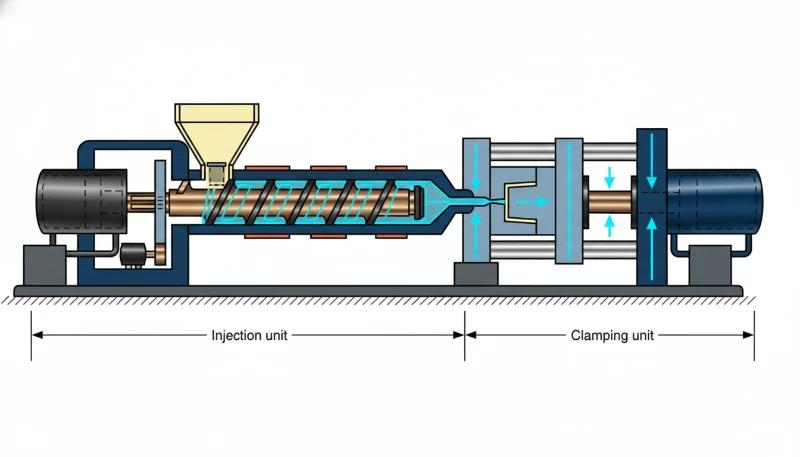
Her enjeksiyon kalıplama projesi tooling.lead.time1 riski taşır; bu, parçalara ihtiyaç duyduğunuz zaman ile tedarikçinizin onları fiilen teslim ettiği zaman arasındaki farktır. Kalıp ve kalıplama projelerini 20 yılı aşkın süredir yürütürken bu farkın tam olarak sıfıra indiğini yalnızca bir kez gördük. Diğer tüm durumlarda geç kalıp teslimatı; geciken üretimlere, kaçırılan pazar fırsatlarına ve altı haneli tutarlara ulaşabilen maliyet aşımlarına zincirleme biçimde yol açar. Bu kılavuz, enjeksiyon kalıplama tedarikçisi teslim süresi riskinin gerçek nedenlerini açıklar, tedarikçinin teslimat geçmişini nasıl denetleyeceğinizi gösterir ve takviminizi gerçekten koruyan sözleşme stratejileri sunar.
- Tedarikçi teslim süresi riski üretimde değil, kalıp tasarımında başlar
- Gecikmelerin çoğu teknik sorunlardan değil, zayıf iletişimden kaynaklanır
- Teklif edilen kalıp yapım sürelerine her zaman 20-30% tampon ekleyin
- Sözleşme imzalamadan önce tedarikçinizin kapasite kullanımını denetleyin
- Sözleşmedeki ceza maddeleri yalnızca uygulanabildiğinde işe yarar
Enjeksiyon Kalıplamada Tedarikçi Teslim Süresi Riski Nedir?
Tedarikçi teslim süresi riski, tedarikçinizin kalıbı veya parçaları zamanında teslim edememe olasılığıdır. Tek bir olay değil; kalıp tasarımı, çelik kesimi, ilk deneme (T1), numune revizyonları ve üretim kalifikasyonu olmak üzere projenin her aşamasında biriken toplam maruziyettir. Standart tek gözlü bir kalıp için 4–6 hafta teklif verilebilirken, yan hareketleri olan çok gözlü bir aile kalıbında numune alma başlamadan önce 10–14 hafta gerekebilir. Her mold.sampling2 turu, gereken değişikliklerin karmaşıklığına bağlı olarak 1–3 hafta ekler.
Kendi üretim deneyimimizde, tasarım değişiklikleri birikip iletişim koptuğunda “8 haftalık” kalıpların 16 hafta sürdüğünü gördük. Riskin zaman çizelgenize nereden girdiğini anlamak, onu kontrol etmenin ilk adımıdır.
Enjeksiyon Kalıplama Projeleri Son Teslim Tarihlerini Neden Kaçırır?
Bir numaralı neden teknik başarısızlık değil, iletişim başarısızlığıdır. Alıcı 3D CAD dosyası gönderip ara kontroller olmadan 6 haftada bitmiş kalıp beklediğinde iki tarafı da hayal kırıklığına hazırlar. Uygulamada karşılaştığımız en yaygın kök nedenler şunlardır: Kalıp yapımı başladıktan sonraki tasarım değişiklikleri. Çelik kesiminden sonraki her değişiklik siparişi yeniden işleme demektir. “Küçük” bir duvar kalınlığı ayarı bile birden çok kalıp insertinin değiştirilmesini, soğutma kanallarının yeniden yapılmasını ve akış analizinin tekrarlanmasını gerektirebilir. Tek bir değişiklik siparişinin takvime 3–4 hafta eklediğini gördük. Malzeme teslim süreleri. Özel mühendislik reçinelerinin (PEEK, PPS, LCP) distribütörlerden teslim süresi çoğu zaman 6–10 haftadır.
Kalıp tasarımı başlamadan önce malzeme seçimi kesinleşmemişse daha ilk çelik kesilmeden risk ekliyorsunuz demektir. Tedarikçinin kapasitesinin üzerinde taahhütte bulunması. %95 kapasite kullanımında çalışırken her potansiyel müşteriye “evet, 4 hafta” diyen bir atölye saatli bomba gibidir. Mevcut projelerinden biri aksadığı anda onların 4 haftası sizin 8 haftanıza dönüşür. T1 numune alımındaki kalite sorunları. İlk parçalar nadiren ilk denemede geçer. Çökme izleri, çarpılma, eksik dolum, çapak; bunlar normaldir.
Ancak her revizyon turu 1–3 haftaya mal olur; kök neden proses ayarı değil de temel bir tasarım sorunuysa 2–4 hafta daha ekleyen kalıp değişiklikleri gerekebilir. Yetersiz kilometre taşı takibi. Yapılandırılmış ilerleme raporları (fotoğraflar, ölçü verileri, CMM raporları) olmadan küçük sorunlar büyük gecikmelere dönüşür. Üç hafta sessiz kalan bir kalıp üreticisi “ilerleme kaydediyor” değildir; muhtemelen takılıp kalmıştır.
Yaygın gecikme nedenleri ve etkileri: Çelik kesiminden sonraki tasarım değişiklikleri genellikle 2–4 hafta ekler. Tedarikçi kapasitesinin aşırı dolu olması 2–8 hafta ekleyebilir. T1 numune başarısızlıkları her revizyon turunda 1–3 hafta ekler. Özel reçinelerde malzeme tedarik gecikmeleri 2–10 hafta arasında değişir. Zayıf iletişim veya ilerleme güncellemelerinin olmaması 1–6 hafta ekler. Nakliye ve gümrük gecikmeleri 1–3 hafta katkıda bulunur. En sık nedenler tasarım değişiklikleri ve tedarikçinin aşırı taahhüdüdür; ikisi de uygun planlama ve kilometre taşı takibiyle önlenebilir.

Kalıp Üretimi İçin Gerçekçi Termin Süreleri Nasıl Hesaplanır?
Kısa yanıt: tedarikçinin teklif ettiği zaman çizelgesini alın ve %25-30 ekleyin. Bu kötümserlik değildir — deneyimli alıcılar böyle plan yapar. Kalıp yapım süreleri çeşitli değişkenlere bağlıdır: parça karmaşıklığı, göz sayısı, yan hareketler (eğik iticiler, sürgüler), yüzey kalitesi gereksinimleri ve takım çeliğinin sertliği. Aşağıda kalıp kategorisine göre gerçekçi sürelerin pratik bir dökümü yer almaktadır.
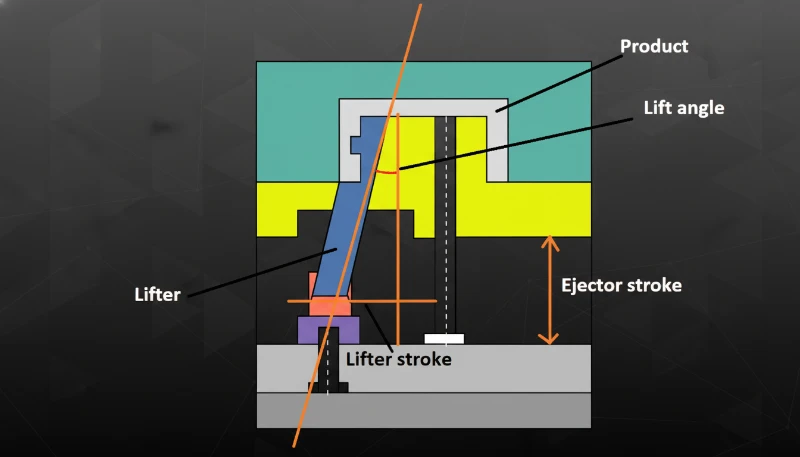
Yan hareketi olmayan basit tek gözlü bir kalıp için 4-6 hafta teklif edilir; ancak süre tamponla birlikte gerçekçi olarak 5-8 haftadır. Sürgülü ve 2-4 gözlü orta karmaşıklıktaki bir kalıp için 6-10 hafta teklif edilir ve gerçekçi süre 8-13 haftadır. Sıcak yolluklu ve açılı itici maçalı karmaşık çok gözlü kalıplar için 10-16 hafta teklif edilir ve gerçekçi süre 13-20 haftadır. Yüksek hassasiyetli veya tıbbi sınıf kalıplar için 12-20 hafta teklif edilir; ancak 16-26 hafta planlanmalıdır. Bu tahminler standart numune üretimi turlarını içerir; fakat çelik işleme başladıktan sonra büyük tasarım değişiklikleri olmayacağını varsayar.
Kalıp imalatının yanı sıra numune turlarını da hesaba katmanız gerekir. T1 (ilk deneme) numunesinin üretimi ve sevkiyatı genellikle 1-2 hafta sürer. Ölçü kontrollerinde sorun çıkarsa her revizyon döngüsü için 1-3 hafta daha bekleyin. Çoğu proje üretim onayından önce 2-3 numune turu gerektirir. Bu, “kusursuz” bir 8 haftalık kalıp imalatının T1, T2 ve muhtemelen T3 numuneleri hesaba katıldığında gerçekte 12-14 haftaya uzayabileceği anlamına gelir. Bazı alıcılar zaman kazanmak için numune turlarını atlamaya çalışır. Bu yanlış bir tasarruftur: ölçü sorununu numune aşamasında yakalamak günlere, seri üretimde yakalamak ise haftalara ve reddedilen binlerce parçaya mal olur. Numune süresini daima proje planınıza ekleyin.
Deneyimli alıcılar numune almayı, kalıp imalatının sonradan düşünülen bir eki olarak değil; kendi takvimi, bütçesi ve kabul kriterleri olan ayrı bir proje aşaması olarak ele alır. Yalnızca bu zihniyet değişikliği bile maliyetli takvim sürprizlerini önleyebilir.
Takımın Geç Teslim Edilmesinin Gizli Maliyetleri Nelerdir?
Geç kalan bir kalıbın açık maliyeti gecikmenin kendisidir. Ancak asıl mali zarar, ardından gelen zincirleme etkilerden doğar. Kalıbınız üç hafta geç geldiğinde üretim planlama, malzeme tedariki, montaj, kalite doğrulaması ve nihayet son müşteriye sevk tarihiniz dâhil sonraki tüm faaliyetler kayar. Bunun dolar karşılığı şöyledir. Hızlandırılmış nakliye. Üretim pencereniz daralırsa bitmiş parçaları deniz yerine hava yoluyla göndermeniz gerekebilir. Çin’den ABD’ye tipik bir konteyner sevkiyatında hava taşımacılığı deniz taşımacılığından 4–6 kat pahalıdır. 50.000 USD’lik bir sevkiyatta yalnızca navlun için 150.000–250.000 USD ek maliyet demektir.
Fazla mesaili üretim. Kaybedilen zamanı telafi etmek için presleri hafta sonu çalıştırmak veya gece vardiyası eklemek parça başı maliyetinizi genellikle %30–50 artırır. Kaçırılan pazar fırsatları. Ölçülmesi en zor ama çoğu zaman en pahalı etkidir. Perakende lansman tarihini bir ay kaçıran tüketici ürünü tüm satış sezonunu kaybedebilir. Mevzuat başvuru penceresini kaçıran tıbbi cihaz 6–12 aylık ek gecikmeyle karşılaşabilir. Kaybedilen müşteri güveni. B2B üretimde zamanında teslimat itibarınız rekabet avantajıdır. Çok görünür tek bir gecikme yıllarca süren ilişki kurma emeğine mal olabilir.
Bu zincirleme gecikmelerin maliyeti hızla büyür. Takım üretimindeki üç haftalık gecikme, genel takviminize yalnızca üç hafta eklemez; tüm tedarik zincirinizde domino etkisi yaratır. Üretim hatları boşta kalır, montaj operasyonlarının sıralaması bozulur ve nihai ürün stoku emniyet stoku düzeyinin altına iner. Yalın stok stratejileriyle çalışan veya kendi müşterilerine tam zamanında teslimat taahhüdü veren şirketlerde iki haftalık gecikme bile alt sözleşmelerdeki ceza maddelerini tetikleyebilir. Bu nedenle teslim süresi risk yönetimi, temelde yalnızca planlama değil finans konusudur. Birlikte çalıştığımız en başarılı alıcılar, olası her gecikme haftasını proje bütçelerinde ölçülebilir bir maliyet kalemi olarak değerlendirir.
Geciken ürün lansmanının günlük maliyetini, hava taşımacılığının deniz taşımacılığına göre birim maliyetini ve sonraki teslimat pencerelerinin kaçırılmasından doğan ceza maliyetini hesaplarlar. Termin riskini finansal olarak ifade ettiğinizde, tedarikçiyi gerektiği gibi incelemeye ve kilometre taşı takibine yatırım yapmanın ROI’si açıkça görülür.
"Deneyimli alıcılar için teklif edilen takım teslim sürelerine yüzde 30 tampon eklemek standart uygulamadır"True
İyi yönetilen takım atölyelerinde bile numune turları, malzeme tedariki ve takvim çakışmaları nedeniyle karmaşık kalıplarda 2-3 haftalık gecikmeler yaşanır. Deneyimli satın alma ekipleri bu tampon süreyi rutin olarak proje takvimlerine ekler.
"En ucuz tedarikçi teklifi her zaman en iyi toplam değeri sağlar"False
Düşük teklifler çoğu zaman numune alma turlarını, tasarım revizyonlarını veya malzeme primlerini içermez. Gecikmeler, hızlandırılmış sevkiyat ve kalite kaynaklı yeniden işleme dahil toplam proje maliyeti, orta fiyat aralığındaki bir tedarikçinin isteyeceği tutarı sık sık aşar.
Bir Tedarikçinin Zamanında Teslimat Geçmişi Nasıl Denetlenir?
Tedarikçiyi denetlemenin yolu doğrulanabilir teslimat verileri istemektir. İstenecek belirli metrikler ve dikkat edilecek tehlike işaretleri şunlardır. Son 12 aydaki on.time.delivery3 oranlarını sorun. İyi yönetilen bir kalıplama atölyesinin oranı yüzde 85’in üzerinde olmalıdır. Yüzde 75’in altı uyarı işaretidir. Zamanında teslimatı nasıl tanımladıklarını da sorun; bazı tedarikçiler her revize takvim gönderdiğinde sayacı sıfırlayarak rakamlarını şişirir. Geç kaldıklarında ne kadar geç kalıyorlar? Yüzde 90 zamanında teslimat oranına sahip olup kaçırdığı yüzde 10’da ortalama 8 hafta geciken bir tedarikçi, yüzde 85 zamanında teslimat oranına ve ortalama 1 haftalık gecikmeye sahip olandan daha risklidir.
Kapasite kullanımı. Pres sürelerinin şu anda yüzde kaçının rezerve olduğunu sorun. %95 kapasitede çalışan atölyenin bir sorun çıktığında takvimi telafi edecek alanı yoktur. Acil siparişler ve takvim telafisi için pay bırakmak amacıyla kullanımı %75–85 düzeyinde tutmayı hedefleriz. Mevcut sipariş birikimi. Atölyelerinde şu anda kaç aktif kalıp yapımı var? Devam eden 20 kalıp ve 12 CNC makinesi varsa bu, gerçek teslim süreniz hakkında herhangi bir tekliften daha fazlasını söyler. Müşteri referansları. Sizinkine benzer karmaşıklıkta projeleri olan müşterilerden 2–3 referans isteyin. Arayın. Yalnızca parça kalitesini değil, özellikle teslimat performansını sorun.
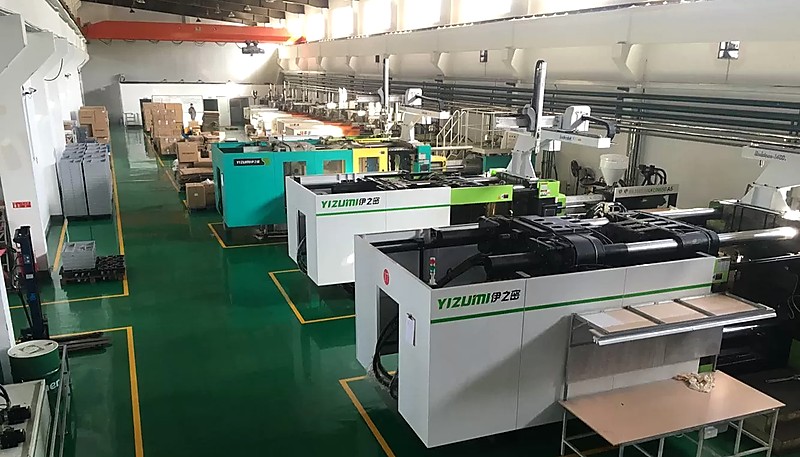
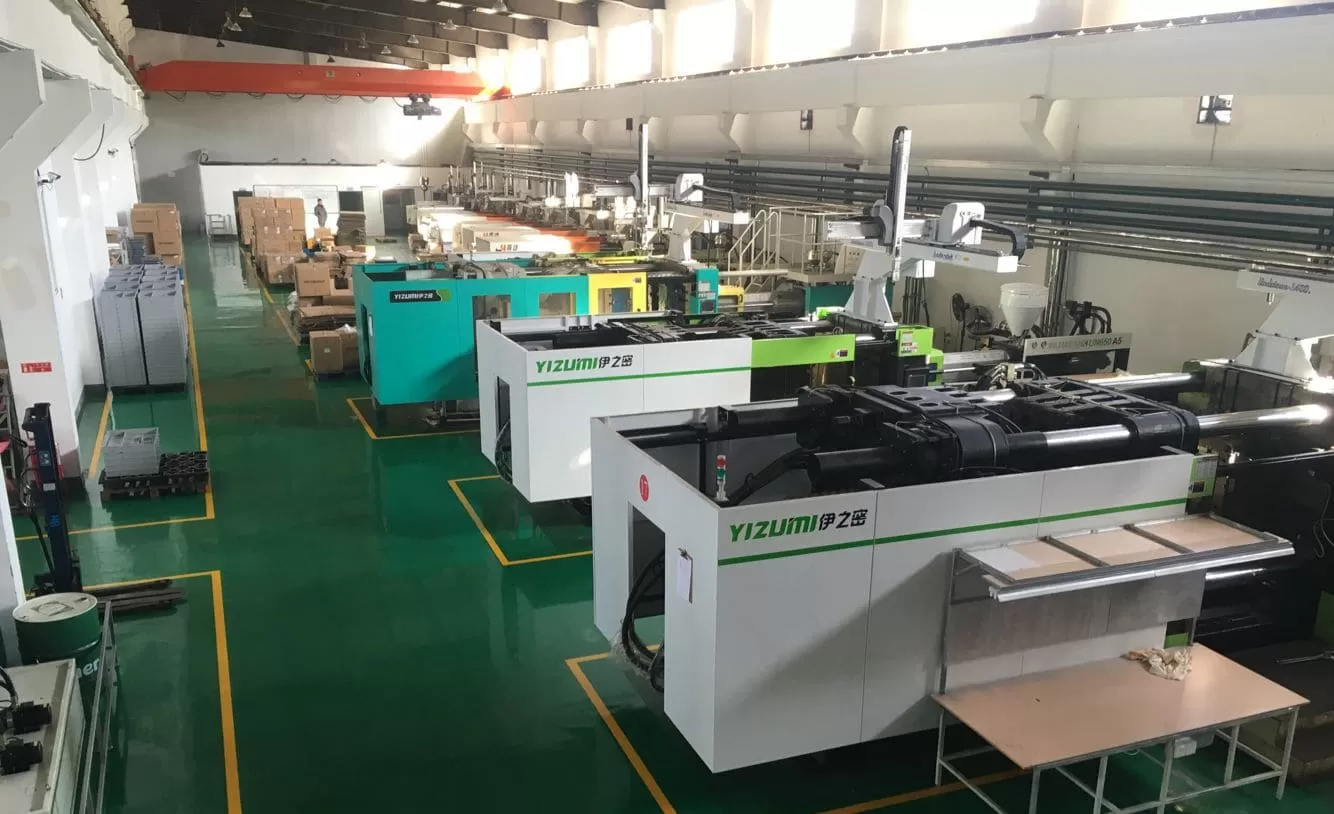
Şanghay fabrikamızda 90T ila 1850T aralığında 47 enjeksiyon kalıplama makinesi çalıştırıyoruz; bunları ayda 100+ kalıp seti üretebilen şirket içi kalıp üretim tesisi destekliyor. İngilizce konuşan 30+ proje yöneticimizle fotoğraflar ve CMM verileri içeren haftalık ilerleme raporları sunuyoruz; böylece müşterilerimiz takımlarının tam olarak hangi aşamada olduğunu her zaman bilir: kapalı kutu ve sürpriz yoktur.
Hangi Sözleşme Koşulları Sizi Teslim Süresi Aşımlarına Karşı Korur?
Ayda 100’den fazla kalıp üretimini yönetmek bize bir satın alma siparişinin sözleşme olmadığını, en azından sizi koruyan bir sözleşme olmadığını öğretti. Deneyimli alıcıların tedarik sözleşmelerinde teslim süresi riskini yönetmek için kullandığı belirli şartlar şunlardır. Kilometre taşına dayalı ödemeler. Asla %100 peşin ödeme yapmayın. Ödemeleri kilometre taşlarına göre yapılandırın: siparişte %30, T1 numune alımında %30, üretim onayında %30 ve ilk üretim çalışmasından sonra %10. Bu, tedarikçiyi her kilometre taşına zamanında ulaşmaya teşvik eder ve gecikmesi halinde size pazarlık gücü verir. Geç teslimat ceza maddeleri. Teslimatın kararlaştırılan tarihi aştığı her gün/hafta için günlük veya haftalık ceza öngören bir madde ekleyin.
Tipik oranlar haftalık kalıp fiyatının 0.5-1%‘idir ve toplam değerin 10-15%‘iyle sınırlıdır.
Cezanın sözleşmenize uygulanacak hukuk kapsamında icra edilebilir olduğundan emin olun. Haftalık ilerleme raporları. Kalıbın mevcut durumunu gösteren fotoğraflarla birlikte yazılı haftalık güncellemeler talep edin. Bu konu pazarlığa açık değildir. Haftalık fotoğraflı güncellemelere direnen bir tedarikçi ya düzensizdir ya da bir şey saklıyordur. Çıkış maddeleri. Sözleşmeyi hangi koşullarda feshedebileceğinizi ve kalıbınızı geri alabileceğinizi tanımlayın. Bunlar; kilometre taşlarının tekrar tekrar kaçırılmasını, belirlenmiş revizyon turu sayısını aşan kalite hatalarını ve mücbir sebep hükümlerini içermelidir. Fikri mülkiyetin korunması. Sözleşmede tüm kalıp tasarımlarının, parça tasarımlarının ve üretim verilerinin sizin mülkiyetinizde kaldığının belirtildiğinden emin olun. Rekabet etmeme ve gizlilik maddelerini ekleyin.
"Kalıp üretimi sırasında haftalık ilerleme fotoğrafları teslim süresi riskini önemli ölçüde azaltır"True
Düzenli görsel güncellemeler, sorunları haftalar süren gecikmelere dönüşmeden erken yakalar. Haftalık raporlama talep eden alıcılar sürekli olarak daha az sürprizle karşılaştıklarını ve sorunların daha hızlı çözüldüğünü bildirir.
"Standart satın alma siparişi şartları, teslim süresi aşımlarına karşı yeterli koruma sağlar"False
Genel PO koşulları nadiren kilometre taşı takibi, ceza maddeleri veya çıkış hükümleri içerir. Tedarikçi son tarihleri kaçırdığında neredeyse hiçbir başvuru yolu sunmaz ve kalıp yatırımınızı geri almak maliyetli bir hukuk mücadelesine dönüşür.
Yüksek Riskli Bir Tedarikçiden Ne Zaman Vazgeçmelisiniz?
Tekrarlanan gecikmeler, zayıf iletişim veya kalitedeki gerileme, tedarikçiyle devam etmeyi değiştirmekten daha pahalı hale getirdiğinde o tedarikçiden ayrılın. Fabrikamızda, tekrarlanan gecikmelerden sonra tedarikçi değiştiren alıcılar görüyoruz. Projenin ortasında ayrılmak acı vericidir; zaman, para ve tasarım emeği yatırmış olursunuz. Ancak başarısız olan bir tedarikçiyle kalmak daha da pahalı olabilir. Alternatif bulma zamanının geldiğini gösteren açık uyarı işaretleri şunlardır. Kök neden analizi yapılmadan tekrarlanan gecikmeler. Nedenini açıklamadan üç hafta üst üste “biraz geriden geliyoruz” diyen bir tedarikçi sorunu çözmüyor, beklentilerinizi aşağı çekiyordur.
İletişimin bozulması. Yanıt süreleri aynı günden birkaç güne çıkarsa veya iletişim kurduğunuz kişi açıklama yapılmadan değişirse tedarikçi kaynakları projenizden başka işlere aktarıyor olabilir.
Numune aşamasında kalitenin gerilemesi. T2 numuneleri T1 numunelerinden daha kötüyse kalıp üretim sürecinde temel bir sorun vardır. Bu durum nadiren kendiliğinden düzelir. Değişiklik siparişlerinde kapsamın genişlemesi. Tedarikçi, ilk kapsama dahil olması gereken kalemler (üretilebilirlik için temel tasarım geri bildirimi, standart yüzey kaplamaları, rutin numune alımı) için ücret almaya başlarsa bu, projeye düşük teklif verdiğini ve kâr marjını geri kazanmaya çalıştığını gösterir. Referans sunamama. Benzer işler için yakın tarihli 2-3 müşteri referansı veremeyen bir tedarikçi, iddia ettiği deneyim geçmişine sahip olmayabilir. Karar çerçevesi basittir: değiştirmenin maliyetini (yeni kalıp depozitosu, kaybedilen zaman, proje yönetimi giderleri) kalmanın maliyetiyle (devam eden gecikmeler, kalite riski, fırsat maliyeti) karşılaştırın.
Mevcut tedarikçiyle kalmak daha pahalıysa — üçüncü kaçırılan termin sonrasında çoğu zaman öyledir — değişim zamanı gelmiştir.
Üretim Programınıza Teslim Süresi Tamponlarını Nasıl Ekleyebilirsiniz?
Teslim süresi riskini yönetmenin en iyi zamanı satın alma siparişini imzalamadan öncedir. Proje takviminize gerçekçi bir üretim tamponu eklemek için pratik bir çerçeve şöyledir. Aşama 1: RFQ aşaması. En az 3 tedarikçiden ayrıntılı teslim süresi dökümü isteyin. Yalnızca “ne kadar sürer?” diye sormayın; tasarım incelemesi, malzeme tedariki, CNC işleme, EDM, parlatma, montaj, T1 numune alımı, revizyon döngüleri ve üretim kalifikasyonu gibi her aşamayı gösteren bir Gantt şeması isteyin. Dökümleri karşılaştırın. Bir tedarikçi toplam 6 hafta, diğerleri 8-10 hafta teklif ediyorsa kısa teklif muhtemelen eksiktir. Aşama 2: Tampon tahsisi. Yalnızca toplam süreye değil, her aşamaya standart %25 tampon uygulayın.
Bu, gecikmelerin katlanarak büyüyen niteliğini hesaba katar; çelik kesimindeki 1 haftalık gecikme, sonraki her işi ileri iter. Aşama 3: Paralel iş akışı planlaması. Ardışık yerine paralel yürütülebilecek faaliyetleri belirleyin. Örneğin kalıp tasarlanırken malzeme seçimini kesinleştirin. Kalıp üretilirken ham reçine sipariş edin. Numune aşamasında üretim fikstürlerini hazırlayın. Aşama 4: Kontrol noktası kapıları. Her önemli kilometre taşında devam/durdurma kriterlerini tanımlayın. T1 numuneleri, boyutsal kontrolleri belirlenen toleranstan fazla aşarsa doğaçlama sorun giderme yerine önceden planlanmış bir kurtarma eylemini başlatın. Amaç riski ortadan kaldırmak değildir; özel kalıplarda bu imkânsızdır. Amaç, riski yönetilebilecek kadar erken görünür kılmaktır.
Sıkça Sorulan Sorular
Enjeksiyon kalıp teslimatı için tipik bir süre nedir?
Tipik bir tek boşluklu kalıp yapımı 4-6 hafta sürerken, sıcak kanallı ve yan hareketli kompleks çok boşluklu kalıplar 10-16 hafta sürebilir. Kesin zaman çizelgesi parça geometri karmaşıklığına, boşluk sayısına, yüzey bitirme gereksinimlerine ve kullanılan kalıp çeliği türüne bağlıdır. Numune alma turları ve olası revizyonlar için her zaman -30 tampon ekleyin. Orta karmaşıklıkta standart bir üretim kalıbı için, satın alma siparişinden üretim onaylı numunelere kadar 8-12 hafta gerçekçi bir temel olarak planlayın. Tıbbi veya havacılık uygulamaları için yüksek hassasiyetli kalıplar 16-26 hafta gerektirebilir.
Enjeksiyon kalıplama teslimat süresini nasıl azaltabilirim?
Teslimat süresini etkili bir şekilde azaltmak için, parça tasarımınızı kalıp başlamadan önce sonuçlandırın ve çelik kesimden sonra değişiklik emirlerinden kaçının. Uzun tedarik süreleri olan özel mühendislik reçinelerini önceden sipariş edin. Maksimum kullanımda çalışan değil, onaylanmış mevcut kapasitesi olan bir tedarikçi seçin. Sorunları erken yakalamak için fotoğraflı haftalık ilerleme raporları talep edin. Mümkün olan yerlerde paralel faaliyetler yürütün — kalıp yapılırken ham malzemeleri sipariş edin ve üretim aparatlarını tasarlayın. Bu adımlar birlikte, tipik bir kalıp yapım süresinden 2-4 hafta kısaltabilir.
Kalıp yapımında en çok gecikmelere ne sebep olur?
Kalıp yapımında en yaygın gecikme nedenleri, çelik kesim başladıktan sonra talep edilen tasarım değişiklikleri, çok fazla eşzamanlı proje kabul etmekten kaynaklanan tedarikçi kapasite aşırı yükü ve kalıp modifikasyonları gerektiren T1 numune alma başarısızlıklarıdır. Bunların her biri bir proje zaman çizelgesine 2-8 hafta ekleyebilir. Alıcı ve tedarikçi arasındaki iletişim boşlukları da önemli ölçüde katkıda bulunur — haftalık kontrol toplantıları kurmayan alıcılar, genellikle sorunları gerekenden haftalar sonra keşfeder. Özel reçineler için malzeme temin gecikmeleri de önemli teslim süresi ekleyebilir.
Bir tedarikçinin teslimat süresi iddiasını nasıl doğrularım?
Son 12 aydaki zamanında teslimat oranlarını, mevcut kapasite kullanım yüzdelerini, atölyelerindeki aktif kalıp yapım sayısını ve benzer karmaşıklıktaki projeler için müşteri referanslarını sorun. Teklif ettikleri zaman çizelgesini, spesifik kalıp karmaşıklık seviyeniz için endüstri kıyaslamaları ile çapraz kontrol edin. Nasıl yapacaklarını açıklamadan rakiplerinden önemli ölçüde daha hızlı teklif veren bir tedarikçi muhtemelen iş kapsamını küçümsüyordur. Ayrıca, her aşamada spesifik kilometre taşları ve teslim edilebilirlerle birlikte kalıp yapım sürecinin her fazını gösteren detaylı bir Gantt şeması talep edin.
Yerel mi yoksa yurtdışı bir enjeksiyon kalıp tedarikçisi mi seçmeliyim?
Yurtdışı tedarikçiler tipik olarak -50 daha düşük kalıplama maliyeti sunar ancak zaman dilimi farkları nedeniyle nakliye ve iletişim ek yükü için 2-4 hafta ekler. Doğru seçim, yalnızca kalıplama maliyetine değil, toplam proje zaman çizelgesi gereksinimlerinize bağlıdır. Zamanlama riskinin birincil endişe olduğu kritik son tarihli projeler için, yerel proje yönetimi ile yurtdışı üretim kapasitesini birleştiren bir tedarikçiyi düşünün. Bu yaklaşım, yurtiçi bir proje yönetimi ortağının iletişim güvenilirliği ve yanıt verilebilirliği ile yurtdışı üretimin maliyet avantajını size verir.
Enjeksiyon kalıplamada T1 numune alma nedir?
T1 (Deneme 1), yeni yapılmış bir kalıbın ilk test çalışmasıdır ve spesifikasyonlara karşı boyutsal ve görsel inceleme için numune parçalar üretir. Genellikle kalıp yapım aşamasının sonuna yakın gerçekleşen kritik bir kalite kapısıdır. T1 sırasında kalıp bir prese takılır ve üretim amaçlı parametrelerle çalıştırılır. Ortaya çıkan numuneler CMM ile ölçülür ve çökme izleri, taşma veya bükülme gibi kusurlar açısından değerlendirilir. Çoğu proje, üretim onayı almadan önce 2-3 numune alma turu gerektirir.
Teklif edilen teslimat sürelerine ne kadar tampon eklemeliyim?
Sektördeki en iyi uygulama, tedarikçinin verdiği zaman çizelgesine yüzde 25-30’luk bir tampon eklemektir. 8 haftalık bir teklif için, gerçekçi olarak 10-11 hafta planlayın. Bu tampon süre, numune alma turlarını, küçük tasarım revizyonlarını, malzeme tedarik değişkenliğini ve kalıp atölyesindeki normal program dalgalanmalarını hesaba katar. Sıcak kanallı veya sıkı toleranslı karmaşık kalıplar için tamponu yüzde 35-40’a çıkarmayı düşünün. Tampon süre bir israf değildir — son üretim programınızda zincirleme gecikmeleri önleyen ve nihai müşterilerinize olan taahhütlerinizi koruyan gerçekçi bir planlamadır.
Kaliteyi düşürmeden kalıp yapımını hızlandırabilir miyim?
Evet, kalıp yapımını kaliteyi düşürmeden hızlandırabilirsiniz. Bunun için kalıp başlamadan önce tasarımları sonuçlandırın, mümkün olduğunda standart kalıp bileşenlerini seçin, en az haftada iki kez ilerleme güncellemeleriyle net ve sık iletişim sağlayın ve programında onaylanmış mevcut kapasitesi olan bir tedarikçiyle çalışın. Çelik kesimden önce tasarımı doğrulamak için Moldflow gibi simülasyon yazılımlarını kullanmak da gerekli numune alma turlarının sayısını azaltır. Ancak, boyutsal kontrolleri aceleye getirmek veya numune alma turlarını atlamak, uzun vadede her zaman daha fazla zaman ve paraya mal olan yanlış bir tasarruftur.
Tedarikçinin teslim süresi riskini yönetmek, proaktif iletişim kuran ve programa uygun teslimat kapasitesine sahip bir iş ortağı seçmekle başlar. ZetarMold, Şanghay’da 47 enjeksiyon kalıplama makinesine (90T-1850T) sahip şirket içi bir kalıp üretim tesisi işletir ve ayda 100’den fazla kalıp seti üretir. İngilizce konuşan 30’dan fazla proje yöneticimiz, kalıbınızın tüm üretim süreci boyunca fotoğraflar ve boyutsal veriler içeren haftalık ilerleme raporları sunar. İster tek gözlü bir prototip kalıba ister karmaşık, çok gözlü bir üretim kalıbına ihtiyacınız olsun, baştan gerçekçi süreler veririz; abartılı vaatlerde bulunmayız. Ücretsiz fiyat teklifi alın ve şeffaf proje yönetiminin nasıl olduğunu size gösterelim.
tooling.lead.time: Kalıp teslim süresi, üretim başlayabilmeden önce bir enjeksiyon kalıbını tasarlamak, üretmek ve kalifiye etmek için gereken toplam süreyi ifade eder. ↩
mold.sampling: Kalıp numune alımı, seri üretimi onaylamadan önce boyutsal doğruluğu ve yüzey kalitesini doğrulamak amacıyla tamamlanmış bir kalıpla ilk deneme baskılarının yapılması sürecidir. ↩
on.time.delivery: Zamanında teslimat, tedarikçi siparişlerinin ilk taahhüt edilen teslim tarihinde karşılanan yüzdesini ölçen bir satın alma metriğidir. ↩