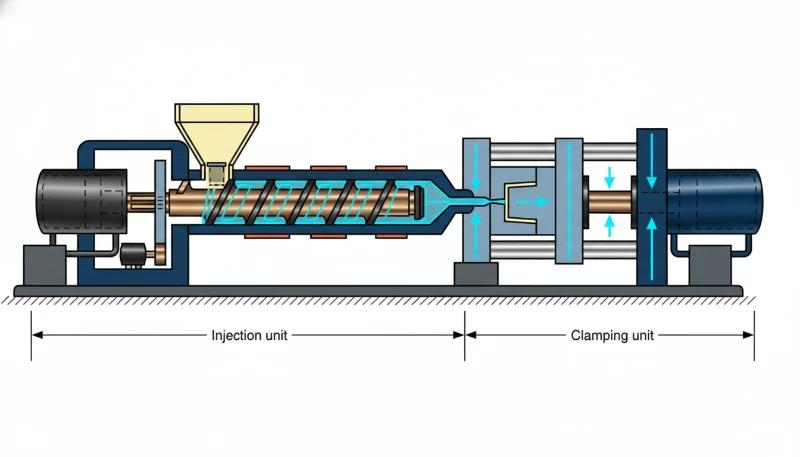
Elk spuitgietproject draagt een risico rond tooling.lead.time1 — het verschil tussen wanneer u onderdelen nodig hebt en wanneer de leverancier ze echt levert. In meer dan 20 jaar gereedschaps- en spuitgietprojecten zagen we die kloof exact één keer tot nul krimpen. Anders leiden late gereedschappen tot vertraagde productie, gemiste marktvensters en kostenoverschrijdingen tot zes cijfers. Deze gids behandelt de oorzaken van doorlooptijdrisico bij leveranciers van spuitgieten, het auditen van leverprestaties en contractstrategieën die uw planning echt beschermen.
- Het risico op een lange levertijd bij de leverancier begint bij het matrijsontwerp, niet bij de productie
- De meeste vertragingen ontstaan door slechte communicatie, niet door technische problemen
- Voeg altijd een buffer van 20-30% toe aan de opgegeven doorlooptijd voor de matrijsbouw
- Controleer de capaciteitsbenutting van uw leverancier voordat u tekent
- Contractuele boeteclausules werken alleen als u ze kunt afdwingen
Wat is het risico van de levertijd van leveranciers bij spuitgieten?
Doorlooptijdrisico is de kans dat een leverancier gereedschap of onderdelen niet tijdig levert. Het is cumulatieve blootstelling over matrijsontwerp, staalverspaning, eerste proef (T1), monsterrevisies en productiekwalificatie. Een enkelvoudige matrijs kan 4–6 weken vergen; een familiematrijs met meerdere holten en zijschuiven 10–14 weken vóór bemonstering. Elke ronde mold.sampling2 voegt afhankelijk van de wijzigingen 1–3 weken toe.
In de praktijk hebben we in onze eigen productie-ervaring gezien dat matrijzen met een doorlooptijd van “8 weken” uiteindelijk 16 weken vergden wanneer ontwerpwijzigingen zich opstapelden en de communicatie vastliep. Begrijpen waar risico’s uw planning binnendringen, is de eerste stap om ze te beheersen.
Waarom missen spuitgietprojecten hun deadlines?
De hoofdoorzaak is geen technische maar communicatiefout. Een koper die een 3D-CAD-bestand stuurt en zonder tussentijdse controles binnen zes weken een matrijs verwacht, organiseert teleurstelling. Veelvoorkomende oorzaken: Ontwerpwijzigingen na start van gereedschapsbouw. Elke wijziging na staalverspaning betekent herstelwerk. Zelfs een ‘kleine’ wanddiktewijziging kan meerdere inzetstukken, koelkanalen en stromingsanalyse raken en 3–4 weken toevoegen. Materiaaldoorlooptijden. Speciale engineeringkunststoffen (PEEK, PPS, LCP) hebben bij distributeurs vaak 6–10 weken levertijd.
Als de materiaalkeuze niet vóór het matrijsontwerp vaststaat, ontstaat risico vóór de eerste staalbewerking. Overbelaste leverancier. Een werkplaats die iedereen ‘ja, vier weken’ belooft terwijl 95% van de capaciteit bezet is, loopt onvermijdelijk uit; vier weken worden acht zodra een bestaand project hapert. Kwaliteitsproblemen bij T1. Eerste monsters slagen zelden direct. Inval, vervorming, onvolledige vulling en braam zijn normaal.
Elke revisieronde kost echter 1–3 weken; bij een fundamenteel ontwerpprobleem in plaats van een procesaanpassing kunnen matrijswijzigingen nog 2–4 weken toevoegen. Slechte mijlpaalbewaking. Zonder gestructureerde voortgangsrapporten (foto’s, meetdata, CMM-rapporten) groeien kleine problemen uit tot grote vertragingen. Een matrijzenbouwer die drie weken zwijgt, ‘boekt geen vooruitgang’ maar zit waarschijnlijk vast.
Veelvoorkomende vertragingsoorzaken en impact: ontwerpwijzigingen na staalverspaning voegen doorgaans 2–4 weken toe; capaciteitsoverschrijding 2–8 weken; mislukte T1-bemonstering 1–3 weken per revisie; inkoop van speciale hars 2–10 weken; slechte communicatie 1–6 weken; transport en douane 1–3 weken. Ontwerpwijzigingen en overbelasting komen het vaakst voor en zijn met planning en mijlpaalbewaking te voorkomen.

Hoe berekent u realistische doorlooptijden voor de matrijsbouw?
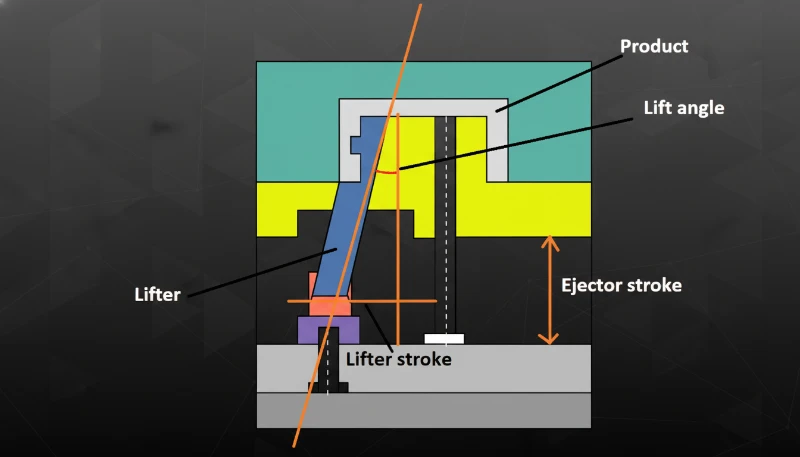
Het korte antwoord: neem de door de leverancier opgegeven planning en tel daar 25-30% bij op. Dat is geen cynisme — zo plannen ervaren inkopers. De bouwtijd van matrijzen hangt af van meerdere variabelen: onderdeelcomplexiteit, aantal caviteiten, zijbewegingen (lifters, schuiven), eisen aan de oppervlakteafwerking en hardheid van het gereedschapsstaal. Hieronder volgt een praktische uitsplitsing van realistische doorlooptijden per matrijscategorie.
Een eenvoudige matrijs met één caviteit en zonder zijschuiven wordt geoffreerd op 4-6 weken, maar duurt met buffer realistisch 5-8 weken. Een matrijs van gemiddelde complexiteit met 2-4 caviteiten en schuiven wordt geoffreerd op 6-10 weken en duurt realistisch 8-13 weken. Complexe matrijzen met meerdere caviteiten, hotrunners en lifters worden geoffreerd op 10-16 weken en duren realistisch 13-20 weken. Zeer nauwkeurige matrijzen of matrijzen van medische kwaliteit worden geoffreerd op 12-20 weken, maar moeten op 16-26 weken worden gepland. Deze ramingen omvatten standaard bemonsteringsronden, maar gaan ervan uit dat na aanvang van het verspanen van het staal geen grote ontwerpwijzigingen plaatsvinden.
Naast de matrijsbouw moet u rekening houden met monsterrondes. Een T1-monster (eerste proef) kost doorgaans 1-2 weken om te produceren en verzenden. Als maatcontroles problemen tonen, reken dan per revisiecyclus op nog eens 1-3 weken. De meeste projecten vereisen 2-3 monsterrondes vóór productiegoedkeuring. Daardoor kan zelfs een “perfecte” matrijsbouw van 8 weken met T1-, T2- en mogelijk T3-monsters uitlopen tot 12-14 weken. Sommige kopers slaan monsterrondes over om tijd te besparen. Dat is schijnzuinigheid: een maatprobleem tijdens bemonstering kost dagen; tijdens massaproductie kost het weken en duizenden afgekeurde onderdelen. Plan monstertijd altijd in.
Ervaren inkopers behandelen bemonstering als een afzonderlijke projectfase met een eigen planning, budget en acceptatiecriteria — niet als bijzaak bij de matrijsbouw. Alleen deze denkwijziging kan kostbare verrassingen in de planning voorkomen.
Wat zijn de verborgen kosten van een late levering van gereedschap?
De zichtbare kosten van een late matrijs zijn de vertraging, maar de echte schade zit in kettingeffecten. Drie weken vertraging verschuift productieplanning, materiaalinkoop, assemblage, kwaliteitsvalidatie en leverdatum. Spoedtransport: bij een kleiner productievenster moet u mogelijk lucht- in plaats van zeevracht gebruiken. Luchtvracht China–VS kost 4–6 keer meer. Op een zending van $50.000 is dat alleen al $150.000–250.000 extra vracht.
Overwerkproductie. Weekendwerk of nachtdiensten om tijd in te halen verhoogt de stukprijs doorgaans 30–50%. Gemiste marktvensters. Moeilijk te kwantificeren maar vaak het duurst: een consumentenproduct mist een verkoopseizoen; een medisch hulpmiddel kan door een gemist indieningsvenster 6–12 maanden vertraging oplopen. Verloren klantvertrouwen. In B2B-productie is tijdige levering een concurrentievoordeel; één opvallende vertraging kan jaren relatieopbouw kosten.
De kosten van deze opeenvolgende vertragingen lopen snel op. Een vertraging van drie weken bij de matrijsproductie voegt niet alleen drie weken toe aan uw totale planning, maar veroorzaakt een domino-effect in uw volledige toeleveringsketen. Productielijnen staan stil, assemblageprocessen raken uit hun volgorde en de voorraad eindproducten daalt tot onder de veiligheidsvoorraad. Voor bedrijven die met lean-voorraadstrategieën werken of zelf just-in-timeleveringen aan klanten hebben toegezegd, kan zelfs een vertraging van twee weken boeteclausules in contracten verderop in de keten activeren. Daarom is het beheersen van doorlooptijdrisico’s in wezen een financiële exercitie en niet alleen een planningsvraagstuk. De succesvolste inkopers met wie wij werken, behandelen elke week potentiële vertraging als een kwantificeerbare kostenpost in hun projectbudget.
Ze berekenen de dagelijkse kosten van een vertraagde productlancering, de kosten per eenheid van luchtvracht ten opzichte van zeevracht en de boetekosten voor het missen van downstream-leveringsvensters. Wanneer u het risico van de doorlooptijd in financiële termen uitdrukt, wordt het rendement van investeringen in grondige due diligence van leveranciers en het volgen van mijlpalen duidelijk.
"Een buffer van 30 procent op geoffreerde doorlooptijden voor matrijzen is standaardpraktijk voor ervaren inkopers"True
Zelfs goed geleide gereedschapsmakerijen lopen bij complexe matrijzen 2-3 weken vertraging op door proefrondes, materiaalinkoop en planningsconflicten. Ervaren inkoopteams nemen deze buffer standaard in hun projectplanning op.
"De goedkoopste leveranciersofferte biedt altijd de beste totale waarde"False
Lage offertes sluiten bemonsteringsronden, ontwerprevisies of materiaaltoeslagen vaak uit. De totale projectkosten, inclusief vertragingen, spoedverzending en kwaliteitsherstel, zijn vaak hoger dan de prijs die een leverancier in het middensegment zou hebben berekend.
Hoe controleert u de staat van dienst van een leverancier voor tijdige levering?
Audit een leverancier met verifieerbare leverdata. Vraag naar het percentage on.time.delivery3 over de afgelopen twaalf maanden. Een goed geleide spuitgieterij moet boven 85% zitten; onder 75% is een waarschuwing. Vraag ook naar de definitie: sommige leveranciers starten de klok opnieuw bij elke herziene planning. Hoe laat zijn late leveringen? 90% op tijd met gemiddeld acht weken vertraging bij de overige 10% is riskanter dan 85% op tijd met gemiddeld één week vertraging.
Capaciteitsbenutting. Vraag welk percentage perstijd is geboekt. Bij 95% is geen ruimte voor herstel; wij mikken op 75–85% als buffer. Huidige orderportefeuille. Hoeveel actieve matrijzen zijn er? Twintig matrijzen en twaalf CNC-machines zeggen meer over de echte doorlooptijd dan de offerte. Klantreferenties. Vraag 2–3 klanten met vergelijkbare projecten, bel hen en vraag specifiek naar leverprestaties, niet alleen onderdeelkwaliteit.
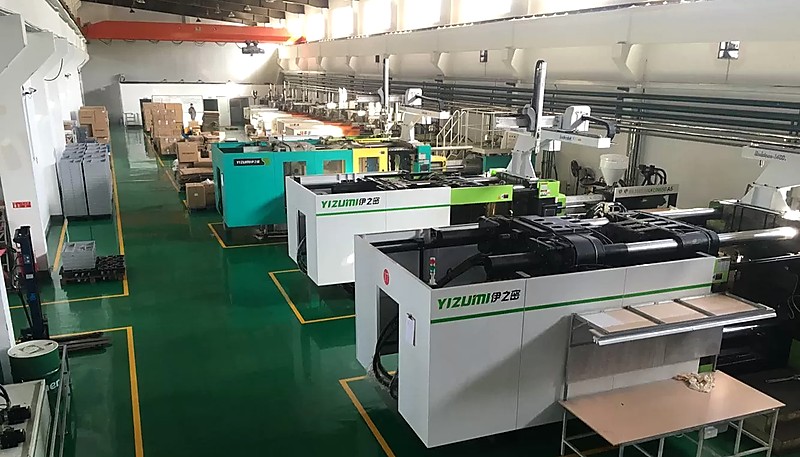
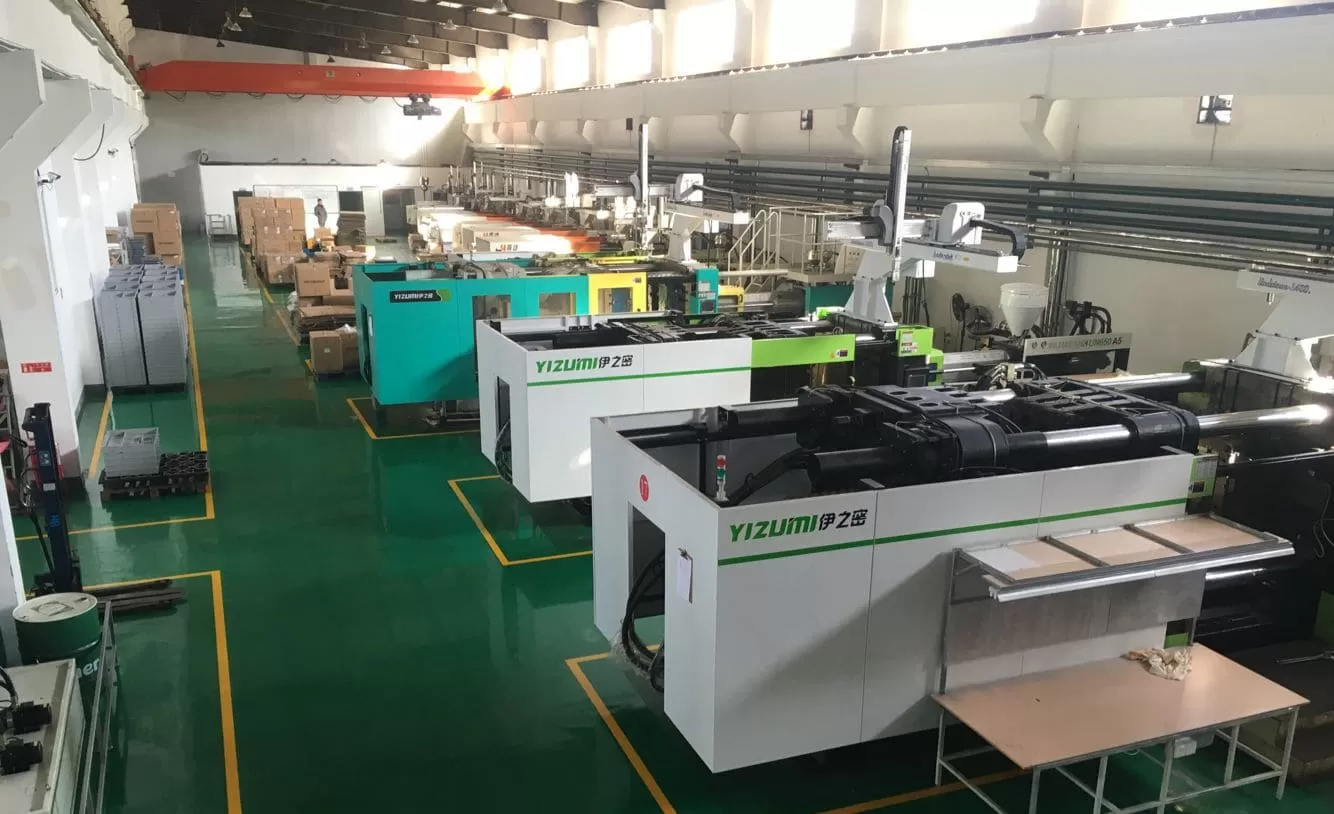
In onze fabriek in Shanghai draaien 47 spuitgietmachines van 90T tot 1850T, ondersteund door een eigen matrijzenfabriek die maandelijks 100+ matrijssets kan produceren. Met 30+ Engelssprekende projectmanagers rapporteren we wekelijks de voortgang met foto's en CMM-gegevens, zodat onze klanten altijd precies weten hoe hun gereedschappen ervoor staan — geen black boxes, geen verrassingen.
Welke contractvoorwaarden beschermen u tegen overschrijding van de levertijd?
Meer dan 100 matrijsbouwprojecten per maand hebben ons geleerd dat een inkooporder geen contract is—althans niet een dat u beschermt. Ervaren inkopers beheersen doorlooptijdrisico in hun sourcingovereenkomsten met concrete voorwaarden. Betaling per mijlpaal. Betaal nooit 100% vooraf: 30% bij bestelling, 30% bij T1-bemonstering, 30% bij productiegoedkeuring en 10% na de eerste productierun. Zo houdt de leverancier belang bij tijdige mijlpalen en behoudt u drukmiddel bij vertraging. Boeteclausules bij late levering. Leg een dagelijkse of wekelijkse boete vast voor elke dag/week na de afgesproken datum.
Gebruikelijke tarieven bedragen 0.5-1% van de gereedschapsprijs per week, met een maximum van 10-15% van de totale waarde.
Zorg dat de boete afdwingbaar is onder het toepasselijke contractrecht. Wekelijkse voortgangsrapportage. Eis schriftelijke updates met foto’s van de actuele matrijstoestand. Dit is niet onderhandelbaar; weerstand wijst op wanorde of verbergen. Exitclausules. Definieer wanneer u de overeenkomst kunt beëindigen en uw gereedschap terugkrijgt, waaronder herhaald gemiste mijlpalen, kwaliteitsfalen na een bepaald aantal revisierondes en overmacht. Bescherming van intellectueel eigendom. Leg vast dat alle matrijs- en onderdeelontwerpen en productiegegevens uw eigendom blijven, met concurrentie- en geheimhoudingsclausules.
"Wekelijkse voortgangsfoto's tijdens de matrijzenbouw verlagen het risico op doorlooptijd aanzienlijk"True
Regelmatige visuele updates brengen problemen vroeg aan het licht, voordat ze uitgroeien tot vertragingen van meerdere weken. Inkopers die wekelijkse rapportage eisen, melden consequent minder verrassingen en snellere probleemoplossing.
"Standaardinkoopvoorwaarden bieden voldoende bescherming tegen overschrijding van de levertijd"False
Algemene inkoopordervoorwaarden bevatten zelden mijlpaalbewaking, boetebepalingen of uitstapvoorwaarden. Ze bieden vrijwel geen verhaal wanneer een leverancier deadlines mist, en het terugwinnen van uw gereedschapsinvestering wordt een kostbare juridische strijd.
Wanneer moet u afzien van een leverancier met een hoog risico?
Stap van een leverancier af wanneer herhaalde vertraging, slechte communicatie of kwaliteitsachteruitgang duurder wordt dan overstappen. Wij zien inkopers die dit na herhaalde vertraging deden. Midden in een project weggaan doet pijn: u investeerde tijd, geld en ontwerpwerk. Maar blijven kan duurder zijn. Waarschuwingssignalen: herhaalde vertraging zonder hoofdoorzaakanalyse. Wie drie weken zegt ‘we lopen iets achter’ zonder waarom, lost niets op maar stelt uw verwachtingen neerwaarts bij.
Verslechterende communicatie. Gaan antwoorden van dezelfde dag naar meerdere dagen, of wisselt uw contactpersoon zonder uitleg, dan verschuift de leverancier mogelijk middelen weg van uw project.
Kwaliteitsachteruitgang bij bemonstering. Zijn T2-monsters slechter dan T1, dan zit er fundamenteel iets fout in de matrijsbouw; dat herstelt zelden vanzelf. Scope-uitbreiding bij wijzigingsorders. Rekent de leverancier voor zaken die in de scope horen—basis-DFM, standaardafwerkingen, routinematige bemonstering—dan was de offerte mogelijk te laag en probeert hij marge terug te winnen. Geen referenties. Wie geen 2-3 recente klanten voor vergelijkbaar werk kan noemen, mist mogelijk de beweerde staat van dienst. Vergelijk overstapkosten (nieuwe aanbetaling, verloren tijd, projectbeheer) met blijfkosten (vertraging, kwaliteitsrisico, opportuniteitskosten).
Als blijven meer kost — en dat is na de derde gemiste deadline vaak zo — is het tijd om over te stappen.
Hoe bouwt u doorlooptijdbuffers in uw productieplanning in?
Beheers doorlooptijdrisico vóór ondertekening van de PO. Bouw realistische productiebuffer in. Fase 1: RFQ. Vraag minstens 3 leveranciers om een gedetailleerde uitsplitsing, niet alleen ‘hoe lang?’: eis een Gantt-diagram voor ontwerpreview, materiaalinkoop, CNC, EDM, polijsten, assemblage, T1, revisies en kwalificatie. Vergelijk: noemt één leverancier 6 weken en de rest 8-10, dan is de korte offerte vermoedelijk onvolledig. Fase 2: buffer. Voeg aan elke fase 25% toe, niet alleen aan het totaal.
Zo vangt u het stapelende effect op: één week vertraging bij staalbewerking schuift alles erna op. Fase 3: parallel plannen. Laat activiteiten parallel lopen, bijvoorbeeld materiaalselectie tijdens matrijsontwerp, hars bestellen tijdens de bouw en productiehulpmiddelen voorbereiden tijdens bemonstering. Fase 4: beslispoorten. Definieer go/no-go-criteria per mijlpaal. Valt T1 meer dan de tolerantie buiten maat, activeer een vooraf gepland herstel in plaats van ad-hocdiagnose. Risico uitsluiten kan niet bij maatwerk; maak het vroeg zichtbaar en beheersbaar.
Veelgestelde vragen
Wat is een typische doorlooptijd voor spuitgietgereedschap?
Een typische enkelholte-matrijs duurt 4-6 weken om te bouwen, terwijl complexe meervoudige matrijzen met hete runners en zijacties 10-16 weken kunnen duren. De exacte tijdlijn hangt af van de complexiteit van de onderdeelgeometrie, het aantal holtes, oppervlakteafwerkingsvereisten en het type gebruikte matrijzenstaal. Voeg altijd 25-30 procent buffer toe voor steekproefronden en potentiële revisies. Voor een standaard productiematrijs met gemiddelde complexiteit, plan 8-12 weken van aankooporder tot productie-goedgekeurde monsters als een realistische basislijn. Hoogprecisie matrijzen voor medische of lucht- en ruimtevaarttoepassingen kunnen 16-26 weken vereisen.
Hoe kan ik de doorlooptijd van spuitgieten verkorten?
Om de doorlooptijd effectief te verkorten, finaliseer uw onderdeelontwerp voordat de matrijsbouw begint en vermijd wijzigingsorders na het stansen van staal. Bestel gespecialiseerde technische kunststoffen met lange inkooptermijnen vooraf. Kies een leverancier met bevestigde beschikbare capaciteit in plaats van een die op maximale benutting draait. Vraag wekelijkse voortgangsrapporten met foto’s om problemen vroegtijdig te signaleren. Parallelle activiteiten waar mogelijk — bestel grondstoffen en ontwerp productiegereedschappen terwijl de matrijs wordt gebouwd. Deze stappen samen kunnen 2-4 weken besparen op een typische matrijsbouwtijdlijn.
Wat veroorzaakt de meeste vertragingen bij matrijsbouw?
De meest voorkomende oorzaken van vertraging bij matrijsbouw zijn ontwerpwijzigingen die worden aangevraagd nadat het stansen is begonnen, overbelasting van de leverancierscapaciteit door te veel gelijktijdige projecten aan te nemen, en T1-steekproeffouten die matrijswijzigingen vereisen. Elk hiervan kan 2-8 weken toevoegen aan een projecttijdlijn. Communicatiehiaten tussen koper en leverancier dragen ook significant bij — kopers die geen wekelijkse check-ins instellen, ontdekken problemen vaak weken later dan nodig. Vertragingen in materiaalprocurement voor speciale harsen kunnen ook aanzienlijke doorlooptijd toevoegen.
Hoe verifieer ik een leveranciersdoorlooptijdaanspraak?
Vraag naar hun tijdige leveringspercentage over de afgelopen 12 maanden, hun huidige capaciteitsbenuttingspercentage, het aantal actieve matrijsbouwprojecten in hun werkplaats en klantreferenties voor projecten van vergelijkbare complexiteit. Controleer hun opgegeven tijdlijn tegen branchebenchmarks voor uw specifieke matrijscomplexiteitsniveau. Een leverancier die aanzienlijk sneller offert dan concurrenten zonder uit te leggen hoe, onderschat waarschijnlijk de omvang van het werk. Vraag ook om een gedetailleerd Gantt-diagram dat elke fase van het matrijsbouwproces toont met specifieke mijlpalen en deliverables in elke fase.
Moet ik een lokale of overzeese spuitgietleverancier kiezen?
Overzeese leveranciers bieden doorgaans 30-50% lagere matrijskosten, maar voegen 2-4 weken toe voor verzending en communicatieoverhead vanwege tijdsverschillen. De juiste keuze hangt af van uw totale projecttijdlijnvereisten, niet alleen van de matrijskosten alleen. Voor projecten met kritieke deadlines waarbij planningsrisico de primaire zorg is, overweeg een leverancier die lokaal projectmanagement combineert met overzeese productiecapaciteit. Deze aanpak geeft u het kostenvoordeel van offshoreproductie met de communicatiebetrouwbaarheid en responsiviteit van een binnenlandse projectmanagementpartner.
Wat is T1-steekproef in spuitgieten?
T1 (Proef 1) is de eerste testrun van een nieuw gebouwde matrijs, waarbij steekproefonderdelen worden geproduceerd voor dimensionale en visuele inspectie tegen specificaties. Het is een kritieke kwaliteitspoort die typisch plaatsvindt nabij het einde van de matrijsbouwfase. Tijdens T1 wordt de matrijs in een pers gemonteerd en uitgevoerd met productiegerichte parameters. De resulterende monsters worden gemeten via CMM en geëvalueerd op defecten zoals zinkmerken, uitstulpingen of vervorming. De meeste projecten vereisen 2-3 steekproefronden voordat productiegoedkeuring wordt bereikt.
Hoeveel buffer moet ik toevoegen aan de opgegeven doorlooptijden?
Industriebest practice is om 25-30 procent buffer toe te voegen aan de door de leverancier geciteerde tijdlijn. Voor een geciteerde bouwtijd van 8 weken, plan realistisch voor 10-11 weken. Deze buffer houdt rekening met bemonsteringsronden, kleine ontwerpwijzigingen, variabiliteit in materiaalverwerving en normale planningsschommelingen bij de matrijsbouwer. Voor complexe matrijzen met hete runners of strakke toleranties, overweeg de buffer te verhogen tot 35-40 procent. De buffer is niet verspilling — het is realistische planning die cascadevertragingen in uw downstream productieplanning voorkomt en uw verplichtingen aan eindklanten beschermt.
Kan ik matrijsbouw versnellen zonder in te leveren op kwaliteit?
Ja, u kunt matrijsbouw versnellen zonder kwaliteit op te offeren door ontwerpen te finaliseren voordat de matrijsbouw begint, waar mogelijk standaard matrijscomponenten te kiezen, duidelijke en frequente communicatie te waarborgen met minstens tweewekelijkse voortgangsupdates, en samen te werken met een leverancier die bevestigde beschikbare capaciteit in hun planning heeft. Het gebruik van simulatiesoftware zoals Moldflow om het ontwerp te valideren voordat staal wordt gestanst, vermindert ook het aantal benodigde bemonsteringsronden. Echter, haasten door dimensionale controles of bemonsteringsronden overslaan is een valse besparing die op de lange termijn altijd meer tijd en geld kost.
Doorlooptijdrisico begint bij een proactief communicerende partner met voldoende capaciteit. ZetarMold heeft in Shanghai een eigen matrijzenmakerij en 47 spuitgietmachines (90T-1850T), goed voor 100+ matrijzensets per maand. Onze 30+ Engelstalige projectmanagers leveren wekelijks foto’s en meetgegevens. Van prototype met één holte tot complexe productiematrijs met meerdere holten: wij geven vooraf realistische termijnen, zonder opgeblazen beloften. Vraag een gratis offerte aan en ervaar transparant projectbeheer.
tooling.lead.time: De gereedschapsdoorlooptijd is de totale tijd om een spuitgietmatrijs te ontwerpen, vervaardigen en kwalificeren voordat productie kan beginnen. ↩
mold.sampling: Matrijsbemonstering is het maken van eerste proefshots met een voltooide matrijs om maatnauwkeurigheid en oppervlaktekwaliteit vóór massaproductie te verifiëren. ↩
on.time.delivery: Tijdige levering is een inkoopmaatstaf voor het percentage leveranciersorders dat op de oorspronkelijk toegezegde datum is geleverd. ↩