Ogni progetto stampaggio ad iniezione comporta il rischio tempi.di.esecuzione.degli.attrezzamenti1: il divario tra il momento in cui hai bisogno dei componenti e il momento in cui il tuo fornitore li consegna effettivamente. In oltre 20 anni di gestione di progetti di attrezzaggio e stampaggio, abbiamo visto questo divario ridursi a zero esattamente una volta. Nel resto del tempo, la consegna tardiva degli utensili si traduce in cicli di produzione ritardati, finestre di mercato mancate e sforamenti dei costi che possono raggiungere cifre a sei cifre. Questa guida analizza le cause reali del rischio di tempi di consegna dei fornitori di stampaggio a iniezione, mostra come verificare il track record di consegna di un fornitore e fornisce strategie contrattuali che proteggono effettivamente la tua pianificazione.
- Il rischio sui tempi di consegna del fornitore nasce dalla progettazione dello stampo, non dalla produzione
- La maggior parte dei ritardi deriva da una comunicazione carente, non da problemi tecnici
- Aggiungere sempre un margine del 20-30% ai tempi preventivati per la costruzione dello stampo
- Verifica l'utilizzo della capacità del fornitore prima di firmare
- Le clausole penali contrattuali funzionano soltanto se potete farle rispettare
Che cos’è il rischio legato ai tempi di consegna del fornitore nello stampaggio a iniezione?
Il rischio di tempi di consegna del fornitore è la possibilità che il tuo fornitore non riesca a consegnare utensili o parti in tempo. Non si tratta di un singolo evento ma di un’esposizione cumulativa che si sviluppa in ogni fase del progetto: progettazione dello stampo, taglio dell’acciaio, prima prova (T1), revisioni dei campioni e qualificazione della produzione. Uno stampo standard a cavità singola potrebbe richiedere 4-6 settimane, mentre uno stampo familiare a più cavità con azioni laterali può richiedere 10-14 settimane prima dell’inizio del campionamento. Ogni round campionamento.stampo2 aggiunge 1-3 settimane a seconda della complessità delle modifiche necessarie.
Nella pratica, nella nostra esperienza produttiva, abbiamo visto stampi previsti in “8 settimane” richiederne 16 quando le modifiche progettuali si accumulano e la comunicazione si interrompe. Capire dove il rischio entra nella tempistica è il primo passo per controllarlo.
Perché i progetti di stampaggio a iniezione non rispettano le scadenze?
Il motivo principale non è un guasto tecnico, ma un errore di comunicazione. Quando un acquirente invia un file CAD 3D e si aspetta uno stampo finito in 6 settimane senza controlli intermedi, sta preparando entrambe le parti alla delusione. Ecco le cause principali più comuni che incontriamo nella pratica:\n\nModifiche alla progettazione dopo l’avvio dell’utensileria. Ogni ordine di modifica dopo il taglio dell’acciaio implica una rilavorazione. Anche una “piccola” regolazione dello spessore della parete può richiedere la modifica di più inserti dello stampo, la rifacimento dei canali di raffreddamento e la riesecuzione dell’analisi del flusso. Abbiamo notato che singoli ordini di modifica aggiungono 3-4 settimane alla sequenza temporale.\n\nTempi di consegna dei materiali. Le resine tecniche speciali (PEEK, PPS, LCP) hanno spesso tempi di consegna di 6-10 settimane dai distributori.
Se la selezione del materiale non viene finalizzata prima dell’inizio della progettazione dello stampo, si aggiunge rischio prima che venga tagliato il primo acciaio.\n\nEccessivo impegno del fornitore. Un negozio che dice a ogni potenziale cliente “sì, 4 settimane” mentre funziona al 95% di utilizzo della capacità è un orologio che ticchetta. Le loro 4 settimane diventano le tue 8 settimane nel momento in cui uno dei loro progetti esistenti incontra un intoppo.\n\nProblemi di qualità nel campionamento T1. I primi campioni raramente passano al primo tentativo. Segni di affossamento, deformazioni, scatti brevi, flash: sono normali.
Ma ogni ciclo di revisione costa 1-3 settimane e se la causa principale è un problema di progettazione fondamentale piuttosto che una modifica del processo, potresti aver bisogno di modifiche muffa che aggiungono altre 2-4 settimane.\n\nScarso monitoraggio dei traguardi raggiunti. Senza resoconti strutturati sullo stato di avanzamento (foto, dati dimensionali, resoconti CMM), i piccoli problemi si trasformano in grandi ritardi. Un costruttore di stampi che resta in silenzio per tre settimane non sta “facendo progressi”: probabilmente è bloccato.
Cause comuni di ritardo e relativo impatto: le modifiche alla progettazione dopo il taglio dell’acciaio in genere richiedono 2-4 settimane. Il sovraccarico della capacità del fornitore può aggiungere 2-8 settimane. Gli errori di campionamento T1 aggiungono 1-3 settimane per ciclo di revisione. I ritardi nell’approvvigionamento dei materiali vanno da 2 a 10 settimane per le resine speciali. La scarsa comunicazione o la mancanza di aggiornamenti sui progressi aggiunge 1-6 settimane. I ritardi di spedizione e doganali contribuiscono per 1-3 settimane. Le cause più frequenti sono le modifiche alla progettazione e l’impegno eccessivo dei fornitori: entrambi sono prevenibili con una corretta pianificazione e il monitoraggio delle tappe fondamentali.

Come si calcolano tempi di consegna realistici per la costruzione dello stampo?
Risposta breve: prendete il termine quotato dal fornitore e aggiungete il 25-30%. Non è cinismo, ma il modo in cui pianificano gli acquirenti esperti. I tempi di costruzione dipendono da complessità, numero di cavità, azioni laterali (sollevatori, slitte), requisiti di finitura e durezza dell’acciaio. Ecco una ripartizione pratica dei tempi realistici per categoria di stampo.
Uno stampo semplice monocavità senza movimenti laterali è quotato 4-6 settimane ma richiede realisticamente 5-8. Uno stampo medio da 2-4 cavità con slitte richiede 8-13 settimane; uno complesso multicavità con canali caldi e sollevatori 13-20; uno ad alta precisione o medicale 16-26. Le stime includono campionature standard e nessuna modifica importante dopo il taglio dell’acciaio.
Oltre alla costruzione dello stampo, considerare i campionamenti. Un T1 richiede normalmente 1-2 settimane tra produzione e spedizione; problemi dimensionali aggiungono 1-3 settimane per revisione. Servono spesso 2-3 cicli prima dell’approvazione, quindi uno stampo “perfetto” da 8 settimane può arrivare a 12-14 includendo T1, T2 ed eventualmente T3. Saltare i campioni è falsa economia: un problema rilevato lì costa giorni, in produzione costa settimane e migliaia di scarti. Inserire sempre il campionamento nel piano.
Gli acquirenti esperti trattano la campionatura come una fase di progetto separata, con tempistiche, budget e criteri di accettazione propri, non come un’attività secondaria rispetto alla costruzione dello stampo. Questo solo cambio di approccio può evitare costose sorprese sui tempi.
Quali sono i costi nascosti della consegna tardiva degli stampi?
Il costo evidente di uno stampo in ritardo è il ritardo stesso. Ma il vero danno finanziario deriva dagli effetti a cascata che ne conseguono. Quando lo stampo arriva con tre settimane di ritardo, tutte le attività a valle cambiano: pianificazione della produzione, approvvigionamento dei materiali, assemblaggio, convalida della qualità e, infine, data di spedizione al cliente finale. Ecco come appare in dollari. Spedizione rapida. Se la finestra di produzione si riduce, potrebbe essere necessario spedire i pezzi finiti per via aerea anziché via mare. Per una tipica spedizione in container dalla Cina agli Stati Uniti, il trasporto aereo costa 4-6 volte di più rispetto al trasporto marittimo. Su una spedizione da 50.000 dollari, si tratta di 150.000-250.000 dollari in più solo per il trasporto.
Produzione straordinaria. L’utilizzo delle macchine da stampa nei fine settimana o l’aggiunta di turni notturni per recuperare il tempo perduto in genere aggiunge il 30-50% al costo per pezzo. Finestre di mercato mancate. Questo è il più difficile da quantificare ma spesso il più costoso. Un prodotto di consumo che manca di un mese la data di lancio al dettaglio può perdere un’intera stagione di vendita. Un dispositivo medico che non rispetta la finestra di presentazione normativa potrebbe dover affrontare un ulteriore ritardo di 6-12 mesi. Perdita della fiducia dei clienti. Nella produzione B2B, la reputazione di consegna puntuale rappresenta un vantaggio competitivo. Un ritardo di alto profilo può costarti anni di costruzione di relazioni.
Il costo di questi ritardi a cascata cresce rapidamente. Un ritardo di tre settimane nell’attrezzaggio non aggiunge semplicemente tre settimane al programma complessivo, ma genera un effetto domino lungo l’intera catena di fornitura. Le linee di produzione restano inattive, le operazioni di assemblaggio perdono la sequenza prevista e le scorte di prodotti finiti scendono sotto i livelli di sicurezza. Per le aziende che adottano strategie di scorte snelle o si sono impegnate con i propri clienti a effettuare consegne just-in-time, anche un ritardo di due settimane può attivare clausole penali nei contratti a valle. Per questo la gestione del rischio sui tempi di consegna è essenzialmente un esercizio finanziario, non soltanto di pianificazione. I clienti più efficaci con cui lavoriamo trattano ogni potenziale settimana di ritardo come una voce di costo quantificabile nel budget di progetto.
Calcolano il costo giornaliero di un lancio ritardato, il costo unitario del trasporto aereo rispetto a quello marittimo e le penali per il mancato rispetto delle finestre di consegna a valle. Esprimendo finanziariamente il rischio sui tempi, il ROI di un’adeguata due diligence del fornitore e del monitoraggio delle milestone diventa evidente.
"Un margine del 30 percento sui tempi di consegna degli stampi preventivati è prassi standard per gli acquirenti esperti"True
Anche le attrezzerie ben gestite subiscono ritardi di 2-3 settimane sugli stampi complessi a causa dei cicli di campionatura, dell'approvvigionamento dei materiali e dei conflitti di programmazione. I team di approvvigionamento esperti includono abitualmente questo margine nelle tempistiche dei progetti.
"L'offerta del fornitore più economico garantisce sempre il miglior valore complessivo"False
I preventivi bassi spesso escludono i cicli di campionamento, le revisioni del progetto o i sovrapprezzi dei materiali. Il costo totale del progetto, inclusi ritardi, spedizioni urgenti e rilavorazioni per problemi di qualità, supera spesso quanto avrebbe addebitato un fornitore di fascia media.
Come verificare lo storico delle consegne puntuali di un fornitore?
Il modo per verificare un fornitore è richiedere dati di consegna verificabili. Ecco le metriche specifiche da richiedere e i segnali di allarme a cui prestare attenzione. Richiedi il tasso consegna.puntuale3 negli ultimi 12 mesi. Un’officina di stampaggio ben gestita dovrebbe fornire oltre l’85%. Qualsiasi valore inferiore al 75% è un segnale di avvertimento. Chiedi anche come definiscono la puntualità: alcuni fornitori reimpostano l’orologio ogni volta che inviano un programma rivisto, il che gonfia i loro numeri. Quando sono in ritardo, quanto tardi? Un fornitore con il 90% di puntualità nelle consegne ma ritardi medi di 8 settimane sul 10% di consegne mancate è più rischioso di uno con l’85% di puntualità e ritardi medi di 1 settimana.
Utilizzo della capacità. Chiedi quale percentuale del loro tempo dedicato alla stampa è attualmente prenotata. Un negozio che funziona al 95% della capacità non ha spazio per recuperare la pianificazione quando qualcosa va storto. Puntiamo a mantenere l’utilizzo al 75-85% in modo da avere un margine per gli ordini urgenti e programmare il recupero. Portafoglio ordini attuale. Quanti modelli di stampi attivi sono presenti nella loro officina in questo momento? Se hanno 20 stampi in lavorazione e 12 macchine CNC, questo ti dice di più sui tempi di consegna effettivi rispetto a qualsiasi preventivo. Riferimenti dei clienti. Chiedi 2-3 referenze a clienti con progetti simili per complessità al tuo. Chiamali. Chiedi specificamente informazioni sulle prestazioni di consegna, non solo sulla qualità delle parti.
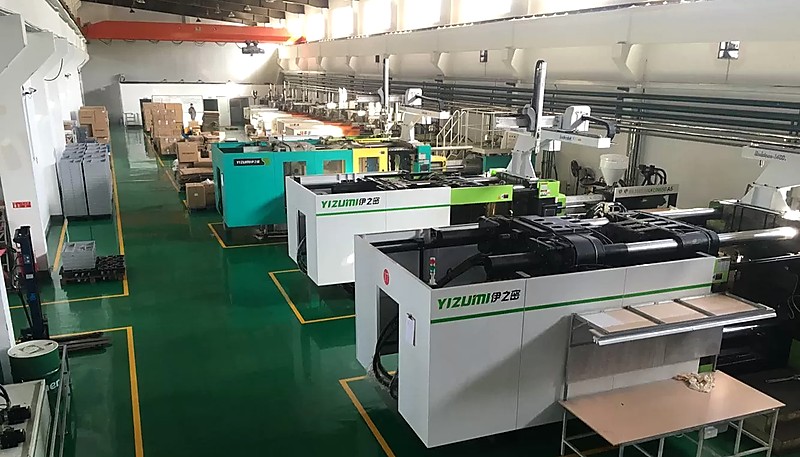
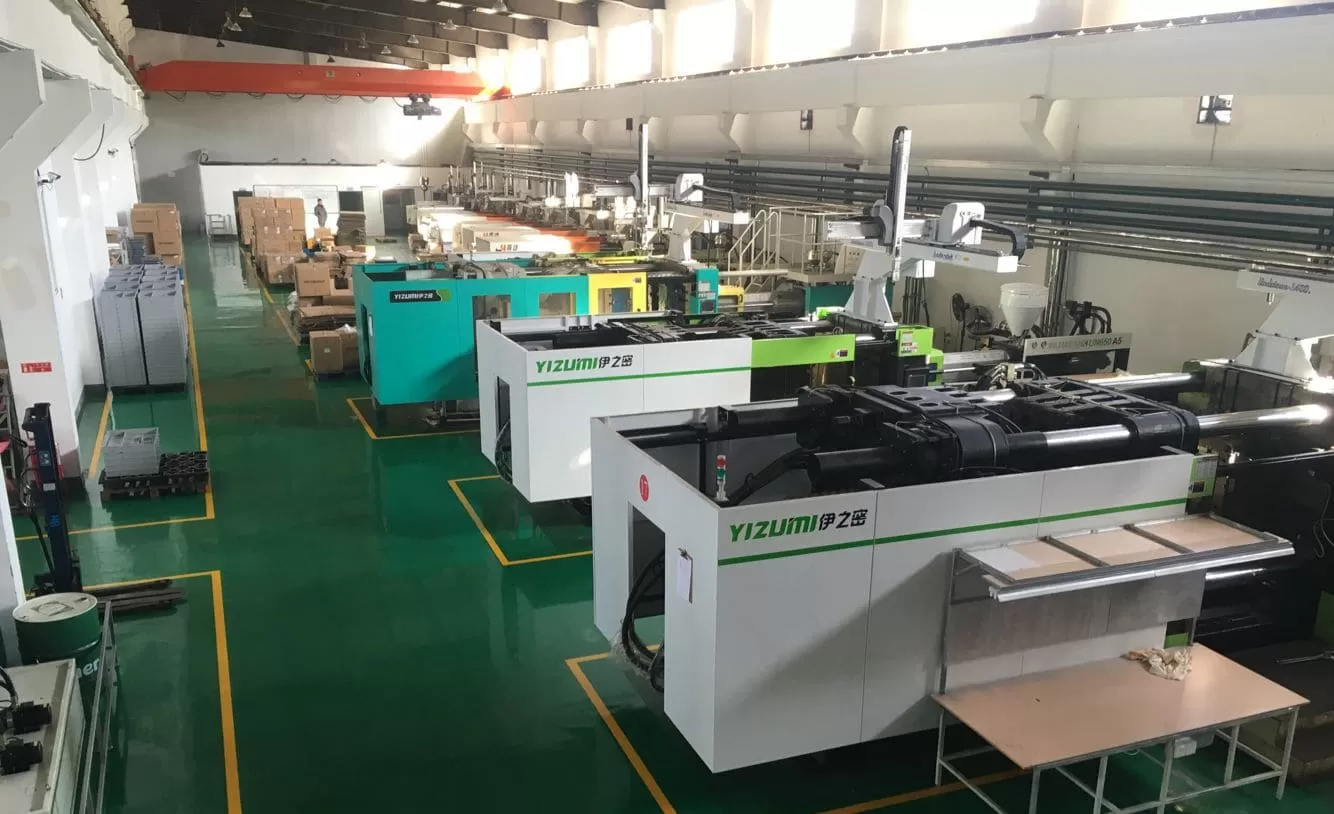
Nel nostro stabilimento di Shanghai gestiamo 47 presse da 90T a 1850T e un reparto interno capace di oltre 100 set stampo al mese. Con oltre 30 project manager anglofoni, forniamo aggiornamenti settimanali con foto e dati CMM, così i clienti conoscono sempre lo stato preciso degli stampi.
Quali clausole contrattuali vi tutelano dagli sforamenti dei tempi di consegna?
La gestione di oltre 100 modelli di stampi al mese ci ha insegnato che un ordine di acquisto non è un contratto, almeno non un contratto che ti protegge. Ecco i termini specifici utilizzati dagli acquirenti esperti per gestire il rischio di tempi di consegna nei loro contratti approvvigionamento. Pagamenti basati su traguardi. Non pagare mai il 100% in anticipo. Struttura i pagamenti in base alle tappe fondamentali: 30% all’ordine, 30% al campionamento T1, 30% all’approvazione della produzione, 10% dopo il primo ciclo di produzione. Ciò dà al fornitore un incentivo a raggiungere ogni traguardo in tempo e ti dà una leva se scivolano. Clausole penali per ritardata consegna. Includere una clausola che specifichi una penalità giornaliera o settimanale per ogni giorno/settimana in cui la consegna supera la data concordata.
Le tariffe tipiche sono pari allo 0,5-1% del prezzo dell’attrezzatura a settimana, con un limite del 10-15% del valore totale.
Assicurati che la sanzione sia applicabile ai sensi della legge applicabile al tuo contratto. Reporting settimanale sui progressi. Richiedere aggiornamenti settimanali scritti con foto dello stampo nel suo stato attuale. Questo non è negoziabile. Un fornitore che resiste agli aggiornamenti fotografici settimanali è disorganizzato o nasconde qualcosa. Clausole di uscita. Definisci le condizioni alle quali puoi rescindere il contratto e recuperare la tua attrezzatura. Ciò dovrebbe includere ripetuti traguardi mancati, difetti di qualità oltre un numero definito di cicli di revisione e termini di forza maggiore. Tutela della proprietà intellettuale. Assicurati che il contratto specifichi che tutti i progetti di stampi, i progetti di parti e i dati di produzione rimangono di tua proprietà. Includere clausole di non concorrenza e di non divulgazione.
"Le foto settimanali durante la costruzione riducono sensibilmente il rischio sui tempi"True
Aggiornamenti visivi regolari individuano tempestivamente i problemi, prima che si trasformino in ritardi di diverse settimane. Gli acquirenti che richiedono report settimanali segnalano costantemente meno sorprese e una risoluzione più rapida dei problemi.
"Le condizioni standard degli ordini di acquisto offrono una protezione adeguata contro il superamento dei tempi di consegna"False
Le condizioni generiche degli ordini d'acquisto raramente includono il monitoraggio delle tappe, clausole penali o disposizioni di uscita. Offrono pochissimi rimedi quando un fornitore non rispetta le scadenze e recuperare l'investimento nelle attrezzature diventa una costosa battaglia legale.
Quando è opportuno rinunciare a un fornitore ad alto rischio?
Allontanarsi da un fornitore quando ritardi ripetuti, scarsa comunicazione o regressione della qualità rendono il restare più costoso del cambiare. Nella nostra fabbrica vediamo acquirenti che cambiano prodotto dopo ripetuti ritardi. Abbandonare il progetto a metà è doloroso: hai investito tempo, denaro e sforzi di progettazione. Ma restare con un fornitore che sta fallendo può essere ancora più costoso. Ecco i chiari segnali d’allarme che indicano che è tempo di trovare un’alternativa. Ritardi ripetuti senza analisi della causa principale. Un fornitore che dice “siamo un po’ indietro” per tre settimane di seguito senza spiegare il motivo non risolve il problema: sta gestendo al ribasso le vostre aspettative.
Degrado della comunicazione. Se i tempi di risposta passano da uno stesso giorno a più giorni o se la persona da contattare cambia senza spiegazione, il fornitore potrebbe riallocare le risorse lontano dal tuo progetto.
Regressione della qualità al campionamento. Se i campioni T2 sono peggiori dei campioni T1, c’è qualcosa di fondamentale che non va nel processo di costruzione dello stampo. Questo raramente si autocorregge. Scostamento dell’ambito negli ordini di modifica. Se il fornitore inizia a addebitare costi per elementi che dovrebbero essere inclusi nell’ambito originale (progettazione di base per feedback sulla producibilità, finiture superficiali standard, campionamento di routine), ciò suggerisce che ha fatto un’offerta inferiore per il progetto e sta cercando di recuperare margine. Impossibilità di fornire referenze. Un fornitore che non è in grado di produrre 2-3 referenze recenti di clienti per lavori simili potrebbe non avere il track record dichiarato. Il quadro decisionale è semplice: calcolare il costo del passaggio (deposito di nuovi strumenti, tempo perso, spese generali di gestione del progetto) rispetto al costo della permanenza (ritardi continui, rischio di qualità, costo opportunità).
Se restare costa di più — e spesso accade dopo la terza scadenza mancata — è il momento di cambiare.

Come integrare margini sui tempi di consegna nel programma di produzione?
Il momento migliore per gestire il rischio del lead time è prima di firmare l’ordine d’acquisto. Ecco una struttura pratica per creare un buffer di produzione realistico nella pianificazione del tuo progetto. Fase 1: fase della richiesta di offerta. Richiedi analisi dettagliate dei tempi di consegna ad almeno 3 fornitori. Non limitarti a chiedere “per quanto tempo?” — richiedere un diagramma di Gantt che mostri ogni fase: revisione del progetto, approvvigionamento dei materiali, lavorazione CNC, elettroerosione, lucidatura, assemblaggio, campionamento T1, cicli di revisione e qualificazione della produzione. Confronta le ripartizioni. Se un fornitore indica un totale di 6 settimane mentre gli altri ne indicano 8-10, è probabile che il preventivo breve sia incompleto. Fase 2: allocazione del buffer. Applicare un buffer standard del 25% a ciascuna fase, non solo al totale.
Ciò spiega la natura cumulativa dei ritardi: un ritardo di 1 settimana nel taglio dell’acciaio spinge tutto a valle. Fase 3: Pianificazione del percorso parallelo. Identificare le attività che possono essere eseguite in parallelo anziché in serie. Ad esempio, finalizzare la selezione del materiale durante la progettazione dello stampo. Ordina la resina grezza mentre lo stampo viene costruito. Preparare le attrezzature di produzione durante la fase di campionamento. Fase 4: cancelli del checkpoint. Definire i criteri “vai/non va” ad ogni traguardo importante. Se i campioni T1 non superano i controlli dimensionali oltre una tolleranza definita, attiva un’azione di ripristino pre-pianificata anziché una risoluzione dei problemi ad hoc. L’obiettivo non è eliminare il rischio, cosa impossibile con gli utensili personalizzati. L’obiettivo è rendere il rischio visibile abbastanza presto per poterlo gestire.
Domande frequenti
Qual è un tipico tempo di consegna per la costruzione di stampi per iniezione?
Uno stampo a cavità singola tipico richiede 4-6 settimane per la costruzione, mentre stampi complessi multi-cavità con sistemi a canale caldo e azioni laterali possono richiedere 10-16 settimane. La tempistica esatta dipende dalla complessità geometrica del pezzo, dal numero di cavità, dai requisiti di finitura superficiale e dal tipo di acciaio per stampi utilizzato. Aggiungi sempre un margine del 25-30 percento per i cicli di campionamento e le potenziali revisioni. Per uno stampo di produzione standard con complessità moderata, pianifica 8-12 settimane dall’ordine d’acquisto ai campioni approvati per la produzione come base realistica. Gli stampi ad alta precisione per applicazioni mediche o aerospaziali possono richiedere 16-26 settimane.
Come posso ridurre il lead time dello stampaggio a iniezione?
Per ridurre efficacemente i tempi di consegna, finalizza il design del componente prima dell’avvio della costruzione dello stampo ed evita ordini di modifica dopo il taglio dell’acciaio. Pre-ordina resine tecniche speciali con lunghi tempi di approvvigionamento. Scegli un fornitore con capacità disponibile confermata piuttosto che uno che opera al massimo dell’utilizzo. Richiedi report settimanali di avanzamento con foto per individuare tempestivamente i problemi. Attività di percorso parallelo dove possibile: ordina materie prime e progetta attrezzature di produzione mentre lo stampo viene costruito. Questi passaggi insieme possono ridurre di 2-4 settimane una tipica tempistica di costruzione di uno stampo.
Cosa causa i maggiori ritardi nella costruzione degli stampi?
Le cause di ritardo più comuni nella costruzione degli stampi sono le modifiche al progetto richieste dopo che è iniziato il taglio dell’acciaio, il sovraccarico di capacità del fornitore per l’accettazione di troppi progetti simultanei e i fallimenti del campionamento T1 che richiedono modifiche allo stampo. Ognuno di questi può aggiungere 2-8 settimane alla tempistica del progetto. Anche le lacune comunicative tra acquirente e fornitore contribuiscono significativamente: gli acquirenti che non stabiliscono check-in settimanali spesso scoprono i problemi con settimane di ritardo rispetto al necessario. I ritardi di approvvigionamento dei materiali per le resine speciali possono anche aggiungere tempi di consegna sostanziali.
Come posso verificare un’affermazione sul lead time di un fornitore?
Chiedi il loro tasso di consegna puntuale negli ultimi 12 mesi, la loro attuale percentuale di utilizzo della capacità, il numero di costruzioni di stampi attivi nel loro laboratorio e i riferimenti dei clienti per progetti di complessità simile. Verifica la loro tempistica preventivata rispetto ai benchmark del settore per il tuo specifico livello di complessità dello stampo. Un fornitore che cita tempi significativamente più rapidi rispetto ai concorrenti senza spiegare come è probabile che sottostimi l’ambito del lavoro. Richiedi anche un diagramma di Gantt dettagliato che mostri ogni fase del processo di costruzione dello stampo con specifici traguardi e risultati consegnabili in ogni fase.
Dovrei scegliere un fornitore di stampaggio a iniezione locale o estero?
I fornitori esteri in genere offrono costi di costruzione inferiori del 30-50% ma aggiungono 2-4 settimane per la spedizione e l’overhead di comunicazione a causa delle differenze di fuso orario. La scelta giusta dipende dai requisiti della tua tempistica complessiva del progetto, non solo dal costo della costruzione. Per progetti con scadenze critiche in cui il rischio di ritardo è la preoccupazione principale, considera un fornitore che offra una gestione del progetto locale combinata con capacità produttiva estera. Questo approccio ti offre il vantaggio di costo della produzione offshore con l’affidabilità della comunicazione e la reattività di un partner di gestione del progetto domestico.
Cos’è il campionamento T1 nello stampaggio a iniezione?
T1 (Prova 1) è la prima corsa di prova di uno stampo appena costruito, che produce campioni di parti per l’ispezione dimensionale e visiva rispetto alle specifiche. È un controllo di qualità critico che tipicamente avviene verso la fine della fase di costruzione dello stampo. Durante T1, lo stampo viene montato in una pressa e fatto funzionare con parametri destinati alla produzione. I campioni risultanti vengono misurati tramite CMM e valutati per difetti come segni di affondamento, bave o deformazioni. La maggior parte dei progetti richiede 2-3 cicli di campionamento prima di ottenere l’approvazione per la produzione.
Quanto margine di sicurezza dovrei aggiungere ai lead time preventivati?
La miglior pratica del settore è aggiungere un margine del 25-30 percento alla tempistica quotata dal fornitore. Per una costruzione quotata di 8 settimane, pianifica realisticamente 10-11 settimane. Questo margine tiene conto dei cicli di campionamento, delle piccole revisioni del design, della variabilità nell’approvvigionamento dei materiali e delle normali fluttuazioni di programmazione presso l’officina di costruzione stampi. Per stampi complessi con sistemi a canale caldo o tolleranze strette, considera di aumentare il margine al 35-40 percento. Il margine non è uno spreco: è una pianificazione realistica che previene ritardi a cascata nella tua programmazione produttiva a valle e protegge i tuoi impegni verso i clienti finali.
Posso accelerare la costruzione degli stampi senza sacrificare la qualità?
Sì, puoi accelerare la costruzione dello stampo senza sacrificare la qualità finalizzando i design prima dell’avvio della costruzione, scegliendo componenti standard per stampi dove possibile, assicurando una comunicazione chiara e frequente con aggiornamenti sull’avanzamento almeno due volte alla settimana e lavorando con un fornitore che abbia capacità disponibile confermata nel proprio programma. Anche l’uso di software di simulazione come Moldflow per convalidare il design prima del taglio dell’acciaio riduce il numero di cicli di campionamento necessari. Tuttavia, sbrigare i controlli dimensionali o saltare i cicli di campionamento è una falsa economia che nel lungo periodo costa sempre più tempo e denaro.
La gestione del rischio di lead time dei fornitori inizia con la scelta di un partner che comunichi in modo proattivo e abbia la capacità di consegnare nei tempi previsti. ZetarMold gestisce un impianto interno di produzione di stampi a Shanghai con 47 macchine per lo stampaggio a iniezione (da 90 T a 1850 T), producendo oltre 100 set di stampi al mese. I nostri oltre 30 project manager di lingua inglese forniscono rapporti settimanali sui progressi con foto e dati dimensionali durante l’intera costruzione degli utensili. Che tu abbia bisogno di uno stampo prototipo a cavità singola o di uno strumento di produzione complesso a cavità multipla, forniamo in anticipo tempistiche realistiche, senza promesse esagerate. Ottieni un preventivo gratuito e lascia che ti mostriamo in cosa consiste la gestione trasparente del progetto.
tooling.lead.time: il lead time dell'attrezzatura si riferisce alla durata totale necessaria per progettare, produrre e qualificare uno stampo a iniezione prima che la produzione possa iniziare. ↩
mould.sampling: mould.sampling si riferisce al campionamento dello stampo ed è il processo di esecuzione delle riprese di prova iniziali da uno stampo completato per verificare l'accuratezza dimensionale e la qualità della superficie prima di approvare la produzione di massa. ↩
on.time.delivery: la consegna puntuale si riferisce a una metrica di approvvigionamento che misura la percentuale di ordini dei fornitori evasi entro la data di consegna originariamente impegnata. ↩