Le strategie più efficaci per ridurre i tempi di consegna mirano alle fasi comprimibili: revisione DFM, approvvigionamento materiali e pianificazione. Ecco le tattiche che funzionano nella pratica, classificate per impatto.
Questo articolo analizza ogni fase dei tempi di consegna dello stampaggio a iniezione, dalla revisione DFM alla fabbricazione dello stampo, al campionamento e alla produzione, indicando intervalli temporali specifici per ciascuna fase. Spiegherò inoltre quali fasi sono fisse (fisica e tempi di lavorazione) e quali sono negoziabili (priorità di pianificazione, straordinari, lavorazioni parallele). L’obiettivo è fornire dettagli sufficienti per pianificare con sicurezza la tempistica del progetto e contestare tempi di consegna più lunghi del necessario indicati da un fornitore.
- Il tempo di consegna complessivo dello stampaggio a iniezione varia da 4 a 12 settimane
- La fabbricazione dello stampo assorbe il 60–70% del tempo di consegna totale
- Le attrezzature in alluminio riducono del 40–50% il tempo di costruzione dello stampo
- Il campionamento e l'approvazione richiedono in genere altri 5–10 giorni lavorativi
- La lavorazione in parallelo può far risparmiare 2–3 settimane nei progetti urgenti
Qual è il lead time tipico dello stampaggio a iniezione?
Il tempo di consegna tipico dello stampaggio a iniezione è definito dalla funzione, dai vincoli e dai compromessi illustrati in questa sezione. Un progetto standard, dal CAD approvato alla prima spedizione di produzione, richiede 6–10 settimane per uno stampo monocavità in acciaio e 4–7 settimane per uno stampo monocavità in alluminio. Gli stampi multicavità, gli stampi per sovrastampaggio e quelli con azionamenti laterali complessi aggiungono 2–4 settimane alla fase di costruzione. Dopo l’approvazione dello stampo, la produzione richiede 2–4 settimane in base alla quantità ordinata, alla disponibilità del materiale e alla programmazione delle macchine.
Questi intervalli presuppongono che l’acquirente risponda ai commenti della revisione DFM e alle richieste di approvazione dei campioni entro 24–48 ore. Ogni giorno di ritardo nel riscontro aggiunge un giorno al programma. Nella nostra esperienza, la principale causa di mancato rispetto delle scadenze non sono i ritardi nella fabbricazione dello stampo, ma il continuo scambio tra acquirente e fornitore durante la revisione DFM e l’approvazione dei campioni.
Quali sono le fasi di fabbricazione di uno stampo a iniezione?
Le fasi della fabbricazione degli stampi a iniezione sono le principali categorie o opzioni illustrate in questa sezione. La fabbricazione dello stampo si articola in sette fasi distinte, ciascuna con un intervallo temporale prevedibile. Comprendere queste fasi aiuta a individuare dove il fornitore può comprimere il programma e dove non può farlo.
| Fase | Durata | Comprimibile? |
|---|---|---|
| Revisione DFM e progettazione dello stampo | 3–7 giorni | Sì (feedback rapido dell'acquirente) |
| Approvvigionamento di materiali | 3–10 giorni | Parzialmente (acciaio standard disponibile a magazzino) |
| Sgrossatura e finitura CNC | 7–15 giorni | Limitata (tempo di lavorazione) |
| EDM e taglio a filo | 3–7 giorni | Limitato |
| Lucidatura e assemblaggio | 3–5 giorni | Parzialmente |
| Prova dello stampo (campionatura T1) | Durata: 1–3 giorni | No (richiede tempo macchina) |
| Controllo dimensionale | 1–2 giorni | No |
La singola fase più lunga è la lavorazione CNC, che non può essere abbreviata molto oltre il ricorso a turni straordinari. La fase di revisione DFM è quella in cui si perde più tempo, non perché il fornitore sia lento, ma perché l’acquirente impiega giorni a rispondere alle richieste di modifica del progetto. Una revisione DFM che dovrebbe richiedere 3 giorni può facilmente protrarsi fino a 10 giorni se il team tecnico dell’acquirente esamina le modifiche durante riunioni settimanali anziché in tempo reale.
Quanto tempo richiede la costruzione di ciascun tipo di stampo?
Questa sezione riguarda quanto tempo richiede la costruzione di ogni tipo di stampo e il suo impatto su costo, qualità, tempistica o rischio di approvvigionamento. Il tipo e la complessità dello stampo determinano direttamente la tempistica di costruzione. Uno stampo in alluminio a cavità singola, semplice, può essere campionato in 7-10 giorni lavorativi. Uno stampo in acciaio a cavità singola con la stessa geometria richiede 15-20 giorni. Aggiungi slitte ad azione laterale e aggiungi 5-10 giorni. Aggiungi una seconda cavità (stampo familiare o multi-cavità) e aggiungi altri 5-7 giorni per ogni cavità aggiuntiva.
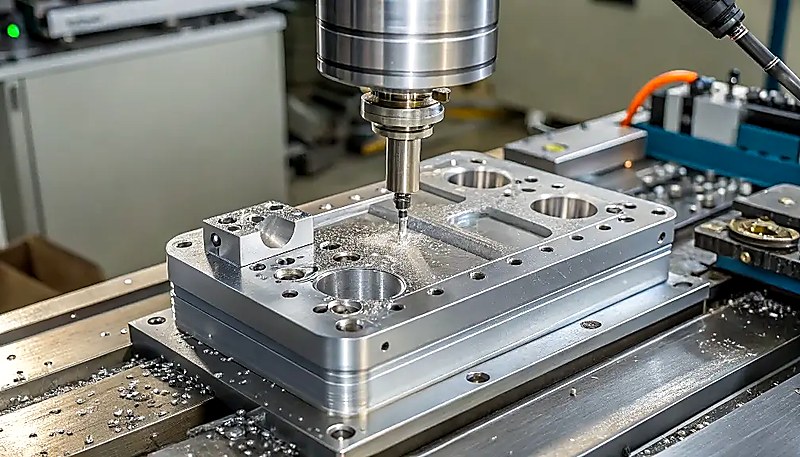
Gli stampi per sovrastampaggio richiedono 30–45 giorni perché necessitano di due serie di cavità, oppure di un meccanismo rotante, e devono essere collaudati in due fasi: prima la stampata del substrato, poi quella del sovrastampaggio. Nel nostro stabilimento di Shanghai costruiamo oltre 100 stampi al mese e dedichiamo linee produttive specifiche agli stampi per sovrastampaggio, così da mantenere la produttività nonostante la maggiore complessità.
"“Scegliere stampi in alluminio anziché in acciaio può ridurre i tempi di costruzione del 40–50%.”"True
L'alluminio si lavora 3–5 volte più velocemente dell'acciaio temprato, non richiede trattamenti termici e si lucida più rapidamente. Uno stampo in alluminio a cavità singola che richiede 7 giorni di lavorazione ne richiederebbe 15–20 in acciaio P20 e 20–25 in H13 temprato. Il compromesso riguarda la durata in cicli: l'alluminio è più adatto a 1.000–10.000 cicli, rispetto agli oltre 500.000 dell'acciaio temprato.
"“Un fornitore che promette la consegna in 7-day di uno stampo complesso multicavità in acciaio è realistico.”"False
Uno stampo multicavità in acciaio con azioni laterali non può fisicamente essere lavorato, sottoposto a EDM, lucidato, assemblato e campionato in 7 giorni. Tale tempistica è possibile soltanto per stampi in alluminio a cavità singola senza azioni laterali. I fornitori che promettono tempi irrealisticamente rapidi per stampi in acciaio stanno riducendo la qualità oppure prevedono di consegnare in ritardo.
In che modo campionamento e approvazione influiscono sui tempi?
Dopo la costruzione dello stampo, la campionatura (T1, prima prova) aggiunge 3–7 giorni lavorativi. Lo stampo viene montato sulla pressa, si impostano i parametri e si eseguono 50–200 cicli di campionatura. I pezzi vengono misurati rispetto al modello CAD con una CMM e i dati dimensionali vengono inviati all’acquirente per l’approvazione.
In pratica, circa il 60% delle prime prove richiede almeno una modifica dello stampo prima che i pezzi superino l’ispezione dimensionale. Le modifiche più comuni sono: regolazioni modificabili in sicurezza nell’acciaio, con aggiunta o rimozione di materiale dalle dimensioni della cavità; variazioni della dimensione del punto di iniezione; aggiunta di sfiati. Ogni ciclo di modifica richiede 3–5 giorni lavorativi e di solito ne basta uno, perché gli stampisti esperti prevedono margini di sicurezza nell’acciaio fin dal primo taglio.
La chiave per una rapida approvazione dei campioni sono criteri di accettazione chiari, definiti prima della costruzione dello stampo. Se nella fase di preventivazione specificate “rapporto dimensionale completo richiesto prima dell’approvazione”, il fornitore può programmare in anticipo il tempo CMM e consegnare il rapporto entro 24 ore dalla prova. Se i criteri restano vaghi, lo scambio di comunicazioni su cosa costituisca un pezzo accettabile aggiunge giorni o settimane.
Che cosa determina i tempi di produzione dopo l’approvazione dello stampo?
Questa sezione riguarda la determinazione del tempo di produzione dopo l’approvazione dello stampo e il suo impatto su costi, qualità, tempistiche o rischi di approvvigionamento. Una volta che lo stampo è approvato (i campioni T1 superano i test, o l’acquirente dà il via libera), il tempo di produzione dipende da quattro fattori: quantità dell’ordine, tempo di consegna dei materiali, programmazione delle macchine e requisiti di post-elaborazione (assemblaggio, verniciatura, placcatura).
Per le resine tecniche standard (ABS, PP, PC, PA6) in colore naturale, il materiale è solitamente disponibile a magazzino e la produzione può iniziare entro 3–5 giorni dall’approvazione. Per i gradi speciali (ritardanti di fiamma, caricati con fibra di vetro, di grado medicale, colori personalizzati), l’approvvigionamento del materiale aggiunge 7–14 giorni. Confermare sempre la disponibilità del materiale prima di comunicare al cliente una data di consegna.
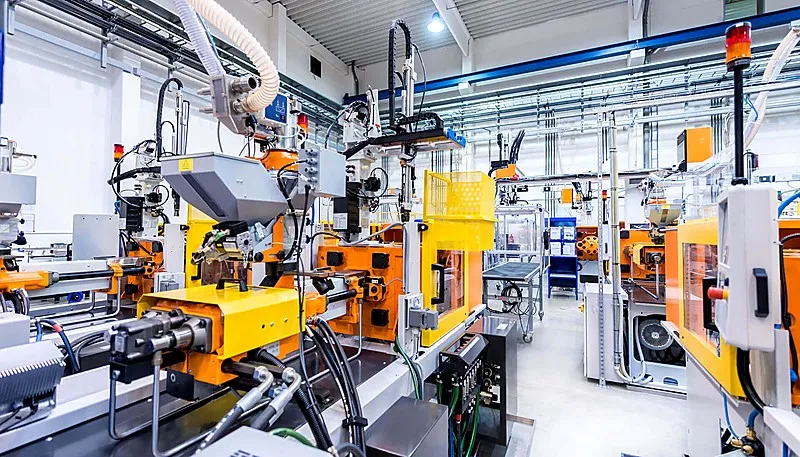
La programmazione delle macchine è la variabile successiva. Una fabbrica che gestisce 47 macchine per lo stampaggio a iniezione ha più flessibilità di programmazione rispetto a una che ne gestisce 10. In ZetarMold, la nostra gamma di forze di chiusura (da 90T a 1850T) copre la maggior parte delle dimensioni dei pezzi, il che significa che il tuo stampo non rimane in coda in attesa dell’unica macchina adatta; di solito ci sono 3-5 macchine candidate disponibili entro la fascia di forza di chiusura richiesta. Per gli ordini urgenti, attiviamo turni straordinari su macchine dedicate per comprimere la finestra di produzione.
"“Definire criteri di accettazione chiari prima dell'inizio della costruzione dello stampo può evitare 1–2 settimane di scambi durante l'approvazione dei campioni.”"True
Quando entrambe le parti concordano prima della lavorazione dell'acciaio cosa costituisce un componente conforme (tolleranze dimensionali, standard di finitura superficiale, certificazioni dei materiali), la revisione dei campioni diventa un controllo binario superato/non superato anziché una negoziazione. I fornitori possono programmare in anticipo le risorse di ispezione e il team tecnico dell'acquirente sa esattamente quali dati riceverà.
"“Il tempo di produzione è uguale indipendentemente dalla quantità ordinata.”"False
Un ordine di 500 pezzi può essere completato in un solo turno (8–12 ore di funzionamento macchina più l'attrezzaggio). Un ordine di 100.000 pezzi richiede una produzione continua per diversi giorni o settimane, impegnando capacità macchina che altrimenti potrebbe servire altri clienti. Gli ordini grandi richiedono spesso una programmazione dedicata delle macchine e il fornitore deve inserirli nel calendario di produzione insieme agli impegni esistenti.
La pianificazione ZetarMold utilizza 47 macchine per lo stampaggio a iniezione da 90T a 1850T, un impianto interno di produzione stampi e una capacità di oltre 100 stampi al mese per ridurre i gap di programmazione. Nella nostra pianificazione della produzione, il team verifica la costruzione dello stampo, il campionamento, la forza di chiusura della macchina e le fasi di controllo IQC/FQC/OQC prima di confermare una promessa sui tempi di consegna.
Come ridurre i tempi di consegna dello stampaggio a iniezione?
Le strategie più efficaci per ridurre i tempi di consegna intervengono sulle fasi comprimibili: revisione DFM, approvvigionamento dei materiali e pianificazione. Ecco le tattiche che funzionano nella pratica, ordinate in base all’impatto.
1. Rispondete ai commenti DFM entro 24 ore. Solo questo può far risparmiare 5–10 giorni su un progetto tipico. Nominate un unico decisore capace di approvare le modifiche senza attendere riunioni di comitato.
2. Usate attrezzature in alluminio per meno di 10.000 unità. L’alluminio riduce del 40–50% il tempo di costruzione dello stampo e produce pezzi perfettamente funzionali per la produzione ponte o per serie di stampaggio a iniezione a basso volume1.
3. Preordinate i materiali durante la progettazione dello stampo. Non aspettate che lo stampo sia finito per ordinare la resina. Inviate l’ordine all’approvazione del progetto: il materiale arriverà durante le lavorazioni, eliminando il ritardo di approvvigionamento.
4. Eseguite revisione DFM e progettazione dello stampo in parallelo con l’approvvigionamento dei materiali. I due flussi sono indipendenti e non devono essere sequenziali.
5. Scegliete un fornitore con attrezzeria e produzione interne. Spostare uno stampo tra attrezzeria e stampatore aggiunge 3–5 giorni. Quando sono la stessa azienda, lo stampo passa dal banco alla pressa in ore. Usate una guida all’approvvigionamento di fornitori di stampaggio a iniezione per confrontare coordinamento, responsabilità del preventivo e rischio di calendario prima dell’assegnazione.
Qual è un esempio realistico di tempistica end-to-end?
Un esempio realistico di tempistica completa è definito dalla funzione, dai vincoli e dai compromessi illustrati in questa sezione. Vediamo la tempistica di un progetto reale per uno stampo in acciaio a cavità singola destinato a produrre 5,000 pezzi in nylon caricato con fibra di vetro (PA6-GF30). Si tratta di un tipico componente industriale di media complessità, di circa 120mm × 80mm × 40mm, con due carrelli ad azionamento laterale, un inserto filettato in ottone e una superficie A lucidata.
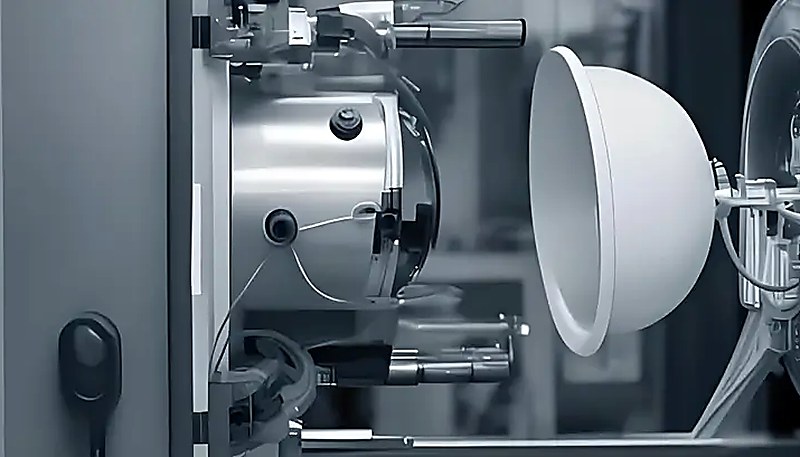
Settimana 1: revisione DFM e progettazione dello stampo2. Il team esamina il CAD, individua problemi di sformo su due elementi e propone il punto di iniezione. L’acquirente approva con una modifica. Contemporaneamente viene ordinato il PA6-GF30.
Settimane 2–3: lavorazione CNC, elettroerosione delle sedi dei carrelli e taglio a filo delle sedi degli inserti. I blocchi di acciaio vengono sgrossati mediante CNC, finiti su rettificatrici di precisione e si monta il meccanismo dei carrelli. La base dello stampo viene assemblata e allineata.
Settimana 4: lucidatura (SPI A-2 sulla superficie A, finitura EDM sulla superficie B), assemblaggio finale e montaggio su una pressa da 200 T per il campionamento T1. Si eseguono le prime stampate, si prelevano 50 campioni e inizia la misurazione CMM.
Settimana 5: rapporto dimensionale esaminato dall’acquirente. È necessaria una regolazione entro il sovrametallo d’acciaio (profondità cavità +0.05mm). Lo stampo viene smontato, modificato, rilucidato e ricampionato (T2) entro 4 giorni lavorativi. I campioni T2 sono conformi. L’acquirente approva.
Settimana 6: ciclo di produzione. 5,000 pezzi stampati, ispezione visiva al 100%, controlli dimensionali casuali secondo il piano di campionamento AQL. Pezzi imballati e spediti FOB Shanghai.
Totale: 6 settimane dall’approvazione del CAD alla spedizione. Con un’attrezzatura in alluminio e un pezzo più semplice (senza carrelli), il tempo si riduce a 3–4 settimane.
Con 8 ingegneri senior e uno stabilimento interno che produce oltre 100 serie di stampi al mese per lo stampaggio a iniezione3, ZetarMold gestisce l’intero processo — DFM, costruzione, campionatura, produzione, QC e spedizione — da Shanghai. Quando necessario, oltre 30 project manager anglofoni forniscono aggiornamenti quotidiani sullo stato dello stampo.
Quali Sono le Domande Più Frequenti sui Tempi di Consegna dello Stampaggio a Iniezione?
Quanto tempo serve per realizzare uno stampo a iniezione?
La costruzione di uno stampo in acciaio a cavità singola richiede 15–25 giorni lavorativi. Uno stampo in alluminio a cavità singola richiede 7–10 giorni. Gli stampi multicavità, quelli con movimenti laterali o quelli per sovrastampaggio aggiungono 5–15 giorni in base alla complessità. La lavorazione CNC è la singola fase più lunga e non può essere abbreviata in modo significativo.
È possibile ridurre a meno di 2 settimane il tempo di consegna dello stampaggio a iniezione?
Soltanto per componenti semplici con stampi in alluminio. Uno stampo monocavità in alluminio senza azionamenti laterali può essere costruito e campionato in 7–10 giorni lavorativi, con i componenti di produzione disponibili dopo altri 3–5 giorni. Per qualsiasi soluzione più complessa, tre settimane sono il minimo realistico.
Che cosa causa ritardi nello stampaggio a iniezione?
Le tre cause più comuni sono: lentezza del feedback dell’acquirente sulle modifiche DFM o sulle approvazioni dei campioni, ritardi nell’approvvigionamento di resine speciali e conflitti nella programmazione della fabbrica durante l’alta stagione, in genere Q3 e Q4. Anche la mancata comunicazione interna tra i team acquisti e ingegneria dell’acquirente contribuisce in misura significativa.
In che modo la complessità dello stampo influisce sui tempi di consegna?
Ogni carrello ad azionamento laterale aggiunge circa 5–7 giorni alla costruzione dello stampo. Gli estrattori inclinati aggiungono 3–5 giorni. Gli inserti filettati (meccanismi di svitamento) aggiungono 7–10 giorni. Gli stampi multicavità aggiungono 3–5 giorni per ogni cavità supplementare. Uno stampo con due carrelli e un estrattore inclinato richiede circa il doppio del tempo rispetto a uno stampo ad apertura semplice delle stesse dimensioni.
Qual è la differenza tra il campionamento T1 e T2?
T1 (prima prova) è il collaudo iniziale dello stampo. T2 è la seconda prova dopo le eventuali modifiche individuate durante T1. Circa il 60% degli stampi richiede almeno un ciclo di modifica. Ogni prova aggiunge 3–5 giorni lavorativi al programma. Gli stampisti esperti prevedono margini steel-safe per ridurre al minimo il numero di cicli di modifica.
La quantità dell’ordine influisce sui tempi di produzione?
Sì. Un ordine di 500 pezzi può essere eseguito in un unico turno (completamento nella stessa giornata dopo l’allestimento). Un ordine di 50.000 pezzi richiede una programmazione distribuita su più giorni o settimane di produzione, da coordinare con gli altri ordini sulla macchina. Al di sopra di 5.000 pezzi, il tempo di consegna della produzione aumenta in modo approssimativamente lineare con la quantità.
In quanto tempo si può ricevere un preventivo per lo stampaggio a iniezione?
La maggior parte dei fornitori presenta i preventivi iniziali entro 24–72 ore dal ricevimento di un file CAD 3D e della scheda tecnica. I preventivi dettagliati, comprese le opzioni di stampaggio a iniezione a basso volume e gli impegni sui tempi, richiedono generalmente 3–5 giorni lavorativi perché necessitano di analisi DFM e valutazione della fattibilità del progetto dello stampo.
Quanto tempo richiede solitamente lo stampaggio a iniezione?
Lo stampaggio a iniezione richiede solitamente dalle 4 alle 10 settimane dalla revisione DFM alla produzione approvata, ma il calendario esatto dipende dalla complessità dello stampo, dalla disponibilità del materiale, dai cicli di campionatura e dalla quantità dell’ordine. Gli stampi prototipo semplici possono procedere più velocemente, mentre gli stampi di produzione temprati a più cavità richiedono più tempo per la lavorazione, la lucidatura, l’assemblaggio e la validazione. Il metodo di pianificazione più sicuro è separare il tempo di costruzione dello stampo, il tempo di campionatura T1, il tempo di modifica e il tempo di produzione di massa, invece di chiedere una singola data di consegna. Ciò rende più facile verificare le promesse del fornitore e aiuta a confrontare i preventivi di diversi fornitori a parità di condizioni.
I tempi di consegna dello stampaggio a iniezione possono essere ridotti?
Sì, i tempi di consegna dello stampaggio a iniezione possono essere ridotti quando l’acquirente fornisce file 3D completi, disegni 2D, requisiti del materiale, note di tolleranza, requisiti di finitura superficiale e obiettivi di volume annuale prima della quotazione. I ritardi maggiori di solito derivano da disegni poco chiari, modifiche progettuali tardive, mancanza di decisioni sul materiale e approvazione lenta dei campioni. Una revisione DFM anticipata, l’acquisto parallelo dei materiali, finestre di campionatura realistiche e un feedback ingegneristico rapido possono ridurre la tempistica senza forzare scorciatoie rischiose nell’attrezzatura o nell’ispezione qualità. Ciò protegge sia la velocità di lancio che l’affidabilità del pezzo, cosa più importante che risparmiare pochi giorni a costo di rischi di difetti.
Cosa causa i ritardi di consegna dello stampo più comuni?
I ritardi di consegna dello stampo più comuni sono le modifiche progettuali dopo il taglio dell’acciaio, i requisiti di tolleranza poco chiari, la mancanza di dati sul materiale, le azioni laterali complesse, le modifiche alla trama o alla lucidatura, e i campioni T1 che rivelano problemi di ritiro, deformazione, bave o assemblaggio. Anche la capacità del fornitore è importante perché le risorse di EDM, CNC, assemblaggio e spotting possono diventare colli di bottiglia durante i periodi di punta. Un solido processo DFM riduce questi rischi individuando problemi di canale di colata, raffreddamento, sformo, nervature e linea di divisione prima che lo stampo entri in lavorazione completa. Una chiara responsabilità di approvazione e criteri di accettazione definiti prevengono anche tempi di attesa evitabili.
La quantità dell’ordine influisce sui tempi di consegna dello stampaggio a iniezione?
Sì, la quantità dell’ordine influisce sui tempi di consegna dello stampaggio a iniezione dopo che lo stampo è stato approvato. Una piccola serie pilota può concludersi in poche ore dopo l’impostazione della macchina, ma un grande ordine di produzione richiede un’allocazione più lunga della macchina, più preparazione della resina, più campionatura QC, pianificazione del packaging e talvolta più turni. Il tempo di consegna dell’attrezzatura è principalmente guidato dalla complessità di progettazione e produzione dello stampo, mentre il tempo di consegna della produzione è guidato dal tempo di ciclo, dal numero di cavità, dalla disponibilità della macchina, dalla frequenza di ispezione qualità e dai requisiti di imballaggio. Gli acquirenti dovrebbero sempre separare le date di attrezzatura e produzione quando pianificano i programmi dei loro progetti.
Come dovrebbero pianificare gli acquirenti un progetto urgente di stampaggio a iniezione?
Gli acquirenti dovrebbero pianificare un progetto urgente di stampaggio a iniezione bloccando il design in anticipo, approvando i requisiti di materiale e superficie prima dell’inizio dell’attrezzatura, condividendo le date di lancio target e chiedendo al fornitore di mostrare un programma fase per fase. Il programma dovrebbe coprire la revisione DFM, il design dello stampo, il taglio dell’acciaio, CNC ed EDM, assemblaggio, campionatura T1, modifica, approvazione e produzione. Se la tempistica è molto stretta, concentrarsi sulla riduzione dei ritardi di approvazione e sulla semplificazione delle caratteristiche non critiche, invece di saltare i controlli dello stampo o la validazione dei campioni. L’urgenza non dovrebbe mai rimuovere le fasi di controllo qualità essenziali dal processo.
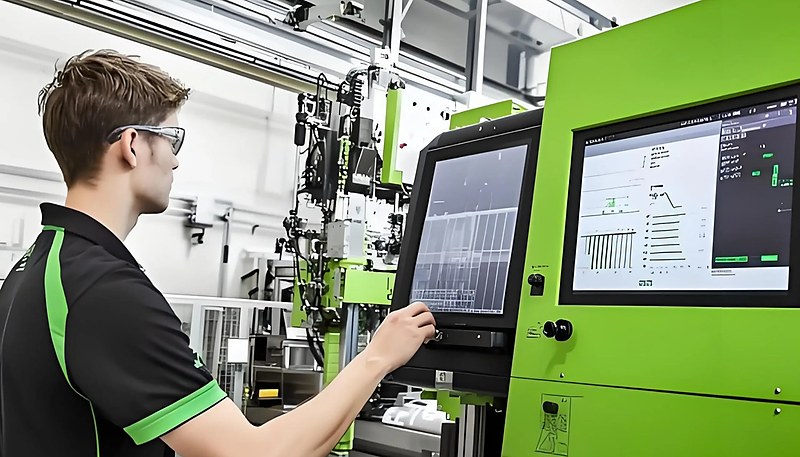
stampaggio a iniezione a basso volume: approccio produttivo che usa attrezzature semplificate o in alluminio per piccoli lotti, tipicamente da 50 a 10.000 unità, senza il costo di stampi produttivi in acciaio. ↩
progettazione dello stampo: processo ingegneristico di creazione di cavità, anima, canali di raffreddamento e sistema di espulsione di uno stampo a iniezione, con effetti diretti su qualità ed efficienza. ↩
stampaggio a iniezione: processo in cui resina termoplastica fusa viene iniettata sotto pressione in una cavità metallica, raffreddata fino a solidificare ed espulsa come pezzo finito. ↩