W poniedziałek przesłano plik CAD do wyceny. W środę oferta jest gotowa, ale termin realizacji brzmi: „25–30 dni roboczych na oprzyrządowanie, 15–20 dni roboczych na pierwszą serię produkcyjną”. Premiera produktu ma nastąpić za osiem tygodni. Czy ten harmonogram jest realny? Na co przeznaczony jest każdy tydzień? I które etapy można skrócić, negocjując właściwe warunki?
W tym artykule omówiono każdą fazę czasu realizacji formowania wtryskowego — od przeglądu DFM, przez produkcję formy i próby, aż po produkcję — z podaniem konkretnych przedziałów czasu dla każdego etapu. Wyjaśnię również, które fazy są stałe (fizyka i czas obróbki), a które podlegają negocjacji (priorytet harmonogramu, nadgodziny, przetwarzanie równoległe). Celem jest przekazanie wystarczającej ilości szczegółów, aby można było z pewnością zaplanować harmonogram projektu i zakwestionować terminy dostawcy, gdy są dłuższe niż to konieczne.
- Całkowity czas realizacji formowania wtryskowego wynosi od 4 do 12 tygodni
- Produkcja formy pochłania 60–70% całkowitego terminu realizacji
- Oprzyrządowanie aluminiowe skraca czas wykonania formy o 40–50%
- Próbkowanie i zatwierdzenie zwykle zajmuje dodatkowe 5–10 dni roboczych
- Przetwarzanie równoległe może zaoszczędzić 2–3 tygodnie w pilnych projektach
Jaki jest typowy czas realizacji formowania wtryskowego?
Większość dostawców udostępnia wstępne wyceny w ciągu 24–72 godzin od otrzymania pliku 3D CAD i karty specyfikacji. Szczegółowe oferty, uwzględniające opcje formowania wtryskowego małoseryjnego oraz zobowiązania czasowe, zazwyczaj wymagają 3–5 dni roboczych, ponieważ konieczna jest analiza DFM oraz ocena wykonalności projektu formy.
Podane zakresy zakładają, że kupujący odpowiada na uwagi z przeglądu DFM i prośby o zatwierdzenie próbek w ciągu 24–48 godzin. Każdy dzień opóźnienia odpowiedzi wydłuża harmonogram o jeden dzień. Z naszego doświadczenia wynika, że najczęstszą przyczyną niedotrzymania terminów nie są opóźnienia w produkcji formy, lecz wymiana informacji między kupującym a dostawcą podczas przeglądu DFM i zatwierdzania próbek.
Jakie są etapy produkcji formy wtryskowej?
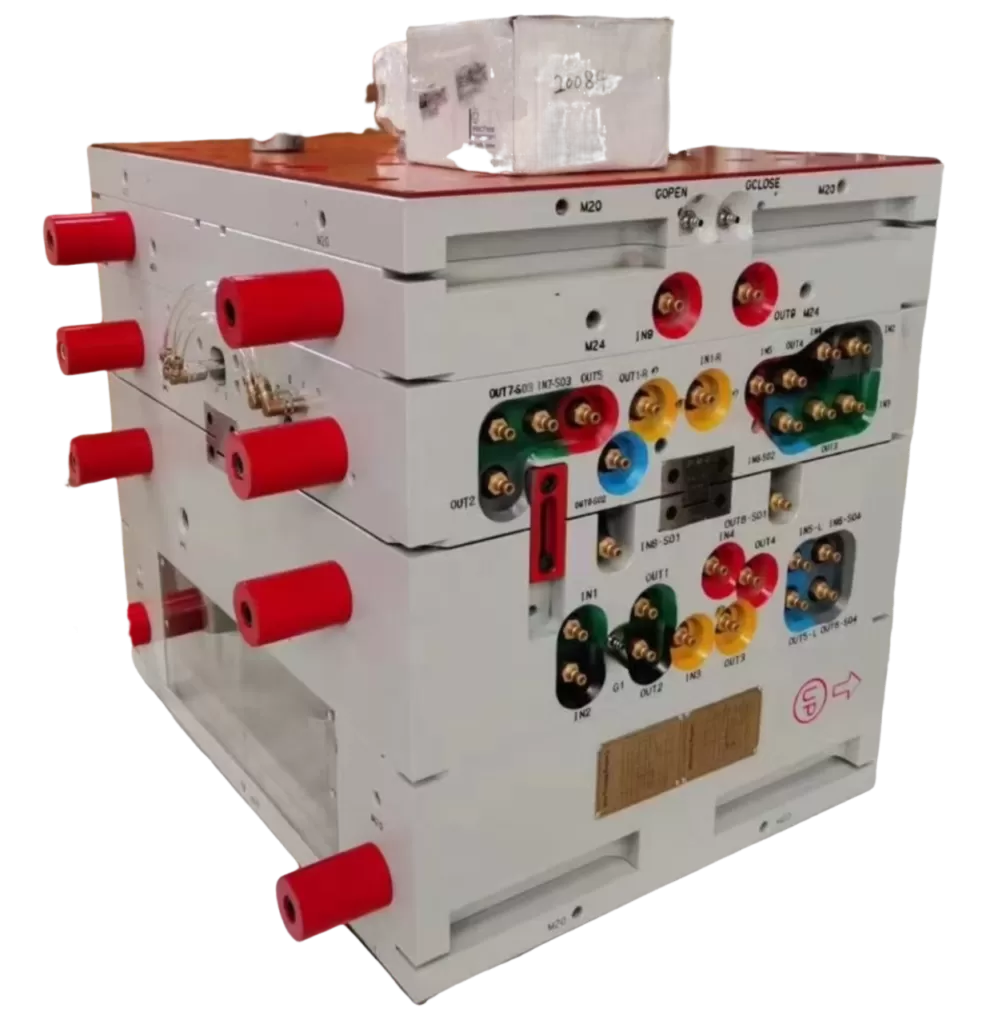
Etapy produkcji form wtryskowych to główne kategorie lub możliwości omówione w tej sekcji. Produkcja formy dzieli się na siedem odrębnych etapów, z których każdy ma przewidywalny przedział czasowy. Ich znajomość pomaga ustalić, w których miejscach dostawca może skrócić harmonogram, a w których nie jest to możliwe.
| Faza | Czas trwania | Ściśliwy? |
|---|---|---|
| Przegląd DFM i projekt formy | 3–7 dni | Tak (szybka informacja zwrotna od nabywcy) |
| Zakup materiałów | 3–10 dni | Częściowo (standardowa stal dostępna z magazynu) |
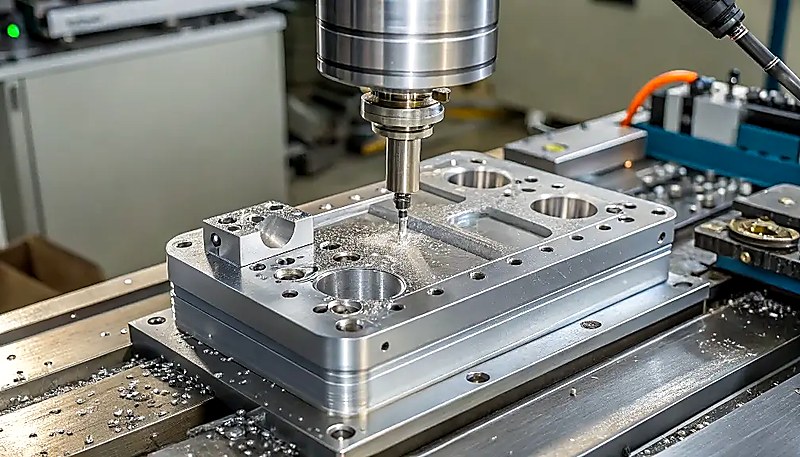
| Obróbka zgrubna i wykańczająca CNC | 7–15 dni | Ograniczona (czas obróbki) |
| EDM i cięcie drutowe | 3–7 dni | Ograniczone |
| Polerowanie i montaż | 3–5 dni | Częściowo |
| Próba formy (pobieranie próbek T1) | 1–3 dni | Nie (wymaga czasu pracy maszyny) |
| Kontrola wymiarowa | Czas konfiguracji: 4 godziny | Nie |
Najdłuższym pojedynczym etapem jest obróbka CNC, której czasu nie można znacznie skrócić poza wprowadzeniem pracy na dodatkowych zmianach. Najwięcej czasu traci się na etapie przeglądu DFM — nie dlatego, że dostawca działa powoli, lecz dlatego, że kupujący potrzebuje kilku dni na odpowiedź na wnioski o zmianę projektu. Przegląd DFM, który powinien trwać 3 dni, może łatwo wydłużyć się do 10 dni, jeśli zespół inżynieryjny kupującego analizuje zmiany na cotygodniowych spotkaniach zamiast na bieżąco.
Ile trwa wykonanie każdego typu formy?
Ta sekcja dotyczy tego, jak długo trwa wykonanie każdego typu formy i jaki ma to wpływ na koszt, jakość, czas realizacji lub ryzyko zaopatrzenia. Typ i złożoność formy bezpośrednio determinują harmonogram jej wykonania. Jednogniazdowa forma aluminiowa typu ‘otwórz-zamknij’ może być wykonana na próbę w 7–10 dni roboczych. Jednogniazdowa forma stalowa o tej samej geometrii zajmuje 15–20 dni. Dodanie ruchów bocznych (side-action slides) wydłuża czas o 5–10 dni. Dodanie drugiej gniazda (forma rodzinna lub wielogniazdowa) wydłuża czas o kolejne 5–7 dni na każde dodatkowe gniazdo.
Wykonanie form do overmoldingu trwa 30–45 dni, ponieważ wymagają dwóch zestawów gniazd (lub mechanizmu obrotowego) i muszą zostać przetestowane w dwóch etapach — najpierw wtrysk podłoża, a następnie warstwy zewnętrznej. W naszym zakładzie w Szanghaju budujemy ponad 100 form miesięcznie i przeznaczamy określone linie produkcyjne na formy do overmoldingu, aby mimo większej złożoności utrzymać przepustowość.
"“Wybór oprzyrządowania aluminiowego zamiast stalowego może skrócić czas wykonania formy o 40–50%.”"True
Aluminium obrabia się 3–5 razy szybciej niż stal hartowaną, nie wymaga obróbki cieplnej i szybciej się poleruje. Wykonanie jednogniazdowej formy aluminiowej zajmujące 7 dni wymagałoby 15–20 dni w przypadku stali P20 i 20–25 dni w przypadku hartowanej stali H13. Kompromisem jest trwałość: aluminium najlepiej sprawdza się przy 1000–10 000 wtrysków, w porównaniu z ponad 500 000 dla stali hartowanej.
"„Dostawca, który obiecuje dostawę złożonej, wielogniazdowej stalowej formy w ciągu 7 dni, przedstawia realistyczny termin”."False
Wielogniazdowej formy stalowej z suwakami fizycznie nie da się obrobić, poddać obróbce EDM, wypolerować, zmontować i przeprowadzić prób w ciągu 7 dni. Taki termin jest osiągalny tylko w przypadku jednogniazdowych form aluminiowych bez suwaków. Dostawcy podający nierealistycznie krótkie terminy wykonania form stalowych albo idą na skróty kosztem jakości, albo planują opóźnioną dostawę.
Jak pobieranie próbek i zatwierdzanie wpływa na harmonogram?
Po wykonaniu formy próby (nazywane też T1 — pierwszą próbą) wydłużają harmonogram o 3–7 dni roboczych. Formę montuje się na wtryskarce, ustawia parametry i wykonuje 50–200 próbnych wtrysków. Następnie części są mierzone względem modelu CAD za pomocą maszyny CMM, a dane wymiarowe przekazuje się nabywcy do zatwierdzenia.
W praktyce około 60% pierwszych prób wymaga co najmniej jednej modyfikacji formy, zanim części przejdą kontrolę wymiarową. Najczęstsze modyfikacje to korekty z zapasem stali (dodawanie lub usuwanie materiału z wymiarów gniazda), zmiany wielkości wlewu i dodawanie odpowietrzeń. Każdy cykl modyfikacji wydłuża proces o 3–5 dni roboczych — zwykle potrzebny jest tylko jeden, ponieważ doświadczeni narzędziowcy uwzględniają marginesy bezpieczne dla stali już przy pierwszej obróbce.
Kluczem do szybkiego zatwierdzenia próbek są jasne kryteria odbioru określone przed wykonaniem formy. Jeśli na etapie wyceny zaznaczysz, że „przed zatwierdzeniem wymagany jest pełny raport wymiarowy”, dostawca może wcześniej zaplanować czas na CMM i dostarczyć raport w ciągu 24 godzin od próby. Pozostawienie niejasnych kryteriów prowadzi do wielokrotnych uzgodnień, czym jest akceptowalna część, i wydłuża proces o dni lub tygodnie.
Co determinuje termin produkcji po zatwierdzeniu formy?
Ta sekcja dotyczy tego, co determinuje czas realizacji produkcji po zatwierdzeniu formy i jaki ma to wpływ na koszt, jakość, czas realizacji lub ryzyko zaopatrzenia. Po zatwierdzeniu formy (próby T1 są pozytywne lub kupujący zatwierdza), czas realizacji produkcji zależy od czterech czynników: wielkości zamówienia, czasu dostawy materiału, harmonogramowania maszyn oraz wymagań dotyczących obróbki końcowej (montaż, malowanie, platerowanie).
Standardowe żywice konstrukcyjne (ABS, PP, PC, PA6) w kolorze naturalnym są zwykle dostępne z magazynu, a produkcja może rozpocząć się w ciągu 3–5 dni od zatwierdzenia. W przypadku gatunków specjalistycznych (uniepalnionych, wzmocnionych włóknem szklanym, klasy medycznej lub w niestandardowych kolorach) zakup materiału wydłuża termin o 7–14 dni. Zawsze potwierdź dostępność materiału, zanim podasz klientowi termin dostawy.
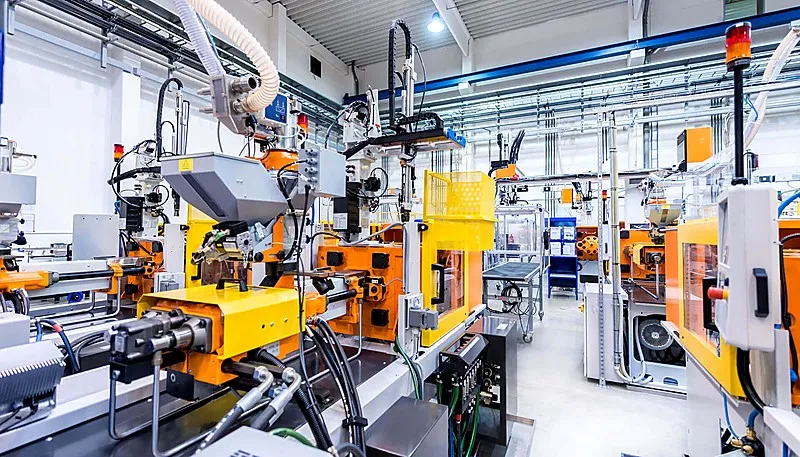
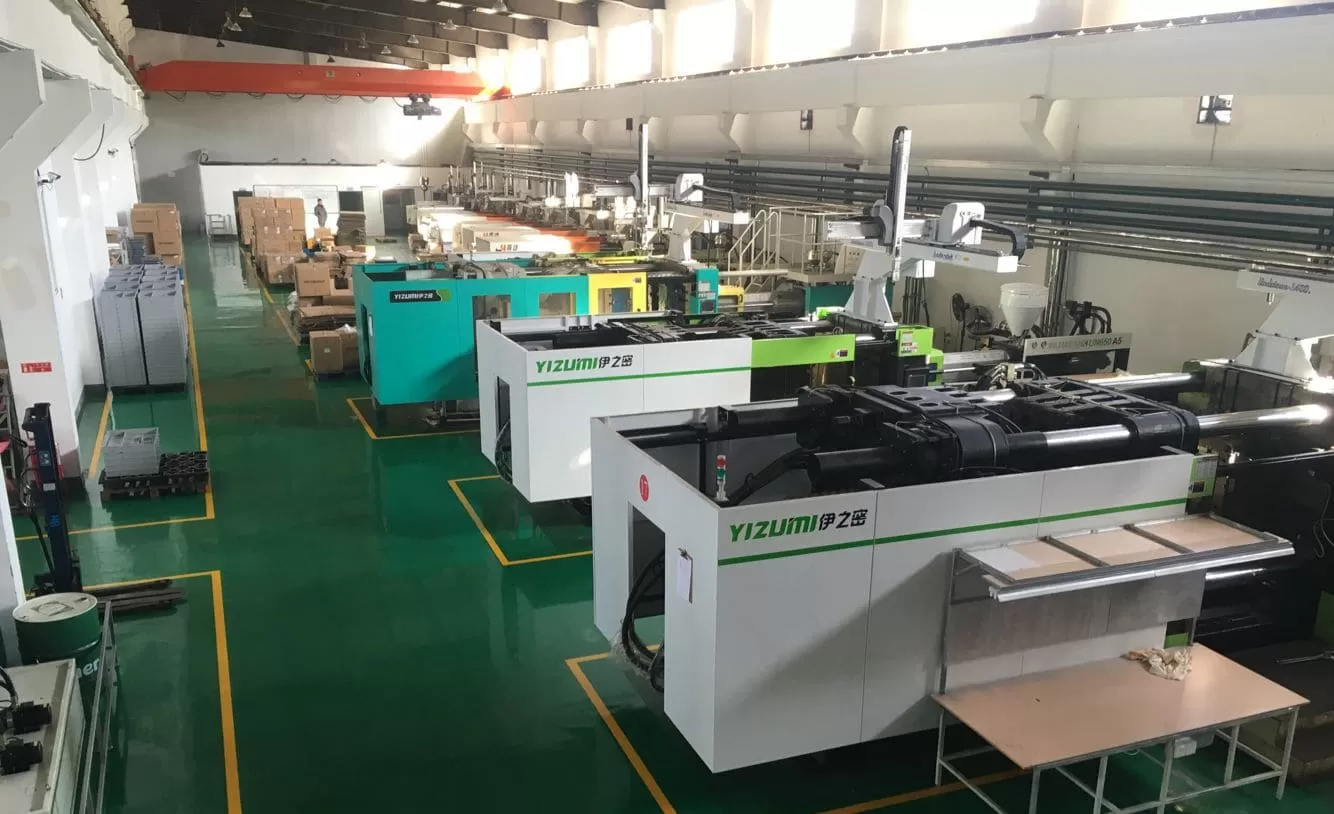
Harmonogramowanie maszyn jest kolejną zmienną. Fabryka obsługująca 47 maszyn do wtrysku ma większą elastyczność harmonogramowania niż fabryka z 10 maszynami. W ZetarMold nasz zakres sił (od 90T do 1850T) obejmuje większość rozmiarów części, co oznacza, że Twoja forma nie czeka w kolejce na jedyną pasującą maszynę; zwykle dostępnych jest 3-5 kandydackich maszyn w wymaganym przedziale sił. W przypadku pilnych zamówień uruchamiamy nadgodziny na dedykowanych maszynach, aby skompresować okno produkcyjne.
"„Określenie jasnych kryteriów odbioru przed rozpoczęciem budowy formy może skrócić uzgadnianie zatwierdzenia próbek o 1–2 tygodnie.”"True
Gdy obie strony przed rozpoczęciem obróbki stali uzgodnią, co stanowi detal zgodny z wymaganiami (tolerancje wymiarowe, normy wykończenia powierzchni, certyfikaty materiałowe), ocena próbek staje się binarną kontrolą zaliczone/niezaliczone, a nie negocjacją. Dostawcy mogą z wyprzedzeniem zaplanować zasoby kontrolne, a zespół inżynieryjny kupującego dokładnie wie, jakie dane otrzyma.
„„Czas realizacji produkcji jest taki sam niezależnie od wielkości zamówienia”.„False
Zamówienie 500 sztuk można wykonać na jednej zmianie (8–12 godzin pracy maszyny plus przygotowanie). Zamówienie 100,000 sztuk wymaga ciągłej produkcji przez wiele dni lub tygodni i zajmuje zdolności, które mogłyby obsługiwać innych klientów. Duże zamówienia często wymagają dedykowanego harmonogramu maszyny, a dostawca musi włączyć je do kalendarza produkcji obok istniejących zobowiązań.
Planowanie w ZetarMold wykorzystuje 47 maszyn do wtrysku o siłach od 90T do 1850T, własne zaplecze do produkcji form oraz zdolność produkcji ponad 100 form miesięcznie, aby skrócić przerwy w harmonogramowaniu. W naszym planowaniu produkcji zespół sprawdza wykonanie formy, próbkowanie, siłę maszyny oraz bramki kontroli jakości IQC/FQC/OQC, zanim potwierdzi obietnicę terminu realizacji.
Jak skrócić czas realizacji formowania wtryskowego?
Najskuteczniejsze strategie skracania czasu realizacji koncentrują się na etapach, które można skrócić: analizie DFM, zakupie materiałów i planowaniu. Oto sprawdzone w praktyce działania, uszeregowane według wpływu.
1. Odpowiadaj na uwagi DFM w ciągu 24 godzin. Już samo to może skrócić typowy projekt o 5–10 dni. Wyznacz jedną osobę decyzyjną, która może zatwierdzać zmiany konstrukcyjne bez oczekiwania na posiedzenia komisji.
2. W przypadku części w liczbie poniżej 10 000 sztuk użyj oprzyrządowania aluminiowego. Aluminium skraca czas wykonania formy o 40–50% i zapewnia w pełni funkcjonalne części do produkcji pomostowej lub serii małoseryjnego formowania wtryskowego1.
3. Zamów materiały z wyprzedzeniem podczas projektowania formy. Nie czekaj z zamówieniem żywicy do ukończenia formy. Złóż zamówienie na materiał po zatwierdzeniu projektu formy — materiał dotrze w czasie obróbki formy, eliminując przerwę w zaopatrzeniu.
4. Prowadź przegląd DFM i projektowanie formy równolegle z zakupem materiału. Te dwa strumienie są od siebie niezależne i nie powinny przebiegać kolejno.
5. Wybierz dostawcę, który wykonuje oprzyrządowanie i prowadzi produkcję pod jednym dachem. Transport formy między narzędziownią a zakładem formowania wydłuża logistykę o 3–5 dni. Gdy producent form i zakład formowania są tą samą firmą, forma trafia ze stanowiska narzędziowego na wtryskarkę w ciągu godzin, a nie dni. Przed przyznaniem projektu skorzystaj z przewodnika po pozyskiwaniu dostawcy usług formowania wtryskowego, aby porównać koordynację zakładu, odpowiedzialność za wycenę i ryzyko harmonogramowe.
Jaki jest realistyczny przykład harmonogramu od początku do końca?
Realistyczny przykład harmonogramu od początku do końca określają funkcja, ograniczenia i kompromisy omówione w tej sekcji. Prześledźmy rzeczywisty harmonogram projektu jednogniazdowej formy stalowej produkującej 5,000 części z nylonu wzmocnionego włóknem szklanym (PA6-GF30). Jest to typowy komponent przemysłowy o średniej złożoności — ma około 120mm × 80mm × 40mm, dwa suwaki boczne, mosiężną wkładkę gwintowaną i polerowaną powierzchnię klasy A.
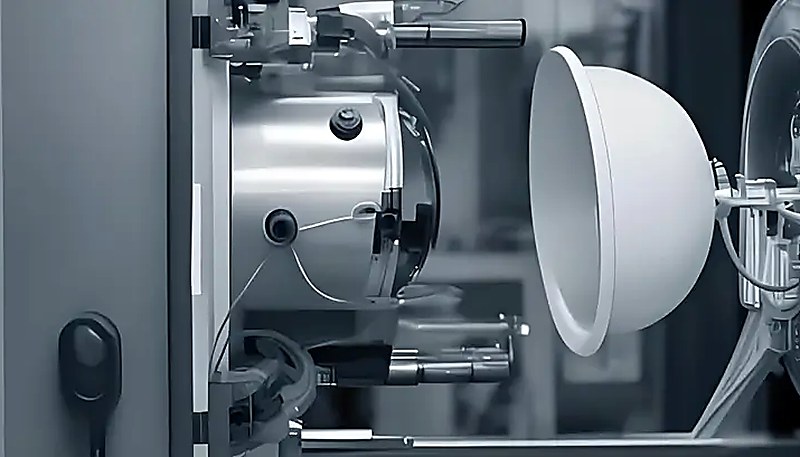
Tydzień 1: przegląd DFM i projektowanie formy2. Zespół inżynierski przegląda plik CAD, wykrywa problemy z kątem pochylenia dwóch elementów i proponuje położenie przewężki. Kupujący zatwierdza projekt z jedną zmianą. Równocześnie zostaje złożone zamówienie na PA6-GF30.
Tygodnie 2–3: obróbka CNC, EDM kieszeni suwaków i cięcie drutowe kieszeni wkładek. Bloki stalowe są obrabiane zgrubnie na CNC, wykańczane na szlifierkach precyzyjnych, a mechanizm suwakowy jest dopasowywany. Korpus formy zostaje zmontowany i wyrównany.
Tydzień 4: polerowanie (SPI A-2 na powierzchni A, wykończenie EDM na powierzchni B), montaż końcowy i zamocowanie na prasie 200 T do próby T1. Wykonywane są pierwsze wtryski, pobiera się 50 próbek i rozpoczyna pomiar CMM.
Tydzień 5: Raport wymiarowy sprawdzony przez nabywcę. Potrzebna jest jedna bezpieczna korekta stali (głębokość gniazda +0.05mm). Forma zostaje wycofana, zmodyfikowana, ponownie wypolerowana i ponownie pobrana do prób (T2) w ciągu 4 dni roboczych. Próbki T2 przechodzą kontrolę. Nabywca zatwierdza.
Tydzień 6: seria produkcyjna. Uformowano 5,000 części, przeprowadzono 100% kontroli wizualnej i losowe kontrole wymiarowe zgodnie z planem pobierania próbek AQL. Części zapakowano i wysłano na warunkach FOB Szanghaj.
Łącznie: 6 tygodni od zatwierdzenia CAD do wysyłki. W przypadku oprzyrządowania aluminiowego i prostszej części (bez suwaków) czas ten skraca się do 3–4 tygodni.
Dzięki 8 starszym inżynierom i własnemu zakładowi produkcji form wtryskowych3, który wykonuje ponad 100 zestawów form miesięcznie, ZetarMold obsługuje cały proces — DFM, wykonanie formy, próby, produkcję, kontrolę jakości i wysyłkę — w swojej fabryce w Szanghaju. W projektach, które tego wymagają, ponad 30 anglojęzycznych kierowników projektu codziennie przekazuje informacje o postępach, dzięki czemu zawsze dokładnie wiesz, na jakim etapie harmonogramu znajduje się forma.
Jakie są najczęściej zadawane pytania dotyczące czasu realizacji wtrysku?
Ile czasu zajmuje wykonanie formy wtryskowej?
Wykonanie stalowej formy jednogniazdowej zajmuje 15–25 dni roboczych. Aluminiowa forma jednogniazdowa wymaga 7–10 dni. Formy wielogniazdowe, formy z mechanizmami bocznymi lub narzędzia do obtrysku wydłużają termin o 5–15 dni zależnie od złożoności. Obróbka CNC jest najdłuższym pojedynczym etapem i nie można jej znacznie skrócić.
Czy czas realizacji wtryskiwania można skrócić do poniżej 2 tygodni?
Tylko w przypadku prostych części i oprzyrządowania aluminiowego. Jednogniazdową formę aluminiową bez suwaków można wykonać i przetestować w ciągu 7–10 dni roboczych, a części produkcyjne uzyskać po kolejnych 3–5 dniach. W przypadku bardziej złożonych projektów realistyczne minimum wynosi 3 tygodnie.
Co powoduje opóźnienia w procesie wtrysku?
Trzy najczęstsze przyczyny to: powolne informacje zwrotne kupującego dotyczące zmian DFM lub zatwierdzania próbek, opóźnienia w zakupie specjalistycznych żywic oraz konflikty harmonogramu zakładu w szczycie sezonu (zwykle Q3 i Q4). Istotny udział ma również wewnętrzny brak komunikacji między zespołami zakupowym i inżynieryjnym kupującego.
Jak Złożoność Formy Wpływa na Czas Realizacji?
Każdy suwak boczny wydłuża budowę formy o około 5–7 dni. Wypychacze skośne dodają 3–5 dni. Wkładki gwintowane z mechanizmem wykręcania dodają 7–10 dni. Formy wielogniazdowe dodają 3–5 dni na każde dodatkowe gniazdo. Forma z dwoma suwakami i wypychaczem skośnym powstaje około dwa razy dłużej niż forma otwierana bez mechanizmów o tym samym rozmiarze.
Jaka Jest Różnica Między Próbkowaniem T1 i T2?
T1 (pierwsza próba) to początkowy test formy. T2 to druga próba po modyfikacjach wskazanych podczas T1. Około 60% form wymaga co najmniej jednego cyklu modyfikacji. Każda próba wydłuża harmonogram o 3–5 dni roboczych. Doświadczeni producenci form pozostawiają bezpieczny naddatek stali, aby ograniczyć liczbę cykli modyfikacji.
Czy ilość zamówienia wpływa na czas realizacji produkcji?
Tak. Zamówienie 500 sztuk można wykonać podczas jednej zmiany (po przezbrojeniu ukończyć tego samego dnia). Zamówienie 50 000 sztuk wymaga zaplanowania wielu dni lub tygodni produkcji, co trzeba skoordynować z innymi zleceniami na danej maszynie. Powyżej 5000 sztuk czas realizacji produkcji rośnie w przybliżeniu liniowo wraz z ilością.
Jak Szybko Możesz Otrzymać Wycenę na Formowanie Wtryskowe?
Większość dostawców przedstawia wstępne oferty w ciągu 24–72 godzin od otrzymania pliku 3D CAD i arkusza specyfikacji. Szczegółowe oferty obejmujące opcje małoseryjnego formowania wtryskowego i zobowiązania terminowe zwykle wymagają 3–5 dni roboczych, ponieważ konieczna jest analiza DFM oraz ocena wykonalności projektu formy.
Jak długo zwykle trwa wtrysk?
Wtrysk zwykle trwa od 4 do 10 tygodni od przeglądu DFM do zatwierdzonej produkcji, ale dokładny harmonogram zależy od złożoności formy, dostępności materiału, rund próbkowania i wielkości zamówienia. Proste narzędzia prototypowe mogą być szybsze, podczas gdy utwardzone formy produkcyjne wielogniazdowe wymagają więcej czasu na obróbkę, polerowanie, montaż i walidację. Najbezpieczniejszą metodą planowania jest oddzielenie czasu wykonania formy, czasu próbkowania T1, czasu modyfikacji i czasu produkcji masowej, zamiast prosić o jedną datę dostawy. Ułatwia to audytowanie obietnic dostawcy i pomaga w porównywaniu ofert od różnych dostawców na równych warunkach.
Czy czas realizacji wtrysku można skrócić?
Tak, czas realizacji wtryskiwania można skrócić, gdy kupujący dostarczy kompletne pliki 3D, rysunki 2D, wymagania materiałowe, notatki tolerancyjne, wymagania dotyczące wykończenia powierzchni oraz cele rocznej wielkości produkcji przed wyceną. Największe opóźnienia zwykle wynikają z niejasnych rysunków, późnych zmian w projekcie, braku decyzji dotyczących materiałów oraz powolnej akceptacji próbek. Wczesny przegląd DFM, równoległe zakupy materiałów, realistyczne terminy próbkowania i szybka informacja zwrotna od działu inżynieryjnego mogą skrócić harmonogram bez wymuszania ryzykownych skrótów w narzędziowni lub kontroli jakości. Chroni to zarówno szybkość wprowadzenia na rynek, jak i niezawodność części, co ma większe znaczenie niż oszczędzanie kilku dni kosztem ryzyka wad.
Co powoduje najczęstsze opóźnienia w dostawie form?
Najczęstsze opóźnienia w dostawie form to zmiany projektu po cięciu stali, niejasne wymagania tolerancji, brak danych materiałowych, złożone ruchy boczne, zmiany tekstury lub polerowania oraz próbki T1 ujawniające problemy z kurczliwością, odkształceniami, nadlewami lub montażem. Moce przerobowe dostawcy również mają znaczenie, ponieważ zasoby EDM, CNC, montażu i sprawdzania mogą stać się wąskimi gardłami w sezonie szczytowym. Solidny proces DFM redukuje te ryzyka, znajdując problemy z wlewami, chłodzeniem, kątami odciągu, żebrami i liniami podziału, zanim forma przejdzie do pełnej obróbki. Jasna odpowiedzialność za zatwierdzanie i zdefiniowane kryteria akceptacji również zapobiegają możliwym do uniknięcia czasom oczekiwania.
Czy wielkość zamówienia wpływa na czas realizacji wtrysku?
Tak, wielkość zamówienia wpływa na czas realizacji wtrysku po zatwierdzeniu formy. Mała seria pilotażowa może zostać zakończona w ciągu kilku godzin po ustawieniu maszyny, ale duże zamówienie produkcyjne wymaga dłuższej alokacji maszyny, większego przygotowania żywicy, większej liczby próbek kontroli jakości, planowania pakowania, a czasem wielu zmian. Czas realizacji narzędzi jest głównie napędzany złożonością projektu i wykonania formy, podczas gdy czas realizacji produkcji jest napędzany czasem cyklu, liczbą gniazd, dostępnością maszyn, częstotliwością kontroli jakości i wymaganiami pakowania. Kupujący powinni zawsze oddzielać daty narzędziowe i produkcyjne podczas planowania harmonogramów projektu.
Jak kupujący powinni zaplanować pilny projekt wtrysku?
Kupujący powinni planować pilny projekt wtrysku poprzez wczesne zamrożenie projektu, zatwierdzenie wymagań dotyczących materiału i powierzchni przed rozpoczęciem narzędziowania, podanie docelowych dat wprowadzenia na rynek oraz poproszenie dostawcy o przedstawienie harmonogramu etapowego. Harmonogram powinien obejmować przegląd DFM, projekt formy, cięcie stali, obróbkę CNC i EDM, montaż, próbkowanie T1, modyfikacje, zatwierdzenie i produkcję. Jeśli harmonogram jest bardzo napięty, należy skupić się na redukcji opóźnień w zatwierdzaniu i uproszczeniu cech niekrytycznych, zamiast pomijać kontrole formy lub walidację próbek. Pilność nigdy nie powinna usuwać z procesu kluczowych bramek jakości.
małoseryjne formowanie wtryskowe: to metoda produkcji wykorzystująca uproszczone lub aluminiowe oprzyrządowanie do wytwarzania małych partii części, zwykle od 50 do 10 000 sztuk, bez kosztu pełnych stalowych form produkcyjnych. ↩
konstrukcja formy: oznacza proces inżynierski obejmujący projektowanie gniazda, rdzenia, kanałów chłodzących i układu wypychania formy wtryskowej; bezpośrednio wpływa na jakość części i wydajność produkcji. ↩
formowanie wtryskowe: to proces produkcyjny, w którym stopioną żywicę termoplastyczną wtryskuje się pod ciśnieniem do metalowego gniazda formy, chłodzi do zestalenia, a następnie wypycha jako gotową część. ↩