En etkili teslim süresi kısaltma stratejileri, sıkıştırılabilir aşamaları hedefler: DFM incelemesi, malzeme tedariki ve planlama. İşte pratikte işe yarayan ve etkiye göre sıralanmış taktikler.
Bu makale, DFM incelemesinden kalıp üretimi, numune alma ve üretime kadar enjeksiyon kalıplama teslim süresinin her aşamasını, her adım için belirli süre aralıklarıyla açıklar. Ayrıca hangi aşamaların sabit (fizik ve işleme süresi), hangilerinin müzakere edilebilir (planlama önceliği, fazla mesai, paralel işleme) olduğunu açıklayacağım. Amaç, proje zaman çizelgenizi güvenle planlamanız ve bir tedarikçi gereğinden uzun teslim süreleri verdiğinde itiraz edebilmeniz için yeterli ayrıntıyı sağlamaktır.
- Toplam enjeksiyon kalıplama teslim süresi 4 ila 12 hafta arasında değişir
- Kalıp imalatı toplam teslim süresinin %60–70'ini oluşturur
- Alüminyum takım, kalıp yapım süresini %40–50 azaltır
- Numune alma ve onay genellikle 5–10 iş günü ekler
- Paralel işleme acil projelerde 2–3 hafta kazandırabilir
Enjeksiyon Kalıplamada Tipik Teslim Süresi Nedir?
Enjeksiyon kalıplamanın tipik teslim süresi, bu bölümde açıklanan işlev, kısıtlamalar ve ödünleşimlerle tanımlanır. Standart bir enjeksiyon kalıplama projesi — onaylanmış CAD’den ilk üretim sevkiyatına kadar — tek gözlü çelik kalıp için 6–10 hafta, tek gözlü alüminyum kalıp için 4–7 hafta sürer. Çok gözlü kalıplar, üzeri kalıplama takımları ve karmaşık yan hareketlere sahip kalıplar, takım aşamasına 2–4 hafta ekler. Kalıp onayından sonraki üretim teslim süresi sipariş miktarına, malzeme bulunabilirliğine ve makine programına bağlı olarak 2–4 haftadır.
Bu aralıklar, alıcının DFM inceleme yorumlarına ve numune onay taleplerine 24–48 saat içinde yanıt verdiğini varsayar. Geri bildirimdeki her gecikme günü programa bir gün ekler. Deneyimlerimize göre kaçırılan teslim tarihlerinin en büyük nedeni kalıp üretimindeki gecikmeler değil, DFM incelemesi ve numune onayı sırasında alıcı ile tedarikçi arasındaki yazışmalardır.
Enjeksiyon Kalıbı Üretiminin Aşamaları Nelerdir?
Enjeksiyon kalıbı üretim aşamaları, bu bölümde açıklanan ana kategoriler veya seçeneklerdir. Kalıp üretimi, her biri öngörülebilir bir zaman aralığına sahip yedi ayrı aşamaya ayrılır. Bu aşamaları anlamak, tedarikçinizin programı nerede kısaltabileceğini ve nerede kısaltamayacağını belirlemenize yardımcı olur.
| Aşama | Süre | Sıkıştırılabilir mi? |
|---|---|---|
| DFM İncelemesi ve Kalıp Tasarımı | Süre: 3–7 gün | Evet (hızlı alıcı geri bildirimi) |
| Malzeme Tedariki | 3–10 gün | Kısmen (standart çelik stokta) |
| CNC Kaba ve Finiş İşleme | 7–15 gün | Sınırlı (işleme süresi) |
| EDM ve Tel Erozyon | Süre: 3–7 gün | Tüketici ürünleri için çeşitli renkli plastik kalıplanmış parçalar |
| Parlatma ve Montaj | 3–5 gün | Kısmen |
| Kalıp Denemesi (T1 Numune Alma) | 1–3 gün | Hayır (makine süresi gerektirir) |
| Boyutsal Muayene | 1–2 gün | Hayır |
En uzun tek aşama, fazla mesai vardiyalarıyla bile süresi çok kısaltılamayan CNC işlemedir. En çok zaman DFM inceleme aşamasında kaybedilir; bunun nedeni tedarikçinin yavaş olması değil, alıcının tasarım değişikliği taleplerine yanıt vermesinin günler sürmesidir. 3 gün sürmesi gereken bir DFM incelemesi, alıcının mühendislik ekibi değişiklikleri gerçek zamanlı olarak değil haftalık toplantılarda incelerse kolayca 10 güne uzayabilir.
Her Kalıp Tipinin Oluşturulması Ne Kadar Sürer?
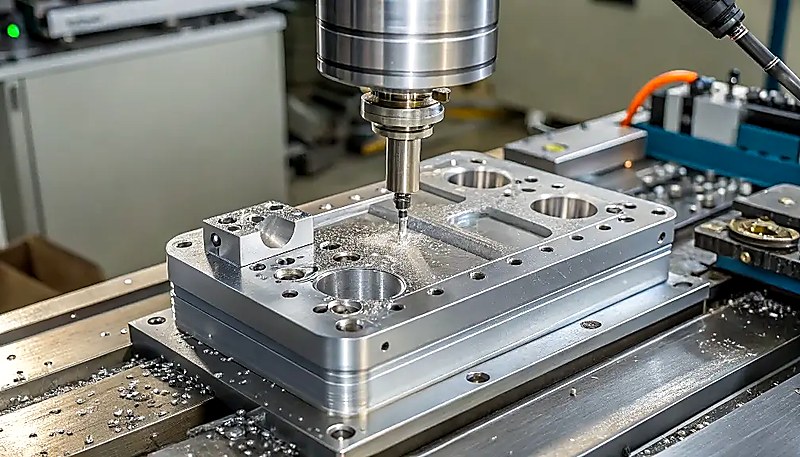
Bu bölüm, her kalıp türünün yapımının ne kadar sürdüğü ve bunun maliyet, kalite, zamanlama veya tedarik riski üzerindeki etkisi hakkındadır. Kalıp türü ve karmaşıklığı doğrudan yapım zaman çizelgesini belirler. Tek boşluklu, açılıp kapanan alüminyum bir kalıp 7-10 iş günü içinde numunelenebilir. Aynı geometriye sahip tek boşluklu bir çelik kalıp 15-20 gün sürer. Yan hareketli kaydırıcılar eklerseniz 5-10 gün eklenir. İkinci bir boşluk (aile kalıbı veya çoklu boşluk) eklerseniz, her ek boşluk için 5-7 gün daha eklenir.
Üst kalıplama takımları 30-45 gün sürer çünkü iki boşluk seti (veya bir döner mekanizma) gerektirirler ve iki aşamada test edilmeleri gerekir; ilk olarak alt tabaka atışında, ardından üst kalıplama atışında. Şangay tesisimizde ayda 100’den fazla kalıp üretiyoruz ve artan karmaşıklığa rağmen verimi korumak için belirli üretim hatlarını üst kalıplama araçlarına ayırıyoruz.
"“Çelik yerine alüminyum takım seçmek kalıp imalat süresini 40–50% azaltabilir.”"True
Alüminyum, sertleştirilmiş çelikten 3–5 kat daha hızlı işlenir, ısıl işlem gerektirmez ve daha hızlı parlatılır. İşlenmesi 7 gün süren tek gözlü bir alüminyum kalıp P20 çelikte 15–20, sertleştirilmiş H13'te 20–25 gün gerektirir. Karşılığı baskı ömrüdür: alüminyum 1,000–10,000 baskı, sertleştirilmiş çelik ise 500,000+ baskı için uygundur.
"“Karmaşık, çok kaviteli bir çelik kalıp için 7 günde teslimat vadeden tedarikçi gerçekçi davranıyordur.”"False
Yanal hareketli, çok gözlü bir çelik kalıbın 7 günde işlenmesi, EDM uygulanması, parlatılması, monte edilmesi ve numunelenmesi fiziksel olarak mümkün değildir. Bu süre yalnızca yanal hareketsiz, tek gözlü alüminyum kalıplarda mümkündür. Gerçekçi olmayacak kadar kısa çelik kalıp süreleri teklif eden tedarikçiler ya kaliteden ödün veriyor ya da geç teslim etmeyi planlıyordur.
Numune Alma ve Onay Zaman Çizelgesini Nasıl Etkiler?
Kalıp oluşturulduktan sonra numune alma (aynı zamanda T1 — ilk deneme olarak da adlandırılır) zaman çizelgesine 3-7 iş günü ekler. Kalıp bir prese monte edilir, parametreler ayarlanır ve 50-200 numune çekimi gerçekleştirilir. Bu parçalar daha sonra CMM ekipmanı kullanılarak CAD modeline göre ölçülür ve boyutsal veriler onay için alıcıya raporlanır.
Uygulamada ilk denemelerin yaklaşık %60’ı, parçalar boyutsal muayeneden geçmeden önce en az bir kalıp değişikliği gerektirir. En yaygın değişiklikler şunlardır: çelik güvenli ayarlamalar (kavite ölçülerine malzeme ekleme veya çıkarma), giriş boyutu değişiklikleri ve havalandırma eklemeleri. Her değişiklik çevrimi 3–5 iş günü ekler; deneyimli kalıpçılar ilk işlemede çelik güvenli paylar bıraktığından genellikle yalnızca bir değişiklik çevrimi olur.
Hızlı numune onayının anahtarı, kalıp yapılmadan önce tanımlanmış net kabul kriterleridir. Teklif aşamasında “onaydan önce tam boyutsal rapor gerekli” diye belirtirseniz tedarikçi CMM zamanını önceden planlayabilir ve denemeden sonraki 24 saat içinde raporu teslim edebilir. Kriterleri belirsiz bırakırsanız kabul edilebilir parçanın ne olduğu konusundaki karşılıklı yazışmalar günler veya haftalar ekler.
Kalıp Onayından Sonra Üretim Teslim Süresini Ne Belirler?
Bu bölüm, kalıp onayından sonra üretim süresini belirleyen ve bunun maliyet, kalite, zamanlama veya tedarik riski üzerindeki etkisi hakkındadır. Kalıp onaylandıktan sonra (T1 numuneleri geçer veya alıcı onay verir), üretim süresi dört faktöre bağlıdır: sipariş miktarı, malzeme süresi, makine programlaması ve son işlem gereksinimleri (montaj, boyama, kaplama).
Doğal renkteki standart mühendislik reçineleri (ABS, PP, PC, PA6) genellikle stokta bulunur ve üretim onaydan sonra 3–5 gün içinde başlayabilir. Özel sınıflarda (alev geciktirici, cam elyaf takviyeli, medikal sınıf, özel renkler) malzeme tedariki 7–14 gün ekler. Müşterinize teslimat tarihi vermeden önce mutlaka malzeme bulunabilirliğini doğrulayın.
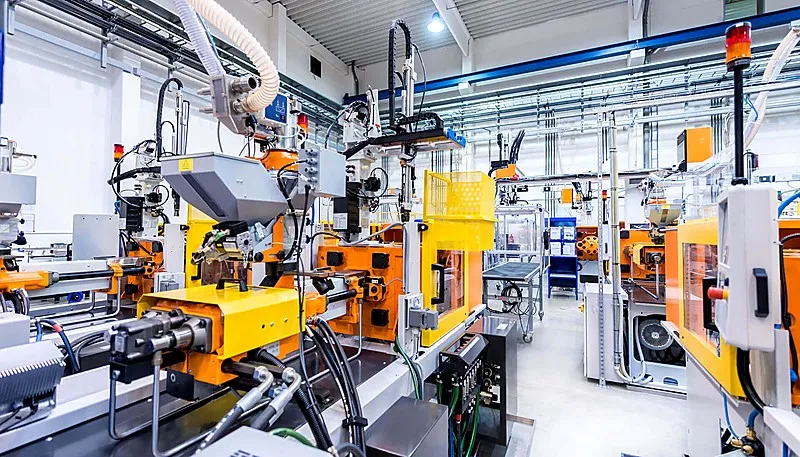
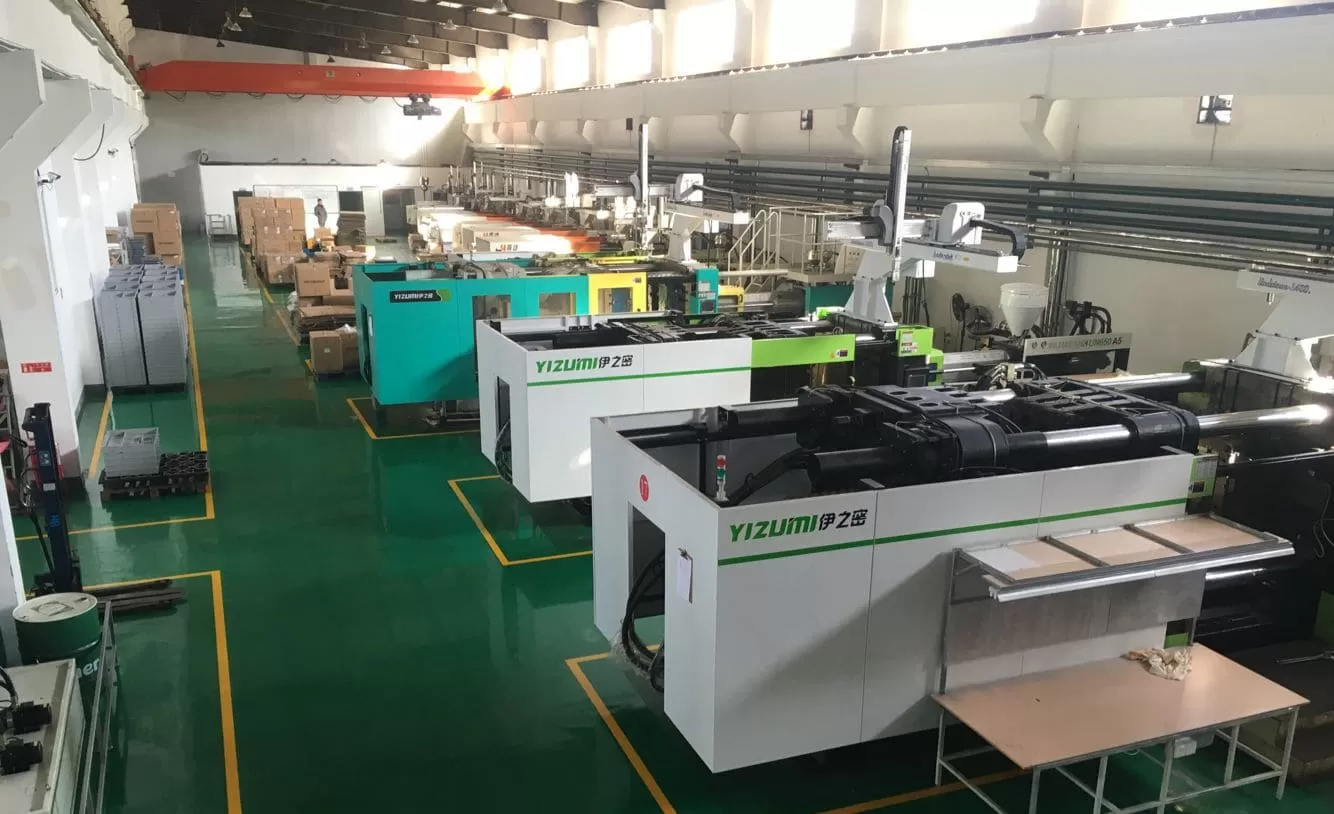
Makine çizelgeleme bir sonraki değişkendir. 47 enjeksiyon kalıplama makinesi çalıştıran bir fabrika, 10 makine çalıştırandan daha fazla çizelgeleme esnekliğine sahiptir. ZetarMold’da, tonaj aralığımız (90T ila 1850T) çoğu parça boyutunu kapsar, bu da kalıbınızın uygun tek makineyi bekleyerek kuyrukta beklemediği anlamına gelir; genellikle gereken tonaj bandında 3-5 aday makine mevcuttur. Acil siparişler için, üretim penceresini daraltmak amacıyla özel makinelerde fazla mesai vardiyaları çalıştırırız.
"“Kalıp imalatı başlamadan önce net kabul kriterleri tanımlamak, numune onayındaki karşılıklı görüşmelerden 1–2 hafta kazandırabilir.”"True
Her iki taraf çelik kesilmeden önce uygun bir parçanın ne olduğunu (boyutsal toleranslar, yüzey kalitesi standartları, malzeme sertifikaları) kabul ettiğinde, numune incelemesi müzakere yerine ikili bir geçti/kaldı kontrolüne dönüşür. Tedarikçiler kontrol kaynaklarını önceden planlayabilir ve alıcının mühendislik ekibi hangi verileri alacağını tam olarak bilir.
"“Üretim teslim süresi sipariş miktarından bağımsız olarak aynıdır.”"False
500 parçalık bir sipariş tek vardiyada çalıştırılabilir (kurulumla birlikte 8–12 saat makine süresi). 100,000 parçalık bir sipariş ise birden fazla gün veya hafta boyunca kesintisiz üretim gerektirir ve başka müşterilere hizmet verebilecek makine kapasitesini tüketir. Büyük siparişler genellikle özel makine planlaması gerektirir ve tedarikçi bunları mevcut taahhütlerle birlikte üretim takvimine yerleştirmelidir.
ZetarMold planlaması, programlama boşluklarını kısaltmak için 90T ila 1850T arasında 47 enjeksiyon kalıplama makinesi, dahili bir kalıp üretim tesisi ve aylık 100'den fazla kalıp kapasitesi kullanır. Üretim planlamamızda ekip, bir süre taahhüdünü onaylamadan önce kalıp yapımını, numune almayı, makine tonajını ve IQC/FQC/OQC kapılarını kontrol eder.
Enjeksiyon Kalıplama Teslim Süresini Nasıl Kısaltabilirsiniz?
En etkili teslim süresi azaltma stratejileri, sıkıştırılabilir aşamaları hedefler: DFM incelemesi, malzeme tedariki ve planlama. Uygulamada işe yarayan taktikler, etkilerine göre aşağıda sıralanmıştır.
1. DFM geri bildirimlerine 24 saat içinde yanıt verin. Yalnızca bu adım tipik bir projede 5–10 gün kazandırabilir. Tasarım değişikliklerini komite toplantılarını beklemeden onaylayabilecek tek bir karar verici atayın.
2. 10.000 adedin altındaki parçalar için alüminyum takım kullanın. Alüminyum, kalıp yapım süresini %40–50 kısaltır ve köprü üretimi veya düşük hacimli enjeksiyon kalıplama1 partileri için tamamen işlevsel parçalar sağlar.
3. Kalıp tasarımı sırasında malzemeleri önceden sipariş edin. Reçine siparişi vermek için kalıbın tamamlanmasını beklemeyin. Kalıp tasarımı onaylandığında malzeme siparişini verin; malzemeler kalıp işlenirken gelir ve tedarik boşluğu ortadan kalkar.
4. DFM incelemesi ile kalıp tasarımını, malzeme tedarikiyle paralel yürütün. Bu iki iş akışı birbirinden bağımsızdır ve ardışık yürütülmemelidir.
5. Takım imalatı ve üretimi aynı çatı altında yapan bir tedarikçi seçin. Bir kalıbı takım atölyesi ile kalıplama fabrikası arasında taşımak lojistiğe 3–5 gün ekler. Kalıp üreticisi ile kalıplamacı aynı şirket olduğunda kalıp, takım tezgâhından prese günler değil saatler içinde geçer. Projeyi vermeden önce fabrika koordinasyonunu, teklif sahipliğini ve takvim riskini karşılaştırmak için bir enjeksiyon kalıplama tedarikçisi bulma kılavuzu kullanın.
Gerçekçi Bir Uçtan Uca Zaman Çizelgesi Örneği Nedir?
Gerçekçi bir uçtan uca zaman çizelgesi örneği, bu bölümde açıklanan işlev, kısıtlamalar ve ödünleşimlerle tanımlanır. Cam elyaf takviyeli naylondan (PA6-GF30) 5.000 parça üreten tek gözlü bir çelik kalıp için gerçek bir proje zaman çizelgesini ele alalım. Bu, yaklaşık 120mm × 80mm × 40mm ölçülerinde, iki yana hareketli sürgüye, pirinç dişli insert’e ve parlatılmış bir A yüzeyine sahip, tipik olarak orta karmaşıklıkta bir endüstriyel bileşendir.
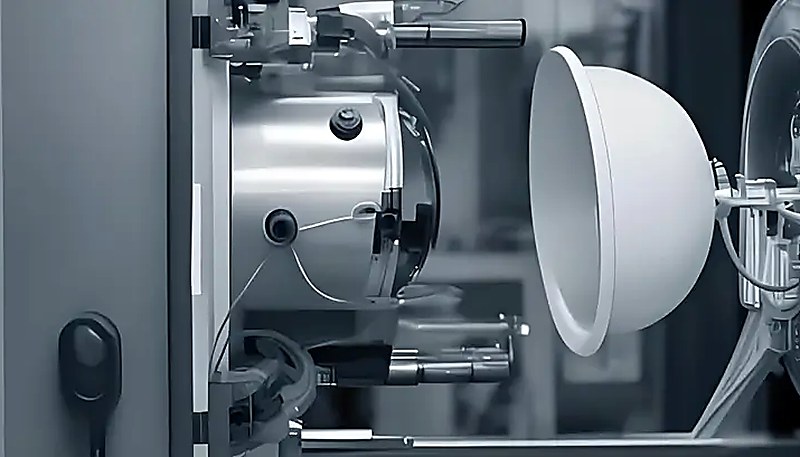
1. Hafta: DFM incelemesi ve kalıp tasarımı2. Mühendislik ekibi CAD dosyasını inceler, iki özellikteki kalıp çıkış açısı sorunlarını belirler ve bir yolluk giriş konumu önerir. Alıcı tasarımı tek bir değişiklikle onaylar. PA6-GF30 malzeme siparişi eş zamanlı verilir.
2–3. haftalar: CNC işleme, sürgü yuvaları için EDM ve insert yuvaları için tel kesim. Çelik bloklar CNC’de kaba işlenir, hassas taşlama makinelerinde bitirilir ve sürgü mekanizması alıştırılır. Kalıp tabanı monte edilip hizalanır.
4. Hafta: Polisaj (A yüzeyinde SPI A-2, B yüzeyinde EDM yüzeyi), son montaj ve T1 numune alımı için 200T prese bağlama. İlk atımlar yapılır, 50 numune alınır ve CMM ölçümü başlar.
5. Hafta: Boyutsal rapor alıcı tarafından incelenir. Çelik emniyetli tek bir ayar gerekir (kavite derinliği +0.05mm). Kalıp sökülür, değiştirilir, yeniden parlatılır ve 4 iş günü içinde yeniden numunelenir (T2). T2 numuneleri geçer. Alıcı onaylar.
6. Hafta: Üretim çalışması. 5,000 parça kalıplandı, %100 görsel inceleme yapıldı ve AQL numune alma planına göre rastgele boyutsal kontroller gerçekleştirildi. Parçalar paketlenip FOB Şanghay teslim şekliyle sevk edildi.
Toplam: CAD onayından sevkiyata kadar 6 hafta. Alüminyum kalıp ve daha basit bir parçayla (sürgüsüz) bu süre 3–4 haftaya iner.
ZetarMold, 8 kıdemli mühendisi ve ayda 100’den fazla kalıp seti üreten şirket içi enjeksiyon kalıplama3 kalıp imalat tesisiyle DFM, kalıp yapımı, numune, üretim, QC ve sevkiyat dâhil tüm süreci Şanghay’daki fabrikamızdan yürütür. Gereken projelerde, İngilizce konuşan 30’dan fazla proje yöneticimiz günlük ilerleme güncellemeleri sağlar; böylece kalıbınızın takvimde tam olarak nerede olduğunu her zaman bilirsiniz.
Enjeksiyon Kalıplama Süresi Hakkında En Sık Sorulan Sorular Nelerdir?
Bir Enjeksiyon Kalıbının Yapımı Ne Kadar Sürer?
Tek kaviteli bir çelik kalıbın yapımı 15–25 iş günü sürer. Tek kaviteli bir alüminyum kalıp 7–10 günde yapılır. Çok kaviteli kalıplar, yan hareketli kalıplar veya üzerine kalıplama takımları karmaşıklığa bağlı olarak 5–15 gün ekler. CNC işleme aşaması en uzun tek adımdır ve önemli ölçüde kısaltılamaz.
Enjeksiyon kalıplama termin süresi 2 haftanın altına indirilebilir mi?
Yalnızca alüminyum takım kullanılan basit parçalar için. Yan hareket içermeyen tek kaviteli alüminyum kalıp 7–10 iş gününde yapılıp numune alınabilir; üretim parçaları ise 3–5 gün sonra gelir. Daha karmaşık işler için gerçekçi minimum süre 3 haftadır.
Enjeksiyon Kalıplamada Gecikmelere Ne Yol Açar?
En yaygın üç neden şunlardır: DFM değişiklikleri veya numune onayları konusunda alıcının yavaş geri bildirimi, özel reçinelerde malzeme tedarik gecikmeleri ve yoğun sezonda (genellikle Q3 ve Q4) fabrika planlama çakışmaları. Alıcının satın alma ve mühendislik ekipleri arasındaki iç iletişim eksikliği de önemli ölçüde katkıda bulunur.
Kalıp Karmaşıklığı Teslim Süresini Nasıl Etkiler?
Her yana hareketli sürgü, kalıp imalatına yaklaşık 5–7 gün ekler. Eğik iticiler 3–5 gün ekler. Dişli insertler (vida sökme mekanizmaları) 7–10 gün ekler. Çok gözlü kalıplarda her ilave göz 3–5 gün ekler. İki sürgülü ve bir eğik iticili bir kalıbın yapımı, aynı boyuttaki aç-kapa kalıbın yaklaşık iki katı sürer.
T1 ve T2 Numune Alma Arasındaki Fark Nedir?
T1 (ilk deneme), kalıbın ilk test çalışmasıdır. T2, T1 sırasında belirlenen değişikliklerden sonraki ikinci denemedir. Kalıpların yaklaşık %60’ı en az bir değişiklik çevrimi gerektirir. Her deneme programa 3–5 iş günü ekler. Deneyimli kalıp üreticileri, değişiklik çevrimi sayısını en aza indirmek için çelik emniyetli paylar bırakır.
Sipariş miktarı üretim teslim süresini etkiler mi?
Evet. 500 parçalık sipariş tek vardiyada çalışabilir (kurulumdan sonra aynı gün tamamlanır). 50,000 parçalık sipariş, makinedeki diğer siparişlerle koordine edilmesi gereken birkaç gün veya haftalık üretime planlanmalıdır. Üretim teslim süresi 5,000 parçanın üzerinde miktarla yaklaşık doğrusal artar.
Enjeksiyon Kalıplama İçin Ne Kadar Hızlı Fiyat Teklifi Alabilirsiniz?
Çoğu tedarikçi, 3D CAD dosyası ve spesifikasyon formunu aldıktan sonra 24–72 saat içinde ilk teklifini sunar. Düşük hacimli enjeksiyon kalıplama seçeneklerini ve termin taahhütlerini içeren ayrıntılı teklifler, DFM analizi ve kalıp tasarımı fizibilite değerlendirmesi gerektirdiği için genellikle 3–5 iş günü sürer.
Enjeksiyon kalıplama genellikle ne kadar sürer?
Enjeksiyon kalıplama genellikle DFM incelemesinden onaylı üretime kadar 4 ila 10 hafta sürer, ancak kesin program kalıp karmaşıklığına, malzeme mevcudiyetine, numune alma tur sayısına ve sipariş miktarına bağlıdır. Basit prototip kalıplar daha hızlı ilerleyebilirken, sertleştirilmiş çoklu boşluklu üretim kalıpları daha fazla işleme, parlatma, montaj ve doğrulama süresi gerektirir. En güvenli planlama yöntemi, tek bir teslimat tarihi istemek yerine kalıp yapım süresini, T1 numune alma süresini, modifikasyon süresini ve seri üretim süresini ayırmaktır. Bu, tedarikçi taahhütlerinin denetlenmesini kolaylaştırır ve farklı tedarikçilerden teklifleri eşit şartlarda karşılaştırmanıza yardımcı olur.
Enjeksiyon kalıplama süresi azaltılabilir mi?
Evet, enjeksiyon kalıplama süresi, alıcı tekliften önce eksiksiz 3D dosyaları, 2D çizimler, malzeme gereksinimleri, tolerans notları, yüzey bitirme gereksinimleri ve yıllık hacim hedefleri sağladığında azaltılabilir. En büyük gecikmeler genellikle net olmayan çizimler, geç tasarım değişiklikleri, eksik malzeme kararları ve yavaş numune onayından kaynaklanır. Erken DFM incelemesi, paralel malzeme satın alma, gerçekçi numune alma pencereleri ve hızlı mühendislik geri bildirimi, kalıplama veya kalite kontrolünde riskli kısayollara zorlamadan zaman çizelgesini kısaltabilir. Bu, başlangıç hızını ve parça güvenilirliğini birlikte korur, bu da birkaç gün tasarruf etmekten daha önemlidir.
En yaygın kalıp teslimat gecikmelerine ne sebep olur?
En yaygın kalıp teslimat gecikmeleri, çelik kesiminden sonraki tasarım değişiklikleri, net olmayan tolerans gereksinimleri, eksik malzeme verileri, karmaşık yan hareketler, doku veya parlatma değişiklikleri ve büzülme, eğilme, taşma veya montaj sorunlarını ortaya çıkaran T1 numuneleridir. Tedarikçi kapasitesi de önemlidir çünkü EDM, CNC, montaj ve nokta kaynak kaynakları yoğun sezonlarda darboğaz haline gelebilir. Güçlü bir DFM süreci, kalıp tam işleme girmeden önce geçit, soğutma, eğim, nervür ve ayırma hattı sorunlarını bularak bu riskleri azaltır. Net onay sahipliği ve tanımlanmış kabul kriterleri de önlenebilir bekleme sürelerini engeller.
Sipariş miktarı enjeksiyon kalıplama süresini etkiler mi?
Evet, sipariş miktarı, kalıp onaylandıktan sonra enjeksiyon kalıplama süresini etkiler. Küçük bir pilot üretim, makine kurulumundan sonra saatler içinde tamamlanabilir, ancak büyük bir üretim siparişi daha uzun makine tahsisi, daha fazla reçine hazırlığı, daha fazla QC numunesi, paketleme planlaması ve bazen birden fazla vardiya gerektirir. Kalıplama süresi çoğunlukla kalıp tasarımı ve üretim karmaşıklığı tarafından yönlendirilirken, üretim süresi döngü süresi, boşluk sayısı, makine mevcudiyeti, kalite kontrol sıklığı ve paketleme gereksinimleri tarafından yönlendirilir. Alıcılar proje programlarını planlarken her zaman kalıplama ve üretim tarihlerini ayırmalıdır.
Alıcılar acil bir enjeksiyon kalıplama projesini nasıl planlamalıdır?
Alıcılar, acil bir enjeksiyon kalıplama projesini tasarımı erken dondurarak, kalıplama başlamadan önce malzeme ve yüzey gereksinimlerini onaylayarak, hedef başlangıç tarihlerini paylaşarak ve tedarikçiden aşama aşama bir program göstermesini isteyerek planlamalıdır. Program DFM incelemesini, kalıp tasarımını, çelik kesimini, CNC ve EDM’yi, montajı, T1 numune almayı, modifikasyonu, onayı ve üretimi kapsamalıdır. Zaman çizelgesi çok sıkıysa, kalıp kontrollerini veya numune doğrulamasını atlamak yerine onay gecikmelerini azaltmaya ve kritik olmayan özellikleri basitleştirmeye odaklanın. Aciliyet, süreçten temel kalite kapılarını asla çıkarmamalıdır.
düşük hacimli enjeksiyon kalıplama: Tam üretim tipi çelik kalıpların maliyetine katlanmadan, genellikle 50 ile 10.000 adet arasındaki küçük parça partilerini üretmek için basitleştirilmiş veya alüminyum takım kullanılan bir üretim yaklaşımıdır. ↩
kalıp tasarımı: Bir enjeksiyon kalıbının boşluk, maça, soğutma kanalları ve itici sistemini oluşturma mühendisliği sürecidir; parça kalitesini ve üretim verimliliğini doğrudan etkiler. ↩
enjeksiyon kalıplama: Erimiş termoplastik reçinenin basınç altında metal bir kalıp boşluğuna enjekte edildiği, katılaşması için soğutulduğu ve bitmiş parça olarak çıkarıldığı üretim prosesidir. ↩