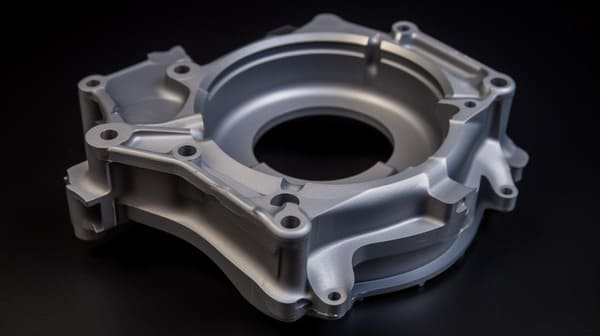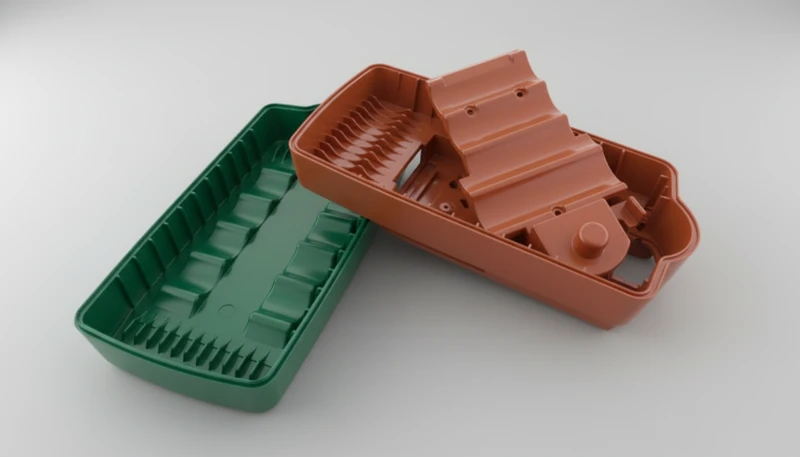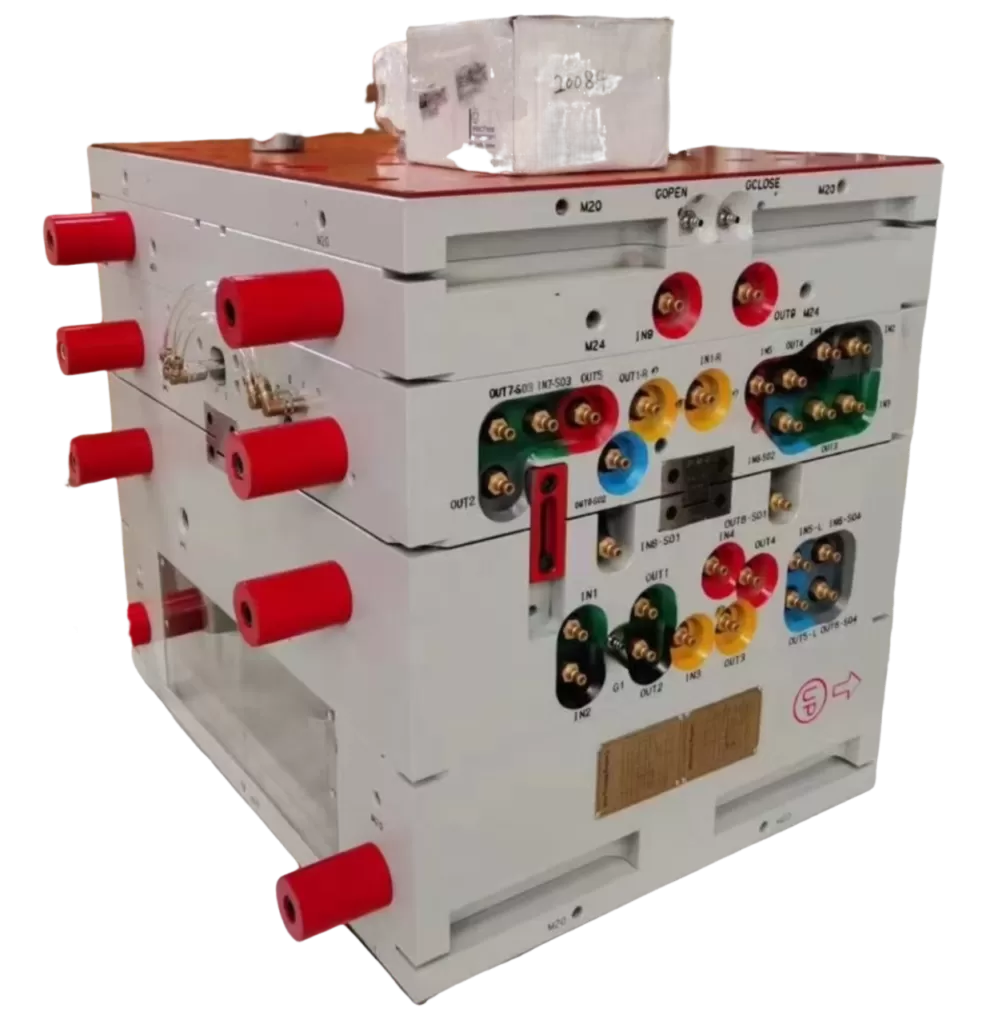
- Düşük adetli enjeksiyon kalıplama, üretim çeliği kalıplara göre %40 ila %60 daha düşük kalıp maliyetiyle prototipleme ve seri üretim arasındaki boşluğu kapatarak her partide 100 ila 10,000 parça üretir.
- Alüminyum kalıplar, sertleştirilmiş çelik üretim kalıplarının $10,000 ila $100,000 veya üzerindeki maliyetine kıyasla $2,000 ila $15,000 takım maliyetiyle 1,000 ila 100,000 baskı sağlar.
- Takım amortismanı daha büyük hacimlere yayıldıkça parça başı maliyet, 100 parçada $5 ila $50 seviyesinden 10,000 parçada $0.50 ila $5.00 seviyesine hızla düşer.
- Tasarımdan ilk parçalara kadar teslim süresi, alüminyum kalıplarda genellikle 2 ila 4 hafta; üretim tipi çelik kalıplarda ise 8 ila 16 haftadır.
- Düşük hacimli kalıplama, yüksek hacimli üretimle aynı termoplastik malzemeleri kullanır ve tam ölçekli takım yatırımına geçmeden önce üretim amaçlı reçinelerle işlevsel test yapılmasını sağlar.
- İdeal uygulamalar arasında pilot üretim serileri, köprü takımlama, pazar testi, sınırlı hasta nüfusuna yönelik medikal cihazlar ve özel ya da kişiselleştirilmiş ürünler bulunur.
Düşük Hacimli Enjeksiyon Kalıplama Nedir?
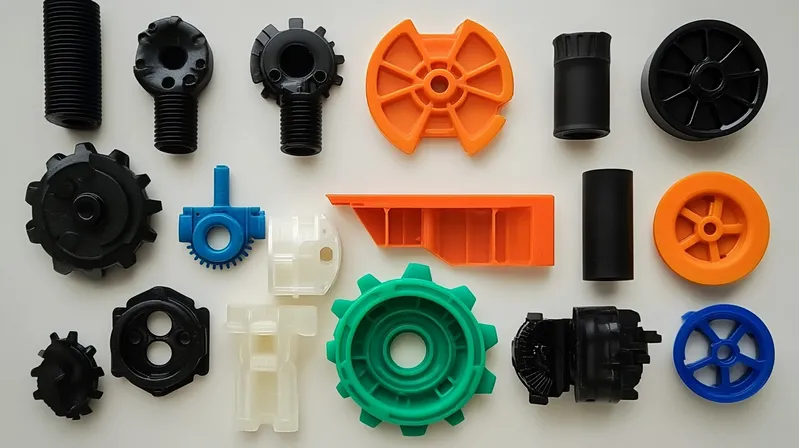
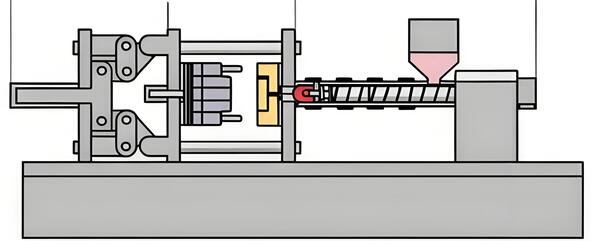
Düşük hacimli enjeksiyon kalıplama, üretim çevrimi başına 100 ila 10,000 plastik parça üreten ve geleneksel sertleştirilmiş çelik üretim kalıplarından 40–60% daha düşük maliyetli, genellikle alüminyum olan basitleştirilmiş takımlar kullanan bir üretim sürecidir. Yüksek hacimli üretimle aynı enjeksiyon kalıplama makinelerini ve termoplastikleri1 kullanarak aynı malzeme özelliklerine ve ölçü hassasiyetine sahip parçalar üretir.
Enjeksiyon ekonomisi geleneksel olarak büyük üretim hacimlerini destekler; çünkü kalıp maliyeti $10,000–$100,000 veya daha fazladır. 1,000,000 parçada bu maliyet parça başına yalnızca $0.01–$0.10 ekler. 500 parçada ise aynı kalıp parça başına $20–$200 ekleyerek prosesi küçük miktarlarda CNC işleme veya 3D baskıya karşı rekabetçi olmaktan çıkarır.
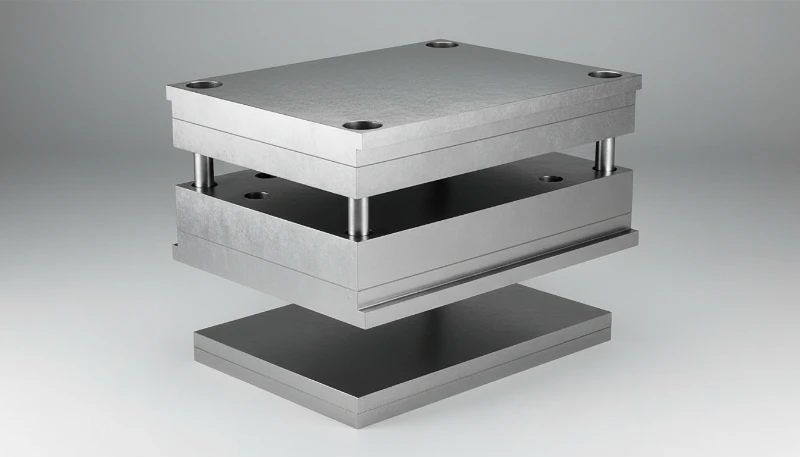
Düşük hacimli enjeksiyon kalıplama, $2,000–$15,000 maliyetli alüminyum veya yumuşak çelik kalıplar kullanarak bu maliyet engelini aşar. Bu kalıplar kullanım ömründen ödün verir (sertleştirilmiş çelikte 500,000–2,000,000 çevrime karşı 1,000–100,000 çevrim), ancak çok daha düşük başlangıç yatırımıyla aynı parça kalitesini sunar. Sonuç, 100 parça gibi düşük hacimlerde bile ekonomik olarak uygulanabilir enjeksiyon kalıplamadır.
Ürün özelleştirmesine, daha hızlı pazara çıkışa ve talep üzerine üretime yönelik artan talep, düşük hacimli kalıplamanın kullanım alanlarını genişletti. Hastaya özel araçlar üreten tıbbi cihaz şirketleri, ürün-pazar uyumunu doğrulayan tüketici elektroniği girişimleri ve üretim öncesi test yapan otomotiv tedarikçileri, tam üretim kalıbına yatırım yapmadan gerçek enjeksiyonla kalıplanmış parçalar üretebilmekten yararlanır.
Parça özelliklerini yaklaşık olarak sağlayan hızlı prototipleme4 yöntemlerinin aksine düşük hacimli enjeksiyon kalıplama, seri üretimde kullanılan reçine granüllerinin aynısından parçalar üretir. 3D baskılı ABS benzeri reçineden yapılmış prototip, enjeksiyonla kalıplanmış ABS’den farklı darbe dayanımına, ısı direncine ve yüzey kalitesine sahiptir. Düşük hacimli kalıplama bu malzeme farkını tamamen ortadan kaldırır ve mühendislere pilot parça test sonuçlarının üretim performansıyla eşleşeceğine dair güven verir.
| Parametre | Düşük Hacim (100–10,000) | Yüksek Hacim (10,000–1,000,000+) |
|---|---|---|
| Kalıp malzemesi | Alüminyum veya P20 çeliği | H13 veya S136 sertleştirilmiş çelik |
| Takım maliyeti | $2,000–$15,000 | $10,000–$100,000+ |
| Kalıp ömrü | 1,000–100,000 baskı | 500,000–2,000,000+ enjeksiyon çevrimi |
| Termin süresi (kalıp) | 2–4 hafta | 8–16 hafta |
| Parça başına maliyet | $0.50–$50 | $0.05–$5.00 |
| Tasarım yinelemeleri | Kolay ve ekonomik | Pahalı (değişiklik başına $3K–$15K) |
| Yüzey görünümü | Tipik: SPI B-2 to C-3 | SPI A-1 ila B-1 elde edilebilir |
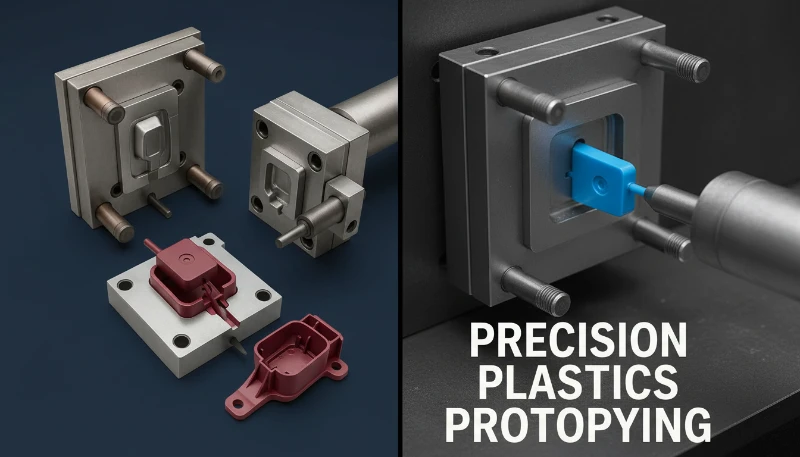
Düşük Hacimli Üretim İçin En Uygun Takım Seçenekleri Nelerdir?
Alüminyum kalıplar, düşük hacimli enjeksiyon kalıplamada en yaygın takım seçeneğidir; çelik kalıplardan 40–60% daha düşük maliyet ve 2–4 haftalık teslim süresiyle 1,000–100,000 baskı sağlar. Alüminyumun ısıl iletkenliği (P20 çeliğinde 25 W/m·K iken 205 W/m·K) aslında proses avantajı sunar: daha hızlı soğutma, çevrim süresini 20–30% azaltarak küçük serilerin daha yüksek parça başı maliyetini kısmen dengeler.
P20 ön sertleştirilmiş çelik kalıplar, alüminyum ile tamamen sertleştirilmiş üretim takımları arasında orta bir konumdadır. HRC 28–34 sertlikteki P20, H13’ten (HRC 48–52) daha hızlı işlenirken 100,000–500,000 baskı dayanımına sahiptir. Bu özellik P20’yi, sertleştirilmiş çelik takım üretilirken üretim ihtiyacını karşılayan köprü takımlar ve toplam kullanım ömrü boyunca hiçbir zaman 200,000 adedi aşmayacak orta hacimli ürünler için ideal kılar.
3D baskılı kalıplar, 10–500 parçalık ultra düşük hacimler için en yeni kalıplama yaklaşımıdır. Formlabs Rigid 10K gibi yüksek sıcaklık reçineleri kullanılan stereolitografi (SLA) kalıpları, 238°C’ye kadar enjeksiyon sıcaklığına ve 60 MPa’ya kadar basınca dayanır. Her kalıp $50–$500 maliyetle bir gecede basılabilir; ancak ölçüsel bozulma kabul edilebilir sınırları aşmadan önce tipik kalıp ömrü yalnızca 10–100 çevrimdir.
Alüminyumun sağladığı takım maliyeti tasarrufu kavite eklendikçe azaldığından, çok kavite konfigürasyonları düşük hacimli üretimde daha az yaygındır. $5,000 maliyetli tek kaviteli bir alüminyum kalıp, düşük hacimli uygulamaların çoğu için yeterli hızda parça üretir. İkinci bir kavite eklemek takım maliyetini $8,000–$12,000 düzeyine çıkarırken parça başına çevrim süresini yarıya indirir; bu yalnızca parça başına zaman tasarrufu ek takım yatırımından ağır bastığında gerekçelendirilebilir.
Alüminyum ve çelik takım arasındaki seçim dört etkene bağlıdır: gerekli kalıp ömrü, reçinenin işleme sıcaklığı, yüzey kalitesi gereklilikleri ve kalıbın daha sonra üretim kalıbına dönüştürülecek bir köprü kalıp olarak kullanılıp kullanılmayacağı. Toplam kullanım ömrü hacminin 10,000 parçanın altında olduğu ve malzemenin 300°C’nin altında işlendiği projelerde alüminyum neredeyse her zaman en uygun maliyetli seçenektir.
| Kalıp Malzemesi | Maliyet aralığı | Kalıp Ömrü (Atış) | Teslim Süresi | İçin En İyisi |
|---|---|---|---|---|
| 7075 Alüminyum | $2,000–$10,000 | 1,000–100,000 | 1–3 hafta | Prototip ve pilot üretimler |
| P20 Çelik | $5,000–$25,000 | 100,000–500,000 | 3–6 hafta | Köprü takımlama |
| H13 Çelik | $10,000–$100,000+ | 500,000–2,000,000+ | 8–16 hafta | Üretim hacimleri |
| 3D Baskılı (SLA) | 50–500 USD | 10–100 | 1–3 gün | Tasarım doğrulama (10–50 parça) |
| Yumuşak Çelik (S50C) | $3,000–$12,000 | 50,000–200,000 | 2–4 hafta | Doku ihtiyaçları olan düşük hacim |
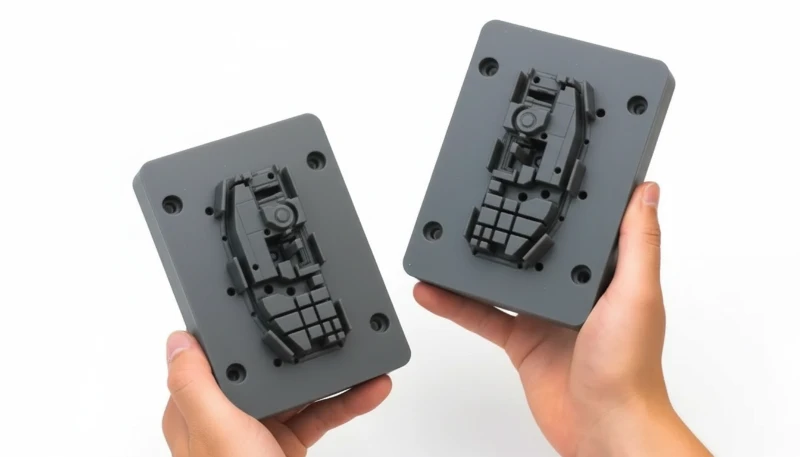
“Alüminyum kalıplar, alüminyum ısıyı 8 kat daha verimli ilettiği için çelik kalıplardan –30 daha hızlı soğur.”True
Alüminyumun ısıl iletkenliği (205 W/m·K), P20 çeliğinkinden (25 W/m·K) yaklaşık 8 kat daha yüksektir. Bu daha hızlı ısı çekimi, enjeksiyon kalıplama döngüsünün en uzun aşaması olan soğutma süresini –30 kısaltır. Tipik 2,0 mm duvar kalınlığına sahip bir parça için soğutma süresi, çelikte 15 saniyeden alüminyumda 10–12 saniyeye düşerek genel döngü süresini önemli ölçüde azaltır.
“Alüminyum kalıplar, kalıp malzemesi çok yumuşak olduğu için sıkı toleranslı parçalar üretemez.”False
7075-T6 alüminyum HRC 15–18 sertliğe ulaşır ve doğru işlendiğinde kritik boyutlarda ±0,05 mm toleransları tutabilir. Sertleştirilmiş çelikten (HRC 48–52) daha yumuşak olmasına rağmen, alüminyum çoğu mühendislik toleransı için yeterlidir. Sınırlama, yüksek enjeksiyon sayılarında aşınma direncidir, ilk üretim serilerindeki boyutsal kapasite değil.
Düşük Hacimli Kalıplama Alternatif Üretim Yöntemleriyle Nasıl Karşılaştırılır?
3B baskı (FDM, SLA, SLS), parça başı maliyetlerin 10–100 USD’nin kabul edilebilir olduğu ve hiçbir kalıp yatırımının gerekmediği 50–100 parçanın altındaki hacimlerde baskındır. 100 parçanın üzerinde, düşük hacimli enjeksiyon kalıplama daha ekonomik hale gelir çünkü 2.000–15.000 USD’lik kalıp maliyeti, katmanlı imalatın parça başı maliyetinin altına amorti edilir. Kesişme noktası parça boyutuna ve karmaşıklığına göre değişir—basit geometriler daha düşük hacimlerde kalıplamayı desteklerken, iç kanallı karmaşık parçalar 500 birime kadar 3B baskıyı destekleyebilir.
CNC işleme, ABS, PC ve naylon gibi malzemelerde 1–500 parça için etkili bir şekilde rekabet eder. CNC, daha sıkı toleranslar sağlar (±0,025 mm’ye karşı enjeksiyon kalıplama için ±0,05 mm) ve sıfır takım yatırımı gerektirir. Ancak CNC maliyetleri hacimle doğrusal olarak artar—100 parça, tek parça fiyatının 100 katıdır. Enjeksiyon kalıplama maliyetleri ise hacim arttıkça parça başına düşer ve parça karmaşıklığına ve malzemeye bağlı olarak 200–500 parça civarında bir kesişme noktası oluşturur.
Üretan kalıplama belirli bir nişi doldurur: kauçuksu veya optik olarak şeffaf malzemelerde 25–200 parça. Silikon kalıplar 500–3.000 USD’ye mal olur ve parçaları 5–15 iş gününde üretir. Sınırlama, malzeme seçimidir—üretan reçineler, PA66 veya POM gibi üretim termoplastiklerinin mekanik özelliklerini yaklaşık olarak karşılar ancak tam olarak eşleştiremez. Tam malzeme özelliklerinin önemli olduğu fonksiyonel testlerde, üretim kalitesinde reçinelerle düşük hacimli enjeksiyon kalıplama üstün bir seçimdir.
Fabrikamızda, projelerin hızlı prototiplemeden düşük hacimli kalıplamaya ve ardından tam üretime geçişini sıkça görüyoruz. Tipik bir tıbbi cihaz projesi, tasarım incelemesi için 5 SLA baskılı prototiple başlar, klinik testler için alüminyum kalıptan 200 parçaya geçer ve ardından çelik üretim kalıbından yılda 50.000 parçaya ölçeklenir. Bu geçişi baştan planlamak, yeniden tasarım maliyetlerinde 4–8 hafta ve $5.000–$15.000 tasarruf sağlar.
Karar çerçevesi nihayetinde üç değişkene indirgenir: toplam ömür hacmi, gerekli malzeme özellikleri ve pazara çıkış süresi baskısı. Her üçü ara ihtiyaçlara işaret ettiğinde—yüzlerce ila binlerce parça, üretim kalitesinde termoplastiklerde, aylar yerine haftalar içinde gerekli—düşük hacimli enjeksiyon kalıplama açık bir kazananıdır. Herhangi bir değişken aşırı bir yöne kaydığında (tek prototip, egzotik metal alaşımı veya aynı gün teslimat), alternatif yöntemler daha iyi hizmet eder.
| Yöntem | İdeal Hacim | Parça Başı Maliyet | Kalıp Maliyeti | Teslim Süresi |
|---|---|---|---|---|
| 3D Baskı (SLA/SLS) | 1–100 | $10–$100 | $0 | 1–5 gün |
| CNC İşleme | 1–500 | $15–$200 | $0 | 3–10 gün |
| Üretan Döküm | 25–200 | $20–$150 | $500–$3,000 | 5–15 gün |
| Düşük Hacimli IM (alüminyum) | 100–10,000 | $0.50–$50 | $2,000–$15,000 | 2–4 hafta |
| Üretim IM (çelik) | 10,000–1,000,000+ | $0.05–$5 | $10,000–$100,000+ | 8–16 hafta |
Düşük Hacimli Enjeksiyon Kalıplamada En Uygun Malzemeler Hangileridir?
Düşük hacimli enjeksiyon kalıplama, üretim kalıplamada kullanılan termoplastiklerin tam yelpazesini destekler—PP ve ABS gibi ticari reçinelerden PA66 ve POM gibi mühendislik sınıflarına, PEEK ve PEI gibi yüksek performanslı polimerlere kadar. Bu malzeme çeşitliliği, malzeme seçeneklerini üretim reçine özelliklerini yaklaşık olarak karşılayan ancak aynısını üretemeyen özel formülasyonlarla sınırlayan 3D baskı ve üretan döküme göre birincil avantajdır.
Alüminyum kalıplar, 300°C’ye kadar işleme sıcaklıklarını ve 100 MPa’ya kadar enjeksiyon basınçlarını karşılar; bu da ticari ve mühendislik reçinelerinin büyük çoğunluğunu kapsar. PEEK (370–400°C’de işleme) veya PPS (310–340°C’de işleme) gibi yüksek sıcaklık malzemeleri için, alüminyum 300°C üzerinde yumuşadığı ve boyutsal kararlılığını kaybettiğinden, düşük hacimlerde bile P20 veya H13 çelik kalıplar gereklidir.
Cam elyaf takviyeli dereceler, alüminyum kalıplamada kalıp aşınmasını hızlandırır. cam dolgulu naylon, alüminyum kavite yüzeylerini dolgusuz naylondan 5–10 kat daha hızlı aşındırır ve kalıp ömrünü 50.000 enjeksiyondan 5.000–10.000 enjeksiyona düşürür. 5.000 parçanın üzerindeki hacimlerde aşındırıcı dolgulu malzemeler için, nitrürlenmiş yüzeye sahip P20 çeliği orta maliyetle yeterli aşınma direnci sağlar.
Düşük hacimli projeler için malzeme seçimi mümkün olduğunda üretim amaçlı reçine ile eşleşmelidir. Üretim malzemesi cam dolgulu PA66 iken ABS ile test yapmak risk oluşturur çünkü malzemeler büzülme (%0,5 vs %0,3–1,2), mekanik özellikler (çekme dayanımı 40 MPa vs 180 MPa) ve işleme davranışı açısından farklılık gösterir. Baştan itibaren gerçek üretim reçinesini kullanmak, hem parça performansını hem de işlenebilirliği üretim kalıbına bağlanmadan önce doğrular.
Renk eşleştirme ve katkı paketleri de düşük hacimli kalıplama doğrulamasından yararlanır. Masterbatch renk konsantreleri, UV stabilizatörleri ve alev geciktirici katkı maddeleri, akış davranışını, büzülmeyi ve yüzey görünümünü malzeme veri sayfalarının tam olarak tahmin edemeyeceği şekillerde etkileyebilir. Son renk ve katkı formülasyonunda 200–500 parça çalıştırmak, toplu reçine miktarları sipariş edilmeden önce üretim malzemesinin hem estetik hem de fonksiyonel gereksinimleri karşıladığını doğrular.
| Malzeme | İşleme Sıcaklığı (°C) | Alüminyum Kalıp Uyumlu | Tipik Uygulamalar |
|---|---|---|---|
| PP | 200–240 | Evet | Ambalaj, tüketici ürünleri, canlı menteşeler |
| ABS | 220–260 | Evet | Muhafazalar, prototipler, tüketici elektroniği |
| PC | 280–320 | Evet (300°C'ye kadar) | Lensler, tıbbi cihazlar, güvenlik ekipmanları |
| PA66 | 260–290 | Evet | Yapısal bileşenler, otomotiv klipsleri |
| PA66-GF30 | 270–300 | Sınırlı (5.000–10.000 atış) | Motor bölmesi otomotiv, dişliler |
| POM | 190–210 | Evet | Hassas dişliler, rulmanlar, yakıt sistemi parçaları |
| PEEK | 370–400 | Hayır (çelik gerektirir) | Havacılık, tıbbi implantlar |
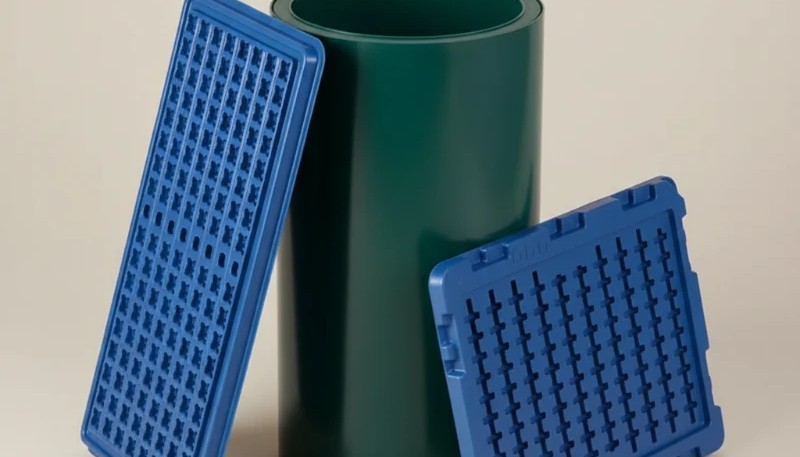
“Düşük hacimli enjeksiyon kalıplama, yüksek hacimli üretimle aynı üretim sınıfı termoplastikleri kullanır.”True
Tescilli malzeme formülasyonları kullanan 3D baskı veya üretan dökümün aksine düşük hacimli enjeksiyon kalıplama, seri üretimde kullanılan reçine granüllerinin aynısını işler. ABS, PC, PA66, PP ve yüzlerce diğer sınıf alüminyum veya çelik kalıplarda aynı şekilde işlenir. Böylece düşük hacimli test sırasında doğrulanan mekanik özellikler, kimyasal direnç ve mevzuat sertifikaları (FDA, UL94) seri üretim ölçeğinde de geçerliliğini korur.
“Alüminyum kalıplar, herhangi bir termoplastik malzemeyi sınırlama olmadan işleyebilir.”False
Alüminyum kalıpların pratik sıcaklık üst sınırı yaklaşık 300°C'dir. PEEK (370–400°C'de işlenir), PPS (310–340°C) ve LCP (330–350°C) gibi yüksek performanslı polimerler düşük hacimlerde bile çelik kalıp gerektirir. Ayrıca cam elyaf takviyeli malzemeler alüminyum yüzeyleri dolgusuz reçinelere göre 5–10 kat daha hızlı aşındırarak kalıp ömrünü ve parça boyutsal tutarlılığını önemli ölçüde azaltır.
Düşük Hacimli Kalıplarda Hangi Tasarım Hususları Geçerlidir?
Alüminyum kalıplar için 1.0–2.0° kalıp çıkış açıları önerilir—sertleştirilmiş çelikte kabul edilebilir 0.5–1.0°‘den biraz daha fazladır—çünkü alüminyumun daha düşük sertliği, parça çıkarma sırasında yüzey çizilmelerine karşı onu daha hassas kılar. Dokulu yüzeyler daha da fazla açı gerektirir: her 0.025 mm (0.001 inch) doku derinliği için 1.5° veya standart MT-11010 mat yüzey için yaklaşık 3.0°.
Ters açılar her takımda kalıp karmaşıklığını ve maliyetini önemli ölçüde artırır; ancak takım maliyetinin toplam proje maliyetindeki payının daha yüksek olduğu düşük hacimli üretimde etkisi büyür. Basit bir yan hareket mekanizması alüminyum kalıba $1,500–$5,000 ekler ve takım yatırımını iki katına çıkarabilir. Geçmeli bağlantı değişiklikleri, ayırma çizgisi ayarlamaları veya katlanabilir maça alternatifleriyle ters açıları ortadan kaldıracak biçimde parçaları yeniden tasarlamak, çoğu zaman gereken mühendislik süresinden daha fazla tasarruf sağlar.
Alüminyum kalıplardaki çoğu termoplastik için cidar kalınlığı 1.5–3.0 mm aralığında eşit kalmalıdır. 1.0 mm’nin altındaki ince cidarlar, alüminyum takımı zorlayan ve kalıp ömrünü kısaltan daha yüksek enjeksiyon basınçları gerektirir. 4.0 mm’nin üzerindeki kalın kesitler soğutma süresini uzatır ve çökme izi ile boşluk riskini artırır. %60 nervür/cidar kalınlığı kuralı düşük hacimli takımlar için de aynen geçerlidir: nervürler bitişik cidar kalınlığının %60’ını aşmamalıdır.
Alüminyum kalıplardaki giriş tasarımı, çelik kalıplarla aynı mühendislik ilkelerini izler; ancak giriş konumunda sertleştirilmiş çelikten (H13 veya S136) üretilen giriş insertleri önerilir. Giriş bölgesi tüm kalıptaki en yüksek malzeme hızına, sıcaklığa ve basınca maruz kalır; bu koşullar alüminyumu hızla aşındırır. $200–$500 tutarındaki çelik giriş inserti, toplam kalıp maliyetini önemli ölçüde artırmadan aşınma noktasındaki kalıp ömrünü 3–5× uzatır.
Alüminyum kalıp işlenmeden önce yapılan kapsamlı bir DFM5 incelemesi, CAD üzerinde düzeltilmesi metal üzerinde düzeltilmesinden çok daha ucuz olan olası sorunları belirler. Yaygın bulgular arasında dokulu yüzeylerde yetersiz çıkış açısı, çökme izlerine yol açan et kalınlığı geçişleri ve pahalı yan hareketler gerektiren ters açılı özellikler bulunur. Deneyimlerimize göre 2 saatlik bir DFM oturumu proje başına ortalama 3–4 tasarım sorununu giderir; bunların her biri kalıp imalatından sonra $500–$2,000 düzeltme maliyeti doğurur.
Alüminyum kalıplardaki soğutma kanalı tasarımı, malzemenin yüksek ısıl iletkenliği sayesinde basitleşir. Çelik kalıplar boşluk yüzeyinden hassas mesafelerde dikkatle konumlandırılmış soğutma kanalları gerektirirken alüminyumun 8× daha yüksek iletkenliği, daha basit düz delinmiş soğutma devreleriyle çoğu zaman yeterli sıcaklık eş dağılımı sağlar. Bu, enjeksiyon kalıbı tasarımı3 karmaşıklığını ve işleme süresini azaltarak düşük hacimli üretimi cazip kılan kısa teslim sürelerine katkıda bulunur.
| Tasarım Özelliği | Önerilen Değer | Sebep |
|---|---|---|
| Kalıptan çıkma açısı (pürüzsüz) | 1.0–2.0° | Alüminyum yüzeyin çizilmesini önler |
| Kalıp çıkış açısı (dokulu) | 0.025 mm derinlik başına 1.5° | Yüzeye zarar vermeden dokudan ayırma |
| Minimum et kalınlığı | 1.5 mm | Alüminyumda enjeksiyon basıncını azaltır |
| Maksimum et kalınlığı | 3.0 mm | Soğutma süresini ve çökme izlerini sınırlar |
| Nervür kalınlığı | Duvarın 60%'ı | Karşı yüzde çökme izlerini önler |
| İç köşe radyüsleri | 0.5–1.0× et kalınlığı | Gerilim yığılmasını azaltır |
| Yolluk girişi insert malzemesi | H13 veya S136 çeliği | Aşınma noktasında kalıp ömrünü 3–5× uzatır |
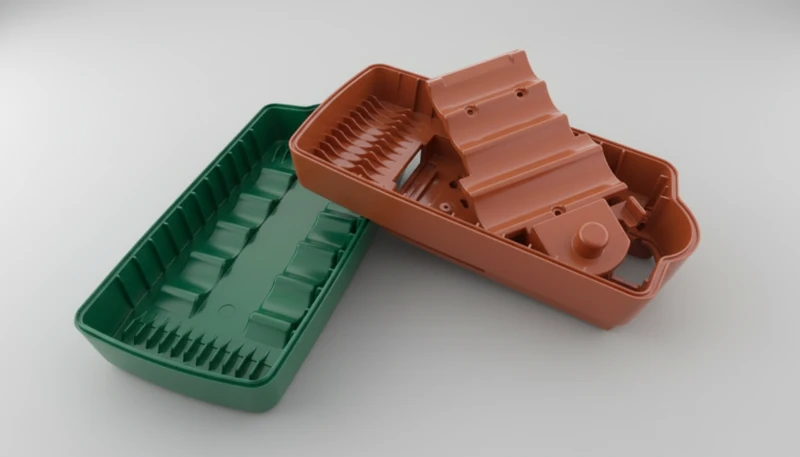
Ne Zaman Yüksek Hacimli Kalıplama Yerine Düşük Hacimli Kalıplamayı Seçmelisiniz?
Köprü takım, düşük hacimli enjeksiyon kalıplama projelerinin yaklaşık 35%‘ini oluşturan en yaygın kullanım alanıdır. Ürün doğrulanmış ve siparişler gelmeye başlamışken üretim çelik kalıbı 8–16 hafta gerektiriyorsa alüminyum köprü kalıp 2–4 haftada üretim kalitesinde parça sağlar. Köprü kalıp, çelik takım hazır olana kadar çalışır ve ardından kalan kullanım ömrü boyunca yedek takım olarak kullanılır.
500–5,000 parçalık pilot üretim serileri, çok gözlü üretim kalıbına $50,000–$150,000 yatırmadan önce üretim fizibilitesini, tedarik zinciri lojistiğini ve pazar tepkisini test eder. Pilot seri, prototiplemenin ortaya çıkaramayacağı gerçek dünya sorunlarını gösterir: montaj hattı ergonomisi, ambalaj uyumu, perakende raf görünümü ve gerçek üretim malzemesi ile yüzey kalitesine ilişkin müşteri geri bildirimi.
Sınırlı hasta nüfusuna yönelik tıbbi cihazlar doğası gereği düşük hacimli ürünlerdir. 200 hastanenin kullandığı bir cerrahi alet, tüm ürün yaşam döngüsü boyunca yalnızca 2,000–5,000 adet gerektirebilir. Bu hacim için sertleştirilmiş çelik kalıba $80,000 yatırım yapmak, her parçaya $16–$40 kalıp amortismanı yükler. $8,000 değerindeki alüminyum kalıp bu yükü parça başına $1.60–$4.00 düzeyine indirir; bu, ürün marjlarını doğrudan iyileştiren 10× azalmadır.
Özel ve kişiselleştirilmiş ürünler büyüyen bir segmenttir. Diş plakları, işitme cihazı kabukları ve ergonomik alet sapları her son kullanıcı için benzersiz geometri gerektirir. Değiştirilebilir kalıp insertleriyle düşük hacimli kalıplama — değiştirilebilir boşluk insertlerine sahip bir temel kalıp çerçevesi — her tasarım varyantından 50–500 adet ürünün, ayrı 3D baskıda parça başına $50–$200 yerine parça başına $2–$15 maliyetle ekonomik biçimde üretilmesini sağlar.
Kullanım ömrünün sonundaki yedek parçalar da düşük hacimli takımlardan yararlanır. Eski bir ürünün orijinal çelik kalıbı aşındığında veya hurdaya ayrıldığında, kalıbı alüminyum olarak yeniden üretmek 40–60% daha az maliyetli olur ve 70% daha az zaman alır. 3 yıl içinde 5,000 yedek parça üreten yedek bir alüminyum kalıp, yeni üretim takımına yapılacak tam yatırım olmadan garanti yükümlülüklerini karşılar.
Zetar Düşük Hacimli Enjeksiyon Kalıplama Projelerini Nasıl Yönetir?
Zetar’ın mühendislik ekibi, alüminyum veya çelik işlenmeden önce her düşük hacimli projede kalıp akış analizi2 yaparak dolum desenlerini, kaynak çizgisi konumlarını ve çekme dağılımını öngörür. Kalıp değişikliğinin maliyetinin çok küçük bir bölümüne mal olan bu simülasyon adımı, metal işlenmeden önce olası sorunların 80–90% kadarını yakalar ve genellikle $1,500–$5,000 değerindeki bir tam kalıp düzeltme yinelemesini önler.
Zetar, 50 ila 1,600 ton aralığındaki 47 enjeksiyon kalıplama makinesiyle küçük parçaları gereğinden büyük preslere zorlamak yerine makine boyutunu parça gereksinimleriyle eşleştirir. 50 gramlık bir parçayı 500 tonluk makine yerine 100 tonluk makinede çalıştırmak enerji tüketimini %60 azaltır ve proses kontrolünü iyileştirir; bu avantajlar, parça başı maliyet optimizasyonunun kritik olduğu düşük hacimli üretimde daha da önemlidir.
Zetar’ın şirket içi kalıp tasarımı, CNC işleme, enjeksiyon kalıplama ve kalite kontrolünü birleştiren entegre yaklaşımı, ayrı tedarikçiler arasındaki koordinasyon gecikmelerini ortadan kaldırır. Tipik bir düşük hacimli proje, onaylanmış CAD’den ilk parçalara 15–20 iş gününde ilerler; enjeksiyon kalıbı tasarım incelemesi ve DFM geri bildirimi ilk 3 gün içinde tamamlanır. Tasarım mühendisleriyle kalıpçıların aynı tesiste çalışması ve takım kararlarında gerçek zamanlı iş birliği yapabilmesi bu sıkıştırılmış takvimi mümkün kılar.
Düşük hacimli parçaların kalite kontrolü, yüksek hacimli üretimle aynı protokolleri izler. Koordinat ölçüm makineleriyle (CMM) yapılan ilk parça muayenesi, tüm kritik ölçüleri ölçüp İlk Parça Muayene Raporunda (FAIR) belgeleyerek 3D CAD modeline göre ölçü doğruluğunu doğrular. İstatistiksel proses kontrolü (SPC) ilk üretim serisinden itibaren başlar ve tüm parti boyunca ölçü tutarlılığını gösteren proses yeterlilik indekslerini (Cpk) oluşturur.
Zetar’ın düşük hacimli fiyatlandırma yapısı, küçük parti üretimin gerçek ekonomisini yansıtır. Küçük siparişleri cezalandıran seri üretim fiyatlandırma modellerini uygulamak yerine teklif sistemi; gerçek kurulum süresini, malzeme kullanımını ve kalıp amortismanını hesaba katar. Bu şeffaf yaklaşım, müşterilerin yalnızca ilk takım fiyatına göre değil toplam yaşam döngüsü maliyetine göre düşük hacimli alüminyum takım kullanmak ile doğrudan üretim tipi çeliğe yatırım yapmak arasında bilinçli karar vermesine yardımcı olur.
Mevzuat belgesi gerektiren projelerde Zetar; reçine lot numaraları, proses parametresi kayıtları ve ilk parça muayene raporları dahil tam malzeme izlenebilirliği sağlar. Tıbbi cihaz ve havacılık müşterileri; FDA 510(k) başvurularını, ISO 13485 denetimlerini ve AS9100 uygunluk gereksinimlerini destekleyen belge paketlerini, sonradan eklenen pahalı bir iş değil standart iş akışının parçası olarak alır.
Düşük Hacimli Enjeksiyon Kalıplama Hakkında Sık Sorulan Sorular?
Düşük hacimli enjeksiyon kalıplama için minimum sipariş miktarı nedir?
Düşük hacimli enjeksiyon kalıplama tedarikçilerinin çoğu, alüminyum kalıp kullanıldığında 100–500 parçadan başlayan siparişleri kabul eder. Ekonomik minimum, kalıp maliyetine ve parça karmaşıklığına bağlıdır: $1.50’lik parçalar üreten $3,000’lık bir alüminyum kalıp, yaklaşık 75–150 parçada 3D baskıyla başa baş noktasına ulaşır. 50 parçanın altında, kalıp yatırımı gerekmediğinden 3D baskı veya CNC işleme genellikle daha ekonomiktir. 3D baskılı kalıp kullanan bazı tedarikçiler tasarım doğrulama amacıyla 10–25 parçaya kadar düşük siparişleri kabul eder; ancak yüzey finisajı ve boyutsal tutarlılık, işlenmiş alüminyum kalıplara kıyasla sınırlıdır.
Alüminyum enjeksiyon kalıpları ne kadar dayanır?
Alüminyum enjeksiyon kalıpları, işlenen reçineye ve parça geometrisinin karmaşıklığına bağlı olarak genellikle 1,000–100,000 baskı dayanır. ABS ve PP gibi dolgusuz termoplastikler bu aralığın üst sınırına ulaşırken cam elyaf takviyeli malzemeler, kalıp boşluğu yüzeylerindeki aşındırıcı aşınma nedeniyle kalıp ömrünü 5,000–10,000 baskıya düşürür. Girişler, kapama yüzeyleri ve maça pimleri gibi yüksek aşınmalı bölgelere sertleştirilmiş çelik ek parçalar koymak toplam kalıp ömrünü 3–5 kat uzatabilir. 7075-T6 alüminyum, iyi işlenebilirliği kısa ve orta uzunluktaki üretim çalışmaları için yeterli sertlikle (HRC 15–18) birleştirdiğinden enjeksiyon kalıbı takımlarında en yaygın sınıftır.
Düşük hacimli enjeksiyon kalıplama, medikal cihazlar için uygun mıdır?
Düşük hacimli enjeksiyon kalıplama; cerrahi aletler, tanı cihazı muhafazaları, ilaç uygulama bileşenleri ve hastaya özel implant kılavuzları gibi sınırlı üretim hacmine sahip ürünlerde tıbbi cihaz sektöründe yaygın olarak kullanılır. Proses, implante edilebilir uygulamalar için USP Class VI silikon, tıbbi sınıf PC ve PEEK gibi FDA uyumlu malzemeleri destekler. Alüminyum kalıplar, çelik üretim kalıplarıyla aynı IQ/OQ/PQ protokollerine göre doğrulanabilir; daha kısa termin süreleri tıbbi girişimlerin klinik deneylere geleneksel kalıplama yaklaşımlarından 6–12 hafta önce başlamasını sağlar.
Alüminyum kalıplarla hangi yüzey finisleri elde edilebilir?
Alüminyum kalıplar, standart işleme ve parlatma teknikleriyle B-2 (yarı parlak) ile C-3 (orta mat) arasındaki SPI yüzeylerini kolayca elde eder. SPI A-1 (ayna) ve A-2 (yüksek parlaklık) yüzeyleri mümkündür ancak elmas parlatma gerektirir ve ek işçilik nedeniyle takım maliyetine $500–$2,000 ekler. MT-11000 serisi gibi dokulu yüzeyler kimyasal aşındırmayla elde edilebilir; ancak alüminyum çelikten farklı aşındığından hedef spesifikasyonları tam karşılamak için test panelleri gerekebilir. En az kusurla A-1 yüzey gerektiren optik sınıf şeffaf parçalarda tamamen alüminyum konstrüksiyon yerine optik yüzeyde sertleştirilmiş çelik insertler önerilir.
Düşük hacimli kalıplar üretim aracına dönüştürülebilir mi?
Alüminyum düşük hacimli kalıplar, temel malzemeler ve yapım yöntemleri temelde farklı olduğu için doğrudan üretim çelik kalıplarına dönüştürülemez - alüminyum, takım çeliği gibi sertleştirilemez ve kavite geometrisi ne olursa olsun yeniden işlenmelidir. Ancak, düşük hacimli üretim sırasında geliştirilen tasarım verileri, geçit konumu, soğutma kanalı düzeni ve işleme parametreleri doğrudan üretim kalıp tasarımına aktarılır, bu da 2-4 hafta mühendislik zamanı tasarrufu sağlar ve en az bir tasarım revizyonu iterasyonunu ortadan kaldırır. Bazı üreticiler, hem alüminyum hem de çelik kavite takozlarını kabul eden modüler kalıp tabanları tasarlayarak, aynı kalıp çerçevesini ve çıkarma sistemini korurken yalnızca kavite bloğunu değiştirerek düşük hacimden üretime sorunsuz bir geçişe olanak tanır.
Düşük hacimli enjeksiyon kalıplama, pazara çıkış süresini nasıl azaltır?
Düşük hacimli enjeksiyon kalıplama, geleneksel üretim kalıp yaklaşımlarına kıyasla pazara sunma süresini 6-12 hafta azaltır. Alüminyum kalıplar, tasarım onayından ilk parçalara kadar 2-4 hafta gerektirirken, sertleştirilmiş çelik üretim kalıpları için bu süre 8-16 haftadır. Bu sıkıştırılmış zaman çizelgesi, paralel faaliyetlere olanak tanır: üretim çelik kalıpları üretilirken, alüminyum köprü kalıbı, düzenleyici testler, müşteri örneklemesi, fuar sergileri ve ilk satış siparişleri için parçalar üretir. Köprü kalıp stratejilerini kullanan şirketler, herhangi bir pazara yönelik faaliyete başlamadan önce üretim kalıplarının tamamlanmasını bekleyen rakiplerine göre pazara 40-60 hafta daha hızlı ulaştıklarını tutarlı bir şekilde bildirmektedir.
termoplastikler: Termoplastikler, cam geçiş veya erime sıcaklığının üzerinde ısıtıldığında yumuşayan ve soğutulduğunda katılaşan; önemli bir kimyasal bozunma olmadan tekrar tekrar işlenebilen bir polimer sınıfıdır. ↩
kalıp akış analizi: Kalıp akış analizi, erimiş plastiğin bir kalıp boşluğunda nasıl dolduğunu, paketlendiğini ve soğuduğunu öngören; dolum süresi (saniye), basınç dağılımı (MPa) ve parça genelindeki sıcaklık eş dağılımıyla ölçülen bir simülasyon tekniğidir. ↩
enjeksiyon kalıbı tasarımı: Enjeksiyon kalıbı tasarımı, ölçüsel olarak hassas plastik parçalar üretmek için giriş konumu, soğutma kanalları, ayırma çizgileri ve itici sistemleri optimize edilmiş bir kalıp takımının oluşturulmasına yönelik mühendislik sürecidir. ↩
hızlı prototipleme: Hızlı prototipleme, genellikle eklemeli veya çıkarmalı yöntemlerle 1–5 iş günü içinde bir 3D CAD dosyasından fiziksel model veya işlevsel prototip üretmek için kullanılan imalat teknikleri grubudur. ↩
DFM: Üretilebilirlik için Tasarım anlamına gelen DFM, enjeksiyon kalıplama üretiminde imalat maliyetini ve kusur oranlarını düşürmek amacıyla parça geometrisini, et kalınlığını, çıkış açılarını ve özellik yerleşimini optimize eden bir mühendislik yöntemidir. ↩
ZetarMold mühendislik ekibinden rekabetçi fiyat, DFM geri bildirimi ve üretim zaman çizelgesi alın.
Ücretsiz Teklif İsteyin → Kapsamlı bir genel bakış için Tedarikçi Bulma Kılavuzumuza bakın. Kapsamlı bir genel bakış için Tedarikçi Bulma Kılavuzumuza bakın. Kapsamlı bir genel bakış için Enjeksiyon Kalıplama Kapsamlı Kılavuzumuza bakın.