Vous avez envoyé un fichier CAO pour chiffrage lundi. Mercredi, vous recevez le devis, mais le délai indique « 25–30 jours ouvrés pour l’outillage, 15–20 jours ouvrés pour la première série de production ». Votre lancement est prévu dans huit semaines. Ce calendrier est-il réaliste ? Où passe chaque semaine ? Et quelles étapes pouvez-vous raccourcir si vous négociez les bonnes conditions ?
Cet article décompose chaque phase du délai de moulage par injection, de la revue DFM à la fabrication du moule, à l’échantillonnage et à la production, avec des plages de temps précises pour chaque étape. J’expliquerai également quelles phases sont fixes (physique et temps d’usinage) et lesquelles sont négociables (priorité de planification, heures supplémentaires, traitement en parallèle). L’objectif est de vous fournir suffisamment de détails pour planifier sereinement le calendrier de votre projet et contester les délais inutilement longs annoncés par un fournisseur.
- Le délai total du moulage par injection varie de 4 à 12 semaines
- La fabrication du moule représente 60–70% du délai total
- Un outillage en aluminium réduit le délai de fabrication du moule de 40–50%
- L’échantillonnage et l’approbation ajoutent généralement 5–10 jours ouvrés
- Le traitement en parallèle peut faire gagner 2 à 3 semaines sur les projets urgents
Quel est le délai habituel du moulage par injection ?
Le délai habituel du moulage par injection est défini par la fonction, les contraintes et les compromis expliqués dans cette section. Un projet standard de moulage par injection — de la CAO approuvée à la première expédition de production — prend 6–10 semaines pour un moule en acier à une empreinte et 4–7 semaines pour un moule en aluminium à une empreinte. Les moules multi-empreintes, les outillages de surmoulage et les moules comportant des mouvements latéraux complexes ajoutent 2–4 semaines à la phase d’outillage. Après l’approbation du moule, le délai de production est de 2–4 semaines selon la quantité commandée, la disponibilité des matériaux et la planification des machines.
Ces plages supposent que l’acheteur répond aux commentaires de la revue DFM et aux demandes d’approbation des échantillons dans un délai de 24 à 48 heures. Chaque jour de retard dans les retours ajoute un jour au calendrier. D’après notre expérience, la principale cause des délais non tenus n’est pas la fabrication du moule, mais les échanges entre l’acheteur et le fournisseur pendant la revue DFM et l’approbation des échantillons.
Quelles sont les phases de fabrication d’un moule d’injection ?
Les phases de fabrication des moules d’injection constituent les principales catégories ou options expliquées dans cette section. La fabrication d’un moule se décompose en sept phases distinctes, chacune assortie d’une plage de durée prévisible. Comprendre ces phases vous aide à déterminer où votre fournisseur peut raccourcir le calendrier et où il ne le peut pas.
| Phase | Durée | Compressible ? |
|---|---|---|
| Revue DFM et conception du moule | 3 à 7 jours | Oui (retour rapide de l’acheteur) |
| Approvisionnement en matériel | 3–10 jours | Partiellement (acier standard en stock) |
| Ébauche et finition CNC | 7 à 15 jours | Limitée (temps d’usinage) |
| EDM et découpe au fil | 3 à 7 jours | Limité |
| Polissage et assemblage | 3 à 5 jours | Partiellement |
| Essai du moule (échantillonnage T1) | 1–3 jours | Non (nécessite du temps machine) |
| Contrôle dimensionnel | 1–2 jours | Non |
La phase la plus longue est l’usinage CNC, dont la durée peut difficilement être réduite au-delà du recours aux heures supplémentaires. C’est lors de la revue DFM que le plus de temps est perdu, non parce que le fournisseur est lent, mais parce que l’acheteur met plusieurs jours à répondre aux demandes de modification de conception. Une revue DFM qui devrait prendre 3 jours peut facilement s’étendre à 10 jours si l’équipe d’ingénierie de l’acheteur examine les modifications lors de réunions hebdomadaires plutôt qu’en temps réel.
Combien de temps faut-il pour construire chaque type de moule ?
Cette section explique combien de temps prend la construction de chaque type de moule et son impact sur le coût, la qualité, les délais ou le risque d’approvisionnement. Le type et la complexité du moule déterminent directement le délai de construction. Un moule en aluminium simple cavité, à ouverture et fermeture simples, peut être échantillonné en 7 à 10 jours ouvrables. Un moule en acier simple cavité avec la même géométrie prend 15 à 20 jours. Ajoutez des glissières latérales et vous ajoutez 5 à 10 jours. Ajoutez une deuxième cavité (moule familial ou multi-cavité) et vous ajoutez encore 5 à 7 jours par cavité supplémentaire.
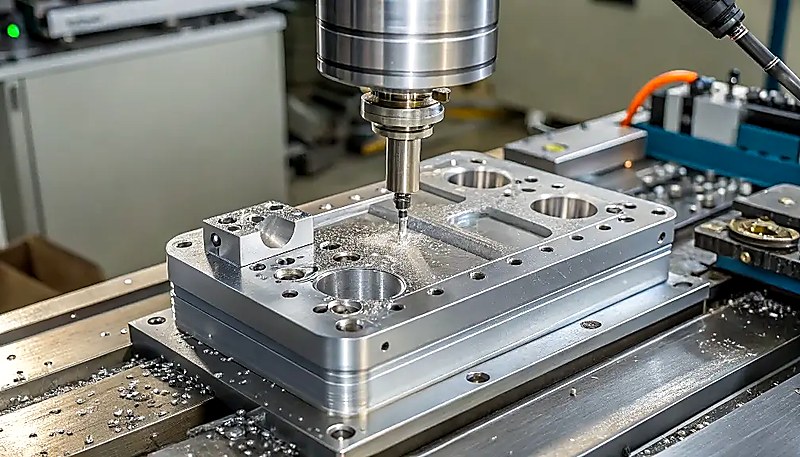
Les outillages de surmoulage demandent 30–45 jours, car ils nécessitent deux jeux d’empreintes (ou un mécanisme rotatif) et doivent être testés en deux étapes : d’abord l’injection du substrat, puis celle du surmoulage. Dans notre usine de Shanghai, nous fabriquons plus de 100 moules par mois et réservons des lignes de production spécifiques aux outillages de surmoulage afin de maintenir le débit malgré cette complexité supplémentaire.
"« Choisir un outillage en aluminium plutôt qu’en acier peut réduire le délai de fabrication du moule de 40–50%. »"True
L’aluminium s’usine 3 à 5 fois plus vite que l’acier trempé, ne nécessite aucun traitement thermique et se polit plus rapidement. Un moule mono-empreinte en aluminium dont l’usinage prend 7 jours demanderait 15 à 20 jours en acier P20 et 20 à 25 jours en H13 trempé. Le compromis concerne la durée de vie : l’aluminium convient à 1 000–10 000 injections, contre plus de 500 000 pour l’acier trempé.
"“Un fournisseur qui promet un moule acier multi-empreintes complexe en 7 jours annonce un délai réaliste.”"False
Un moule en acier multi-empreintes avec des mouvements latéraux ne peut matériellement pas être usiné, électroérodé, poli, assemblé et échantillonné en 7 jours. Ce délai n’est réalisable que pour des moules mono-empreinte en aluminium sans mouvements latéraux. Les fournisseurs qui annoncent des délais irréalistes pour les moules en acier sacrifient soit la qualité, soit prévoient de livrer en retard.
Quelle est l’incidence de l’échantillonnage et de l’approbation sur le calendrier ?
Une fois le moule construit, l’échantillonnage (également appelé T1 — premier essai) ajoute 3–7 jours ouvrés au calendrier. Le moule est monté sur une presse, les paramètres sont réglés et 50–200 injections d’échantillons sont réalisées. Ces pièces sont ensuite mesurées par rapport au modèle CAO à l’aide d’une MMT, et les données dimensionnelles sont transmises à l’acheteur pour approbation.
En pratique, environ 60 % des premiers essais nécessitent au moins une modification du moule avant que les pièces réussissent le contrôle dimensionnel. Les modifications les plus courantes sont les ajustements avec réserve d’acier, par ajout ou retrait de matière sur les dimensions de l’empreinte, les changements de taille du point d’injection et l’ajout d’évents. Chaque cycle de modification ajoute de trois à cinq jours ouvrés. Il n’y en a généralement qu’un, car les moulistes expérimentés prévoient des marges de réserve d’acier dès le premier usinage.
La clé d’une approbation rapide des échantillons réside dans des critères d’acceptation clairs, définis avant la fabrication du moule. Si vous précisez « rapport dimensionnel complet requis avant approbation » dès le devis, le fournisseur peut réserver à l’avance le temps de MMT et livrer le rapport dans les 24 heures suivant l’essai. Si les critères restent vagues, les échanges sur ce qui constitue une pièce acceptable ajoutent des jours ou des semaines.
Qu’est-ce qui détermine le délai de production après l’approbation du moule ?
Cette section explique ce qui détermine le délai de production après l’approbation du moule et son impact sur le coût, la qualité, les délais ou le risque d’approvisionnement. Une fois le moule approuvé (les échantillons T1 sont validés ou l’acheteur donne son accord), le délai de production dépend de quatre facteurs : la quantité commandée, le délai d’obtention des matériaux, la planification des machines et les exigences de post-traitement (assemblage, peinture, placage).
Pour les résines techniques standard (ABS, PP, PC, PA6) de couleur naturelle, le matériau est généralement en stock et la production peut commencer dans les 3 à 5 jours suivant l’approbation. Pour les nuances spéciales (ignifugées, chargées de fibres de verre, de qualité médicale ou de couleur personnalisée), l’approvisionnement en matériau ajoute 7 à 14 jours. Confirmez toujours la disponibilité du matériau avant d’annoncer une date de livraison à votre client.
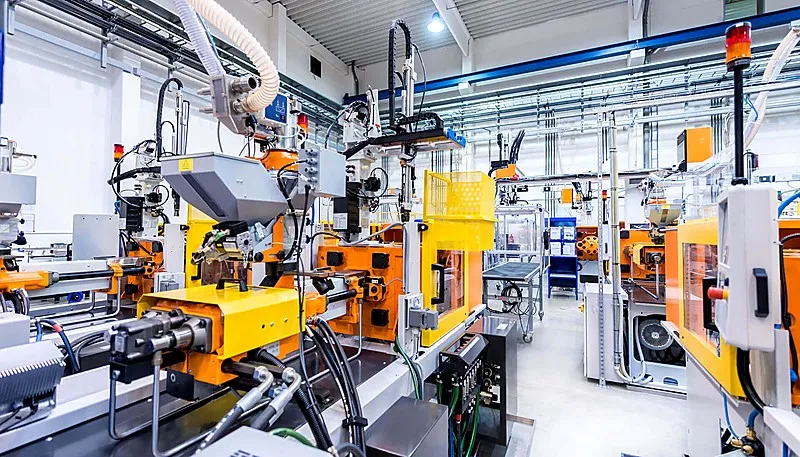
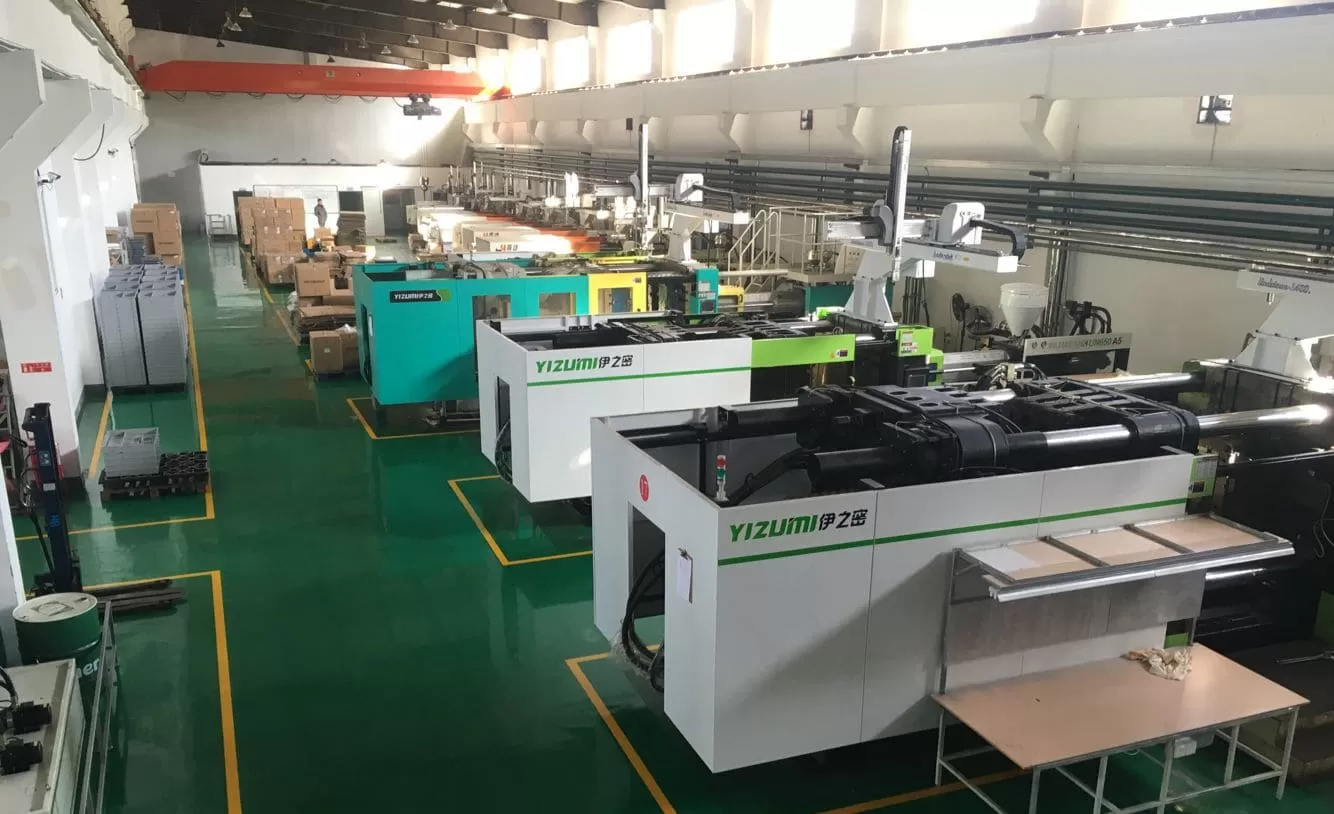
La planification des machines est la variable suivante. Une usine exploitant 47 machines de moulage par injection a plus de flexibilité de planning qu’une usine en exploitant 10. Chez ZetarMold, notre gamme de tonnage (90T à 1850T) couvre la plupart des tailles de pièces, ce qui signifie que votre moule ne reste pas en file d’attente pour la seule machine adaptée ; il y a généralement 3 à 5 machines candidates disponibles dans la bande de tonnage requise. Pour les commandes urgentes, nous faisons fonctionner des équipes supplémentaires sur des machines dédiées pour comprimer la fenêtre de production.
"« Définir des critères d’acceptation clairs avant la fabrication du moule peut éviter 1–2 semaines d’allers-retours lors de l’approbation des échantillons. »"True
Lorsque les deux parties conviennent de ce qui constitue une pièce conforme (tolérances dimensionnelles, normes d’état de surface, certifications matière) avant l’usinage de l’acier, l’examen des échantillons devient un contrôle binaire conforme/non conforme plutôt qu’une négociation. Les fournisseurs peuvent planifier à l’avance les ressources d’inspection, et l’équipe d’ingénierie de l’acheteur sait exactement quelles données elle recevra.
"“Le délai de production est identique quelle que soit la quantité commandée.”"False
Une commande de 500 pièces peut être produite en une seule équipe (8–12 heures de machine plus le réglage). Une commande de 100,000 pièces exige une production continue pendant plusieurs jours ou semaines, mobilisant une capacité machine qui pourrait servir d’autres clients. Les grosses commandes nécessitent souvent une planification dédiée des machines, et le fournisseur doit les intégrer au calendrier de production avec ses engagements existants.
La planification ZetarMold utilise 47 machines de moulage par injection de 90T à 1850T, une installation de fabrication de moules interne et une capacité de plus de 100 moules par mois pour réduire les écarts de planning. Dans notre planification de production, l'équipe vérifie la construction du moule, l'échantillonnage, la tonnage de la machine et les portes IQC/FQC/OQC avant de confirmer une promesse de délai.
Comment réduire le délai du moulage par injection ?
Les stratégies les plus efficaces pour réduire les délais ciblent les phases compressibles : revue DFM, approvisionnement en matériaux et planification. Voici les tactiques qui fonctionnent en pratique, classées par impact.
1. Répondez aux remarques DFM sous 24 heures. Ce seul geste peut faire gagner 5 à 10 jours sur un projet classique. Désignez un décideur unique capable d’approuver les modifications de conception sans attendre une réunion de comité.
2. Utilisez un outillage en aluminium pour les séries inférieures à 10 000 pièces. L’aluminium réduit de 40 à 50 % le temps de fabrication du moule et fournit des pièces parfaitement fonctionnelles pour une production relais ou des séries de moulage par injection en petite série1.
3. Commandez les matériaux à l’avance, pendant la conception du moule. N’attendez pas que le moule soit terminé pour commander la résine. Passez la commande dès l’approbation de la conception du moule : les matériaux arrivent pendant l’usinage du moule, ce qui supprime le délai d’approvisionnement.
4. Menez en parallèle la revue DFM, la conception du moule et l’approvisionnement en matériaux. Ces deux flux sont indépendants et ne doivent pas se succéder.
5. Choisissez un fournisseur qui fabrique ses outillages et assure la production sur un même site. Le transport d’un moule entre un atelier d’outillage et une usine de moulage ajoute 3 à 5 jours de logistique. Lorsque le mouliste et l’injecteur sont la même entreprise, le moule passe de l’établi à la presse en quelques heures, et non en plusieurs jours. Avant d’attribuer le projet, utilisez un guide de sélection d’un fournisseur de moulage par injection pour comparer la coordination de l’usine, la responsabilité du devis et le risque lié au calendrier.
Quel est un exemple réaliste de calendrier de bout en bout ?
Un exemple réaliste de calendrier de bout en bout est défini par la fonction, les contraintes et les compromis expliqués dans cette section. Examinons le calendrier d’un projet réel portant sur un moule en acier mono-empreinte destiné à produire 5,000 pièces en nylon renforcé de fibres de verre (PA6-GF30). Il s’agit d’un composant industriel typique de complexité moyenne — environ 120mm × 80mm × 40mm, avec deux coulisseaux latéraux, un insert fileté en laiton et une surface A polie.
Semaine 1 : revue DFM et conception du moule2. L’équipe d’ingénierie examine le fichier CAO, relève des problèmes d’angle de dépouille sur deux éléments et propose l’emplacement du seuil. L’acheteur approuve la conception avec une modification. La commande de PA6-GF30 est passée simultanément.
Semaines 2–3 : usinage CNC, EDM des logements de coulisseaux et découpe au fil des logements d’inserts. Les blocs d’acier sont ébauchés sur CNC, finis sur des rectifieuses de précision, puis le mécanisme des coulisseaux est ajusté. La carcasse du moule est assemblée et alignée.
Semaine 4 : polissage (SPI A-2 sur la face A, finition par électroérosion sur la face B), assemblage final et montage sur une presse de 200 tonnes pour l’échantillonnage T1. Les premières injections sont effectuées, 50 échantillons sont prélevés et la mesure tridimensionnelle commence.
Semaine 5 : rapport dimensionnel examiné par l’acheteur. Un ajustement sans risque pour l’acier est nécessaire (profondeur de cavité +0.05mm). Le moule est démonté, modifié, repoli et rééchantillonné (T2) sous 4 jours ouvrés. Les échantillons T2 sont conformes. L’acheteur donne son approbation.
Semaine 6 : série de production. 5,000 pièces moulées, contrôle visuel à 100%, contrôles dimensionnels aléatoires selon le plan d’échantillonnage AQL. Pièces emballées et expédiées FOB Shanghai.
Total : 6 semaines entre l’approbation de la CAO et l’expédition. Avec un outillage en aluminium et une pièce plus simple (sans coulisseaux), ce délai est ramené à 3–4 semaines.
Avec 8 ingénieurs seniors et une unité interne de fabrication de moules de moulage par injection3 produisant plus de 100 moules par mois, ZetarMold prend en charge l’ensemble du processus dans son usine de Shanghai : DFM, fabrication du moule, échantillonnage, production, contrôle qualité et expédition. Pour les projets qui le nécessitent, nos plus de 30 chefs de projet anglophones fournissent des mises à jour quotidiennes afin que vous sachiez toujours précisément où en est votre moule dans le calendrier.
Quelles sont les questions les plus fréquemment posées sur le délai de moulage par injection ?
Combien de temps faut-il pour fabriquer un moule d’injection ?
La fabrication d’un moule en acier à empreinte unique prend de 15 à 25 jours ouvrés. Celle d’un moule en aluminium à empreinte unique prend de 7 à 10 jours. Les moules multi-empreintes, les moules à tiroirs et les outils de surmoulage ajoutent de 5 à 15 jours selon leur complexité. L’usinage CNC est l’étape la plus longue et ne peut pas être raccourci de manière significative.
Le délai du moulage par injection peut-il être ramené à moins de deux semaines ?
Uniquement pour les pièces simples avec un outillage en aluminium. Un moule en aluminium à empreinte unique sans mécanisme latéral peut être fabriqué et échantillonné en 7 à 10 jours ouvrés, puis les pièces de production livrées 3 à 5 jours plus tard. Pour toute pièce plus complexe, 3 semaines constituent le minimum réaliste.
Quelles sont les causes des retards en moulage par injection ?
Les trois causes les plus courantes sont la lenteur des retours de l’acheteur sur les modifications DFM ou l’approbation des échantillons, les retards d’approvisionnement en résines spéciales et les conflits de planification de l’usine en haute saison, généralement aux T3 et T4. Les problèmes de communication interne entre les équipes achats et ingénierie de l’acheteur y contribuent également de manière importante.
Comment la complexité du moule affecte-t-elle le délai ?
Chaque coulisseau latéral ajoute environ 5–7 jours à la fabrication du moule. Les poussoirs inclinés ajoutent 3–5 jours. Les inserts filetés (mécanismes de dévissage) ajoutent 7–10 jours. Les moules multi-empreintes ajoutent 3–5 jours par empreinte supplémentaire. Un moule comportant deux coulisseaux et un poussoir incliné demandera environ deux fois plus de temps qu’un moule à ouverture simple de même taille.
Quelle est la différence entre les échantillonnages T1 et T2 ?
T1 (premier essai) est le premier cycle d’essai du moule. T2 est le deuxième essai après toute modification identifiée pendant T1. Environ 60% des moules nécessitent au moins un cycle de modification. Chaque essai ajoute 3–5 jours ouvrables au calendrier. Les moulistes expérimentés prévoient des marges d’acier de sécurité afin de minimiser le nombre de cycles de modification.
La quantité commandée influe-t-elle sur le délai de production ?
Oui. Une commande de 500 pièces peut être réalisée en une seule équipe (achevée le jour même après le réglage). Une commande de 50,000 pièces exige une planification sur plusieurs jours ou semaines de production, à coordonner avec les autres commandes prévues sur la machine. Au-delà de 5,000 pièces, le délai de production augmente approximativement de façon linéaire avec la quantité.
Sous quel délai pouvez-vous obtenir un devis de moulage par injection ?
La plupart des fournisseurs remettent un devis initial dans les 24–72 heures suivant la réception d’un fichier CAD 3D et d’une fiche de spécifications. Les devis détaillés comprenant des options de moulage par injection en faible volume et des engagements de délai prennent généralement 3–5 jours ouvrés, car ils nécessitent une analyse DFM et une évaluation de la faisabilité de la conception du moule.
Combien de temps prend généralement le moulage par injection ?
Le moulage par injection prend généralement de 4 à 10 semaines de la revue DFM à la production approuvée, mais le planning exact dépend de la complexité du moule, de la disponibilité des matériaux, des tours d’échantillonnage et de la quantité commandée. Les outils de prototype simples peuvent avancer plus vite, tandis que les moules de production multi-cavités durcis nécessitent plus de temps d’usinage, de polissage, d’ajustage et de validation. La méthode de planification la plus sûre consiste à séparer le temps de construction du moule, le temps d’échantillonnage T1, le temps de modification et le temps de production de masse au lieu de demander une seule date de livraison. Cela rend les promesses des fournisseurs plus faciles à auditer et vous aide à comparer les devis de différents vendeurs sur un pied d’égalité.
Le délai de moulage par injection peut-il être réduit ?
Oui, le délai de moulage par injection peut être réduit lorsque l’acheteur fournit des fichiers 3D complets, des dessins 2D, les exigences en matière de matériau, les notes de tolérance, les exigences de finition de surface et les cibles de volume annuel avant le devis. Les plus grands retards proviennent généralement de dessins peu clairs, de modifications de conception tardives, de décisions sur les matériaux manquantes et d’une approbation lente des échantillons. Une revue DFM précoce, l’achat parallèle des matériaux, des fenêtres d’échantillonnage réalistes et un retour d’ingénierie rapide peuvent réduire le délai sans forcer des raccourcis risqués dans l’outillage ou l’inspection qualité. Cela protège à la fois la vitesse de lancement et la fiabilité des pièces, ce qui importe plus que de gagner quelques jours au prix d’un risque de défaut.
Qu’est-ce qui cause les retards de livraison de moules les plus courants ?
Les retards de livraison de moules les plus courants sont les modifications de conception après la coupe de l’acier, les exigences de tolérance peu claires, l’absence de données sur les matériaux, les actions latérales complexes, les changements de texture ou de polissage, et les échantillons T1 qui révèlent des problèmes de retrait, de déformation, de bavure ou d’assemblage. La capacité du fournisseur compte également car les ressources EDM, CNC, d’ajustage et de repérage peuvent devenir des goulots d’étranglement en haute saison. Un processus DFM solide réduit ces risques en identifiant les problèmes de canal d’alimentation, de refroidissement, de dépouille, de nervure et de ligne de joint avant que le moule n’entre en usinage complet. Une propriété d’approbation claire et des critères d’acceptation définis préviennent également les temps d’attente évitables.
La quantité commandée affecte-t-elle le délai de moulage par injection ?
Oui, la quantité commandée affecte le délai de fabrication par moulage par injection après l’approbation du moule. Une petite série pilote peut être terminée en quelques heures après la mise en place de la machine, mais une grande commande de production nécessite une allocation de machine plus longue, plus de préparation de résine, plus d’échantillonnage de contrôle qualité, une planification d’emballage et parfois plusieurs équipes. Le délai de fabrication de l’outillage est principalement déterminé par la complexité de la conception et de la fabrication du moule, tandis que le délai de production est déterminé par le temps de cycle, le nombre de cavités, la disponibilité des machines, la fréquence des inspections de qualité et les exigences d’emballage. Les acheteurs doivent toujours séparer les dates de fabrication de l’outillage et de production lors de la planification de leurs calendriers de projet.
Comment les acheteurs doivent-ils planifier un projet urgent de moulage par injection ?
Les acheteurs doivent planifier un projet urgent de moulage par injection en gelant la conception tôt, en approuvant les exigences en matière de matériau et de surface avant le début de l’outillage, en partageant les dates de lancement cibles, et en demandant au fournisseur de présenter un planning étape par étape. Le planning doit couvrir la revue DFM, la conception du moule, la coupe de l’acier, l’usinage CNC et EDM, l’ajustage, l’échantillonnage T1, la modification, l’approbation et la production. Si le délai est très serré, concentrez-vous sur la réduction des retards d’approbation et la simplification des fonctionnalités non critiques plutôt que de sauter les vérifications du moule ou la validation des échantillons. L’urgence ne doit jamais supprimer les portes de qualité essentielles du processus.
moulage par injection en petite série : méthode de production utilisant un outillage simplifié ou en aluminium pour fabriquer de petits lots, généralement de 50 à 10 000 pièces, sans supporter le coût d’un moule de production complet en acier. ↩
conception du moule : processus d’ingénierie consistant à concevoir l’empreinte, le noyau, les circuits de refroidissement et le système d’éjection d’un moule d’injection, avec un effet direct sur la qualité des pièces et l’efficacité de la production. ↩
moulage par injection : procédé de fabrication dans lequel une résine thermoplastique fondue est injectée sous pression dans l’empreinte métallique d’un moule, refroidie jusqu’à solidification, puis éjectée sous forme de pièce finie. ↩