 İçeriğe geç

TPU malzemesinin enjeksiyon kalıplama süreci, esnek, dayanıklı ve aşınmaya dirençli parçaları seri üretmek için en değerli imalat tekniklerinden biridir. Termoplastik poliüretan (TPU), sert plastikler ile yumuşak kauçuklar arasında benzersiz bir konuma sahiptir; bu, mühendislere esnekliği yapısal dayanımla birleştiren parçalar oluşturma yeteneği verir - bu, çok az malzemenin karşılayabildiği bir özelliktir. Telefon kılıfları ve saat kayışlarından otomotiv burçlarına, medikal tüplere ve endüstriyel konveyör bantlara kadar, TPU enjeksiyon kalıplama, hemen hemen her büyük imalat sektöründe ürünlere güç verir.
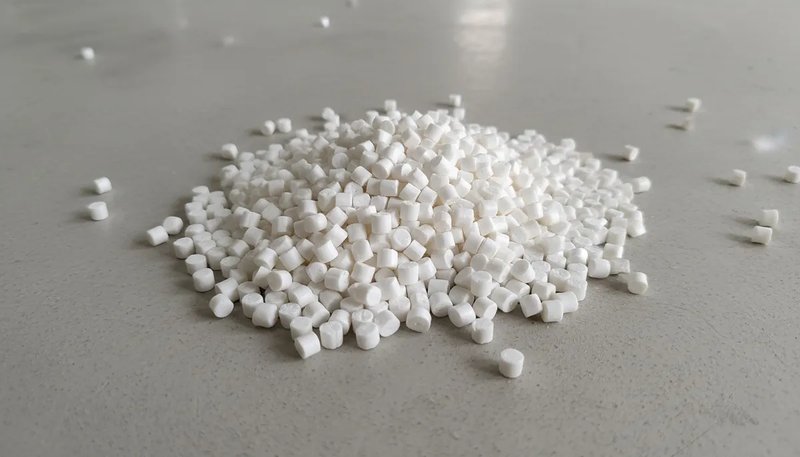
TPU enjeksiyon kalıplama, ayakkabı, otomotiv ve elektronikte yaygın olarak kullanılan esnek, esnek parçalar oluşturmak için TPU peletlerini ısıtır ve kalıplara enjekte eder.
Bu kısa genel bakış, TPU enjeksiyon kalıplamanın temel adımlarını özetlemektedir, ancak prosesin inceliklerine hakim olmak ürün performansını ve üretim verimliliğini önemli ölçüde artırabilir. Doğru kalıp tasarımı ve proses optimizasyonunun sonuçlarınızı nasıl iyileştirebileceğini öğrenmek için daha derinlere inin. Temel bilgi için bkz. Injection Molding Complete Guide.
“TPU mükemmel aşınma direnci ve esneklik sunar.”Doğru
TPU, üstün aşınma direnci ve esnekliği ile geniş çapta tanınır; bu da onu ayakkabı tabanları ve kablo kılıfları gibi zorlu uygulamalar için ideal kılar.
“TPU enjeksiyon kalıplama diğer yöntemlerden daha az verimlidir.”Yanlış
TPU enjeksiyon kalıplama son derece verimli olabilir ve genellikle ayrıntılı ve dayanıklı parçalar üretme kabiliyeti nedeniyle seçilir.
TPU Malzeme Nedir?
TPU, termoplastik poliüretan elastomer kauçuk anlamına gelir. Geleneksel anlamda bir tekstil değildir, kaldı ki deri değildir. TPU, PVC, PU deri ve PU kaplamanın birçok eksiğini giderir ve su geçirmez nefes alabilir kumaşların uygulanmasında büyük atılımlar yapmıştır.
TPU sadece kauçuğun ve sıradan plastiklerin çoğu özelliğine sahip olmakla kalmaz, aynı zamanda mükemmel kapsamlı fiziksel ve kimyasal özelliklere de sahiptir. Kauçuk ve plastik arasında yer alan yeni bir polimer çevre dostu malzemedir. Hem kauçuğun yumuşaklığına hem de sert plastiğin sertliğine sahiptir.
“TPU hem esnek hem de dayanıklıdır.”Doğru
TPU'nun benzersiz bileşimi, dayanıklılık ve aşınma direnci sağlarken esnekliğini korumasına olanak tanır, bu da onu çeşitli uygulamalar için ideal kılar.
“TPU sadece giyim ve ayakkabıda kullanılır.”Yanlış
TPU, giyim ve ayakkabıda popüler olsa da, uyarlanabilir özellikleri nedeniyle uygulamaları otomotiv, tıp ve elektronik endüstrilerine kadar uzanmaktadır.
TPU Malzemelerin Temel Özellikleri Nelerdir?
TPU malzemelerinin temel özellikleri, bu bölümde açıklanan ana kategoriler veya seçeneklerdir. TPU malzemeleri, ayakkabı, tıbbi cihazlar (boru ve muhafazalar için standartlara uygun) ve zorlu ortamlardaki otomotiv parçaları için ideal kılan yüksek esneklik, mükemmel aşınma direnci ve sıcaklıklar arasında esneklik sunar. ISO 10993 biyouyumluluk1 boru ve muhafazalar için standartlar) ve zorlu ortamlardaki otomotiv parçaları için idealdir.
Geniş Sertlik Aralığı
TPU'nun her reaksiyon bileşeninin oranını değiştirerek farklı özelliklere sahip ürünler elde edebilirsiniz. Shore sertliği2 seviyelerinde ve sertliğin artmasıyla birlikte, ürünler hâlâ iyi esneklik ve aşınma direnci korur. TPU'nun sertliği elastik modülü ile ölçülebilir.
Kauçuğun elastik modülü genellikle 1~10Mpa, TPU 10~1000Mpa ve naylon, ABS, PC, POM gibi plastikler 1000~10000Mpa'dır.
Üstün Soğuk Dayanımı
TPU'nun düşük bir TPU cam geçiş sıcaklığı3 ve eksi 35 derecede bile elastik ve esnek kalır. Plastikleştiricilere ihtiyaç duymadan -40 ila 120 derece Celsius aralığında geniş bir sıcaklık aralığında esnektir.
Yağa Dayanıklı, Suya Dayanıklı, Kimyasal Dirençli ve Küfe Dayanıklı
TPU, yağlara (mineral yağlar, hayvansal ve bitkisel yağlar ile yağlayıcılar) ve birçok çözücüye karşı dayanıklılıkta iyidir. TPU'nun yağ dayanımı nitril kauçuktan daha iyidir ve mükemmel bir yağ dayanım ömrüne sahiptir.
Taber aşınma değeri 0,5-0,35 mg olup plastikler arasında en küçük değerdir. MoS2, silikon yağı grafit vb. eklenirse, sürtünme katsayısı azaltılabilir ve aşınma direnci artırılabilir.
Çekme dayanımı ve uzama: TPU'nun çekme dayanımı doğal kauçuk ve sentetik kauçuğun 2-3 katıdır. Poliester TPU'nun çekme dayanımı neredeyse 60MPa ve uzaması neredeyse 0'tır. Polieter TPU'nun çekme dayanımı 50MPa ve uzaması >1'dir.
“TPU malzemeleri, zorlu ortamlarda ürün dayanıklılığını artırır.”Doğru
TPU'nun aşınma ve kimyasallara direnci, onu zorlu koşullarda kullanıma uygun hale getirir.
“TPU malzemeleri sadece ayakkabı uygulamaları için uygundur.”Yanlış
Ayakkabılarda yaygın olarak kullanılan TPU malzemeler, çok yönlülükleri ve esneklikleri nedeniyle otomotiv, medikal ve endüstriyel uygulamalar için de idealdir.
Tpu Enjeksiyon Kalıplama Süreci için Proses Koşulları Nelerdir?
Sıcaklık
TPU kalıplama sürecinde kontrol etmeniz gereken sıcaklıklar, silindir sıcaklığı, meme sıcaklığı ve kalıp sıcaklığıdır. İlk iki sıcaklık esas olarak TPU'nun plastikleşmesini ve akışını etkiler, son sıcaklık ise TPU'nun akışını ve soğumasını etkiler. Daha fazlasını şurada öğrenin Enjeksiyon Kalıbı Tasarım Kılavuzu.
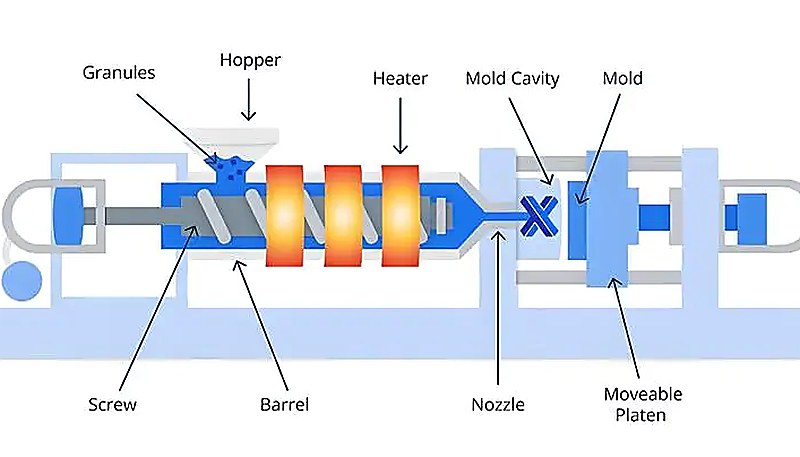
Namlu Sıcaklığı: Tambur sıcaklığı seçimi, TPU'nun sertliği ile ilgilidir. Yüksek sertlikteki TPU'nun erime sıcaklığı ve tambur sonundaki maksimum sıcaklığı yüksektir. TPU işlemek için kullanılan tambur sıcaklık aralığı 177~232°C'dir. Tambur sıcaklık dağılımı genellikle bunker tarafından (arka uç) nozula (ön uç) doğru kademeli olarak artar; böylece TPU'nun sıcaklığı istikrarlı bir şekilde yükselerek homojen plastikleşme amacına ulaşılır.
Nozul Sıcaklığı: Nozul sıcaklığı, genellikle tamburun maksimum sıcaklığından biraz daha düşük tutulur; bu, eriyik malzemenin düz geçişli nozuldan sızmasını önlemek içindir.
Kalıp Sıcaklığı:Kalıp sıcaklığı, TPU ürünlerinin içsel performansı ve görünüm kalitesi için çok önemlidir. TPU'nun kristallenme derecesi ve ürünün boyutu gibi birçok faktör tarafından belirlenir. Kalıp sıcaklığı genellikle su gibi sabit sıcaklıkta soğutma ortamı ile kontrol edilir.
TPU ürünlerinin kalıp sıcaklığı genellikle 10~60°C'dir. Kalıp sıcaklığı düşük olduğunda, eriyik erken donar ve akım çizgileri oluşturur; bu, küresel kristal oluşumunu olumsuz etkileyerek ürünün düşük kristaliniteye sahip olmasına ve geç kristalleşme sürecine neden olur; bu da ürünün sonradan büzülmesine ve özelliklerinin değişmesine yol açar.
Basınç
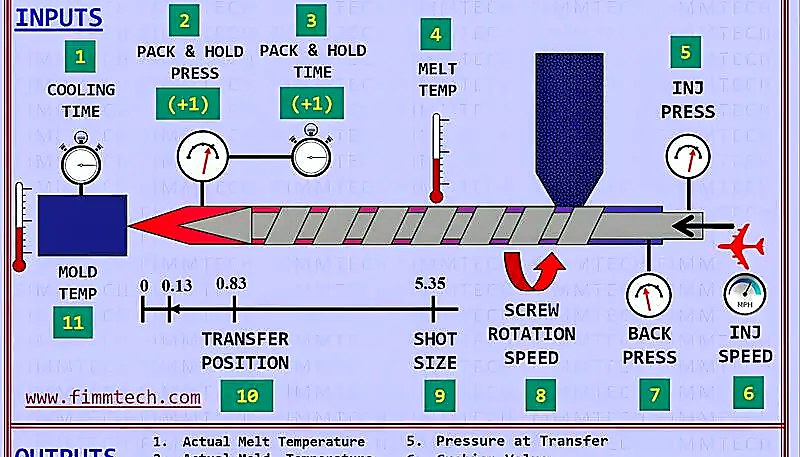
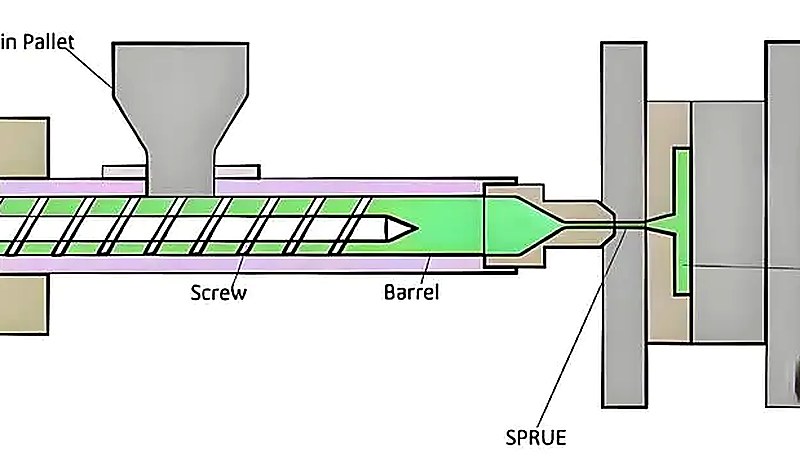
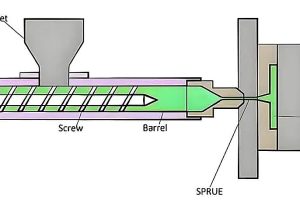
Enjeksiyon kalıplama sürecindeki basınç, plastikleştirme basıncını (geri basınç) ve enjeksiyon basıncını içerir. Vida geri çekildiğinde, tepedeki eriyiğe uygulanan basınç geri basınçtır ve bu, taşma valfi ile ayarlanır.
Geri basıncın artırılması eriyik sıcaklığını artıracak, plastikleştirme hızını azaltacak, eriyik sıcaklığını homojen hale getirecek, renklendiricileri eşit şekilde karıştıracak ve eriyik gazını boşaltacaktır, ancak kalıplama döngüsünü uzatacaktır. TPU'nun geri basıncı genellikle 0.3 ~ 4MPa'dır.
Enjeksiyon basıncı, vidanın tepesinin TPU'ya uyguladığı basınçtır. TPU'nun tamburdan boşluğa akış direncini aşmak, eriyik dolum hızını artırmak ve eriyiği sıkıştırmak için kullanılır.
Diğer bir deyişle, eriyik viskozitesi sıcaklık ve basıncın yanı sıra TPU sertliği ve deformasyon hızı ile belirlenir. Kesme hızı ne kadar yüksek olursa, viskozite o kadar düşük olur. Kesme hızı değişmediğinde, TPU sertliği ne kadar yüksekse viskozite o kadar büyük olur.
Kesme hızı sabit olduğunda, sıcaklık arttıkça viskozite düşer, ancak yüksek kesme hızlarında, viskozite düşük kesme hızlarındaki kadar sıcaklıktan etkilenmez. TPU'nun enjeksiyon basıncı genellikle 20~110MPa'dır.
Zaman
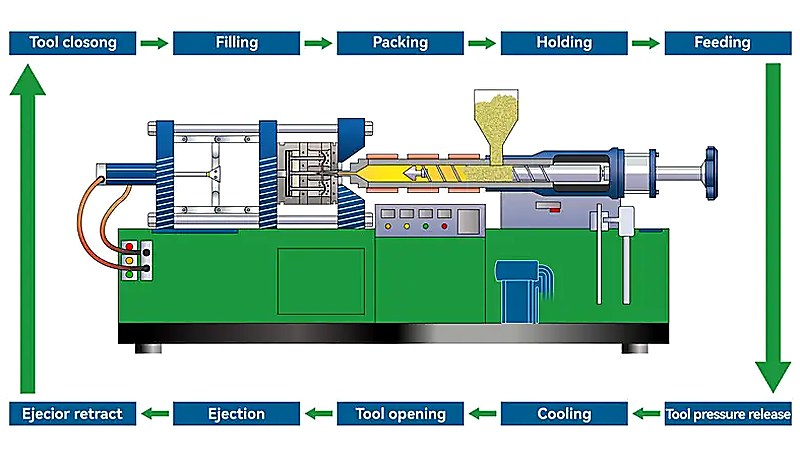
Bir enjeksiyon yapmak için gereken süreye kalıplama döngüsü denir. Kalıplama döngüsü, kalıbı doldurmak için gereken süreyi, kalıbı tutmak için gereken süreyi, kalıbı soğutmak için gereken süreyi ve diğer süreleri (kalıbı açmak, parçayı kalıptan çıkarmak ve kalıbı kapatmak için gereken süre gibi) içerir ve bunların tümü ne kadar iş yapabileceğinizi ve ekipmanınızı ne kadar kullanabileceğinizi etkiler.
TPU için kalıplama döngüsü genellikle TPU'nun ne kadar sert olduğuna, parçanın ne kadar kalın olduğuna ve parçanın hangi şekle sahip olduğuna göre belirlenir. Döngü, sert TPU için kısa, kalın parçalar için uzun ve çok şekilli parçalar için uzundur.
Enjeksiyon Hızı
Enjeksiyon hızı esas olarak TPU ürünlerinin konfigürasyonuna göre belirlenir. Kalın uç yüzeyli ürünler daha düşük enjeksiyon hızları gerektirirken, ince uç yüzeyli ürünler daha yüksek enjeksiyon hızları gerektirir.
Vida Hızı
TPU ürünlerini işlerken, düşük bir kesme oranı kullanmanız gerekir, bu nedenle daha düşük bir vida hızı kullanmanız gerekir. TPU'nun vida hızı genellikle 20 ~ 80r / dak'dır ve 20 ~ 40r / dak daha iyidir.
Kapatma İşlemi
TPU uzun süre yüksek sıcaklığa maruz kaldıktan sonra bozulabileceğinden, kapatıldıktan sonra PS, PE, akrilik plastikler veya ABS ile temizlenmelidir; kapatma 1 saati aşarsa, ısıtma kapatılmalıdır.
Ürün Sonrası İşleme
TPU, namludaki düzensiz plastikleşme veya kalıp boşluğundaki farklı soğutma hızları nedeniyle genellikle düzensiz kristalleşme, oryantasyon ve büzülmeye sahiptir. Bu da üründe, kalın duvarlı ürünlerde veya metal uçlu ürünlerde daha belirgin olan iç gerilime neden olur.
İç gerilimli ürünler, depolama ve kullanım sırasında genellikle mekanik özelliklerde azalma, yüzeyde gümüş çizgiler ve hatta deformasyon ve çatlama yaşar. Üretimde bu sorunları çözmenin yolu, ürünü tavlamaktır. Tavlama sıcaklığı, TPU ürününün sertliğine bağlıdır.
Yüksek sertliğe sahip ürünlerin tavlama sıcaklığı da yüksektir ve düşük sertliğe sahip ürünlerin tavlama sıcaklığı da düşüktür. Çok yüksek sıcaklık ürünün eğrilmesine veya deforme olmasına neden olabilir ve çok düşük sıcaklık iç gerilimi ortadan kaldırma amacına ulaşamaz.
Geri Dönüştürülmüş Malzemelerin Geri Dönüşümü
TPU işleme sürecinde, yolluklar, yolluklar ve spesifik olmayan parçalar gibi atık malzemeler geri dönüştürülebilir ve yeniden kullanılabilir. Test sonuçlarına göre, 100% geri dönüştürülmüş malzemeler yeni malzemelerle karıştırılmadan mekanik özellikleri önemli ölçüde azaltmaz ve tamamen kullanılabilir.
“Doğru TPU enjeksiyon kalıplama koşulları, nihai ürünlerdeki kusurları önler.”Doğru
İdeal sıcaklık ve basınç ayarlarına bağlı kalmak malzeme özelliklerini korur ve eğrilme ve kabarcıklar gibi kusurları azaltır.
“Sonucu etkilemeden TPU için herhangi bir kalıp sıcaklığını kullanabilirsiniz.”Yanlış
Yanlış kalıp sıcaklıkları kötü yüzey kalitesine ve yapısal sorunlara yol açabilir, bu da belirli sıcaklık aralıklarının önemini vurgular.
TPU Malzemelerin Enjeksiyon Kalıplama Sürecinde Alınması Gereken Önlemler Nelerdir?
Malzeme Kurutma
TPU nem çekmeye ve hidrolize yatkın olduğundan, TPU ham maddeleri iyice kurutulmazsa işleme zorluklarına yol açabilir.
Boyama için karbon tozu veya masterbatch kullanılıyorsa, TPU doğal renklendiricisi ile tamamen karıştırılmalı ve birlikte kurutulmalıdır. Genellikle TPU'yu kurutmak için dolaşımlı hava kurutucu veya nem alıcı kurutucu kullanılır.
Geri Dönüştürülmüş Malzeme İşleme
Nozul malzemeleri, çamaşır makinesi malzemeleri veya kötü nihai ürünler ezilebilir ve yeni malzemelerle karıştırılabilir, ancak kullanılmadan önce tekrar kurutulmaları gerekir. Bazı mekanik fiziksel gereksinimler için, geri dönüştürülmüş malzemeler enjeksiyon kalıplama işlemlerinde kullanılamaz.
Tüm hammaddelerin 30%'den fazlası. Ekstrüde edilmiş geri dönüştürülmüş malzemeler ayrı olarak işlenmeli veya yeni enjeksiyon kalıplama malzemelerine eklenmelidir. Ayrıca, geri dönüştürülmüş malzemeler çok uzun süre depolanmamalıdır. Kuru üstler kullanın. Geri dönüştürülemeyen atık malzemeler ısı elde etmek için yakılabilir.
Enjeksiyon Hızını ve Basıncını Kontrol Edin
Enjeksiyonun hızı ve basıncı, TPU malzemesinin akışı ve kalıbı doldurması için önemlidir. Hız ve basınç çok yüksek olursa, malzeme kırılabilir veya kabarcık oluşturabilir.
Kalıp Sıcaklığını Kontrol Edin
Ancak kalıp sıcaklığı çok yüksek olursa, malzemenin aşırı ısınmasına ve bozunmasına veya kabarcık oluşmasına neden olabilir. Kalıp sıcaklığı çok düşük olursa, ürün yüzeyinde soğuk akış izleri veya büzülme izleri oluşabilir.
Aşırı Isıtma ve Makaslamadan Kaçının
Aşırı ısıtma ve yüksek kesme hızları, işleme sırasında TPU'yu bozabilir; renk değişimine, gaz oluşumuna ve mekanik özelliklerde kalıcı kayba neden olabilir. Tambur sıcaklıklarını belirli TPU dereceniz için önerilen aralıkta tutun ve tamburda uzun süreli kalış sürelerinden kaçının. Makine birkaç dakikadan uzun süre boş kalacaksa, sıcaklık ayarlarını düşürün veya tamburu polietilen gibi uyumlu bir malzemeyle temizleyerek termal bozulmayı önleyin.
Temiz Bir Enjeksiyon Kalıplama Ortamı Sağlayın
Enjeksiyon kalıplama ortamının temizliği, TPU malzemelerin enjeksiyon kalıplama kalitesi için çok önemlidir. Kirlilikler ve yağ lekeleri varsa, bunlar kalıp yüzeyine yapışabilir veya malzemeye karışabilir, bu da ürünün yüzeyinde kusurlara veya performans düşüşüne neden olur.
“TPU enjeksiyon kalıplama, hassas sıcaklık yönetimi gerektirir.”Doğru
TPU'nun termoplastik yapısı, malzeme bütünlüğünü korumak ve kusurları önlemek için tutarlı sıcaklık düzenlemesi gerektirir.
"Tüm TPU malzemeleri aynı koşullar altında kalıplanabilir."Yanlış
Farklı TPU formülasyonları, istenen sonuçları elde etmek için sıcaklık, hız ve basınçta çeşitli ayarlar gerektirebilir, bu da özel işleme koşullarına olan ihtiyacı vurgular.
TPU Malzeme Enjeksiyon Kalıplama Süreç Akışı Nedir?
Malzeme Hazırlama
Before you start injection molding tpu pellets, you need to get them ready. This means drying them, preheating them, and mixing them. Drying gets rid of any moisture in the material so you don’t get bubbles or cracks when you’re injection molding.
Kalıp Tasarımı
Bir TPU malzeme enjeksiyon kalıbı tasarlarken, malzeme akışkanlığı, büzülme ve ürünün kalıptan çıkarılması gibi faktörlerin dikkate alınması gerekir. Makul kalıp tasarımı, ürünün kusur oranını etkili bir şekilde azaltabilir ve üretim verimliliğini artırabilir.
Enjeksiyon Kalıplama Makinesi Seçimi
Choosing the right injection molding machine is key to ensuring the stability of the TPU material injection molding process and the quality of the product.
Enjeksiyon Kalıplama Süreci Parametre Ayarı
Enjeksiyon kalıplama işlemi parametrelerinin ayarlanması, TPU malzeme enjeksiyon kalıplama kalitesinin sağlanması için çok önemlidir. Bu parametreler arasında enjeksiyon basıncı, enjeksiyon hızı, bekletme süresi, kalıp sıcaklığı vb. yer alır.
By setting the process parameters properly, you can make sure that the TPU material flows and fills the mold completely during the injection molding process, while avoiding defects like bubbles and shrinkage holes.
Ürün Sonrası İşleme
Enjeksiyon kalıplamadan sonra, TPU ürünlerinin iç gerilimi ortadan kaldırmak, boyutsal kararlılığı artırmak ve yüzey kalitesini iyileştirmek için sonradan işlenmesi gerekir. Yaygın son işlem yöntemleri arasında ısıl işlem, soğutma ve yüzey işlemi yer alır.
Isıl işlem, enjeksiyon kalıplama işlemi sırasında ürün tarafından üretilen iç gerilimi ortadan kaldırabilir ve boyutsal kararlılığını artırabilir. Soğutma, ürünün hızlı bir şekilde şekillenmesine ve deformasyonun azaltılmasına yardımcı olur. Yüzey işlemi ürünün görünümünü ve performansını iyileştirebilir.
“TPU injection molding results in durable and flexible products.”Doğru
TPU’s unique properties make it ideal for producing parts that require elasticity and resilience.
“TPU is the same as TPE in injection molding.”Yanlış
TPU ve TPE esneklik açısından benzerlik gösterse de, farklı bileşimlere ve performans özelliklerine sahip farklı malzemelerdir.
TPU Malzemelerin Enjeksiyon Kalıplama Sürecindeki Kusurlar Nelerdir?
Üründe Çatlaklar Var
Cracks are a killer for TPU products, usually appearing as hairline cracks on the surface of the product. When the product has sharp edges and corners, it often cracks in this part, which is very dangerous for the product.
Kötü kalıptan çıkarmanın neden olduğu çatlakları önlemek için, kalıp boşluğu yeterli kalıptan çıkarma eğimine sahip olmalı ve ejektör piminin boyutu, konumu ve şekli uygun olmalıdır. Çıkarma sırasında, ürünün her bir parçasının kalıptan çıkarma direnci eşit olmalıdır.
Overfilling happens when you shoot too much plastic into the mold. This can be caused by too much injection pressure or too much material being metered.
Kalıbı aşırı doldurduğunuzda, kalıp bileşenlerine daha fazla baskı uygularsınız, bu da parçanın kalıptan çıkarılmasını zorlaştırır ve parçanın çatlamasına (hatta kırılmasına) neden olur. Bunun olduğunu gördüğünüzde, aşırı dolumu durdurmak için enjeksiyon basıncını azaltmanız gerekir.
Aşırı dolumdan kaynaklanan iç gerilim genellikle geçit alanında kalır. Geçidin yakınındaki alan, özellikle de doğrudan geçit alanı kırılgandır ve iç gerilim nedeniyle kırılacaktır.
Ürünlerin Zayıf Yüzey Parlaklığı
Poor surface gloss is usually caused by inadequate polishing of the mold surface. When the surface condition of the mold cavity is good, increasing the material and mold temperature can improve the surface gloss of the product.
Ayrıca, malzemenin nem emmesi veya uçucu maddeler ya da yabancı maddelerle kirlenmesi yüzey parlaklığının azalmasına neden olabilir. Bu nedenle, kalıp ve malzemelerle ilgili faktörlere dikkat edilmelidir.
Üründe Çapak Var
TPU ürünlerinde genellikle çapaklar bulunur. Kalıp boşluğundaki hammaddenin basıncı çok büyük olduğunda, üretilen ayırma kuvveti sıkıştırma kuvvetinden daha büyüktür ve kalıbı açılmaya zorlayarak hammaddenin taşmasına ve çapak oluşturmasına neden olur.
Çapakların, hammaddelerle ilgili sorunlar, enjeksiyon kalıplama makinesiyle ilgili sorunlar, yanlış ayarlama ve hatta kalıbın kendisi gibi birçok nedeni vardır. Bu nedenle çapakların nedenini belirlerken kolaydan zora doğru ilerleyin.
Hammaddelerin iyice kurutulup kurutulmadığını, yabancı maddelerin karışıp karışmadığını, farklı hammadde türlerinin karıştırılıp karıştırılmadığını ve hammadde viskozitesinin etkisini kontrol edin.
Enjeksiyon kalıplama makinesinin basınç kontrol sistemini doğru bir şekilde ayarlayın ve enjeksiyon hızının ayarlanması kullanılan sıkıştırma kuvveti ile koordine edilmelidir; kalıbın belirli parçalarının aşınmış olup olmadığı, egzoz deliklerinin tıkalı olup olmadığı ve akış kanalı tasarımının makul olup olmadığı.
Enjeksiyon kalıplama makinesi şablonları arasında paralellikte bir sapma olup olmadığı, şablon bağlantı çubuğu kuvvet dağılımının düzgün olup olmadığı ve vida kontrol halkası ile eriyik kovanının aşınmış olup olmadığı.
Ürünlerin Yetersiz Dolumu
Erimiş malzeme kalıbın tüm köşelerinden akmadığında, buna yetersiz dolum denir. Bunun birkaç nedeni vardır: kalıplama koşulları doğru ayarlanmamıştır, kalıp iyi tasarlanmamıştır veya yapılmamıştır, ürünün kalın parçaları ve ince parçaları vardır vb.
To fix this, you can raise the temperature of the material and mold, increase the injection pressure and speed, and make the material flow better. You can also make the runner or flow channel bigger, or change the gate\’s position, size, or number to make the material flow better.
Ürün Eğrilmesi ve Deformasyonu
TPU enjeksiyon kalıplı ürünlerin bükülme ve deformasyonunun nedenleri çok kısa soğutma ve şekillendirme süresi, çok yüksek ve düzensiz kalıp sıcaklığı ve asimetrik akış kanalı sistemidir.
Bu nedenle, kalıbı tasarlarken, aynı plastik parçada çok büyük bir kalınlık farkından kaçınmaya çalışın; aşırı keskin açılardan kaçının; çok kısa bir tampon bölgeden kaçının, böylece kalınlık dönüşleri büyük ölçüde farklılık gösterir; ayrıca, uygun sayıda ejektör ayarlamaya ve makul bir boşluk soğutma akış kanalı tasarlamaya dikkat edin.
“Warping is a common defect in TPU injection molding.”Doğru
Çarpılma, iç gerilimlere neden olan ve kalıplanmış parçalarda bozulmaya yol açan eşit olmayan soğutma hızları nedeniyle meydana gelir.
“Sink marks are only a cosmetic issue in TPU molding.”Yanlış
Çökme izleri, nihai ürünün hem görünümünü hem de bütünlüğünü etkileyen potansiyel yapısal zayıflıklara işaret eder.
If you are evaluating TPU injection molding suppliers for your next project, our Injection Molding Supplier Sourcing Guide provides a practical framework for comparing capabilities, lead times, and pricing across manufacturers.
- TPU injection molding requires precise temperature control: barrel 190–230°C, mold 10–60°C, adjusted to Shore hardness grade.
- Proper drying (80–110°C for 2–3 hours) is essential — residual moisture causes silver streaks and degraded mechanical properties.
- Injection pressure and speed must match TPU hardness: harder grades need higher pressure, softer grades need faster filling.
- Common defects like warping, short shots, and sink marks are preventable by optimizing cooling time, mold temperature, and holding pressure.
- TPU’s unique combination of flexibility, abrasion resistance, and temperature range (−40 to 120°C) makes it indispensable for footwear, automotive, and medical applications.
TPU Enjeksiyon Kalıplama Hakkında Sıkça Sorulan Sorular Nelerdir?
What temperature should TPU be injection molded at?
TPU is typically injection molded at barrel temperatures of 190–230°C with mold temperatures maintained between 10–60°C, though the exact settings depend heavily on the Shore hardness grade of the specific TPU material being processed. Harder TPU grades require higher barrel temperatures to achieve proper melt flow, while softer grades process effectively at lower temperatures. The nozzle temperature should generally be set slightly below the maximum barrel temperature to prevent premature drooling. Always consult the manufacturer’s technical data sheet for grade-specific processing windows.
Does TPU need to be dried before injection molding?
Yes, TPU must be thoroughly dried before injection molding to prevent surface defects and ensure consistent mechanical performance in finished parts. The recommended drying conditions are 80–110°C for 2–3 hours using a dehumidifying hopper dryer, bringing moisture content below 0.1% by weight. Residual moisture above this threshold causes silver streaks, surface bubbles, and significantly degraded mechanical properties including reduced tensile strength and elongation at break. Ester-based TPUs tend to absorb more moisture than ether-based grades and may require extended drying cycles. Always verify dryness with a moisture analyzer before loading material into the hopper.
What is the difference between ester-based and ether-based TPU for injection molding?
Ester-based TPU delivers superior mechanical strength, abrasion resistance, and oil resistance, making it the preferred choice for heavy-duty applications such as industrial conveyor belts, hydraulic seals, and sport shoe soles. However, ester-based grades are more susceptible to hydrolysis in humid or wet environments over time. Ether-based TPU offers excellent hydrolysis resistance, better low-temperature flexibility down to −40°C, and inherent microbial resistance, which makes it the standard choice for medical tubing, outdoor cable jackets, and aquatic sports equipment. Both types process similarly on standard injection molding machines, but drying requirements and optimal melt temperature profiles may differ between grades.
What causes warping in TPU injection molded parts?
Warping in TPU injection molded parts is primarily caused by uneven cooling across the part, insufficient cooling time before ejection, or inconsistent mold surface temperatures between the core and cavity halves. Additional contributing factors include excessive injection pressure combined with low mold temperature, and part geometries with significant wall thickness variations. The most effective countermeasures are extending the cooling cycle, ensuring uniform mold temperature through balanced cooling channel design, and reducing the temperature differential between the core and cavity to within 5°C.
Can TPU be overmolded onto other materials?
Yes, TPU is one of the most commonly overmolded materials and bonds well to substrates including ABS, PC, PA, and metal inserts when proper processing conditions are met. Successful overmolding requires adequate melt temperature for chemical bonding, clean substrate surfaces, and compatible material chemistry between the TPU and the substrate. Two-shot (two-component) molding is the most efficient production method, widely used for consumer electronics grips, power tool handles, and automotive interior components where a soft-touch surface is needed over a rigid structure.
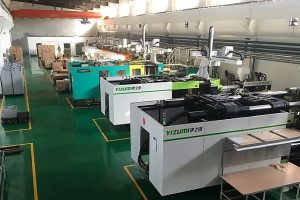
In our experience, our team sees TPU defects rise quickly when drying, barrel heat, or shear rate drifts outside a stable process window. At our factory, we process 400+ materials on 47 injection molding machines from 90T to 1850T. For TPU trials, we usually start with 0.3MPa to 4.0MPa back pressure, 20.0MPa to 110.0MPa injection pressure, and 20.0r/min to 80.0r/min screw speed, then tune by hardness and wall thickness.
Daha İyi Ürünler İçin TPU Enjeksiyon Kalıplamayı Nasıl Uzmanlaştırabilirsiniz?
The injection molding process of TPU materials is a complex and delicate technology that requires comprehensive consideration of multiple factors such as material properties, mold design, injection molding machine selection, and process parameter setting.
Enjeksiyon kalıplama sürecindeki kilit bağlantıları ve teknik noktaları doğru bir şekilde kontrol ederek, yüksek kaliteli ve yüksek hassasiyetli TPU ürünleri üretebiliriz. Gelecekte, TPU malzeme performansının sürekli iyileştirilmesi ve enjeksiyon kalıplama teknolojisinin sürekli yeniliği ile TPU malzeme enjeksiyon kalıplama teknolojisinin daha fazla alanda yaygın olarak kullanılacağına ve ilgili endüstrilerin sürdürülebilir gelişimini teşvik edeceğine inanmak için nedenlerimiz var.
-
ISO 10993 biocompatibility: ISO 10993 biocompatibility refers to a series of standards for evaluating the biocompatibility of medical devices, relevant for medical-grade TPU grades used in tubing and device housings. ↩
-
Shore hardness: Shore hardness refers to a standardized measure of material hardness, where Shore A (0–100) is used for softer elastomers like TPU and Shore D for harder plastics. ↩
-
TPU glass transition temperature: TPU glass transition temperature refers to the temperature at which TPU transitions from a rigid to a rubbery state, typically between −40 °C and −20 °C for ether-based grades. ↩


 EN
EN  ES
ES  FR
FR  DE
DE  PT
PT  AR
AR  RU
RU  JA
JA  KO
KO  IT
IT  NL
NL  TR
TR  PL
PL 