Tedarikçi kalite anlaşması (SQA), işler bir üretim ilişkisini pahalı bir tahmin oyunundan ayıran tek belgedir. Yurt dışındaki bir tedarikçiden enjeksiyonla kalıplanmış parçalar tedarik ediyorsanız bu sözleşme; para el değiştirmeden önce kimin neyi denetleyeceğini, kusurların nasıl ele alınacağını ve hangi standartların geçerli olduğunu tanımlar. Bu kılavuz, fabrika sahasındaki yirmi yıllık uygulamalı deneyime dayanarak alıcının şart koşması gereken her maddeyi ele alır.
- SQA, üretim başlamadan önce alıcı ile tedarikçi arasındaki kalite beklentilerini tanımlar
- Temel maddeler muayene protokollerini, kusur yönetimini, sertifikaları ve değişiklik yönetimini kapsar
- Yazılı bir anlaşma yoksa kusur anlaşmazlıklarında tedarikçinin iç standartları geçerli olur
- Alıcılar en az ISO 9001 şartı koymalı ve bunu denetim kayıtlarıyla doğrulamalıdır
- İlk Parça İncelemesi (FAI) ve PPAP dokümantasyonu her iki tarafı da korur
Enjeksiyon Kalıplama Tedarikçisi Kalite Anlaşması Nedir?
Tedarikçi kalite sözleşmesi, alıcı ile tedarikçi arasındaki kalite beklentilerini ve kontrol sorumluluklarını belirten resmî bir sözleşmedir. Fiyatlandırma ve teslimatı kapsayan satın alma siparişinin aksine SQA, üretim boyunca kalitenin nasıl tanımlanacağını, ölçüleceğini ve korunacağını ele alır.
Enjeksiyon kalıbı tasarımına daha geniş bir bakış için temel kılavuzumuz kalıp yapısını, ısıl kontrolü ve üretilebilirlik ödünleşimlerini ele alır.
Uygulamada bir SQA, gelen ham madde doğrulamasından son çıkış muayenesine kadar her şeyi kapsar. Şu soruları yanıtlar: Boyutsal kontrolleri kim yapar? Bir parti başarısız olduğunda ne olur? Takım veya proses değişiklikleri nasıl iletilir? Bu yanıtlar yazılı değilse sözlü güvencelere ve umuda bel bağlıyorsunuz demektir; fabrika sahasından binlerce kilometre uzaktayken bu riskli bir stratejidir.
ZetarMold’daki deneyimimize göre ilk üretim çalışmasından önce net bir SQA hazırlamaya zaman ayıran alıcılar, proje ömrü boyunca 60–80% daha az kalite anlaşmazlığı yaşar. Başlangıçtaki emek ilk birkaç sevkiyatta kendini amorti eder.
Her Alıcı Neden Resmî Bir Kalite Anlaşmasına İhtiyaç Duyar?
Enjeksiyon kalıplı parçaları yurt dışındaki tedarikçilerden temin ediyorsanız kalite sözleşmesi temel risk yönetimi aracınızdır. Sözleşme olmadığında ne olacağını düşünün: 50,000 parçalık bir sevkiyat gelir ve 15% oranında çapak, çöküntü izi veya boyutsal sapma vardır. İtiraz edersiniz. Tedarikçi, şirket içi standardının kritik olmayan yüzeylerde 2% çapak kabul ettiğini söyler. Siz ise montaj toleranslarınızın sıfır çapak gerektirdiğini belirtirsiniz. Kim haklıdır? SQA olmadan nesnel bir yanıt yoktur.
İyi hazırlanmış bir SQA belirsizliği ortadan kaldırır. Üretim başlamadan önce kesin boyutsal toleransları, yüzey kalitesi gereksinimlerini ve görsel kusur kabul seviyelerini belirtir. Her iki taraf da bu ölçütleri onayladığında uyuşmazlık çözümü kolaylaşır; parçaları tarafların varsayımlarıyla değil, üzerinde anlaşılan standartla karşılaştırırsınız.
Enjeksiyon kalıplamadaki kalite hatalarının maliyeti hızla katlanır. Montaj hattınıza ulaşan kusurlu bir parçayı ele almak, giriş denetiminde yakalamaktan 10–50x daha pahalıdır. Kusurlu bir parça son müşterinize ulaşırsa garanti talepleri, iadeler ve marka hasarı nedeniyle maliyet yeniden katlanır. Tedarikçi kalite sözleşmesi, sorunları erken ve düzeltmenin en ucuz olduğu aşamada yakalayan denetim kontrol noktalarını oluşturur.
Tedarikçi Kalite Sözleşmesi Neleri İçermelidir?
Eksiksiz bir SQA; kapsamı, kabul kriterlerini, malzeme şartnamelerini, muayene protokollerini ve değişiklik yönetimini ele alması gereken bir belgedir. Bunlar, açık ve ölçülebilir beklentiler belirleyerek hem alıcıyı hem de tedarikçiyi koruyan vazgeçilmez maddelerdir.
Kapsam ve sorumluluklar: Sözleşmenin hangi parçaları, prosesleri ve malzemeleri kapsadığını tanımlayın. Prototip üretimlere, seri üretim hacimlerine veya her ikisine birden uygulanıp uygulanmadığını belirtin. Her kalite kontrol noktasından kimin sorumlu olduğunu açıklayın: tedarikçi, alıcı veya üçüncü taraf denetçi. Fabrikamızda sahiplik konusunda hiçbir belirsizlik kalmaması için IQC’den OQC’ye kadar her kalite kapısını eşleriz.
Kabul kriterleri: SQA’nın özünü oluşturur. Belirli boyutsal toleransları (parça teknik resmi ve GD&T çağrılarına atıfla), yüzey kalitesi gereksinimlerini (Ra değerleri), renk standartlarını (Pantone veya RAL referansları) ve numune planına göre kabul edilebilir azami kusur oranlarını ekleyin. Parçanızda kritik ölçüler varsa — çoğu enjeksiyon kalıplı parçada vardır — tolerans aralığı ve ölçüm yöntemiyle birlikte açıkça listeleyin.
Malzeme spesifikasyonları: Tedarikçinin yalnızca onaylı malzemeleri kullanmasını ve her parti için analiz sertifikaları (COA) sunmasını şart koşun. Bu önemlidir çünkü malzeme ikamesi, enjeksiyon kalıplamadaki en yaygın ve pahalı kalite hatalarından biridir. Tedarikçinin PA66-GF30 yerine sessizce PA66-GF25’e geçmesi, malzeme maliyetinde 10–15% tasarruf sağlarken parçanızın mukavemetini 20% azaltabilir. SQA’nız her malzeme değişikliği için yazılı onay gerektirmelidir.
Enjeksiyon Kalıplamada Kabul Edilebilir Kalite Seviyeleri Nasıl Tanımlanır?
Kabul Edilebilir Kalite Seviyesi (AQL1), bir sevkiyatta kaç kusurun tolere edilebileceğini tanımlamak için en yaygın kullanılan çerçevedir. ISO 2859-1’e dayanan AQL numune alma planları, her partiden incelenecek parça sayısını ve parti reddedilmeden önce izin verilen azami kusur sayısını belirtir. Enjeksiyonla kalıplanmış parçalarda alıcılar genellikle kritik kusurlar için AQL1.0, büyük kusurlar için AQL 2.5 ve küçük kusurlar için AQL 4.0 ister.
Ancak AQL tek başına yeterli değildir. SQA’nız, parçalarınız için kritik, büyük ve küçük kusurun ne olduğunu da tanımlamalıdır. Kozmetik bir yüzeydeki çöküntü izi, tüketici elektroniği muhafazasında büyük kusur; iç brakette ise yalnızca küçük kusur sayılabilir. Mümkün olduğunda bu tanımları görsel referans numuneleriyle açıkça belirtin. Birçok kalite anlaşmazlığı, taraflardan birinin kusuru diğerinin beklediğinden farklı sınıflandırmasından kaynaklanır.
SQA’nıza ek olarak bir kusur sınıflandırma matrisi koymanızı öneriyoruz. Parçanız için bilinen tüm kusur türlerini — çapak, eksik dolum, çökme izleri, kaynak çizgileri, çarpılma, boyutsal sapma — listeleyin ve her birine fotoğraflı örneklerle bir önem seviyesi atayın. Bu başlangıçta emek gerektirir ancak üretim sırasında saatler süren tartışmaları ortadan kaldırır.
Hangi İnceleme ve Test Protokollerini Talep Etmelisiniz?
Gerekli protokoller; tanımlı aralıklarla ve belgelenmiş sonuçlarla IQC, proses içi kontrol ve FQC/OQC’dir. SQA’nız, üretimin her aşamasında belirli kontrol ve testleri zorunlu tutmalıdır; deneyimli alıcıların şart koştuğu uygulamalar şunlardır.
Girdi Kalite Kontrolü (IQC): Tedarikçinin ham madde sertifikalarını, nem içeriğini (özellikle naylon ve polikarbonat gibi higroskopik malzemelerde kritik önemdedir) ve test yoluyla malzeme kimliğini doğrulamasını zorunlu tutun. ZetarMold’da gördüğümüz enjeksiyon kalıplama kusurlarının yaklaşık %20’si malzeme kontaminasyonundan veya yanlış kurutmadan kaynaklanır; bunların IQC aşamasında tespit edilmesi tüm üretim partisinin zarar görmesini önler.
Proses içi denetim: Tedarikçinin üretim sırasında tanımlı aralıklarla, kritik ölçüler için genellikle her 50 ila 100 enjeksiyonda bir boyutsal kontrol yapmasını şart koşun. Böylece kalıp aşınması, proses sapması ve makine parametresi değişiklikleri yüzlerce spesifikasyon dışı parça üretmeden önce belirlenir. Tedarikçinin kritik ölçüler için istatistiksel proses kontrol (SPC) grafiklerini tutmasını ve talep üzerine paylaşmasını isteyin.
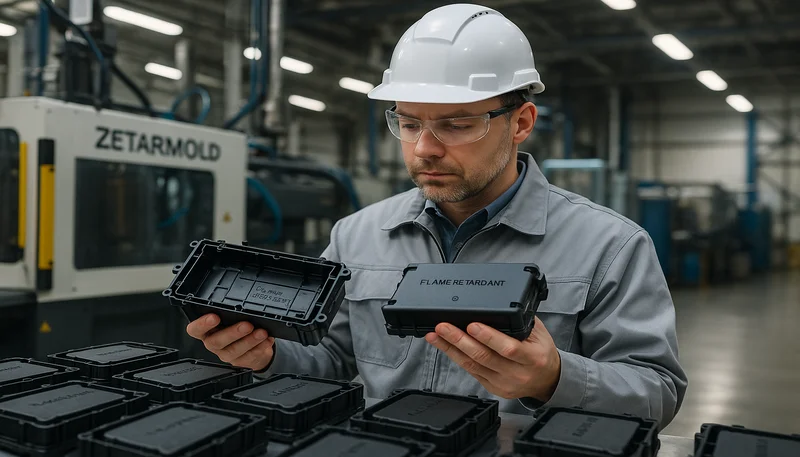
Nihai Kalite Kontrol (FQC) ve Çıkış Kalite Kontrolü (OQC): Numune boyutu, ölçüm ekipmanı (CMM, optik komparatör, geçer/geçmez mastarları) ve dokümantasyon gereksinimleri dâhil nihai muayene protokolünü tanımlayın. Her sevkiyatla yalnızca geçti/kaldı sonuçlarını değil, ölçülen değerleri de içeren muayene raporları isteyin. ZetarMold’da 10+ QC uzmanımız IQC’den OQC’ye kadar altı adımlı iş akışını izleyerek hiçbir unsurun ölçülmeden atlanmamasını sağlar.
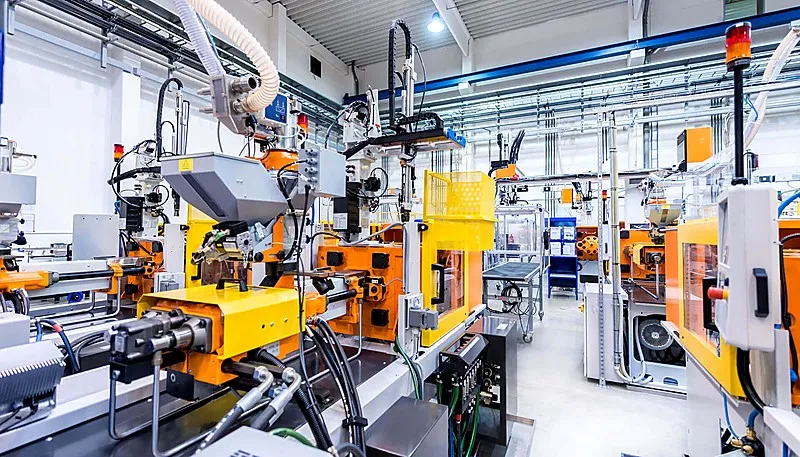
Şanghay fabrikamızda 47 enjeksiyon kalıplama makinesini, 10+ QC uzmanının görev yaptığı altı adımlı bir kalite iş akışıyla çalıştırıyoruz (IQC, numune kontrolü, proses kontrolü, ambalaj ve montaj kontrolü, FQC ve OQC). Bu altyapı, iyi hazırlanmış bir SQA'nın gerektirdiği kontrol titizliğini karşılamamızı sağlar — her ölçüm belgelenir ve her kontrol noktasının adı belirlenmiş bir sorumlusu vardır.
Uygun Olmayan Parçalar ve Anlaşmazlıklar Nasıl Ele Alınır?
Uygunsuzluk prosedürü; bildirim sürelerini, kök neden analizini ve anlaşmazlıkların üst kademeye taşınmasını kapsayan zorunlu bir SQA maddesidir. Sağlam kalite sistemlerinde bile zaman zaman kusurlar oluşur; önemli olan iki tarafın nasıl tepki verdiğidir.
Tedarikçinin üretim sırasında herhangi bir uygunsuzluk tespit ettiğinde sizi tanımlı bir süre içinde (genellikle 24–48 saat) bilgilendirmesini şart koşun. Bildirim; hatanın niteliğini, etkilenen parça sayısını, kök neden analizini ve önerilen düzeltici eylem planını içermelidir. SQA hata sınıflandırma matrisiniz burada değerini gösterir; müdahale protokolü uygunsuzluğun ciddiyetine göre ölçeklendirilebilir.
Uyuşmazlık çözümü için parça kalitesiyle ilgili anlaşmazlıkların sonradan müzakere edilerek değil, SQA’da kararlaştırılan kabul kriterlerine başvurularak çözüleceğini belirtin. Uyuşmazlık taraflar arasında çözülemezse karşılıklı olarak kabul edilen bir üçüncü taraf muayene kuruluşunun tahkimini zorunlu kılın. SQA, üçüncü taraf muayene maliyetini kimin karşılayacağını belirtmelidir; bu genellikle hatalı olduğu belirlenen taraftır.
Enjeksiyon Kalıplama Tedarikçinizi Ne Zaman Denetlemelisiniz?
Denetim hakları, birçok alıcının gözden kaçırdığı kritik bir hükümdür. SQA’nız size, tedarikçinin üretim tesisi, kalite sistemleri ve dokümantasyonu üzerinde hem duyurulan hem de habersiz saha denetimleri yapma hakkı tanımalıdır. Bu husus, üretim sahasında istediğiniz zaman dolaşamayacağınız denizaşırı tedarikte özellikle önemlidir.
İlk denetimleri sözleşmeyi vermeden önce, sonrasında ise en az yılda bir kez planlayın. Yüksek hacimli veya kritik parçalar için üç aylık denetimleri değerlendirin. Denetim sırasında tedarikçinin kalite el kitabında ve SQA’nızda belgelenen prosedürleri gerçekten uyguladığını doğrulayın. Ölçüm ekipmanının kalibrasyon kayıtlarını kontrol edin, QC personelinin eğitim kayıtlarını inceleyin ve gerçek üretim ortamını denetleyin. Kalite sorunları, belgelenmiş prosedürlerle gerçek uygulama arasındaki boşlukta gizlenir.
Yerinde ziyaret pratik değilse tedarikçiden video tesis turları sunmasını, iç denetim raporlarını paylaşmasını ve üretim serilerinin uzaktan izlenmesine izin vermesini isteyin. Artık birçok tedarikçi canlı video inceleme olanağı sunuyor. Şanghay fabrikamızda alıcıları düzenli olarak yerinde ziyaretler için ağırlıyor, seyahat edemeyen ekiplere de gerçek zamanlı video turları sağlıyoruz — şeffaflık, SQA’ların işlemesini sağlayan güveni oluşturur.
Tedarikçiniz Hangi Sertifikaları Sürdürmelidir?
ISO 90012, herhangi bir enjeksiyon kalıplama tedarikçisinden istenmesi gereken asgari sertifikadır. Kalite yönetimi, düzeltici faaliyetler ve sürekli iyileştirme için belgelenmiş prosedürleri güvence altına alır; saygın bir üretici için bunlar temel şartlardır.
Sektörünüze bağlı olarak ek sertifikalara ihtiyacınız olabilir. Tıbbi cihaz bileşenleri ISO 13485 gerektirir. Otomotiv parçaları genellikle IATF 16949 gerektirir. Çevresel açıdan hassas uygulamalarda ISO 14001, çevre yönetimine bağlılığı gösterir. SQA’nız gerekli sertifikaları listelemeli ve tedarikçinin sözleşme süresi boyunca sertifikalarını güncel tutması gerektiğini belirtmelidir.
Sertifikayı yalnızca görünen değeriyle kabul etmeyin. Tedarikçiden belgelendirme kuruluşunun en son denetim raporunu paylaşmasını isteyin. Sertifika kapsamını kontrol edin: Parçalarınızda kullanılan belirli süreçleri kapsıyor mu? enjeksiyon kalıplama için sertifikalı bir tedarikçinin kapsamında kalıp üretimi veya ikincil işlemler olmayabilir. ZetarMold olarak ISO 9001, ISO 13485, ISO 14001 ve ISO 45001 sertifikalarını sürdürüyor ve kalite altyapımızı doğrudan doğrulamak isteyen alıcılarla denetim bulgularını paylaşıyoruz.
20+ yıllık enjeksiyon kalıplama deneyimimiz, ISO 9001 / ISO 13485 / ISO 14001 / ISO 45001 sertifikalarımız ve İngilizce konuşan 30+ proje yöneticimizle, sertifikaların ancak gerçek proses disipliniyle desteklendiklerinde anlam taşıdığını biliyoruz. Alıcılarla imzaladığımız her kalite anlaşması, yalnızca duvara asılmış çerçeveli sertifikalarla değil, belgelenmiş iş akışlarıyla desteklenir.
Proses ve Kalıp Değişiklikleri Nasıl Yönetilir?
Uzun süreli enjeksiyon kalıplama programlarında proses ve kalıp değişiklikleri kaçınılmazdır. Kalıplar aşınır, malzemelerin üretimi durdurulur ve proses iyileştirmeleri ortaya çıkar. SQA’nız, tedarikçinin parça kalitesini etkileyebilecek herhangi bir değişiklik yapmadan önce yazılı onay almasını zorunlu kılan resmî bir değişiklik yönetimi maddesi içermelidir.
Bildirime tabi bir değişikliğin kapsamını tanımlayın: malzeme tedarikçisinin veya sınıfının değiştirilmesi, proses parametrelerinin onaylı aralıkların dışında değiştirilmesi, kalıbın onarılması veya modifiye edilmesi, ikincil operasyonlar için alt tedarikçilerin değiştirilmesi, üretimin farklı bir makineye veya tesise taşınması. Her değişiklik türü için üretime yeniden başlamadan önce gereken bildirim süresini, onay şartlarını ve doğrulama faaliyetlerini belirtin. Her önemli değişiklikten sonra İlk Numune Kontrolü (FAI) zorunlu olmalıdır.
Değişiklik yönetimi, birçok alıcı-tedarikçi ilişkisinin bozulduğu noktadır. Tedarikçi, aşınmış bir kalıp gözü insertini alıcıya bildirmeden değiştirir ve aylardır kontrolden geçen parçalar aniden boyutsal sapma göstermeye başlar. SQA’nız, yetkisiz değişikliklerin; tedarikçi masrafıyla yeniden kontrolden sözleşmenin feshedilmesine kadar tanımlı sonuçları olan bir sözleşme ihlali olduğunu açıkça belirtmelidir.
"Her kalıp değişikliğinden sonra İlk Numune Muayenesi (FAI) istenmesi, tedarikçi kalite sözleşmelerinde standart bir en iyi uygulamadır."True
FAI, bir proses veya takım değişikliğinden sonra üretilen parçaların tüm boyutsal ve malzeme spesifikasyonlarını hâlâ karşıladığını doğrular. Daha sonra sorular ortaya çıkarsa hem alıcının hem de tedarikçinin başvurabileceği belgelenmiş bir referans oluşturur.
"Enjeksiyon kalıplama tedarikçisiyle kalite beklentilerini tanımlamak için bir satın alma siparişi yeterlidir."False
Satın alma siparişi fiyatlandırmayı, miktarları ve teslimat tarihlerini kapsar. Muayene protokollerini, kabul kriterlerini, kusur yönetimini ve değişiklik yönetimini — yani kalite anlaşmazlıklarını gerçekten önleyen ayrıntıları — tanımlamak için ayrı bir tedarikçi kalite anlaşması (SQA) gerekir.
Tedarikçiniz Hangi Belgeleri Sağlamalıdır?
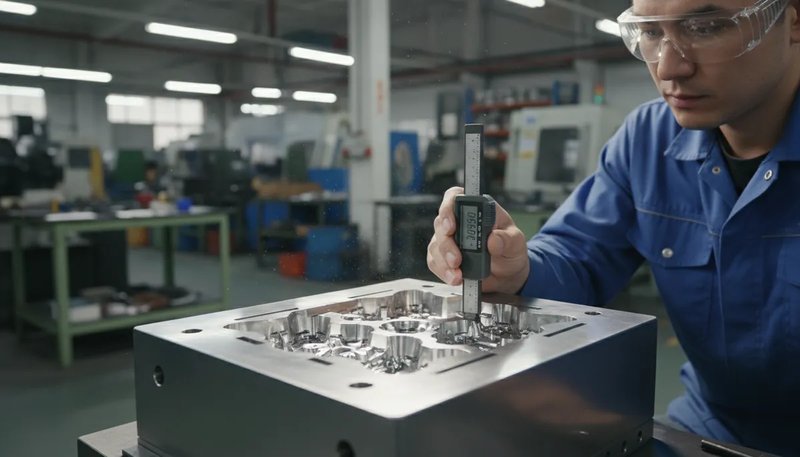
Dokümantasyon hesap verebilirliğin temelidir. SQA’nız, tedarikçinin hangi belgeleri ne zaman sunması gerektiğini tam olarak belirtmelidir. Eksik veya tamamlanmamış dokümantasyon, kalite sistemlerinin yüzeysel olabileceğine dair bir tehlike işaretidir.
En azından her üretimde şunları isteyin: gerçek ölçüm değerlerini içeren ölçü kontrol raporları, malzeme analiz sertifikaları, proses parametresi kayıtları (sıcaklık, basınç, çevrim süresi) ve üretim numunelerinin fotoğrafları. Kritik uygulamalarda ayrıca PPAP3[3] belgelerini, proses akış şemalarını ve kontrol planlarını isteyin. Bu belgeler her sevkiyatı belirli malzeme partilerine, makine parametrelerine ve kontrol sonuçlarına bağlayan izlenebilir bir kayıt oluşturur.
Kayıt saklama da önemlidir. Tedarikçinin üretim ve kalite kayıtlarını belirli bir süre boyunca, genellikle endüstriyel uygulamalarda 5 ila 7 yıl, medikal veya havacılıkta ise 15 yıla kadar saklamasını şart koşun. Böylece yıllar sonra saha arızası ortaya çıkarsa kök nedeni ilk üretim koşullarına kadar izleyebilirsiniz.
"ISO 9001 sertifikası tek başına, bir enjeksiyon kalıplama tedarikçisinin özel kalite gereksinimlerinizi karşılayacağını garanti eder."True
ISO 9001 sertifikası bir tedarikçinin kalite yönetim sistemine sahip olduğunu doğrulasa da özel parça gereksinimlerinizi karşılayacağını garanti etmez. SQA belgeniz, genel kalite standartlarının ötesindeki kesin kabul kriterlerini, muayene yöntemlerini ve kusur sınırlarını tanımlamalıdır.
"AQL örneklemesi, güvenlik açısından kritik ölçülerde 100% kontrolün yerini alabilir."False
AQL örneklemesi, tanımlı bir kusur riski düzeyini kabul eden istatistiksel bir yöntemdir. Güvenlikle ilgili kritik boyutlar için çoğu kalite standardı 100% muayene veya geçer/geçmez mastarı gibi alternatif yöntemler gerektirir. SQA'nız hangi boyutların örnekleme yerine 100% doğrulama gerektirdiğini belirtmelidir.
Bir Tedarikçi Kalite Sözleşmesini Değerlendirirken Hangi Uyarı İşaretlerine Bakılmalıdır?
Tedarikçi kalite anlaşmalarının tümü eşit değildir. Önerilen bir SQA’nın çıkarlarınızı yeterince korumayabileceğini gösteren uyarı işaretleri şunlardır.
Belirsiz kabul kriterleri: Anlaşma tam toleransları, AQL düzeylerini veya ölçüm yöntemlerini belirtmeden genel standartlara atıfta bulunuyorsa yoruma açık olacak şekilde tasarlanmıştır — genellikle tedarikçinin lehine. Anlamlı bir SQA, yalnızca iyi imalat uygulamalarına atıfları değil, belirli sayıları içerir.
Denetim hakkı yok: Tedarikçi denetim erişimi vermeyi reddediyor veya erişimi yalnızca önceden duyurulan ziyaretlerle sınırlıyorsa proses açıklarını gizliyor olabilir. Kendine güvenen bir tedarikçi incelemeyi memnuniyetle karşılar — bu, kalite sistemlerini doğrular ve alıcının güvenini artırır.
Eksik değişiklik yönetimi maddesi: Resmî bir değişiklik kontrol süreci olmadan tedarikçi, size bildirmeden malzemeleri, prosesleri veya kalıpları değiştirebilir. Bu, herhangi bir SQA içindeki en yüksek riskli boşluklardan biridir. Anlaşma değişiklik yönetimini ele almıyorsa imzalamayın.
Tesis içi kalıp üretimimizde 400+ malzeme ve ayda 100+ kalıpla çalışırken kapsamlı olandan tehlikeli ölçüde yetersiz olana kadar her tür kalite anlaşmasını gördük. Çalıştığımız en iyi anlaşmalar belirli ve ölçülebilirdi; bir kez imzalanıp rafa kaldırılan belgeler değil, projeyle birlikte gelişen yaşayan dokümanlar olarak ele alınıyordu.
Sıkça Sorulan Sorular
Tedarikçi kalite sözleşmesi ile satın alma siparişi arasındaki fark nedir?
Satın alma siparişi; parça numaralarını, miktarları, fiyatlandırmayı ve teslim tarihlerini belirten ticari bir belgedir. Tedarikçi kalite anlaşması (SQA) ise kalite beklentilerini, kontrol protokollerini, kabul kriterlerini, kusur yönetimini ve değişiklik yönetimi prosedürlerini tanımlayan teknik bir belgedir. Her ikisi de gereklidir — PO ticari şartları, SQA ise kalite şartlarını yönetir. PO’yu ne satın aldığınız, SQA’yı da bunun gereksinimlerinizi karşılamasını nasıl sağladığınız olarak düşünün. Her ikisi de yürürlükte değilse kalite anlaşmazlıklarını nesnel biçimde çözmek zorlaşır.
Tedarikçi kalite sözleşmesi ne sıklıkla gözden geçirilmelidir?
Bir SQA en az yılda bir kez veya üretim prosesinde, malzemede, kalıp takımında ya da kalite gerekliliklerinde önemli bir değişiklik olduğunda incelenmelidir. Deneyimli birçok alıcı, önem derecesinden bağımsız olarak her kalite olayından sonra da SQA’larını inceler. Anlaşma, tanımlı bir inceleme takvimi ve her seferinde tam yeniden müzakere gerektirmeden şartları güncellemek için yapılandırılmış bir proses içermelidir. SQA’nızı proje gereklilikleriniz, üretim kabiliyetleriniz ve değişen mevzuat yükümlülüklerinizle birlikte gelişen yaşayan bir belge olarak değerlendirin.
Bir tedarikçi kalite anlaşmasını ihlal ederse ne olur?
Sonuçlar SQA’nın içinde açıkça tanımlanmalıdır. Tipik eskalasyon yolları resmî bir düzeltici faaliyet talebiyle (CAR) başlar, tedarikçinin masrafını karşılayacağı artırılmış kontrol gereklilikleriyle ilerler ve tekrarlanan veya ciddi ihlallerde nihayet sözleşmenin feshini içerir. Önemli olan, sorunlar ortaya çıkmadan önce bu sonuçları sözleşmeye yazmaktır; böylece her iki taraf da riskleri ilk günden anlar. Açık eskalasyon adımlarına sahip, iyi hazırlanmış bir ceza maddesi çoğu anlaşmazlığın maliyetli ve zaman alıcı bir çatışmaya dönüşmesini önler.
Enjeksiyon kalıplama tedarikçimden PPAP belgeleri istemeli miyim?
Evet; özellikle otomotiv, medikal veya güvenlik açısından kritik tüm uygulamalarda. PPAP (Üretim Parçası Onay Prosesi), tedarikçinin üretim prosesinin tüm mühendislik tasarım gerekliliklerini karşılayan parçaları tutarlı biçimde ürettiğine dair standartlaştırılmış kanıt sağlar. Proses akış şemalarını, proses FMEA dokümantasyonunu, kontrol planlarını, ölçüm sistemi analiz çalışmalarını ve ilk üretim numunelerinin ölçü sonuçlarını içerir. Otomotiv sektörü dışında da PPAP tarzı dokümantasyon, son kullanıcı güvenliği için tutarlı parça kalitesinden ödün verilemeyen tüm yüksek hacimli enjeksiyon kalıplama programlarında yerleşik bir sektör uygulamasıdır.
Bir tedarikçi kalite anlaşması birden fazla parçayı veya ürün hattını kapsayabilir mi?
Evet, bir SQA birden fazla parçayı veya ürün hattını kapsayabilir; ancak eklerde veya bağlantılı belgelerde parça düzeyindeki belirli kalite gereksinimlerine atıfta bulunmalıdır. Ana sözleşme iletişim protokolleri, uyuşmazlık çözüm prosedürleri ve denetim hakları gibi ortak çerçeveyi oluştururken parçaya özel ekler, üretilen her bileşenin benzersiz kabul kriterlerini, denetim yöntemlerini ve dokümantasyon gereksinimlerini tanımlar. Bu katmanlı yaklaşım, tüm farklı parçalarınızda etkili kalite kontrol için gereken özgüllüğü korurken sözleşmeyi yönetilebilir tutar.
Tedarikçi kalite sözleşmesinde İlk Parça Kontrolünün rolü nedir?
İlk Numune Muayenesi (FAI), yeni bir kalıptan, değiştirilmiş bir süreçten veya değişen bir malzemeden çıkan ilk üretim parçalarının belirtilen tüm mühendislik gereksinimlerini karşıladığını doğrular. SQA kapsamında FAI; tam üretim onayından önce, her kalıp değişikliğinden sonra ve parça kalitesini etkileyebilecek her süreç değişikliğinden sonra zorunlu olmalıdır. FAI raporu belgelenmiş bir referans temel oluşturur; kalite daha sonra saparsa mevcut üretim ölçümlerini ilk FAI verileriyle karşılaştırarak sapmayı hassas biçimde ölçebilirsiniz.
Tedarikçimin kalite anlaşmasına gerçekten uyduğunu nasıl doğrularım?
Doğrulama üç tamamlayıcı kanaldan sağlanır: doküman incelemesi (gerekli kontrol raporları ile malzeme sertifikalarının her sevkiyatla birlikte geldiğinin kontrolü), yerinde denetimler (gerçek imalat uygulamalarını gözlemlemek ve uygunluğu doğrudan doğrulamak için üretim sahasının incelenmesi) ve kendi tesisinizde giriş kalite kontrolü (teslim alınan parçaların mutabık kalınan kabul kriterlerini karşıladığının bağımsız olarak teyit edilmesi). En etkili kalite güvence programları bu üç yöntemi birlikte kullanır; denetim sıklığı tedarikçinin geçmiş performansına ve üretilen parçaların kritiklik düzeyine göre belirlenir.
Tedarikçi kalite anlaşmam ambalajlama ve sevkiyat gereksinimlerini içermeli mi?
Kesinlikle. Ambalajlama ve sevkiyat parça kalitesini doğrudan etkiler; yetersiz ambalajlama nedeniyle taşıma sırasında hasar gören parçalar, kalıplama makinesinden kusurlu çıkan parçalarla aynı maliyetli üretim kesintisini yaratır. SQA’nız; ambalaj malzemelerini, kaplar içindeki parça yönünü, maksimum istif yüksekliğini, neme karşı bariyerler ve hassas elektronik bileşenler için ESD koruması gibi çevresel korumaları ve tam izlenebilirlik için sevk edilen her kutuyu ilgili üretim partisine bağlayan parti izlenebilirlik bilgileri dahil etiketleme gerekliliklerini belirtmelidir.
AQL: AQL, ISO tarafından yayımlanan ISO 2859-1: Niteliklere göre muayene için numune alma prosedürlerini ifade eder. ↩
ISO 9001: ISO 9001, 2015 Kalite yönetim sistemleri — Şartlar standardını ifade eder. ↩
PPAP: PPAP, tedarikçinin üretim kabiliyetini doğrulamaya yönelik AIAG standardı olan Üretim Parçası Onay Sürecini ifade eder. ↩