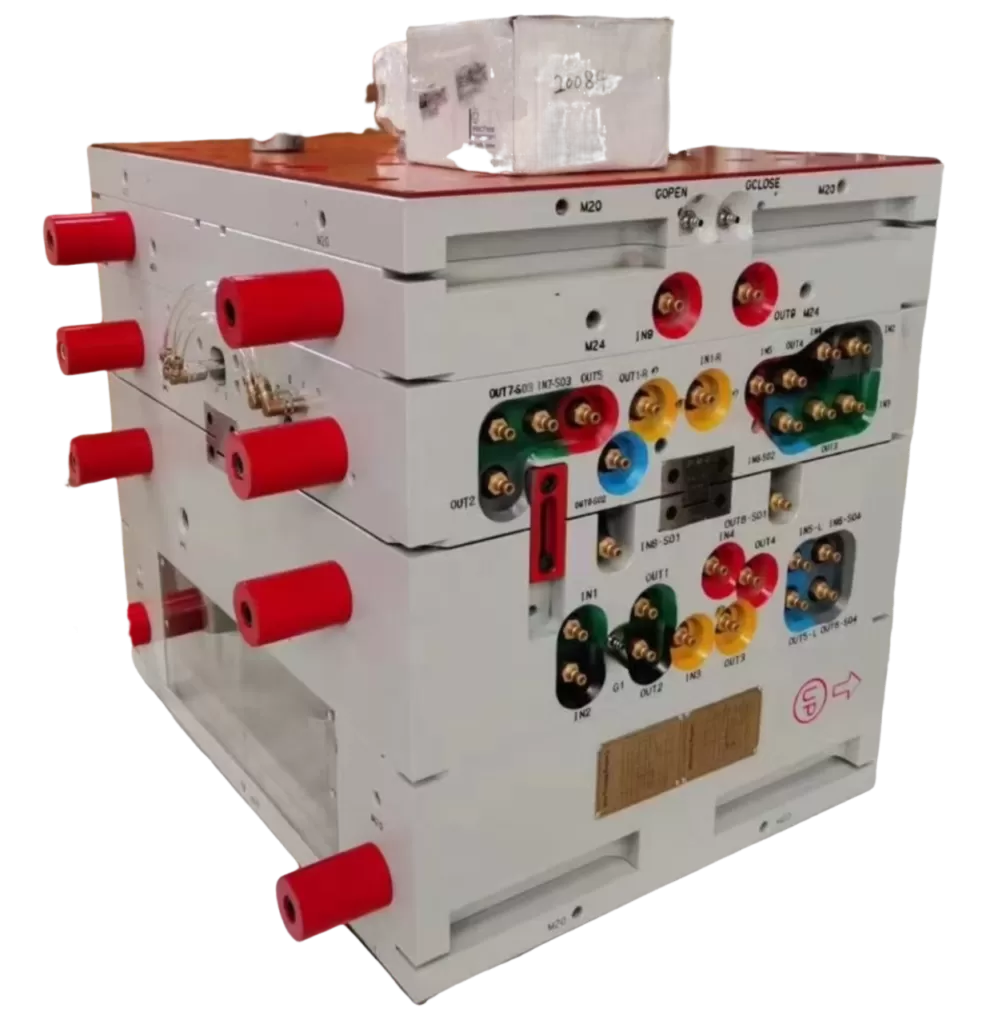
Lo stampaggio a iniezione del TPU è una delle tecniche produttive più efficaci per realizzare su larga scala componenti flessibili, durevoli e resistenti all’usura. Il poliuretano termoplastico (TPU) occupa una posizione unica tra plastiche rigide e gomme morbide, consentendo di combinare elasticità e resistenza strutturale, caratteristica rara in altri materiali. Da custodie per telefoni e cinturini a boccole automotive, tubi medicali e nastri trasportatori industriali, il TPU stampato a iniezione è utilizzato praticamente in ogni grande settore manifatturiero.
Lo stampaggio a iniezione del TPU riscalda e inietta i pellet di TPU negli stampi per creare parti flessibili e resilienti, comunemente utilizzate nel settore calzaturiero, automobilistico ed elettronico.
Questa breve panoramica descrive le fasi fondamentali dello stampaggio a iniezione del TPU, ma padroneggiare le sfumature del processo può migliorare sensibilmente prestazioni del prodotto ed efficienza produttiva. Approfondite come una progettazione accurata dello stampo e l’ottimizzazione del processo possano migliorare i risultati. Per le nozioni fondamentali, consultate il nostro Guida completa allo stampaggio a iniezione.
"Il TPU offre eccellente resistenza all'abrasione e flessibilità."True
Il TPU offre superiore resistenza all'abrasione e flessibilità, ideale per suole e guaine di cavi.
"Lo stampaggio a iniezione del TPU è meno efficiente di altri metodi."False
Lo stampaggio a iniezione del TPU può essere molto efficiente e viene spesso scelto per la sua capacità di produrre pezzi dettagliati e durevoli.
Che cos’è il materiale TPU?
TPU è l’acronimo di gomma elastomerica poliuretanica termoplastica. Non è un tessuto nel senso tradizionale del termine, né tantomeno pelle. Il TPU supera molti dei limiti del PVC, della pelle PU e dei rivestimenti in PU e ha consentito importanti progressi nell’applicazione dei tessuti impermeabili e traspiranti.
Il TPU possiede caratteristiche di gomma e plastica ed eccellenti proprietà fisiche e chimiche. È un polimero ecocompatibile intermedio tra gomma e plastica, con morbidezza della gomma e durezza della plastica rigida.
"Il TPU è flessibile e durevole."True
L'esclusiva composizione del TPU gli consente di mantenere la flessibilità e al tempo stesso di offrire forza e resistenza all'usura, rendendolo ideale per diverse applicazioni.
"Il TPU viene utilizzato soltanto nell'abbigliamento e nelle calzature."False
Il TPU è popolare nell'abbigliamento e nelle calzature, ma le sue applicazioni si estendono all'industria automobilistica, medica ed elettronica grazie alle sue proprietà di adattamento.
Quali sono le caratteristiche di base dei materiali TPU?
Le proprietà fondamentali del TPU costituiscono le principali caratteristiche illustrate in questa sezione. Il TPU offre elevata elasticità, eccellente resistenza all’abrasione e flessibilità a diverse temperature; è quindi ideale per calzature, dispositivi medicali conformi alle norme di biocompatibilità ISO 109931, come tubi e alloggiamenti, e componenti automobilistici destinati ad ambienti difficili.
Ampia gamma di durezza
Modificando il rapporto tra i componenti di reazione del TPU si ottengono prodotti con diversi livelli di durezza Shore2. Anche all’aumentare della durezza, il materiale conserva una buona elasticità e resistenza all’usura. La rigidità del TPU può essere misurata mediante il modulo elastico.
Il modulo elastico della gomma è solitamente pari a 1~10Mpa, quello del TPU a 10~1000Mpa, mentre quello di plastiche quali nylon, ABS, PC, POM ecc. è pari a 1000~10000Mpa.
Eccezionale resistenza al freddo
Il TPU ha una bassa temperatura di transizione vetrosa3 e rimane elastico e flessibile anche a -35 °C. Mantiene la flessibilità in un ampio intervallo, da -40 a 120 °C, senza bisogno di plastificanti.
Resistente all’olio, all’acqua, agli agenti chimici e alla muffa.
Il TPU resiste bene agli oli (minerali, animali, vegetali e lubrificanti) e a molti solventi. La resistenza agli oli del TPU è migliore di quella della gomma nitrilica e ha un’eccellente durata in presenza di oli.
Il suo valore di usura Taber è di 0,5-0,35 mg, il più basso tra le materie plastiche. Con l’aggiunta di MoS2, olio di silicone, grafite, ecc. è possibile ridurre il coefficiente di attrito e migliorare la resistenza all’usura.
Resistenza alla trazione e allungamento: il TPU ha una resistenza alla trazione 2-3 volte superiore a quella della gomma naturale e sintetica. La resistenza alla trazione del TPU poliestere è di quasi 60MPa e l’allungamento è di quasi 410%. La resistenza alla trazione del TPU polietere è di 50MPa e l’allungamento è >30%.
"I materiali TPU migliorano la durata del prodotto negli ambienti gravosi."True
La resistenza del TPU all'abrasione e agli agenti chimici lo rende adatto all'uso in condizioni difficili.
"I materiali TPU sono adatti soltanto alle applicazioni calzaturiere."False
Sebbene siano ampiamente utilizzati nelle calzature, i materiali TPU sono ideali anche per le applicazioni automobilistiche, mediche e industriali, grazie alla loro versatilità e resilienza.
Quali sono le condizioni di processo per il processo di stampaggio a iniezione del Tpu?
Temperatura
Le temperature da controllare nello stampaggio del TPU sono quelle del cilindro, dell’ugello e dello stampo. Le prime due influiscono soprattutto sulla plastificazione e sul flusso del TPU, mentre l’ultima ne condiziona il flusso e il raffreddamento. Per approfondire, consultate la nostra Guida alla progettazione degli stampi a iniezione.
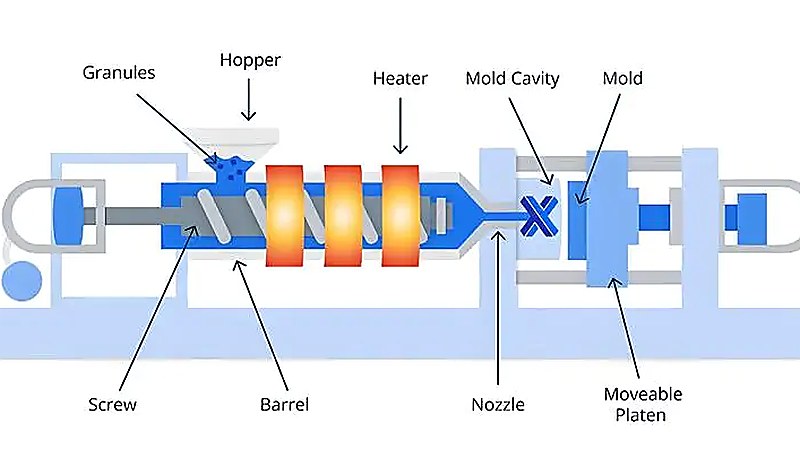
Temperatura del cilindro: la scelta dipende dalla durezza del TPU. I gradi più duri hanno una temperatura di fusione elevata e richiedono una temperatura massima superiore nella zona terminale del cilindro. Per il TPU si usa in genere un intervallo di 177~232 °C. La temperatura aumenta progressivamente dalla tramoggia, sul retro, verso l’ugello, sul davanti, per riscaldare il TPU in modo uniforme e garantire una plastificazione omogenea.
Temperatura dell’ugello: è generalmente leggermente inferiore alla temperatura massima del cilindro, per evitare che il materiale fuso coli da un ugello aperto.
**TemperaturaStampo:**La temperatura dello stampo è molto importante per le prestazioni intrinseche e la qualità estetica dei prodotti in TPU. È determinata da numerosi fattori, come la cristallinità del TPU e le dimensioni del prodotto. La temperatura dello stampo viene solitamente controllata mediante un fluido di raffreddamento a temperatura costante, come l’acqua.
La temperatura dello stampo per i prodotti in TPU è generalmente di 10~60℃. Quando la temperatura dello stampo è bassa, il fuso solidifica prematuramente e genera striature di flusso, ostacolando la crescita degli sferuliti; ne conseguono una bassa cristallinità del prodotto e una cristallizzazione tardiva, che causano post-ritiro e variazioni delle prestazioni del prodotto.
Pressione
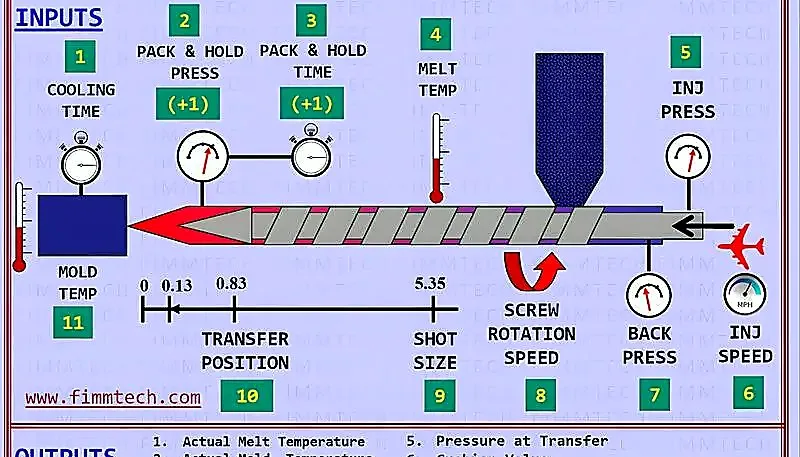
La pressione nel processo di stampaggio a iniezione comprende la pressione di plastificazione (contropressione) e la pressione di iniezione. Quando la vite arretra, la pressione esercitata sul fuso davanti alla vite è la contropressione, regolata mediante la valvola di troppo pieno.
Aumentando la contropressione si aumenta la temperatura di fusione, si riduce la velocità di plastificazione, si rende uniforme la temperatura di fusione, si mescolano uniformemente i coloranti e si scarica il gas di fusione, ma si allunga il ciclo di stampaggio. La contropressione del TPU è solitamente di 0,3~4MPa.
La pressione di iniezione è la pressione esercitata dalla testa della vite sul TPU. Serve a vincere la resistenza al flusso del TPU dal cilindro alla cavità, aumentare la velocità di riempimento con il fuso e compattare il fuso.
In altri termini, la viscosità del fuso è determinata da temperatura e pressione, oltre che dalla durezza del TPU e dalla velocità di deformazione. Maggiore è la velocità di taglio, minore è la viscosità. A velocità di taglio costante, quanto più elevata è la durezza del TPU, tanto maggiore è la viscosità.
A velocità di taglio costante, la viscosità diminuisce all’aumentare della temperatura; tuttavia, ad alte velocità di taglio, la viscosità risente meno della temperatura rispetto alle basse velocità. La pressione di iniezione del TPU è generalmente 20~110MPa.
Tempo
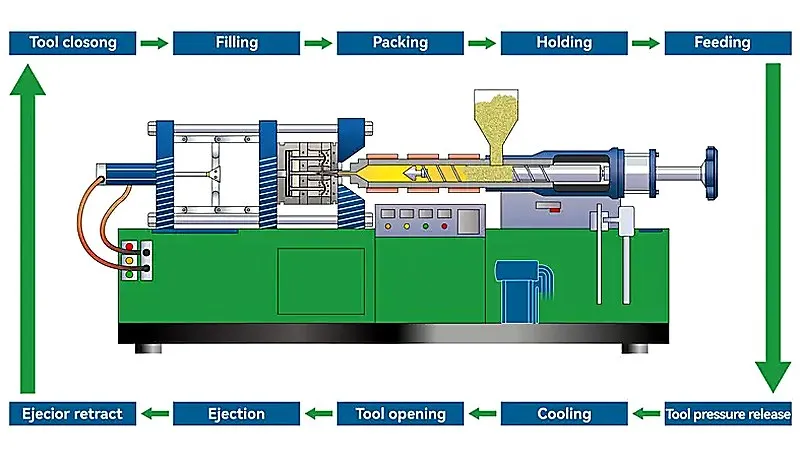
Il tempo necessario per effettuare un’iniezione è chiamato ciclo di stampaggio. Il ciclo di stampaggio comprende il tempo necessario per riempire lo stampo, il tempo necessario per mantenere lo stampo, il tempo necessario per raffreddare lo stampo e altri tempi (come il tempo necessario per aprire lo stampo, estrarre il pezzo dallo stampo e chiudere lo stampo), che incidono sulla quantità di lavoro che è possibile svolgere e sull’utilizzo delle attrezzature.
Il ciclo di stampaggio del TPU dipende in genere dalla durezza del TPU, dallo spessore e dalla forma del pezzo. È breve per TPU duro, lungo per pezzi spessi e per pezzi dalle forme complesse.
Velocità di iniezione
La velocità di iniezione è determinata principalmente dalla configurazione dei prodotti in TPU. I prodotti con facce spesse richiedono velocità di iniezione più basse, mentre quelli con facce sottili richiedono velocità di iniezione più elevate.
Velocità della vite
Quando si lavorano prodotti in TPU, è necessario utilizzare una bassa velocità di taglio, quindi una velocità della vite inferiore. La velocità della vite del TPU è generalmente di 20~80r/min, meglio se 20~40r/min.
Trattamento di spegnimento
Poiché il TPU può degradarsi dopo essere stato esposto a lungo ad alte temperature, dopo lo spegnimento deve essere pulito con PS, PE, plastica acrilica o ABS; se lo spegnimento supera 1 ora, il riscaldamento deve essere spento.
Post-elaborazione del prodotto
Il TPU presenta spesso cristallizzazioni, orientamenti e ritiri non uniformi, dovuti a una plastificazione non uniforme nel cilindro o a diverse velocità di raffreddamento nella cavità dello stampo. Ciò comporta tensioni interne al prodotto, più evidenti nei prodotti a parete spessa o con inserti metallici.
I prodotti con tensioni interne subiscono spesso una riduzione delle proprietà meccaniche durante stoccaggio e uso, striature argentate sulla superficie e persino deformazioni e fessurazioni. Per risolvere questi problemi in produzione occorre ricuocere il prodotto. La temperatura di ricottura dipende dalla durezza del prodotto in TPU.
La temperatura di ricottura dei prodotti di elevata durezza è anch’essa elevata, mentre la temperatura di ricottura dei prodotti di bassa durezza è anch’essa bassa. Una temperatura troppo elevata può causare la deformazione del prodotto, mentre una temperatura troppo bassa non può raggiungere lo scopo di eliminare le tensioni interne.
Riciclaggio dei materiali riciclati
Nel processo di lavorazione del TPU, i materiali di scarto come canali, materozze e parti non specifiche possono essere riciclati e riutilizzati. Dai risultati dei test, i materiali riciclati del 100% senza miscelazione con i nuovi materiali non riducono in modo significativo le proprietà meccaniche e possono essere pienamente utilizzati.
"Condizioni corrette di stampaggio a iniezione del TPU prevengono i difetti nei prodotti finiti."True
Rispettando le impostazioni ideali di temperatura e pressione, si mantengono le proprietà del materiale e si riducono difetti come deformazioni e bolle.
"Per il TPU si può usare qualsiasi temperatura dello stampo senza influire sul risultato."False
Temperature di stampo non corrette possono portare a una cattiva finitura superficiale e a problemi strutturali, sottolineando l'importanza di intervalli di temperatura specifici.
Quali sono le precauzioni nel processo di stampaggio a iniezione dei materiali TPU?
Essiccazione del materiale
Poiché il TPU assorbe facilmente umidità ed è soggetto a idrolisi, un’essiccazione incompleta della materia prima causa facilmente difficoltà di lavorazione.
Se per la colorazione si utilizza polvere di carbonio o masterbatch, questi devono essere miscelati completamente con il colorante naturale del TPU e asciugati insieme. In genere, per asciugare il TPU si usa un essiccatore ad aria circolante o un deumidificatore.
Trattamento dei materiali riciclati
I materiali degli ugelli, i materiali delle lavatrici o i prodotti finali scadenti possono essere frantumati e mescolati con nuovi materiali, ma devono essere nuovamente essiccati prima dell’uso. Per alcuni requisiti fisici meccanici, i materiali riciclati non possono essere utilizzati nei processi di stampaggio a iniezione.
Più di 30% di tutte le materie prime. I materiali riciclati estrusi devono essere lavorati separatamente o aggiunti a nuovi materiali per lo stampaggio a iniezione. Inoltre, i materiali riciclati non devono essere conservati troppo a lungo. Utilizzare piani asciutti. I materiali di scarto che non possono essere riciclati possono essere inceneriti per ottenere calore.
Controllo della velocità e della pressione di iniezione
Velocità e pressione di iniezione determinano la capacità del TPU di fluire e riempire lo stampo. Se sono troppo elevate, il materiale può degradarsi o formare bolle.
Controllo della temperatura dello stampo
Una temperatura dello stampo troppo elevata può tuttavia provocare il surriscaldamento e la decomposizione del materiale oppure la formazione di bolle. Se invece è troppo bassa, può causare segni di flusso freddo o ritiri sulla superficie del prodotto.
Evitare il riscaldamento e la tosatura eccessivi
Un riscaldamento eccessivo e velocità di taglio elevate possono degradare il TPU durante la lavorazione, causando scolorimento, formazione di gas e una perdita permanente delle proprietà meccaniche. Mantenere le temperature del cilindro entro l’intervallo raccomandato per lo specifico grado di TPU ed evitare tempi di permanenza prolungati nel cilindro. Se la macchina rimane inattiva per più di alcuni minuti, ridurre le temperature impostate oppure spurgare il cilindro con un materiale compatibile, come il polietilene, per prevenire la degradazione termica.
Mantenere un ambiente pulito per lo stampaggio a iniezione
La pulizia dell’ambiente di stampaggio a iniezione è molto importante per la qualità dello stampaggio a iniezione dei materiali TPU. Se ci sono impurità e macchie d’olio, possono attaccarsi alla superficie dello stampo o mescolarsi al materiale, causando difetti sulla superficie del prodotto o un degrado delle prestazioni.
"Lo stampaggio a iniezione del TPU richiede un controllo preciso della temperatura."True
La natura termoplastica del TPU richiede una regolazione costante della temperatura per mantenere l'integrità del materiale e prevenire i difetti.
"Tutti i materiali TPU possono essere stampati nelle stesse condizioni."False
Le diverse formulazioni di TPU possono richiedere impostazioni diverse di temperatura, velocità e pressione per ottenere i risultati desiderati, evidenziando la necessità di condizioni di lavorazione personalizzate.
Qual è il flusso di processo dello stampaggio a iniezione del materiale TPU?
Preparazione del materiale
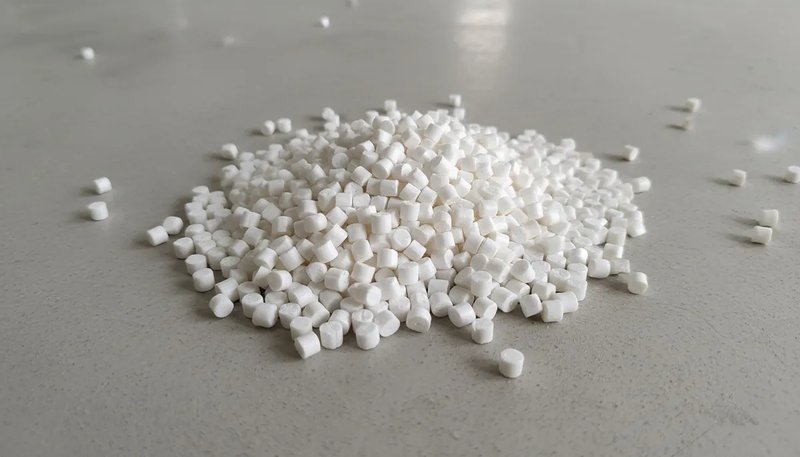
Prima di iniziare lo stampaggio a iniezione dei granuli di TPU, è necessario prepararli. Ciò significa essiccarli, preriscaldarli e mescolarli. L’essiccazione elimina l’umidità presente nel materiale per evitare bolle o crepe durante lo stampaggio a iniezione.
Progettazione di stampi
Quando si progetta uno stampo a iniezione per materiale TPU, è necessario considerare fattori quali la fluidità del materiale, il ritiro e lo stampaggio del prodotto. Una progettazione ragionevole dello stampo può ridurre efficacemente il tasso di difettosità del prodotto e migliorare l’efficienza produttiva.
Selezione della macchina per lo stampaggio a iniezione
Scegliere la giusta macchina per stampaggio a iniezione è fondamentale per garantire la stabilità del processo di stampaggio a iniezione del materiale TPU e la qualità del prodotto.
Impostazione dei parametri del processo di stampaggio a iniezione
L’impostazione dei parametri del processo di stampaggio a iniezione è fondamentale per garantire la qualità dello stampaggio a iniezione del materiale TPU. Questi parametri comprendono la pressione di iniezione, la velocità di iniezione, il tempo di mantenimento, la temperatura dello stampo e così via.
Impostando correttamente i parametri di processo, puoi assicurarti che il materiale TPU scorra e riempia completamente lo stampo durante il processo di stampaggio a iniezione, evitando difetti come bolle e ritiri.
Post-elaborazione del prodotto
Dopo lo stampaggio a iniezione, i prodotti in TPU devono essere sottoposti a post-trattamento per eliminare le tensioni interne, migliorare la stabilità dimensionale e la qualità della superficie. I metodi comuni di post-lavorazione includono il trattamento termico, il raffreddamento e il trattamento superficiale.
Il trattamento termico può eliminare le tensioni interne generate dal prodotto durante il processo di stampaggio a iniezione e migliorarne la stabilità dimensionale. Il raffreddamento aiuta il prodotto a modellarsi rapidamente e a ridurre le deformazioni. Il trattamento superficiale può migliorare l’aspetto e le prestazioni del prodotto.
"Lo stampaggio a iniezione del TPU produce articoli durevoli e flessibili."True
Le proprietà uniche del TPU lo rendono ideale per la produzione di parti che richiedono elasticità e resilienza.
"Il TPU è uguale al TPE nello stampaggio a iniezione."False
Sebbene il TPU e il TPE siano simili per quanto riguarda la flessibilità, si tratta di materiali distinti con composizioni e caratteristiche prestazionali diverse.
Quali sono i difetti del processo di stampaggio a iniezione dei materiali TPU?
Il prodotto presenta crepe
Le crepe sono un problema critico per i prodotti in TPU, di solito appaiono come microfratture sulla superficie del prodotto. Quando il prodotto presenta spigoli e angoli vivi, spesso si crepa in questa parte, il che è molto pericoloso per il prodotto.
Per evitare cricche causate da un cattivo stampaggio, la cavità dello stampo deve avere una pendenza di stampaggio sufficiente e le dimensioni, la posizione e la forma del perno di espulsione devono essere adeguate. Durante l’espulsione, la resistenza allo stampaggio di ogni parte del prodotto deve essere uniforme.
Il sovraccarico si verifica quando si inietta troppa plastica nello stampo. Ciò può essere causato da una pressione di iniezione eccessiva o da una dosatura eccessiva del materiale.
Quando si riempie eccessivamente lo stampo, si sottopongono a maggiori sollecitazioni i componenti dello stampo, rendendo più difficile l’uscita del pezzo dallo stampo e provocando la rottura (o addirittura la frattura) del pezzo. Quando si verifica questo fenomeno, è necessario ridurre la pressione di iniezione per arrestare il riempimento eccessivo.
La sollecitazione interna dovuta al riempimento eccessivo di solito rimane nell’area della porta. L’area vicina al cancello è fragile, in particolare l’area del cancello diretto, e si romperà a causa delle sollecitazioni interne.
Scarsa lucentezza superficiale dei prodotti
Una scarsa lucentezza superficiale è solitamente causata da una lucidatura inadeguata della superficie dello stampo. Quando le condizioni della superficie della cavità dello stampo sono buone, aumentare la temperatura del materiale e dello stampo può migliorare la lucentezza superficiale del prodotto.
Inoltre, se il materiale assorbe umidità o è contaminato da sostanze volatili o da sostanze estranee, può causare una scarsa brillantezza della superficie. Pertanto, è necessario prestare attenzione ai fattori legati allo stampo e ai materiali.
Il prodotto presenta bave
I prodotti in TPU presentano spesso bave. Quando la pressione della materia prima nella cavità dello stampo è troppo elevata, la forza di separazione generata è superiore alla forza di serraggio, costringendo lo stampo ad aprirsi e causando la fuoriuscita della materia prima e la formazione di bave.
Le cause delle bave possono essere molteplici: problemi con le materie prime, problemi con la macchina per lo stampaggio a iniezione, regolazioni errate o addirittura lo stampo stesso. Pertanto, nel determinare la causa delle bave, si procede dal facile al difficile.
Controllare se le materie prime sono accuratamente essiccate, se ci sono oggetti estranei mescolati, se sono mescolati diversi tipi di materie prime e l’influenza della viscosità delle materie prime.
regolare correttamente il sistema di controllo della pressione della pressa ad iniezione e la regolazione della velocità di iniezione deve essere coordinata con la forza di chiusura utilizzata; verificare se alcune parti dello stampo sono usurate, se i fori di scarico sono bloccati e se il design del canale di flusso è ragionevole.
se c’è una deviazione nel parallelismo tra le sagome della macchina di stampaggio a iniezione, se la distribuzione della forza del tirante della sagoma è uniforme e se l’anello di controllo della vite e il cilindro di fusione sono usurati.
Riempimento insufficiente dei prodotti
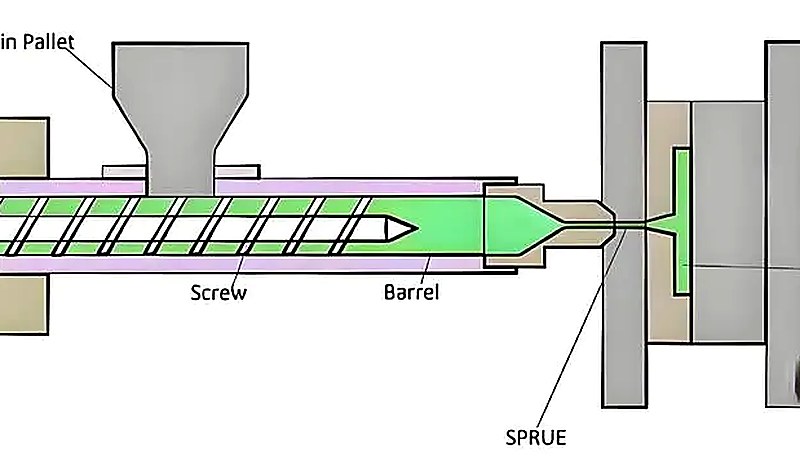
Quando il materiale fuso non scorre in tutti gli angoli dello stampo, si parla di riempimento insufficiente. I motivi possono essere diversi: le condizioni di stampaggio non sono corrette, lo stampo non è stato progettato o realizzato bene, il prodotto ha parti spesse e parti sottili, e così via.
Per risolvere il problema, è possibile aumentare la temperatura del materiale e dello stampo, aumentare la pressione e la velocità di iniezione e migliorare la scorrevolezza del materiale. È anche possibile ingrandire il canale di distribuzione o di flusso, o modificare la posizione, le dimensioni o il numero degli attacchi per migliorare il flusso del materiale.
Deformazione del prodotto
Le ragioni della deformazione dei prodotti stampati a iniezione in TPU sono un tempo di raffreddamento e di formatura troppo breve, una temperatura dello stampo troppo elevata e non uniforme e un sistema di canali di flusso asimmetrico.
Pertanto, quando si progetta lo stampo, cercare di evitare una differenza di spessore troppo grande nella stessa parte in plastica; evitare angoli troppo acuti; evitare una zona cuscinetto troppo corta, in modo che i giri di spessore differiscano notevolmente; inoltre, prestare attenzione a impostare il numero appropriato di eiettori e progettare un canale di flusso di raffreddamento della cavità ragionevole.
"La deformazione è un difetto comune nello stampaggio a iniezione del TPU."True
Le deformazioni si verificano a causa di velocità di raffreddamento non uniformi che provocano tensioni interne, con conseguente distorsione dei pezzi stampati.
"I risucchi sono solo un problema estetico nello stampaggio TPU."False
I segni di affondamento indicano potenziali debolezze strutturali, che influiscono sia sull'aspetto che sull'integrità del prodotto finale.
Se state valutando fornitori di stampaggio a iniezione del TPU per il vostro prossimo progetto, il nostro Guida all’approvvigionamento di fornitori per lo stampaggio a iniezione fornisce un metodo pratico per confrontare capacità, tempi di consegna e prezzi tra i produttori.
- Lo stampaggio a iniezione del TPU richiede un controllo preciso della temperatura: cilindro 190–230°C, stampo 10–60°C, adattato al grado di durezza Shore.
- Un'essiccazione corretta (80–110°C per 2–3 ore) è essenziale — l'umidità residua provoca striature argentee e un degrado delle proprietà meccaniche.
- La pressione e la velocità di iniezione devono corrispondere alla durezza del TPU: i gradi più duri richiedono pressione più alta, i gradi più morbidi richiedono un riempimento più rapido.
- Difetti comuni come deformazioni, mancati riempimenti e impronte di ritiro sono prevenibili ottimizzando il tempo di raffreddamento, la temperatura dello stampo e la pressione di mantenimento.
- La combinazione del TPU di flessibilità, resistenza all'abrasione e intervallo termico (−40 to 120°C) è essenziale per calzature, automotive e medicale.
Quali sono le domande frequenti sullo stampaggio a iniezione del TPU?
A quale temperatura deve essere stampato a iniezione il TPU?
Il TPU viene generalmente stampato a iniezione con temperature del cilindro di 190–230°C e temperature dello stampo mantenute tra 10–60°C, sebbene le impostazioni esatte dipendano fortemente dal grado di durezza Shore dello specifico TPU lavorato. I gradi di TPU più duri richiedono temperature del cilindro più elevate per ottenere un corretto flusso del fuso, mentre i gradi più morbidi vengono lavorati efficacemente a temperature inferiori. La temperatura dell’ugello deve generalmente essere impostata leggermente al di sotto della temperatura massima del cilindro per evitare colature premature. Consultare sempre la scheda tecnica del produttore per le finestre di processo specifiche del grado.
Il TPU deve essere essiccato prima dello stampaggio a iniezione?
Sì, il TPU deve essere accuratamente essiccato prima dello stampaggio a iniezione per prevenire difetti superficiali e garantire prestazioni meccaniche uniformi nei pezzi finiti. Le condizioni di essiccazione consigliate sono 80–110°C per 2–3 ore utilizzando un essiccatore a tramoggia deumidificante, portando il contenuto di umidità al di sotto dello 0,11% in peso. Un’umidità residua superiore a questa soglia provoca striature argentee, bolle superficiali e un significativo degrado delle proprietà meccaniche, inclusa una ridotta resistenza a trazione ed elongazione a rottura. I TPU a base di estere tendono ad assorbire più umidità rispetto ai gradi a base di etere e potrebbero richiedere cicli di essiccazione prolungati. Verificare sempre l’essiccazione con un analizzatore di umidità prima di caricare il materiale nella tramoggia.
Qual è la differenza tra TPU a base esterea e a base eterica per lo stampaggio a iniezione?
Il TPU a base esterea offre una resistenza meccanica superiore, una maggiore resistenza all’abrasione e agli oli, rendendolo la scelta preferita per applicazioni gravose come cinghie trasportatrici industriali, guarnizioni idrauliche e suole di scarpe sportive. Tuttavia, i gradi a base esterea sono più suscettibili all’idrolisi in ambienti umidi o bagnati nel tempo. Il TPU a base eterica offre un’eccellente resistenza all’idrolisi, una migliore flessibilità a basse temperature fino a −40°C e una resistenza microbica intrinseca, il che lo rende la scelta standard per tubazioni mediche, guaine per cavi esterne e attrezzature per sport acquatici. Entrambi i tipi si processano in modo simile su macchine standard per stampaggio a iniezione, ma i requisiti di essiccazione e i profili di temperatura di fusione ottimali possono differire tra i gradi.
Cosa causa l’imbarcamento nelle parti stampate a iniezione in TPU?
L’imbarcamento nelle parti stampate a iniezione in TPU è causato principalmente dal raffreddamento non uniforme della parte, dal tempo di raffreddamento insufficiente prima dell’espulsione o dalle temperature della superficie dello stampo incoerenti tra le due metà del nucleo e della cavità. Ulteriori fattori contribuenti includono una pressione di iniezione eccessiva combinata con una bassa temperatura dello stampo e geometrie della parte con variazioni significative dello spessore della parete. Le contromisure più efficaci sono prolungare il ciclo di raffreddamento, garantire una temperatura uniforme dello stampo attraverso un progetto bilanciato dei canali di raffreddamento e ridurre la differenza di temperatura tra nucleo e cavità entro 5°C.
Il TPU può essere sovrastampato su altri materiali?
Sì, il TPU è uno dei materiali più comunemente sovrastampati e si lega bene a substrati come ABS, PC, PA e inserti metallici quando si rispettano le condizioni di processo appropriate. La sovrastampa di successo richiede una temperatura di fusione adeguata per il legame chimico, superfici del substrato pulite e una chimica del materiale compatibile tra il TPU e il substrato. La stampa a due componenti è il metodo di produzione più efficiente, ampiamente utilizzato per le impugnature di dispositivi elettronici di consumo, i manici di utensili elettrici e i componenti interni automobilistici dove è necessaria una superficie soft-touch su una struttura rigida.
Secondo la nostra esperienza, il nostro team osserva che i difetti del TPU aumentano rapidamente quando l'essiccazione, il calore della canna o la velocità di taglio escono da una finestra di processo stabile. Nella nostra fabbrica, lavoriamo oltre 400 materiali su 47 macchine per stampaggio a iniezione da 90T a 1850T. Per le prove su TPU, di solito iniziamo con una contropressione da 0,3MPa a 4,0MPa, una pressione di iniezione da 20,0MPa a 110,0MPa e una velocità della vite da 20,0r/min a 80,0r/min, quindi regoliamo in base alla durezza e allo spessore della parete.
Come si può padroneggiare lo stampaggio a iniezione del TPU per prodotti migliori?
Il processo di stampaggio a iniezione dei materiali TPU è una tecnologia complessa e delicata che richiede una considerazione completa di molteplici fattori come le proprietà del materiale, il design dello stampo, la selezione della macchina per stampaggio a iniezione e l’impostazione dei parametri di processo.
Controllando accuratamente i collegamenti chiave e i punti tecnici del processo di stampaggio a iniezione, possiamo produrre prodotti in TPU di alta qualità e precisione. In futuro, con il continuo miglioramento delle prestazioni del materiale TPU e la continua innovazione della tecnologia di stampaggio a iniezione, abbiamo motivo di credere che la tecnologia di stampaggio a iniezione del materiale TPU sarà ampiamente utilizzata in più campi e promuoverà lo sviluppo sostenibile delle industrie correlate.
biocompatibilità ISO 10993: insieme di norme per valutare la biocompatibilità dei dispositivi medici, pertinenti per i gradi di TPU medicale impiegati in tubi e alloggiamenti. ↩
durezza Shore: misura standard espressa nella scala Shore A (0–100) per elastomeri morbidi come il TPU e nella scala Shore D per plastiche più dure. ↩
temperatura di transizione vetrosa del TPU: temperatura alla quale il TPU passa da uno stato rigido a uno gommoso, generalmente compresa tra −40 °C e −20 °C per i gradi a base etere. ↩