Литье TPU под давлением — один из наиболее ценных производственных методов для массового изготовления гибких, долговечных и износостойких деталей. Термопластичный полиуретан (TPU) занимает уникальное положение между жесткими пластиками и мягкими резинами, позволяя инженерам создавать детали, сочетающие эластичность с конструкционной прочностью, — свойство, доступное немногим другим материалам. Литье TPU под давлением применяется практически во всех крупных производственных отраслях: от чехлов для телефонов и ремешков для часов до автомобильных втулок, медицинских трубок и промышленных конвейерных лент.
Литье ТПУ под давлением нагревает и впрыскивает гранулы ТПУ в формы для создания гибких, упругих деталей, обычно используемых в обуви, автомобилестроении и электронике.
В этом кратком обзоре изложены основные этапы литья TPU под давлением, однако знание тонкостей процесса может существенно повысить эксплуатационные характеристики изделия и эффективность производства. Узнайте подробнее, как точное проектирование пресс-формы и оптимизация процесса помогают улучшить результат. Базовые сведения приведены в нашем Полном руководстве по литью под давлением.
"TPU обладает высокой стойкостью к истиранию и гибкостью."True
TPU широко известен превосходной стойкостью к истиранию и гибкостью, поэтому он идеально подходит для требовательных применений, например подошв обуви и оболочек кабелей.
"Литьё TPU под давлением менее эффективно, чем другие методы."False
Литье TPU под давлением может быть высокоэффективным и часто выбирается за его способность производить детализированные и прочные детали.
Что такое материал TPU?
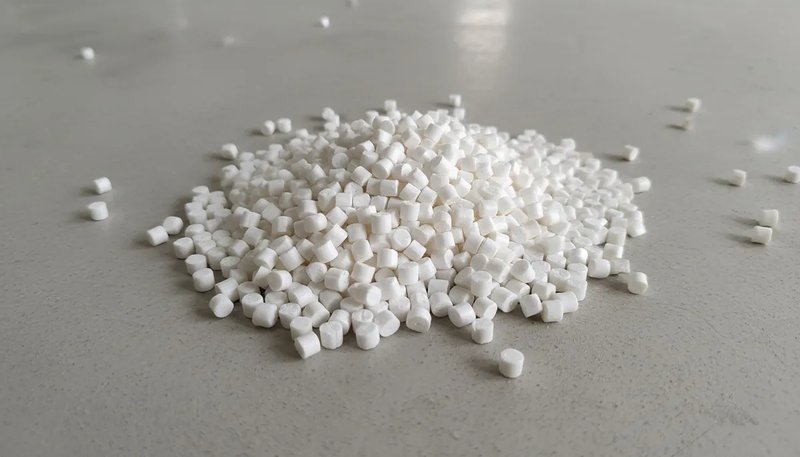
TPU означает термопластичный полиуретановый эластомер. Это не текстиль в традиционном смысле и тем более не кожа. TPU устраняет многие недостатки PVC, искусственной кожи PU и покрытия PU и обеспечил значительный прогресс в применении водонепроницаемых дышащих тканей.
TPU сочетает большинство свойств резины и обычных пластиков с высокими комплексными физико-химическими характеристиками. Это новый экологичный полимерный материал между резиной и пластиком, сочетающий мягкость резины с твердостью жесткого пластика.
«TPU одновременно гибок и долговечен».True
Уникальный состав TPU позволяет ему сохранять гибкость, обеспечивая прочность и устойчивость к износу, что делает его идеальным для различных применений.
"TPU используется только в одежде и обуви."False
Хотя TPU популярен в производстве одежды и обуви, благодаря своим адаптивным свойствам он находит применение в автомобильной, медицинской и электронной промышленности.
Каковы основные характеристики материалов TPU?
В этом разделе рассмотрены основные характеристики и разновидности материалов TPU. Они обладают высокой эластичностью, превосходной стойкостью к истиранию и сохраняют гибкость в широком диапазоне температур, поэтому подходят для обуви, медицинских изделий (включая трубки и корпуса, соответствующие требованиям биосовместимости ISO 109931) и автомобильных деталей, работающих в тяжёлых условиях.
Широкий диапазон твердости
Изменяя соотношение реакционных компонентов TPU, можно получать изделия с разной твёрдостью по Шору2. При повышении твёрдости изделия сохраняют хорошую эластичность и износостойкость. Жёсткость TPU можно оценить по модулю упругости.
Модуль упругости резины обычно составляет 1~10Mpa, TPU — 10~1000Mpa, а пластмасс, таких как нейлон, ABS, PC, POM и др., — 1000~10000Mpa.
Выдающаяся холодостойкость
TPU имеет низкую температуру стеклования TPU3 и сохраняет эластичность и гибкость даже при −35 °C. Без применения пластификаторов он остаётся гибким в широком диапазоне температур от −40 до 120 °C.
Маслостойкий, водостойкий, химически стойкий и устойчивый к плесени.
TPU хорошо противостоит маслам (минеральным, животным, растительным и смазочным) и многим растворителям. Маслостойкость TPU выше, чем у нитрильного каучука, а срок службы в масляной среде превосходен.
Значение износа по Таберу составляет 0,5-0,35 мг, что является наименьшим показателем среди пластмасс. При добавлении MoS2, графита силиконового масла и т.д. коэффициент трения может быть снижен, а износостойкость улучшена.
Прочность при растяжении и удлинение: прочность TPU при растяжении в 2-3 раза выше, чем у натурального и синтетического каучука. Прочность TPU на основе сложного полиэфира при растяжении составляет почти 60MPa, а удлинение — почти 410%. Прочность TPU на основе простого полиэфира составляет 50MPa, а удлинение — >30%.
"Материалы TPU повышают долговечность изделий в суровых условиях эксплуатации."True
Устойчивость TPU к истиранию и химическим веществам позволяет использовать его в сложных условиях.
"Материалы TPU подходят только для производства обуви."False
Несмотря на широкое применение в обуви, материалы TPU также идеально подходят для автомобильной, медицинской и промышленной промышленности благодаря своей универсальности и эластичности.
Каковы технологические условия для процесса литья под давлением Tpu?
Температура
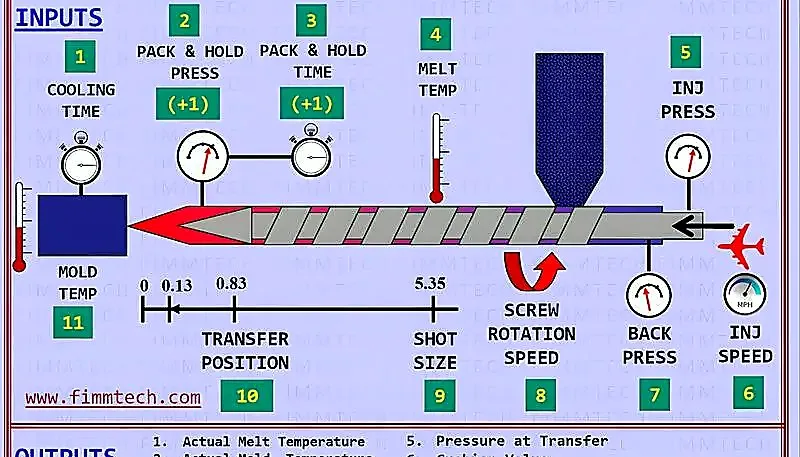
При литье TPU необходимо контролировать температуру цилиндра, сопла и пресс-формы. Первые два параметра в основном влияют на пластификацию и течение TPU, а последний — на его течение и охлаждение. Подробнее см. в нашем Руководстве по проектированию пресс-форм.
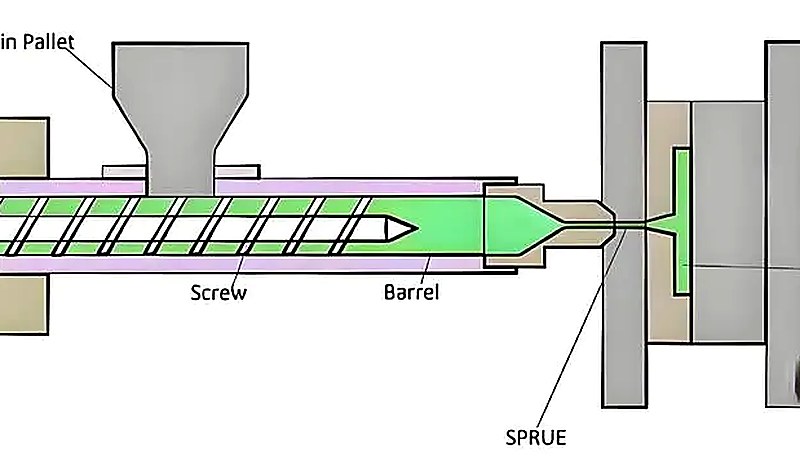
Температура цилиндра: её выбирают с учётом твёрдости TPU. Чем выше твёрдость TPU, тем выше температура плавления и максимально допустимая температура в конце цилиндра. Для переработки TPU используют диапазон 177–232 °C. Температура цилиндра обычно постепенно повышается от стороны бункера (заднего конца) к соплу (переднему концу), чтобы TPU нагревался равномерно и достигалась однородная пластификация.
Температура сопла: обычно она немного ниже максимальной температуры цилиндра, чтобы расплав не вытекал из прямоточного сопла.
**Температура пресс-формы:**Температура пресс-формы имеет большое значение для внутренних эксплуатационных свойств и качества внешнего вида изделий из TPU. Она определяется множеством факторов, включая степень кристалличности TPU и размеры изделия. Температуру пресс-формы обычно регулируют с помощью охлаждающей среды постоянной температуры, например воды.
Температура формы для TPU обычно 10~60℃. При низкой температуре расплав преждевременно замерзает и образует следы течения, рост сферолитов затрудняется, кристалличность изделия снижается и происходит поздняя кристаллизация, вызывая послеусадку и изменение характеристик.
Давление
Давление в процессе литья под давлением включает давление пластикации (противодавление) и давление впрыска. Когда шнек отходит назад, давление на расплав перед ним является противодавлением, которое регулируется переливным клапаном.
Увеличение противодавления повышает температуру расплава, снижает скорость пластификации, делает температуру расплава однородной, равномерно перемешивает красители и выпускает газ из расплава, но при этом увеличивает цикл формования. Противодавление для ТПУ обычно составляет 0,3~4 МПа.
Давление впрыска — давление, прикладываемое вершиной шнека к TPU. Оно преодолевает сопротивление течению TPU от цилиндра к полости, повышает скорость заполнения расплавом и уплотняет его.
Иными словами, вязкость расплава определяется температурой и давлением, а также твёрдостью TPU и скоростью деформации. Чем выше скорость сдвига, тем ниже вязкость. При неизменной скорости сдвига вязкость возрастает с увеличением твёрдости TPU.
При постоянной скорости сдвига вязкость снижается с ростом температуры, однако при высоких скоростях сдвига температура влияет на вязкость меньше, чем при низких. Давление впрыска TPU обычно составляет 20~110MPa.
Время
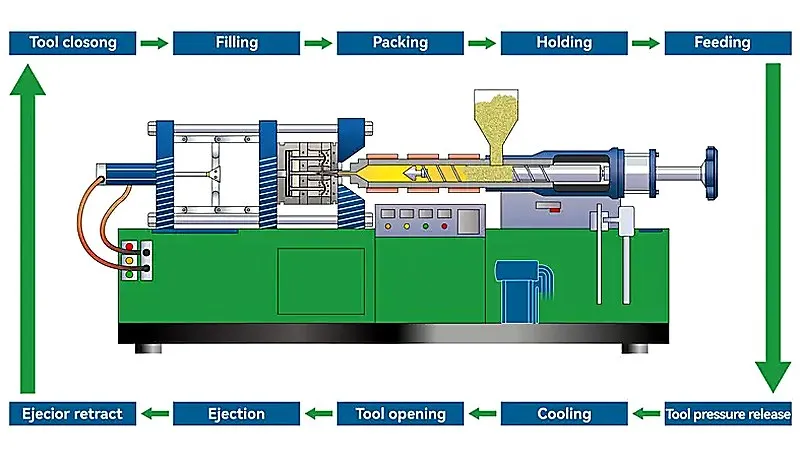
Время, необходимое для выполнения впрыска, называется циклом литья. Цикл литья включает в себя время, необходимое для заполнения формы, время, необходимое для удержания формы, время, необходимое для охлаждения формы, и другое время (например, время, необходимое для открытия формы, извлечения детали из формы и закрытия формы), которое влияет на то, сколько работы вы можете выполнить и как часто вы можете использовать свое оборудование.
Цикл литья TPU обычно определяется твердостью TPU, толщиной и формой детали. Для жесткого TPU цикл короткий, для толстых деталей — длительный, как и для деталей со сложной геометрией.
Скорость впрыска
Скорость впрыска в основном определяется конфигурацией изделий из ТПУ. Изделия с толстыми торцами требуют меньшей скорости впрыска, а изделия с тонкими торцами - большей скорости впрыска.
Скорость вращения винта
При обработке изделий из ТПУ необходимо использовать низкую скорость сдвига, поэтому скорость вращения шнека должна быть ниже. Скорость шнека для ТПУ обычно составляет 20~80 об/мин, а лучше 20~40 об/мин.
Лечение отключения
Поскольку ТПУ может разрушаться после длительного воздействия высокой температуры, после выключения его следует очистить с помощью PS, PE, акриловых пластиков или ABS; если выдержка превышает 1 час, нагрев следует отключить.
Постобработка продукции
ТПУ часто имеет неравномерную кристаллизацию, ориентацию и усадку из-за неравномерной пластификации в стволе или разной скорости охлаждения в полости пресс-формы. Это приводит к возникновению внутренних напряжений в изделии, которые более заметны в толстостенных изделиях или изделиях с металлическими вставками.
У изделий с внутренними напряжениями при хранении и эксплуатации часто снижаются механические свойства, на поверхности появляются серебристые разводы, возможны даже деформация и растрескивание. Для устранения этих проблем на производстве изделие подвергают отжигу. Температура отжига зависит от твердости изделия из TPU.
Температура отжига изделий с высокой твердостью также высока, а температура отжига изделий с низкой твердостью также низка. Слишком высокая температура может привести к короблению или деформации изделия, а слишком низкая температура не позволяет достичь цели устранения внутреннего напряжения.
Переработка вторичного сырья
В процессе переработки ТПУ отходы, такие как бегунки, литники и нестандартные детали, могут быть переработаны и использованы повторно. По результатам испытаний, вторичные материалы 100% без смешивания с новыми материалами не сильно снижают механические свойства и могут быть полностью использованы.
"Правильные условия литья TPU под давлением предотвращают дефекты готовых изделий."True
Соблюдение идеальных параметров температуры и давления позволяет сохранить свойства материала и уменьшить такие дефекты, как коробление и пузыри.
"Для TPU можно использовать любую температуру формы без влияния на результат."False
Неправильная температура пресс-формы может привести к плохой обработке поверхности и структурным проблемам, что подчеркивает важность соблюдения определенных температурных режимов.
Каковы меры предосторожности в процессе литья под давлением материалов из ТПУ?
Сушка материалов
Поскольку TPU легко поглощает влагу и подвержен гидролизу, недостаточная сушка сырья TPU неизбежно приводит к трудностям при переработке.
Если для окрашивания используется углеродный порошок или мастербатч, его необходимо тщательно смешать с натуральным TPU и сушить вместе с ним. Обычно для сушки TPU применяют сушилку с циркуляцией воздуха или осушительную сушилку.
Переработка вторичного сырья
Материалы для форсунок, стиральных машин или плохие конечные продукты можно измельчить и смешать с новыми материалами, но перед использованием их необходимо снова высушить. По некоторым механическим физическим требованиям переработанные материалы не могут быть использованы в процессах литья под давлением.
Более 30% всего сырья. Экструдированные вторичные материалы должны перерабатываться отдельно или добавляться в новые материалы для литья под давлением. Также не следует хранить переработанные материалы слишком долго. Используйте сухие столешницы. Отходы, которые не могут быть переработаны, можно сжигать для получения тепла.
Управление скоростью и давлением впрыска
Скорость и давление впрыска определяют, насколько хорошо материал TPU течет и заполняет пресс-форму. При чрезмерных скорости и давлении материал может разрушаться или образовывать пузырьки.
Контроль температуры в пресс-форме
Но слишком высокая температура формы может перегреть материал, вызвать разложение или пузыри. Слишком низкая — холодные следы течения или усадки на поверхности изделия.
Избегайте чрезмерного нагрева и стрижки
Чрезмерный нагрев и высокая скорость сдвига могут вызвать деструкцию TPU в процессе переработки, приводя к изменению цвета, газообразованию и необратимой потере механических свойств. Поддерживайте температуру цилиндра в рекомендуемом диапазоне для конкретной марки TPU и не допускайте длительного пребывания материала в цилиндре. Если машина будет простаивать более нескольких минут, снизьте заданные температуры или очистите цилиндр совместимым материалом, например полиэтиленом, чтобы предотвратить термическую деструкцию.
Поддерживайте чистоту среды для литья под давлением
Чистота среды литья под давлением очень важна для качества литья материалов TPU. При наличии загрязнений и масляных пятен они могут прилипнуть к поверхности пресс-формы или смешаться с материалом, что приведет к появлению дефектов на поверхности изделия или ухудшению его характеристик.
"Литьё TPU под давлением требует точного управления температурой."True
Термопластичная природа TPU требует постоянного регулирования температуры для сохранения целостности материала и предотвращения дефектов.
"Все материалы TPU можно формовать при одинаковых условиях."False
Различные составы ТПУ могут требовать различных настроек температуры, скорости и давления для достижения желаемых результатов, что подчеркивает необходимость создания индивидуальных условий обработки.
Каков технологический процесс литья под давлением материала TPU?
Подготовка материалов
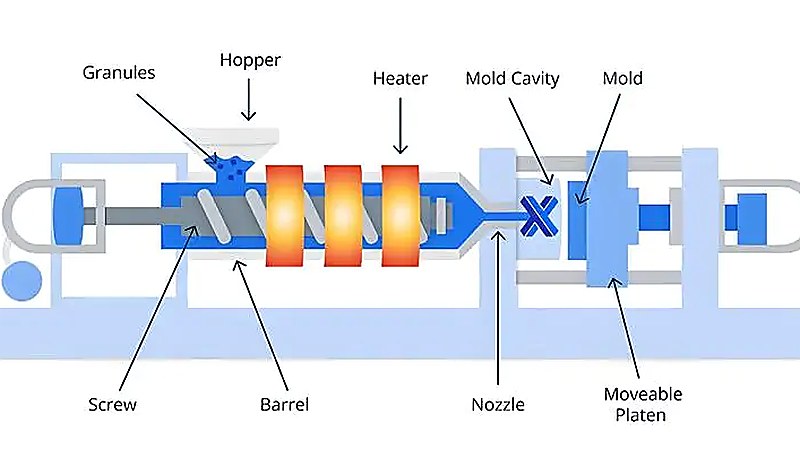
Перед началом литья гранул tpu под давлением их необходимо подготовить: высушить, предварительно нагреть и смешать. Сушка удаляет влагу из материала, предотвращая образование пузырей и трещин при литье под давлением.
Дизайн пресс-формы
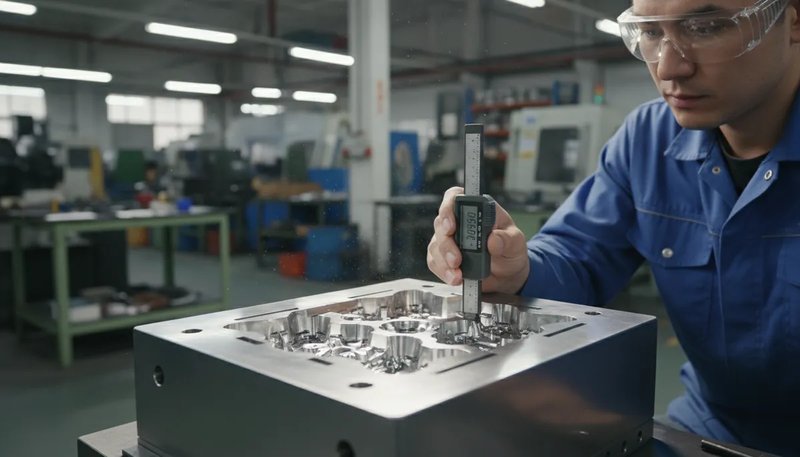
При разработке пресс-формы для литья материала TPU под давлением необходимо учитывать такие факторы, как текучесть материала, усадка и распалубка изделия. Разумная конструкция пресс-формы может эффективно снизить количество брака в изделии и повысить эффективность производства.
Выбор машины для литья под давлением
Правильный выбор термопластавтомата имеет ключевое значение для стабильности процесса литья TPU под давлением и качества изделия.
Настройка параметров процесса литья под давлением
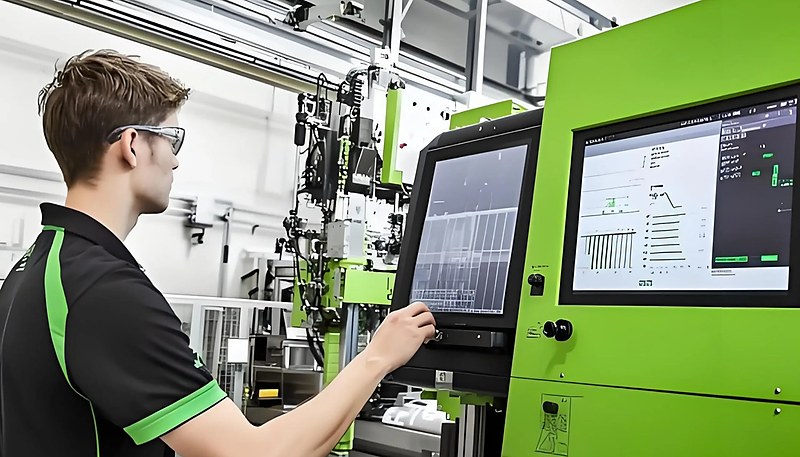
Настройка параметров процесса литья под давлением имеет решающее значение для обеспечения качества литья материала TPU под давлением. К таким параметрам относятся давление впрыска, скорость впрыска, время выдержки, температура пресс-формы и т. д.
Правильно настроив параметры процесса, можно обеспечить полное течение TPU и заполнение пресс-формы при литье под давлением, избежав таких дефектов, как пузыри и усадочные раковины.
Постобработка продукции
После литья под давлением изделия из ТПУ нуждаются в последующей обработке для устранения внутренних напряжений, улучшения стабильности размеров и качества поверхности. К распространенным методам последующей обработки относятся термообработка, охлаждение и обработка поверхности.
Термическая обработка позволяет устранить внутреннее напряжение, возникающее в изделии в процессе литья под давлением, и улучшить стабильность его размеров. Охлаждение помогает изделию быстро принять нужную форму и уменьшить деформацию. Обработка поверхности позволяет улучшить внешний вид и эксплуатационные характеристики изделия.
«Литье TPU под давлением позволяет получать долговечные и гибкие изделия».True
Уникальные свойства TPU делают его идеальным для производства деталей, требующих эластичности и упругости.
"TPU при литье под давлением — то же самое, что TPE."False
Несмотря на схожесть гибкости TPU и TPE, это разные материалы, отличающиеся составом и эксплуатационными характеристиками.
Какие дефекты существуют в процессе литья под давлением материалов из ТПУ?
Изделие имеет трещины
Трещины критичны для изделий из TPU и обычно проявляются как волосяные трещины на поверхности. При наличии острых кромок и углов изделие часто растрескивается именно в этих местах, что создает серьезный риск его разрушения.
Чтобы избежать трещин, вызванных некачественной формовкой, полость формы должна иметь достаточный уклон для формовки, а размер, положение и форма выталкивающего штифта должны быть соответствующими. При выталкивании сопротивление распалубке каждой части изделия должно быть одинаковым.
Переполнение возникает при подаче в форму слишком большого количества пластика. Причиной может быть чрезмерное давление впрыска или избыточная дозировка материала.
При переполнении формы увеличивается нагрузка на компоненты формы, что затрудняет извлечение детали из формы и приводит к растрескиванию (или даже поломке) детали. Когда вы видите, что это происходит, вам нужно уменьшить давление впрыска, чтобы остановить переполнение.
Внутреннее напряжение от переполнения обычно остается в области затвора. Область вблизи затвора является хрупкой, особенно область прямого затвора, и она сломается из-за внутреннего напряжения.
Плохой блеск поверхности изделий
Недостаточный блеск поверхности обычно вызван плохой полировкой поверхности пресс-формы. Если поверхность полости пресс-формы находится в хорошем состоянии, повышение температуры материала и пресс-формы может улучшить блеск поверхности изделия.
Кроме того, если материал впитывает влагу или загрязнен летучими веществами или посторонними примесями, это может привести к ухудшению блеска поверхности. Поэтому следует обращать внимание на факторы, связанные с формой и материалами.
Изделие имеет заусенцы
На изделиях из ТПУ часто образуются заусенцы. Когда давление сырья в полости формы слишком велико, возникающее усилие разделения превышает усилие смыкания, заставляя форму открыться, что приводит к переливу сырья и образованию заусенцев.
Существует множество причин появления заусенцев, например, проблемы с сырьем, проблемы с термопластавтоматом, неправильная настройка или даже сама пресс-форма. Поэтому, определяя причину заусенцев, действуйте от легкого к сложному.
Проверьте, тщательно ли высушено сырье, нет ли в нем посторонних предметов, смешиваются ли разные виды сырья, влияет ли вязкость сырья.
правильно отрегулируйте систему управления давлением термопластавтомата, а регулировка скорости впрыска должна быть согласована с используемым усилием смыкания; не изношены ли некоторые части пресс-формы, не заблокированы ли выпускные отверстия, разумна ли конструкция проточного канала.
есть ли отклонения в параллельности между шаблонами термопластавтомата, равномерно ли распределяется усилие на тяге шаблона, не изношены ли контрольное кольцо шнека и бочка расплава.
Недостаточное наполнение продуктов
Когда расплавленный материал не проходит через все углы формы, это называется недостаточным заполнением. Это происходит по нескольким причинам: условия формовки не соответствуют требованиям, форма плохо спроектирована или изготовлена, изделие имеет толстые и тонкие части и т.д.
Чтобы устранить проблему, можно повысить температуру материала и пресс-формы, увеличить давление и скорость впрыска, а также улучшить текучесть материала. Кроме того, можно увеличить литник или канал течения либо изменить положение, размер или количество впусков, чтобы улучшить течение материала.
Искривление и деформация изделий
Причинами коробления и деформации литьевых изделий из ТПУ являются слишком короткое время охлаждения и формования, слишком высокая и неравномерная температура формы, а также асимметричная система каналов потока.
Поэтому при проектировании пресс-формы старайтесь избегать слишком большой разницы в толщине одной и той же пластиковой детали; избегайте чрезмерно острых углов; избегайте слишком короткой буферной зоны, чтобы толщина сильно отличалась; кроме того, обратите внимание на установку соответствующего количества выталкивателей и проектирование разумного канала охлаждения полости.
"Коробление — распространенный дефект литья TPU под давлением."True
Коробление происходит из-за неравномерной скорости охлаждения, которая вызывает внутренние напряжения, приводящие к деформации формованных деталей.
«Утяжины при литье TPU — только косметический дефект».False
Следы от раковин указывают на потенциальные недостатки конструкции, влияющие как на внешний вид, так и на целостность конечного продукта.
Если вы оцениваете поставщиков услуг литья TPU под давлением для следующего проекта, наше Руководство по поиску поставщика литья под давлением предлагает практическую схему сравнения производственных возможностей, сроков и цен разных изготовителей.
- Литье TPU под давлением требует точного контроля температуры: цилиндр 190–230°C, пресс-форма 10–60°C, с корректировкой по показателю твердости Shore.
- Надлежащая сушка (80–110°C в течение 2–3 часов) обязательна: остаточная влага вызывает серебристые полосы и ухудшение механических свойств.
- Давление и скорость впрыска должны соответствовать твердости TPU: более твердые марки требуют более высокого давления, а мягкие — более быстрого заполнения.
- Типичные дефекты, включая коробление, недолив и утяжины, можно предотвратить оптимизацией времени охлаждения, температуры пресс-формы и давления выдержки.
- Уникальное сочетание гибкости, износостойкости и диапазона температур −40–120°C делает TPU незаменимым для обуви, автомобилей и медицинских изделий.
Какие вопросы часто задают о литье TPU под давлением?
При какой температуре следует лить TPU под давлением?
TPU обычно перерабатывают литьём под давлением при температуре цилиндра 190–230°C и температуре пресс-формы 10–60°C, хотя точные настройки существенно зависят от твёрдости по Шору конкретной марки TPU. Для более твёрдых марок TPU требуется повышенная температура цилиндра, обеспечивающая надлежащее течение расплава, тогда как мягкие марки эффективно перерабатываются при более низких температурах. Температуру сопла обычно следует устанавливать немного ниже максимальной температуры цилиндра, чтобы предотвратить преждевременное вытекание расплава. Всегда сверяйтесь с техническим паспортом производителя, где указано технологическое окно конкретной марки.
Нужно ли сушить TPU перед литьём под давлением?
Да, TPU необходимо тщательно сушить перед литьём, чтобы исключить дефекты поверхности и обеспечить стабильные механические свойства деталей. Рекомендуемый режим — 80–110°C в течение 2–3 hours в осушающем бункере до влажности ниже 0.1% по массе. Остаточная влага выше порога вызывает серебристые разводы, пузыри и заметное ухудшение свойств, включая прочность при растяжении и удлинение при разрыве. TPU на основе сложных полиэфиров обычно поглощают больше влаги, чем марки на основе простых полиэфиров, и могут требовать более длительной сушки. Перед загрузкой в бункер всегда проверяйте влажность анализатором.
Чем отличаются TPU на основе сложного полиэфира и TPU на основе простого полиэфира при литье под давлением?
TPU на основе сложных эфиров обладает повышенной механической прочностью, стойкостью к истиранию и маслам, поэтому его предпочитают для тяжелых условий эксплуатации, включая промышленные конвейерные ленты, гидравлические уплотнения и подошвы спортивной обуви. Однако марки на основе сложных эфиров со временем сильнее подвержены гидролизу во влажной или мокрой среде. TPU на основе простых эфиров отличается высокой стойкостью к гидролизу, лучшей низкотемпературной гибкостью вплоть до −40°C и собственной устойчивостью к микроорганизмам, благодаря чему является стандартным выбором для медицинских трубок, наружных оболочек кабелей и снаряжения для водных видов спорта. Оба типа перерабатываются сходным образом на стандартных литьевых машинах, но требования к сушке и оптимальные температурные профили расплава могут различаться в зависимости от марки.
Что вызывает коробление деталей TPU при литье под давлением?
Коробление деталей из TPU при литье под давлением главным образом вызывают неравномерное охлаждение детали, недостаточное время охлаждения до выталкивания или различие температур поверхностей матрицы и пуансона. Дополнительные факторы — чрезмерное давление впрыска при низкой температуре формы и геометрия детали с существенными перепадами толщины стенки. Наиболее эффективные меры: увеличить цикл охлаждения, обеспечить равномерную температуру формы сбалансированной схемой охлаждающих каналов и сократить разность температур матрицы и пуансона до 5°C.
Можно ли формовать TPU поверх других материалов?
Да, TPU — один из наиболее распространённых материалов для литья поверх основы; при правильных режимах он хорошо сцепляется с ABS, PC, PA и металлическими вставками. Для успешного процесса нужны достаточная температура расплава для химического соединения, чистая поверхность основы и химическая совместимость TPU с основой. Двухкомпонентное литьё — наиболее эффективный серийный метод, широко применяемый для рукояток бытовой электроники, электроинструмента и деталей автомобильного интерьера, где требуется мягкая поверхность на жёсткой конструкции.
По нашему опыту, количество дефектов TPU быстро растет, когда сушка, температура цилиндра или скорость сдвига выходят за пределы стабильного технологического окна. На нашем заводе мы перерабатываем 400+ материалов на 47 термопластавтоматах усилием от 90T до 1850T. При испытаниях TPU мы обычно начинаем с противодавления 0.3MPa–4.0MPa, давления впрыска 20.0MPa–110.0MPa и частоты вращения шнека 20.0r/min–80.0r/min, затем корректируем параметры с учетом твердости и толщины стенки.
Как освоить литье TPU под давлением для выпуска более качественных изделий?
Литье TPU — сложная точная технология, требующая комплексного учета свойств материала, конструкции формы, выбора машины и настройки параметров процесса.
Точно контролируя ключевые звенья и технические моменты в процессе литья под давлением, мы можем производить высококачественные и высокоточные изделия из ТПУ. В будущем, благодаря постоянному улучшению характеристик материала TPU и непрерывным инновациям в технологии литья под давлением, у нас есть основания полагать, что технология литья под давлением материала TPU будет широко использоваться во многих областях и способствовать устойчивому развитию смежных отраслей.
Биосовместимость ISO 10993: серия стандартов оценки биосовместимости медицинских изделий, применимая к медицинским маркам TPU для трубок и корпусов устройств. ↩
Твёрдость по Шору: стандартизированный показатель твёрдости материала; шкала Shore A (0–100) применяется для более мягких эластомеров, таких как TPU, а Shore D — для более твёрдых пластмасс. ↩
Температура стеклования TPU: температура перехода TPU из жёсткого состояния в эластичное; для марок на основе простых полиэфиров она обычно составляет от −40 до −20 °C. ↩