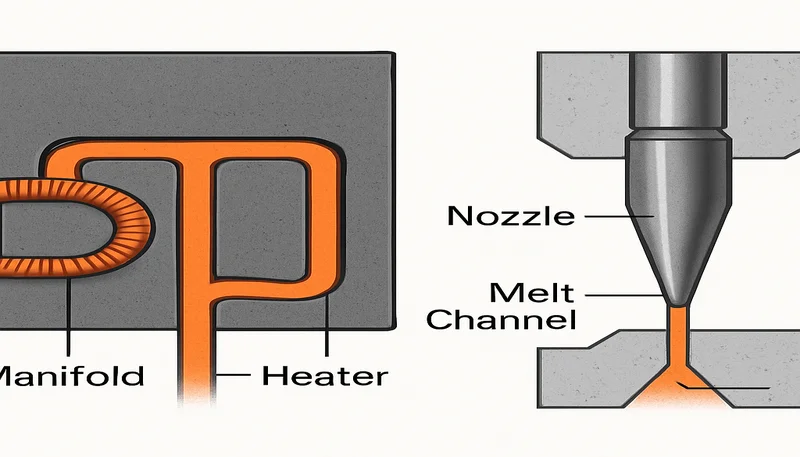
Seu design de produto exige um aperto suave em um cabo de ferramenta de alimentação, mas a equipe de fornecimento está citando ferramentas sobremoldadas em $12.000 – quase 40% mais alto que um molde de um único material. A economia é simples uma vez que você entende o que é sobremoldar: uma injeção secundária1 processo de moldagem onde um elastómero termoplástico macio (TPE) ou TPU é moldado sobre um substrato plástico rígido2 em uma sequência de dois passos, criando uma parte multimaterial permanentemente ligada em um único dispositivo. O custo adicional do molde vem da precisão necessária para posicionar e selar o substrato de primeira foto durante o segundo disparo – canais de vácuo, superfícies de corte e tolerâncias mais apertadas que impedem o flash e a delaminação.
Contudo, na produção em volume, quando a experiência do utilizador, a diferenciação da marca e a segurança ergonómica são importantes, a sobremoldação proporciona vantagens que nenhuma tampografia, película adesiva ou revestimento posterior à montagem consegue igualar. Este guia percorre todo o fluxo de trabalho da sobremoldação — seleção de materiais, regras de conceção do molde, parâmetros do processo e defeitos comuns — com base no que aprendemos ao executar produção sobremoldada nas instalações da ZetarMold em Xangai ao longo dos últimos 20+ anos.
- A sobremoldação é um processo secundário de moldação por injeção que liga TPE/TPU macio sobre substratos de plástico rígido.
- Os custos dos moldes são 25–40% superiores aos dos moldes monomaterial devido aos requisitos de posicionamento e vedação do substrato.
- Os materiais do substrato e da sobremoldação devem apresentar compatibilidade química entre si ou exigir camadas de ligação para uma adesão fiável.
- As temperaturas de processamento devem diferir em pelo menos 20°C para evitar a fusão do substrato durante a segunda injeção.
- A sobremoldação elimina as operações secundárias de decoração e produz elementos gráficos permanentes e resistentes a riscos.
O que é a sobremoldação?
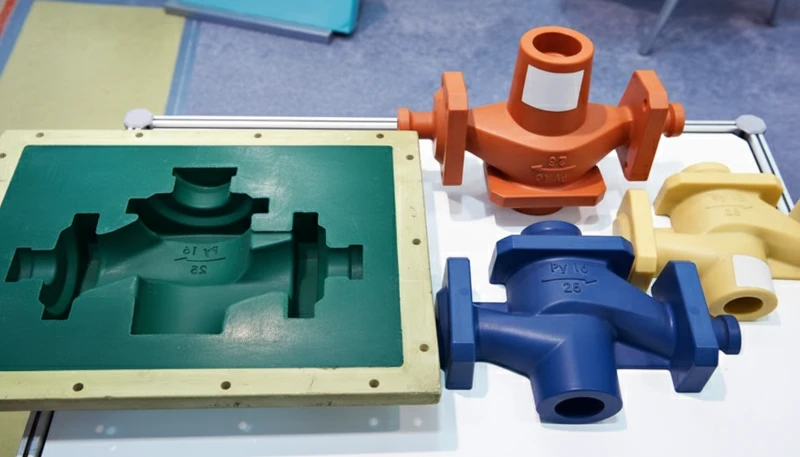
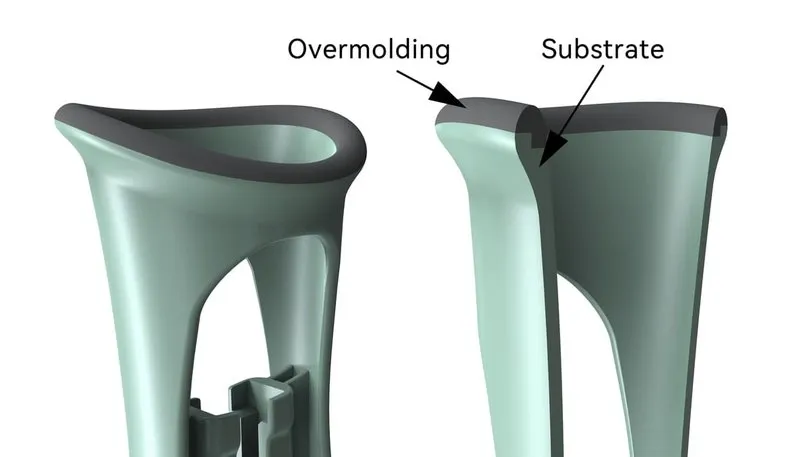
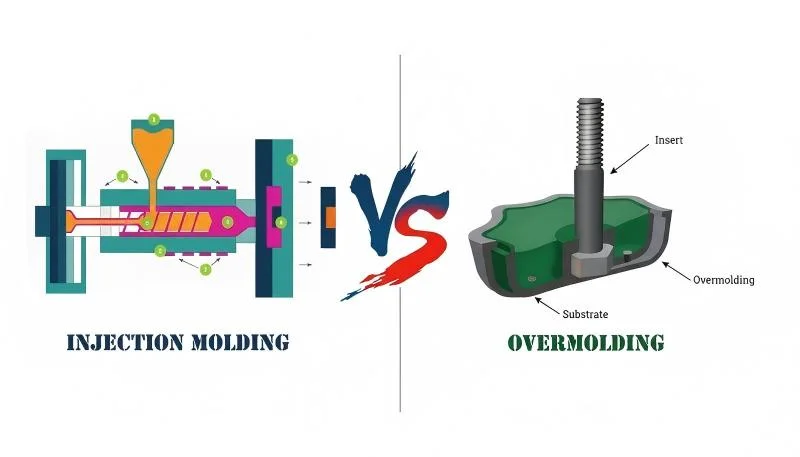
A sobremoldação é uma técnica especializada de moldação por injeção na qual dois materiais diferentes são moldados sequencialmente para criar uma única peça integrada. O processo começa com uma primeira injeção que produz o substrato rígido — um componente estrutural normalmente fabricado em ABS, policarbonato (PC) ou polipropileno (PP). Este substrato é depois transferido, por robô ou manualmente, para uma segunda cavidade, onde é injetado o material de sobremoldação. Durante a segunda injeção, o material fundido da sobremoldação estabelece uma ligação química com a superfície do substrato, criando uma interface permanente que resiste ao descasque e à separação em condições normais de utilização.
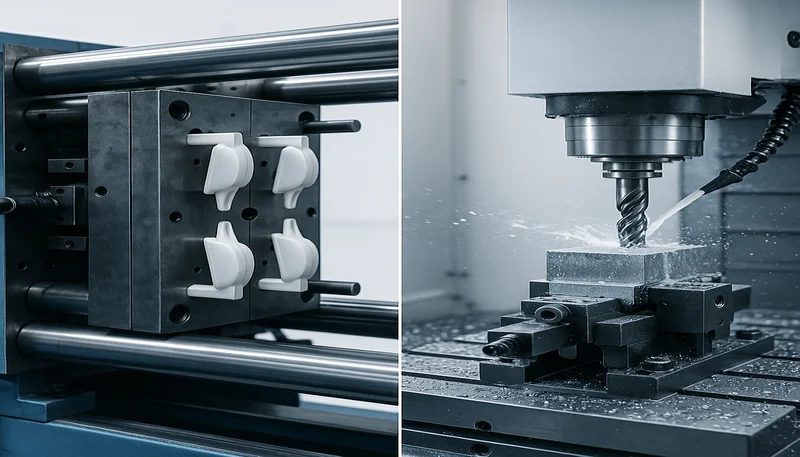
A tecnologia teve origem na indústria da eletrónica de consumo para punhos de ferramentas elétricas e pegas de escovas de dentes, onde a ergonomia e a resistência ao deslizamento afetam diretamente a satisfação do utilizador. Desde então, a sobremoldação expandiu-se para caixas de dispositivos médicos, componentes interiores de automóveis e invólucros de produtos de consumo. Se já segurou um berbequim com uma pega de toque suave ou uma capa de telemóvel com um rebordo de borracha que nunca se descolou, já experimentou a sobremoldação na prática.
Em comparação com a moldagem por injeção padrão seguida de métodos de decoração secundária, como impressão de almofadas ou etiquetagem adesiva, a sobremoldagem produz uma parte onde a superfície funcional é integrante da estrutura do componente. Não há camada adesiva que possa degradar ao longo do tempo, nenhuma tinta que possa desgastar a partir da abrasão, e nenhuma etapa de montagem pós-molde que adicione tempo de ciclo e custo. O trade-off é maior investimento em ferramentas e configuração de processo mais complexa, mas a qualidade e durabilidade da parte resultante justificam o investimento para a maioria dos produtos industriais e de consumo produzidos em volume.
"As peças sobremoldadas não podem ser separadas nos respetivos materiais constituintes sem destruir a peça."True
A segunda injeção cria uma ligação química entre o substrato e o material sobremoldado, tão resistente ou mais resistente do que o próprio material maciço. Ao tentar descolar ou separar os dois materiais, um ou ambos fraturam normalmente antes de a interface falhar.
"Pode alterar a cor ou o material da sobremoldagem num molde existente sem qualquer modificação."False
A geometria da cavidade de sobremoldação fica definida quando o molde é construído. Alterar os materiais de sobremoldação — sobretudo entre diferentes durezas ou famílias, como TPE e TPU — exige frequentemente ajustes no ponto de injeção, na ventilação ou no perfil de temperatura para manter a qualidade da adesão. Uma verdadeira alteração da ferramenta de sobremoldação exige qualificação de engenharia, não apenas a troca de material na máquina.
Como funciona o processo de sobremoldação?
O processo de sobremoldação é uma sequência controlada que percorre as etapas e as definições explicadas nesta secção. A sobremoldação segue uma sequência distinta que difere da moldação por injeção de duas cores num aspeto crítico: as duas injeções ocorrem em moldes separados ou em cavidades diferentes, e não simultaneamente no mesmo ciclo. Esta separação permite uma flexibilidade muito maior na seleção dos materiais e na geometria das peças, mas também introduz desafios de manuseamento e posicionamento que têm de ser rigorosamente controlados. Segue-se a descrição completa do fluxo de trabalho da sobremoldação, desde a produção do substrato até à ejeção da peça acabada.
Etapa 1: primeira injeção — moldagem do substrato
O processo começa com a moldação do substrato rígido num molde de injeção convencional para um único material. Este molde produz o componente estrutural central — o corpo de plástico rígido que receberá a sobremoldação na segunda injeção. Nesta fase, o substrato deve cumprir critérios críticos de qualidade: exatidão dimensional de ±0.05 mm nas superfícies que contactarão com a cavidade de sobremoldação, arrefecimento consistente para evitar empenos que impeçam o assentamento correto no segundo molde e preparação da superfície, como o controlo da temperatura do molde, para garantir que o material de sobremoldação adere de forma fiável durante a injeção secundária.
Passo 2: Transferência do substrato
Depois de o substrato ser extraído do primeiro molde, tem de ser transferido para a segunda cavidade do molde. Nas operações manuais, os operadores fazem-no à mão, utilizando luvas ou pinças especializadas para evitar contaminar a superfície de união. Na produção totalmente automatizada, um braço robótico equipado com pinças de vácuo ou grampos mecânicos recolhe o substrato e coloca-o em elementos de posicionamento precisos na cavidade de sobremoldagem. A precisão de posicionamento é crítica — desvios superiores a 0.1 mm podem causar uma espessura de sobremoldagem irregular, rebarba na linha de união ou impedir por completo que o substrato assente corretamente na segunda cavidade.
Etapa 3: posicionamento e vedação do substrato
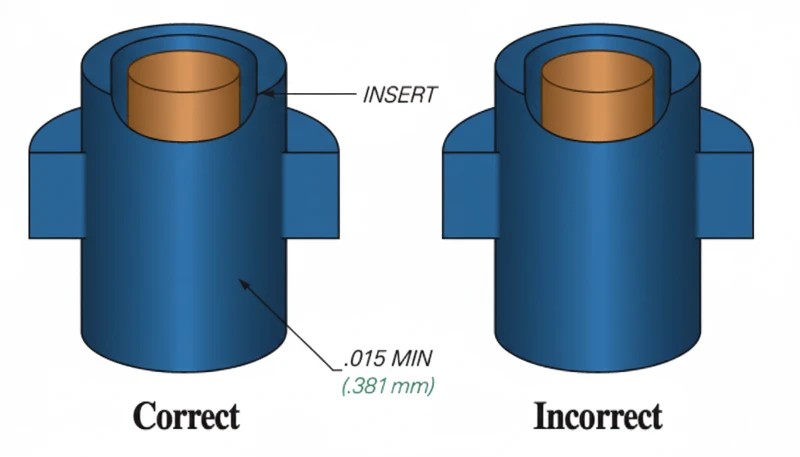
A cavidade de sobremoldação inclui características de precisão que alinham e vedam o substrato antes do início da segunda injeção. Estas características incluem pinos de localização ou superfícies de referência que correspondem a características equivalentes no substrato, superfícies de fecho que criam uma vedação entre a cavidade e as superfícies expostas do substrato e, em alguns projetos avançados, canais de vácuo que puxam o substrato de forma plana contra a parede da cavidade. O posicionamento correto assegura que o material de sobremoldação enche uniformemente em torno do substrato sem criar vazios, zonas finas ou áreas onde o substrato não fica totalmente encapsulado. Na nossa fábrica, verificámos que uma vedação inadequada do substrato representa mais de 60% dos desperdícios de sobremoldação durante a qualificação da produção, tornando-a o parâmetro de projeto mais crítico.
Etapa 4: Injeção secundária
Com o substrato posicionado e selado, o material sobremoldado é injetado na cavidade. A temperatura e a velocidade da injeção são controladas precisamente para atingir dois objetivos simultaneamente: derreter a superfície do substrato para criar uma ligação química, evitando ao mesmo tempo calor excessivo que iria distorcer ou derreter completamente através do substrato. A camada de amarração3 na superfície do substrato ativa segundos após o contato com o material fundido sobremoldado, criando uma ligação molecular. Os parâmetros de injeção variam significativamente entre os pares de materiais – por exemplo, TPE sobre PP requer 190-210°C em velocidade moderada, enquanto TPU sobre PC pode precisar de 230-250°C com um enchimento mais lento para evitar a degradação térmica do substrato do PC.
Passo 5: Compactação, arrefecimento e ejeção
Após o enchimento da cavidade, é aplicada pressão de manutenção para compensar a contração e assegurar que o material de sobremoldação se adapta totalmente à geometria da cavidade. A fase de arrefecimento solidifica tanto o material de sobremoldação como a interface de união. Os tempos de arrefecimento das peças sobremoldadas são normalmente 15–25% superiores aos de peças de material único de tamanho equivalente, porque o material de sobremoldação atua como isolante térmico no lado do substrato, retardando a extração de calor. Depois do arrefecimento, o molde abre e a peça acabada é ejetada. A sequência completa desde a transferência do substrato até à ejeção acrescenta normalmente 2–4 segundos ao tempo de ciclo, comparativamente a uma operação de moldação convencional.
| Parâmetro | Moldação por injeção convencional | Sobremoldagem |
|---|---|---|
| Tempo de ciclo (peça típica) | 20–30 s | 25–35 s |
| Custo do molde comparado com a referência | Linha de base | +25–40% |
| Operações secundárias | Frequentemente necessário (impressão, revestimento) | Eliminado |
| Opções de materiais | Um único material por peça | Vários materiais integrados |
| Complexidade do molde | Padrão | Elevada (posicionamento, vedação) |
Que materiais são adequados à sobremoldação?
A compatibilidade dos materiais é o fator mais crítico para o sucesso da sobremoldagem. O substrato e o material sobremoldado devem estabelecer uma ligação química durante a injeção secundária, pelo que as respetivas energias superficiais, estruturas químicas e temperaturas de processamento têm de ser cuidadosamente compatibilizadas. A seleção de materiais incompatíveis provoca delaminação — o defeito de sobremoldagem mais frustrante, pois pode só surgir semanas após a produção, durante ciclos térmicos ou ensaios de esforço mecânico.
Substratos de PP e PE — a escolha predefinida
O polipropileno (PP) e o polietileno (PE) são os substratos mais comuns para sobremoldagem, porque aderem de forma fiável aos materiais de sobremoldagem TPE e TPU sem uma química exótica de camadas de ligação. A janela de processamento é relativamente tolerante e os custos dos materiais mantêm-se baixos. Na maioria das caixas de produtos de consumo, recipientes de armazenamento e componentes não estruturais, os substratos de PP com sobremoldagem de TPE proporcionam excelente aderência, resistência à abrasão e identificação visual da marca a um preço económico. Nas nossas instalações de Xangai, mais de 65% da nossa produção de sobremoldagem utiliza substratos de PP, normalmente com o material de sobremoldagem no intervalo de dureza 30–60 Shore A.
Substratos de ABS e PC—grau de engenharia
Os substratos de ABS e policarbonato (PC) exigem um emparelhamento mais cuidadoso dos materiais devido às temperaturas de processamento mais elevadas e às diferentes composições químicas das superfícies. Normalmente, o ABS adere bem às sobremoldagens de TPE quando a temperatura do fundido é controlada entre 220–240°C, enquanto o PC pode exigir formulações especiais de TPU com maior estabilidade térmica. A janela de aderência é mais estreita do que nos sistemas à base de PP, e o risco de deformação do substrato durante a injeção secundária aumenta significativamente. Executamos regularmente projetos de sobremoldagem de ABS e PC para clientes dos setores da eletrónica e dos dispositivos médicos, mas todos exigiram ensaios de compatibilidade dos materiais antes de avançarmos com as ferramentas — o que acrescentou frequentemente 2–3 semanas ao prazo de qualificação.
Materiais de sobremoldação de TPE, TPU e silicone
Os elastómeros termoplásticos (TPE) e os poliuretanos termoplásticos (TPU) dominam o mercado de materiais de sobremoldação devido ao seu equilíbrio entre flexibilidade, durabilidade e processabilidade. O TPE é a escolha predefinida para produtos de consumo nos quais um toque suave e uma resistência moderada à abrasão são suficientes — é processado a temperaturas mais baixas e adere de forma fiável à maioria dos plásticos rígidos. O TPU oferece uma resistência superior à abrasão e aos produtos químicos, sendo o material preferido para cabos de ferramentas, zonas de preensão de dispositivos médicos e aplicações nas quais a superfície sobremoldada estará sujeita a desgaste repetido. A sobremoldação de borracha de silicone líquida (LSR) é possível, mas pouco comum, porque exige equipamento dedicado de processamento de LSR e projetos de moldes significativamente diferentes — geralmente só se justifica em aplicações médicas ou de contacto com alimentos nas quais a biocompatibilidade e a estabilidade térmica do silicone são obrigatórias.
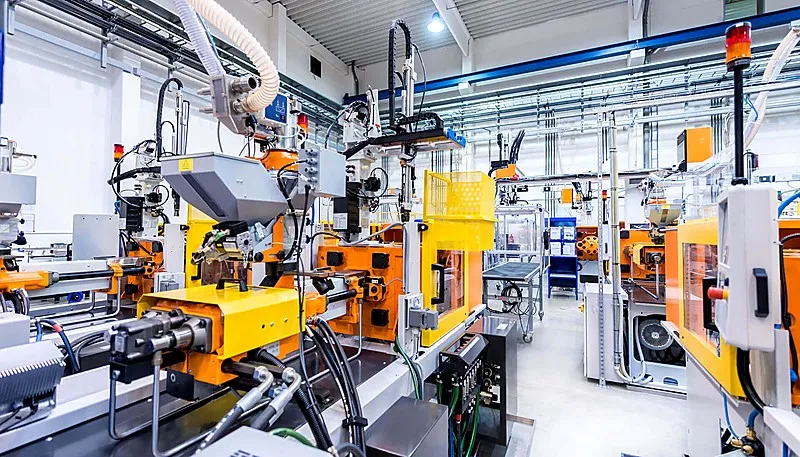
Na ZetarMold, mantemos a capacidade de moldagem por injeção em 47 máquinas de moldagem por injeção variando de 90T a 1850T, e nossa biblioteca de materiais abrange mais de 400 resinas, incluindo formulações especializadas em TPE e TPU para sobremoldagem. Com mais de 20 anos de experiência e 8 engenheiros superiores supervisionando cada qualificação sobremoldada, testamos praticamente todas as combinações de substrato-sobremoldadas comuns e documentamos as janelas de processamento que funcionam de forma confiável. Nossos 120+ operadores de produção e 30+ Gerentes de projetos de língua inglesa significam que as especificações técnicas para ferramentas sobremoldadas não se perdem na tradução — um modo de falha comum quando as equipes dependem de um guia de fornecimento de injeção de moldagem de fornecedores sem equipes de engenharia internacionais dedicadas.
Na nossa fábrica de Xangai, operamos 47 máquinas de moldação por injeção de 90T a 1850T e dispomos de instalações internas de fabrico de moldes que suportam 100+ conjuntos de moldes por mês. Na sobremoldação, isto é importante porque o fecho do substrato, o aço de vedação e os ensaios da segunda injeção podem ser verificados pelas equipas de moldes e de produção antes de um projeto chegar à produção em massa.
Que regras de projeto regem os moldes para sobremoldação?
Esta seção é sobre regras de design governar ferramentas sobremoldados e seu impacto no custo, qualidade, tempo, ou risco de fornecimento. O overmold tooling difere do design padrão de molde de injeção de várias maneiras críticas. Essas diferenças não são melhorias opcionais – são características obrigatórias que determinam se um projeto sobremoldado funciona de forma confiável em baixas taxas de sucata ou se torna um pesadelo de produção contínua. Aqui estão as regras de design que separam uma ferramenta sobremoldada funcional de um peso de papel caro.
Vedação do substrato e superfícies de fecho
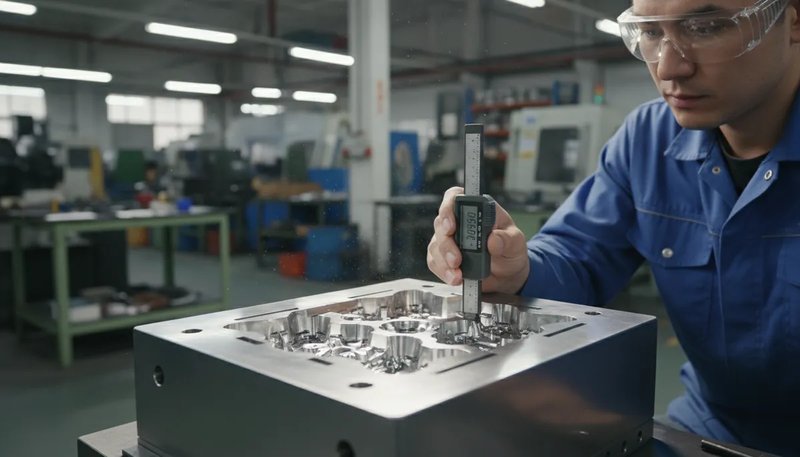
A cavidade de sobremoldação deve vedar completamente em torno do substrato para evitar rebarbas — a película fina de plástico indesejada que escapa da cavidade através de folgas. As superfícies de vedação são concebidas com uma folga de 0.05–0.10 mm em relação à superfície do substrato, suficientemente apertada para impedir rebarbas, mas suficientemente larga para evitar roçar ou marcar o substrato durante o posicionamento. As superfícies de vedação mais críticas são as que contactam as arestas e os cantos do substrato, pois são os pontos onde as rebarbas têm maior probabilidade de se formar. Segundo a nossa experiência, um projeto de vedação insuficiente é a principal causa de taxas de refugo na sobremoldação superiores a 10% durante as produções iniciais.
Características de posicionamento e tolerâncias
A cavidade de sobremoldação inclui pinos de localização, superfícies de referência e, por vezes, grampos mecânicos que mantêm o substrato numa posição precisa durante a injeção secundária. Estes elementos devem manter uma precisão de posicionamento de ±0.05 mm para assegurar que o material de sobremoldação escoa uniformemente em torno do substrato. Se o substrato se deslocar, mesmo que ligeiramente, durante a injeção, a espessura da sobremoldação variará, criando pontos fracos na peça onde a sobremoldação é demasiado fina ou rebarbas onde a cavidade abre excessivamente. A tolerância de posicionamento é cumulativa com a variação dimensional do substrato, o que significa que o molde da primeira injeção tem de produzir peças de acordo com especificações mais apertadas do que um molde convencional para um único material — normalmente ±0.025 mm nas superfícies que contactam com a cavidade de sobremoldação.
Localização do ponto de injeção e projeto do fluxo
O ponto de injeção da sobremoldagem deve ser posicionado de forma a orientar o fluxo, para que o material fundido percorra o substrato sem criar linhas de soldadura que atravessem superfícies de adesão críticas. Na moldagem convencional, a localização do ponto de injeção otimiza o padrão de enchimento e o aspeto estético. Na sobremoldagem, a localização do ponto de injeção também deve evitar projetar o fundido diretamente sobre a superfície do substrato, pois pode causar fusão localizada ou deformação. Sempre que possível, o vestígio do ponto de injeção deve ficar numa superfície não crítica da sobremoldagem, ou no substrato apenas se o par de materiais suportar o choque térmico sem degradação. Já vimos projetos em que um projeto inadequado do ponto de injeção causou marcas de queimadura visíveis na superfície do substrato, exigindo um novo projeto completo do molde após o primeiro ensaio.
Conceção do sistema de ejeção
Os pinos ejetores não podem atravessar o material sobremoldado de forma a deixar marcas visíveis ou comprometer a aderência. Esta limitação obriga muitas vezes o projetista do molde a encaminhar toda a ejeção pelo lado do macho (lado do substrato) ou a utilizar placas extratoras e sistemas de ejeção por jato de ar que apliquem uma força uniforme em toda a superfície da peça. A conceção é exequível, mas exige planeamento deliberado — encontrámos moldes de sobremoldação antigos cujos pinos ejetores deixavam impressões visíveis na superfície de preensão sobremoldada, tornando as peças esteticamente inaceitáveis apesar de serem funcionalmente adequadas.
"Os moldes de sobremoldagem exigem tolerâncias mais apertadas e elementos de vedação adicionais em comparação com os moldes de injeção padrão."True
A necessidade de posicionar e vedar o substrato durante a injeção secundária acrescenta requisitos de posicionamento de ±0.05 mm, superfícies de vedação com uma folga de 0.05–0.10 mm e elementos de fixação por vácuo ou mecânicos. Estes elementos aumentam normalmente o custo do molde em 25–40% face a um molde monomaterial comparável.
"Pode converter qualquer molde de injeção convencional para sobremoldação adicionando simplesmente uma segunda cavidade."False
Um molde normalizado não possui as características de design para posicionamento, vedação e ejeção do substrato necessárias a uma sobremoldação fiável. A conversão exigiria maquinar novas cavidades, acrescentar superfícies de fecho e, possivelmente, reformular o sistema de ejeção — custos que muitas vezes ultrapassam os da construção de raiz de um novo molde de sobremoldação.
Estas regras de desenho não são opcionais. Se um fabricante de moldes propuser eliminar superfícies de fecho para reduzir o custo do molde ou sugerir o posicionamento manual do substrato num projeto de grande volume, conteste a proposta. Vimos demasiados projetos em que as poupanças iniciais no molde foram anuladas por taxas de refugo superiores a 15% durante a produção plena, acrescidas do custo de refazer o molde depois de o primeiro lote de peças reprovar nos ensaios de qualificação.
Que parâmetros do processo controlam a qualidade da sobremoldação?
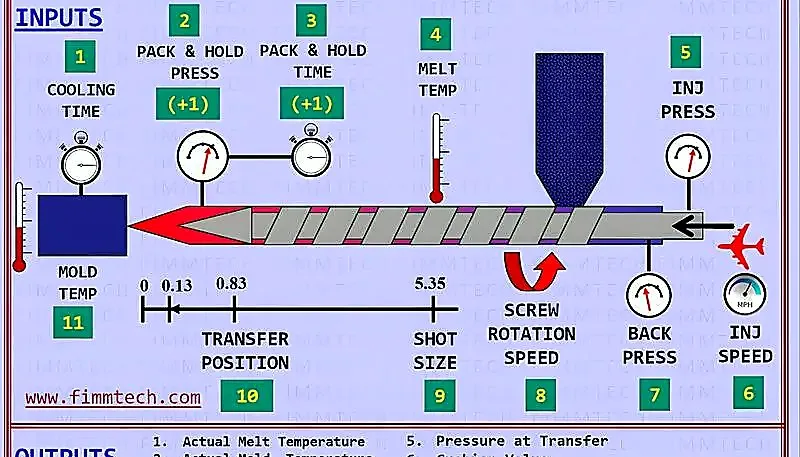
Executar a sobremoldação não se resume a ter o molde certo—a configuração dos parâmetros da máquina exige um controlo mais rigoroso do que na moldação convencional. Estas são as quatro variáveis que geram mais refugo quando saem da respetiva janela de processo.
Diferença de temperatura entre disparos
O material de sobremoldação tem de ser injetado a uma temperatura suficientemente elevada para ativar a camada de ligação na superfície do substrato, mas não tão elevada que o deforme ou funda. A regra geral é que a temperatura do fundido de sobremoldação deve ser 20–40°C superior à temperatura de transição vítrea ou ao ponto de amolecimento do substrato. Para substratos de PP sobremoldados com TPE, isto significa normalmente sobremoldar a 190–210°C, enquanto o substrato foi moldado a 200–220°C. Para substratos de PC sobremoldados com TPU, o diferencial diminui para 15–20°C porque a temperatura de processamento do PC já se aproxima do limite máximo que muitas formulações de TPU suportam sem degradação.
Velocidade e perfil de injeção
A velocidade de injeção afeta diretamente a forma como o material sobremoldado flui à volta do substrato. Se for demasiado elevada, a frente de fusão pode deslocar o substrato do seu assentamento, criando rebarba ou desalinhamento. Se for demasiado baixa, a camada de ligação pode não ficar totalmente ativada antes de o material arrefecer, resultando numa aderência fraca. A maioria dos processos de sobremoldagem utiliza um perfil de enchimento em várias fases: mais lento no início para estabelecer o fluxo à volta do substrato e, depois, progressivamente mais rápido quando a frente de fusão estabiliza. Normalmente, visamos 50–70% da velocidade de injeção normal nos primeiros 40% do curso de injeção e aumentamos depois para a velocidade máxima durante o restante enchimento da cavidade.
Pressão e tempo de manutenção
A pressão de manutenção assegura que o material de sobremoldação se adapta completamente à geometria da cavidade e mantém um contacto íntimo com a superfície do substrato durante o arrefecimento. Com pressão insuficiente, a sobremoldação pode não encapsular totalmente os elementos do substrato, deixando vazios ou zonas finas. Com pressão excessiva, a cavidade pode forçar o material de sobremoldação a entrar em microfolgas na interface do substrato, criando rebarbas ou comprometendo a linha de união. Em geral, utilizamos 60–80% da pressão de manutenção normal para sobremoldação, com um tempo de manutenção prolongado em 10–20% para assegurar que a interface de união solidificou completamente antes da ejeção.
Diferencial de temperatura do molde
O lado da cavidade (lado da sobremoldagem) funciona normalmente a uma temperatura 5–10°C inferior à do lado do macho (lado do substrato), para proteger o substrato do calor excessivo durante a injeção secundária. Esta diferença de temperatura ajuda o material de sobremoldagem a fluir e a aderir sem causar distorção térmica do substrato. Nos moldes multicavidade, manter esta diferença de temperatura de forma consistente em todas as cavidades é um dos controlos de processo com maior impacto na redução do refugo — variações superiores a 3°C entre cavidades estão frequentemente correlacionadas com uma qualidade de adesão inconsistente em toda a família de peças.
Quais são os defeitos mais comuns da sobremoldação?
Todos os defeitos de sobremoldação remontam a uma de quatro causas de raiz: posicionamento do substrato, fluxo do fundido, gestão térmica ou compatibilidade dos materiais. Eis o que observamos com maior frequência no chão de fábrica e como resolvemos cada problema.
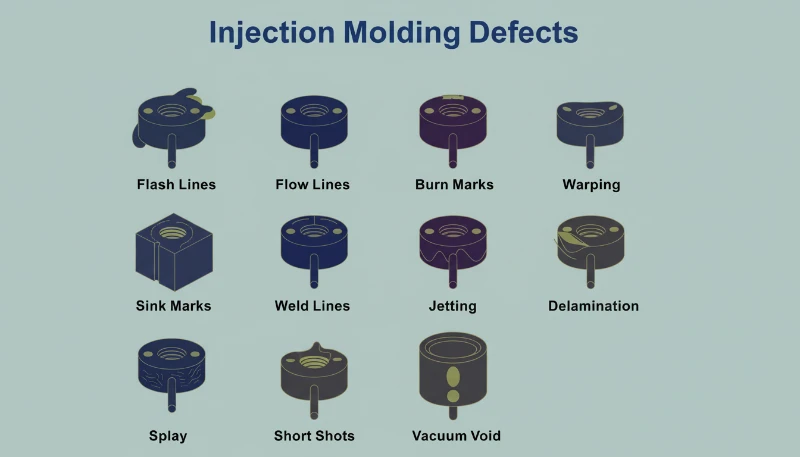
| Defeito | Causa raiz | Correção |
|---|---|---|
| Rebarba na linha de união | Folga de fecho insuficiente ou pressão de compactação excessiva | Aperte o fecho para 0.05–0.10 mm; reduza a pressão de manutenção em 10–20% |
| Delaminação / descamação | Materiais incompatíveis ou temperatura do fundido insuficiente | Verifique os ensaios de compatibilidade dos materiais; aumente a temperatura de sobremoldação em 5–10°C |
| Zonas finas/enchimento incompleto | Substrato mal assente ou ar retido | Verifique o posicionamento do substrato; acrescente respiros junto das zonas finas |
| Distorção do substrato | Temperatura de sobremoldação demasiado elevada ou tempo de ciclo longo | Reduza a temperatura de sobremoldagem; encurte o ciclo ou adicione arrefecimento |
| Marcas de ejetor visíveis | Pinos que atravessam a superfície de pega sobremoldada | Reformular a extração para placa extratora ou sopro de ar |
| Linha de soldadura na superfície de união | Localização do ponto de injeção que faz as frentes de fluxo encontrarem-se numa interface crítica | Reposicionar o ponto de injeção; modificar a geometria do fluxo |
Segundo a nossa experiência, os defeitos acima representam cerca de 85% dos refugos de sobremoldagem. Os restantes 15% correspondem a casos extremos—descargas estáticas que afetam o fluxo do material, variações do material entre lotes e desgaste do molde que afeta a qualidade da vedação em ciclos de produção longos. O padrão importante é que a maioria dos defeitos pode ser evitada com um projeto correto do molde desde o início e um controlo disciplinado do processo durante a produção. Quando o molde é corretamente concebido e o par de materiais é validado através de ensaios, a janela de processo é suficientemente ampla para que operadores comuns mantenham a qualidade sem intervenção constante da engenharia.
Quando deve escolher a sobremoldação?
A sobremoldação não é a solução para todos os produtos multimaterial. Para séries curtas ou peças com grafismos que mudam rapidamente, o custo adicional dos moldes e as quantidades mínimas de encomenda dos materiais podem não fazer sentido do ponto de vista económico. Eis um quadro de decisão baseado no que recomendamos aos clientes da ZetarMold.
Escolha a sobremoldação quando:
O volume anual de produção excede 50,000 unidades. O custo fixo das ferramentas de sobremoldação é rapidamente amortizado em escala e a eliminação de operações secundárias, como a tampografia ou a aplicação de revestimentos adesivos, torna-se economicamente significativa. A peça exige propriedades superficiais permanentes e duradouras — toque macio, resistência à abrasão ou resistência química — que não podem ser obtidas com revestimentos ou películas suscetíveis de se degradarem com o tempo. A diferenciação da marca e a qualidade visual são requisitos competitivos, e pretende gráficos, logótipos ou blocos de cor integrados que não descasquem, desbotem nem se risquem durante a utilização normal. A geometria do produto permite o assentamento correto do substrato na cavidade de sobremoldação — contrasaídas profundas, ângulos de saída extremos ou contornos 3D complexos que impeçam um posicionamento fiável são sinais de alerta.
Mantenha a decoração secundária quando:
O volume é inferior a 20,000 unidades por ano. Os grafismos ou tratamentos de superfície mudam frequentemente entre pequenos lotes — séries promocionais, variantes regionais, edições limitadas ou embalagens sazonais. A geometria da peça é demasiado complexa para um posicionamento fiável do substrato — reentrâncias extremas, dobradiças integrais ou relações de embutimento superiores a 2:1 tornam a sobremoldação impraticável. A compatibilidade dos materiais é duvidosa e o prazo de qualificação excederia o calendário do projeto. Nesses casos, a tampografia, a serigrafia ou as películas adesivas podem proporcionar resultados aceitáveis com menor custo e risco iniciais.
Existe também uma solução intermédia: a moldagem de dois materiais em máquinas bicolores dedicadas pode proporcionar resultados semelhantes à sobremoldação, com menor tempo de ciclo, em produtos de grande volume cuja geometria permita a moldagem simultânea. O essencial é adequar a tecnologia de decoração à geometria, ao volume e aos requisitos de durabilidade da peça, em vez de optar automaticamente pela sobremoldação por parecer mais avançada. Já desaconselhámos clientes a utilizar a sobremoldação quando o volume não a justificava ou quando a geometria impossibilitava o posicionamento fiável do substrato — uma orientação honesta cria relações mais duradouras do que vender em excesso uma tecnologia que não funcionará na produção.
Perguntas mais frequentes
O que significa sobremoldação?
A sobremoldagem refere-se a um processo secundário de moldagem por injeção no qual um material plástico macio — normalmente TPE ou TPU — é injetado sobre um substrato de plástico rígido para criar uma peça multimaterial com união permanente. O termo descreve especificamente o processo sequencial de moldagem de dois componentes, distinto da moldagem bicolor, que pode injetar ambos os materiais em simultâneo no mesmo ciclo. As peças sobremoldadas são comuns em produtos de consumo, como ferramentas elétricas, escovas de dentes e caixas de equipamentos eletrónicos, nos quais a aderência, o conforto ou a durabilidade são fatores críticos da experiência do utilizador que influenciam diretamente as decisões de compra e a fidelidade à marca.
Qual é a diferença entre molde e sobremoldagem?
Molde refere-se geralmente à ferramenta ou matriz utilizada na moldação por injeção para dar forma às peças de plástico — a cavidade e o macho que formam a geometria da peça. Sobremoldação descreve especificamente o processo de aplicar um segundo material sobre uma peça ou substrato existente. Enquanto o molde é a ferramenta, a sobremoldação é a técnica que cria peças multimaterial. Um projeto de sobremoldação exige vários moldes ou cavidades — um para o substrato do primeiro disparo e um ou mais para a injeção secundária — enquanto um projeto de moldação normal pode exigir apenas uma cavidade. Compreender esta diferença ajuda a especificar com exatidão os requisitos das ferramentas ao selecionar o fabrico por sobremoldação para o seu próximo produto.
Qual é a diferença entre o substrato e o material sobremoldado?
O substrato é o material de base rígido que proporciona suporte estrutural numa peça sobremoldada — normalmente um plástico de engenharia, como ABS, PC ou PP, que forma o componente central. A sobremoldação é o material macio aplicado sobre o substrato na injeção secundária, normalmente TPE ou TPU, que proporciona aderência, amortecimento ou proteção da superfície. O substrato suporta as cargas estruturais e define a geometria da peça, enquanto a sobremoldação proporciona propriedades funcionais à superfície. Os dois materiais aderem quimicamente durante o processo de sobremoldação, criando uma única peça integrada na qual a sobremoldação não pode ser separada do substrato sem a destruir.
O que significa moldar sobre algo?
Moldar sobre algo refere-se ao processo de sobremoldação no qual um material plástico fundido é injetado em redor ou sobre uma peça ou substrato preexistente. O substrato é colocado numa cavidade do molde e o material de sobremoldação é injetado, fluindo em redor do substrato e adaptando-se à sua geometria. Durante a injeção, o calor do material de sobremoldação ativa a superfície do substrato, criando uma ligação química. O resultado é uma única peça na qual os dois materiais ficam permanentemente integrados, em vez de serem montados ou colados após a moldação. É por isso que a sobremoldação elimina o risco de delaminação que afeta os métodos de montagem com adesivos.
Quanto custa um molde de sobremoldação em comparação com moldes convencionais?
Os moldes de sobremoldação custam normalmente 25–40 por cento mais do que moldes convencionais de dimensão e número de cavidades equivalentes. O acréscimo deve-se às características de posicionamento do substrato, às superfícies de vedação, às tolerâncias mais apertadas da geometria da cavidade e, muitas vezes, a sistemas de ejeção mais complexos para evitar marcas na superfície sobremoldada. Num molde de sobremoldação típico de 4 cavidades para a carcaça de um produto de consumo, isto pode representar um acréscimo de 8,000 a 15,000 dólares face a um molde comparável para um único material. Contudo, a eliminação de operações secundárias de decoração, como tampografia ou aplicação de revestimento adesivo, permite frequentemente recuperar este acréscimo nas primeiras 100,000 a 200,000 unidades produzidas.
Que aumento do tempo de ciclo provoca a sobremoldação?
A sobremoldação acrescenta normalmente 15–25 por cento ao tempo de ciclo em comparação com a moldação por injeção convencional de uma peça equivalente. O tempo adicional resulta da etapa de transferência do substrato — manual ou robotizada — e do arrefecimento ligeiramente mais longo necessário porque o material sobremoldado atua como isolante térmico no lado do substrato. Para uma peça com um ciclo convencional de 20 segundos, conte com 23–25 segundos em sobremoldação. A penalização diminui nas peças maiores, em que o tempo de transferência representa uma fração menor do tempo total do ciclo, e é frequentemente justificada pela eliminação completa das etapas secundárias de decoração.
As peças sobremoldadas podem ser recicladas?
A reciclagem de peças sobremoldadas é difícil porque contêm dois ou mais plásticos diferentes ligados ao nível molecular. Embora cada material — PP, ABS, TPE, TPU — seja reciclável no respetivo fluxo, a peça combinada não pode ser facilmente separada de novo nos materiais constituintes sem processamento mecânico ou químico que degrada a qualidade. Para produção em grande volume com considerações de fim de vida, a seleção deve privilegiar famílias de materiais compatíveis — como um substrato de PP com sobremoldação de TPE à base de PP — para maximizar o potencial de reciclagem. O impacto ambiental é melhor avaliado na fase de conceção do produto do que depois de as ferramentas estarem concluídas.
injeção secundária: injeção secundária refere-se ao segundo ciclo de moldagem em sobremoldagem onde o material sobremoldado é injetado em torno ou sobre o substrato pré-formado para criar a parte final multimaterial. ↩
substrato: substrato refere-se ao material de base ou núcleo de uma peça sobremoldada, tipicamente um plástico rígido que fornece suporte estrutural, no qual o material sobremoldado é aplicado. ↩
camada de ligação: camada de ligação refere-se a uma camada adesiva ou tratamento de superfície aplicado entre o substrato e material sobremoldado para melhorar a ligação química e melhorar a resistência de adesão entre plásticos dissimilares. ↩