Uw productontwerp vereist een soft-touchgreep op het handvat van elektrisch gereedschap, maar het inkoopteam begroot het gereedschap voor overmolding op $12,000 — bijna 40% meer dan een vorm voor één materiaal. De economische afweging wordt duidelijk zodra u begrijpt wat overmolding inhoudt: een secundair injectie1proces waarbij een zachte thermoplastische elastomeer (TPE) of TPU in twee stappen over een stijve kunststof drager2 wordt gegoten, zodat in één opspanning een permanent verbonden onderdeel uit meerdere materialen ontstaat. De extra vormkosten komen voort uit de precisie die nodig is om de drager van de eerste injectie tijdens de tweede injectie te positioneren en af te dichten — vacuümkanalen, afsluitvlakken en nauwere toleranties die braamvorming en delaminatie voorkomen.
Maar voor serieproductie waarbij gebruikerservaring, merkonderscheid en ergonomische veiligheid belangrijk zijn, biedt overmolding voordelen die tampondruk, kleeffolie of coating na assemblage niet kunnen evenaren. Deze gids behandelt de volledige overmoldingworkflow—materiaalkeuze, matrijsontwerpregels, procesparameters en veelvoorkomende defecten—op basis van wat we in de afgelopen 20+ jaar hebben geleerd bij de overmoldingproductie in de vestiging van ZetarMold in Shanghai.
- Overmolding is een secundair spuitgietproces waarbij zacht TPE/TPU aan stijve kunststofsubstraten wordt gehecht.
- De matrijskosten zijn 25–40% hoger dan bij matrijzen voor één materiaal vanwege de vereisten voor substraatpositionering en afdichting.
- Het dragermateriaal en overmoldingmateriaal moeten chemisch compatibel zijn of een hechtlaag vereisen voor betrouwbare hechting.
- De verwerkingstemperaturen moeten minstens 20 °C verschillen om te voorkomen dat het substraat tijdens het tweede shot smelt.
- Overmolding elimineert secundaire decoratiebewerkingen en levert permanente, krasbestendige afbeeldingen.
Wat is overspuitgieten?
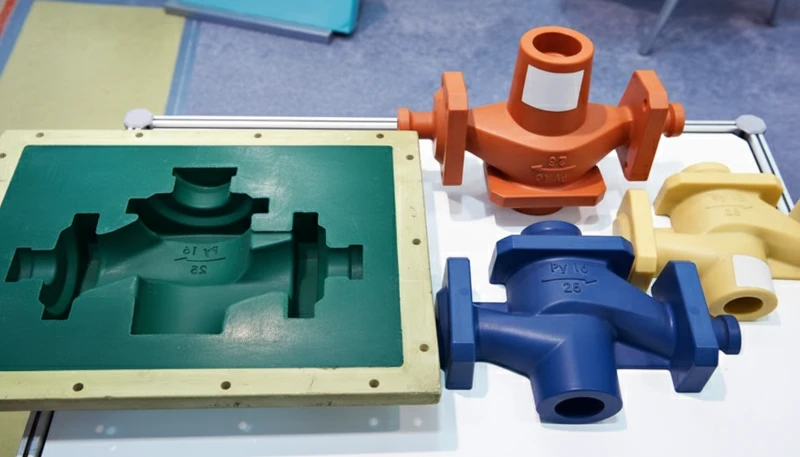
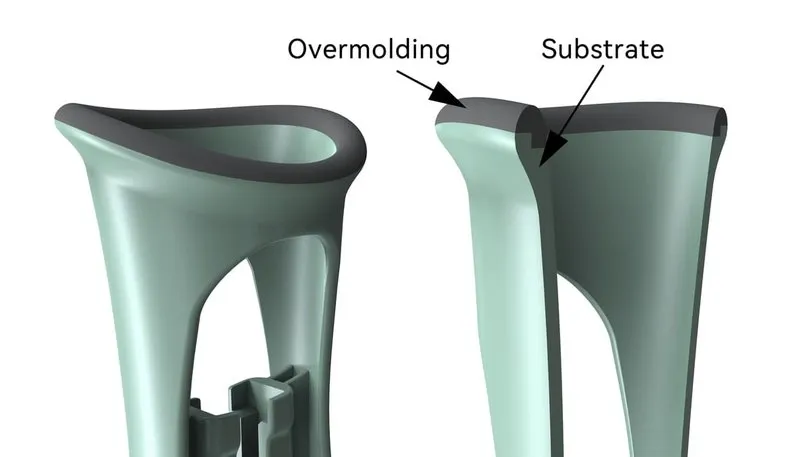
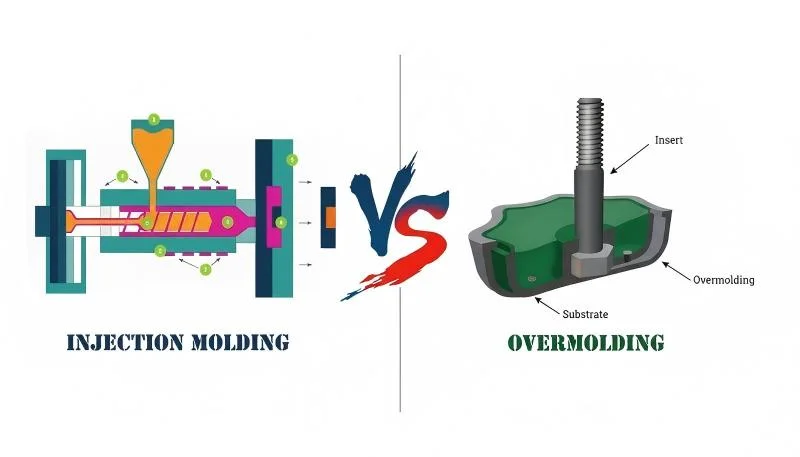
Overmolding is een gespecialiseerde spuitgiettechniek waarbij twee verschillende materialen na elkaar worden gevormd tot één geïntegreerd onderdeel. Het proces begint met een eerste injectie die het stijve substraat vormt — een structureel onderdeel dat doorgaans is gemaakt van ABS, polycarbonaat (PC) of polypropyleen (PP). Dit substraat wordt vervolgens, met een robot of handmatig, overgebracht naar een tweede holte waar het overmoldmateriaal wordt geïnjecteerd. Tijdens de tweede injectie hecht het gesmolten overmoldmateriaal zich chemisch aan het oppervlak van het substraat, waardoor een permanente verbinding ontstaat die onder normale gebruiksomstandigheden bestand is tegen afpellen en loslaten.
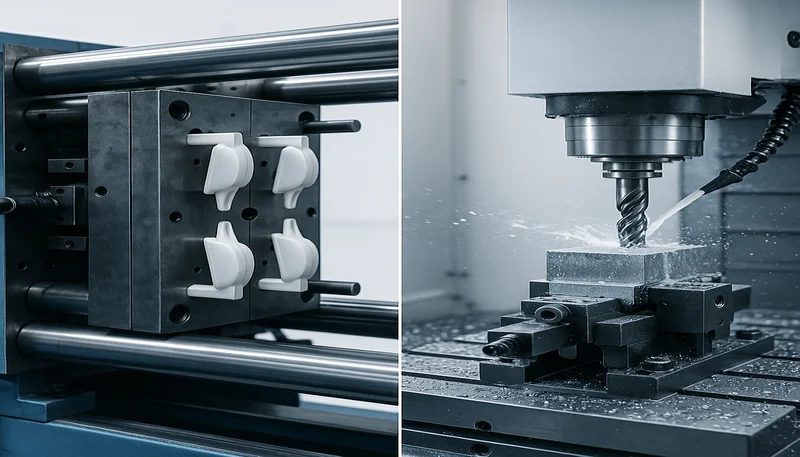
De technologie ontstond in de consumentenelektronica voor handgrepen van elektrisch gereedschap en tandenborstels, waar ergonomie en slipweerstand rechtstreeks van invloed zijn op de gebruikerstevredenheid. Sindsdien is overmolding uitgebreid naar behuizingen van medische hulpmiddelen, interieurdelen van auto’s en behuizingen van consumentenproducten. Als u een boormachine met een soft-touchgreep of een smartphonehoes met een rubberen stootrand die nooit losliet hebt vastgehouden, hebt u overmolding in de praktijk ervaren.
Vergeleken met standaard spuitgieten, gevolgd door secundaire decoratiemethoden zoals tampondruk of etikettering met lijm, levert overmolding een onderdeel op waarvan het functionele oppervlak integraal deel uitmaakt van de componentstructuur. Er is geen lijmlaag die na verloop van tijd kan verslechteren, geen inkt die door slijtage kan verdwijnen en geen assemblage na het vormen die cyclustijd en kosten toevoegt. De keerzijde is een hogere investering in gereedschap en een complexere procesinstelling, maar voor de meeste consumenten- en industriële producten in serieproductie rechtvaardigen de resulterende kwaliteit en duurzaamheid deze investering.
‘Overspoten onderdelen kunnen niet in hun afzonderlijke materialen worden gescheiden zonder het onderdeel te vernietigen.’True
De tweede injectie creëert een chemische verbinding tussen het substraat en het overmoldmateriaal die even sterk of sterker is dan het bulkmateriaal zelf. Bij een poging om de twee materialen af te pellen of te scheiden, breekt doorgaans één of beide voordat het grensvlak bezwijkt.
"U kunt de overmoldkleur of het materiaal op een bestaande matrijs zonder aanpassing wijzigen."False
De geometrie van de overmoldcaviteit ligt vast zodra de matrijs is gebouwd. Het wisselen van overmoldmaterialen—vooral tussen verschillende hardheden of materiaalfamilies zoals TPE en TPU—vereist vaak aanpassingen aan aanspuiting, ontluchting of temperatuurprofiel om de hechtkwaliteit te behouden. Een echte materiaalwissel in een overmoldmatrijs vereist technische kwalificatie, niet alleen een materiaalwissel aan de machine.
Hoe werkt het overspuitproces?
Het overmoldingproces is een gecontroleerd procesverloop dat werkt via de fasen en instellingen die in deze sectie worden uitgelegd. Overmolding volgt een duidelijk sequentie die op een cruciaal punt verschilt van tweekleuren spuitgieten: de twee shots vinden plaats op aparte matrijzen of verschillende holtes, niet gelijktijdig in dezelfde cyclus. Deze scheiding biedt veel meer flexibiliteit in materiaalkeuze en onderdeelgeometrie, maar introduceert ook hanterings- en positioneringsuitdagingen die strikt gecontroleerd moeten worden. Hier is de volledige uitsplitsing van de overmoldingwerkstroom van substraatproductie tot uitwerping van het voltooide onderdeel.
Stap 1: eerste shot—spuitgieten van het substraat
Het proces begint met het vormen van het stijve substraat in een conventionele spuitgietmatrijs voor één materiaal. Deze matrijs produceert de structurele kerncomponent—de harde kunststof behuizing waarop bij het tweede shot de overmolding wordt aangebracht. In deze fase moet het substraat aan kritieke kwaliteitscriteria voldoen: maatnauwkeurigheid binnen ±0,05 mm op oppervlakken die op de overmoldcaviteit aansluiten, gelijkmatige koeling om kromtrekken te voorkomen waardoor het onderdeel niet goed in de tweede matrijs zou passen, en oppervlaktevoorbereiding zoals regeling van de matrijstemperatuur om ervoor te zorgen dat het overmoldmateriaal tijdens de tweede injectie betrouwbaar kan hechten.
Stap 2: substraatoverdracht
Nadat het substraat uit de eerste matrijs is uitgeworpen, moet het naar de tweede matrijsholte worden overgebracht. Bij handmatige bewerkingen doen operators dit met handschoenen of speciale grijpers om verontreiniging van het hechtoppervlak te voorkomen. In volledig geautomatiseerde productie pakt een robotarm met vacuümgrijpers of mechanische klemmen het substraat op en plaatst het in nauwkeurige positioneringsvoorzieningen in de overspuitholte. De positioneringsnauwkeurigheid is cruciaal: afwijkingen van meer dan 0.1 mm kunnen een ongelijkmatige overspuitdikte, braamvorming bij de hechtlijn of een volledig onjuiste plaatsing van het substraat in de tweede holte veroorzaken.
Stap 3: positionering en afdichting van het substraat
De omspuitholte bevat nauwkeurige kenmerken die het substraat uitlijnen en afdichten voordat de tweede injectie begint. Daartoe behoren positioneerpennen of referentievlakken die aansluiten op overeenkomstige kenmerken van het substraat, afsluitvlakken die de holte tegen de blootliggende substraatoppervlakken afdichten en, in sommige geavanceerde ontwerpen, vacuümkanalen die het substraat vlak tegen de holtewand trekken. Juiste positionering zorgt dat het omspuitmateriaal gelijkmatig rond het substraat vult zonder holtes, dunne plekken of zones waar het substraat niet volledig is ingekapseld. In onze fabriek blijkt ontoereikende substraatafdichting verantwoordelijk voor meer dan 60% van het omspuitafval tijdens productiekwalificatie, waarmee dit de belangrijkste afzonderlijke ontwerpparameter is.
Stap 4: secundaire injectie
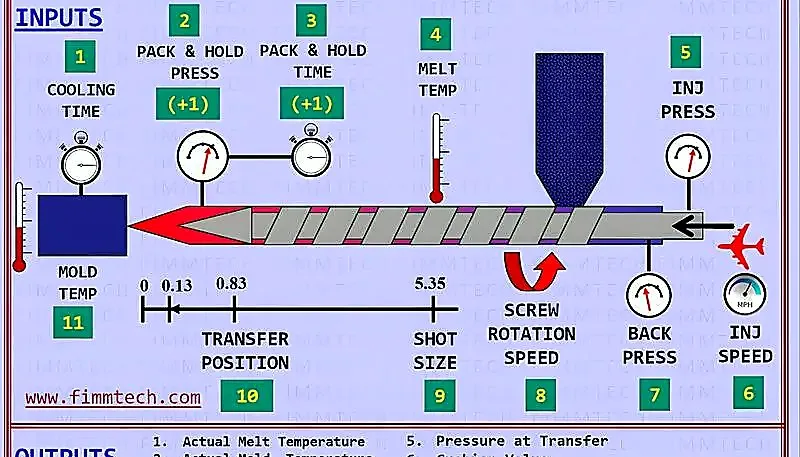
Nadat de drager is gepositioneerd en afgedicht, wordt het overmoldmateriaal in de caviteit geïnjecteerd. De injectietemperatuur en -snelheid worden nauwkeurig geregeld om tegelijk twee doelen te bereiken: het oppervlak van de drager smelten om een chemische verbinding te vormen en te veel warmte vermijden waardoor de drager zou vervormen of volledig doorsmelten. De hechtlaag3 op het oppervlak van de drager wordt binnen enkele seconden na contact met het gesmolten overmoldmateriaal actief en vormt een moleculaire verbinding. De injectieparameters verschillen sterk per materiaalcombinatie: TPE over PP vereist bijvoorbeeld 190–210°C bij gematigde snelheid, terwijl TPU over PC mogelijk 230–250°C en een tragere vulling nodig heeft om thermische afbraak van de PC-drager te voorkomen.
Stap 5: Nadrukken, koelen en uitwerpen
Na het vullen van de matrijsholte wordt nadruk toegepast om krimp te compenseren en ervoor te zorgen dat het omspuitmateriaal de geometrie van de matrijsholte volledig volgt. Tijdens de koelfase stollen zowel het omspuitmateriaal als het hechtvlak. De koeltijd van omspoten onderdelen is doorgaans 15–25% langer dan die van onderdelen van één materiaal met dezelfde afmetingen, omdat het omspuitmateriaal aan de substraatzijde als warmte-isolator werkt en de warmteafvoer vertraagt. Na het afkoelen opent de matrijs en wordt het afgewerkte onderdeel uitgeworpen. De volledige reeks van substraatoverdracht tot uitwerpen voegt doorgaans 2–4 seconden toe aan de cyclustijd ten opzichte van een standaard vormproces.
| Parameterwaarde | Standaardspuitgieten | Overspuiten |
|---|---|---|
| Cyclustijd (typisch onderdeel) | 20–30 s | 25–35 s |
| Matrijskosten ten opzichte van de uitgangswaarde | Uitgangswaarde | +25–40% |
| Secundaire bewerkingen | Vaak vereist (bedrukken, coaten) | Geëlimineerd |
| Materiaalopties | Eén materiaal per onderdeel | Meerdere materialen geïntegreerd |
| Gereedschapscomplexiteit | Standaard | Hoog (positioneren, afdichten) |
Welke materialen zijn geschikt voor overmolding?
Herontwerp uitwerping naar stripperplaat of luchtstoot
PP- en PE-substraten—de standaardkeuze
Polypropyleen (PP) en polyethyleen (PE) zijn de meest voorkomende overspuitsubstraten, omdat ze betrouwbaar hechten aan TPE- en TPU-overspuitmaterialen zonder exotische hechtlaagchemie. Het procesvenster is relatief vergevingsgezind en de materiaalkosten blijven laag. Voor de meeste behuizingen van consumentenproducten, opslagbakken en niet-structurele componenten bieden PP-substraten met TPE-overspuiting uitstekende grip, slijtvastheid en visuele merkuitstraling tegen een economische prijs. In onze fabriek in Shanghai draait meer dan 65% van de overspuitproductie op PP-substraten, doorgaans met een hardheid van 30–60 Shore A voor het overspuitmateriaal.
ABS- en PC-dragers — technische kwaliteit
Substraten van ABS en polycarbonaat (PC) vereisen een zorgvuldigere materiaalcombinatie door hun hogere verwerkingstemperaturen en verschillende oppervlaktechemie. ABS hecht doorgaans goed aan TPE-overspuitlagen als de smelttemperatuur tussen 220 en 240 °C wordt gehouden, terwijl PC speciale TPU-formuleringen met een hogere thermische stabiliteit kan vereisen. Het hechtvenster is smaller dan bij systemen op PP-basis en het risico op vervorming van het substraat tijdens de tweede injectie neemt aanzienlijk toe. We voeren regelmatig overspuitprojecten met ABS en PC uit voor klanten in elektronica en medische hulpmiddelen, maar elk project vereiste materiaalcompatibiliteitstests voordat in gereedschap werd geïnvesteerd. Dat voegde vaak 2–3 weken aan de kwalificatieplanning toe.
TPE-, TPU- en siliconenmaterialen voor overmolding
Thermoplastische elastomeren (TPE) en thermoplastische polyurethanen (TPU) domineren de markt voor overmoldingmaterialen dankzij hun combinatie van flexibiliteit, duurzaamheid en verwerkbaarheid. TPE is de standaardkeuze voor consumentenproducten waarvoor soft-touch en een matige slijtvastheid volstaan: het wordt bij lagere temperaturen verwerkt en hecht betrouwbaar aan de meeste harde kunststoffen. TPU biedt een hogere slijtvastheid en chemische bestendigheid en is daarom geschikt voor gereedschapshandgrepen, grepen van medische hulpmiddelen en toepassingen waarbij het overmold-oppervlak herhaaldelijk slijt. Overmolding met vloeibare siliconenrubber (LSR) is mogelijk maar ongebruikelijk, omdat hiervoor specifieke LSR-verwerkingsapparatuur en wezenlijk andere matrijsontwerpen nodig zijn. Dit is doorgaans alleen gerechtvaardigd voor medische toepassingen of toepassingen met voedselcontact waarbij de biocompatibiliteit en thermische stabiliteit van siliconen verplicht zijn.
Bij ZetarMold beschikken we over capaciteit voor spuitgietvormen op 47 spuitgietmachines van 90T tot 1850T. Onze materiaalbibliotheek omvat 400+ harsen, waaronder gespecialiseerde TPE- en TPU-formuleringen voor overmolding. Met 20+ jaar ervaring en 8 senior engineers die elke kwalificatie voor overmolding begeleiden, hebben we vrijwel elke gangbare combinatie van drager en overmoldmateriaal getest en de betrouwbare procesvensters vastgelegd. Dankzij onze 120+ productieoperators en 30+ Engelssprekende projectmanagers gaan technische specificaties voor overmoldgereedschap niet verloren in de vertaling — een veelvoorkomend probleem wanneer teams uitsluitend vertrouwen op een gids voor het selecteren van leveranciers voor spuitgieten zonder gespecialiseerde internationale engineeringteams.
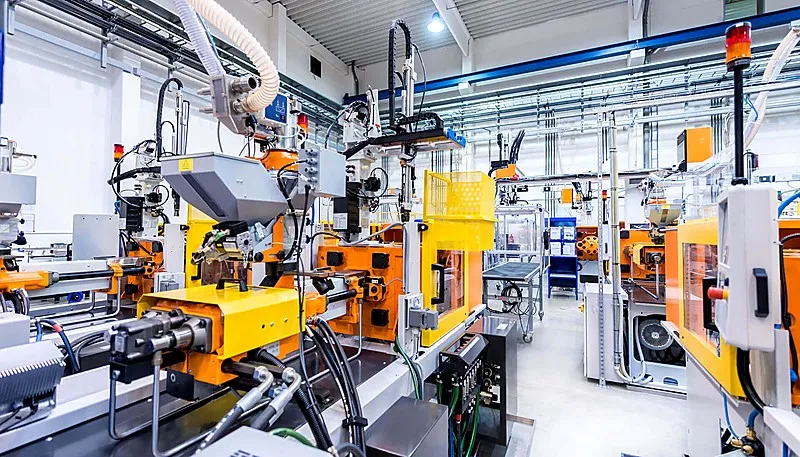
In onze fabriek in Shanghai draaien 47 spuitgietmachines van 90T tot 1850T en gebruiken we een eigen matrijzenfabriek die meer dan 100 matrijssets per maand ondersteunt. Voor overmolding is dat belangrijk, omdat de afsluiting van het substraat, afdichtingsstaal en proeven met het tweede shot door de matrijs- en productieteams kunnen worden gecontroleerd voordat een ontwerp in massaproductie gaat.
Welke ontwerpregels gelden voor overmolding-gereedschap?
Dit gedeelte behandelt de ontwerpregels voor overmoldgereedschap en hun invloed op kosten, kwaliteit, planning en inkooprisico. Overmoldgereedschap verschilt op enkele cruciale punten van een standaard ontwerp voor spuitgietvormen. Deze verschillen zijn geen optionele verbeteringen, maar verplichte kenmerken die bepalen of een overmoldproject betrouwbaar en met weinig uitval draait of een aanhoudende productienachtmerrie wordt. Dit zijn de ontwerpregels die een functioneel overmoldgereedschap onderscheiden van een dure presse-papier.
Afdichting van het substraat en afsluitvlakken
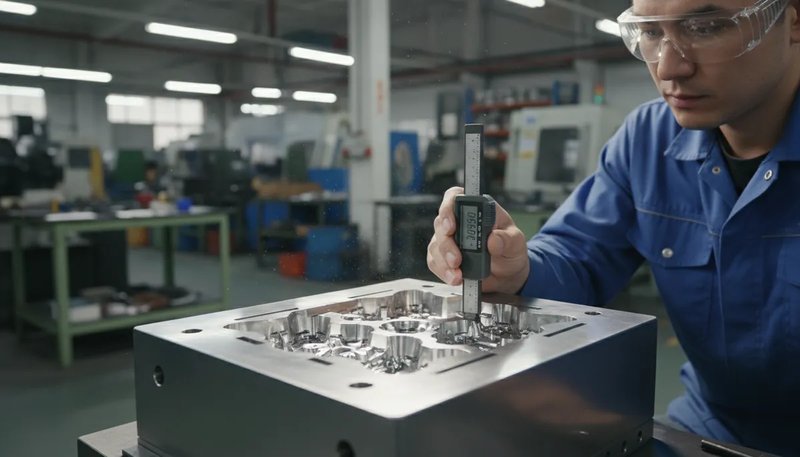
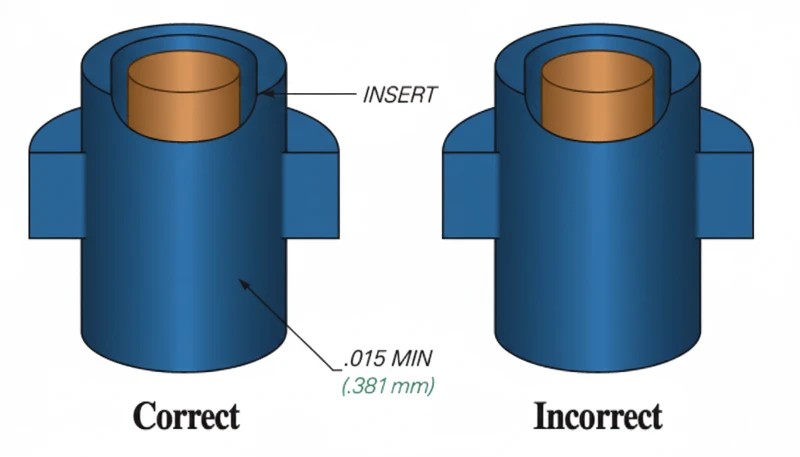
De overspuitholte moet rondom het substraat volledig afdichten om braamvorming te voorkomen: de ongewenste dunne kunststoflaag die via spleten uit de holte ontsnapt. Afsluitvlakken worden ontworpen met 0,05–0,10 mm speling ten opzichte van het substraatoppervlak, klein genoeg om bramen te voorkomen maar groot genoeg om wrijving of beschadiging bij het plaatsen te vermijden. De kritischste afdichtvlakken raken de randen en hoeken van het substraat, omdat daar de grootste kans op braamvorming bestaat. Onze ervaring is dat een ontoereikend afsluitontwerp de belangrijkste oorzaak is van uitvalpercentages boven 10% tijdens de eerste productieruns.
Positioneringskenmerken en toleranties
De omspuitholte bevat positioneerpennen, referentievlakken en soms mechanische klemmen die het substraat tijdens de tweede injectie exact op zijn plaats houden. Deze voorzieningen moeten een positioneernauwkeurigheid van ±0,05 mm handhaven, zodat het omspuitmateriaal gelijkmatig rond het substraat stroomt. Als het substraat tijdens het injecteren ook maar iets verschuift, varieert de omspuitdikte. Hierdoor ontstaan zwakke plekken waar het omspuitmateriaal te dun is of bramen waar de matrijsholte te ver opengaat. De positioneertolerantie telt op bij de maatafwijking van het substraat. Dit betekent dat de matrijs voor het eerste shot onderdelen volgens nauwere specificaties moet produceren dan een conventionele matrijs voor één materiaal—doorgaans ±0,025 mm op oppervlakken die aansluiten op de omspuitholte.
Locatie van de aanspuiting en stromingsontwerp
De aanspuiting voor de overmolding moet zo worden geplaatst dat de gesmolten kunststof over de drager stroomt zonder laslijnen te vormen die kritieke hechtvlakken kruisen. Bij standaardspuitgieten wordt de aanspuitpositie geoptimaliseerd voor vulpatroon en cosmetisch uiterlijk. Bij overmolding moet de aanspuiting bovendien voorkomen dat de smelt rechtstreeks op het drageroppervlak spuit, omdat dit plaatselijk smelten of vervorming kan veroorzaken. De aanspuitrest moet waar mogelijk op een niet-kritisch overmoldingoppervlak terechtkomen, of alleen op de drager als de materiaalcombinatie de thermische schok zonder degradatie verdraagt. We hebben projecten gezien waarbij een onjuist aanspuitontwerp zichtbare brandplekken op de drager veroorzaakte, waardoor na de eerste proef een volledig nieuw matrijsontwerp nodig was.
Ontwerp uitwerpsysteem
Uitwerppennen mogen niet zo door het overspuitmateriaal lopen dat ze zichtbare afdrukken achterlaten of de hechting aantasten. Deze beperking dwingt de matrijsontwerper vaak om de volledige uitwerping via de kernzijde (substraatzijde) te laten verlopen, of afstrijkplaten en luchtuitwerpsystemen te gebruiken die over het gehele onderdeeloppervlak een gelijkmatige kracht uitoefenen. Het ontwerp is uitvoerbaar, maar vereist een zorgvuldige planning—we hebben bestaande overspuitmatrijzen aangetroffen waarbij uitwerppennen zichtbare afdrukken in het greepoppervlak van de overspuiting achterlieten, waardoor de onderdelen cosmetisch onaanvaardbaar waren ondanks dat ze functioneel voldeden.
"Overmoldingmatrijzen vereisen nauwere toleranties en extra afdichtingsvoorzieningen ten opzichte van standaard spuitgietmatrijzen."True
De noodzaak om het substraat tijdens de tweede injectie te positioneren en af te dichten, leidt tot positioneringseisen van ±0.05 mm, afsluitvlakken met een speling van 0.05–0.10 mm en voorzieningen voor vacuüm- of mechanische klemming. Deze toevoegingen verhogen de matrijskosten doorgaans met 25–40% ten opzichte van een vergelijkbare matrijs voor één materiaal.
"U kunt elke standaard spuitgietmatrijs ombouwen tot een overspuitmatrijs door eenvoudigweg een tweede matrijsholte toe te voegen."False
Een standaardmatrijs mist de positionerings-, afdichtings- en uitwerpvoorzieningen voor het substraat die nodig zijn voor betrouwbaar overspuiten. Omvorming vereist het bewerken van nieuwe holten, het toevoegen van afsluitvlakken en mogelijk een herontwerp van het uitwerpsysteem—kosten die vaak hoger zijn dan het vanaf nul bouwen van een nieuwe overspuitmatrijs.
Deze ontwerpregels zijn niet optioneel. Als een matrijzenmaker voorstelt afsluitvlakken weg te laten om de gereedschapskosten te verlagen, of handmatige positionering van het substraat voor een grootvolumeproject aanbeveelt, moet u bezwaar maken. We hebben te veel projecten gezien waarbij de aanvankelijke besparing op gereedschap teniet werd gedaan door uitvalpercentages boven 15% tijdens volledige productie, plus de kosten van nieuw gereedschap nadat de eerste partij onderdelen niet door de kwalificatietests kwam.
Welke procesparameters bepalen de kwaliteit van overmolding?
Overspuiten uitvoeren draait niet alleen om de juiste matrijs — de machineparameters moeten strakker worden geregeld dan bij standaardspuitgieten. Dit zijn de vier variabelen die de meeste uitval veroorzaken wanneer ze buiten hun procesvenster vallen.
Temperatuurverschil tussen cycli
Het overmoldmateriaal moet worden geïnjecteerd bij een temperatuur die hoog genoeg is om de hechtlaag op het substraatoppervlak te activeren, maar niet zo hoog dat het substraat vervormt of smelt. Als algemene regel moet de smelttemperatuur van de overmold 20–40°C boven de glasovergangstemperatuur of het verwekingspunt van het substraat liggen. Voor PP-substraten met een TPE-overmold betekent dit doorgaans overmolden bij 190–210°C, terwijl het substraat bij 200–220°C is gespuitgiet. Voor PC-substraten met een TPU-overmold wordt het verschil kleiner, namelijk 15–20°C, omdat de verwerkingstemperatuur van PC al dicht bij de bovengrens ligt die veel TPU-formuleringen zonder degradatie aankunnen.
Injectiesnelheid en -profiel
De injectiesnelheid beïnvloedt rechtstreeks hoe het overspuitmateriaal rond het substraat stroomt. Te snel en het smeltfront kan het substraat uit zijn zitting drukken, waardoor bramen of verkeerde uitlijning ontstaan. Te langzaam en de hechtlaag wordt mogelijk niet volledig geactiveerd voordat het materiaal afkoelt, wat een zwakke hechting veroorzaakt. De meeste overspuitprocessen gebruiken een meertraps vulprofiel: aanvankelijk langzamer om de stroming rond het substraat op te bouwen, vervolgens versnellen zodra het smeltfront stabiel is. We richten ons doorgaans op 50–70% van de standaardinjectiesnelheid voor de eerste 40% van de shot en verhogen daarna naar volle snelheid voor de resterende caviteitsvulling.
Nadruk en nadruktijd
De nadruk zorgt ervoor dat het overspuitmateriaal de geometrie van de caviteit volledig volgt en tijdens het afkoelen nauw contact houdt met het substraatoppervlak. Bij te weinig druk omsluit het overspuitmateriaal de kenmerken van het substraat mogelijk niet volledig, waardoor holtes of dunne plekken ontstaan. Bij te veel druk kan de caviteit het overspuitmateriaal in microspleten bij het grensvlak met het substraat persen, waardoor braam ontstaat of de hechtlijn wordt aangetast. Voor overspuiten gebruiken we doorgaans 60–80% van de standaardnadruk en verlengen we de nadruktijd met 10–20% om te waarborgen dat het hechtvlak vóór het uitwerpen volledig is gestold.
Matrijstemperatuurverschil
De caviteitszijde (overspuitzijde) is doorgaans 5–10°C koeler dan de kernzijde (substraatzijde) om het substraat tijdens de tweede injectie tegen overmatige warmte te beschermen. Dit temperatuurverschil helpt het overspuitmateriaal stromen en hechten zonder thermische vervorming van het substraat. Bij matrijzen met meerdere caviteiten is het consequent handhaven van dit temperatuurverschil over alle caviteiten een van de effectiefste procesregelingen om uitval te verminderen — variaties van meer dan 3°C tussen caviteiten correleren vaak met inconsistente hechtkwaliteit binnen de onderdeelfamilie.
Wat zijn de meest voorkomende overmoldingdefecten?
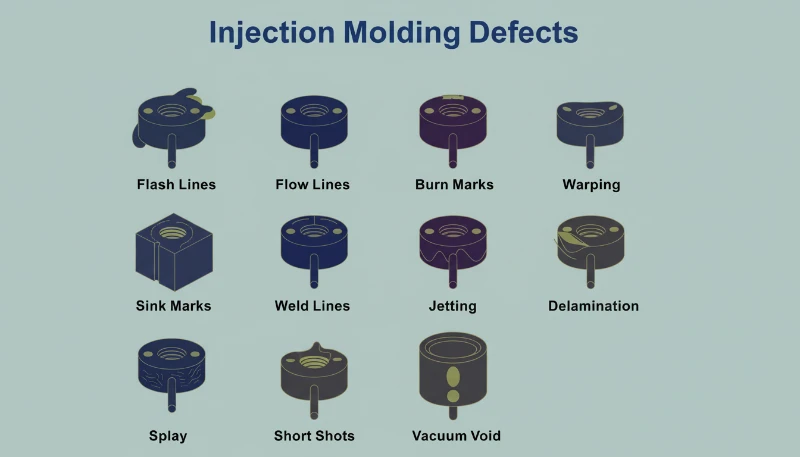
Elk defect bij omspuiten is terug te voeren op een van vier hoofdoorzaken: positionering van het substraat, smeltstroming, thermisch beheer of materiaalcompatibiliteit. Dit zijn de problemen die we op de productievloer het vaakst zien en de manier waarop we elk ervan aanpakken.
| Defect | Hoofdoorzaak | Oplossing |
|---|---|---|
| Braam bij de verbindingslijn | Onvoldoende shut-off-speling of overmatige nadruk | Verklein de afsluiting tot 0.05–0.10 mm; verlaag de nadruk met 10–20% |
| Delaminatie / afbladderen | Incompatibele materialen of onvoldoende smelttemperatuur | Controleer de materiaalcompatibiliteit; verhoog de overmoldingtemperatuur met 5–10 °C |
| Dunne plekken / onvolledige vulling | Substraat niet goed geplaatst of ingesloten lucht | Controleer de positionering van het substraat; voeg ontluchtingen toe nabij dunne zones |
| Vervorming van het substraat | Te hoge overmoldingtemperatuur of lange cyclustijd | Verlaag de overmoldtemperatuur; verkort de cyclus of voeg koeling toe |
| Zichtbare uitwerperafdrukken | Pennen door het greepoppervlak van de overmolding | Ontwerp de uitwerping opnieuw met een afstrijkplaat of luchtstoot |
| Overmolding Gids: Proces, Materialen en Ontwerp | ZetarMold | Poortplaatsing waardoor vloeifronten bij een kritieke overgang samenkomen | Aanspuiting verplaatsen; stromingsgeometrie wijzigen |
De bovenstaande defecten zijn volgens onze ervaring goed voor ongeveer 85% van het afval bij overmolding. De overige 15% bestaat uit uitzonderingen: statische ontlading die de materiaalstroming beïnvloedt, materiaalvariatie tussen batches en matrijsslijtage die bij lange productieruns de afdichtingskwaliteit aantast. Het belangrijke patroon is dat de meeste defecten te voorkomen zijn met een goed matrijsontwerp vooraf en gedisciplineerde procesbeheersing tijdens de productie. Wanneer de matrijs correct is ontworpen en de materiaalcombinatie via tests is gevalideerd, is het procesvenster breed genoeg voor standaardoperators om de kwaliteit te handhaven zonder voortdurend ingrijpen van engineers.
Wanneer kiest u voor overmolding?
Overmolding is niet de oplossing voor elk product met meerdere materialen. Bij korte series of onderdelen met snel veranderende afbeeldingen zijn de meerprijs van het gereedschap en de minimale materiaalbestelhoeveelheden mogelijk niet economisch. Hieronder staat een besliskader op basis van onze aanbevelingen aan klanten van ZetarMold.
Kies overmolding wanneer:
Het jaarlijkse productievolume bedraagt meer dan 50.000 stuks. De vaste kosten van overmolding-gereedschap worden op schaal snel afgeschreven en het wegvallen van secundaire bewerkingen zoals tampondruk of het aanbrengen van lijmcoatings wordt economisch relevant. Het onderdeel vereist permanente, duurzame oppervlakte-eigenschappen — een zachte grip, slijtvastheid of chemische bestendigheid — die niet kunnen worden bereikt met coatings of folies die na verloop van tijd kunnen degraderen. Merkdifferentiatie en visuele kwaliteit zijn concurrentievereisten en u wilt geïntegreerde afbeeldingen, logo’s of kleurvlakken die bij normaal gebruik niet kunnen afbladderen, vervagen of bekrassen. De productgeometrie maakt een betrouwbare plaatsing van het substraat in de overmolding-holte mogelijk; diepe ondersnijdingen, extreme lossingshoeken of complexe 3D-contouren die betrouwbare positionering verhinderen, zijn waarschuwingssignalen.
Blijf secundaire decoratie gebruiken wanneer:
Het volume ligt onder 20,000 stuks per jaar. Grafische elementen of oppervlaktebehandelingen veranderen vaak tussen kleine batches—promotieruns, regionale varianten, beperkte oplagen of seizoensverpakkingen. De onderdeelgeometrie is te complex voor een betrouwbare positionering van het substraat—extreme ondersnijdingen, filmscharnieren of trekverhoudingen groter dan 2:1 maken overspuiten onpraktisch. De materiaalcompatibiliteit is twijfelachtig en de kwalificatietermijn zou de projectplanning overschrijden. In die gevallen kunnen tampondruk, zeefdruk of kleeffolies aanvaardbare resultaten leveren tegen lagere initiële kosten en risico’s.
Er is ook een tussenoplossing: tweecomponentenspuitgieten op speciale tweekleurenmachines kan resultaten leveren die vergelijkbaar zijn met overmolding, maar met een kortere cyclustijd voor producten in grote volumes waarvan de geometrie gelijktijdig spuitgieten mogelijk maakt. De kern is dat de decoratietechnologie wordt afgestemd op de geometrie, het volume en de duurzaamheidseisen van het onderdeel, in plaats van standaard voor overmolding te kiezen omdat dit geavanceerder klinkt. We hebben klanten overmolding afgeraden wanneer hun volume dit niet rechtvaardigde of wanneer hun geometrie een betrouwbare positionering van het substraat onmogelijk maakte—eerlijk advies bouwt duurzamere relaties op dan het oververkopen van technologie die in productie niet zal werken.
Veelgestelde vragen
Wat betekent overmold?
Overmold verwijst naar een secundair spuitgietproces waarbij een zacht kunststof materiaal—meestal TPE of TPU—wordt geïnjecteerd over een rigide kunststof substraat om een permanent gebonden multi-materiaal onderdeel te creëren. De term beschrijft specifiek het sequentiële twee-shot proces, onderscheiden van twee-kleuren spuitgieten waarbij beide materialen gelijktijdig in dezelfde cyclus kunnen worden geïnjecteerd. Overgemouleerde onderdelen komen veel voor in consumentenproducten zoals elektrisch gereedschap, tandenborstels en elektronische behuizingen waar grip, comfort of duurzaamheid cruciale gebruikerservaringsfactoren zijn die directe aankoopbeslissingen en merkentrouw beïnvloeden.
Wat is het verschil tussen mal en overmal?
Matrijs verwijst over het algemeen naar het gereedschap of de mal gebruikt in spuitgieten om kunststofonderdelen te vormen—de holte en kern die de onderdeelgeometrie vormen. Overmolding beschrijft specifiek het proces van het aanbrengen van een tweede materiaal over een bestaand onderdeel of substraat. Terwijl de matrijs het gereedschap is, is overmolding de techniek die multimateriaalonderdelen creëert. Een overmoldingproject vereist meerdere matrijzen of holtes—één voor het eerste shot substraat en één of meer voor de secundaire injectie—terwijl een standaard vormproject mogelijk slechts één matrijsholte vereist. Het begrijpen van dit onderscheid helpt u bij het nauwkeurig specificeren van gereedschapsvereisten bij het inkopen van overmoldingproductie voor uw volgende product.
Wat is het verschil tussen substraat en overmould?
Het substraat is het rigide basismateriaal dat structurele ondersteuning biedt in een overmoldingonderdeel—typisch een technische kunststof zoals ABS, PC of PP die de kerncomponent vormt. De overmolding is het zachte materiaal dat over het substraat wordt aangebracht in de secundaire injectie, typisch TPE of TPU dat grip, demping of oppervlaktebescherming biedt. Het substraat draagt structurele belastingen en bepaalt de onderdeelgeometrie, terwijl de overmolding functionele oppervlakte-eigenschappen biedt. De twee materialen binden chemisch tijdens het overmoldingproces, waardoor een enkel geïntegreerd onderdeel ontstaat waarbij de overmolding niet van het substraat kan worden gescheiden zonder vernietiging.
Wat betekent het om iets te vormen?
Overmolding over iets verwijst naar het overmoldingproces waarbij een gesmolten kunststofmateriaal wordt geïnjecteerd rond of op een reeds bestaand onderdeel of substraat. Het substraat wordt in een matrijsgeul geplaatst en het overmoldingmateriaal wordt geïnjecteerd, stroomt rond en past zich aan de geometrie van het substraat aan. Tijdens de injectie activeert de warmte van het overmoldingmateriaal het oppervlak van het substraat, waardoor een chemische binding ontstaat. Het resultaat is een enkel onderdeel waarin de twee materialen permanent zijn geïntegreerd, in plaats van na het vormen te worden gemonteerd of aan elkaar gelijmd. Dit is waarom overmolding het risico op delaminatie elimineert dat kleefstofgebaseerde montagemethoden teistert.
Hoeveel kost overmold-gereedschap in vergelijking met standaard mallen?
Overmoldingmatrijzen kosten doorgaans 25–40 procent meer dan standaardmatrijzen van vergelijkbare grootte en aantal holtes. De meerprijs komt van substraatpositioneringskenmerken, afsluitoppervlakken voor afdichting, strengere toleranties op de holtegeometrie, en vaak complexere uitwerpsystemen om het overmoldingoppervlak niet te beschadigen. Voor een typische 4-holte overmoldingmatrijs voor een behuizing van een consumentenproduct kan dit een extra 8.000 tot 15.000 dollar betekenen bovenop een vergelijkbare enkelmateriaalmatrijs. De eliminatie van secundaire decoratiebewerkingen zoals tampondrukken of lijmcoating haalt deze meerprijs echter vaak binnen de eerste 100.000 tot 200.000 geproduceerde eenheden terug.
Welke cyclus tijdstraf voegt overmolding toe?
Overmolding voegt doorgaans 15–25 procent toe aan de cyclusduur in vergelijking met standaard spuitgieten voor een vergelijkbaar onderdeel. De extra tijd komt van de substraatoverdrachtstap—handmatig of robotisch—en de iets langere koeltijd die nodig is omdat het overmoldingmateriaal als thermische isolator aan de substraatzijde werkt. Voor een onderdeel met een standaardcyclus van 20 seconden, verwacht 23–25 seconden met overmolding. De tijdsstraf neemt af bij grotere onderdelen waar overdrachtstijd een kleiner deel van de totale cyclusduur is, en wordt vaak gerechtvaardigd door de volledige eliminatie van secundaire decoratiestappen.
Kunnen overgespoten onderdelen worden gerecycled?
Het recyclen van overmoldingonderdelen is uitdagend omdat ze twee of meer verschillende kunststoffen bevatten die op moleculair niveau zijn gebonden. Hoewel de individuele materialen—PP, ABS, TPE, TPU—elk recyclebaar zijn in hun eigen stromen, kan het gecombineerde onderdeel niet gemakkelijk worden gescheiden in samenstellende materialen zonder mechanische of chemische verwerking die de kwaliteit aantast. Voor grootschalige productie met aandacht voor einde levensduur moet materiaalkeuze prioriteit geven aan compatibele materiaalfamilies—zoals PP-substraat met PP-gebaseerde TPE-overmolding—om het recyclingpotentieel te maximaliseren. Milieu-impact wordt het best geëvalueerd in het productontwerpstadium in plaats van nadat het gereedschap is voltooid.
secundaire injectie: Secundaire injectie verwijst naar de tweede vormcyclus bij overmolding, waarin het overmoldmateriaal rond of op de voorgevormde drager wordt geïnjecteerd om het uiteindelijke onderdeel uit meerdere materialen te maken. ↩
drager: De drager is het basismateriaal of de kern van een overmolded onderdeel, doorgaans een stijve kunststof die structurele ondersteuning biedt en waarop het overmoldmateriaal wordt aangebracht. ↩
hechtlaag: Een hechtlaag is een lijmlaag of oppervlaktebehandeling tussen de drager en het overmoldmateriaal die de chemische verbinding en de hechtsterkte tussen verschillende kunststoffen verbetert. ↩