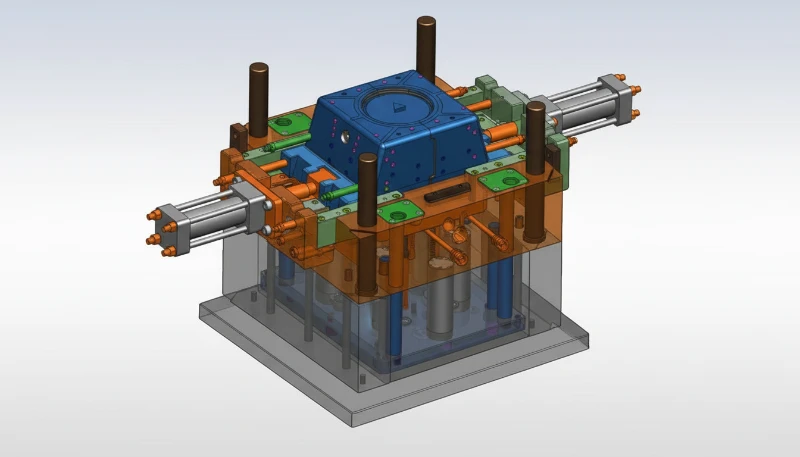
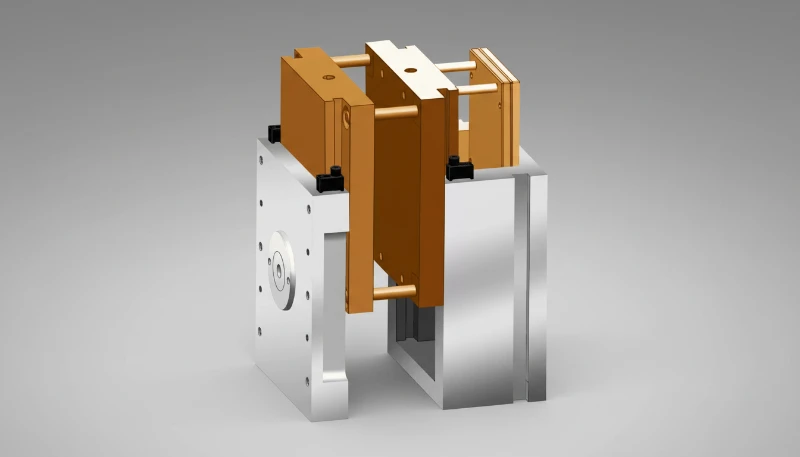
Se você já teve algum contato com moldagem por injeção, ouviu os termos canal de entrada1, canal de distribuição2 e ponto de injeção3 serem usados como se significassem a mesma coisa. Não significam. Confundi-los pode resultar em um projeto de molde inadequado, desperdício de material e peças que nunca são preenchidas corretamente.
Após mais de 20 anos fabricando moldes e operando a produção em nossa fábrica de Xangai, já vimos todos os erros possíveis em sistemas de canais. Este artigo explica exatamente a função de cada componente, suas diferenças e quais decisões de projeto realmente importam no chão de fábrica.
- O canal de injeção principal é o primeiro canal vertical que liga o bico da máquina ao molde.
- Os canais de distribuição conduzem o material fundido horizontalmente do canal de injeção principal até os pontos de injeção de cada cavidade.
- Os pontos de injeção são a zona mais estreita — controlam o fluxo, a solidificação e a separação da peça.
- Os sistemas de canais frios produzem desperdícios; os sistemas de canais quentes eliminam-nos, mas têm um custo inicial superior.
- A seleção do tipo de ponto de injeção afeta diretamente a qualidade da peça, o ciclo e o trabalho de pós-processamento.
O que é um canal principal na moldagem por injeção?
O canal de entrada é o primeiro e maior canal do sistema de alimentação. Ele começa no bico da máquina, atravessa a placa superior do molde e se conecta à rede de canais. Pense nele como a linha principal de abastecimento — tudo passa primeiro por aqui.
Em um molde típico de duas placas, o galho é um furo cônico usinado através da bucha de injeção. A conicidade — normalmente de 1 a 3 graus por lado — permite extrair o galho solidificado sem dificuldade. Um galho com paredes retas ficaria preso e travaria o molde em todos os ciclos.
As dimensões principais são importantes. O diâmetro da extremidade maior do canal de injeção principal na interface com o bico corresponde normalmente ao orifício do bico da máquina ou é ligeiramente superior (3–6 mm para a maioria das moldagens de uso geral). A extremidade pequena alimenta o canal. Se o canal de injeção principal for demasiado estreito, ocorre uma queda de pressão excessiva logo no início do enchimento. Se for demasiado largo, desperdiça-se material e prolonga-se o tempo de arrefecimento.
Na nossa fábrica de Xangai, a ZetarMold possui mais de 20 anos de experiência em moldagem por injeção e ferramentas, opera 47 máquinas de injeção de 90T a 1850T e apoia projetos com fabricação interna de ferramentas. Isto é importante para o projeto do canal de injeção e dos canais de distribuição, pois o mesmo molde pode comportar-se de forma diferente quando passa da prensa de ensaio para a prensa de produção.
O que é um canal de alimentação na moldagem por injeção?
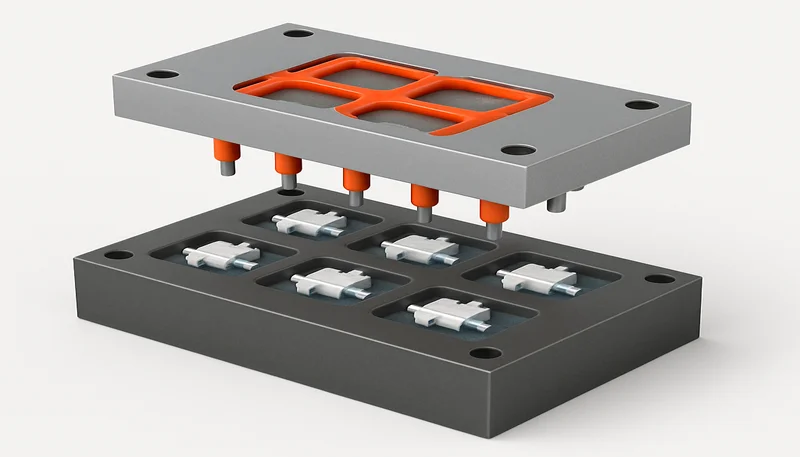
O canal de distribuição é a rede horizontal que conduz o plástico fundido da base do canal de entrada até o ponto de injeção de cada cavidade. Em um molde de moldagem por injeção com múltiplas cavidades, o sistema de distribuição é a espinha dorsal do fluxo: determina se todas as cavidades são preenchidas ao mesmo tempo e à mesma pressão ou se algumas apresentam preenchimento incompleto e outras, rebarbas por excesso de compactação.
Os canais apresentam vários perfis de seção transversal. Os mais comuns são:
Totalmente redondo — Seção transversal circular. Melhor relação entre área superficial e volume, o que significa menor perda de calor e menor queda de pressão. Exige usinagem nas duas metades do molde, portanto o custo do ferramental é maior.
Trapezoidal — maquinado apenas numa metade do molde. Mais fácil e barato de cortar. O compromisso é uma perda de calor e resistência à pressão ligeiramente maiores.
Trapezoidal modificado (formato em U) — Um híbrido que aprimora o trapézio padrão com cantos arredondados, oferecendo melhores características de fluxo e mantendo a possibilidade de usinagem por um só lado.
O diâmetro do canal geralmente varia de 3 a 10 mm conforme o tamanho da peça, a viscosidade e o comprimento do fluxo. Em nossa fábrica, raramente usamos menos de 4 mm fora da micromoldagem — abaixo disso, as perdas de pressão se acumulam rapidamente, sobretudo com plásticos de engenharia de alta viscosidade.
"O diâmetro do canal de alimentação na maioria dos moldes de produção varia entre 3 mm e 10 mm."True
Verdadeiro. Essa é a faixa padrão. Canais menores geram perda excessiva de pressão, enquanto canais maiores desperdiçam material e prolongam o tempo de ciclo.
"Os canais são sempre maquinados em ambas as metades do molde."False
Falso. Os canais trapezoidais e em U são maquinados apenas numa metade do molde. Só os canais totalmente redondos exigem maquinação em ambos os lados.
O que é um ponto de injeção e como difere do canal de injeção e do canal de distribuição?
Um ponto de injeção é a restrição mais estreita entre o canal de alimentação e a cavidade do molde. É a última passagem do plástico antes de entrar na cavidade. Os pontos de injeção cumprem quatro funções críticas que determinam diretamente a qualidade da peça e a eficiência da produção.
1. Controlo do fluxo. O ponto de injeção restringe e direciona o fundido. Um ponto menor aumenta a taxa de cisalhamento, aquecendo o material por atrito viscoso e reduzindo temporariamente a viscosidade — o que ajuda a encher secções finas.
2. Vedação por congelamento. Depois que a cavidade é compactada, o ponto de injeção é o primeiro elemento a se solidificar. Isso veda a cavidade para que o material compactado não retorne ao canal quando a pressão de injeção cair.
3. Ponto de separação. Após a ejeção, o ponto de injeção é o local onde a peça se separa do sistema de canais. Um ponto bem projetado quebra de forma limpa ou exige um corte mínimo.
4. Controle da compactação. O tamanho do ponto de injeção e o tempo de congelamento controlam diretamente a quantidade de material de compactação que entra na cavidade.
Um ponto demasiado grande exige longa compactação e pode causar sobrecompactação, rebarba ou tensão residual. Demasiado pequeno, solidifica antes do enchimento total, causando afundamentos ou vazios.
Qual é o percurso completo de alimentação do bico até à cavidade?
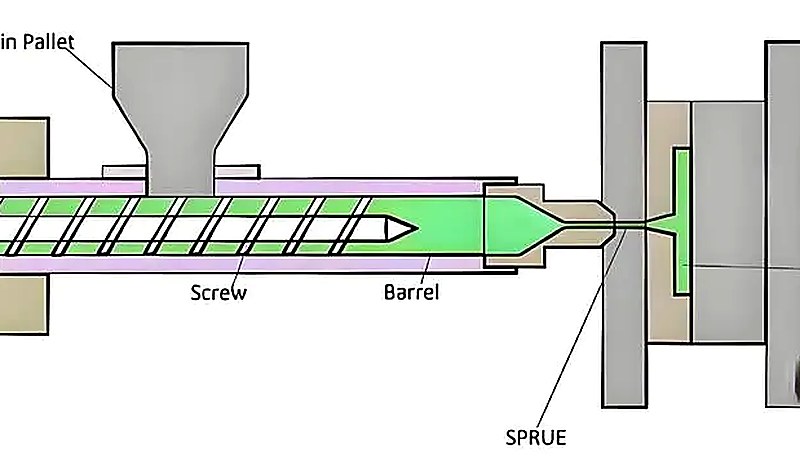
O percurso completo de alimentação, do bico à cavidade, é definido pela função, pelas restrições e pelos compromissos explicados nesta seção. O trajeto completo do plástico fundido por um molde de injeção segue esta sequência: Cilindro da máquina → Ponta do bico → Canal de entrada (vertical, através da placa de fixação superior) → Canal de distribuição (horizontal, através da superfície de partição) → Ponto de injeção (estrangulamento estreito) → Cavidade.
Cada etapa reduz a secção transversal. O canal de injeção é o maior, o canal de distribuição é menor e ramificado, e o ponto de injeção é a menor constrição. Este estreitamento é deliberado — mantém a velocidade do fluxo e a pressão até à entrada da cavidade.
Há também um poço de retenção de material frio na base do canal de alimentação, em frente ao extrator do canal. Sua função é reter o tampão de plástico frio e de movimento lento que fica na ponta do bico entre os ciclos. Sem ele, esse tampão frio percorreria o canal e poderia bloquear um ponto de injeção ou causar uma mancha visível na peça.
"O poço de material frio recolhe, entre ciclos, o plástico solidificado da ponta do bico."True
Verdadeiro. Sem poço de material frio, o material solidificado da ponta do bico entraria nos canais e poderia bloquear um ponto ou causar defeitos superficiais.
"O ponto de injeção é o maior canal do sistema de alimentação."False
Falso. O ataque é a menor constrição. O canal de injeção é o maior canal, o canal de distribuição tem dimensão intermédia e o ataque é o ponto mais estreito entre o canal de distribuição e a cavidade.
Qual sistema deve ser usado: canal frio ou canal quente?
Esta é uma das decisões de projeto com maiores consequências na construção de qualquer molde. O tipo de sistema de canais afeta o desperdício de material, o tempo de ciclo, a qualidade das peças e o custo das ferramentas. Compreender as contrapartidas ajuda a tomar a decisão certa para o seu volume de produção e orçamento.
Um sistema de canal frio é a abordagem tradicional e de menor custo. Os canais não são aquecidos; são simplesmente usinados no aço do molde. Após cada ciclo, o plástico dos canais solidifica junto com as peças e é extraído. Esse canal solidificado vira resíduo ou material moído e normalmente representa 5–30% do peso total da injeção, dependendo da geometria da peça.
Um sistema de canal quente utiliza aquecedores de cartucho, termopares e blocos de coletor para manter sempre fundido o plástico dentro dos canais. Não é ejetado qualquer desperdício dos canais — apenas as peças. Isto poupa material, reduz o tempo de ciclo (não há canal para arrefecer e ejetar) e permite frequentemente mudanças mais rápidas de cor ou material. A contrapartida é um custo de molde e uma complexidade de manutenção significativamente superiores.
Segue-se uma comparação prática:
| “O equilíbrio dos canais de distribuição só é necessário para moldes com mais de 16 cavidades.” | Canal frio | Corredor quente |
|---|---|---|
| Custo das ferramentas | Inferior (menos $3K–$15K) | Maior (coletor aquecido + controladores) |
| Resíduos de materiais | 5–30% por ciclo (refugo do canal) | Quase zero (sem canal solidificado) |
| Tempo de ciclo | Mais longo (o canal precisa arrefecer) | Mais curto (não é necessário resfriar o canal) |
| Manutenção | Simples, robusto | Complexo (aquecedores, termopares, vazamentos) |
| Mudança de cor | Fácil (purgue todo o sistema) | Mais lento (fundido residual no coletor) |
| Qualidade da peça | Marcas do ponto de injeção, possível vestígio | Ataques mais limpos, ataque térmico ou de válvula |
| Melhor para | Volume baixo a médio, com trocas frequentes de cor | Alto volume, tolerâncias estreitas, resinas caras |
{“type”:“factory_insight”,“fact_ids”:[“equipment.injection_machines_47”,“equipment.tonnage_90_1850”],“text”:“Nas nossas instalações de Xangai, operamos 47 máquinas de moldação por injeção de 90T a 1850T, produzindo peças com moldes de canal frio e de canal quente. Para dispositivos médicos e eletrónica de consumo de grande volume, os canais quentes quase sempre oferecem o menor custo total de propriedade acima de cerca de 100,000 ciclos.”}
Quais são os tipos mais comuns de ponto de injeção?
Os tipos comuns de pontos são as categorias desta secção. A seleção determina enchimento, pós-processamento e possibilidade de automação. Estes são os seis mais frequentes:
1. Ponto direto. O canal alimenta diretamente a cavidade. Usado em moldes de cavidade única para peças grandes e espessas. Tem baixa perda de pressão, mas deixa marca grande e não serve layouts multicavidade.
2. Ponto de injeção de borda (lateral). É o tipo mais versátil, localizado na superfície de partição, na borda da cavidade. É fácil de usinar, permite ajustar facilmente as dimensões e funciona com a maioria dos materiais. As desvantagens são a marca visível do ponto de injeção e a necessidade de remoção manual.
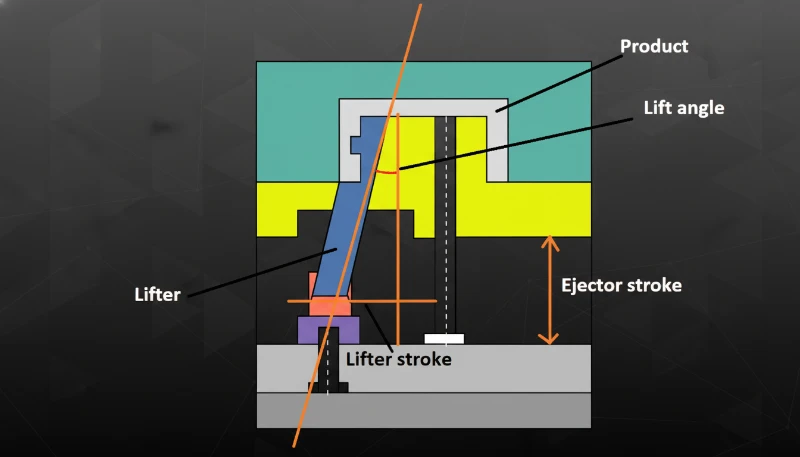
3. Ponto de injeção submarino (túnel). O canal de alimentação inclina-se abaixo da linha de partição e entra na cavidade pela parte inferior ou por uma superfície interna. Quando o molde se abre, o canal inclinado corta automaticamente o ponto de injeção da peça — permitindo uma produção totalmente automatizada sem marca visível do ponto de injeção na superfície estética. Não recomendado para materiais frágeis, como PC ou PMMA.
"Os ataques submarinos podem permitir uma produção totalmente automatizada porque o ataque é cortado durante a abertura do molde."True
Verdadeiro. O projeto inclinado do túnel faz com que o ponto de injeção se separe automaticamente da peça quando o molde se abre, eliminando a necessidade de remoção manual do ponto de injeção.
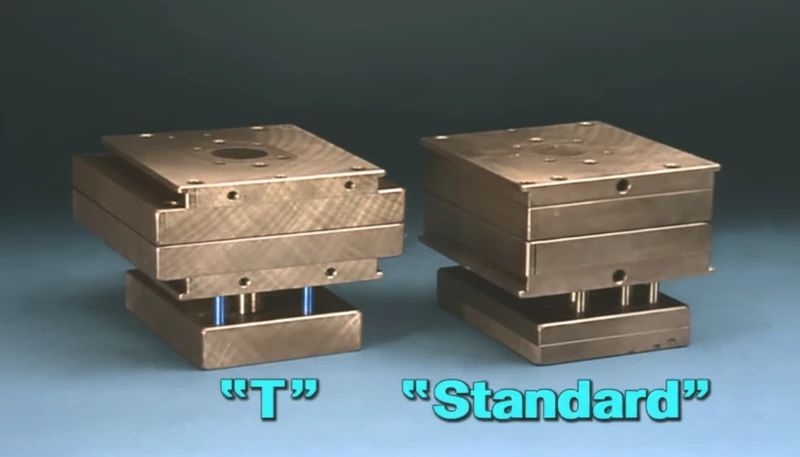
"Os pontos de injeção pontuais são compatíveis com moldes standard de duas placas."False
Falso. Entradas pontuais exigem um molde de três placas (superfície de partição dupla), pois a entrada deve ser separada do lado fixo durante a abertura do molde. Moldes padrão de duas placas não comportam esse tipo de entrada.
4. Ponto de injeção pontual. Um ponto de diâmetro muito pequeno (normalmente 0.5–1.5 mm) que deixa vestígio mínimo e se corta durante a ejeção. Exige um molde de três placas. Elevada perda de pressão, mas excelente para peças estéticas e ferramentas multicavidade.
5. Ponto de injeção em leque. Um ponto largo e plano que espalha o fundido numa frente ampla. Ideal para peças de parede fina, evitando jateamento ou defeitos de elevado cisalhamento. Comum em painéis planos e coberturas de lentes.
6. Ponto de injeção valvulado (somente câmara quente). Um pino acionado mecanicamente que abre e fecha o orifício do ponto de injeção. Produz a marca mais limpa, oferece controle preciso do momento de abertura e é usado em aplicações multicavidades de alto nível e preenchimento sequencial. É a opção mais cara.
Como o tamanho do ponto de injeção afeta a qualidade da peça?
O tamanho do ponto de injeção é o elemento de controle da velocidade de preenchimento, do tempo de recalque e da qualidade da separação. Se estiver incorreto, os defeitos surgirão rapidamente.
Ponto de injeção demasiado pequeno: a elevada taxa de cisalhamento através do ponto provoca aquecimento excessivo por atrito, que pode degradar resinas sensíveis à temperatura. O ponto também solidifica demasiado cedo, interrompendo a pressão de compactação antes de a cavidade compensar totalmente a contração. Resultado: marcas de afundamento, vazios e peças insuficientemente compactadas. Também ocorrem quedas de pressão elevadas que podem causar injeções incompletas em ferramentas multicavidade.
Ponto de injeção grande demais: tempo de recalque prolongado, sobre-recalque próximo ao ponto de injeção e alta tensão residual. O vestígio do ponto de injeção fica maior e é mais difícil de remover de forma limpa. O tempo de ciclo aumenta porque a seção espessa do ponto de injeção demora mais para solidificar.
Na prática, começamos com uma área de seção transversal do ponto de injeção equivalente a aproximadamente 50–70% da seção de parede mais fina da peça e depois ajustamos conforme os resultados da simulação de fluxo do molde. O comprimento da seção reta do ponto de injeção é mantido curto — normalmente 0.5–1.5 mm — para minimizar a perda de pressão. Qualquer comprimento maior costuma apenas desperdiçar pressão.
Quais problemas ocorrem quando o sistema de canais é mal projetado?
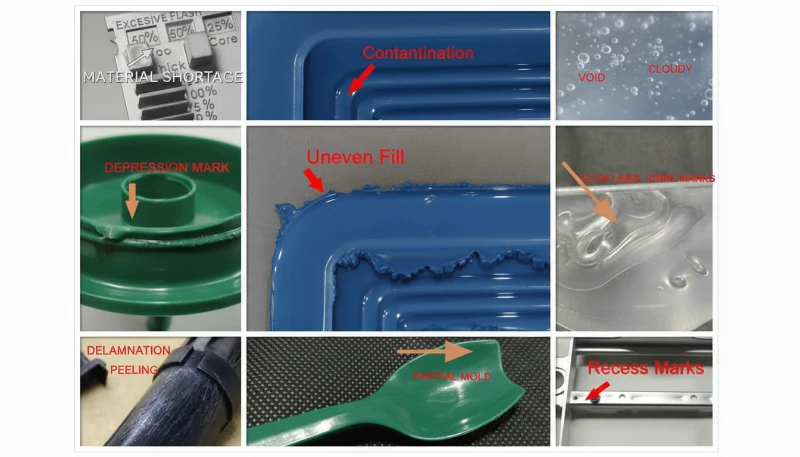
Um sistema de canais mal projetado é uma causa direta de preenchimento desequilibrado, perda de pressão, tampões frios e desperdício de resina. Em nossa fábrica, diagnosticamos esses problemas acompanhando o caminho do fundido desde o bico até a cavidade antes de alterar as configurações da máquina.
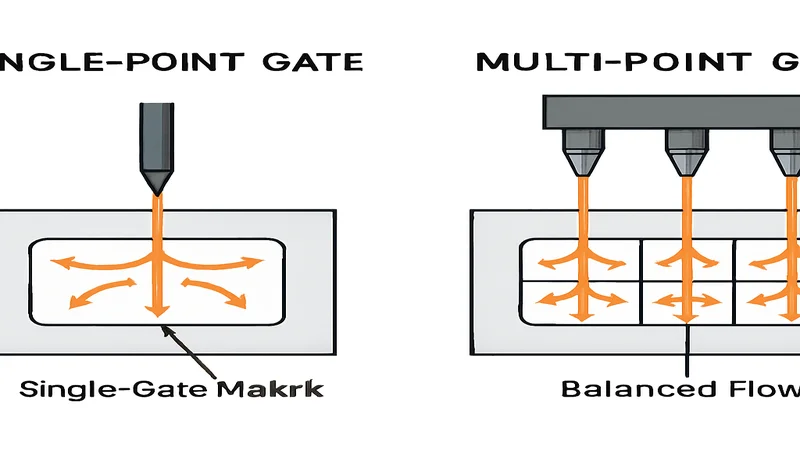
Preenchimento desequilibrado em moldes multicavidade. Quando os comprimentos ou diâmetros dos canais variam, algumas cavidades são preenchidas primeiro e outras ficam atrasadas. As cavidades preenchidas antes são sobrecompactadas, enquanto as últimas ficam incompletas. A solução é um projeto de canais equilibrado — comprimento de fluxo e seção transversal iguais para todas as cavidades, ou compensação do comprimento de fluxo com diferentes diâmetros de canal.
Queda de pressão excessiva. Canais longos, estreitos e com muitas curvas perdem pressão antes da cavidade. Se precisar de 120 MPa na cavidade e perder 80 MPa nos canais, necessita de máquina maior — ou melhor disposição.
Material frio entrando na cavidade. Se o poço de material frio estiver ausente ou subdimensionado, o tampão solidificado da ponta do bico percorre o canal e bloqueia um ponto de injeção. Isso se manifesta como preenchimento incompleto intermitente ou imperfeições superficiais que aparecem aleatoriamente.
Desperdício excessivo nos canais. Em moldes de canal frio, canais sobredimensionados (uma margem de segurança comum) desperdiçam material. Na produção de grande volume com resinas de engenharia caras (PEEK, PPS, LCP), mesmo alguns gramas por injeção somam milhares de dólares por ano.
Como otimizar o projeto dos canais de alimentação em moldes multicavidade?
A otimização de moldes multicavidades é onde projetistas de ferramental experientes demonstram seu valor. O objetivo é simples: todas as cavidades devem ser preenchidas na mesma velocidade e pressão, produzindo peças idênticas. Isso exige atenção a três fatores.
Equilíbrio geométrico (canal naturalmente equilibrado). Disponha o canal para que o trajeto até cada cavidade tenha comprimento, curvas e secção idênticos. Um padrão H ou radial consegue-o naturalmente. É a referência, mas nem sempre cabe nas restrições da base ou disposição das peças.
Compensação do comprimento de fluxo (canal balanceado artificialmente). Quando o balanceamento geométrico é impossível, ajuste os diâmetros dos canais para equalizar a queda de pressão até cada cavidade. Uma cavidade mais distante do canal principal recebe um canal mais largo para compensar a perda adicional por atrito. Isso exige uma simulação precisa do fluxo no molde.
Dimensionamento dos pontos de injeção como ajuste final. Mesmo com canais balanceados, pequenas variações na geometria das cavidades (pesos e espessuras de parede diferentes) podem causar desequilíbrio. O ajuste fino final consiste em alterar ligeiramente o tamanho de cada ponto de injeção. Isso é feito durante a amostragem do molde — moldamos peças de teste, medimos os pesos por cavidade e ajustamos os pontos de injeção em incrementos de 0.1 mm.
{“type”:“factory_insight”,“fact_ids”:[“facility.in_house_mold_manufacturing”,“company.experience_20_years”],“text”:“Com as nossas instalações internas de fabrico de moldes e 20+ anos de experiência em ferramentas, projetamos e afinamos regularmente moldes multicavidade com até 64 cavidades para componentes médicos e conectores produzidos em grande volume.”}
"Num sistema de canais naturalmente equilibrado, todas as cavidades têm um percurso de fluxo idêntico a partir do canal de injeção."True
Verdadeiro. Canais geometricamente balanceados usam layouts em H ou radiais para assegurar o mesmo comprimento de fluxo, número de curvas e seção transversal até cada cavidade, produzindo peças uniformes.
"O equilíbrio dos canais só é necessário para moldes com mais de 16 cavidades."False
corredor:
Quais são as principais diferenças entre bucha, canal e ponto de injeção?
Se precisar de uma comparação rápida, esta tabela resume as principais diferenças entre canal de entrada, canal de distribuição e ponto de injeção:
| Caraterística | Tubo | Corredor | Portão |
|---|---|---|---|
| Localização | Vertical, através da placa superior | Horizontal, na superfície de partição | Entre o canal de distribuição e a cavidade |
| Função | Conecta o bico ao sistema de canais | Distribui o material fundido por todas as cavidades | Controla a entrada na cavidade |
| Tamanho | Maior canal (3–10 mm de diâmetro) | Médio (diâm. de 3–8 mm) | Menor (0.3–3 mm de diâm.) |
| Secção transversal | Cônico com afunilamento | Redondo, trapezoidal ou em forma de U | Retangular estreito ou redondo |
| Solidifica | Primeiro a receber o material fundido, lento a solidificar | Solidifica-se com a peça | Primeira secção a solidificar |
| Ejeção | Puxado pelo extrator do canal de injeção / rebaixo | Ejetada com a peça na linha de partição | Separa-se da peça durante a ejeção |
| Dica de projeto | Conicidade de 1–3° por lado para libertação limpa | A secção totalmente redonda é a mais eficiente | A menor entrada que enche a peça |
Perguntas mais frequentes
Qual é a diferença entre um canal de injeção e um canal de distribuição?
O canal de entrada é o canal vertical que liga o bico da máquina de injeção ao sistema de canais do molde, enquanto um canal de distribuição é o canal horizontal que distribui o material fundido desde o canal de entrada até aos pontos de injeção das cavidades individuais. O canal de entrada é o primeiro canal por onde o plástico passa após a ponta do bico e atravessa a placa de aperto superior do molde. Os canais de distribuição vêm depois do canal de entrada e ramificam-se para chegar a todas as cavidades. Em termos de dimensão, o canal de entrada é normalmente o maior canal individual do sistema de alimentação, enquanto os canais de distribuição são ramificados e têm uma secção transversal ligeiramente menor.
Um molde pode funcionar sem bucha de injeção?
Apenas em moldes de canais quentes com uma ligação direta do bico ao coletor, em que o bico aquecido alimenta diretamente o coletor sem um casquilho de canal de injeção convencional. Na maioria dos moldes normais de duas placas com canais frios, o canal de injeção é essencial porque faz a ligação entre o bico fixo da máquina, na metade fixa, e o sistema de canais da metade móvel do molde. Sem ele, não existe um canal estanque para conduzir o fundido desde o cilindro da máquina até às cavidades do molde. Os sistemas de canais quentes podem eliminar completamente o canal de injeção utilizando um casquilho aquecido ou injeção direta.
Por que o canal principal é cônico nos moldes de injeção?
A conicidade (1–3 graus por lado) cria um ângulo de saída que permite que o canal de injeção solidificado se solte corretamente da bucha durante a abertura do molde. Um canal cilíndrico de paredes retas ficaria preso à superfície do aço devido à fricção e à contração térmica, bloqueando o sistema de ejeção e podendo danificar a superfície do molde ao longo de ciclos repetidos. A conicidade garante que o canal saia suavemente da bucha em cada ciclo, o que é essencial para uma produção automatizada fiável, tempos de ciclo consistentes e longa vida útil do molde.
O que acontece se o canal for demasiado pequeno?
Um canal subdimensionado cria uma queda de pressão excessiva entre o bico da máquina e a cavidade, podendo causar enchimento incompleto, elevada pressão de enchimento e maior aquecimento por cisalhamento. A máquina pode ter de funcionar no limite máximo de pressão, sem margem para ajustes do processo ou variações de viscosidade. Nos moldes multicavidade, os canais subdimensionados também dificultam muito o equilíbrio do enchimento, causando qualidade inconsistente, variação dimensional entre cavidades e taxas globais de rejeição superiores.
Todo molde precisa de um poço para material frio?
Em moldes de canal frio, sim — ele retém o tarugo solidificado da ponta do bico que se forma entre os ciclos de injeção. Sem ele, esse tampão frio segue para o sistema de canais e pode bloquear um ponto de injeção ou criar uma imperfeição superficial visível na peça acabada. Em moldes de canal quente, o material fundido permanece líquido no manifold aquecido o tempo todo, portanto os poços de retenção de material frio não são necessários, pois não há material solidificado a reter. No entanto, a maioria dos moldes de canal frio deve sempre incluir um poço de retenção de material frio devidamente dimensionado na base do canal de entrada.
Como escolher entre sistemas de canais frios e quentes?
Utilize sistemas de canal frio para produção de volume baixo a médio, aplicações que exijam mudanças frequentes de cor ou quando o orçamento para o molde for limitado. Mude para canal quente na produção de grandes volumes (normalmente acima de 100,000 ciclos), com resinas de engenharia dispendiosas em que o desperdício nos canais é oneroso, ou quando a redução do tempo de ciclo for crítica para a rentabilidade. A maioria dos moldes de produção que fabrica mais de 500,000 peças por ano utiliza sistemas de canal quente, porque a poupança de material e os ciclos mais rápidos compensam o maior investimento inicial no molde durante a primeira série de produção. Faça as contas antes de escolher. Compare o volume anual, o peso dos canais, o preço da resina, a frequência das mudanças de cor, a automatização necessária, o orçamento do molde e a capacidade de manutenção. Um canal quente pode ser um investimento sólido, mas apenas quando a poupança na produção é superior à complexidade acrescida.
O que é o balanceamento de canais e por que ele é importante?
O balanceamento dos canais garante que todas as cavidades de um molde multicavidades sejam preenchidas simultaneamente e com a mesma pressão, produzindo peças consistentes em todas as cavidades a cada ciclo. Isso é obtido por meio do layout geométrico (percursos de fluxo iguais usando padrões em H ou projetos de canais radiais) ou pelo ajuste dos diâmetros de cada canal para compensar os diferentes comprimentos de fluxo até cada cavidade. Canais desbalanceados fazem com que algumas cavidades recebam recalque excessivo (resultando em rebarbas, alta tensão residual e problemas dimensionais), enquanto outras ficam incompletas (injeções curtas, marcas de afundamento e vazios), gerando qualidade inconsistente das peças e maiores taxas de rejeição.
Qual tipo de ponto de injeção deixa a menor marca na peça?
Pontos de injeção pontuais e submarinos (túnel) deixam o menor vestígio visível na superfície da peça, geralmente um ponto ou uma pequena depressão com menos de 1 mm de diâmetro. Pontos de injeção valvulados em sistemas de canal quente deixam a marca mais limpa de todas — uma pequena marca circular sem vestígio saliente, pois o pino da válvula corta o ponto rente à superfície da peça durante o fechamento. Pontos de injeção diretos e grandes pontos laterais deixam as marcas mais visíveis na peça moldada, que muitas vezes exigem operações secundárias de recorte, lixamento ou acabamento cosmético para serem removidas antes do envio da peça.
Como pode a ZetarMold ajudar no projeto do seu molde?
Escolher a configuração correta de canal de entrada, canal de distribuição e ponto de injeção não é um exercício teórico: depende da geometria da peça, do material, do volume de produção e dos requisitos de qualidade. Na ZetarMold, projetamos e fabricamos moldes internamente, com 47 máquinas de moldagem por injeção (90T–1850T) e experiência com mais de 400 materiais plásticos. Se você procura um fornecedor de moldagem por injeção, nossa equipe de engenharia pode orientá-lo desde a DFM até a produção.
Seja um molde simples de câmara fria para um lote curto ou um sistema de câmara quente de precisão para produzir milhões de peças, nossa equipe pode ajudar você a acertar logo na primeira vez.
Solicite uma cotação gratuita → Envie o seu modelo 3D e devolveremos comentários DFM, recomendações de projeto do molde e um cronograma de produção em 48 horas.
canal de entrada: O canal de entrada é o canal vertical principal que conduz o plástico fundido do bico da máquina de moldagem por injeção até o sistema de canais de distribuição do molde. ↩
canal de distribuição: O canal de distribuição é o sistema de canais horizontais que distribui o plástico fundido do canal de entrada aos pontos de injeção de cada cavidade em um molde com múltiplas cavidades ou múltiplos pontos de injeção. ↩
ponto de injeção: O ponto de injeção é a abertura estreita entre o canal de distribuição e a cavidade do molde, por onde o plástico fundido entra na geometria da peça. ↩