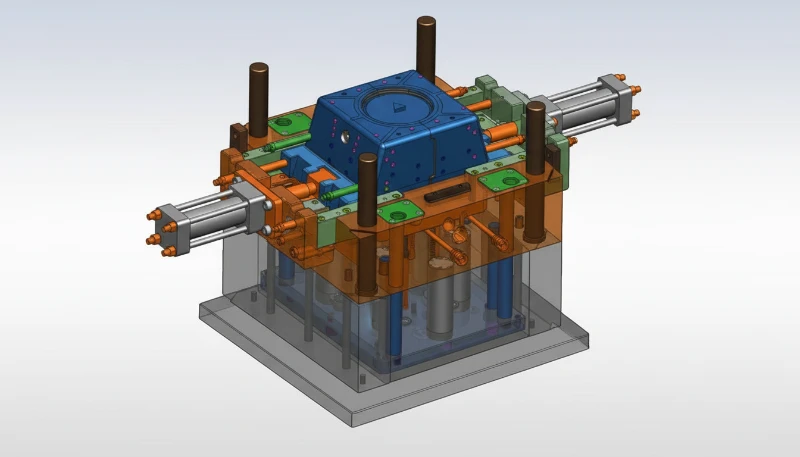
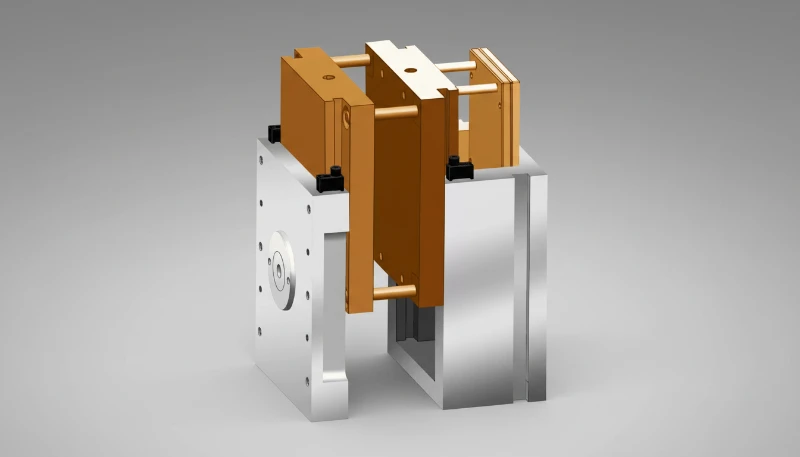
Jeśli zajmujesz się formowaniem wtryskowym, znasz terminy kanał wlewowy1, kanał doprowadzający2 i przewężka3. Nie oznaczają tego samego. Ich pomylenie może prowadzić do złej konstrukcji formy, strat materiału i niepełnego wypełniania części.
W ciągu ponad 20 lat budowy form i prowadzenia produkcji w naszym zakładzie w Szanghaju zetknęliśmy się z każdym typowym błędem dotyczącym układu wlewowego. W tym artykule szczegółowo wyjaśniamy funkcję każdego elementu, różnice między nimi oraz decyzje konstrukcyjne, które rzeczywiście mają znaczenie na hali produkcyjnej.
- Kanał wlewowy główny jest pierwszym pionowym kanałem prowadzącym od dyszy maszyny do formy.
- Kanały doprowadzające rozprowadzają stopione tworzywo poziomo od kanału wlewowego do przewężek poszczególnych gniazd.
- Przewężki stanowią najwęższy punkt — sterują przepływem, momentem zamarzania tworzywa i oddzielaniem detalu.
- Układy zimnokanałowe wytwarzają odpady; układy gorącokanałowe je eliminują, ale wymagają większej inwestycji początkowej.
- Dobór typu przewężki bezpośrednio wpływa na jakość części, czas cyklu i nakład pracy przy obróbce wtórnej.
Czym jest wlew główny w formowaniu wtryskowym?
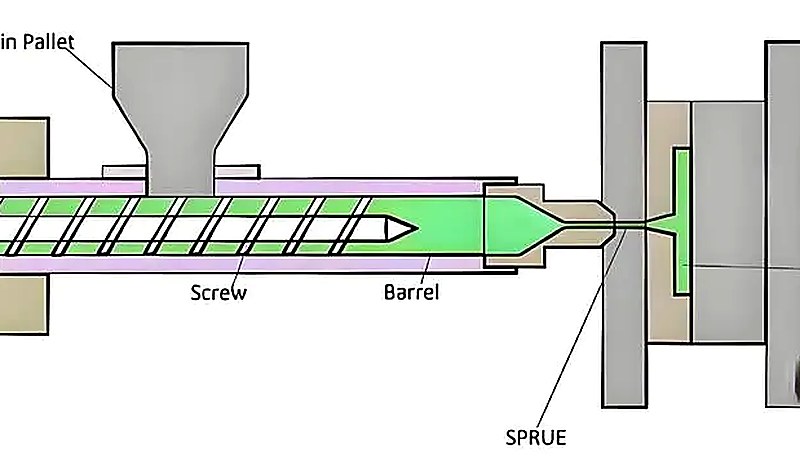
Tuleja wtryskowa jest pierwszym i największym kanałem układu doprowadzającego. Zaczyna się przy dyszy maszyny, przechodzi przez górną płytę formy i łączy się z siecią kanałów wlewowych. Można ją traktować jako główną linię zasilającą — całe tworzywo przepływa najpierw właśnie tędy.
W typowej formie dwupłytowej kanał wlewowy główny jest stożkowym otworem wywierconym przez tuleję wlewową. Pochylenie — zwykle od 1 do 3 stopni na stronę — umożliwia czyste wypchnięcie zestalonego wlewu. Wlew o prostych ściankach przywierałby i blokował formę w każdym cyklu.
Kluczowe wymiary mają znaczenie. Średnica większego końca tulei wlewowej na styku z dyszą zazwyczaj odpowiada średnicy otworu dyszy maszyny lub jest od niej nieco większa (3–6 mm w większości zastosowań ogólnych). Mniejszy koniec prowadzi do kanału wlewowego. Zbyt wąska tuleja wlewowa powoduje nadmierny spadek ciśnienia już na początku napełniania. Zbyt szeroka zwiększa zużycie materiału i wydłuża czas chłodzenia.
W naszym zakładzie w Szanghaju ZetarMold wykorzystuje ponad 20 lat doświadczenia w formowaniu wtryskowym i budowie oprzyrządowania, dysponuje 47 wtryskarkami o sile zwarcia od 90 do 1850 ton oraz realizuje projekty z wykorzystaniem własnej narzędziowni. Ma to znaczenie przy projektowaniu tulei wlewowej i kanałów, ponieważ ta sama forma może zachowywać się inaczej po przeniesieniu z wtryskarki próbnej na maszynę produkcyjną.
Czym jest kanał doprowadzający we wtryskiwaniu?
Kanał doprowadzający to pozioma sieć kierująca stopione tworzywo od dołu kanału wlewowego do przewężki każdej gniazda. W wielogniazdowej formie do formowania wtryskowego jest kręgosłupem dystrybucji i decyduje o równoczesnym napełnianiu gniazd pod tym samym ciśnieniem.
Kanały doprowadzające mają kilka profili przekroju poprzecznego. Najczęściej stosuje się:
Pełny przekrój kołowy — przekrój w kształcie koła. Najlepszy stosunek pola powierzchni do objętości, co oznacza najmniejsze straty ciepła i najniższy spadek ciśnienia. Wymaga obróbki obu połówek formy, dlatego koszt oprzyrządowania jest wyższy.
Przekrój trapezowy — kanał obrabiany tylko w jednej połowie formy. Jest łatwiejszy i tańszy w wykonaniu. Kompromisem są nieco większe straty ciepła i opory przepływu.
Zmodyfikowany przekrój trapezowy (kształt U) — rozwiązanie hybrydowe, które udoskonala standardowy trapez przez zaokrąglenie naroży, zapewniając lepszą charakterystykę przepływu przy zachowaniu możliwości obróbki z jednej strony.
Średnica kanału wlewowego wynosi zazwyczaj od 3 mm do 10 mm, zależnie od rozmiaru części, lepkości materiału i długości drogi przepływu. W naszym zakładzie rzadko stosujemy średnicę poniżej 4 mm poza bardzo małymi detalami z mikroformowania — przy mniejszej średnicy straty ciśnienia szybko się kumulują, szczególnie w przypadku tworzyw konstrukcyjnych o wysokiej lepkości.
"Średnica kanału w większości form produkcyjnych wynosi od 3 mm do 10 mm."True
Prawda. Jest to standardowy zakres. Mniejsze kanały powodują nadmierny spadek ciśnienia, natomiast większe marnują materiał i wydłużają czas cyklu.
"Kanały wlewowe są zawsze obrabiane w obu połówkach formy."False
Fałsz. Kanały trapezowe i U-kształtne obrabia się tylko w jednej połowie formy. Jedynie kanały o pełnym przekroju kołowym wymagają obróbki po obu stronach.
Czym jest przewężka i czym różni się od tulei wlewowej oraz kanału doprowadzającego?
Przewężka jest najwęższym przewężeniem między kanałem doprowadzającym a gniazdem formy. To ostatnie przejście, przez które tworzywo przepływa przed wejściem do gniazda. Przewężki pełnią cztery kluczowe funkcje, które bezpośrednio decydują o jakości części i wydajności produkcji.
1. Sterowanie przepływem. Przewężka ogranicza i ukierunkowuje przepływ stopionego tworzywa. Mniejsza przewężka zwiększa szybkość ścinania, co wskutek tarcia lepkiego podgrzewa materiał i chwilowo obniża jego lepkość — ułatwiając wypełnianie cienkościennych obszarów.
2. Uszczelnienie przez zestalenie. Po zakończeniu docisku tworzywa w gnieździe przewężka zestala się jako pierwsza. Uszczelnia to gniazdo, dzięki czemu po spadku ciśnienia wtrysku tworzywo pod dociskiem nie może cofnąć się do kanału wlewowego.
3. Punkt oddzielenia. Po wypchnięciu przewężka jest miejscem, w którym część oddziela się od układu kanałów wlewowych. Prawidłowo zaprojektowana przewężka odłamuje się czysto lub wymaga jedynie minimalnego przycięcia.
4. Kontrola docisku. Rozmiar przewężki i czas jej zamarzania bezpośrednio regulują ilość materiału dociskanego do gniazda.
Zbyt duża przewężka wydłuża fazę docisku i może prowadzić do nadmiernego upakowania, wypływki lub wysokich naprężeń szczątkowych. Zbyt mała zastyga przed całkowitym wypełnieniem gniazda w fazie docisku, powodując zapadnięcia lub pustki.
Jak przebiega pełna droga materiału od dyszy do gniazda?
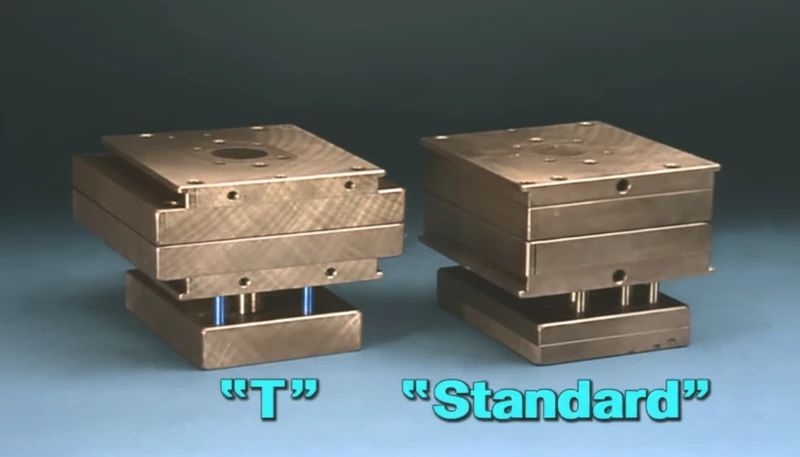
Pełna droga zasilania od dyszy do gniazda wynika z opisanych tu funkcji, ograniczeń i kompromisów. Stopione tworzywo płynie przez formę wtryskową kolejno: cylinder maszyny → końcówka dyszy → kanał wlewowy → kanał doprowadzający → przewężka → gniazdo.
Na każdym kolejnym etapie przekrój kanału jest mniejszy. Kanał wlewowy główny ma największy przekrój, kanały rozprowadzające są mniejsze i rozgałęzione, a przewężka stanowi najmniejsze zwężenie. Takie stopniowanie jest celowe — pozwala utrzymać prędkość przepływu i ciśnienie aż do wejścia do gniazda formy.
U podstawy tulei wlewowej, naprzeciwko zabieraka wlewu, znajduje się również studzienka zimnego korka. Jej zadaniem jest wychwytywanie zimnej, wolno przemieszczającej się porcji tworzywa, która pozostaje na końcówce dyszy między cyklami. Bez studzienki zimny korek przedostałby się do kanału wlewowego i mógłby zablokować punkt wtrysku lub spowodować widoczną skazę na części.
"Studzienka zimnego korka wychwytuje tworzywo zestalone na końcówce dyszy między cyklami."True
Prawda. Bez studzienki zimnego czopa skrzepnięty materiał z końcówki dyszy przedostałby się do układu kanałów wlewowych i mógłby zablokować przewężkę lub spowodować wady powierzchni formowanej części.
„Przewężka jest największym kanałem układu doprowadzającego.”False
Fałsz. Przewężka jest najmniejszym przewężeniem. Wlewek główny jest największym kanałem, kanał wlewowy ma średni przekrój, a przewężka stanowi najwęższy punkt między kanałem wlewowym a gniazdem.
Który system wybrać: zimnokanałowy czy gorącokanałowy?
To jedna z najważniejszych decyzji przy budowie formy. Typ układu wlewowego wpływa na odpady materiału, czas cyklu, jakość części i koszt oprzyrządowania. Zrozumienie kompromisów pozwala dobrać rozwiązanie do wolumenu i budżetu.
System zimnokanałowy jest tradycyjnym i tańszym rozwiązaniem. Kanały doprowadzające nie są podgrzewane — są po prostu wykonywane w stali formy. Po każdym cyklu tworzywo w kanałach zestala się razem z częściami i zostaje wypchnięte. Zestalony układ wlewowy stanowi odpad (lub przemiał), zazwyczaj 5–30% całkowitej masy wtrysku, zależnie od geometrii części.
System gorących kanałów wykorzystuje grzałki patronowe, termopary i bloki rozdzielacza, aby tworzywo w kanałach wlewowych przez cały czas pozostawało w stanie stopionym. Nie są wyrzucane żadne odpady z układu wlewowego — tylko detale. Pozwala to oszczędzać materiał, skraca czas cyklu (nie trzeba chłodzić ani wyrzucać układu wlewowego) i często umożliwia szybszą zmianę koloru lub materiału. Ceną za te korzyści są znacznie wyższy koszt oprzyrządowania i większa złożoność konserwacji.
Oto praktyczne porównanie:
| Kryteria | Układ zimnokanałowy | System gorącokanałowy |
|---|---|---|
| Koszt oprzyrządowania | Niższy (o $3K–$15K) | Wyższy (ogrzewany rozdzielacz + sterowniki) |
| Odpady materiałowe | 5–30% na wtrysk (odpad z kanałów wlewowych) | Wartość bliska zeru (brak zestalonego kanału wlewowego) |
| Czas cyklu | Dłuższy (kanał musi ostygnąć) | Krótszy (nie trzeba chłodzić kanału wlewowego) |
| Konserwacja | Proste i solidne | Złożony (grzałki, termopary, wycieki) |
| Zmiana koloru | Łatwe (czyszczenie całego układu) | Wolniejsze (pozostałości stopionego tworzywa w kolektorze) |
| Jakość detalu | Ślady po przewężce, możliwa pozostałość | Czystsze przewężki, przewężka termiczna lub zaworowa |
| Najlepsze dla | Mało-średnia seria, częste zmiany koloru | Duży wolumen, wąskie tolerancje, drogie żywice |
{“type”:“factory_insight”,“fact_ids”:[“equipment.injection_machines_47”,“equipment.tonnage_90_1850”],“text”:“W naszym zakładzie w Szanghaju eksploatujemy 47 wtryskarek o sile zwarcia od 90T do 1850T, produkując części w formach zimno- i gorącokanałowych. W przypadku wyrobów medycznych i wielkoseryjnej elektroniki użytkowej systemy gorącokanałowe niemal zawsze zapewniają niższy całkowity koszt posiadania po przekroczeniu około 100,000 cykli.”}
Jakie typy przewężek są najczęściej stosowane?
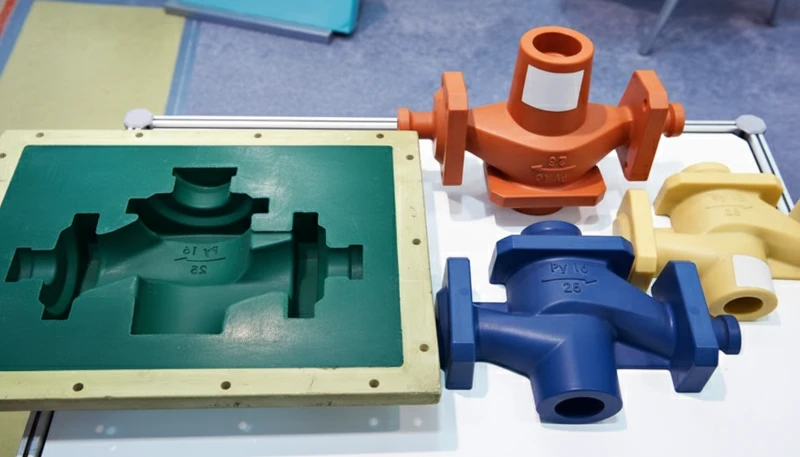
Najczęściej stosowane typy przewężek to główne kategorie lub rozwiązania opisane w tej części. Dobór przewężki nie jest ćwiczeniem teoretycznym — bezpośrednio decyduje o prawidłowym wypełnieniu części, zakresie wymaganej obróbki wykończeniowej oraz o tym, czy automatyzacja produkcji jest w ogóle możliwa. Oto sześć typów przewężek najczęściej spotykanych w oprzyrządowaniu produkcyjnym:
1. Przewężka bezpośrednia (wlew centralny). Najprostszy typ przewężki — tuleja wlewowa doprowadza tworzywo bezpośrednio do gniazda, bez kanału wlewowego. Stosuje się ją w formach jednogniazdowych do produkcji dużych, grubościennych detali, takich jak wiadra lub obudowy. Zapewnia małą stratę ciśnienia, ale pozostawia duży, widoczny ślad po przewężce i nie może być stosowana w układach wielogniazdowych.
2. Przewężka krawędziowa (boczna). Najbardziej uniwersalny typ przewężki, umieszczony na powierzchni podziału przy krawędzi gniazda. Jest łatwa w obróbce i modyfikacji wymiarów oraz nadaje się do większości materiałów. Jej wadami są widoczny ślad po przewężce i konieczność ręcznego odcinania wlewka.
3. Przewężka tunelowa. Kanał wlewowy biegnie pod kątem poniżej płaszczyzny podziału i wchodzi do gniazda od spodu lub od powierzchni wewnętrznej. Podczas otwierania formy ukośny kanał wlewowy automatycznie odcina przewężkę od detalu — umożliwia to w pełni zautomatyzowaną produkcję bez widocznego śladu przewężki na powierzchni dekoracyjnej. Rozwiązanie nie jest zalecane do kruchych materiałów, takich jak PC lub PMMA.
"Przewężki tunelowe mogą umożliwiać w pełni zautomatyzowaną produkcję, ponieważ przewężka odcina się podczas otwierania formy."True
Prawda. Ukośna konstrukcja tunelu sprawia, że podczas otwierania formy przewężka samoczynnie oddziela się od detalu, eliminując potrzebę ręcznego odcinania wlewu.
"Przewężki punktowe można stosować w standardowych formach dwupłytowych."False
Fałsz. Przewężki punktowe wymagają formy trójpłytowej (z podwójną powierzchnią podziału), ponieważ podczas otwierania formy przewężka musi zostać oderwana po stronie nieruchomej. Standardowe formy dwupłytowe nie pozwalają na zastosowanie tego typu przewężki.
4. Przewężka punktowa. Przewężka o bardzo małej średnicy (zwykle 0.5–1.5 mm), która pozostawia minimalny ślad i samoczynnie odrywa się podczas wypychania. Wymaga formy trójpłytowej. Powoduje duży spadek ciśnienia wtrysku, lecz doskonale sprawdza się w przypadku części o wysokich wymaganiach estetycznych i form wielogniazdowych.
5. Przewężka wachlarzowa. Szeroka, płaska przewężka rozprowadzająca stopione tworzywo szerokim frontem. Jest idealna do części cienkościennych, w których trzeba zapobiegać strumieniowaniu lub wadom wywołanym wysokim ścinaniem. Powszechnie stosuje się ją w płaskich panelach i osłonach soczewek.
6. Przewężka zaworowa (tylko gorący kanał). Mechanicznie sterowany trzpień otwiera i zamyka otwór przewężki. Zapewnia najczystszy ślad, precyzyjną kontrolę czasu otwarcia i jest stosowany w zaawansowanych formach wielogniazdowych oraz sekwencyjnym napełnianiu. Najdroższa opcja.
Jak rozmiar przewężki wpływa na jakość części?
Rozmiar przewężki jest punktem sterującym prędkością napełniania, czasem docisku i jakością oddzielenia. Błędny dobór szybko ujawnia się w postaci wad.
Zbyt mały punkt wtrysku: duża szybkość ścinania w przewężce powoduje nadmierne nagrzewanie wskutek tarcia, co może prowadzić do degradacji tworzyw wrażliwych na temperaturę. Punkt wtrysku zastyga również zbyt wcześnie, odcinając ciśnienie docisku, zanim skurcz w gnieździe zostanie w pełni skompensowany. Skutkiem są zapadnięcia, puste przestrzenie i niedopakowane wypraski. Występują także duże spadki ciśnienia, które w formach wielogniazdowych mogą powodować niedolewy.
Zbyt duża przewężka: wydłużony czas docisku, nadmierny docisk w pobliżu przewężki i wysokie naprężenia szczątkowe. Ślad po przewężce jest większy i trudniej go czysto usunąć. Czas cyklu wzrasta, ponieważ gruby przekrój przewężki potrzebuje więcej czasu na zestalenie.
W praktyce zaczynamy od pola przekroju przewężki równego około 50–70% najcieńszego przekroju ścianki części, a następnie korygujemy je na podstawie symulacji przepływu. Długość progu przewężki, czyli prostego odcinka, utrzymujemy na poziomie 0.5–1.5 mm, aby ograniczyć straty ciśnienia. Większa długość zwykle tylko marnuje ciśnienie.
Jakie problemy powoduje nieprawidłowo zaprojektowany układ wlewowy?
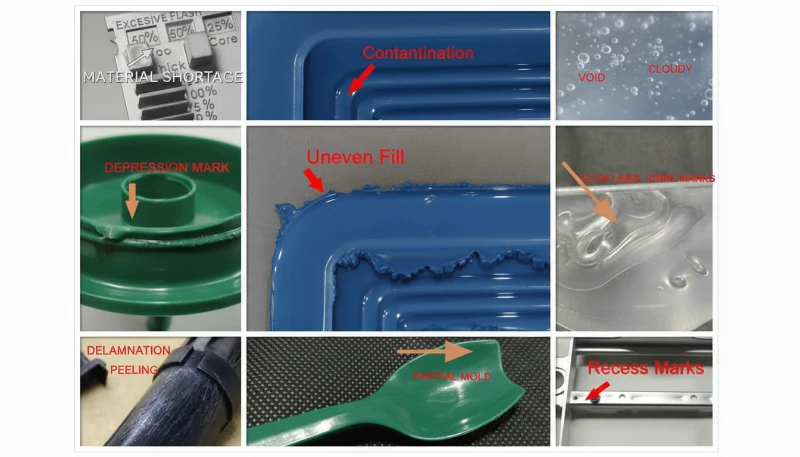
Źle zaprojektowany układ wlewowy jest bezpośrednią przyczyną nierównomiernego napełniania, strat ciśnienia, zimnych korków i marnotrawstwa żywicy. W naszym zakładzie diagnozujemy te problemy, analizując drogę stopionego tworzywa od dyszy do gniazda przed zmianą ustawień maszyny.
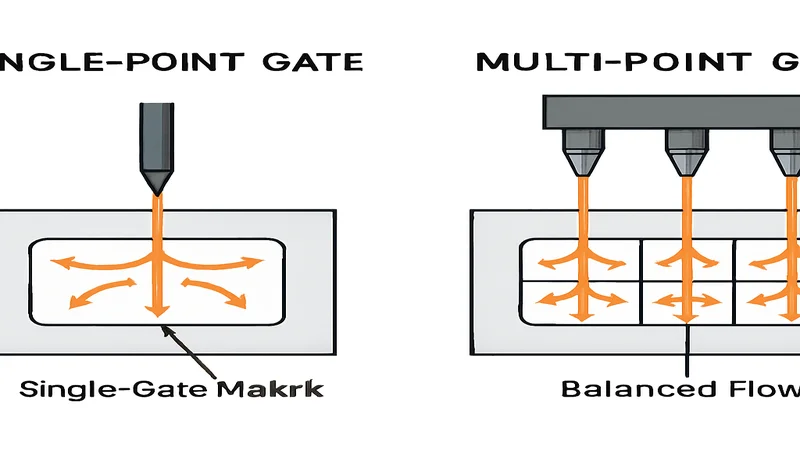
Niezrównoważone wypełnianie form wielogniazdowych. Gdy długości lub średnice kanałów wlewowych są różne, niektóre gniazda wypełniają się wcześniej, a inne z opóźnieniem. Wcześniej wypełnione gniazda są przepakowane, natomiast później wypełniane pozostają niedolane. Rozwiązaniem jest zrównoważony układ kanałów wlewowych — jednakowa długość drogi przepływu i taki sam przekrój do każdego gniazda albo kompensacja długości przepływu przez zastosowanie kanałów o różnych średnicach.
Nadmierny spadek ciśnienia. Długie, wąskie kanały doprowadzające z dużą liczbą zakrętów powodują utratę ciśnienia wtrysku, zanim stopione tworzywo dotrze do gniazda. Jeżeli w gnieździe potrzeba 120 MPa, ale układ kanałów powoduje stratę 80 MPa, konieczna jest większa maszyna — albo lepszy układ kanałów doprowadzających.
Zimne korki trafiające do gniazda. Jeśli studzienka zimnego korka nie istnieje lub jest za mała, zestalony korek z końcówki dyszy przemieszcza się do kanału i blokuje przewężkę. Objawia się to sporadycznymi niedolewami lub przypadkowo występującymi wadami powierzchni.
Nadmierny odpad z kanałów. W formach zimnokanałowych przewymiarowane kanały (częsty margines bezpieczeństwa) marnują materiał. W produkcji wielkoseryjnej z drogimi żywicami konstrukcyjnymi (PEEK, PPS, LCP) nawet kilka gramów na wtrysk daje tysiące dolarów rocznie.
Jak zoptymalizować konstrukcję kanałów wlewowych w formach wielogniazdowych?
Optymalizacja form wielogniazdowych najlepiej pokazuje wartość doświadczonych konstruktorów. Cel jest prosty: każde gniazdo ma być napełniane z taką samą prędkością i przy takim samym ciśnieniu, dając identyczne detale. Osiągnięcie tego wymaga uwzględnienia trzech czynników.
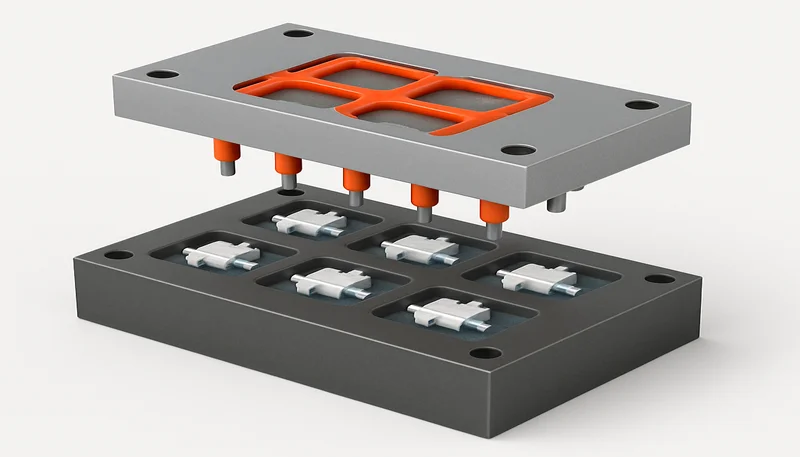
Równowaga geometryczna (naturalnie zrównoważony układ kanałów). Kanały należy rozmieścić tak, aby droga przepływu od tulei wtryskowej do każdego gniazda miała identyczną długość, liczbę zakrętów i przekrój. Warunek ten można w naturalny sposób spełnić za pomocą układu typu H lub układu promieniowego. Jest to rozwiązanie wzorcowe, lecz nie zawsze mieści się w ograniczeniach korpusu formy ani nie zawsze odpowiada wymaganemu rozmieszczeniu części.
Kompensacja długości przepływu (sztucznie zrównoważony kanał wlewowy). Gdy równowaga geometryczna jest niemożliwa, należy wyregulować średnice kanałów, aby wyrównać spadek ciśnienia do każdego gniazda. Gniazdo położone dalej od tulei wlewowej otrzymuje szerszy kanał, kompensujący dodatkowe straty tarcia. Wymaga to dokładnej symulacji przepływu w formie.
Wymiarowanie przewężek jako końcowa regulacja. Nawet przy zrównoważonych kanałach niewielkie różnice w geometrii gniazd (różne masy części i grubości ścianek) mogą powodować nierównowagę. Ostatnim etapem regulacji jest nieznaczna korekta wymiarów poszczególnych przewężek. Wykonuje się ją podczas prób formy — wytwarzamy próbne wypraski, mierzymy masę części z każdego gniazda i korygujemy przewężki w krokach co 0.1 mm.
{“type”:“factory_insight”,“fact_ids”:[“facility.in_house_mold_manufacturing”,“company.experience_20_years”],“text”:“Dzięki własnej narzędziowni i ponad 20-letniemu doświadczeniu w budowie oprzyrządowania regularnie projektujemy i dostrajamy formy wielogniazdowe, nawet 64-gniazdowe, do wielkoseryjnej produkcji złączy i komponentów medycznych.”}
"W naturalnie zrównoważonym układzie wlewowym droga przepływu od tulei wlewowej do każdego gniazda jest jednakowa."True
Prawda. Geometrycznie zrównoważone kanały dolotowe wykorzystują układy w kształcie litery H lub promieniowe, aby zapewnić równą długość przepływu, liczbę zakrętów i przekrój do każdego gniazda, co daje spójne wypraski.
„Równoważenie układu kanałów jest potrzebne tylko w formach mających więcej niż 16 gniazd.”False
Fałsz. Nawet forma dwugniazdowa może cierpieć na nierównowagę napełniania, jeśli długości kanałów dolotowych są różne. Równoważenie kanałów jest ważne dla każdej formy wielogniazdowej, niezależnie od liczby gniazd.
Jakie są najważniejsze różnice między tuleją wlewową, kanałem wlewowym a przewężką?
Jeśli potrzebujesz szybkiego porównania, ta tabela przedstawia najważniejsze różnice między kanałem wlewowym, kanałem doprowadzającym i przewężką:
| Cecha | Wlew | Biegacz | Brama |
|---|---|---|---|
| Lokalizacja | Pionowa, przez płytę górną | Pozioma, na powierzchni rozdzielenia | Między kanałem dolotowym a gniazdem |
| Funkcja | Łączy dyszę wtryskarki z systemem kanałów dolotowych | Rozdziela stop do wszystkich gniazd | Kontroluje dopływ do gniazda |
| Rozmiar | Największy kanał (średnica 3–10 mm) | Średni (średnica 3–8 mm) | Najmniejsza (średnica 0,3–3 mm) |
| Przekrój | Stożkowy, zwężający się | Okrągły, trapezowy lub w kształcie litery U | Wąski prostokątny lub okrągły |
| Zastyga | Pierwszy otrzymuje materiał, wolno zamarza | Zamarza wraz z częścią | Pierwsza sekcja, która krzepnie |
| Wyrzut | Wyciągany przez wyciągacz wlewu / podcięcie | Wyrzucany wraz z częścią na linii rozdzielania | Odcięcie od części podczas wyciągania |
| Wskazówka projektowa | Stożek 1–3° na stronę dla czystego uwolnienia | Pełny okrągły jest najbardziej efektywny | Najmniejszy wlew, który wypełnia część |
Często zadawane pytania
Jaka jest różnica między wlewem a kanałem zasilającym?
Kanał główny to pionowy kanał łączący dyszę wtryskarki z układem kanałów wlewowych formy, natomiast kanał rozprowadzający jest kanałem poziomym, który doprowadza stop z kanału głównego do przewężek poszczególnych gniazd. Kanał główny jest pierwszym kanałem, do którego tworzywo trafia za końcówką dyszy, i przechodzi przez górną płytę mocującą formy. Dalej znajdują się kanały rozprowadzające, które rozgałęziają się do każdego gniazda. Pod względem wymiarów kanał główny jest zwykle największym pojedynczym kanałem układu doprowadzającego, natomiast kanały rozprowadzające są rozgałęzione i mają nieco mniejszy przekrój.
Czy forma może działać bez tulei wlewowej?
Tylko w formach gorącokanałowych z bezpośrednim połączeniem dyszy z kolektorem, gdzie podgrzewana dysza zasila kolektor bez konwencjonalnej tulei wlewowej. W większości standardowych dwupłytowych form zimnokanałowych wlew główny jest niezbędny, ponieważ łączy nieruchomą dyszę maszyny po stronie stałej z układem kanałów ruchomej połowy formy. Bez niego nie ma szczelnego kanału doprowadzającego stopione tworzywo z cylindra do gniazd. Układy gorącokanałowe mogą całkowicie wyeliminować wlew główny przez zastosowanie podgrzewanej tulei lub bezpośredniej przewężki.
Dlaczego wlew w formach wtryskowych jest stożkowy?
Stożkowość (1–3 stopnie na bok) tworzy kąt odbioru, który umożliwia czyste uwolnienie zestalonego ślimu z tulei ślimowej podczas otwierania formy. Prosty, cylindryczny kanał chwytałby powierzchnię stali przez tarcie i skurcz termiczny, blokując system wyciągania i potencjalnie uszkadzając powierzchnię formy w kolejnych cyklach. Stożkowość zapewnia, że ślim jest wyciągany z tulei płynnie w każdym cyklu, co jest kluczowe dla niezawodnej produkcji zautomatyzowanej, spójnych czasów cyklu i długiej żywotności formy.
Co się dzieje, gdy kanał wlewowy jest zbyt mały?
Zbyt mały kanał dolotowy powoduje nadmierny spadek ciśnienia między dyszą wtryskarki a gniazdem, co może prowadzić do niedolewania, wysokich wymagań dotyczących ciśnienia napełniania oraz zwiększonego nagrzewania ścinaniem w stopie. Maszyna może potrzebować pracy na granicy maksymalnego ciśnienia, nie pozostawiając marginesu na regulację procesu lub zmiany lepkości materiału podczas produkcji. W formach wielogniazdowych zbyt małe kanały dolotowe znacznie utrudniają również zrównoważenie napełniania gniazd, prowadząc do niespójnej jakości wyprasek, zróżnicowania wymiarowego między gniazdami oraz wyższych ogólnych wskaźników braków.
Czy każda forma wymaga studzienki zimnego korka?
W formach z zimnymi kanałami — tak — zbiera on zestaloną grudkę z końcówki dyszy, która tworzy się między cyklami wtrysku. Bez niego ta zimna grudka przemieszcza się do systemu kanałów dolotowych i może zablokować śluzę lub stworzyć widoczną wadę na powierzchni gotowej wypraski. W formach z gorącymi kanałami stop pozostaje w stanie ciekłym w ogrzewanej rozdzielnicy przez cały czas, więc studzienki na zimną grudkę nie są potrzebne, ponieważ nie ma zestalonego materiału do uwięzienia. Jednak większość form z zimnymi kanałami powinna zawsze zawierać odpowiednio wymiarowaną studzienkę na zimną grudkę u podstawy ślima.
Jak wybrać między systemem zimnokanałowym a gorącokanałowym?
Zimne kanały stosuj dla małych i średnich wolumenów, częstych zmian koloru lub ograniczonego budżetu. Gorące kanały wybieraj powyżej 100,000 cykli, przy drogich żywicach lub krytycznym czasie cyklu. Większość form powyżej 500,000 części rocznie korzysta z nich, gdy oszczędności przewyższają inwestycję. Porównaj wolumen, masę kanałów, cenę żywicy, zmiany koloru, automatyzację, budżet i kompetencje utrzymania.
Czym jest balansowanie runnerów i dlaczego ma znaczenie?
Równoważenie kanałów dolotowych zapewnia, że wszystkie gniazda w formie wielogniazdowej napełniają się jednocześnie i pod równym ciśnieniem, produkując spójne wypraski ze wszystkich gniazd w każdym cyklu. Osiąga się to poprzez układ geometryczny (równe drogi przepływu przy użyciu układów kanałów w kształcie litery H lub promieniowych) lub przez regulację średnic poszczególnych kanałów w celu skompensowania różnych długości przepływu do każdego gniazda. Nierównoważone kanały powodują, że niektóre gniazda są przepełniane (co skutkuje nadlewkami, wysokimi naprężeniami własnymi i problemami wymiarowymi), podczas gdy inne są niedolewane (niedolewy, zapadnięcia i puste przestrzenie), prowadząc do niespójnej jakości wyprasek i wyższych wskaźników braków.
Który Typ Bramy Pozostawia Najmniejszy Ślad na Części?
Wlewy punktowe i podwodne (tunelowe) pozostawiają najmniejszy widoczny ślad na powierzchni części, zazwyczaj punkt lub małe zagłębienie o średnicy poniżej 1 mm. Wlewy zamykane w gorących układach wlewowych pozostawiają najczystszy ślad ze wszystkich – mały okrągły znak bez wypukłości, ponieważ trzpień zamykający odcinają wlew równo z powierzchnią części podczas zamknięcia. Bezpośrednie wlewy i duże wlewy brzegowe pozostawiają najbardziej widoczne ślady na formowanej części, które często wymagają dodatkowych operacji: przycinania, szlifowania lub wykończenia kosmetycznego przed wysyłką części.
Jak ZetarMold może pomóc w projektowaniu formy?
Dobór układu kanału wlewowego, doprowadzającego i przewężki zależy od geometrii części, materiału, wielkości produkcji i wymagań jakościowych. ZetarMold projektuje i buduje formy we własnym zakładzie, dysponuje 47 maszynami 90T–1850T i doświadczeniem z ponad 400 tworzywami. Jako dostawca formowania wtryskowego prowadzimy od DFM do produkcji.
Niezależnie od tego, czy potrzebujesz prostą formę z zimnym układ wlewowym dla krótkiej serii, czy precyzyjny gorący układ wlewowy dla produkcji milionowych części, nasz zespoł może pomóc Ci osiągnąć sukces od pierwszego podejścia.
Zamów bezpłatną ofertę → Przesłać model 3D i otrzymasz informacje DFM, zalecenia dotyczące projektu formy oraz harmonogram produkcji w ciągu 48 godzin.
kanał wlewowy: Główny pionowy kanał transportujący stopione tworzywo z dyszy wtryskarki do układu kanałów doprowadzających formy. ↩
kanał doprowadzający: Poziomy układ rozprowadzający stopione tworzywo z kanału wlewowego do przewężek poszczególnych gniazd formy wielogniazdowej lub wielopunktowej. ↩
przewężka: Wąski otwór między kanałem doprowadzającym a gniazdem formy, przez który stopione tworzywo wpływa do geometrii części. ↩