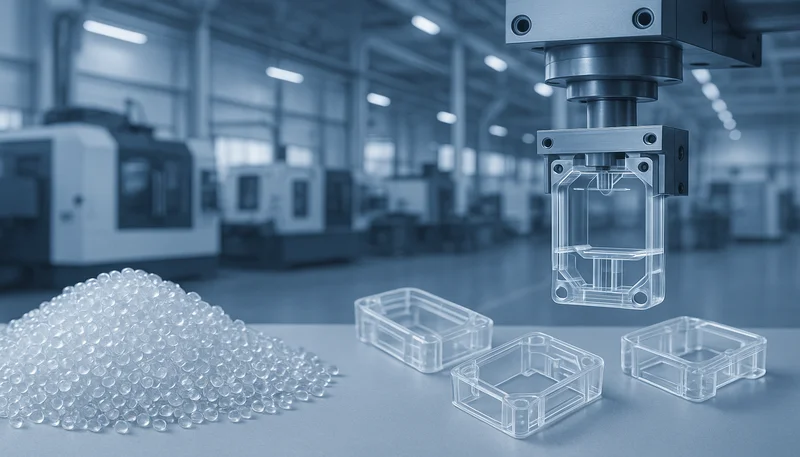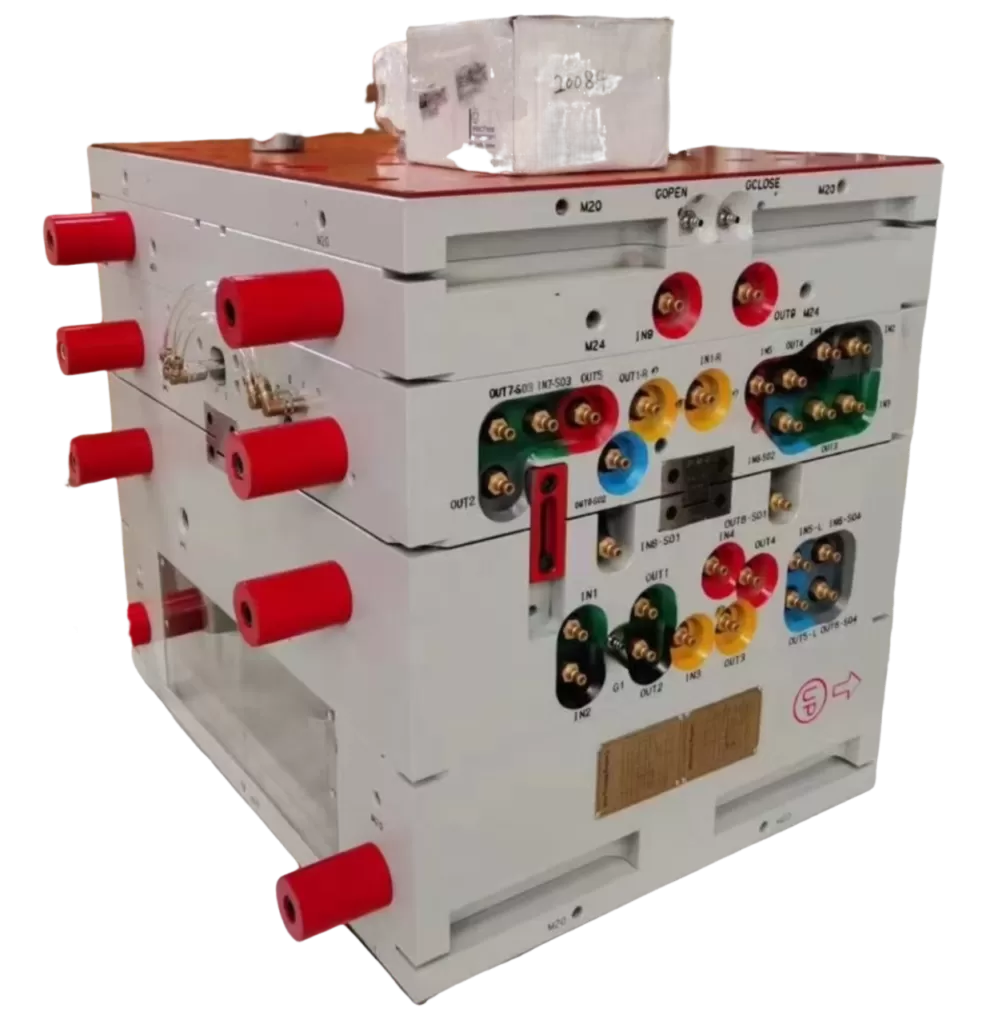
- TPU jest elastycznym, odpornym na ścieranie elastomerem termoplastycznym przetwarzanym w temperaturze 180–230°C na standardowych wtryskarkach.
- Twardość Shore’a A mieści się w zakresie 60A–98A, obejmując wszystko od miękkich uchwytów po półsztywne części konstrukcyjne.
- Wstępne suszenie w temperaturze 80–100°C przez 2–4 godziny jest obowiązkowe — wilgotność powyżej 0,02% powoduje srebrzenie i rozrywanie łańcuchów polimerowych.
- TPU przewyższa TPE pod względem wytrzymałości na rozciąganie (25–55 MPa) i odporności na ścieranie, dzięki czemu doskonale nadaje się do wymagających zastosowań.
- Projektowanie do TPU wymaga dużych kątów pochylenia (2–3° dla miękkich gatunków) i średnicy przewężki ≥1,5 mm.
Czym jest formowanie wtryskowe TPU?
Formowanie wtryskowe TPU1 polega na wtryskiwaniu stopionego poliuretanu termoplastycznego do stalowej formy w celu wytwarzania elastycznych części odpornych na ścieranie. Materiał łączy gumopodobną sprężystość z przetwarzalnością termoplastów, dzięki czemu idealnie nadaje się do obtrysku, uszczelnień i elementów zużywalnych. Szersze omówienie zawiera nasz przewodnik po formowaniu wtryskowym oraz przegląd form wtryskowych2.
Szersze omówienie podstaw procesu, zachowania materiałów i decyzji produkcyjnych zawiera nasz kompletny przewodnik po formowaniu wtryskowym.
Aby uzyskać szerszy kontekst, porównaj ten temat z przewodnikiem wyboru dostawcy.
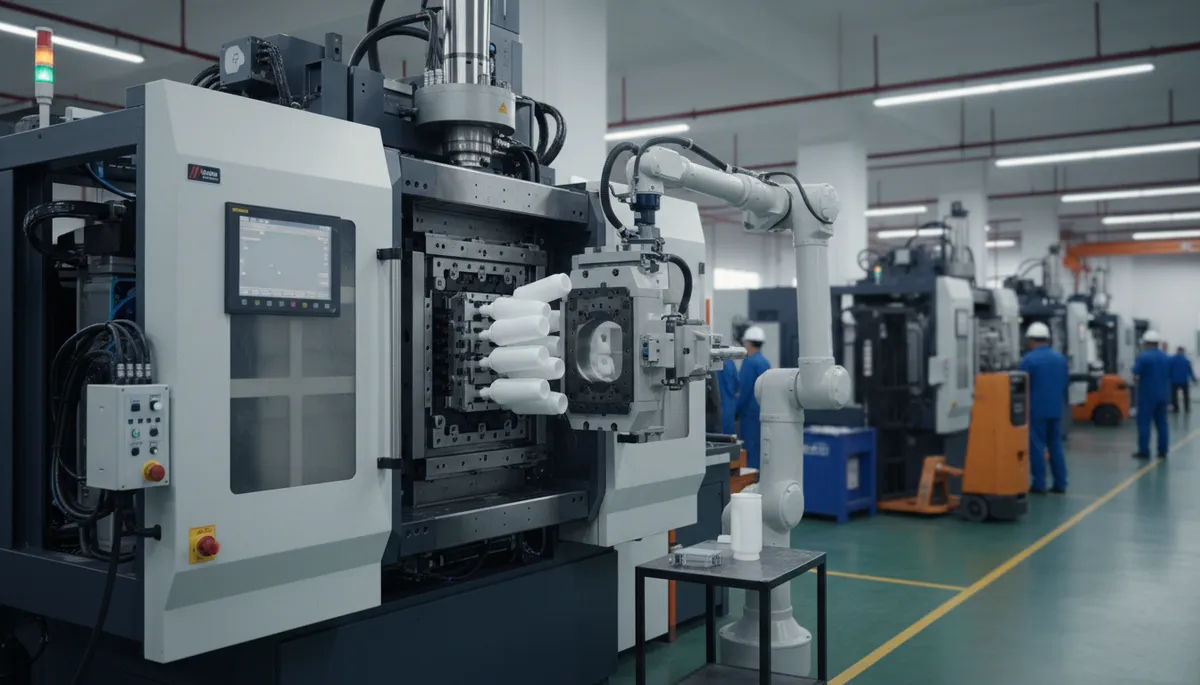
W naszej fabryce w Szanghaju obsługujemy 47 maszyn do wtrysku o sile zwarcia od 90T do 1850T, dlatego każdą decyzję dotyczącą narzędzi traktujemy jako kwestię okna procesowego, a nie tylko podanej ceny.
Wtrysk TPU polega na stopieniu granulek termoplastycznego poliuretanu i wtryśnięciu ich do formy w celu wytworzenia elastycznych, gumopodobnych części. Proces ten odbywa się na tych samych maszynach, które są używane do ABS, PP lub nylonu.
W naszej fabryce TPU stał się w ciągu ostatnich pięciu lat jednym z najczęściej zamawianych materiałów elastomerowych. Klienci zgłaszają się do nas, gdy potrzebują części łączących elastyczność podobną do gumy z możliwością recyklingu termoplastów — na przykład powłok kabli, osłon urządzeń ubieralnych i uszczelnień przemysłowych. Struktura chemiczna TPU składa się z naprzemiennych segmentów twardych (z diizocyjanianu i przedłużacza łańcucha) oraz segmentów miękkich (z poliolu), które na poziomie molekularnym nadają mu charakterystyczne połączenie wytrzymałości i elastyczności.
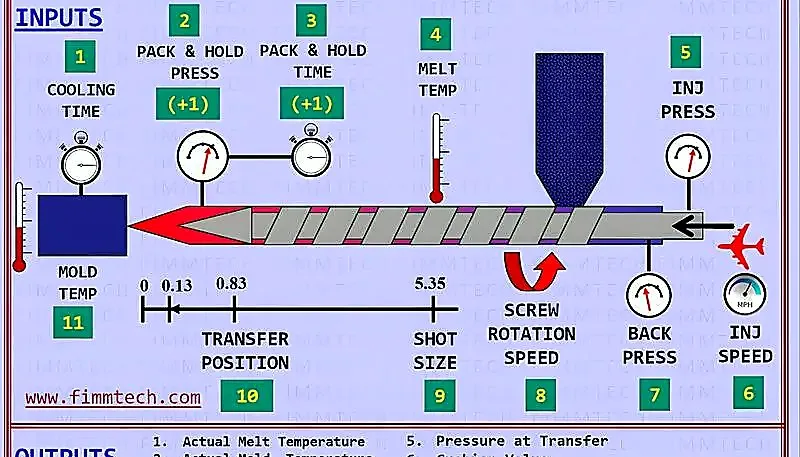
Formowanie wtryskowe TPU przebiega według tego samego podstawowego cyklu co w przypadku każdego termoplastu: uplastycznianie, wtrysk, docisk, chłodzenie i wypychanie. Wrażliwość TPU na wilgoć i jego wyjątkowe właściwości przepływowe wymagają jednak ściślejszej kontroli procesu niż w przypadku tworzyw masowych. W zamian powstaje detal o znakomitych właściwościach mechanicznych, których żaden inny termoplast nie odwzorowuje w pełni.
"„TPU można formować wtryskowo na tych samych maszynach, których używa się do ABS, PP i nylonu.”"True
Standardowe wtryskarki ze ślimakiem posuwisto-zwrotnym skutecznie przetwarzają TPU. Kluczowe różnice dotyczą ustawień parametrów (niższe temperatury cylindra 180–230°C, wolniejsze prędkości wtrysku) i obowiązkowego suszenia wstępnego — nie samego urządzenia.
"„Do formowania części z TPU potrzebne są specjalistyczne urządzenia do przetwórstwa gumy”."False
TPU jest elastomerem termoplastycznym, a nie gumą termoutwardzalną. Topi się i płynie jak tworzywo termoplastyczne, dlatego można go przetwarzać na każdej standardowej wtryskarce bez specjalnych przystawek do obróbki gumy lub pieców wulkanizacyjnych.
Jakie są najważniejsze właściwości materiałowe TPU?
Kluczowe właściwości TPU to twardość Shore’a 60A–98A, wytrzymałość na rozciąganie 25–55 MPa i ubytek na ścieranie 20–80 mm3. Są one ustalane podczas syntezy poprzez stosunek segmentów twardych i miękkich.
| Własność | Typowa wartość | Znaczenie |
|---|---|---|
| Twardość Shore’a | 60A–98A / 40D–80D | Od miękkich uchwytów po półsztywne obudowy |
| Wytrzymałość na rozciąganie | 25–55 MPa | Wyższa niż w większości TPE |
| Wydłużenie przy zerwaniu | 300–700% | Doskonała elastyczność |
| Temperatura robocza | Zakres od –40°C do +100°C | Zastosowanie zewnętrzne i chłodnicze |
| Odporność na ścieranie | Ubytek DIN 20–80 mm3 | Lepszy od gum i TPE |
| Absorpcja wody | 0,5–2,0% (24 godz.) | Obowiązkowe suszenie wstępne |
Gatunki TPU na bazie poliestru zapewniają lepszą odporność na oleje i ścieranie, natomiast gatunki polieterowe wyróżniają się odpornością na hydrolizę i elastycznością w niskiej temperaturze. Do części morskich lub pracujących w wilgotnym środowisku zawsze zalecamy TPU polieterowy. W elementach motoryzacyjnych pod maską narażonych na płyn hydrauliczny lepiej sprawdzają się gatunki poliestrowe.
Parametry przetwarzania TPU to temperatura cylindra 180–230°C, temperatura formy 20–50°C, mała prędkość wtrysku oraz wstępne suszenie przez 2–4 godziny w temperaturze 80–100°C. Zawartość wilgoci poniżej 0,02% jest obowiązkowa.
| Parametr | Zakres | Uwagi |
|---|---|---|
| Temperatura suszenia wstępnego | 80–100°C | 2–4 godziny; osuszacz z osuszaniem adsorpcyjnym |
| Temperatura cylindra (tył) | elastomery termoplastyczne (TPE) | Zapobiega przedwczesnemu topieniu |
| Temperatura cylindra (przód) | 190–230°C | Nie przekraczać 240°C |
| Temperatura formy | 20–50°C | Wyższa wartość oznacza lepszą powierzchnię |
| Ciśnienie wtrysku | 50–120 MPa | Miększe gatunki wymagają mniej |
| Ciśnienie trzymania | 60–80% wartości szczytowej | Zapobiega zapadnięciom |
| Czas chłodzenia | 15–60 sekund | Elastyczne części wymagają więcej czasu |
| Prędkość śruby | 30–80 RPM | Mała prędkość zapobiega uszkodzeniom wskutek ścinania |
Z naszego doświadczenia wynika, że wrażliwość TPU na czas przebywania jest jednym z najtrudniejszych parametrów do kontrolowania. Jeśli TPU pozostaje w cylindrze w temperaturze przetwórstwa dłużej niż 5–10 minut, zaczyna się degradować — widoczne jest żółknięcie i gwałtowny spadek właściwości wytrzymałościowych. Zawsze czyścimy maszynę między seriami i podczas rozruchu produkcji minimalizujemy odstępy między wtryskiem a cyklem.
Jakie są typowe wady formowania wtryskowego TPU i jak im zapobiegać?
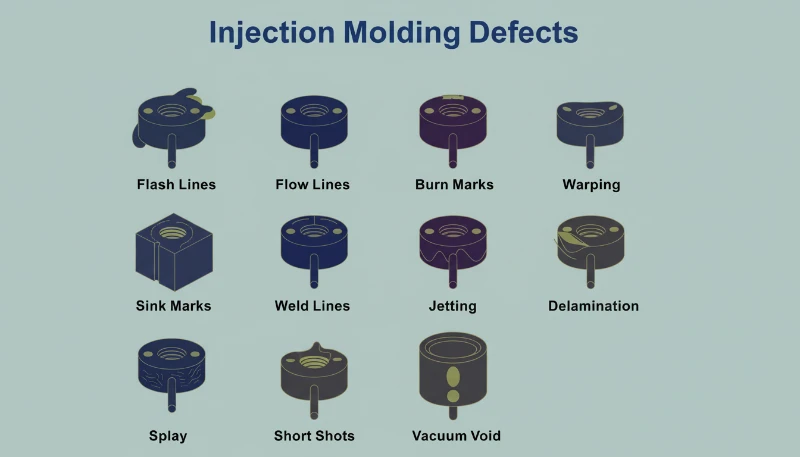
Najczęstsze wady TPU to smugi srebrne (wilgoć), przywieranie do formy (duża kleistość), niedolewy (niskie ciśnienie) i żółknięcie (degradacja termiczna). Każda z nich ma określoną przyczynę źródłową i praktyczny sposób usunięcia.
| Wada | Przyczyna źródłowa | Zapobieganie |
|---|---|---|
| Smugi / srebrne smugi | Wilgoć w materiale | Suszyć w 90°C przez 3–4 godziny |
| Przywieranie części | Duża elastyczność, małe pochylenie | Zwiększyć pochylenie do 2–3° |
| Pęcherze / Pustki | Degradacja cieplna | Obniżyć temperaturę cylindra; poprawić odpowietrzanie |
| Krótki strzał | Niewystarczające ciśnienie napełniania | Zwiększ ciśnienie wtrysku o 10–20% |
| Wypływka | Przepełnienie; zużyta linia podziału | Zmniejsz ciśnienie docisku |
| Żółknięcie | Nadmierna temperatura lub czas przebywania | Utrzymywać temperaturę cylindra poniżej 240°C; wykonać czyszczenie |
Ustaliliśmy, że zakleszczanie części jest największym wąskim gardłem produkcji miękkich gatunków TPU. W jednym projekcie ubieralnego urządzenia fitness stosowaliśmy TPU Shore 75A o złożonej geometrii podcięć. Rozwiązaniem nie była większa ilość środka antyadhezyjnego, lecz zwiększenie kąta pochylenia ścian bocznych z 1° do 2,5° i przeprojektowanie położenia wypychaczy. Po modyfikacji formy czas cyklu spadł z 45 do 28 sekund.
"“TPU należy suszyć w temperaturze 80–100°C przez 2–4 godziny przed każdym uruchomieniem produkcji.”"True
Suszenie wstępne jest bezwzględnie konieczne. Zawartość wilgoci powyżej 0.02% powoduje hydrolityczne rozrywanie łańcuchów w fazie stopionego tworzywa, prowadząc do srebrzystych smug, pęcherzy powierzchniowych i znacznego spadku wytrzymałości na rozciąganie.
"„Granulat TPU przechowywany w szczelnym worku nie wymaga suszenia.”"False
TPU jest silnie higroskopijny — podczas 30–60 minut ekspozycji na otwarte powietrze może wchłonąć dość wilgoci, aby spowodować srebrne smugi i rozrywanie łańcuchów. Suszenie wstępne jest obowiązkowe niezależnie od warunków przechowywania.
Które branże korzystają z detali z TPU formowanych wtryskowo?
TPU jest szeroko stosowany w branży motoryzacyjnej, obuwniczej, medycznej, elektronice użytkowej i zastosowaniach przemysłowych. Połączenie elastyczności, odporności na ścieranie i odporności chemicznej czyni go najczęściej wybieranym elastomerem do wymagających środowisk.
Motoryzacja: uszczelki drzwi, mieszki dźwigni zmiany biegów, przepusty kablowe i mocowania tłumiące drgania. Gatunki TPU na bazie poliestru zapewniają odporność na paliwa i oleje wymaganą w zastosowaniach pod maską. Produkowaliśmy prowadnice wiązek kablowych z TPU do akumulatorów pojazdów elektrycznych, w których stabilność wymiarowa przy –30°C była bezwzględnym wymogiem.
Obuwie: podeszwy środkowe, zewnętrzne i podnoski wykorzystują TPU ze względu na wyjątkową odporność na ścieranie (ubytek 20–40 mm3 według DIN) i zmęczenie przy zginaniu. Formowane wtryskowo podeszwy TPU wytrzymują miliony cykli zginania bez pękania.
Wyroby medyczne: formulacje TPU klasy medycznej stosuje się w przewodach chirurgicznych, elementach cewników i obudowach czujników ubieralnych. Odporność polieterowego TPU na hydrolizę i jego biokompatybilność (ISO 10993) umożliwiają zastosowania w kontakcie z ciałem. Produkujemy elastyczne obudowy TPU do urządzeń ciągłego monitorowania glikemii.
"„TPU może umożliwiać niewielkie podcięcia dzięki uginaniu się podczas wyjmowania z formy.”"True
Elastyczność TPU pozwala rozciągać się na niewielkich podcięciach bez uszkodzeń, ograniczając złożoność oprzyrządowania przez wyeliminowanie suwaków lub wypychaczy skośnych.
"“Części z TPU są zbyt drogie do wielkoseryjnej produkcji wyrobów konsumenckich.”"False
TPU kosztuje więcej za kilogram niż standardowy TPE, ale jego większa trwałość formy — ponad 300 tys. cykli — niższy odsetek braków i możliwość recyklingu kanałów często obniżają koszt jednostkowy przy seriach powyżej 10 000 sztuk.
Elektronika użytkowa: etui na telefony, obtryski kabli, końcówki słuchawek i paski smartwatchy. Odporność TPU na pot, rozpuszczalniki czyszczące i promieniowanie UV zapewnia trwałość w codziennym użytkowaniu.
Przemysł: złącza przewodów hydraulicznych, elementy przenośników, pokrycia rolek i osłony ochronne z twardszych gatunków TPU (Shore 90A–60D). W szybkobieżnych przenośnikach odporność na ścieranie i rozdarcie przewyższa kauczuk naturalny 3–5-krotnie.
Jak TPU wypada w porównaniu z TPE, silikonem i gumą?
TPU jest mocniejsze i bardziej odporne na ścieranie niż standardowe elastomery termoplastyczne (TPE), o wytrzymałości na rozciąganie 25–55 MPa w porównaniu do 8–20 MPa dla TPE. Oferuje również możliwość recyklingu, której nie mogą dorównać wulkanizowana guma i LSR.
| Własność | TPU | TPE | Silikon | Guma |
|---|---|---|---|---|
| Wytrzymałość na rozciąganie | 25–55 MPa | 8–20 MPa | 6–12 MPa | 10–30 MPa |
| Ścieranie | Doskonały | Dobry | Słaby | Bardzo dobra |
| Zakres temperatur | –40 do +100°C | Od –50 do +80°C | –60 do +200°C | –40 do +100°C |
| Nadaje się do recyklingu | Tak | Tak | Nie | Nie |
| Suszenie wstępne | Obowiązkowe | Czasami | Nie | N/A |
Prowadziliśmy bezpośrednie porównania TPU i TPE do etui telefonów. TPE na bazie SEBS kosztuje 20–30% mniej za kg i łatwiej się przetwarza, lecz wyniki prób upadku były o 15–25% gorsze niż dla porównywalnego TPU Shore 85A. Gdy kluczowa jest odporność na powtarzalne uderzenia, wygrywa TPU.
Jakich wytycznych projektowych należy przestrzegać dla części z TPU?
Części TPU najlepiej projektować ze ściankami o grubości 1,5–4,0 mm, pochyleniem 2–3° dla miękkich gatunków, średnicą wlewu ≥1,5 mm i łagodnymi przejściami. Elastyczność TPU umożliwia rozformowanie podcięć 3–5% bez suwaków.
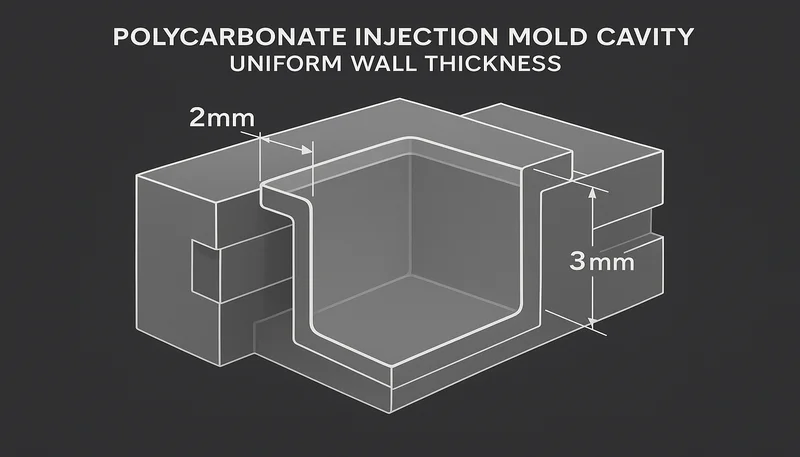
Grubość ścianki: bardzo cienkie ścianki (<1,0 mm) wymagają wysokiego ciśnienia wtrysku, które może degradować miękkie gatunki TPU. Grube ścianki (>6 mm) wydłużają chłodzenie i mogą powodować pustki. Jednolita grubość ścianki jest szczególnie ważna w przypadku TPU — nagłe zmiany powodują nierównomierny skurcz i paczenie.
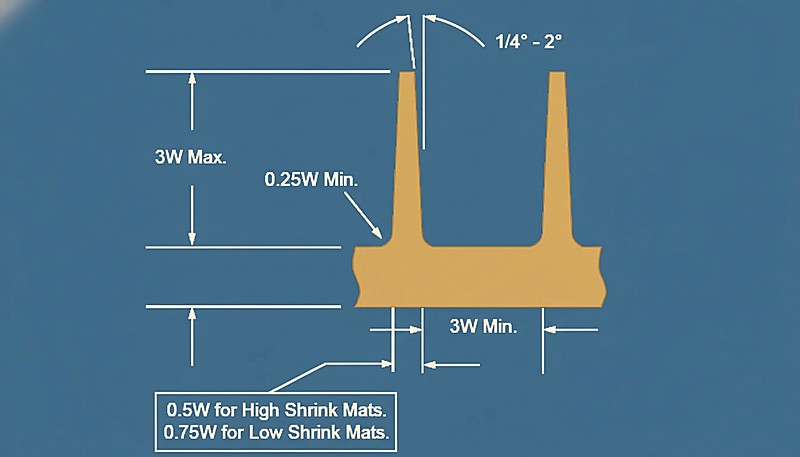
Kąty pochylenia: właśnie tutaj obserwujemy najwięcej zmian projektowych. Gatunki Shore 60A–75A wymagają co najmniej 2–3°, a powierzchnie teksturowane 3–5°. TPU przywiera do rdzenia formy podczas chłodzenia, dlatego duże pochylenie jest niezbędne do niezawodnego wypychania.
Podcięcia: w przeciwieństwie do sztywnych tworzyw TPU może kompensować niewielkie podcięcia (3–5% średnicy części), odkształcając się podczas wyjmowania z formy. Upraszcza to oprzyrządowanie — wiele cech, które w ABS wymagałyby suwaków, można bezpośrednio rozformować w TPU.
Konstrukcja wlewu: wlewy tunelowe są popularne przy TPU, ponieważ automatycznie oddzielają detal. Średnica wlewu musi wynosić co najmniej 1,5–2,5 mm — zbyt małe wlewy powodują nadmierne ścinanie. W przypadku miękkich gatunków należy unikać wlewów punktowych mniejszych niż 1,0 mm.
| Obszar punktu kontrolnego 1 | Weryfikacja punktu kontrolnego 1 |
|---|---|
| Oprzyrządowanie | Potwierdź, jak konstrukcja formy wpływa na wtrysk TPU: Kompletny przewodnik przetwarzania dla inżynierów. |
| Materiał | Sprawdź zachowanie żywicy, skurcz, wpływ temperatury i ryzyko wad wizualnych. |
| Jakość | Poproś o dowody kontroli przed zatwierdzeniem produkcji. |
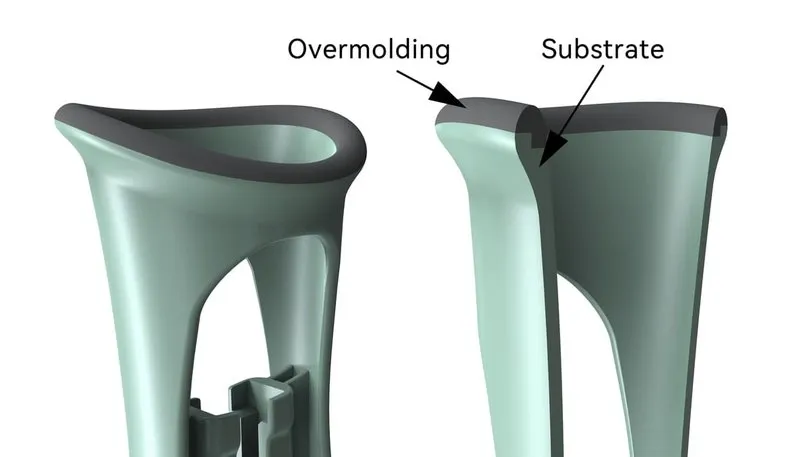
Obtrysk: TPU jest jednym z najbardziej wszechstronnych materiałów do obtryskiwania sztywnych podłoży (ABS, PC, PC/ABS, nylon). Z powodzeniem obtryskiwaliśmy obudowy PC/ABS tworzywem TPU Shore 85A, uzyskując w próbach odrywania wytrzymałość połączenia przekraczającą 5 MPa. Więcej zasad projektowania form wtryskowych znajdziesz w naszym kompletnym przewodniku.
Kluczowe sprawdzenia przed zapytaniem ofertowym obejmują potwierdzenie gatunku żywicy, tolerancji, stref kosmetycznych i rocznej wielkości produkcji. Trwałość formy, liczba gniazd i poziom automatyzacji również wpływają na cenę jednostkową.
Zapytanie ofertowe powinno również zawierać pytania o założenia produkcyjne. Gatunek stali formierskiej, liczba gniazd, rodzaj kanałów, wykończenie powierzchni, harmonogram prób, metoda pomiaru, pakowanie i wymagania dotyczące kontroli zmian wpływają na ostateczny koszt i czas realizacji. Gdy założenia te są jednoznaczne, późniejsze negocjacje przebiegają szybciej i bezpieczniej.
Silna, szczegółowa odpowiedź techniczna zawsze wskaże brakujące dane wejściowe, zamiast ukrywać niepewność. Jeśli dostawca pyta o kumulację tolerancji, limity śladu bramki, certyfikację żywicy, dobór koloru lub roczne wahania popytu, zazwyczaj oznacza to, że zespół inżynieryjny ocenia projekt dogłębnie pod kątem produkcji, a nie oferuje ślepo.
W przypadku projektów w stylu ZetarMold najlepszym rezultatem jest jasna ścieżka produkcyjna: przegląd DFM, potwierdzenie konstrukcji formy, budowa narzędzi, próbkowanie, kontrola, działania korygujące i wydanie do produkcji. Ta sekwencja zapewnia praktyczną władzę i daje kupującym przydatną listę kontrolną do ich kolejnej rozmowy z dostawcą.
Jakie dowody produkcyjne należy przejrzeć przed zatwierdzeniem dostawcy TPU?
Kluczowe dowody produkcyjne obejmują próby formowania, raporty wymiarowe i certyfikaty żywicy. Przed zatwierdzeniem dostawcy TPU do produkcji, dane pierwszego wyrobu powinny zawierać zmierzone wartości dla każdego krytycznego wymiaru, a nie tylko pieczątki “zdatny/niezdatny”.
Gdy projekt obejmuje dekoracyjne lub wykonywane z małymi tolerancjami części z tworzywa3, dokumentacja powinna również zawierać zasady zatwierdzania próbek uzgodnione przed rozpoczęciem produkcji seryjnej. Próbki graniczne, przyrządy pomiarowe, wzorce barw i tablice klasyfikacji wad muszą zostać ustanowione i jasno udokumentowane przed zwolnieniem produkcji, aby zapobiec późniejszym sporom wynikającym z subiektywnej oceny.
Często zadawane pytania dotyczące wtrysku TPU
Jaka jest minimalna ilość zamówienia dla części wtryskiwanych z TPU?
Nie ma uniwersalnego minimum — zależy to od amortyzacji narzędzi. Dla prostej formy kosztującej $3,000–5,000, ilości 500–2,000 części mogą być ekonomiczne. Dla części TPU o wysokim nakładzie (100,000+ sztuk/rok), standardem są formy wielogniazdowe z 4–8 gniazdami.
Czy mogę użyć recyklowanego TPU (rTPU) do formowania wtryskowego?
Tak, ale z ograniczeniami. Recyklowany TPU zazwyczaj ma 10–20% niższą wytrzymałość na rozciąganie i zmniejszoną wydłużalność. W zastosowaniach niestrukturalnych rTPU sprawdza się dobrze. W przypadku części nośnych powszechnym kompromisem jest mieszanie 10–20% rTPU z żywicą pierwotną.
Jak długo zazwyczaj wytrzymuje forma wtryskowa TPU?
Forma produkcyjna ze stali P20 do TPU zazwyczaj wytrzymuje 300 000–500 000 cykli wtrysku. TPU jest łagodniejsze dla stali formy niż materiały wypełnione ścierniwem, więc żywotność formy zależy głównie od liczby cykli.
Dlaczego moja część TPU żółknie po formowaniu?
Żółknięcie jest niemal zawsze spowodowane degradacją termiczną — zbyt wysoką temperaturą cylindra (powyżej 240°C), nadmiernym czasem przetrzymania lub hydrolizą wywołaną wilgocią. Najpierw sprawdź profil temperaturowy cylindra i przepłucz maszynę przed rozpoczęciem produkcji.
Jaka jest typowa stopa skurczu dla TPU?
Kurczliwość TPU waha się od 0,8–2,0% w zależności od twardości. Miększe gatunki (Shore 60A–75A) kurczą się 1,5–2,0%, podczas gdy twardsze gatunki (Shore 90A–60D) kurczą się 0,8–1,2%. Zawsze konsultuj kartę katalogową materiału i wykonaj próbne wtryski przed ostatecznym ustaleniem wymiarów formy.
Czy TPU jest bezpieczny do kontaktu z żywnością?
Niektóre gatunki TPU są zgodne z przepisami FDA dotyczącymi kontaktu z żywnością w ramach regulacji 21 CFR, ale konkretny gatunek musi zostać zweryfikowany. Nie wszystkie formuły są bezpieczne dla żywności — barwniki i dodatki mogą dyskwalifikować dany gatunek.
Jaka jest różnica między TPU poliestrowym a polieterowym?
Poliestrowy TPU zapewnia lepszą odporność na oleje i ścieranie; polieterowy TPU oferuje większą odporność na hydrolizę i elastyczność w niskiej temperaturze. Do środowiska morskiego lub wilgotnego należy wybrać polieter. Do zastosowań pod maską samochodu należy wybrać poliester.
Uzyskaj specjalistyczne wsparcie w zakresie formowania wtryskowego TPU
Największym czynnikiem kosztowym w formowaniu TPU nie jest cena materiału — jest to prawidłowe wykonanie suszenia, kątów odciągu i konstrukcji bramy za pierwszym razem. W ciągu naszych 20 lat obsługi narzędzi TPU w ZetarMold, nasi 8 starszych inżynierów wykorzystuje symulację przepływu w formie w każdym projekcie TPU przed rozpoczęciem obróbki stali, wcześnie wykrywając nierównomierne napełnianie i ryzyko linii spawania.
Dysponując 47 maszynami wtryskowymi (90T–1850T), ponad 400 opcjami materiałów oraz certyfikowanymi systemami jakości ISO 9001/13485, mamy sprzęt i doświadczenie do obsługi projektów TPU od prototypu po produkcję wielkoseryjną. Skontaktuj się z nami, aby omówić swój projekt TPU — nasz anglojęzyczny zespół inżynieryjny odpowiada w ciągu 24 godzin.
{ “@context”: “https://schema.org”, “@type”: “FAQPage”, “mainEntity”: [ { “@type”: “Question”, “name”: “Jaka jest minimalna wielkość zamówienia na części z TPU formowane wtryskowo?”, “acceptedAnswer”: { “@type”: “Answer”, “text”: “Nie ma uniwersalnego minimum — zależy ono od amortyzacji oprzyrządowania. Przy prostej formie kosztującej $3,000–5,000 ekonomiczna może być produkcja 500–2,000 części. Dla wielkoseryjnych części z TPU (100,000+ sztuk/rok) standardem są formy wielogniazdowe z 4–8 gniazdami.” } }, { “@type”: “Question”, “name”: “Czy do formowania wtryskowego można używać TPU z recyklingu (rTPU)?”, “acceptedAnswer”: { “@type”: “Answer”, “text”: “Tak, ale z ograniczeniami. TPU z recyklingu ma zwykle o 10–20% niższą wytrzymałość na rozciąganie i mniejsze wydłużenie.
-
formowanie wtryskowe: Formowanie wtryskowe to proces produkcyjny, w którym tworzywo jest topione, wtryskiwane do gniazda formy, chłodzone, a cykl powtarza się w celu stabilnej produkcji seryjnej. ↩
-
forma wtryskowa: Forma wtryskowa to precyzyjne narzędzie określające geometrię części, chłodzenie, wypychanie, układ wlewowy, wykończenie powierzchni i powtarzalność. ↩
-
tworzywo sztuczne: Tworzywa sztuczne to rodzina materiałów, których płynięcie, skurcz, wytrzymałość, odporność cieplna, jakość wizualna, czas cyklu i długoterminowe właściwości kształtują decyzje dotyczące formowania. ↩
<