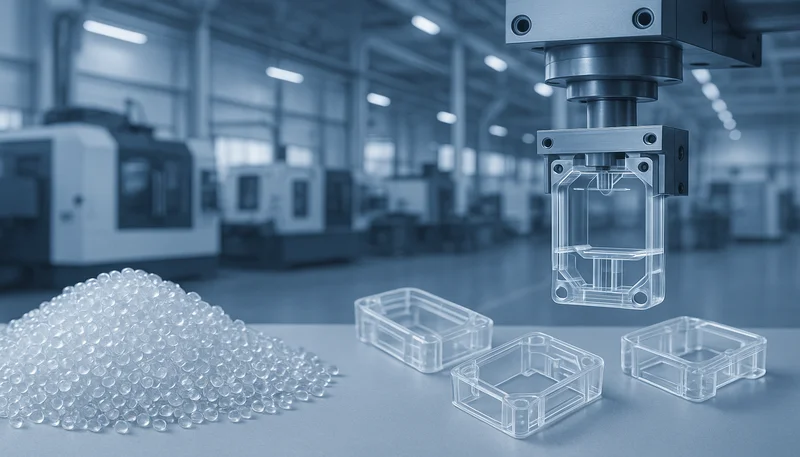
- TPU — гибкий износостойкий термопластичный эластомер, перерабатываемый при 180–230°C на стандартных термопластавтоматах.
- Твёрдость Shore A охватывает диапазон 60A–98A — от мягких рукояток до полужёстких конструкционных деталей.
- Обязательна предварительная сушка при 80–100°C в течение 2–4 часов: влажность свыше 0.02% вызывает серебристые разводы и разрыв полимерных цепей.
- TPU превосходит TPE по прочности при растяжении (25–55 MPa) и стойкости к истиранию, поэтому подходит для тяжёлых условий эксплуатации.
- Для TPU нужны большие углы уклона (2–3° для мягких марок) и диаметр литника ≥1.5 mm.
Что такое литьё TPU под давлением?
Литье TPU под давлением1 — это процесс впрыска расплавленного термопластичного полиуретана в стальную пресс-форму для изготовления гибких и износостойких деталей. Материал сочетает эластичность резины с технологичностью термопласта, поэтому идеально подходит для облицовки, уплотнений и изнашиваемых компонентов. Более подробную информацию см. в нашем руководстве по литью под давлением и обзоре литьевых пресс-форм2.
Более подробный обзор основ процесса, поведения материалов и производственных решений приведен в нашем полном руководстве по литью под давлением.
Для более широкого понимания темы сопоставьте ее с руководством по поиску поставщиков.
В нашей фабрике в Шанхае мы используем 47 формовочных машин от 90T до 1850T, поэтому мы рассматриваем каждое решение по инструментам как вопрос технологического процесса, а не просто как указанную цену.
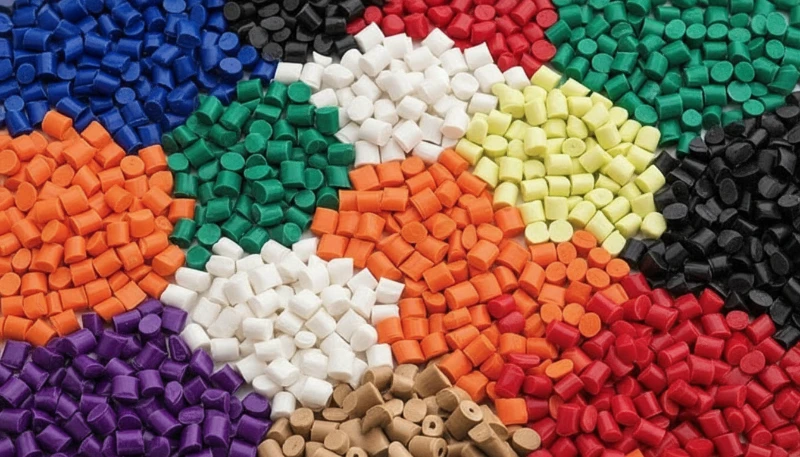
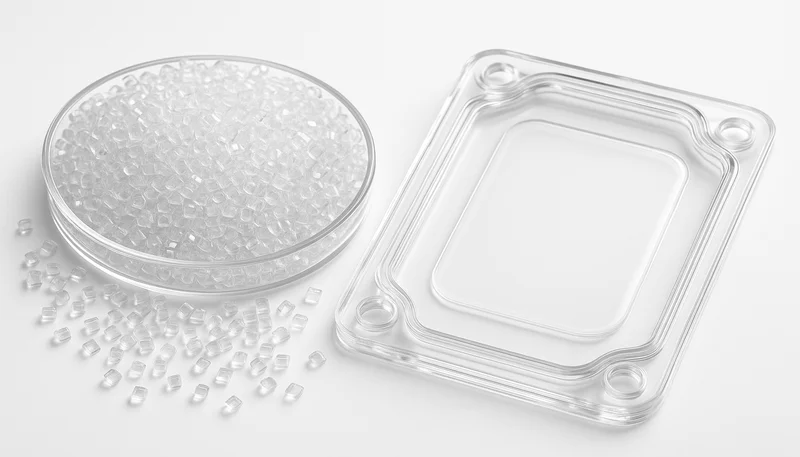
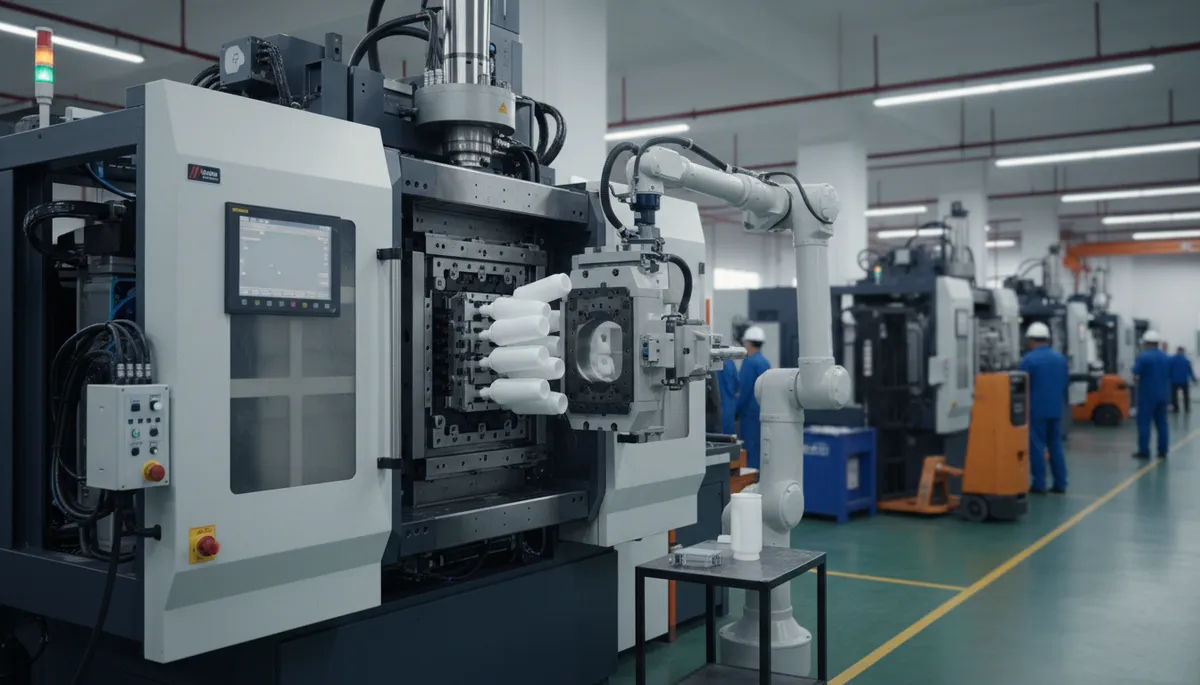
Формование TPU — это процесс расплавления гранул термопластичного полиуретана и их введения в форму для создания гибких, резиноподобных деталей. Он осуществляется на тех же машинах, которые используются для ABS, PP или нейлона.
За последние пять лет TPU стал одним из самых востребованных эластомерных материалов на нашем заводе. Клиенты обращаются к нам, когда им нужны детали, сочетающие резиноподобную гибкость с возможностью переработки термопластов, например оболочки кабелей, корпуса носимых устройств и промышленные уплотнения. Химическая структура TPU состоит из чередующихся жестких сегментов (из диизоцианата и удлинителя цепи) и мягких сегментов (из полиола), которые на молекулярном уровне обеспечивают характерное сочетание прочности и эластичности.
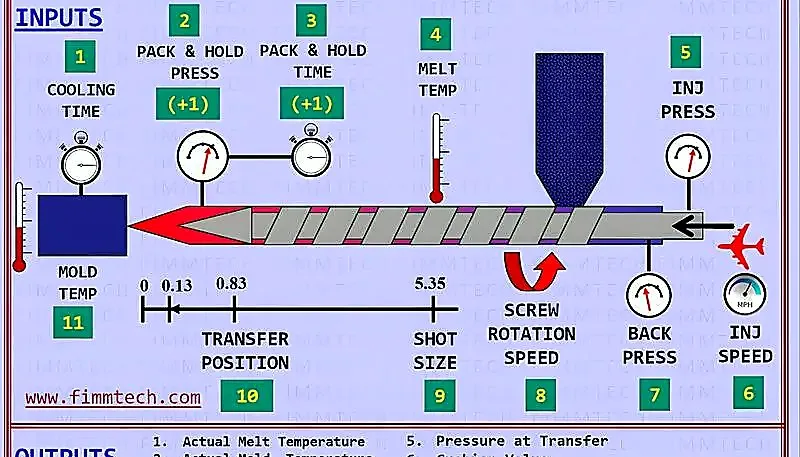
Литьё TPU под давлением следует тому же основному циклу, что и любой термопласт: пластификация, впрыск, подпитка, охлаждение и выталкивание. Однако чувствительность TPU к влаге и его уникальное поведение течения требуют более строгого управления процессом, чем массовые пластики. Результат — деталь с выдающимися механическими характеристиками, которые ни один другой термопласт полностью не воспроизводит.
"«TPU можно перерабатывать литьём под давлением на тех же машинах, которые используются для ABS, PP и полиамида»."True
Стандартные термопластавтоматы с возвратно-поступательным шнеком эффективно перерабатывают TPU. Основные отличия заключаются в настройках параметров — более низкой температуре цилиндра 180–230°C и меньшей скорости впрыска — и обязательной предварительной сушке, а не в самом оборудовании.
"«Для формования деталей из TPU требуется специализированное оборудование для переработки резины»."False
TPU — термопластичный эластомер, а не термореактивная резина. Он плавится и течёт как термопласт, поэтому перерабатывается на любом стандартном термопластавтомате без специальных резиновых приставок или печей вулканизации.
Каковы ключевые свойства материала TPU?
Основные свойства TPU: твердость Shore A 60A–98A, прочность на растяжение 25–55 МПа и потеря при истирании 20–80 мм³. Они устанавливаются при синтезе через соотношение жестких и мягких сегментов.
| Недвижимость | Типичное значение | Значимость |
|---|---|---|
| Твёрдость по Шору | 60A–98A / 40D–80D | От мягких рукояток до полужёстких корпусов |
| Прочность на разрыв | 25–55 MPa | Выше, чем у большинства TPE |
| Удлинение при разрыве | 300–700% | Отличная гибкость |
| Рабочая температура | –40°C до +100°C | Использование на открытом воздухе и в холодильнике |
| Устойчивость к истиранию | потеря DIN 20–80 мм³ | Превосходит резины и TPE |
| Поглощение воды | 0.5–2.0% (24 hr) | Обязательная предварительная сушка |
Марки TPU на основе полиэфира обладают лучшей маслостойкостью и стойкостью к истиранию, а марки на основе полиэфира простого типа превосходят их по стойкости к гидролизу и гибкости при низких температурах. Для морских деталей и влажной среды мы всегда указываем полиэфирный TPU простого типа. Для автомобильных подкапотных компонентов, контактирующих с гидравлической жидкостью, лучше подходят полиэфирные марки сложного типа.
Параметры переработки TPU: температура цилиндра 180–230°C, температура формы 20–50°C, низкая скорость впрыска и предварительная сушка 2–4 часа при 80–100°C. Влажность ниже 0.02% обязательна.
| Параметр | Диапазон | Примечания |
|---|---|---|
| Темп. предварительной сушки. | 80–100°C | 2–4 часа; осушающий сушильный аппарат |
| Температура цилиндра (задняя зона) | 170–190°C | Предотвращает преждевременное плавление |
| Темп. цилиндра (передняя зона) | 190–230°C | 6–12 МПа |
| Температура пресс-формы | 20–50°C | Выше = лучше поверхность |
| Давление впрыска | 50–120 MPa | Более мягким маркам требуется меньше |
| Давление удержания | 60–80% от пикового значения | Предотвращает утяжины |
| Время охлаждения | 15–60 секунд | Гибким деталям требуется больше времени |
| Скорость вращения винта | 30–80 RPM | Низкая скорость предотвращает повреждение сдвигом |
По нашему опыту, чувствительность TPU ко времени пребывания — один из самых сложных параметров управления. Если TPU остается в цилиндре при температуре переработки более 5–10 минут, он начинает разлагаться: появляются пожелтение и резкое снижение прочности на растяжение. Мы всегда продуваем машину между сериями и сводим к минимуму интервалы между впрысками и циклами при запуске производства.
Каковы распространенные дефекты литья TPU под давлением и как их предотвратить?
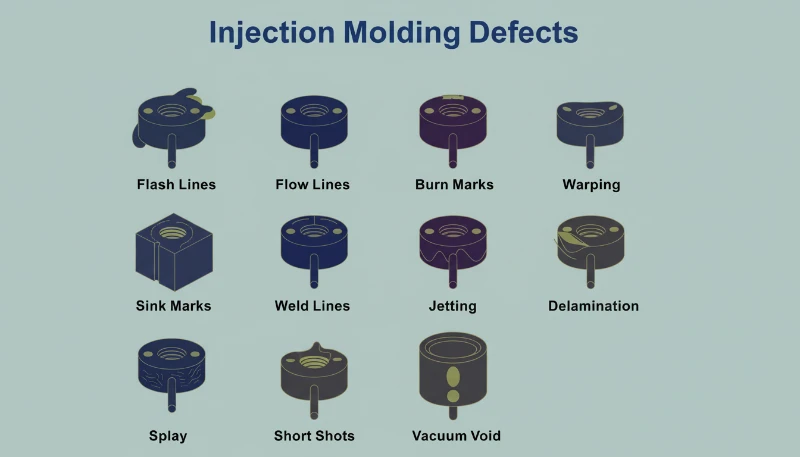
Наиболее распространенные дефекты TPU: серебристые полосы из-за влаги, прилипание к форме из-за высокой липкости, недолив из-за низкого давления и пожелтение вследствие термической деструкции. У каждого есть конкретная первопричина и практическое решение.
| Дефект | Предотвращает образование утяжин на противоположной поверхности | Профилактика |
|---|---|---|
| Серебристые разводы | Влага в материале | Сушить при 90°C в течение 3–4 часов |
| Прилипание детали | Высокая эластичность, малый уклон | Увеличьте уклон до 2–3° |
| Пузыри / пустоты | Термическое разложение | Снизьте температуру цилиндра; улучшите вентиляцию |
| Короткий выстрел | Недостаточное давление заполнения | Повысьте давление впрыска на 10–20% |
| Вспышка | Переуплотнение; изношенная линия разъема | Снизьте давление выдержки |
| Пожелтение | Чрезмерная температура или время пребывания | Поддерживайте температуру цилиндра ниже 240°C; выполните продувку |
Мы установили, что прилипание детали является главным производственным узким местом для мягких марок TPU. В одном проекте носимого фитнес-устройства мы использовали TPU Shore 75A со сложной геометрией поднутрений. Решением стало не увеличение количества разделительного состава, а повышение уклона боковых стенок с 1° до 2.5° и изменение расположения выталкивающих штифтов. После модификации формы время цикла сократилось с 45 до 28 секунд.
"“Перед каждым производственным запуском TPU необходимо сушить при 80–100°C в течение 2–4 часов.”"True
Предварительная сушка обязательна. Содержание влаги выше 0.02% вызывает гидролитическое расщепление цепей на стадии расплава, приводя к серебристым разводам, поверхностным пузырям и значительному снижению прочности при растяжении.
«Если гранулы TPU хранятся в герметичном пакете, их не нужно сушить».False
TPU чрезвычайно гигроскопичен: за 30–60 минут нахождения на открытом воздухе он может поглотить достаточно влаги, чтобы вызвать серебристые разводы и разрыв молекулярных цепей. Предварительная сушка обязательна независимо от условий хранения.
Какие отрасли используют детали из TPU, изготовленные литьём под давлением?
TPU широко применяется в автомобильной промышленности, обуви, медицине, бытовой электронике и промышленном оборудовании. Сочетание гибкости, стойкости к истиранию и химической стойкости делает его основным эластомером для тяжелых условий эксплуатации.
Автомобильная промышленность: дверные уплотнители, чехлы рычагов переключения передач, кабельные втулки и виброизолирующие опоры. Марки TPU на основе полиэфиров обладают стойкостью к топливу и маслам, необходимой для применения в подкапотном пространстве. Мы производили направляющие для кабельных жгутов из TPU для аккумуляторных блоков электромобилей, где сохранение размерной стабильности при –30 °C было обязательным требованием.
Обувь: TPU используют для изготовления промежуточных и наружных подошв, а также защитных носков благодаря его исключительной стойкости к истиранию (потеря 20–40 мм3 по DIN) и усталостной прочности при многократном изгибе. Наружные подошвы из TPU, изготовленные литьем под давлением, выдерживают миллионы циклов изгиба без растрескивания.
Медицинские изделия: медицинские композиции TPU применяют для хирургических трубок, компонентов катетеров и корпусов носимых датчиков. Стойкость полиэфирного TPU к гидролизу и его биосовместимость (ISO 10993) позволяют использовать его в изделиях, контактирующих с телом. Мы производим гибкие корпуса из TPU для устройств непрерывного мониторинга уровня глюкозы.
"«TPU допускает небольшие поднутрения благодаря деформации при извлечении»."True
Эластичность TPU позволяет ему без повреждений растягиваться поверх небольших поднутрений, упрощая оснастку за счёт отказа от ползунов или наклонных выталкивателей.
"“Детали из TPU слишком дороги для массовых потребительских товаров.”"False
TPU стоит дороже за килограмм, чем массовый TPE, но более длительный срок службы пресс-формы (300K+ циклов), меньшая доля брака и возможность переработки литников часто делают его дешевле в расчёте на деталь при объёмах свыше 10,000 единиц.
Бытовая электроника: чехлы для телефонов, литые оболочки кабелей, вкладыши для наушников и ремешки для умных часов. Химическая стойкость TPU к поту, чистящим растворителям и ультрафиолетовому излучению обеспечивает долговечность изделий при повседневном использовании.
Промышленное применение: муфты гидравлических шлангов, компоненты конвейеров, покрытия валков и защитные чехлы из более твердых марок TPU (твердость по Шору 90A–60D). В высокоскоростных конвейерах стойкость к истиранию и разрыву в 3–5 раз выше, чем у натурального каучука.
Как TPU соотносится с TPE, силиконом и резиной?
TPU прочнее и более устойчив к истиранию, чем стандартные термопластичные эластомеры (TPE), с прочностью на растяжение 25–55 МПа против 8–20 МПа для TPE. Он также предлагает возможность переработки, которой не могут соответствовать вулканизированная резина и LSR.
| Недвижимость | TPU | TPE | Силикон | Резина |
|---|---|---|---|---|
| Прочность на разрыв | 25–55 MPa | 8–20 MPa | 6–12 MPa | Литье под давлением на ТПУ: Полное руководство для инженеров |
| Абразивный износ | Превосходно | Хорошо | Бедный | Очень высокая |
| Диапазон температур | от –40 до +100°C | –50 до +80°C | –60 до +200°C | от –40 до +100°C |
| Пригоден для переработки | Да | Да | Нет | Нет |
| Предварительная сушка | Обязательно | Иногда | Нет | N/A |
Мы проводили прямые сравнительные проекты для клиентов, выбирающих между TPU и TPE для чехлов телефонов. TPE (на основе SEBS) стоит на 20–30% дешевле за килограмм и легче перерабатывается, но результаты испытаний на падение у TPE стабильно были на 15–25% хуже, чем у сопоставимой марки TPU Shore 85A. Когда критична механическая стойкость к повторным ударам, выигрывает TPU.
Какие рекомендации по проектированию следует соблюдать для деталей из TPU?
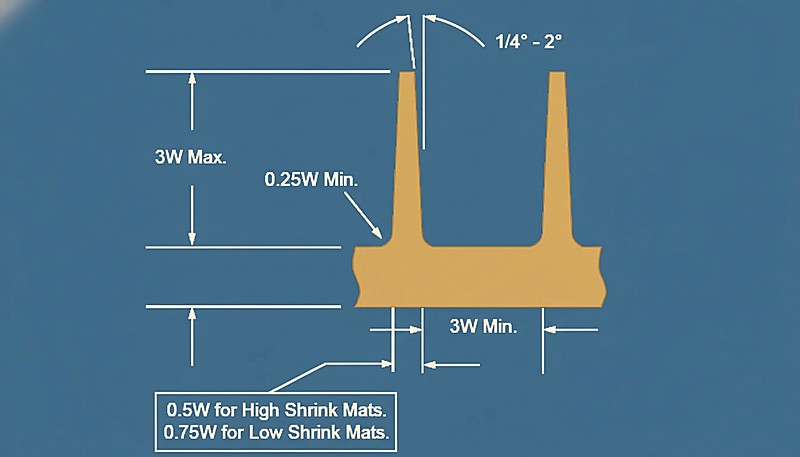
Детали из TPU лучше проектировать со стенками 1.5–4.0 mm, уклоном 2–3° для мягких марок, диаметром литника ≥1.5 mm и плавными переходами. TPU достаточно гибок, чтобы извлекать поднутрения 3–5% без ползунов.
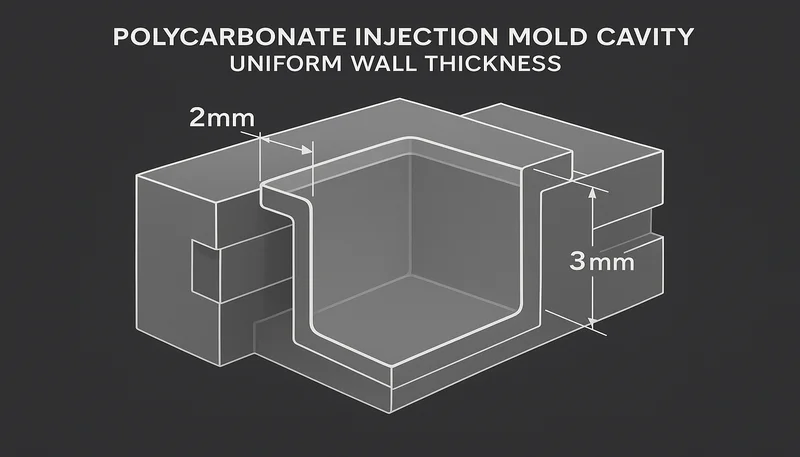
Толщина стенок: очень тонкие стенки (<1,0 мм) требуют высокого давления впрыска, которое может вызвать разложение мягких марок TPU. Толстые стенки (>6 мм) увеличивают время охлаждения и создают риск образования пустот. Для TPU особенно важна равномерная толщина стенок: резкие переходы вызывают неравномерную усадку и коробление.
Уклоны: именно они чаще всего требуют доработки конструкции. Для марок с твердостью по Шору 60A–75A необходим уклон не менее 2–3°, а для текстурированных поверхностей — 3–5°. Во время охлаждения TPU плотно охватывает сердечник пресс-формы, поэтому достаточный уклон необходим для надежного извлечения детали.
Поднутрения: в отличие от жестких пластиков, TPU благодаря деформации при извлечении из пресс-формы допускает небольшие поднутрения (3–5% диаметра детали). Это упрощает оснастку: многие элементы, для которых при использовании ABS потребовались бы ползуны, в случае TPU можно извлекать из пресс-формы напрямую.
Конструкция литника: туннельные литники популярны при литье TPU, поскольку обеспечивают автоматическое отделение детали. Диаметр литника должен составлять не менее 1,5–2,5 мм: слишком малые литники создают чрезмерный сдвиг. Для мягких марок не используйте точечные литники диаметром менее 1,0 мм.
| Область контрольной точки 1 | Проверка контрольной точки 1 |
|---|---|
| Оснастка | Узнайте, как конструкция формы влияет на литье TPU: Полное руководство по обработке для инженеров. |
| Материал | Проверьте поведение полимера, усадку, нагрев и риски для внешнего вида. |
| Качество | До утверждения производства запросите подтверждение результатов контроля. |
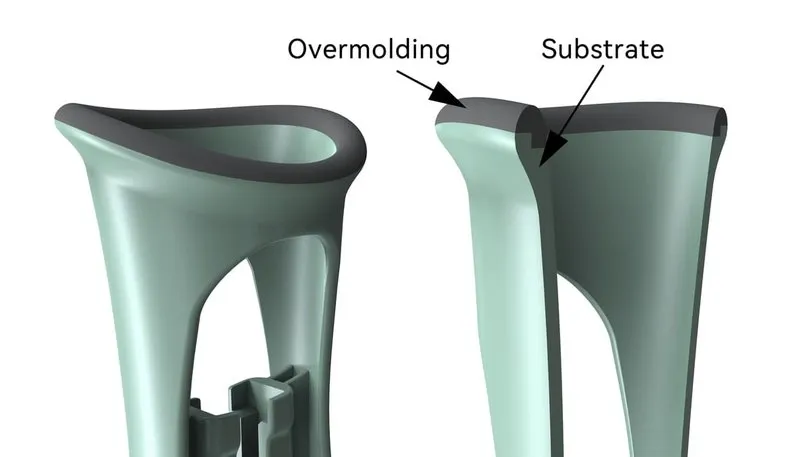
Переформование: TPU — один из наиболее универсальных материалов для переформования на жестких подложках (ABS, PC, PC/ABS, нейлон). Мы успешно выполняли переформование TPU твердостью 85A по Шору на корпусах из PC/ABS, достигая прочности соединения свыше 5 МПа при испытаниях на отслаивание. Подробнее о принципах проектирования пресс-форм для литья под давлением см. в нашем полном руководстве.
Ключевые проверки перед запросом коммерческого предложения включают подтверждение марки смолы, допусков, косметических зон и годового объема. Срок службы инструмента, количество гнезд и уровень автоматизации также влияют на удельную стоимость.
В RFQ также следует запросить производственные допущения. Марка инструментальной стали, количество гнёзд, тип литниковой системы, качество поверхности, график испытаний, метод измерений, упаковка и требования к управлению изменениями влияют на итоговую стоимость и срок выполнения. Когда эти допущения сформулированы явно, последующие переговоры проходят быстрее и безопаснее.
Сильный, детальный технический ответ всегда выявит недостающие данные, а не скроет неопределенность. Если поставщик спрашивает о накоплении допусков, ограничениях на следы литника, сертификации смолы, подборе цвета или колебаниях годового спроса, это обычно означает, что инженерная команда оценивает проект на уровне производства, а не предлагает цену вслепую.
Для проектов в стиле ZetarMold лучший результат — это четкий производственный путь: анализ DFM, подтверждение конструкции формы, изготовление инструмента, создание образцов, проверка, корректирующие действия и запуск производства. Эта последовательность обеспечивает практическую авторитетность и дает покупателям полезный контрольный список для следующего обсуждения с поставщиком.
Какие доказательства производства следует проверить перед утверждением поставщика TPU?
Ключевые производственные доказательства включают испытания формования, отчеты по размерам и сертификаты на материал. Перед утверждением любого поставщика TPU для производства данные первого образца должны содержать измеренные значения для каждого критического размера, а не только отметки «принято/не принято».
Если проект включает декоративные пластиковые3 детали или пластиковые детали с жесткими допусками, комплект подтверждающих материалов также должен содержать правила утверждения образцов, согласованные до начала серийного производства. Предельные образцы, измерительные приспособления, цветовые эталоны и таблицы классификации дефектов необходимо подготовить и четко задокументировать до запуска производства, чтобы впоследствии избежать споров из-за субъективных критериев приемки.
Часто задаваемые вопросы о формовании TPU
Каков минимальный объем заказа для литых под давлением деталей из ТПУ?
Универсального минимума не существует — всё зависит от амортизации инструмента. Для простой формы стоимостью $3,000–5,000 экономически оправданным может быть выпуск 500–2,000 деталей. Для крупносерийных TPU-деталей (100,000+ единиц/год) стандартом являются многогнёздные формы с 4–8 гнёздами.
Можно ли использовать переработанный ТПУ (рТПУ) для литья под давлением?
Да, но с ограничениями. Переработанный ТПУ обычно имеет на 10–20% более низкую прочность на растяжение и уменьшенное удлинение. Для неструктурных применений rTPU хорошо подходит. Для несущих деталей распространенным компромиссом является смешивание 10–20% rTPU с первичной смолой.
Сколько обычно служит пресс-форма для литья под давлением из TPU?
Производственная стальная форма P20 для TPU обычно выдерживает 300 000–500 000 циклов литья. TPU менее агрессивен для стали формы, чем абразивные наполненные материалы, поэтому срок службы формы в основном определяется количеством циклов.
Почему детали из TPU желтеют после формования?
Пожелтение почти всегда вызвано термической деградацией — слишком высокая температура цилиндра (выше 240°C), чрезмерное время пребывания или гидролиз, вызванный влагой. Сначала проверьте температурный профиль цилиндра и проведите продувку машины перед началом производства.
Каков типичный процент усадки для TPU?
Усадка TPU варьируется от 0,8 до 2,0% в зависимости от твёрдости. Более мягкие марки (Shore 60A–75A) дают усадку 1,5–2,0%, в то время как более твёрдые марки (Shore 90A–60D) — 0,8–1,2%. Всегда сверяйтесь с техническим паспортом материала и проводите пробные отливки перед фиксацией размеров формы.
Безопасен ли TPU для контакта с пищевыми продуктами?
Некоторые марки ТПУ соответствуют требованиям FDA для контакта с пищевыми продуктами согласно правилам 21 CFR, но конкретная марка должна быть проверена. Не все составы безопасны для пищевых продуктов — красители и добавки могут лишать марку этого статуса.
В чем разница между полиэфирным и полиэфирным ТПУ?
Полиэфирный TPU обладает лучшей маслостойкостью и износостойкостью, а полиэфирный TPU на основе простых эфиров — превосходной стойкостью к гидролизу и гибкостью при низких температурах. Для морской или влажной среды выбирайте материал на основе простых эфиров. Для применения под капотом автомобиля выбирайте полиэфирный материал.
Получите экспертную поддержку по литью TPU под давлением
Основным фактором затрат при формовании TPU не является цена материала — это правильная подготовка сушки, углов выталкивания и конструкции впуска с первого раза. В наших 20 лет работы с инструментами TPU в ZetarMold наши 8 старших инженеров используют моделирование потока для каждого проекта TPU перед изготовлением инструмента, что позволяет заранее обнаружить дисбаланс заполнения и риски линий соединения.
Имея 47 литьевых машин (90T–1850T), более 400 вариантов материалов и сертифицированные системы качества ISO 9001/13485, у нас есть оборудование и опыт для реализации проектов из TPU от прототипа до серийного производства. Свяжитесь с нами, чтобы обсудить ваш проект из TPU — наша англоговорящая инженерная команда отвечает в течение 24 часов.
{ “@context”: “https://schema.org”, “@type”: “FAQPage”, “mainEntity”: [ { “@type”: “Question”, “name”: “Каков минимальный заказ деталей из TPU?”, “acceptedAnswer”: { “@type”: “Answer”, “text”: “Универсального минимума нет — он зависит от амортизации оснастки. Для формы за $3,000–5,000 выгодны 500–2,000 деталей. Для 100,000+ шт./год стандартны формы на 4–8 гнезд.” } }, { “@type”: “Question”, “name”: “Можно ли лить переработанный TPU (rTPU)?”, “acceptedAnswer”: { “@type”: “Answer”, “text”: “Да, с ограничениями. rTPU обычно имеет на 10–20% меньшую прочность и сниженное удлинение.
-
литье под давлением: Литье под давлением — это производственный процесс, при котором пластик расплавляют, впрыскивают в полость пресс-формы, охлаждают деталь и повторяют цикл для стабильного серийного производства. ↩
-
пресс-форма для литья под давлением: Пресс-форма для литья под давлением — это прецизионный инструмент, определяющий геометрию детали, характер охлаждения, извлечение, систему впуска, качество поверхности и повторяемость. ↩
-
пластик: Пластик — это семейство материалов, чьи текучесть, усадка, прочность, термостойкость, внешний вид, длительность цикла и долговременные эксплуатационные характеристики определяют решения в области литья. ↩
<