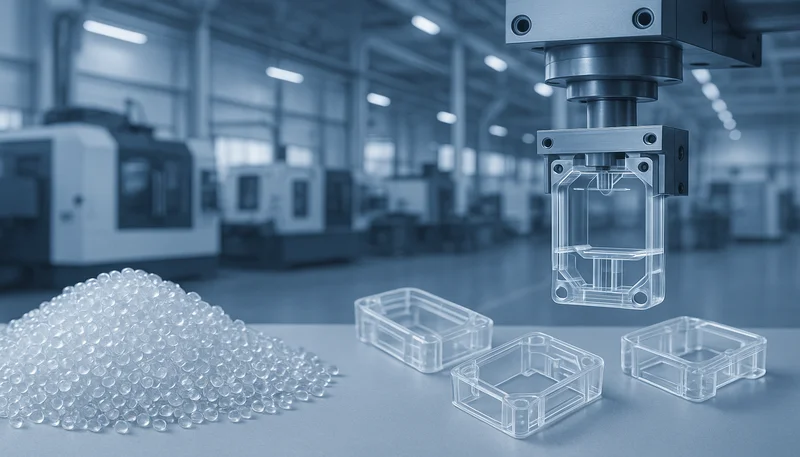
- TPUは標準射出成形機で180~230°Cで加工する、柔軟で耐摩耗性のある熱可塑性エラストマーです。
- Shore A硬度は60A~98Aで、柔らかいグリップから半剛性の構造部品まで対応します。
- 80–100°Cで2–4時間の予備乾燥が必須です。水分が0.02%を超えると、シルバーストリークと分子鎖切断が発生します。
- TPUは引張強度(25–55 MPa)と耐摩耗性でTPEを上回り、要求の厳しい用途に最適です。
- TPUの設計には十分な抜き勾配(軟質グレードでは2~3°)と、直径≥1.5 mmのゲートが必要です。
TPU射出成形とは?
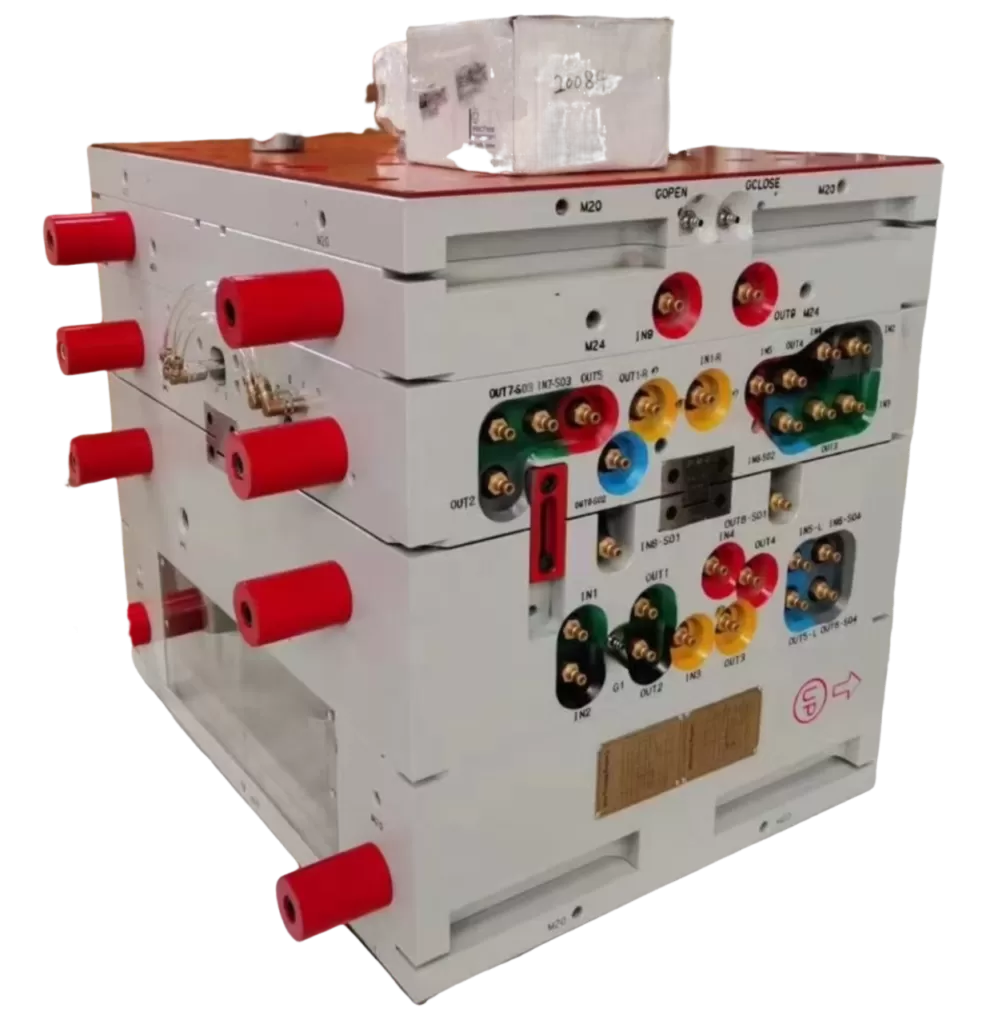
TPU射出成形1とは、溶融した熱可塑性ポリウレタンを鋼製金型に射出し、柔軟で耐摩耗性のある部品を製造する工程です。この材料はゴムのような弾性と熱可塑性樹脂の加工性を兼ね備え、オーバーモールド、シール、摩耗部品に最適です。より広い視点については、射出成形ガイドと射出成形金型2の概要をご覧ください。
より広い視点については、工程の基礎、材料挙動、生産上の意思決定を扱う射出成形完全ガイドをご覧ください。
より広い背景を理解するには、このテーマをサプライヤー調達ガイドと比較してください。
当社の上海工場では90トンから1850トンまでの47台の射出成形機を稼働しており、全ての金型決定を単なる見積価格ではなくプロセスウィンドウの問題として扱っています。
TPU射出成形は、熱可塑性ポリウレタンペレットを溶融し、金型に射出して柔軟なゴム様部品を作る工程です。ABS、PP、ナイロンと同じ機械で実行されます。
当社の工場では、過去5年間でTPUが最も多く要望されるエラストマー材料の1つになっています。ゴムのような柔軟性と熱可塑性樹脂のリサイクル性を兼ね備えた部品、たとえばケーブルのオーバーモールド、ウェアラブル機器の外装、工業用シールが必要な顧客が当社を訪れます。TPUの化学構造は、ジイソシアネートと鎖延長剤に由来するハードセグメントと、ポリオールに由来するソフトセグメントが交互に並ぶ構成で、分子レベルで特有の強度と弾性の組み合わせを生み出します。
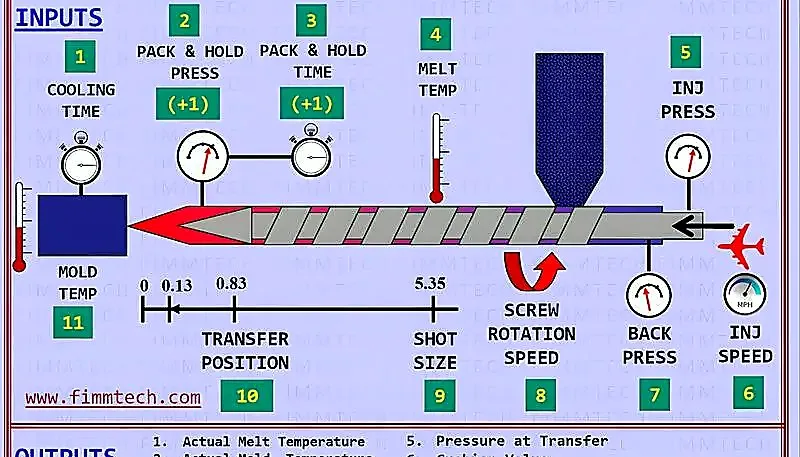
TPU射出成形は、可塑化、射出、保圧、冷却、突き出しという、あらゆる熱可塑性樹脂と同じ基本サイクルに従います。ただし、TPUは水分に敏感で、固有の流動挙動を持つため、汎用プラスチックより厳密な工程管理が必要です。その代わり、他の熱可塑性樹脂では完全に再現できない優れた機械性能を持つ部品が得られます。
"“TPUは、ABS、PP、ナイロンに使用するものと同じ成形機で射出成形できる。”"True
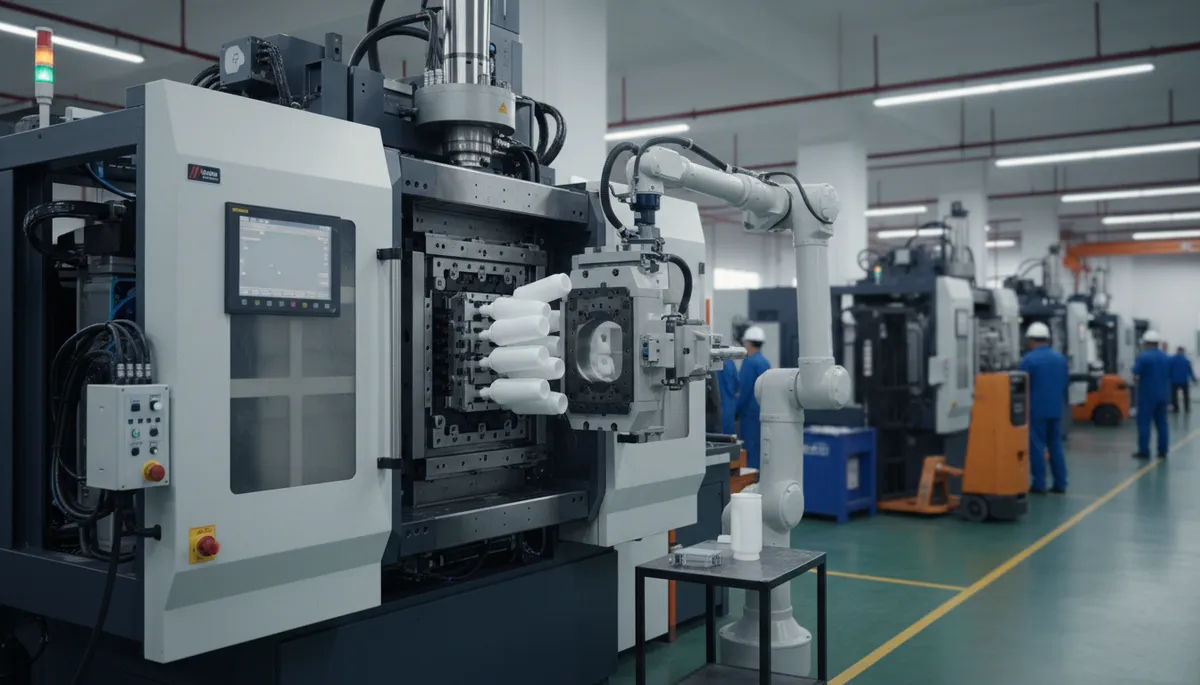
標準的なインラインスクリュー式射出成形機でTPUを効果的に加工できます。主な違いは、パラメーター設定(180~230°Cの低いバレル温度、遅い射出速度)と必須の予備乾燥工程であり、装置自体ではありません。
"“TPU部品の成形には、専用のゴム加工設備が必要である。”"False
TPUは熱硬化性ゴムではなく、熱可塑性エラストマーです。熱可塑性樹脂と同様に溶融・流動するため、専用のゴム加工アタッチメントや加硫炉なしで、標準射出成形機で加工できます。
TPUの主な材料特性とは?
TPUの主要特性は、ショアA硬度60A~98A、引張強度25~55 MPa、摩耗損失20~80 mm3です。これらは合成時にハード/ソフトセグメント比によって設定されます。
| プロパティ | 一般値 | 重要性 |
|---|---|---|
| ショア硬度 | 60A–98A / 40D–80D | ソフトグリップから半硬質筐体まで |
| 引張強度 | 25–55 MPa | 大半のTPEより高い |
| 破断伸度 | 300–700% | 優れた柔軟性 |
| 使用温度 | –40°C~+100°C | 屋外および冷蔵用途 |
| 耐摩耗性 | 20~80 mm3 DIN損失 | ゴムやTPEより優れる |
| 吸水 | 0.5~2.0%(24時間) | 予備乾燥必須 |
ポリエステル系TPUグレードは耐油性と耐摩耗性に優れ、ポリエーテル系グレードは耐加水分解性と低温柔軟性に優れる。海洋用途や高湿度環境の部品には、当社は常にポリエーテル系TPUを指定する。作動油にさらされる自動車のエンジンルーム部品には、ポリエステル系グレードの方が適している。
TPUの成形条件は、バレル温度180~230°C、金型温度20~50°C、低速射出、80~100°Cで2~4時間の予備乾燥です。含水率0.02%未満が必須です。
| パラメータ | 範囲 | 備考 |
|---|---|---|
| 予備乾燥温度 | 80–100°C | 2~4時間、除湿乾燥機 |
| バレル温度(後部) | 170–190°C | 早期溶融を防止 |
| バレル温度(前部) | 190–230°C | 6〜12 MPa |
| 金型温度 | 20–50°C | 高いほど表面品質が良い |
| 射出圧力 | 50–120 MPa | 軟質グレードでは少なくて済む |
| 保持圧力 | ピーク時の60–80% | ヒケを防止 |
| 冷却時間 | 15–60秒 | 柔軟な部品はより長い時間が必要 |
| スクリュースピード | 30–80 RPM | 低速にすることでせん断損傷を防止 |
当社の経験では、TPUの滞留時間に対する敏感さは、管理が最も難しいパラメータの一つです。TPUが加工温度のシリンダー内に5–10分を超えて滞留すると劣化が始まり、黄変と引張特性の急激な低下が見られます。当社では、各生産運転の間に必ず機械をパージし、生産立上げ時のショット間隔を最小化しています。
TPU射出成形でよくある欠陥とその防止方法とは?
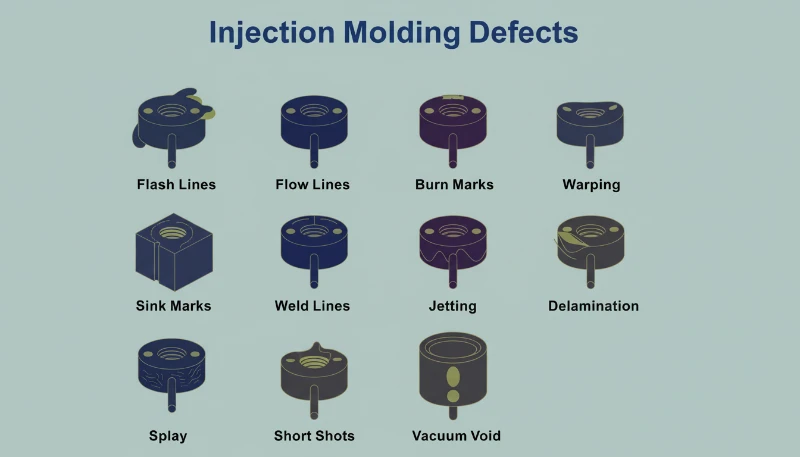
最も一般的なTPU不良は、シルバーストリーク(水分)、金型への付着(高い粘着性)、ショートショット(低圧)、黄変(熱劣化)です。それぞれに固有の根本原因と実用的な対策があります。
| 欠陥 | 根本原因 | エネルギー消費量: |
|---|---|---|
| シルバーストリーク/銀条 | 材料中の水分 | 90°Cで3–4時間乾燥 |
| 製品の金型への固着 | 高弾性、低い抜き勾配 | 抜き勾配を 2~3° に増やす |
| 気泡/ボイド | 熱劣化 | シリンダー温度を下げる;ガス抜きを改善する |
| ショートショット | 充填圧力不足 | 射出圧力を10~20%上げる |
| フラッシュ | 過充填、パーティングラインの摩耗 | 保圧を下げる |
| 黄変 | 過度な温度または滞留時間 | バレルを 240°C 未満に保ち、パージする |
軟質TPUグレードでは、部品の食い付きが最大の量産ボトルネックになることが分かっています。ウェアラブルフィットネス機器のあるプロジェクトでは、複雑なアンダーカット形状にショア75AのTPUを使用していました。対策は離型剤を増やすことではなく、側壁の抜き勾配を1°から2.5°へ増やし、エジェクターピン位置を再設計することでした。金型改修後、サイクル時間は45秒から28秒へ短縮されました。
「“TPUは毎回の生産開始前に80~100°Cで2~4時間乾燥させる必要があります。”」True
予備乾燥は必須です。含水率が0.02%を超えると、溶融工程中に加水分解による分子鎖切断が起こり、シルバーストリーク、表面気泡、引張強度の大幅な低下を招きます。
"「TPUペレットを密封袋に保管していれば、乾燥は不要です。」"False
TPUは吸湿性が非常に高く、外気に30~60分さらすだけでシルバーマークや鎖切断を起こす量の水分を吸収します。保管条件に関係なく予備乾燥が必須です。
TPU射出成形部品に依存しているのはどの業界ですか?
TPUは、自動車、履物、医療、家電、産業用途で広く使用されています。柔軟性、耐摩耗性、耐薬品性を兼ね備えているため、過酷な環境で第一選択となるエラストマーです。
自動車:ドアシール、シフトブーツ、ケーブルグロメット、防振マウント。ポリエステル系TPUグレードは、エンジンルーム用途に必要な耐燃料性・耐油性を備えています。当社は、–30°Cでの寸法安定性が必須要件となるEVバッテリーパック用TPUケーブルハーネスガイドを製造した実績があります。
履物:ミッドソール、アウトソール、トウキャップには、優れた耐摩耗性(DIN摩耗量20~40 mm3)と耐屈曲疲労性を持つTPUが使われます。射出成形TPUアウトソールは、数百万回の屈曲にも割れずに耐えます。
医療機器:医療グレードのTPU配合は、手術用チューブ、カテーテル部品、ウェアラブルセンサー筐体に使用されます。ポリエーテル系TPUは耐加水分解性と生体適合性(ISO 10993)を備え、身体接触用途に適しています。当社は持続血糖測定器用の柔軟なTPU筐体を製造しています。
"「TPUは離型時にたわむため、軽微なアンダーカットに対応できます。」"True
TPUの弾性により、小さなアンダーカットを損傷なく乗り越えられ、スライダーやリフターを省いて金型を単純化できます。
"“TPU部品は大量生産の消費者向け製品には高価すぎる。”"False
TPUは汎用TPEよりも1 kg当たりの価格が高いものの、金型寿命が長く(300Kショット超)、不良率が低く、ランナーを再利用できるため、生産量が10,000個を超えると1個当たりでは安くなることがよくあります。
家電製品:スマートフォンケース、ケーブルのオーバーモールド、イヤホンチップ、スマートウォッチバンド。TPUは汗、洗浄溶剤、紫外線に対する耐薬品性があり、日常的な使用環境でも高い耐久性を発揮します。
産業用途:高硬度TPUグレード(ショア90A~60D)製の油圧ホース継手、コンベヤ部品、ロールカバー、保護ブーツ。高速コンベヤ用途では、耐摩耗性と耐引裂性が天然ゴムの3~5倍に達します。
TPUはTPE、シリコーン、ゴムと比べてどう違いますか?
TPUは標準的な熱可塑性エラストマー(TPE)よりも強度と耐摩耗性に優れており、引張強度はTPEの8~20 MPaに対し25~55 MPaです。また、加硫ゴムやLSRにはないリサイクル性も備えています。
| プロパティ | TPU | ティーピーイー | シリコーン | ゴム |
|---|---|---|---|---|
| 引張強度 | 25–55 MPa | 8–20 MPa | 6–12 MPa | TPU射出成形:エンジニア向け完全ガイド |
| 摩耗 | 素晴らしい | グッド | 貧しい | 非常に良好 |
| 温度範囲 | –40~+100°C | –50~+80°C | –60から+200°C | –40~+100°C |
| リサイクル可能 | はい | はい | いいえ | いいえ |
| 予備乾燥 | 必須 | 場合による | いいえ | N/A |
スマートフォンケース用途でTPUとTPEを比較検討する顧客向けに、当社は直接比較プロジェクトを実施しました。TPE(SEBS系)は1kg当たり20~30%安く、加工も容易ですが、落下試験の結果は同等のショア85A TPUグレードより一貫して15~25%劣りました。繰り返し衝撃に対する機械的性能が重要な場合は、TPUが優位です。
TPU部品ではどの設計ガイドラインに従うべきか?
TPU部品は、肉厚1.5~4.0 mm、軟質グレードでは抜き勾配2~3°、ゲート径≥1.5 mm、緩やかな遷移で設計するのが最適です。TPUは十分にたわむため、スライダーなしで3~5%のアンダーカットを離型できます。
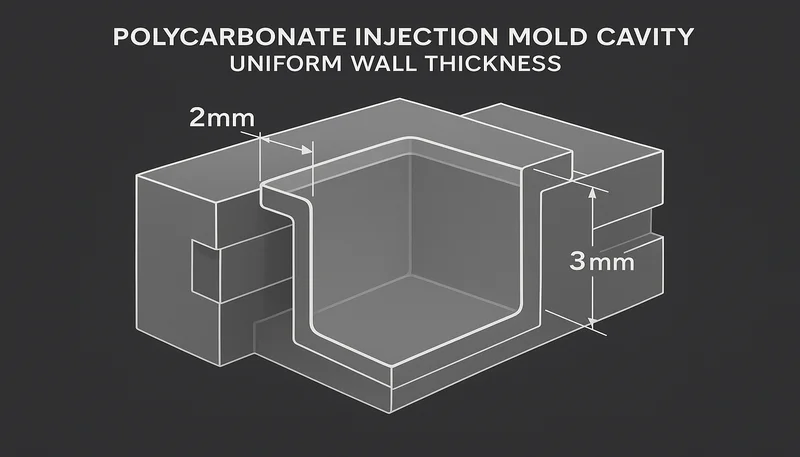
肉厚:非常に薄い肉厚(<1.0 mm)では高い射出圧力が必要になり、軟質TPUグレードを劣化させることがあります。厚い肉厚(>6 mm)では冷却時間が長くなり、ボイドが生じる可能性があります。TPUでは均一な肉厚が特に重要で、急激な変化は収縮差による反りを引き起こします。
抜き勾配:最も設計修正が多い項目です。ショア60A~75Aグレードでは最低2~3°、シボ面では3~5°が必要です。TPUは冷却時に金型コアへ密着するため、安定した離型には十分な抜き勾配が欠かせません。
アンダーカット:硬質プラスチックと異なり、TPUは離型時に変形することで小さなアンダーカット(部品直径の3~5%)に対応できます。これにより金型構造を簡素化でき、ABSならスライダーが必要な多くの形状をTPUでは直接離型できます。
ゲート設計:サブマリンゲートは自動切断できるため、TPUでよく使用されます。ゲート径は最低1.5~2.5 mm必要で、小さすぎるゲートは過度なせん断を引き起こします。軟質グレードでは1.0 mm未満のピンゲートを避けてください。
| チェックポイント1エリア | チェックポイント1検証 |
|---|---|
| 金型製作 | 金型設計がTPU射出成形に与える影響を確認する:エンジニアのための完全な加工ガイド。 |
| 素材 | 樹脂の挙動、収縮、熱、外観上のリスクを確認します。 |
| 品質 | 量産承認前に検査証拠を求めてください。 |
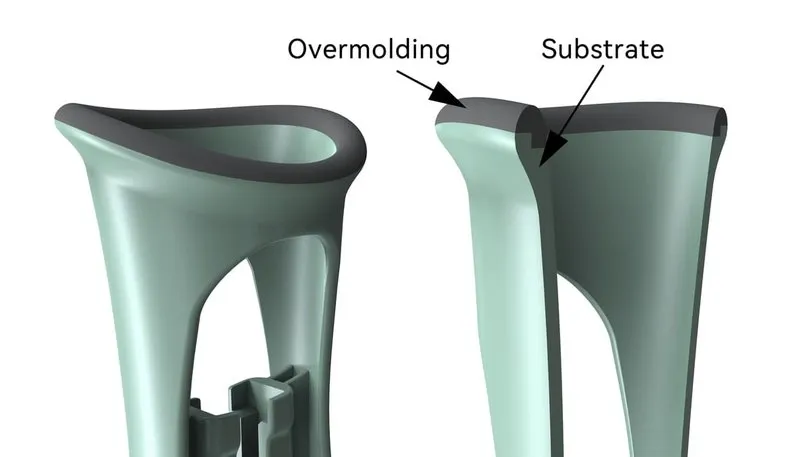
オーバーモールド:TPUは硬質基材(ABS、PC、PC/ABS、ナイロン)へのオーバーモールドに最も汎用性の高い材料の一つです。当社ではショア85AのTPUをPC/ABS筐体へ成形し、剥離試験で5 MPaを超える接着強度を実現しました。射出成形金型設計の原則について詳しくは、完全ガイドをご覧ください。
RFQ前の主要な確認事項は、樹脂グレード、公差、外観領域、年間数量の確認です。金型寿命、キャビティ数、自動化レベルも単価を変えます。
RFQでは製造上の前提条件も尋ねる必要があります。工具鋼、キャビティ数、ランナー方式、表面仕上げ、試作日程、測定方法、梱包、変更管理への期待は、すべて最終コストとリードタイムに影響します。これらの前提が明確なら、後の交渉を迅速かつ安全に進められます。
強力で詳細な技術回答は、不確実性を隠すのではなく、不足している入力を特定します。サプライヤーが公差累積、ゲート痕跡の限界、樹脂証明、色合わせ、年間需要変動について質問する場合、それは通常、エンジニアリングチームが盲目的に見積もるのではなく、生産レベルでプロジェクトを評価していることを意味します。
ZetarMoldスタイルのプロジェクトでは、最良の結果は明確な製造工程です:DFMレビュー、金型設計確認、金型製作、サンプリング、検査、是正処置、生産リリース。この順序は実用的な権限を提供し、バイヤーが次のサプライヤーとの会話で役立つチェックリストを提供します。
TPUサプライヤーを承認する前に確認すべき生産実績は何ですか?
主要な生産証拠記録は、成形トライアル、寸法報告書、樹脂証明書です。TPUサプライヤーを生産承認する前に、初品データには合格/不合格のスタンプだけでなく、すべての重要寸法の測定値を記載すべきです。
外観品質または厳しい公差が求められるプラスチック3部品のプロジェクトでは、量産開始前に合意したサンプル承認ルールも証拠に含める必要があります。後の主観的な合否判定を防ぐため、限度見本、測定治具、色基準、欠陥分類ボードを量産承認前に整備し、明確に文書化しなければなりません。
TPU射出成形に関するよくある質問
TPU射出成形部品の最小注文数量はいくつですか?
普遍的な最低数量は存在しません——それは工具の償却に依存します。$3,000~5,000円のシンプルな金型の場合、500~2,000個の生産量で経済的になることがあります。高容量のTPU部品(年間100,000個以上)の場合、4~8キャビティの多キャビティ金型が標準的です。
リサイクルTPU(rTPU)は射出成形に使用できますか?
はい、ただし制限があります。リサイクルTPUは通常、引張強度が10〜20%低く、伸びも減少しています。非構造用途では、rTPUは良好に機能します。荷重部品の場合、10〜20%のrTPUをバージン樹脂と混合することが一般的な妥協策です。
TPU射出成形金型は通常どのくらい持続しますか?
TPU用の生産グレードP20鋼型は通常30万~50万ショットの寿命があります。TPUは研磨剤入り材料よりも金型鋼に対して優しいため、金型寿命は主にショット数によって決まります。
なぜ成形後にTPU部品が黄色くなるのですか?
黄変はほぼ常に熱分解によって引き起こされます。これは、バレル温度が高すぎる(240°C以上)、滞留時間が過剰、または水分による加水分解が原因です。まずバレルの温度プロファイルを確認し、生産前に機械をパージしてください。
TPUの典型的な収縮率はどれくらいですか?
TPUの収縮率は硬度によって0.8~2.0%の範囲です。柔らかいグレード(ショア60A~75A)は1.5~2.0%収縮し、硬いグレード(ショア90A~60D)は0.8~1.2%収縮します。金型寸法を決定する前に、必ず材料データシートを参照し、テストショットを実施してください。
TPUは食品接触用途に安全ですか?
一部のTPUグレードは21 CFR規制に基づく食品接触用途でFDA準拠ですが、特定のグレードは確認が必要です。全ての配合が食品用に安全とは限らず、着色剤や添加剤によってグレードの適格性が失われる場合があります。
ポリエステルTPUとポリエステルTPUの違いは何ですか?
ポリエステル系TPUは耐油性と耐摩耗性に優れ、ポリエーテル系TPUは耐加水分解性と低温柔軟性に優れます。海洋または高湿度環境にはポリエーテル系を指定し、自動車エンジンルーム用途にはポリエステル系を選択してください。
TPU射出成形の専門サポートを受ける
TPU成形における最大のコスト要因は材料価格ではなく、乾燥、抜き勾配、ゲート設計を最初から正しく行うことです。ZetarMoldで20年間TPU金型を運用してきた当社の8人のシニアエンジニアは、鋼材加工前にすべてのTPUプロジェクトで金型流動シミュレーションを使用し、充填の不均衡や溶接ラインのリスクを早期に発見しています。
47台の射出成形機(90T~1850T)、400種類以上の材料オプション、ISO 9001/13485認証の品質システムを備え、試作から量産までのTPUプロジェクトに対応する設備と経験を有しています。TPUプロジェクトについてご相談ください。英語対応のエンジニアリングチームが24時間以内に回答いたします。
{ “@context”: “https://schema.org”, “@type”: “FAQPage”, “mainEntity”: [ { “@type”: “Question”, “name”: “TPU射出成形品の最小発注数量はどのくらいですか?”, “acceptedAnswer”: { “@type”: “Answer”, “text”: “一律の最小数量はなく、金型費の償却条件によって異なります。$3,000–5,000の単純な金型であれば、500–2,000個でも採算が合う場合があります。年間100,000+個の量産TPU部品では、4–8個取りの多数個取り金型が標準です。” } }, { “@type”: “Question”, “name”: “再生TPU(rTPU)は射出成形に使用できますか?”, “acceptedAnswer”: { “@type”: “Answer”, “text”: “はい、ただし制約があります。再生TPUは通常、引張強度が10–20%低く、伸びも低下します。
-
射出成形:プラスチックを溶かして金型キャビティに射出し、部品を冷却するサイクルを繰り返して、安定した量産を行う製造工程です。↩
-
射出成形金型:部品形状、冷却挙動、突き出し、ゲート、表面仕上げ、再現性を決定する精密工具です。↩
-
プラスチック:流動性、収縮、強度、耐熱性、外観品質、サイクル時間、長期性能が成形上の判断を左右する材料群です。↩
<