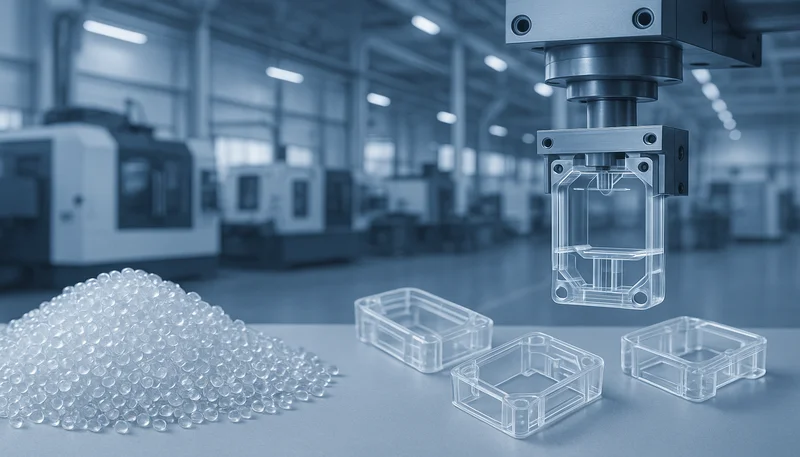
- TPU, standart enjeksiyon kalıplama makinelerinde 180–230°C'de işlenen esnek ve aşınmaya dayanıklı termoplastik elastomerdir.
- Shore A sertliği 60A–98A aralığındadır ve yumuşak tutamaklardan yarı rijit yapısal parçalara kadar her şeyi kapsar.
- 80-100°C'de 2-4 saat ön kurutma zorunludur — %0,02'nin üzerindeki nem gümüş çizgilerine ve zincir kopmasına neden olur.
- TPU, çekme dayanımı (25–55 MPa) ve aşınma direnci bakımından TPE'den üstündür; bu da onu zorlu uygulamalar için ideal kılar.
- TPU tasarımında geniş kalıp açıları (yumuşak sınıflar için 2–3°) ve ≥1.5 mm giriş çapları gerekir.
TPU Enjeksiyon Kalıplama Nedir?
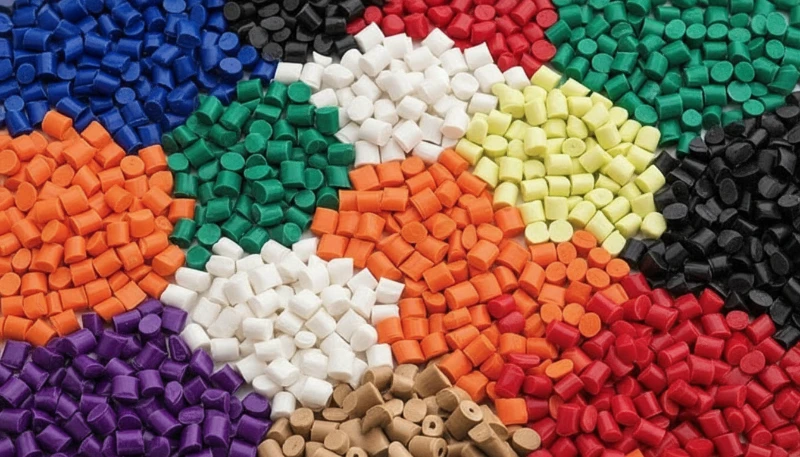
TPU enjeksiyon kalıplama1, esnek ve aşınmaya dayanıklı parçalar üretmek için erimiş termoplastik poliüretanın çelik kalıba enjekte edilmesi sürecidir. Malzeme, kauçuk benzeri esnekliği termoplastik işlenebilirliğiyle birleştirerek üst kalıplama, contalar ve aşınma parçaları için ideal hâle gelir. Daha geniş bir bakış için enjeksiyon kalıplama kılavuzumuza ve enjeksiyon kalıbı2 genel bakışına göz atın.
Daha geniş bir bakış için enjeksiyon kalıplama eksiksiz kılavuzumuz süreç temellerini, malzeme davranışını ve üretim kararlarını ele alır.
Daha geniş bağlam için bu konuyu tedarikçi seçme kılavuzu ile karşılaştırın.
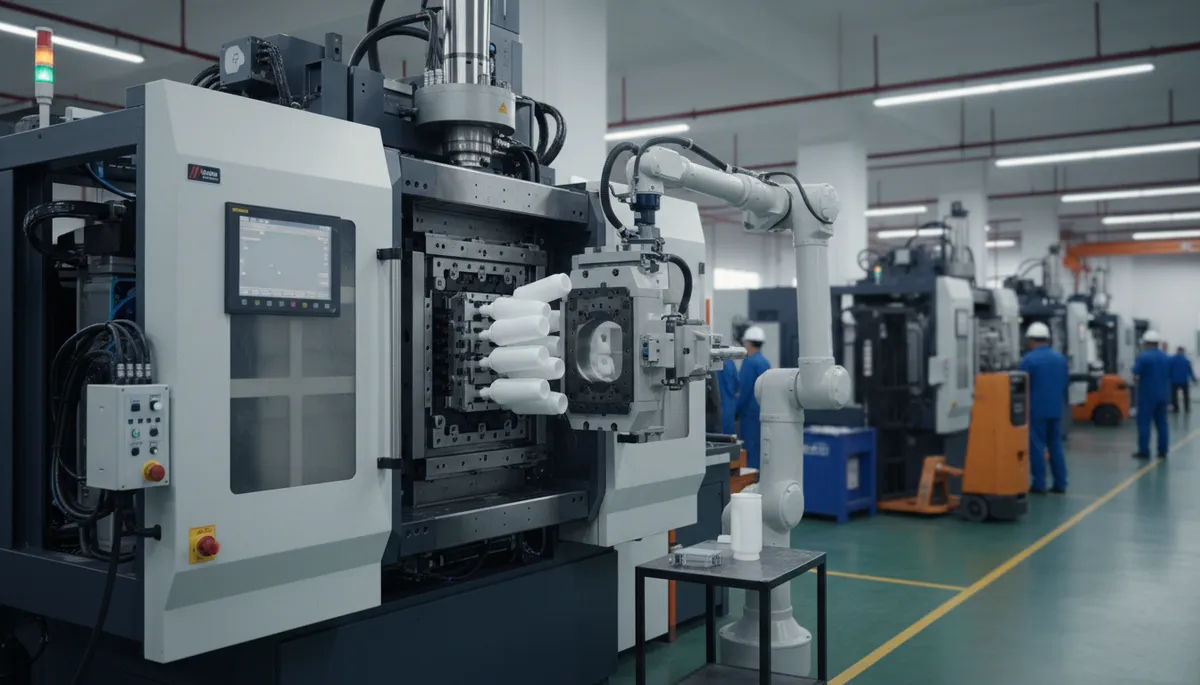
Şangay fabrikamızda 90T'den 1850T'ye kadar 47 enjeksiyon kalıplama makinesi çalıştırıyoruz, bu yüzden her kalıp kararını sadece fiyat teklifi değil, bir proses penceresi sorunu olarak ele alıyoruz.
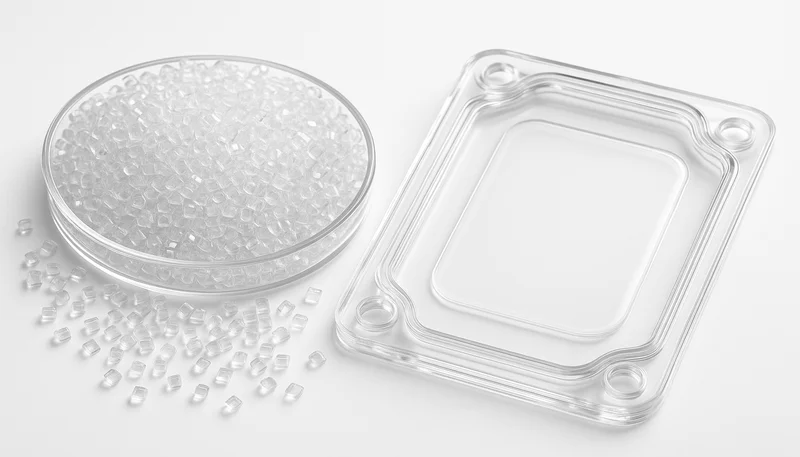
TPU enjeksiyon kalıplama, termoplastik poliüretan granüllerini eritip esnek, kauçuk benzeri parçalar yapmak için bir kalıba enjekte etmektir. ABS, PP veya naylon için kullanılan aynı makinelerde çalışır.
Fabrikamızda TPU, son beş yılda en çok talep edilen elastomerik malzemelerden biri hâline geldi. Müşteriler, kauçuk benzeri esnekliği termoplastiklerin geri dönüştürülebilirliğiyle birleştiren parçalara ihtiyaç duyduklarında bize geliyor; örneğin kablo üzerine kalıpları, giyilebilir cihaz kaplamaları ve endüstriyel contalar. TPU’nun kimyası, diizosiyanat ve zincir uzatıcıdan oluşan sert segmentlerle poliolden oluşan yumuşak segmentlerin dönüşümlü diziliminden oluşur; bu yapı moleküler düzeyde kendine özgü dayanım ve elastiklik bileşimini yaratır.
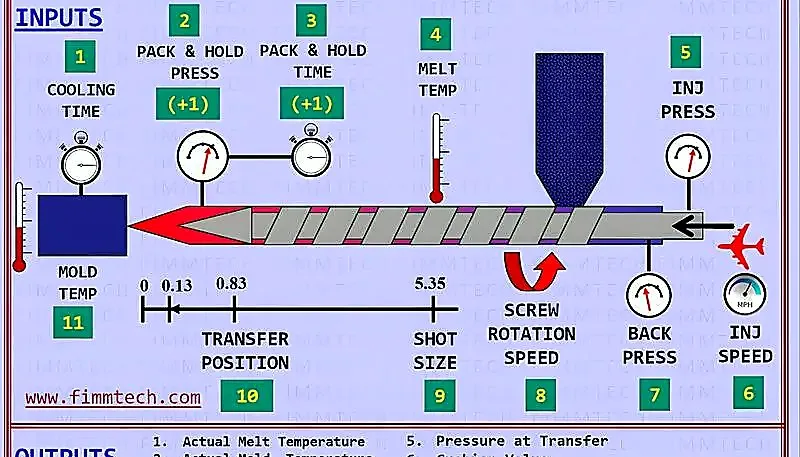
TPU enjeksiyon kalıplama, diğer tüm termoplastiklerle aynı temel çevrimi izler: plastikleştirme, enjeksiyon, ütüleme, soğutma ve çıkarma. Ancak TPU’nun neme duyarlılığı ve kendine özgü akış davranışı, standart plastiklere göre daha sıkı proses kontrolü gerektirir. Bunun karşılığında, başka hiçbir termoplastiğin tam olarak sağlayamadığı üstün mekanik performansa sahip bir parça elde edilir.
"“TPU, ABS, PP ve naylon için kullanılan makinelerin aynısında enjeksiyonla kalıplanabilir.”"True
Standart ileri geri hareketli vidalı enjeksiyon kalıplama makineleri TPU'yu etkili biçimde işler. Temel farklar ekipmanın kendisi değil; parametre ayarları (180–230°C'lik daha düşük silindir sıcaklıkları, daha yavaş enjeksiyon hızları) ve zorunlu ön kurutma adımıdır.
"“TPU parçaları kalıplamak için özel kauçuk işleme ekipmanına ihtiyacınız vardır.”"False
TPU bir termoset kauçuk değil, termoplastik elastomerdir. Termoplastik gibi erir ve akar; bu nedenle özel kauçuk işleme aparatları veya vulkanizasyon fırınları olmadan her standart enjeksiyon kalıplama makinesinde işlenebilir.
TPU’nun Temel Malzeme Özellikleri Nelerdir?
TPU’nun temel özellikleri 60A–98A Shore A sertliği, 25–55 MPa çekme dayanımı ve 20–80 mm3 aşınma kaybıdır. Bunlar sentez sırasında sert/yumuşak segment oranı ile belirlenir.
| Mülkiyet | Tipik Değer | Önem |
|---|---|---|
| Shore Sertliği | 60A–98A / 40D–80D | Yumuşak tutma yerlerinden yarı sert muhafazalara |
| Çekme Dayanımı | 25–55 MPa | Çoğu TPE'den daha yüksek |
| Kopma Uzaması | 300–700% | Mükemmel esneklik |
| Çalışma Sıcaklığı | –40°C ile +100°C arası | Dış mekân ve soğutmalı kullanım |
| Aşınma Direnci | 20–80 mm3 DIN kaybı | Kauçuklardan ve TPE'lerden üstün |
| Su Emme | 0.5–2.0% (24 sa) | Zorunlu ön kurutma |
Polyester bazlı TPU sınıfları üstün yağ direnci ve aşınma performansı sunarken polieter bazlı sınıflar hidroliz direnci ve düşük sıcaklık esnekliğinde üstündür. Denizcilik veya nemli ortam parçaları için her zaman polieter TPU belirleriz. Hidrolik sıvıya maruz kalan otomotiv kaput altı bileşenlerinde polyester sınıflar daha iyi performans gösterir.
TPU proses parametreleri; 180–230°C kovan sıcaklığı, 20–50°C kalıp sıcaklığı, düşük enjeksiyon hızı ve 80–100°C’de 2–4 saat ön kurutmadır. Nem düzeyinin %0.02’nin altında olması zorunludur.
| Parametre | Aralık | Notlar |
|---|---|---|
| Ön kurutma Sıc. | 80–100°C | 2–4 saat; nem alıcılı kurutucu |
| Kovan Sıc. (Arka) | 170–190°C | Erken erimeyi önler |
| Kovan Sıcaklığı (Ön) | 190–230°C | 240°C'yi aşmaktan kaçının |
| Kalıp Sıcaklığı | 20–50°C | Sıcaklık Aralığı |
| Enjeksiyon Basıncı | 50–120 MPa | Daha yumuşak sınıflar daha azına ihtiyaç duyar |
| Tutma Basıncı | Tepe değerin 60–80%'i | Çöküntü izlerini önler |
| Soğutma Süresi | 15–60 saniye | Esnek parçalar daha uzun süre gerektirir |
| Vida Hızı | 30–80 RPM | Düşük hız kesme hasarını önler |
Deneyimlerimize göre TPU’nun bekleme süresine duyarlılığı, yönetilmesi en zor parametrelerden biridir. TPU işleme sıcaklığında kovanda 5–10 dakikadan uzun kalırsa bozunmaya başlar — sararma ve çekme özelliklerinde keskin düşüş görülür. Üretim serileri arasında makineyi her zaman temizler ve üretime başlarken atışlar arasındaki çevrim aralıklarını en aza indiririz.
TPU Enjeksiyon Kalıplamadaki Yaygın Kusurlar Nelerdir ve Nasıl Önlenebilir?
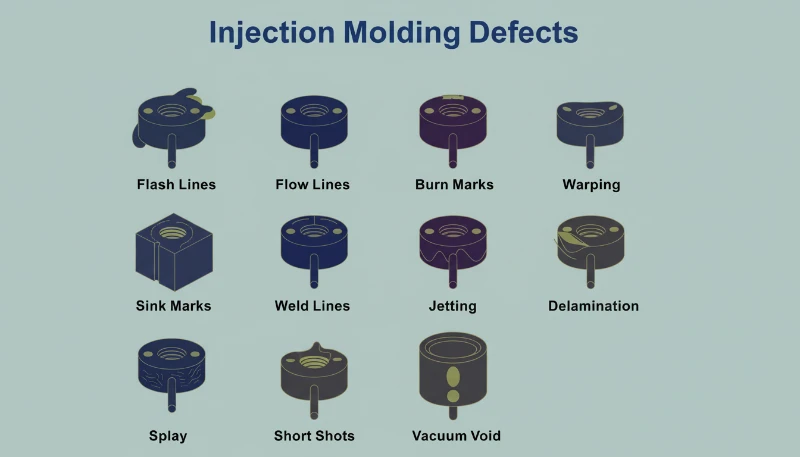
En yaygın TPU kusurları gümüş çizgiler (nem), kalıba yapışma (yüksek yapışkanlık), eksik dolum (düşük basınç) ve sararmadır (ısıl bozunma). Her birinin belirli bir kök nedeni ve pratik bir çözümü vardır.
| Kusur | Karşı yüzeyde çökme izlerini önler | Önleme |
|---|---|---|
| Gümüş Çizgiler / Gümüş Damarlar | Malzemedeki nem | 90°C'de 3–4 saat kurutun |
| Parçanın Yapışması | Yüksek esneklik, düşük kalıp açısı | Kalıp açısını 2–3°'ye yükseltin |
| Kabarcıklar / Boşluklar | Termal bozunma | Kovan sıcaklığını azaltın; havalandırmayı iyileştirin |
| Kısa Atış | Yetersiz dolum basıncı | Enjeksiyon basıncını %10–20 artırın |
| Flaş | Aşırı ütüleme; aşınmış ayırma çizgisi | Tutma basıncını azaltın |
| Sararma | Aşırı sıcaklık veya bekleme süresi | Kovanı 240°C'nin altında tutun; temizleyin |
Yumuşak TPU sınıflarında parçanın yapışmasının üretimdeki en büyük darboğaz olduğunu gördük. Giyilebilir bir fitness cihazı projesinde karmaşık alt kesit geometrisiyle Shore 75A TPU kullanıyorduk. Çözüm daha fazla ayırıcı madde değil, yan duvarlardaki kalıp açısını 1°‘den 2.5°‘ye çıkarmak ve itici pim konumlarını yeniden tasarlamaktı. Kalıp değişikliğinden sonra çevrim süresi 45 saniyeden 28 saniyeye düştü.
"“TPU her üretim serisinden önce 80–100°C'de 2–4 saat kurutulmalıdır.”"True
Ön kurutma zorunludur. %0.02'nin üzerindeki nem içeriği, eriyik fazında hidrolitik zincir kopmasına yol açarak gümüş izleri, yüzey kabarcıkları ve çekme dayanımında önemli bir düşüş oluşturur.
"“TPU peletleri kapalı bir torbada saklanırsa kurutulmaları gerekmez.”"False
TPU son derece higroskopiktir — açık havada 30–60 dakika içinde gümüş izlere ve zincir kopmasına yol açacak kadar nem emebilir. Depolama koşullarından bağımsız olarak ön kurutma zorunludur.
Hangi Sektörler TPU Enjeksiyon Kalıplı Parçalara Güvenir?
TPU; otomotiv, ayakkabı, medikal, tüketici elektroniği ve endüstriyel uygulamalarda yaygın olarak kullanılır. Esneklik, aşınma direnci ve kimyasal tolerans birleşimi, onu zorlu ortamlar için tercih edilen elastomer hâline getirir.
Otomotiv: Kapı contaları, vites körükleri, kablo geçiş lastikleri ve titreşim sönümleyici bağlantılar. Polyester bazlı TPU sınıfları, motor bölmesi uygulamalarının gerektirdiği yakıt ve yağ direncini sunar. Boyutsal kararlılığın –30°C’de kesin gereklilik olduğu EV batarya paketleri için TPU kablo demeti kılavuzları ürettik.
Ayakkabı: Orta tabanlar, dış tabanlar ve burun koruyucular; olağanüstü aşınma direnci (20–40 mm³ DIN kaybı) ve bükülme yorulması dayanımı için TPU kullanır. Enjeksiyonla kalıplanmış TPU dış tabanlar, çatlamadan milyonlarca bükülme çevrimine dayanır.
Tıbbi Cihazlar: Tıbbi sınıf TPU formülleri cerrahi hortumlarda, kateter bileşenlerinde ve giyilebilir sensör muhafazalarında kullanılır. Polieter TPU’nun hidroliz direnci ve biyouyumluluğu (ISO 10993), onu vücutla temas eden uygulamalara uygun kılar. Sürekli glikoz izleme cihazları için esnek TPU muhafazalar üretiyoruz.
"“TPU, kalıptan çıkarma sırasında esneyerek küçük ters açıları tolere edebilir.”"True
TPU'nun esnekliği küçük ters açıların üzerinden hasar görmeden gerilmesine olanak tanır ve sürgü veya eğik iticileri ortadan kaldırarak kalıp karmaşıklığını azaltır.
"“TPU parçalar yüksek hacimli tüketici ürünleri için fazla pahalıdır.”"False
TPU kilogram başına ticari TPE'den daha pahalıdır; ancak daha uzun kalıp ömrü (300K+ atış), daha düşük hurda oranı ve yollukların geri dönüştürülebilmesi, 10,000 adedin üzerindeki hacimlerde onu parça başına çoğu zaman daha ucuz kılar.
Tüketici Elektroniği: Telefon kılıfları, kablo üst kalıpları, kulaklık uçları ve akıllı saat kayışları. TPU’nun tere, temizlik çözücülerine ve UV ışığına karşı kimyasal direnci, günlük tüketici ortamlarında dayanıklılık sağlar.
Endüstri: Daha sert TPU sınıflarından (Shore 90A–60D) hidrolik hortum kaplinleri, konveyör bileşenleri, merdane kaplamaları ve koruyucu körükler. Yüksek hızlı konveyör uygulamalarında aşınma ve yırtılma direnci doğal kauçuğun 3–5 katını aşar.
TPU; TPE, Silikon ve Kauçukla Nasıl Karşılaştırılır?
TPU, standart termoplastik elastomerlere (TPE) kıyasla daha güçlü ve aşınma direnci daha yüksektir; çekme dayanımı 25–55 MPa iken TPE için bu değer 8–20 MPa’dır. Ayrıca, vulkanize kauçuk ve LSR’nin karşılayamadığı bir geri dönüştürülebilirlik sunar.
| Mülkiyet | TPU | TPE | Silikon | Kauçuk |
|---|---|---|---|---|
| Çekme Dayanımı | 25–55 MPa | 8–20 MPa | 6–12 MPa | 10–30 MPa |
| Aşınma | Mükemmel | İyi | Zayıf | Çok İyi |
| Sıcaklık Aralığı | TPU Enjeksiyon Kalıplama: Mühendisler için Tam Kılavuz | –50 ila +80°C | –60 ila +200°C | TPU Enjeksiyon Kalıplama: Mühendisler için Tam Kılavuz |
| Geri dönüştürülebilir | Evet | Evet | Hayır | Hayır |
| Ön kurutma | Zorunlu | Bazen | Hayır | N/A |
Telefon kılıfı uygulamalarında TPU ile TPE arasında seçim yapan müşteriler için doğrudan karşılaştırma projeleri yürüttük. TPE (SEBS bazlı) kilogram başına %20–30 daha ucuzdur ve daha kolay işlenir; ancak düşürme testi sonuçları, karşılaştırılabilir Shore 85A TPU sınıfına göre TPE’de sürekli olarak %15–25 daha kötüydü. Tekrarlanan darbelerde mekanik performans kritik olduğunda TPU kazanır.
TPU Parçalar İçin Hangi Tasarım Kurallarına Uymalısınız?
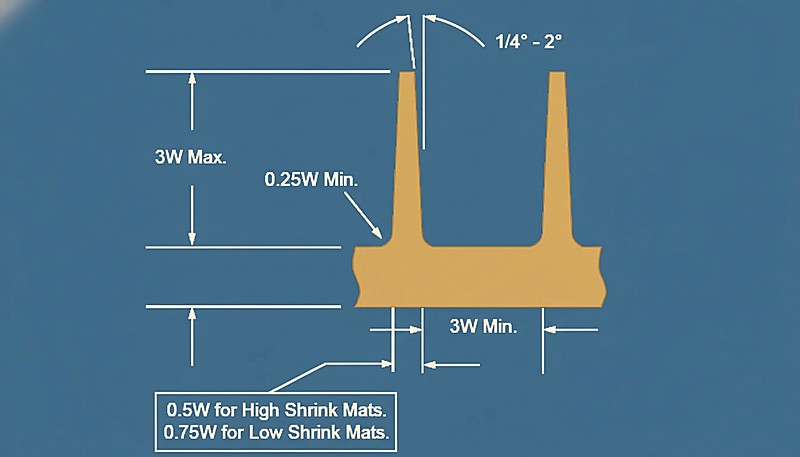
TPU parçalar en iyi 1.5–4.0 mm et kalınlığı, yumuşak sınıflar için 2–3° kalıp açısı, ≥1.5 mm yolluk girişi çapı ve kademeli geçişlerle tasarlanır. TPU, sürgü olmadan %3–5 alt kesitlerin kalıptan çıkarılmasına yetecek kadar esner.
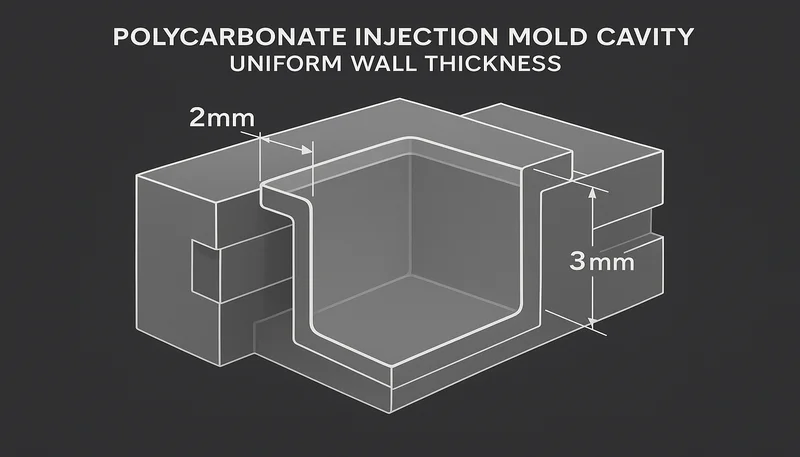
Et Kalınlığı: Çok ince cidarlar (<1,0 mm), yumuşak TPU sınıflarını bozabilecek yüksek enjeksiyon basıncı gerektirir. Kalın cidarlar (>6 mm), uzun soğutma sürelerine ve olası boşluklara yol açar. Eşit et kalınlığı TPU’da özellikle önemlidir; ani değişimler, çarpılma oluşturan farklı çekmelere neden olur.
Kalıptan Çıkma Açıları: Tasarım revizyonlarının çoğunu burada görüyoruz. Shore 60A–75A sınıfları en az 2–3°, dokulu yüzeyler ise 3–5° gerektirir. TPU soğuma sırasında kalıp maçayı kavradığı için güvenilir çıkarma açısından geniş çıkma açısı şarttır.
Ters Açılar: Sert plastiklerden farklı olarak TPU, kalıptan çıkarma sırasında esneyerek küçük ters açıları (parça çapının %3–5’i) karşılayabilir. Bu, takım karmaşıklığını azaltır; ABS’de sürgü gerektirecek birçok özellik TPU ile doğrudan kalıptan çıkarılabilir.
Yolluk Girişi Tasarımı: Kendiliğinden ayrıldıkları için TPU’da tünel girişler yaygındır. Giriş çapı en az 1,5–2,5 mm olmalıdır; küçük girişler aşırı kaymaya neden olur. Yumuşak sınıflarda 1,0 mm’den küçük nokta girişlerden kaçının.
| Kontrol noktası 1 alanı | Kontrol noktası 1 doğrulaması |
|---|---|
| reçine özellikleri | Kalıp tasarımının TPU Enjeksiyon Kalıplamayı nasıl etkilediğini onaylayın: Mühendisler için Tam İşleme Kılavuzu. |
| Malzeme | Reçine davranışını, çekmeyi, ısıyı ve kozmetik riskleri kontrol edin. |
| Kalite | Üretim onayından önce muayene kanıtı isteyin. |
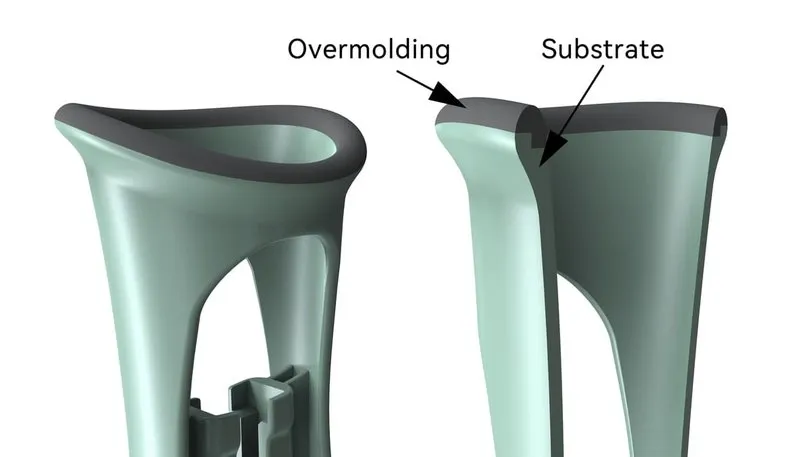
Üst Kalıplama: TPU, sert altlıklar (ABS, PC, PC/ABS, naylon) üzerine üst kalıplama için en çok yönlü malzemelerden biridir. Shore 85A TPU’yu PC/ABS muhafazalar üzerine başarıyla üst kalıplayarak soyma testlerinde 5 MPa’yı aşan bağ dayanımı elde ettik. Enjeksiyon kalıbı tasarımı ilkeleri hakkında daha fazla bilgi için eksiksiz kılavuzumuza bakın.
Bir RFQ öncesindeki temel kontroller, reçine sınıfı, toleranslar, kozmetik bölgeler ve yıllık hacmin teyit edilmesidir. Kalıp ömrü, boşluk sayısı ve otomasyon seviyesi de birim fiyatı değiştirir.
RFQ ayrıca üretim varsayımlarını da sormalıdır. Takım çeliği, boşluk sayısı, dağıtıcı tipi, yüzey bitimi, deneme programı, ölçüm yöntemi, paketleme ve değişiklik kontrol beklentilerinin tümü nihai maliyeti ve teslimat süresini etkiler. Bu varsayımlar açık olduğunda, sonraki müzakere daha hızlı ve güvenli olur.
Güçlü, detaylı bir teknik yanıt, her zaman belirsizliği gizlemek yerine eksik girdileri belirleyecektir. Tedarikçi tolerans birikimi, geçit izi sınırları, reçine sertifikasyonu, renk eşleştirme veya yıllık talep değişimi hakkında sorular soruyorsa, bu genellikle mühendislik ekibinin projeyi körü körüne teklif vermek yerine üretim derinliğinde değerlendirdiği anlamına gelir.
ZetarMold tarzı projeler için en iyi sonuç, net bir üretim yoludur: Tasarım İmalat İncelemesi, kalıp tasarım onayı, kalıp imalatı, numune alma, muayene, düzeltici faaliyet ve üretime geçiş. Bu sıralama pratik bir otorite sağlar ve alıcılara bir sonraki tedarikçi görüşmeleri için kullanışlı bir kontrol listesi sunar.
Bir TPU Tedarikçisini Onaylamadan Önce Hangi Üretim Kanıtlarını İncelemelisiniz?
Kilit üretim kanıt kayıtları, kalıplama denemeleri, boyutsal raporlar ve reçine sertifikalarıdır. Herhangi bir TPU tedarikçisini üretim için onaylamadan önce, ilk parça verileri yalnızca geçer/geçmez damgaları değil, her kritik boyut için ölçülen değerleri listelemelidir.
Bir proje kozmetik veya dar toleranslı plastik3 parçalar içeriyorsa kanıtlar, seri üretim başlamadan önce kararlaştırılmış numune onay kurallarını da kapsamalıdır. Sonraki aşamalarda öznel kabul anlaşmazlıklarını önlemek için sınır numuneleri, ölçüm fikstürleri, renk standartları ve kusur sınıflandırma panoları üretim onayından önce oluşturulmalı ve açıkça belgelenmelidir.
TPU Enjeksiyon Kalıplama Hakkında Sıkça Sorulan Sorular
TPU enjeksiyon kalıplama parçaları için minimum sipariş miktarı nedir?
Evrensel bir asgari miktar yoktur — bu, alet amortismanına bağlıdır. $3.000–5.000 maliyetindeki basit bir kalıp için 500–2.000 parça miktarları ekonomik olabilir. Yüksek hacimli TPU parçaları için (100.000+ birim/yıl), 4–8 boşluklu çoklu boşluklu kalıplar standarttır.
Enjeksiyon kalıplama için geri dönüştürülmüş TPU (rTPU) kullanabilir miyim?
Evet, ancak sınırlamalarla. Geri dönüştürülmüş TPU tipik olarak –20 daha düşük çekme mukavemetine ve azalmış uzamaya sahiptir. Yapısal olmayan uygulamalar için, rTPU iyi çalışır. Yük taşıyan parçalar için, –20 rTPU’yu ham reçine ile karıştırmak yaygın bir uzlaşmadır.
Bir TPU enjeksiyon kalıbı tipik olarak ne kadar süre dayanır?
TPU için üretim kalitesinde bir P20 çelik kalıp genellikle 300.000–500.000 enjeksiyon dayanır. TPU, aşındırıcı dolgulu malzemelere kıyasla kalıp çeliğine daha nazik davrandığından, kalıp ömrü öncelikle enjeksiyon sayısına bağlıdır.
Neden TPU parçam kalıplama sonrası sararıyor?
Sarılaşma neredeyse her zaman termal bozulmadan kaynaklanır — varil sıcaklığı çok yüksek (240°C üzeri), aşırı kalma süresi veya nem kaynaklı hidroliz. Öncelikle varil sıcaklık profilinizi kontrol edin ve üretimden önce makineyi temizleyin.
TPU için tipik büzülme oranı nedir?
TPU büzülmesi sertliğe bağlı olarak %0,8–2,0 arasında değişir. Daha yumuşak dereceler (Shore 60A–75A) %1,5–2,0 büzülürken, daha sert dereceler (Shore 90A–60D) %0,8–1,2 büzülür. Kalıp boyutlarını sonuçlandırmadan önce daima malzeme veri sayfasına başvurun ve test çekimleri yapın.
TPU gıda teması uygulamaları için güvenli midir?
Bazı TPU dereceleri, 21 CFR yönetmelikleri altında yiyecek teması için FDA uyumlu olabilir, ancak spesifik derecenin kontrol edilmesi gerekmektedir. Tüm formülasyonlar yiyecek için uygun değildir — renklendiriciler ve katkı maddeleri bir derecenin uygunluğunu engelleyebilir.
Polyester ve polyether TPU arasındaki fark nedir?
Polyester TPU daha iyi yağ direnci ve aşınma performansı sunarken polieter TPU üstün hidroliz direnci ve düşük sıcaklık esnekliği sağlar. Denizcilik veya nemli ortamlar için polieter; otomotiv motor bölmesi uygulamaları için polyester belirtin.
Uzman TPU Enjeksiyon Kalıplama Desteği Alın
TPU kalıplamada en büyük maliyet unsuru malzeme fiyatı değil — kurutma, pah açıları ve besleme tasarımının ilk seferde doğru yapılmasıdır. ZetarMold’da 20 yıldır TPU kalıpları çalıştırırken, 8 kıdemli mühendisimiz her TPU projesinde çelik kesilmeden önce kalıp akış simülasyonu kullanarak dolum dengesizliklerini ve kaynak hattı risklerini erken tespit eder.
47 enjeksiyon kalıplama makinesi (90T–1850T), 400’den fazla malzeme seçeneği ve ISO 9001/13485 sertifikalı kalite sistemleriyle, TPU projelerini prototipten seri üretime kadar yönetecek ekipman ve deneyime sahibiz. TPU projenizi görüşmek için bizimle iletişime geçin — İngilizce konuşan mühendislik ekibimiz 24 saat içinde yanıt verir.
{ “@context”: “https://schema.org”, “@type”: “FAQPage”, “mainEntity”: [ { “@type”: “Question”, “name”: “TPU enjeksiyon kalıplı parçalar için minimum sipariş miktarı nedir?”, “acceptedAnswer”: { “@type”: “Answer”, “text”: “Evrensel bir minimum yoktur — kalıp maliyetinin amortismanına bağlıdır. $3,000–5,000 maliyetli basit bir kalıp için 500–2,000 adet ekonomik olabilir. Yüksek hacimli TPU parçalar (100,000+ adet/yıl) için 4–8 gözlü kalıplar standarttır.” } }, { “@type”: “Question”, “name”: “Enjeksiyon kalıplamada geri dönüştürülmüş TPU (rTPU) kullanabilir miyim?”, “acceptedAnswer”: { “@type”: “Answer”, “text”: “Evet, ancak sınırlamalar vardır. Geri dönüştürülmüş TPU genellikle %10–20 daha düşük çekme dayanımına ve daha düşük uzamaya sahiptir.
-
enjeksiyon kalıplama: Enjeksiyon kalıplama, kararlı seri üretim için plastiğin eritildiği, kalıp boşluğuna enjekte edildiği, parçanın soğutulduğu ve çevrimin tekrarlandığı üretim sürecidir. ↩
-
enjeksiyon kalıbı: Enjeksiyon kalıbı; parça geometrisini, soğutma davranışını, kalıptan çıkarmayı, yolluk girişini, yüzey kalitesini ve tekrarlanabilirliği belirleyen hassas takımdır. ↩
-
plastik: Plastik; akışı, çekmesi, dayanımı, ısı direnci, kozmetik kalitesi, çevrim süresi ve uzun vadeli performansı kalıplama kararlarını şekillendiren bir malzeme ailesidir. ↩
<