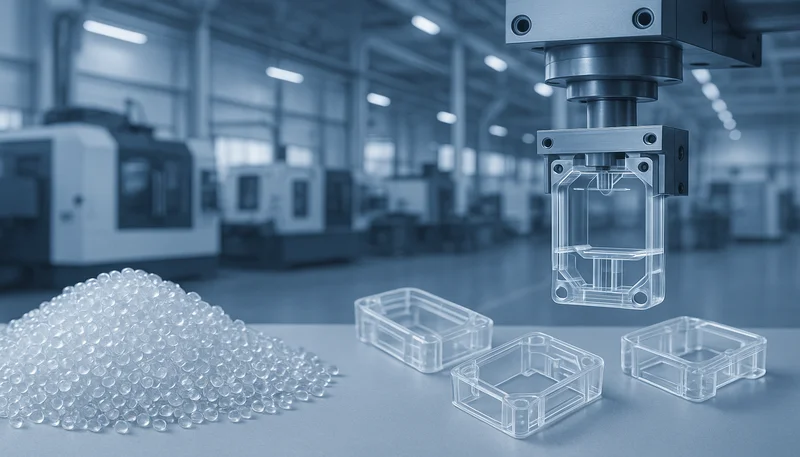
- Il TPU è un elastomero termoplastico flessibile e resistente all’abrasione, lavorato a 180–230°C su presse a iniezione standard.
- La durezza Shore A varia da 60A a 98A, coprendo applicazioni dalle impugnature morbide ai pezzi strutturali semirigidi.
- La pre-essiccazione a 80–100°C per 2–4 ore è obbligatoria: un'umidità superiore allo 0.02% causa segni a ventaglio e scissione delle catene.
- Il TPU supera il TPE per resistenza a trazione (25–55 MPa) e resistenza all'abrasione, risultando ideale per applicazioni impegnative.
- La progettazione per il TPU richiede angoli di sformo generosi (2–3° per i gradi morbidi) e diametri dei punti di iniezione ≥1,5 mm.
Che cos’è lo stampaggio a iniezione del TPU?
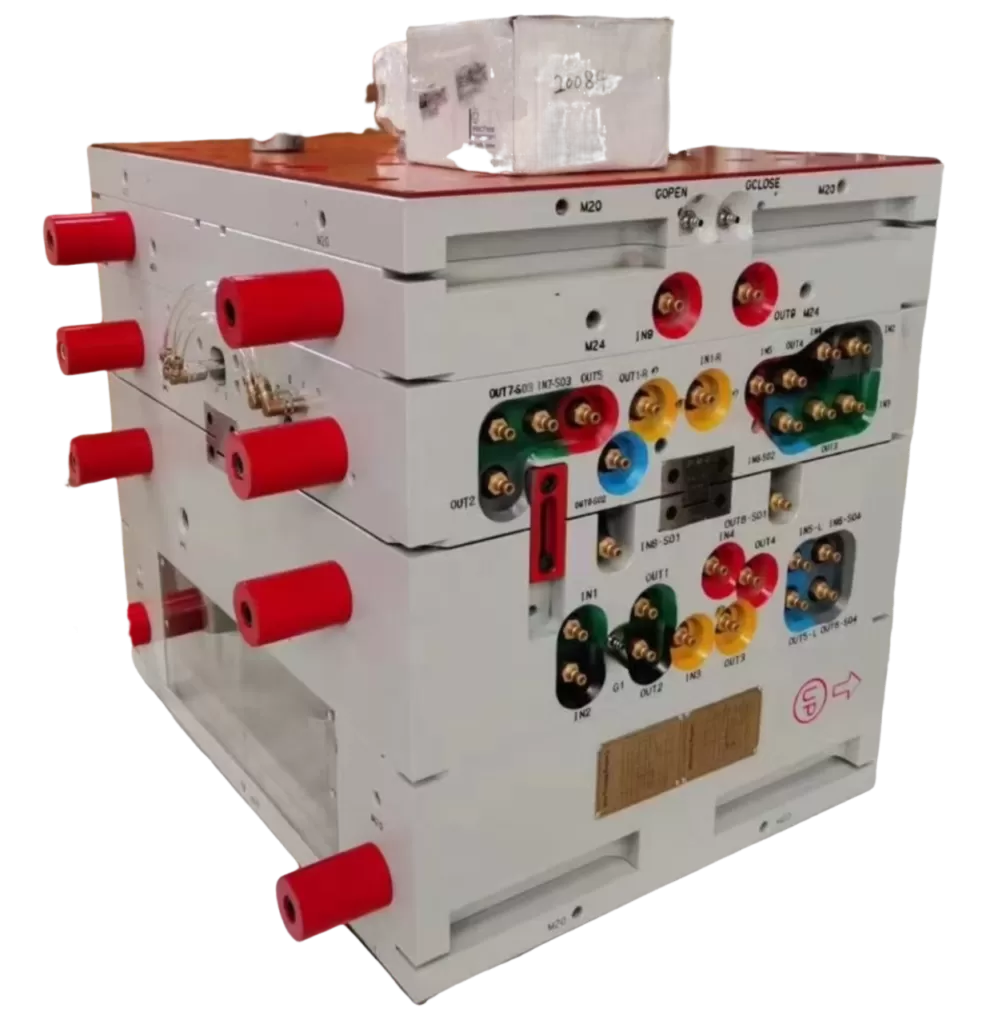
Lo stampaggio a iniezione1 del TPU consiste nell’iniettare poliuretano termoplastico fuso in uno stampo d’acciaio per produrre parti flessibili e resistenti all’abrasione. Il materiale combina elasticità simile alla gomma e lavorabilità termoplastica, risultando ideale per sovrastampaggio, guarnizioni e componenti soggetti a usura. Per una visione più ampia, consulta la nostra guida allo stampaggio a iniezione e la panoramica dello stampo a iniezione2.
Per una visione più ampia, la nostra guida completa allo stampaggio a iniezione tratta i fondamenti del processo, il comportamento dei materiali e le decisioni produttive.
Per un contesto più ampio, confronta l’argomento con la guida alla selezione dei fornitori.
Nel nostro stabilimento di Shanghai, abbiamo 47 macchine per stampaggio a iniezione da 90T a 1850T, quindi trattiamo ogni decisione di stampaggio come una questione di finestra di processo, non solo di prezzo quotato.
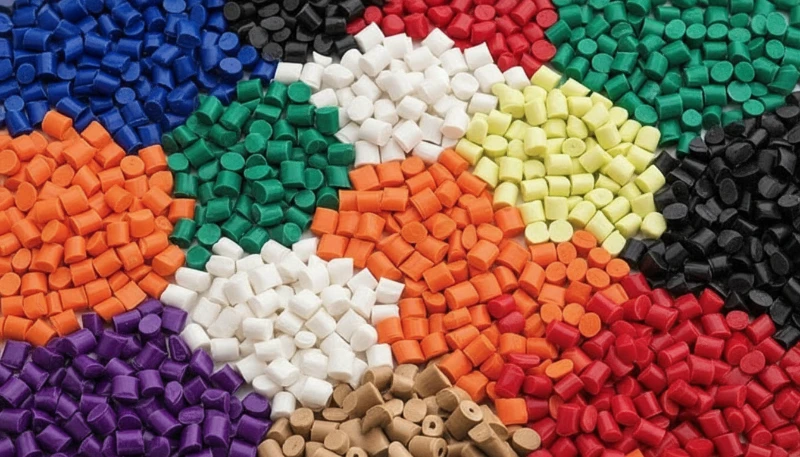
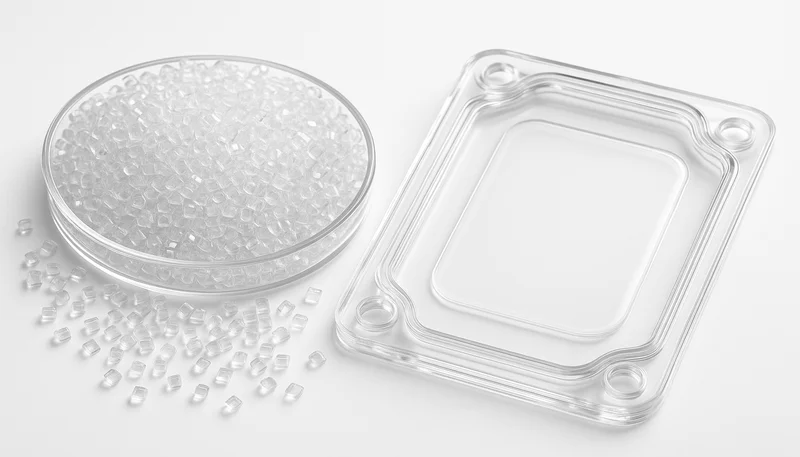
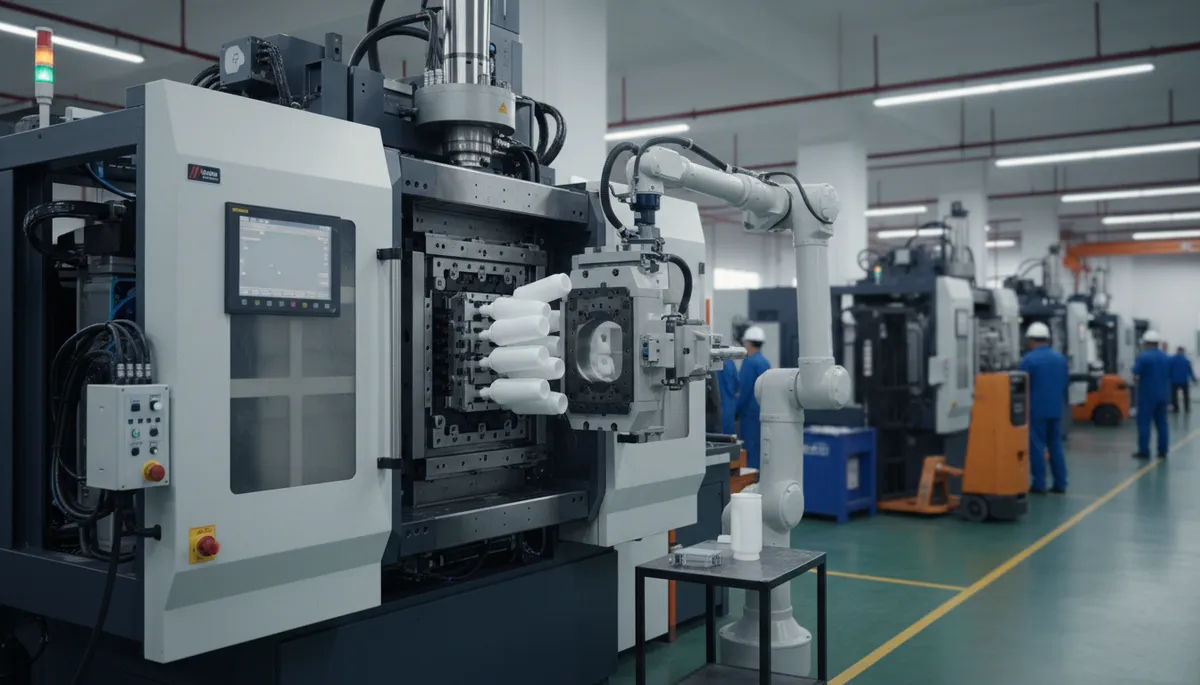
Lo stampaggio a iniezione TPU consiste nel fondere granuli di poliuretano termoplastico e iniettarli in uno stampo per realizzare parti flessibili simili alla gomma. Funziona sulle stesse macchine utilizzate per ABS, PP o nylon.
Nel nostro stabilimento, negli ultimi cinque anni il TPU è diventato uno dei materiali elastomerici più richiesti. I clienti si rivolgono a noi quando necessitano di pezzi che combinino una flessibilità simile alla gomma con la riciclabilità dei termoplastici, come rivestimenti sovrastampati per cavi, involucri di dispositivi indossabili e guarnizioni industriali. La chimica del TPU consiste in segmenti duri alternati (derivati dal diisocianato e dall’estensore di catena) e segmenti morbidi (derivati dal poliolo), che a livello molecolare generano la sua caratteristica combinazione di resistenza ed elasticità.
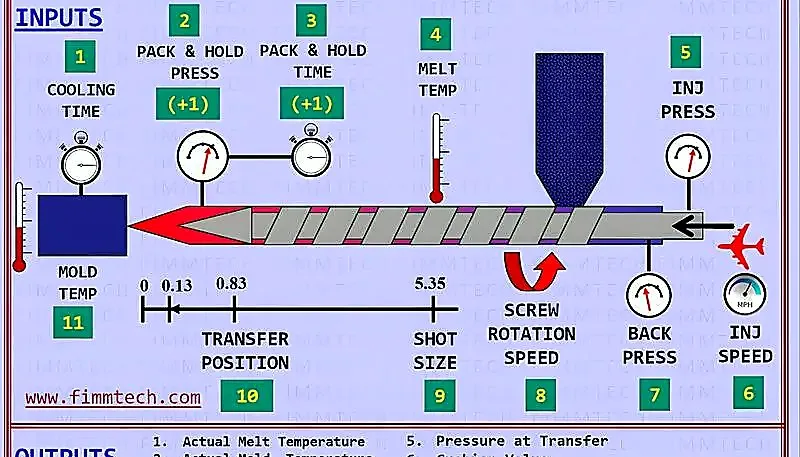
Lo stampaggio a iniezione del TPU segue lo stesso ciclo fondamentale di ogni termoplastico: plastificazione, iniezione, mantenimento, raffreddamento ed espulsione. Tuttavia, la sensibilità del TPU all’umidità e il suo particolare comportamento di flusso richiedono un controllo più rigoroso rispetto alle plastiche comuni. Il risultato è un componente dalle eccezionali prestazioni meccaniche che nessun altro termoplastico replica pienamente.
"“Il TPU può essere stampato a iniezione sulle stesse macchine usate per ABS, PP e nylon.”"True
Le presse a iniezione standard con vite alternativa lavorano efficacemente il TPU. Le differenze principali riguardano le impostazioni dei parametri (temperature del cilindro inferiori, pari a 180–230°C, velocità di iniezione più lente) e la fase obbligatoria di pre-essiccazione — non l'attrezzatura stessa.
"“Per stampare componenti in TPU servono attrezzature specializzate per la lavorazione della gomma.”"False
Il TPU è un elastomero termoplastico, non una gomma termoindurente. Fonde e scorre come un materiale termoplastico, quindi può essere lavorato su qualsiasi pressa a iniezione standard senza accessori speciali per la lavorazione della gomma né forni di vulcanizzazione.
Quali sono le principali proprietà del TPU?
Le proprietà chiave del TPU sono la durezza Shore A di 60A–98A, la resistenza alla trazione di 25–55 MPa e la perdita per abrasione di 20–80 mm3. Queste sono impostate durante la sintesi tramite il rapporto tra segmenti rigidi e morbidi.
| Proprietà | Valore tipico | Significato |
|---|---|---|
| Durezza Shore | 60A–98A / 40D–80D | Da impugnature morbide ad alloggiamenti semirigidi |
| Resistenza alla trazione | 25–55 MPa | Superiore alla maggior parte dei TPE |
| Allungamento a rottura | 300–700% | Eccellente flessibilità |
| Temperatura operativa | Intervallo: da –40°C a +100°C | Uso all'aperto e refrigerato |
| Resistenza all'abrasione | Perdita DIN 20–80 mm3 | Superiore alle gomme e ai TPE |
| Assorbimento dell'acqua | Valore: 0.5–2.0% (24 ore) | Pre-essiccazione obbligatoria |
I gradi di TPU a base poliestere offrono resistenza superiore agli oli e all’abrasione, mentre quelli a base polietere eccellono per resistenza all’idrolisi e flessibilità a bassa temperatura. Per pezzi destinati ad ambienti marini o umidi specifichiamo sempre TPU polietere. Per componenti automobilistici nel vano motore esposti a fluido idraulico, i gradi poliestere offrono prestazioni migliori.
I parametri di processo del TPU sono: temperatura del cilindro 180–230 °C, temperatura dello stampo 20–50 °C, velocità d’iniezione lenta e pre-essiccazione per 2–4 ore a 80–100 °C. È obbligatorio mantenere l’umidità al di sotto dello 0,02%.
| Parametro | Intervallo | Note |
|---|---|---|
| Temp. di pre-essiccazione | 80–100°C | 2–4 ore; essiccatore deumidificatore |
| Temperatura del cilindro (zona posteriore) | 170–190°C | Previene la fusione prematura |
| Temp. del cilindro (anteriore) | 190–230°C | Abrasione |
| Temperatura dello stampo | 20–50°C | Più alto = superficie migliore |
| Pressione di iniezione | 50–120 MPa | I gradi più morbidi ne richiedono meno |
| Pressione di mantenimento | 60–80% del picco | Previene i risucchi |
| Tempo di raffreddamento | 15–60 secondi | I pezzi flessibili richiedono più tempo |
| Velocità della vite | 30–80 RPM | La bassa velocità evita danni da taglio |
Nella nostra esperienza, la sensibilità del TPU al tempo di permanenza è uno dei parametri più difficili da gestire. Se il TPU rimane nel cilindro alla temperatura di lavorazione per oltre 5–10 minuti, inizia a degradarsi: si osservano ingiallimento e un brusco calo delle proprietà a trazione. Spurghiamo sempre la macchina tra una produzione e l’altra e riduciamo al minimo gli intervalli tra stampata e ciclo durante l’avvio della produzione.
Quali sono i difetti comuni nello stampaggio a iniezione del TPU e come prevenirli?
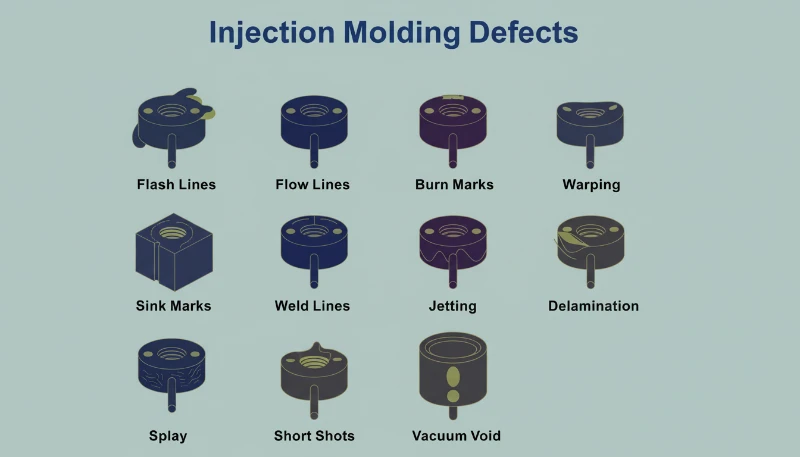
I difetti più comuni del TPU sono striature argentate (umidità), adesione allo stampo (elevata appiccicosità), riempimenti incompleti (bassa pressione) e ingiallimento (degradazione termica). Ognuno ha una causa specifica e una soluzione pratica.
| Difetto | Causa principale | Prevenzione |
|---|---|---|
| Striature / venature argentate | Umidità nel materiale | Essiccare a 90°C per 3–4 ore |
| Incollaggio del pezzo | Elevata elasticità, sformo ridotto | Aumentare lo sformo a 2–3° |
| Bolle / vuoti | Degradazione termica | Ridurre la temperatura del cilindro; migliorare la ventilazione |
| Colpo corto | Pressione di riempimento insufficiente | Aumentare la pressione di iniezione del 10–20% |
| Bava | Sovracompressione; linea di divisione usurata | Ridurre la pressione di mantenimento |
| Ingiallimento | Temperatura o tempo di permanenza eccessivi | Mantenere il cilindro sotto i 240°C; spurgare |
Abbiamo riscontrato che il bloccaggio del pezzo è il principale collo di bottiglia produttivo per i gradi morbidi di TPU. In un progetto per un dispositivo fitness indossabile utilizzavamo TPU Shore 75A con una geometria sottosquadro complessa. La soluzione non è stata aggiungere altro distaccante, ma aumentare l’angolo di sformo delle pareti laterali da 1° a 2,5° e riprogettare la posizione dei perni di espulsione. Dopo la modifica dello stampo, il tempo di ciclo è sceso da 45 a 28 secondi.
"“Il TPU deve essere essiccato a 80–100°C per 2–4 ore prima di ogni ciclo di produzione.”"True
La pre-essiccazione è imprescindibile. Un contenuto di umidità superiore allo 0.02% causa la scissione idrolitica delle catene durante la fase di fusione, producendo striature argentate, bolle superficiali e una significativa riduzione della resistenza a trazione.
"“Se i granuli di TPU sono conservati in un sacchetto sigillato, non devono essere essiccati.”"False
Il TPU è altamente igroscopico: può assorbire in 30–60 minuti di esposizione all'aria aperta umidità sufficiente a provocare striature argentee e scissione delle catene. La pre-essiccazione è obbligatoria indipendentemente dalle condizioni di stoccaggio.
Quali settori utilizzano componenti in TPU stampati a iniezione?
Il TPU è ampiamente utilizzato nei settori automobilistico, calzaturiero, medicale, dell’elettronica di consumo e industriale. La combinazione di flessibilità, resistenza all’abrasione e tolleranza alle sostanze chimiche lo rende l’elastomero preferito per gli ambienti impegnativi.
Settore automobilistico: guarnizioni per porte, cuffie del cambio, passacavi e supporti antivibranti. I gradi di TPU a base poliestere offrono la resistenza a carburante e olio richiesta nel vano motore. Abbiamo prodotto guide per cablaggi in TPU destinate a pacchi batteria EV, per i quali la stabilità dimensionale a –30°C era un requisito imprescindibile.
Calzature: intersuole, suole e puntali impiegano TPU per l’eccezionale resistenza all’abrasione (perdita DIN di 20–40 mm3) e alla fatica da flessione. Le suole in TPU stampate a iniezione sopportano milioni di cicli di flessione senza incrinarsi.
Dispositivi medici: formulazioni di TPU medicale sono usate per tubi chirurgici, componenti di cateteri e alloggiamenti di sensori indossabili. La resistenza all’idrolisi e la biocompatibilità (ISO 10993) del TPU polietere lo rendono adatto al contatto con il corpo. Produciamo alloggiamenti flessibili in TPU per dispositivi di monitoraggio continuo del glucosio.
"“Il TPU può adattarsi a piccoli sottosquadri flettendosi durante la sformatura.”"True
L'elasticità del TPU gli consente di estendersi su sottosquadri minori senza danni, riducendo la complessità dell'attrezzatura grazie all'eliminazione di cursori o estrattori inclinati.
"“I pezzi in TPU sono troppo costosi per i prodotti di consumo ad alto volume.”"False
Il TPU costa più al chilogrammo rispetto al TPE di largo consumo, ma la maggiore durata dello stampo (oltre 300K iniezioni), il minore tasso di scarto e la riciclabilità dei canali spesso lo rendono più economico per parte con volumi superiori a 10,000 unità.
Elettronica di consumo: custodie per telefoni, sovrastampaggi di cavi, gommini per auricolari e cinturini per smartwatch. La resistenza chimica del TPU a sudore, solventi detergenti e raggi UV garantisce durata nell’uso quotidiano.
Industria: raccordi per tubi idraulici, componenti per trasportatori, rivestimenti di rulli e cuffie protettive in gradi di TPU più duri (Shore 90A–60D). Nelle applicazioni con trasportatori ad alta velocità, la resistenza all’abrasione e allo strappo supera quella della gomma naturale di 3–5×.
Come si confronta il TPU con TPE, silicone e gomma?
Il TPU è più resistente e più resistente all’abrasione rispetto agli elastomeri termoplastici standard (TPE), con una resistenza alla trazione di 25–55 MPa contro gli 8–20 MPa del TPE. Offre anche una riciclabilità che la gomma vulcanizzata e l’LSR non possono eguagliare.
| Proprietà | TPU | TPE | Silicone | Gomma |
|---|---|---|---|---|
| Resistenza alla trazione | 25–55 MPa | 8–20 MPa | 6–12 MPa | 10–30 MPa |
| Abrasione | Eccellente | Buono | Povero | Molto buona |
| Stampaggio a Iniezione TPU: Guida Completa per Ingegneri | –40 to +100°C | Da –50 a +80 °C | –60 a +200°C | –40 to +100°C |
| Riciclabile | Sì | Sì | No | No |
| Pre-essiccazione | Obbligatorio | A volte | No | N/A |
Abbiamo eseguito progetti di confronto diretto per clienti indecisi tra TPU e TPE per custodie telefoniche. Il TPE (a base SEBS) costa il 20–30% in meno al chilogrammo ed è più facile da lavorare, ma i risultati delle prove di caduta sono stati costantemente peggiori del 15–25% rispetto a un grado TPU Shore 85A comparabile. Quando le prestazioni meccaniche sotto urti ripetuti sono fondamentali, vince il TPU.
Quali linee guida progettuali seguire per i pezzi in TPU?
I pezzi in TPU sono progettati al meglio con pareti da 1,5–4,0 mm, sformo di 2–3° per i gradi morbidi, diametro del punto di iniezione ≥1,5 mm e transizioni graduali. Il TPU è sufficientemente flessibile da consentire l’estrazione di sottosquadri del 3–5% senza slitte.
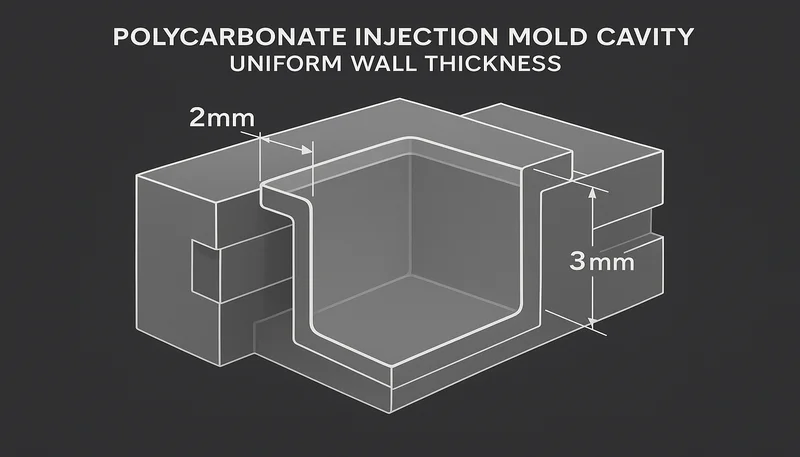
Spessore delle pareti: pareti molto sottili (<1.0 mm) richiedono pressioni elevate che possono degradare i gradi morbidi di TPU. Pareti spesse (>6 mm) comportano lunghi tempi di raffreddamento e possibili vuoti. Uno spessore uniforme è particolarmente importante con il TPU: variazioni brusche causano ritiri differenziali e deformazioni.
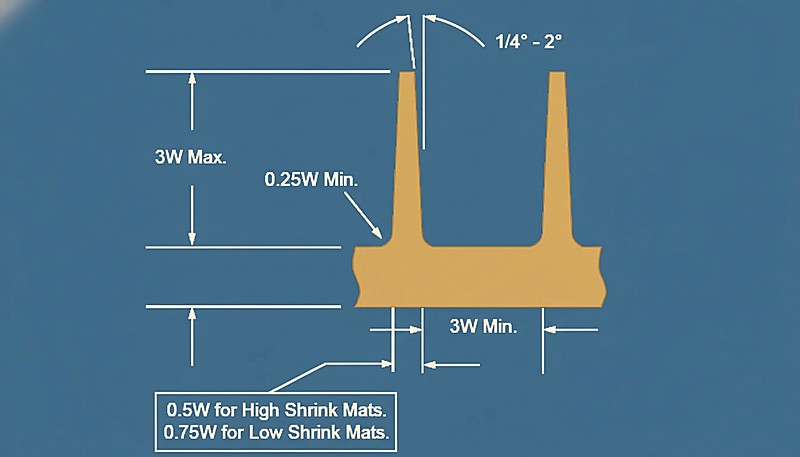
Angoli di sformo: è l’aspetto che richiede più revisioni progettuali. I gradi Shore 60A–75A necessitano di almeno 2–3°, e di 3–5° per superfici testurizzate. Durante il raffreddamento il TPU aderisce all’anima, quindi uno sformo generoso è essenziale per un’espulsione affidabile.
Sottosquadri: diversamente dalle plastiche rigide, il TPU può tollerare piccoli sottosquadri (3–5% del diametro della parte) flettendosi durante la sformatura. Ciò semplifica lo stampo: molte geometrie che nell’ABS richiederebbero carrelli possono essere sformate direttamente con il TPU.
Progettazione del punto di iniezione: i punti sottomarini sono diffusi per il TPU perché si separano automaticamente. Il diametro deve essere almeno 1.5–2.5 mm: punti sottodimensionati causano taglio eccessivo. Con gradi morbidi, evitare punti a spillo inferiori a 1.0 mm.
| Area checkpoint 1 | Verifica del punto di controllo 1 |
|---|---|
| proprietà della resina | Conferma come il design dello stampo influisce sullo stampaggio a iniezione TPU: Guida completa alla lavorazione per ingegneri. |
| Materiale | Verificare il comportamento della resina, il ritiro, il calore e i rischi estetici. |
| Qualità | Richiedere prove dell'ispezione prima di approvare la produzione. |
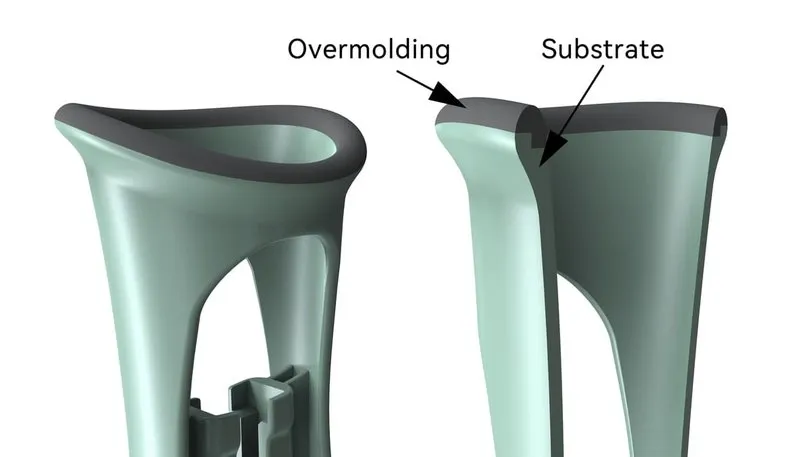
Sovrastampaggio: il TPU è uno dei materiali più versatili per il sovrastampaggio su substrati rigidi (ABS, PC, PC/ABS, nylon). Abbiamo sovrastampato con successo TPU Shore 85A su alloggiamenti in PC/ABS, ottenendo nei test di pelatura una resistenza di adesione superiore a 5 MPa. Per approfondire i principi di progettazione degli stampi a iniezione, consulta la guida completa.
I controlli chiave prima di una RFQ sono la conferma del grado di resina, delle tolleranze, delle zone estetiche e del volume annuale. La durata dello stampo, il numero di cavità e il livello di automazione influenzano anche il prezzo unitario.
La RFQ deve richiedere anche le ipotesi produttive. Acciaio dello stampo, numero di cavità, tipo di canale, finitura superficiale, programma delle prove, metodo di misurazione, imballaggio e aspettative sul controllo delle modifiche influiscono tutti sul costo finale e sui tempi di consegna. Quando queste ipotesi sono esplicite, la negoziazione successiva diventa più rapida e sicura.
Una risposta tecnica forte e dettagliata identificherà sempre gli input mancanti invece di nascondere l’incertezza. Se il fornitore chiede informazioni sulla catena di tolleranze, i limiti del vestigio del punto di iniezione, la certificazione della resina, la corrispondenza del colore o la variazione della domanda annuale, ciò di solito significa che il team di ingegneria sta valutando il progetto in profondità produttiva piuttosto che quotare alla cieca.
Per progetti in stile ZetarMold, il miglior risultato è un percorso di produzione chiaro: revisione DFM, conferma del design dello stampo, costruzione dello stampo, campionatura, ispezione, azioni correttive e rilascio della produzione. Questa sequenza fornisce un’autorità pratica e offre agli acquirenti una lista di controllo utile per la loro prossima conversazione con il fornitore.
Quali prove di produzione dovresti esaminare prima di approvare un fornitore di TPU?
I registri chiave delle prove di produzione sono le prove di stampaggio, i rapporti dimensionali e i certificati delle resine. Prima di approvare qualsiasi fornitore di TPU per la produzione, i dati del primo articolo dovrebbero elencare i valori misurati per ogni dimensione critica, non solo timbri di approvazione/rifiuto.
Quando un progetto comprende parti in plastica3 estetiche o con tolleranze strette, le evidenze devono includere anche regole di approvazione dei campioni concordate prima della produzione in serie. Campioni limite, dispositivi di misura, standard cromatici e schede di classificazione dei difetti devono essere definiti e documentati prima del rilascio, per evitare successive controversie soggettive sull’accettazione.
Domande frequenti sullo stampaggio a iniezione TPU
Qual è la quantità minima d’ordine per le parti stampate a iniezione in TPU?
Non esiste un minimo universale — dipende dall’ammortamento degli strumenti. Per un semplice stampo che costa $3,000–5,000, quantità di 500–2,000 parti possono essere economiche. Per parti TPU di alto volume (100,000+ unità/anno), stampi multi-cavità con 4–8 cavità sono standard.
Posso utilizzare TPU riciclato (rTPU) per lo stampaggio a iniezione?
Sì, ma con limitazioni. Il TPU riciclato ha tipicamente una resistenza alla trazione inferiore del 10–20% e un allungamento ridotto. Per applicazioni non strutturali, l’rTPU funziona bene. Per le parti portanti, mescolare il 10–20% di rTPU con resina vergine è un compromesso comune.
Quanto dura generalmente un’iniezione TPU?
Un modello di produzione in acciaio P20 per TPU dura generalmente 300.000–500.000 cicli. Il TPU è meno aggressivo sull’acciaio del modello rispetto ai materiali con abrasivi, quindi la durata del modello è principalmente determinata dal numero di cicli.
Perché la mia parte in TPU diventa gialla dopo lo stampaggio?
L’ingiallimento è quasi sempre causato da degradazione termica — temperatura del cilindro troppo alta (superiore a 240°C), tempo di permanenza eccessivo o idrolisi indotta dall’umidità. Controlla prima il profilo di temperatura del cilindro e purga la macchina prima della produzione.
Qual è il tasso di riduzione tipico per il TPU?
Il ritiro del TPU varia dallo 0,8% al 2,0% a seconda della durezza. I gradi più morbidi (Shore 60A–75A) si ritirano dell’1,5%–2,0%, mentre i gradi più duri (Shore 90A–60D) si ritirano dello 0,8%–1,2%. Consultare sempre la scheda tecnica del materiale ed eseguire prove di stampaggio prima di finalizzare le dimensioni dello stampo.
Il TPU è sicuro per applicazioni a contatto con alimenti?
Alcuni gradi di TPU sono conformi alla FDA per il contatto alimentare secondo le normative 21 CFR, ma il grado specifico deve essere verificato. Non tutte le formulazioni sono sicure per gli alimenti — coloranti e additivi possono squalificare un grado.
Qual è la differenza tra TPU in poliestere e polietere?
Il TPU poliestere offre una migliore resistenza agli oli e all’abrasione; il TPU polietere garantisce una resistenza superiore all’idrolisi e una maggiore flessibilità alle basse temperature. Per ambienti marini o umidi, specificare il polietere. Per applicazioni automobilistiche nel vano motore, scegliere il poliestere.
Richiedi assistenza specialistica per lo stampaggio a iniezione del TPU
Il principale fattore di costo nella stampa TPU non è il prezzo del materiale — è ottenere l’essiccazione, le angolature di sformo e il design del punto di iniezione corretti al primo tentativo. In 20 anni di gestione di stampi TPU presso ZetarMold, i nostri 8 ingegneri senior utilizzano la simulazione di flusso di riempimento su ogni progetto TPU prima della lavorazione dell’acciaio, individuando precocemente squilibri di riempimento e rischi di linee di saldatura.
Con 47 macchine per stampaggio a iniezione (90T–1850T), oltre 400 opzioni di materiale e sistemi di qualità certificati ISO 9001/13485, disponiamo delle attrezzature e dell’esperienza per gestire progetti TPU dal prototipo alla produzione di serie. Contattaci per discutere il tuo progetto TPU — il nostro team di ingegneria di lingua inglese risponde entro 24 ore.
{ “@context”: “https://schema.org”, “@type”: “FAQPage”, “mainEntity”: [ { “@type”: “Question”, “name”: “Qual è la quantità minima d’ordine per pezzi in TPU stampati a iniezione?”, “acceptedAnswer”: { “@type”: “Answer”, “text”: “Non esiste un minimo universale: dipende dall’ammortamento dello stampo. Per uno stampo semplice da $3,000–5,000, 500–2,000 pezzi possono essere convenienti. Per TPU ad alto volume (100,000+ unità/anno), sono standard stampi da 4–8 cavità.” } }, { “@type”: “Question”, “name”: “Posso usare TPU riciclato (rTPU) nello stampaggio a iniezione?”, “acceptedAnswer”: { “@type”: “Answer”, “text”: “Sì, ma con limiti. Il TPU riciclato ha normalmente resistenza a trazione inferiore del 10–20% e minore allungamento.
-
stampaggio a iniezione: processo produttivo che fonde la plastica, la inietta nella cavità di uno stampo, raffredda la parte e ripete il ciclo per una produzione in serie stabile. ↩
-
stampo a iniezione: utensile di precisione che determina geometria della parte, raffreddamento, espulsione, alimentazione, finitura superficiale e ripetibilità. ↩
-
plastica: famiglia di materiali le cui proprietà di flusso, ritiro, resistenza meccanica e termica, qualità estetica, tempo ciclo e prestazioni nel tempo determinano le scelte di stampaggio. ↩
<