金型の見積もりを受け取り、「鋼の塊にしては高すぎる」と思ったことがあるなら、その感覚は間違いではありません。しかし、全体像が見えていないのも事実です。射出成形金型の費用は、あらゆるプラスチック部品プロジェクトで最大の初期投資です。その費用を左右する要因を理解しているかどうかが、根拠ある交渉と無謀な賭けを分けます。この記事では、次回の見積もりを賭博師ではなくエンジニアの視点で読めるよう、すべての費用項目を実際の数値とともに解説します。工程をより広く理解するには、当社の射出成形完全ガイドからお読みください。
- 機械加工の人件費は、総金型価格の40–50%を占める最大の単一コスト要因であり、多くの買い手が想定する鋼材費ではありません。
- 鋼種はコストの15–25%を左右します。H13またはS136はP20の3–5xの価格ですが、大量生産では5–10xの金型寿命を実現します。
- サイドアクション、リフター、ホットランナーなどの複雑要素は、1項目につき金型見積額へ500~12,000ドルを加算します。
- 多数個取り金型は部品単価を削減できますが、キャビティを追加するごとに初期金型投資が60~90%増加します。
- ISO認証と輸出実績で工場を選定すれば、中国製金型は欧米価格の40~60%で同等の寸法品質を実現します。
射出成形金型の見積費用は何で構成されるか?
射出成形金型のコスト見積もりは、鋼材 (15 ~ 25%)、CNC、EDM の 5 つの測定可能なカテゴリに分類されます。射出成形1 機械加工労働 (40 ~ 50%)、設計およびエンジニアリング (10 ~ 15%)、組み立ておよびベンチ フィッティング (10 ~ 15%)、および試用/検証 (5 ~ 10%)。加工時間は金型クラスに関係なく部品の形状に応じて変化するため、これらの割合はほとんどの金型サイズと複雑さにわたって当てはまります。ほとんどの購入者が見逃している重要な洞察は、物品ではなく労働力が請求額の大半を占めているということです。 1 時間あたり 30 ~ 60 ドルで 300 時間の CNC および EDM 作業が必要な金型の場合、鋼材、設計、テストを追加する前の機械加工だけで 9,000 ~ 18,000 ドルの費用がかかります。
ZetarMoldでは、見積担当エンジニアがすべてのプロジェクトをこれらの区分に明確に分解します。この段階で透明性を確保すれば、後の作業範囲をめぐる紛争を防げます。金型が$15,000となる理由を理解している顧客は、説明なしに総額だけを提示された顧客よりも、プロジェクト途中で追加費用を伴う変更を求める可能性がはるかに低いことが分かっています。
このプロセスを初めて使用する場合は、射出成形金型の概要で金型の構造と用語の基本を説明します。 SPI 金型分類システムは有用なフレームワークを提供します。クラス 101 金型 (1,000,000 サイクル以上) は高級鋼と精密仕上げを必要としますが、クラス 104 金型 (100,000 サイクル未満) は研磨の少ない柔らかい鋼を使用できます。金型クラスは生産計画と一致している必要があります。過剰な仕様はコストの無駄となり、過小な仕様はツールの早期故障の危険性があります[1]。

鋼材グレードの選定が金型費の15–25%を左右する理由
鋼材のグレードの選択により、原材料の価格、加工時間、金型の寿命という 3 つのコスト要素が同時に決まります。 P202 プリハードン鋼 (28 ~ 36 HRC) は、500,000 部品未満の短期から中規模の生産のデフォルトです。機械加工が簡単で、コストは 4 ~ 8 ドル/kg で、ほとんどの消費者製品用途に十分な寿命をもたらします。 H13 工具鋼の価格は 1 キログラムあたり 3 ~ 4 倍高くなりますが、ガラス入り樹脂や高温樹脂での 1,000,000 回以上のサイクルに耐えます。
S136ステンレス鋼は医療・食品接触金型に耐食性を加えますが、価格はP20の4~5倍です。よくある誤りは初期費用だけで鋼材を選ぶことです。30%ガラス繊維強化ナイロンを100万個生産するP20金型は30万~40万ショットで故障し、元の金型価格の40~60%に当たるキャビティ交換費が必要になります。この用途にはH13または8407などの硬化鋼が適切です。鋼材への3,000~5,000ドルの追加投資で、生産寿命中の修理・交換費8,000~15,000ドルを節約できます。
当社は90Tから1850Tまでの射出成形機45台と、平均10年以上の経験を持つ上級技術者8名を擁し、年間予測数量、樹脂の摩耗性、必要な表面仕上げに基づいて鋼種を指定するDFMレビューを実施しています。この事前分析により、この工程を省いたプロジェクトと比べ、お客様の金型修正費を平均60%削減しました。当社工場は月間100セット以上の金型を加工するため、鋼材の大量購入により、個別購入時のスポット価格より材料費を10–15%低く抑えています。
鋼材のコストは金型のサイズによっても異なります。小型の電子機器筐体の金型には 50 kg (P20 で 200 ~ 400 ドル) の鋼材が使用される場合がありますが、大型の自動車外装金型には 2,000 kg (8,000 ~ 16,000 ドル) 以上の鋼材が必要となる場合があります。金型サイズが大きくなると、材料は体積的に拡大する一方、機械加工の複雑さは必ずしも比例して増加するとは限らないため、総コストに占める鋼材の割合が大きくなります。見積もりを評価する購入者は、金型メーカーにキャビティ、コア、金型ベースの正確な鋼グレードを個別に指定するよう依頼してください。多くのショップでは、ベースは P20、キャビティは H13 と見積もっています。このハイブリッド アプローチにより、コストとパフォーマンスのバランスが効果的に得られます。[2]
金型費の40–50%を機械加工の人件費が占めるのはなぜですか?
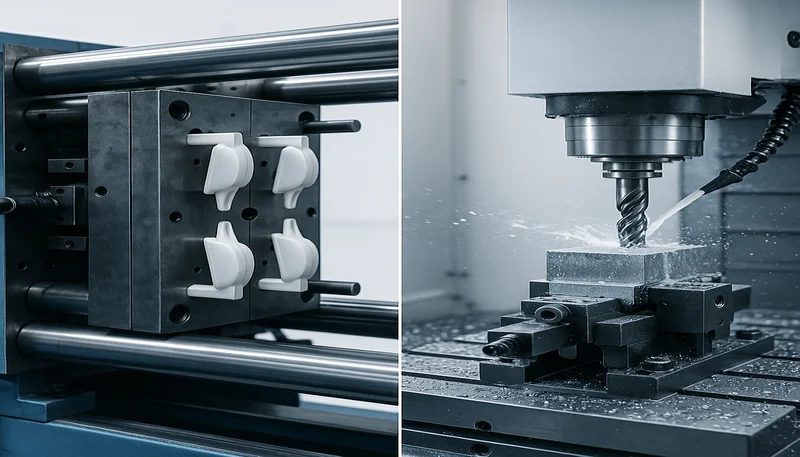
金型製作は本質的に精密金属加工であるため、射出成形金型の費用では加工工数が大きな割合を占めます。一般的な1個取り金型には、CNCフライス加工、EDM(放電加工)、表面仕上げを合わせて150–400時間を要します。熟練機械工の工賃を$30–60/hourとすると、他の費用を加える前の段階で人件費は$4,500–$24,000になります。多数個取り金型や複雑形状では、加工時間が600–1,200時間に達します。材料除去の大半はCNCフライス加工が担い、キャビティの荒加工、パーティングラインの加工、冷却水路の穴加工を行います。EDMは、鋭い内隅、深いリブ、複雑なアンダーカット形状など、CNC工具が届かない形状に使用されます。
ワイヤー放電加工では、焼入れ鋼に±0.005 mmの公差で精密形状を加工します。表面仕上げ(研磨、シボ加工、めっき)には、要求される表面等級に応じてさらに20–60時間かかります。光学レンズ向けのSPI A-1鏡面仕上げでは、手磨きだけで40時間以上を要することがあります。地域間の人件費差は、世界の金型費用の差を生む最大の要因です。中国のCNCオペレーターの賃金は$8–15/hourであるのに対し、米国では$35–65/hour、西欧では$25–55/hourです。加工時間300時間の金型では、中国の加工人件費が$2,400–$4,500であるのに対し、米国では$10,500–$19,500になります。機械、ソフトウェア、切削工具は世界中でほぼ同じであり、Haas、Makino、GF Machining Solutionsの設備は、世界各地の有能な工場で使用されています。
「機械加工の人件費は、金型総コストの40~50%を占める。」True
CNCフライス加工、EDM、手仕上げは、どの金型見積もりでも最大の単一コスト項目です。中国の加工業者は、同等の設備を運用しながら欧米の工場より加工単価が60~75%低く、これがグローバルな金型調達における主なコスト優位性となっています。
“キャビティ数を増やせば、部品単価は必ず下がる。”False
多数個取り金型が経済的に合理性を持つのは、年間生産数が200,000~500,000個を超える場合に限られます。この基準を下回る場合、追加の初期金型投資が機械稼働時間の短縮による節約額を上回ります。

複雑な部品形状は金型見積もりに何を上乗せしますか?
製品の複雑さによるコスト増は、個別に見積もることができます。アンダーカット、ねじ、微細形状、厳しい公差要件はいずれも、追加の機械加工、部品、組立時間を要する特定の金型機構に置き換えられます。以下は、複雑さに起因する主なコスト要因と実際の金額範囲です。サイドアクション(外部アンダーカット)は1箇所あたり$800~$2,500です。これには、型開き時に後退するスライドカム機構が必要です。サイドアクション1箇所につき、機械加工と調整に20~40時間が追加されます。
内部リフターの価格はそれぞれ 400 ~ 1,200 ドルです。リフターは、排出中に内側に引っ張る角度の付いたピンを使用して内部アンダーカットに対処します。サイドアクションよりもシンプルですが、それでも精密な取り付け作業が必要になります。ホット ランナー システムの費用は、シングル ドロップ システムで 1,500 ~ 3,000 ドルです。マルチドロップバルブゲートシステムの場合は、6,000 ~ 12,000 ドルの追加料金がかかります。ホット ランナーはコールド ランナーの無駄を排除しますが、温度制御されたマニホールド アセンブリ、ノズル、およびコントローラーを追加します[3]。
ネジを緩める機構 (ネジ付き機能) のコストは、ネジ軸あたり 2,000 ~ 5,000 ドルです。これらは、油圧またはサーボ駆動の回転を使用して、コアを潰すことなく雌ねじまたは雄ねじの型を外します。 SPI A-1 ミラーポリッシュの費用は、キャビティ面あたり 1,500 ~ 4,000 ドルです。光学品質の仕上げには、ダイヤモンドコンパウンドによる段階的な手作業の研磨が必要です。アンダーカットのない単純な単一キャビティ金型、P20 鋼、標準研磨の費用は、5,000 ~ 12,000 ドルかかる場合があります。 2 つのサイド アクション、ホット ランナー3とテクスチャード サーフェスを追加すると、$15,000 ~ $30,000 になります。
形状は鋼材や機械を変更しませんでした。複雑さによって労働時間と特殊なコンポーネントが追加されました。製造可能性設計 (DFM4) レビューでは、これらのコストを制御します。熟練した DFM エンジニアは、多くの場合、アンダーカットを再設計して、排出中に剥離または崩壊する形状にし、サイドアクションを完全に排除します。当社の施設では、DFM レビューにより、プロジェクトごとに平均 3 ~ 5 件のコスト削減につながる設計変更が検出されます。すべてのお客様には、ツールの開発に取り組む前にこのステップに投資することをお勧めします。
多個取り金型への投資が正当化されるのはどのような場合か?
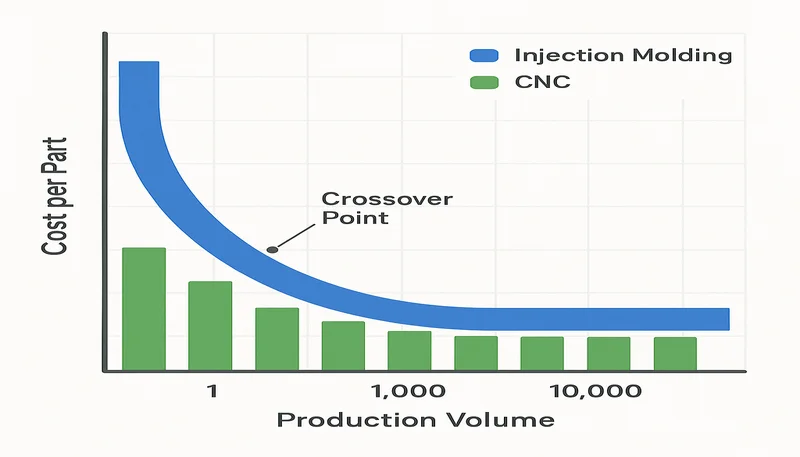
多個取り金型は、生産期間全体で見た製品1個当たりの機械稼働時間の削減額が、追加の金型投資額を上回る場合に経済合理性があります。計算は単純です。キャビティを1つ追加するごとに単個取り金型の60~90%に相当する金型費が加算されますが、1サイクル当たりの生産量は2倍になります。損益分岐点は、年間生産数量、成形機の時間単価、サイクルタイムという3つの変数で決まります。サイクルタイムが30秒で年間生産数量が10万個未満の場合、ほぼ常に単個取り金型の方が低コストです。年間50万個以上では、総保有コストの面で4個取り金型がほぼ常に有利です。年間10万~50万個の範囲では、使用する成形機の時間単価と製品形状によって結論が変わります。
実例を挙げます。$25/hourの150T成形機で20-gramのポリプロピレン部品を生産する場合、1個取り、25-secondサイクルでは144個/hourを生産できます。4個取り金型なら、同じ部品を同じサイクルタイムで576個/hour生産できます。年間500,000個では、1個取りの場合3,472 machine hours(成形機費用$86,800)が必要なのに対し、4個取り金型では868 hours($21,700)です。
4個取り金型が1個取り仕様より$18,000高い場合でも、初年度中に機械稼働時間の削減分で追加費用を回収できます。多数個取り金型のリスクは、キャビティ間の充填が不均一になり、寸法ばらつきを引き起こすキャビティアンバランスです。能力のある金型メーカーは、バランスランナー設計と流動解析(Moldflowシミュレーション)によって対処します。これによりエンジニアリング費用が$1,000–$3,000増加しますが、生産不良を防止できます。

中国製金型で実際にどれだけ節約できるか?
中国の金型メーカーは、欧米価格の40–60%で寸法的に同等の金型を供給します。コスト差のほぼすべては人件費率によるもので、中国のCNCオペレーターの賃金が$8–15/hourであるのに対し、米国では$35–65/hour、欧州では$25–55/hourです。設備、CAD/CAMソフトウェア、切削工具、金型用鋼材のコストはグローバル化されており、地域間で同程度です。加工時間300時間の金型では、中国の機械加工人件費が$2,400–$4,500であるのに対し、米国では$10,500–$19,500です。同じ機械、同じソフトウェアで、違うのは時間単価です。
中国の金型メーカーでは、価格差よりも適格性の評価基準が重要です。ISO 9001認証は最低条件であり、認証がなければ工程の一貫性に賭けることになります。ISO 13485(医療)とIATF 16949(自動車)は、より高度な工程管理能力を示します。技術的な不具合よりコミュニケーション不全の方がプロジェクト遅延を招きやすいため、英語文書への対応力も重要です。英語に堪能なスタッフが30人以上いる工場なら、通訳を介して1週間も往復するのではなく、1本のメールスレッドで設計上の疑問を解決できます。
当社の上海工場は、ISO 9001、ISO 13485、ISO 14001、ISO 45001の認証を取得しています。英語対応スタッフ30名以上と、2005年以来20年以上にわたる輸出経験を有し、北米および欧州のOEM向けに、文書、寸法報告書、ネイティブレベルの英語によるコミュニケーションを提供しています。400種類以上の樹脂材料を加工し、必要に応じて完全なPPAP文書を提出します。
為替レートの 5 ~ 10% の変動は、USD で見積もられ、人民元で決済される工具コストに影響を与える可能性があります。ほとんどの中国の金型メーカーは、このリスクを軽減するために 30 ~ 90 日間の有効期間を設けて米ドルで見積を行っています。人民元があなたの通貨に対してトレンドになっている場合は、早めに相場をロックしてください。中国の工具パートナーの評価と選択に関するガイダンスについては、射出成形サプライヤー調達ガイドを参照してください。中国製金型の陸揚げコストには、輸送と物流が 3 ~ 7% 追加されます。 500 kg の金型は航空便で 2,000 ~ 4,000 ドル (5 ~ 7 日)、船便で 400 ~ 800 ドル (25 ~ 35 日) で発送されます。スケジュールが重要でない限り、海上輸送を計画してください。大幅な節約になります。

見積金額以外に予算化すべき隠れたコストとは?
当初の金型見積額が最終費用になることはほとんどありません。隠れた費用は、設計変更、金型改造、保守の3種類に分かれます。設計変更(鋼材切削後に顧客が依頼する変更)は、変更の程度に応じて1件あたり$500–$5,000かかります。改造したキャビティの溶接補修と再加工により、納期が1–3週間延びる場合もあります。そのため、金型製作開始前のDFMレビューは、あらゆる金型プロジェクトで最もROIの高い工程です。冷却回路の追加、ゲート位置の調整、エジェクタピン位置の変更など、生産最適化のための金型改造では、通常、当初の金型費用に5–15%が加算されます。これは元の設計の失敗ではなく、経験豊富な成形業者が初回生産時に想定する通常の調整です。あらかじめ予算に組み込んでください。
メンテナンスコストは、中量生産金型の場合、年間初期金型コストの 2 ~ 5% かかります。これには、年次検査、部品交換 (エジェクター ピン、スプリング、摩耗プレート)、キャビティ表面の再研磨が含まれます。 20,000 ドルの金型を適切に維持するには、年間 400 ~ 1,000 ドルの費用がかかります。メンテナンスを省略すると摩耗が加速し、寸法のずれが生じて不良品が発生します。常にメンテナンス自体よりも費用がかかります。サンプリングと検証のコストは、多くの場合、個別に見積もられます。初品検査 (FAI)、寸法レポート、および材料認証により、プロジェクトに 500 ~ 2,000 ドルが追加されます。業界で PPAP (自動車) または IQ/OQ/PQ (医療) が必要な場合、検証ドキュメントには 2,000 ~ 8,000 ドルかかる場合があります。これらの費用が含まれているのか、追加の費用が含まれているのかを工具サプライヤーに確認してください。[4]

射出成形金型費用に関するよくある質問
射出成形金型の典型的な費用はいくらですか?
標準的な単一キャビティ射出成形金型は、P20鋼材を使用した単純な形状の場合、$5,000〜$15,000の費用です。ホットランナーやサイドアクションを備えた複雑な多キャビティ金型は、$20,000〜$80,000以上になります。大型の自動車や医療用金型は$100,000を超える場合があります。費用は主に部品の複雑さ、キャビティ数、鋼材グレード、および必要な表面仕上げによって決まります。
射出成形のコスト削減方法 | ZetarMold
金型寿命は鋼材グレード、樹脂の摩耗性、および維持管理に依存します。P20金型は通常300,000〜500,000回の成形サイクルを提供します。H13硬化金型は1,000,000回以上のサイクルを達成します。ガラス充填および難燃性樹脂は摩耗を2〜3倍加速します。金型費用の2〜5%の年間維持管理は、未維持金型と比較して寿命を30〜50%延長します。
品質を損なうことなく射出成形金型のコストを削減できますか?
はい、以下の3つの戦略を通じて可能です:(1)鋼材切削前にDFMレビューに投資して不要な複雑性を排除する、(2)実際の生産量に合わせて鋼材グレードを選択し過剰仕様を避ける、(3)同等の精度を40〜60%低い労務費で提供する認定中国金型工場から調達する。各戦略は独立して10〜30%の節約を実現できます。
プロトタイプ金型と量産金型の違いは何ですか?
プロトタイプ金型(ブリッジツールとも呼ばれる)は、アルミニウムまたは軟鋼を使用し、冷却を簡略化し、手動射出を行い、生産金型費用の30〜50%で100〜10,000個の部品を生産します。耐久性を犠牲にして速度と低投資を実現します。生産金型は硬化鋼を使用し、冷却を最適化し、自動射出を行い、100,000個以上の部品を安定した寸法品質で生産します。
異なるサプライヤーからの射出成形金型の見積もりをどのように比較すればよいですか?
見積書を項目ごとに比較してください:キャビティとベースの鋼材グレード、総加工時間、含まれる表面仕上げ、設計修正回数、含まれる試作成形回数、および保証条件。15,000ドルの2つの見積書は非常に異なる価値提案を表す可能性があります—一方はT1試作と2回の修正回数を含み、もう一方は両方に追加費用を請求します。
射出成形金型の典型的な支払条件はどのようなものですか?
標準的な条件は、注文時に40〜50%のデポジット、T1サンプリング時に30〜40%、最終承認時に10〜20%です。中国の金型工場では、50/30/20または40/40/20の構造が一般的です。100%の事前支払いを要求するサプライヤーは避けましょう—マイルストーンベースの支払いは両者を保護し、適時納品のインセンティブを一致させます。
金型のサイズは複雑さよりもコストに影響を与えますか?
ほとんどの場合、複雑性はサイズよりも費用に影響します。4つの側面動作、ホットランナー、およびSPI A-1仕上げを持つ小型金型は、アンダーカットなしの標準仕上げを持つ大型平面金型よりも費用が高くなります。サイズは鋼材と機械時間費用を直線的に駆動しますが、複雑性は精度適合要件により労務時間を指数関数的に駆動します。
「鋼材切削前のDFMレビューはプロジェクト総費用を削減します。」True
4時間のDFMセッションは通常、$1,000〜$5,000の溶接修理回数を2〜3回、さらに2〜4週間の遅延を回避します。加工開始前に問題を特定することは、新しい工具プログラムにおいて最もROIが高いステップです。
「最低の金型見積書は常に最高の価値を表します。」False
低い見積書は、DFMレビュー、金型適合性報告書、または納品後のサポートなどの必須サービスを除外することが多いです。鋼材グレード、加工時間、および検証許容値を比較するために、項目ごとの内訳を要求してください—単なる総価格だけでなく。
ZetarMoldから正確な金型コスト見積もりを入手
射出成形金型費用内訳を理解することは、情報に基づいた調達決定を行うための第一歩です。ZetarMoldでは、鋼材グレード、加工時間、複雑性機能、および検証費用など、資金がどこに使われるかを正確に示す透明な項目別見積書を提供します。驚きや隠れた費用はありません。
20年以上の金型経験、平均10年以上の経験を持つ8人の上級エンジニア、ISO 9001/13485/14001/45001認証により、北米および欧州OEM基準を満たす生産グレード金型を提供します。30人以上の英語を話すスタッフが、DFMレビューから生産試作までの明確なコミュニケーションを確保します。
見積もりをリクエスト 3D CAD ファイルと年間数量要件を送信してください。当社のエンジニアは 48 時間以内に詳細なコストの内訳を返信します。
SPI 金型分類: プラスチック工業協会 (SPI) は、金型クラスを 101 (最高、1,000,000 サイクル以上) から 104 (最低、100,000 サイクル未満) まで定義しています。クラスによって鋼のグレード、冷却要件、表面仕上げの基準が決まります。 ↩
工具鋼のコストベンチマーク: P20 プリハードン鋼は世界中で 4 ~ 8 ドル/kg で取引されています。 H13 熱間工具鋼は 1kg あたり 12 ~ 25 ドルで取引されています。 S136 ステンレス工具鋼は、1kg あたり 18 ~ 35 ドルで取引されています。価格は、ASM International の材料仕様と世界の鉄鋼販売代理店の価格、2024 年から 2025 年に基づいています。 ↩
ホット ランナーのコスト データ: Mastip、Yudo、Synventive などのメーカーのシングルドロップ ホット ランナー システムの価格は 1,500 ~ 3,000 ドルです。マルチドロップバルブゲートシステムの価格は、ノズル数とコントローラーの複雑さに応じて、6,000 ~ 12,000 ドルです。 ↩
メンテナンス コストのベンチマーク: 米国金型製造者協会 (AMBA) のデータに基づくと、年間の金型メンテナンス コストは、中量のアプリケーションを実行する生産金型の初期工具コストの 2 ~ 5% の範囲です。 ↩