Wybór niewłaściwego dostawcy formowania wtryskowego może kosztować miesiące opóźnień, tysiące wydane na bezużyteczne oprzyrządowanie i niekończące się cykle poprawek. Po dwóch dekadach współpracy z nabywcami z Ameryki Północnej i Europy widzieliśmy każdy możliwy sygnał ostrzegawczy — od podejrzanie niskich ofert po brak odpowiedzi na wiadomości po wpłacie zaliczki. Przewodnik przedstawia 15 konkretnych oznak, które powinny skłonić do zatrzymania się przed podpisaniem umowy na oprzyrządowanie, oraz praktyczne kroki weryfikacyjne chroniące budżet i harmonogram projektu.
- Oferty o ponad 30% niższe od średniej rynkowej często skrywają oszczędności kosztem jakości
- Brak certyfikatów ISO oznacza brak weryfikowalnego systemu zarządzania jakością
- Opóźnione lub niejasne odpowiedzi na etapie wyceny zapowiadają jeszcze gorszą komunikację po dokonaniu płatności
- Zdjęcia i filmy z zakładu to najtańszy audyt, jaki można przeprowadzić
- Dostawca, który nie potrafi podać gatunków stosowanej stali, nie powinien wykonywać Twojej formy
Jakie sygnały ostrzegawcze najczęściej świadczą o nierzetelności dostawcy usług formowania wtryskowego?
Największe sygnały ostrzegawcze należą do pięciu kategorii: ceny, komunikacja, kwalifikacje, stan zakładu i warunki umowy. Najgroźniejszy nie jest oczywisty oszust, lecz dostawca, który wydaje się niemal odpowiedni, ale oszczędza na elementach, których nie widać. Dostawca oferujący formowanie wtryskowe o 40% taniej niż konkurenci albo ponosi straty i obniży jakość, albo nie zrozumiał wymagań. W obu przypadkach tracisz. Szukaj dostawców, którzy podczas wyceny zadają szczegółowe pytania o geometrię części, wymagania materiałowe i roczny wolumen. Dostawca wyceniający bez pytań nie wykonał pracy inżynierskiej.
Szersze omówienie projektowania form wtryskowych znajduje się w naszym przewodniku głównym, który opisuje konstrukcję oprzyrządowania, kontrolę cieplną i kompromisy związane z wytwarzalnością.
W naszym procesie wyceny każdy projekt jest analizowany przez 8 starszych inżynierów, którzy identyfikują potencjalne problemy przed ustaleniem ceny, ponieważ najtańsza oferta rzadko jest najdokładniejsza. Innym częstym sygnałem ostrzegawczym jest dostawca, który nie potrafi przedstawić referencji od klientów z tej samej branży lub regionu. Jeżeli deklaruje 15 lat doświadczenia w eksporcie, lecz nie może wskazać ani jednego klienta z Zachodu, coś się nie zgadza. Wiarygodni dostawcy rozumieją, że należyta staranność obowiązuje obie strony, i chętnie poddają się weryfikacji.
Jak rozpoznać, że oferta dostawcy jest nierealistyczna?
Trzy sygnały ostrzegawcze to rażąco niska cena, nierealnie krótki termin realizacji i brak zestawienia kosztów. Jeśli dostawca wycenia formę wielogniazdową ze złożonymi podcięciami tak samo jak prostą formę dwupłytową bez suwaków, oznacza to, że nie przeanalizował detalu. Sama stal formierska stanowi 25–40% kosztu oprzyrządowania, dlatego oferta bez określenia gatunku stali ukrywa istotne informacje. W naszym zakładzie w Szanghaju każda oferta zawiera szczegółowe zestawienie obejmujące dobór stali, liczbę gniazd, przewidywaną trwałość formy, wykończenie powierzchni i szacowany czas cyklu.
Jeżeli dostawca podaje tylko jedną cenę końcową bez takiego rozbicia, albo planuje późniejsze renegocjacje, albo nie projektuje narzędzia prawidłowo. Uważaj na oferty obiecujące trwałość formy klasy 1011 za cenę ledwie pokrywającą koszt stali. Realistycznie wykonanie wysokiej jakości wielogniazdowej formy produkcyjnej do złożonej części powinno trwać 6–10 tygodni i może wymagać stali P202 do zastosowań ogólnych lub H13 do wyższych temperatur. Dostawca obiecujący dostawę tej samej specyfikacji w 3 tygodnie albo pomija kluczowe etapy, albo zamierza dostarczyć ją z opóźnieniem.
Dlaczego jakość komunikacji pozwala przewidzieć rzetelność dostawcy?
Komunikacja na etapie przygotowania oferty najlepiej prognozuje jakość komunikacji podczas produkcji. Jeżeli dostawca odpowiada na pierwsze zapytanie po czterech dniach, w przypadku pilnego problemu produkcyjnego należy spodziewać się ośmiu dni oczekiwania. Z naszych obserwacji wynika, że regularność czasu odpowiedzi ma większe znaczenie niż sama szybkość — dostawca, który konsekwentnie odpowiada w ciągu 24 godzin, jest bardziej wiarygodny niż taki, który raz odpowiada po dwóch godzinach, a innym razem po tygodniu. Kolejnym kluczowym czynnikiem są kompetencje językowe. Ponad 30 anglojęzycznych kierowników projektów w naszym zespole to nie tylko udogodnienie — dzięki nim szczegóły techniczne dotyczące tolerancji, wykończenia powierzchni i doboru materiału nie giną w tłumaczeniu.
Jeśli dostawca nie potrafi jasno wyjaśnić, dlaczego zaleca określony typ przewężki lub dlaczego dana grubość ścianki może powodować zapadnięcia, oznacza to brak kompetencji technicznych albo należytej uwagi. Warto ocenić jakość pytań zadawanych przez dostawcę. Dobrzy dostawcy pytają o funkcję części, wymagania montażowe, standardy estetyczne i wymogi regulacyjne. Źli proszą jedynie o plik 3D i warunki płatności. Należy również uważać na dostawców, którzy zgadzają się na wszystko bez zastrzeżeń. Doświadczony producent form wskaże problemy w projekcie i zaproponuje rozwiązania alternatywne.
Jakich certyfikatów należy wymagać od dostawcy usług formowania wtryskowego?
ISO 90013 to minimalny certyfikat, którego należy wymagać, wraz z normami branżowymi dotyczącymi zastosowań medycznych lub kontaktu z żywnością. ISO 9001 zapewnia, że dostawca ma udokumentowane procesy kontroli przychodzącej, kontroli w toku i pomiarów końcowych. Dla części medycznych niezbędna jest ISO 13485. W zastosowaniach mających kontakt z żywnością wymagana jest identyfikowalność materiału zgodna z FDA. Certyfikaty środowiskowe, takie jak ISO 14001, i normy bezpieczeństwa, takie jak ISO 45001, wskazują, że dostawca inwestuje w zrównoważoną działalność. Podejrzliwie traktuj dostawców, którzy deklarują certyfikaty, ale nie potrafią przedstawić numerów certyfikatów ani raportów z audytów do weryfikacji.
Posiadamy certyfikaty ISO 9001, ISO 13485, ISO 14001 i ISO 45001 oraz na żądanie możemy przedstawić raporty z audytów. Należy również sprawdzić, czy certyfikaty dostawcy obejmują konkretny zakład, w którym będą produkowane części, a nie tylko odległą siedzibę firmy. Dostawca z ponad 20-letnim doświadczeniem powinien mieć dobrze udokumentowany system jakości, a nie tylko certyfikat na ścianie. Należy poprosić o procedury kontroli przychodzących materiałów, częstotliwość kontroli międzyoperacyjnej oraz plan pobierania próbek do kontroli końcowej. Jeżeli dostawca nie potrafi ich jasno przedstawić, jego certyfikaty mogą być jedynie formalnością, a nie utrwaloną praktyką.
W naszym zakładzie w Szanghaju utrzymujemy certyfikaty ISO 9001, ISO 13485, ISO 14001 i ISO 45001 — poparte ponad 20-letnim ciągłym doskonaleniem jakości.
Jak audyty fabryk ujawniają ukryte ryzyka związane z dostawcą?
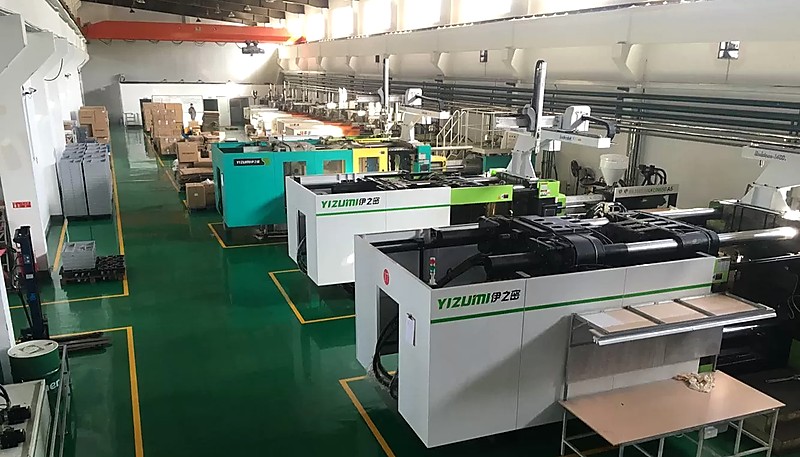
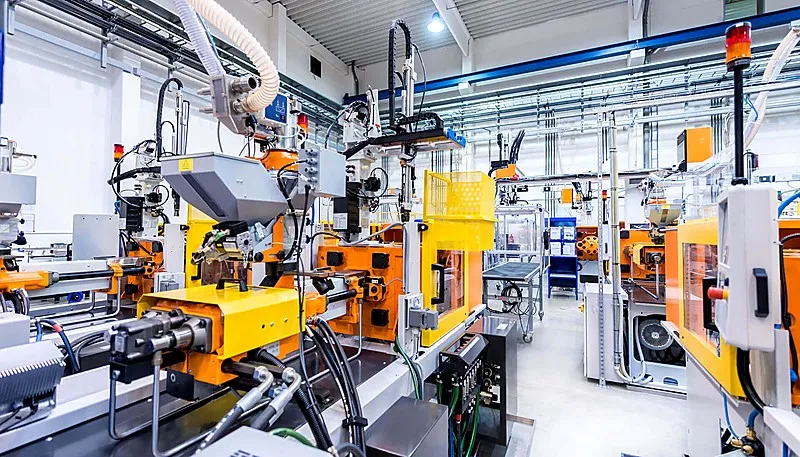
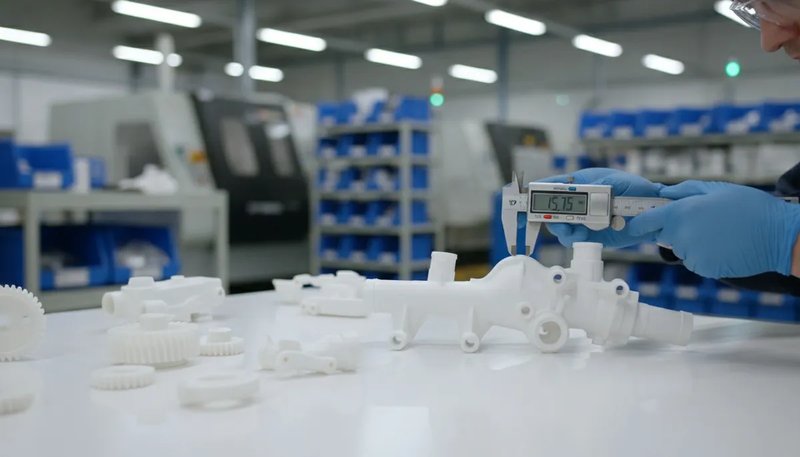
Audyt zakładu jest najskuteczniejszym narzędziem pozwalającym odróżnić rzeczywistych dostawców od firm handlowych podszywających się pod producentów. Najważniejsze obszary kontroli to: park maszynowy i stan maszyn, wyposażenie kontroli jakości, praktyki magazynowania materiałów oraz organizacja personelu. Zacznij od poproszenia o listę maszyn z podaniem siły zwarcia i marek. Rzeczywisty zakład formowania wtryskowego, dysponujący prasami od 90T do 1850T, może obsługiwać części o różnych rozmiarach i różnorodne materiały. Firma handlowa udzieli ogólnikowych odpowiedzi na temat swoich możliwości produkcyjnych. Sprawdź, czy zakład ma wyposażenie pomiarowe i czy naklejki kalibracyjne są aktualne.
Mając doświadczenie z 400+ materiałami, wiemy, że właściwa obsługa materiału bezpośrednio wpływa na jakość części, szczególnie żywic higroskopijnych, takich jak nylon i poliwęglan. Czysta, dobrze oświetlona hala z instrukcjami na stanowiskach świadczy o dojrzałej produkcji. Poproś o pokazanie działu utrzymania form. Dostawca budujący formy bez zdolności ich utrzymania jest nowy albo zleca prace na zewnątrz. Nasza narzędziownia obsługuje 100+ zestawów form miesięcznie, więc szybko wykonujemy konserwację i naprawy bez podwykonawców.
Jeśli audyt zdalny jest jedyną możliwością, poproś o rozmowę wideo na żywo, podczas której dostawca przeprowadzi Cię po zakładzie w czasie rzeczywistym — nie o dopracowany film marketingowy.
Jakie pytania należy zadać podczas weryfikacji dostawcy?
Zadanie właściwych pytań przed podjęciem zobowiązania kosztuje mniej niż wyciąganie wniosków z kosztownych błędów. Poniższe pytania pozwalają odróżnić rzetelnych dostawców od ryzykownych — warto też wiedzieć, na co zwracać uwagę w odpowiedziach. Po pierwsze: “Czy możecie opisać krok po kroku proces przeglądu projektu formy?” Dobry dostawca omówi analizę DFM (Design for Manufacturing), symulację płynięcia tworzywa i spotkania poświęcone przeglądowi projektu. Jeżeli odpowie: “po prostu wykonujemy formę zgodnie z rysunkiem”, nie wnosi wartości inżynierskiej. Po drugie: “Jaki jest standardowy okres gwarancji na formy i co obejmuje?” Dostawca pewny jakości swojej pracy zaoferuje co najmniej 12-miesięczną gwarancję na formę, obejmującą normalne zużycie.
Po trzecie: “Czy możecie podać trzy referencje od klientów z mojego regionu?” Następnie rzeczywiście do nich zadzwoń — zaskakująco wiele “referencji” jest zmyślonych. Po czwarte: “Co się stanie, jeżeli kontrola pierwszej sztuki zakończy się niepowodzeniem?” Odpowiedź pokaże, czy dostawca uważa problemy jakościowe za swoją odpowiedzialność, czy za twoją. Po piąte: “Kto jest właścicielem formy, jeżeli za nią zapłaciliśmy?” Ustal to na piśmie z góry. Niektórzy dostawcy próbują zatrzymać narzędzie, aby wymusić dalszą współpracę. Po szóste: “Jaka jest wasza polityka zamiany materiału?” Jeżeli przyznają, że zmieniają materiały bez zgody klienta, zrezygnuj. Po siódme: “Czy mogę odwiedzić zakład podczas produkcji lub zlecić kontrolę stronie trzeciej?” Dostawcy, którzy umożliwiają kontrolę na miejscu, nie mają nic do ukrycia.
Nasz zespół ponad 10 specjalistów ds. kontroli jakości przeprowadza inspekcje na każdym etapie, a klientów zachęcamy do wizyty w zakładzie lub skierowania do nas audytorów. Właściwy dostawca traktuje pytania weryfikacyjne jako oznakę profesjonalizmu, a nie podejrzliwości.
Kiedy należy zrezygnować ze współpracy z dostawcą usług formowania wtryskowego?
Niektóre sygnały ostrzegawcze całkowicie wykluczają współpracę i nie da się ich usunąć w drodze negocjacji. Należy natychmiast zrezygnować, jeśli dostawca odmawia pisemnego potwierdzenia ustnych ustaleń, wywiera presję na zapłatę 100% z góry przed rozpoczęciem prac albo nie potrafi wyjaśnić struktury cen. Trzeba również wycofać się, jeśli okaże się, że bez ujawnienia tego faktu zleca wykonanie formy trzeciemu zakładowi — jest to częsta praktyka firm handlowych, która oznacza brak bezpośredniego kontaktu z rzeczywistym producentem. Jeżeli dostawca działa krócej niż trzy lata i deklaruje możliwości wykraczające poza zakres posiadanego parku maszynowego, jego ambicje mogą przewyższać zdolność do realizacji zamówienia.
Dzięki zintegrowanemu modelowi produkcji i usług handlowych prowadzimy zarówno formowanie wtryskowe, jak i produkcję form pod jednym dachem, dzięki czemu zawsze dokładnie wiesz, na jakim etapie znajduje się projekt. Kolejna przeszkoda nie do zaakceptowania to dostawca, który nie potrafi przedstawić raportów kontroli pierwszej sztuki (FAI) z rzeczywistymi danymi pomiarowymi. Jeżeli raporty jakości mówią jedynie „zaliczono”, bez konkretnych wymiarów i tolerancji, oznacza to, że w rzeczywistości niczego nie zmierzono. Ponadto, jeżeli umowa nie określa jasno warunków dostawy, zakresu gwarancji, ochrony własności intelektualnej i rozstrzygania sporów, nie masz zabezpieczenia na wypadek problemów. Najlepiej rozpoznać złego dostawcę przed zapłatą — drugi najlepszy moment jest właśnie teraz, zanim zapłacisz mu więcej.
„Certyfikat ISO 9001 jest minimalnym standardem jakości, którego należy wymagać od każdego dostawcy usług formowania wtryskowego.”True
ISO 9001 zapewnia weryfikowalne ramy zarządzania jakością. Bez niego nie ma pewności, że dostawca stosuje udokumentowane procesy kontroli, identyfikowalności i działań korygujących.
"Dostawca oferujący cenę o 40 procent niższą od średniej rynkowej zapewnia lepszą ofertę dzięki efektywności."False
Oferty cenowe znacznie poniżej stawek rynkowych niemal zawsze wiążą się z ukrytymi kompromisami: stalą niższej klasy, mniejszą liczbą gniazd, pominięciem przeglądów projektu lub zaplanowanymi podwyżkami cen po podpisaniu umowy. Najtańsza oferta rzadko zapewnia najniższy koszt całkowity.
Znaczenie tych zasad weryfikacji rośnie wraz ze złożonością projektu. Prosta forma jednogniazdowa do niekrytycznego produktu konsumenckiego wiąże się z mniejszym ryzykiem niż precyzyjna forma wielogniazdowa do zastosowań motoryzacyjnych lub medycznych. W przypadku oprzyrządowania o dużym znaczeniu warto zlecić niezależnej firmie kontrolnej przeprowadzenie fabrycznej próby formy przed wysyłką. Taka usługa kosztuje zazwyczaj kilkaset dolarów, ale może zapobiec wydatkom rzędu dziesiątek tysięcy dolarów na poprawki i opóźnienia projektu. Inspektor będzie obecny podczas próby formy, zmierzy próbne wypraski, sprawdzi wykończenie powierzchni i udokumentuje wszelkie problemy przed wysyłką.
"Poproszenie o wirtualne zwiedzanie zakładu na żywo jest uzasadnionym i skutecznym elementem weryfikacji dostawcy."True
Transmisja wideo na żywo pozwala w czasie rzeczywistym, bez montażu i materiałów stockowych, zweryfikować park maszynowy, czystość, organizację pracy i personel. Każdy wiarygodny producent bez wahania spełni taką prośbę.
"Jeżeli dostawca udziela gwarancji na formę, jej szczegółowe warunki i zakres nie mają znaczenia."False
Zakres gwarancji może się diametralnie różnić. Niektóre gwarancje obejmują wyłącznie wady produkcyjne, a wyłączają normalne zużycie, awarie wynikające z konstrukcji oraz degradację materiału. Zanim potraktujesz gwarancję jako zabezpieczenie przed ryzykiem, zawsze zapoznaj się ze szczegółowymi warunkami, zakresem i okresem ochrony oraz wyłączeniami.
Często zadawane pytania
Jaki jest najpoważniejszy sygnał ostrzegawczy przy wyborze dostawcy usług formowania wtryskowego?
Największym sygnałem ostrzegawczym jest oferta znacznie poniżej ceny rynkowej połączona z brakiem szczegółowych pytań inżynierskich. Dostawca, który wycenia tanio bez analizy geometrii części, wymagań materiałowych i oczekiwanego wolumenu, albo oszczędza na jakości, albo planuje podnieść ceny po związaniu klienta z projektem. Zawsze porównuj oferty według poziomu stojącej za nimi analizy inżynierskiej, a nie tylko kwoty końcowej. Przejrzysty dostawca przedstawi szczegółowy podział kosztów, obejmujący gatunki stali, liczbę gniazd i specyfikację wykończenia powierzchni.
Ile lat doświadczenia powinien mieć rzetelny dostawca usług formowania wtryskowego?
Szukaj dostawców z co najmniej 10-letnim udokumentowanym doświadczeniem w eksporcie, najlepiej z klientami w Twoim regionie geograficznym. Same lata działalności mogą być mylące, ponieważ fabryka z 20-letnim doświadczeniem wyłącznie w produkcji krajowej może mieć trudności z logistyką międzynarodową, wymaganiami dokumentacyjnymi i komunikacją w języku angielskim. Dopytywaj konkretnie o ich historię eksportu, liczbę anglojęzycznych kierowników projektów w zespole oraz możliwe do zweryfikowania doświadczenie z konkretnymi standardami branżowymi i wymaganiami regulacyjnymi. Dostawca, który wysyła towary za granicę od 2013 roku, będzie miał ustalone procesy dotyczące dokumentacji celnej i koordynacji transportu międzynarodowego.
Czy zawsze powinienem odwiedzić fabrykę przed złożeniem zamówienia na narzędzia?
Wizyta fizyczna w fabryce jest idealna, ale nie zawsze praktyczna przy ocenie zagranicznych dostawców form wtryskowych. W minimalnym zakresie należy zażądać przeprowadzonej na żywo wideo wycieczki po fabryce w czasie rzeczywistym, poprosić o aktualne zdjęcia konkretnych maszyn i urządzeń, które będą wykorzystywane do produkcji Twoich części, oraz samodzielnie zweryfikować wszystkie certyfikaty u organów wydających. Jeśli dostawca opiera się lub opóźnia którykolwiek z tych podstawowych kroków weryfikacji, potraktuj ten opór jako znaczący sygnał ostrzegawczy dotyczący ich przejrzystości i zdolności produkcyjnych. Rzetelni dostawcy witają weryfikację jako standardową praktykę biznesową.
Jakie warunki płatności są standardowe dla narzędzi do form wtryskowych?
Standardowe warunki płatności za narzędzia do form wtryskowych zazwyczaj obejmują zaliczkę początkową w wysokości od 30 do 50 procent, z kolejnymi płatnościami kamieni milowych powiązanymi z konkretnymi dostarczanymi elementami, takimi jak zatwierdzenie projektu formy, próbkowanie pierwszego wyrobu i ostateczna akceptacja formy. Zachowaj ostrożność wobec każdego dostawcy żądającego pełnej przedpłaty przed rozpoczęciem pracy, ponieważ całkowicie pozbawia to Cię siły przetargowej w przypadku wystąpienia problemów z jakością lub opóźnień w dostawie podczas produkcji. Zawsze wiąż każdą płatność z możliwymi do zweryfikowania, udokumentowanymi dostarczanymi elementami wyraźnie określonymi w umowie, aby chronić swoją inwestycję w całym procesie produkcyjnym.
Czy firma handlowa może być wiarygodnym dostawcą form wtryskowych?
Firmy handlowe mogą działać całkiem dobrze w przypadku prostego sourcingu produktów, ale wprowadzają znaczne ryzyko w przypadku projektów niestandardowych narzędzi, ponieważ brakuje bezpośredniej komunikacji z rzeczywistym producentem budującym Twoją formę. Jeśli zdecydujesz się na współpracę poprzez firmę handlową, nalegaj na dokładne poznanie, która fabryka zbuduje Twoją formę, potwierdź, że możesz przeprowadzić audyt tej fabryki bezpośrednio, i upewnij się, że Twoja umowa wyraźnie wymienia rzeczywistego producenta. Ukryte podwykonawstwo bez ujawnienia jest jednym z najczęstszych źródeł problemów z jakością i przekroczeń terminów dostaw w transgranicznych projektach wytwarzania form.
Jak zweryfikować deklaracje dostawcy dotyczące certyfikatów?
Zawsze proś dostawcę o podanie konkretnego numeru certyfikatu oraz nazwy organu wydającego, a następnie weryfikuj bezpośrednio u tego certyfikatora. Większość głównych jednostek certyfikujących, takich jak SGS, TÜV i BSI, zapewnia narzędzia do weryfikacji online, za pomocą których można potwierdzić status i zakres certyfikatu. Kluczowe jest zweryfikowanie, czy certyfikat obejmuje konkretny zakład produkcyjny, w którym będą wytwarzane Twoje części, a nie tylko korporacyjną siedzibę znajdującą się gdzie indziej. Wygasłe certyfikaty i certyfikaty o ograniczonym zakresie, które nie obejmują odpowiednich procesów produkcyjnych, są powszechnymi czerwonymi flagami, które podstawowa weryfikacja szybko ujawni.
Co powinno być zawarte w umowie z dostawcą formowania wtryskowego?
Kompleksowa umowa z dostawcą form wtryskowych powinna wyraźnie obejmować: własność narzędzi i warunki przeniesienia, określone gatunki stali, liczbę i układ wnęk, oczekiwaną żywotność formy w cyklach, standardy wykończenia powierzchni, tolerancje wymiarowe, wymagania dotyczące inspekcji pierwszego wyrobu z planem pobierania próbek, specyfikacje materiałowe z możliwością śledzenia partii, warunki dostawy i kary, kamienie milowe płatności powiązane z dostarczanymi elementami, warunki gwarancji obejmujące okres trwania i wyłączenia, klauzule ochrony własności intelektualnej oraz zdefiniowany mechanizm rozwiązywania sporów. Brak któregokolwiek z tych elementów stwarza niepotrzebne ryzyko, które może skutkować opóźnieniami projektów, nieoczekiwanymi kosztami lub sporami dotyczącymi własności narzędzi.
Wybór odpowiedniego dostawcy formowania wtryskowego sprowadza się do weryfikacji, a nie zaufania. Każdy czerwony sygnał ostrzegawczy w tym przewodniku ma prostą przeciwdziałanie: zadawaj pytania, żądaj dowodów i nigdy nie pomijaj należytej staranności, aby zaoszczędzić czas. W ZetarMold nasze ponad 20-letnie doświadczenie, wewnętrzna produkcja form oraz ponad 30 anglojęzycznych kierowników projektów oznaczają, że otrzymujesz przejrzystą komunikację od pierwszej wyceny do finalnej dostawy. Gotowy na współpracę z dostawcą, który wita Twoje pytania? Otrzymaj darmową wycenę i pozwól naszemu zespołowi inżynierskiemu przejrzeć Twój projekt.
Klasa 101: klasa 101 oznacza najwyższą klasę form, zdefiniowaną dla form produkcyjnych zaprojektowanych tak, aby wytrzymały ponad milion cykli wtrysku. ↩
P20: P20 to wstępnie hartowana, uniwersalna stal formierska odpowiednia do form wtryskowych o małej i średniej wielkości produkcji. ↩
ISO 9001: ISO 9001 to międzynarodowa norma dotycząca systemów zarządzania jakością, wymagająca udokumentowanych procesów kontroli produkcji i inspekcji. ↩