Choisir le mauvais fournisseur de moulage par injection peut vous coûter des mois de retards, des milliers d’outils gaspillés et des cycles de reprise sans fin. Après deux décennies de travail avec des acheteurs d’Amérique du Nord et d’Europe, nous avons vu tous les signaux d’alarme : des devis étrangement bas aux e-mails fantômes après le paiement du dépôt. Ce guide vous présente 15 signes d’avertissement spécifiques qui devraient vous faire réfléchir avant de signer un contrat d’outillage, et vous donne des étapes de vérification pratiques pour protéger le budget et le calendrier de votre projet.
- Les devis inférieurs de plus de 30% à la moyenne du marché cachent souvent des raccourcis qualité
- L’absence de certifications ISO signifie l’absence de système de management de la qualité vérifiable
- Des réponses tardives ou vagues pendant le chiffrage annoncent une situation pire après paiement
- Les photos et vidéos de l’usine sont l’audit le moins coûteux que vous puissiez obtenir
- Un fournisseur incapable de nommer ses nuances d’acier ne doit pas fabriquer votre moule
Quels sont les signaux d’alerte les plus courants chez un fournisseur de moulage par injection ?
Les principaux signaux d’alerte relèvent de cinq catégories : prix, communication, qualifications, état des installations et clauses contractuelles. Le plus dangereux n’est pas l’escroquerie évidente, mais le fournisseur qui semble presque convenir tout en prenant des raccourcis invisibles. Un fournisseur proposant un prix de moulage par injection inférieur de 40% à celui de ses concurrents perd de l’argent et réduira la qualité, ou n’a pas compris vos exigences. Dans les deux cas, vous perdez. Privilégiez les fournisseurs qui posent des questions détaillées sur la géométrie de la pièce, les matériaux requis et le volume annuel lors du chiffrage. Un fournisseur qui chiffre sans question n’a pas effectué le travail d’ingénierie.
Pour un aperçu plus large de la conception de moules à injection, notre guide pilier couvre la structure de l’outillage, le contrôle thermique et les compromis de fabricabilité.
Pendant le chiffrage, nos 8 ingénieurs seniors examinent chaque projet afin d’identifier les problèmes potentiels avant de fixer le prix, car le devis le moins cher est rarement le plus exact. Un fournisseur incapable de fournir des références de clients de votre secteur ou région constitue un autre signal d’alerte. S’il revendique 15 ans d’expérience à l’export sans pouvoir citer un seul client occidental, la situation est incohérente. Les fournisseurs légitimes comprennent que la diligence raisonnable est réciproque et acceptent les vérifications.
Comment reconnaître un devis fournisseur irréaliste ?
Les trois signes d’alerte sont un prix anormalement bas, des délais impossiblement courts et l’absence de ventilation des coûts. Lorsqu’un fournisseur chiffre un moule multi-empreintes avec des contre-dépouilles complexes au même prix qu’un simple moule à ouverture directe, il n’a pas analysé votre pièce. L’acier du moule représente à lui seul 25 à 40 % du coût de l’outillage ; un devis qui ne précise pas la nuance d’acier dissimule donc quelque chose. Dans notre usine de Shanghai, chaque devis comprend une ventilation détaillée couvrant le choix de l’acier, le nombre d’empreintes, la durée de vie prévue du moule, l’état de surface et les estimations du temps de cycle.
Si un fournisseur ne vous donne qu’un seul chiffre de résultat sans cette ventilation, soit il envisage de renégocier plus tard, soit il ne conçoit pas correctement l’outil. Surveillez les citations qui promettent Classe 1011 durée de vie du moule à un prix qui couvre à peine l’acier. En réalité, la construction d’un moule de production multi-empreintes de qualité pour une pièce complexe devrait prendre 6 à 10 semaines et peut utiliser de l’acier P202 pour des usages généraux ou H13 pour des usages supérieurs. applications de température. Un fournisseur promettant une livraison sous 3 semaines selon les mêmes spécifications saute des étapes critiques ou prévoit de livrer en retard.
Pourquoi la qualité de la communication prédit-elle la fiabilité d’un fournisseur ?
La communication pendant la phase de chiffrage est le meilleur indicateur de celle qui aura lieu pendant la production. Si un fournisseur met quatre jours à répondre à votre demande initiale, prévoyez huit jours en cas de problème de production urgent. Nous avons constaté que la régularité du délai de réponse compte davantage que la rapidité — un fournisseur qui répond systématiquement sous 24 heures est plus fiable qu’un autre qui répond parfois en deux heures et parfois en une semaine. Les compétences linguistiques constituent un autre facteur essentiel. Disposer de plus de 30 chefs de projet anglophones dans notre équipe n’est pas seulement pratique — cela évite que les échanges techniques sur les tolérances, les états de surface et le choix des matériaux se perdent dans la traduction.
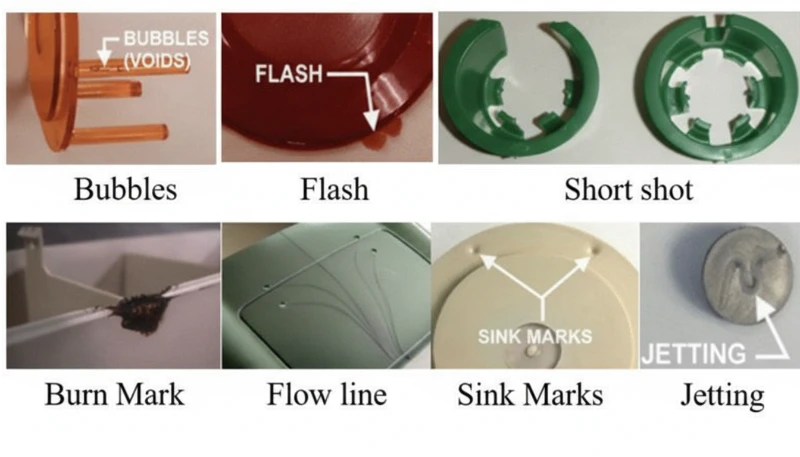
Si le fournisseur ne peut expliquer clairement son choix de seuil ou pourquoi une paroi causerait des retassures, il manque de compétence technique ou d’attention. Évaluez la qualité de ses questions. Les bons fournisseurs interrogent la fonction, l’assemblage, l’esthétique et la réglementation ; les mauvais demandent seulement le fichier 3D et les modalités de paiement. Méfiez-vous aussi de ceux qui acceptent tout sans objection. Un mouliste expérimenté signale les problèmes et propose des solutions.
Quelles certifications devez-vous exiger d’un fournisseur de moulage par injection ?
ISO 90013 est la certification minimale à exiger, ainsi que les normes spécifiques à l’industrie pour les applications médicales ou en contact avec les aliments. La norme ISO 9001 garantit que votre fournisseur dispose de processus documentés pour l’inspection à la réception, les contrôles en cours de fabrication et les mesures finales. Pour les pièces médicales, la norme ISO 13485 est indispensable. Pour les applications en contact avec les aliments, une traçabilité des matériaux conforme à la FDA est requise. Les certifications environnementales comme ISO 14001 et les normes de sécurité comme ISO 45001 indiquent que le fournisseur investit dans des opérations durables. Méfiez-vous des fournisseurs qui revendiquent des certifications mais ne peuvent pas fournir de numéros de certificat ou de rapports d’audit pour vérification.
Nous détenons les certifications ISO 9001, ISO 13485, ISO 14001 et ISO 45001 et pouvons fournir les rapports d’audit sur demande. Vérifiez aussi si elles couvrent l’installation précise où vos pièces seront fabriquées, et non seulement un siège social éloigné. Un fournisseur comptant plus de 20 ans d’expérience doit disposer d’un système qualité bien documenté, pas simplement d’un certificat au mur. Demandez ses procédures de contrôle des matières entrantes, la fréquence des contrôles en cours de procédé et le plan d’échantillonnage du contrôle final. S’il ne peut pas les expliquer clairement, ses certifications relèvent peut-être davantage de la formalité que de pratiques intégrées.
Notre installation de Shanghai détient les certifications ISO 9001, ISO 13485, ISO 14001 et ISO 45001, étayées par plus de 20 ans d’amélioration continue de la qualité.
Comment les audits d’usine révèlent-ils les risques cachés des fournisseurs ?
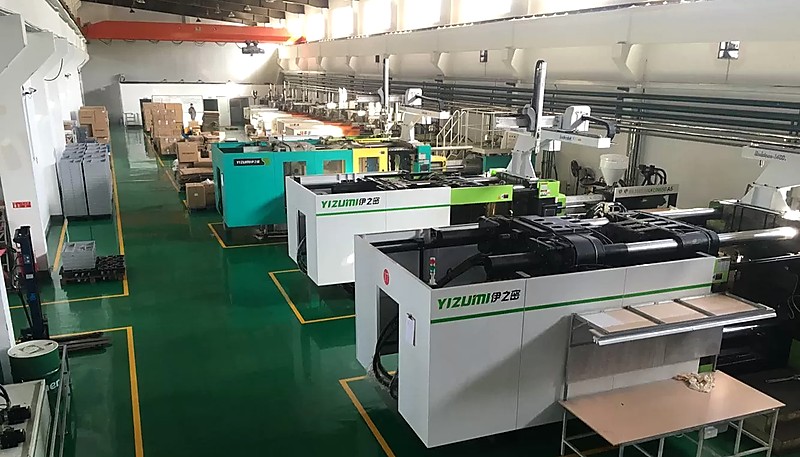
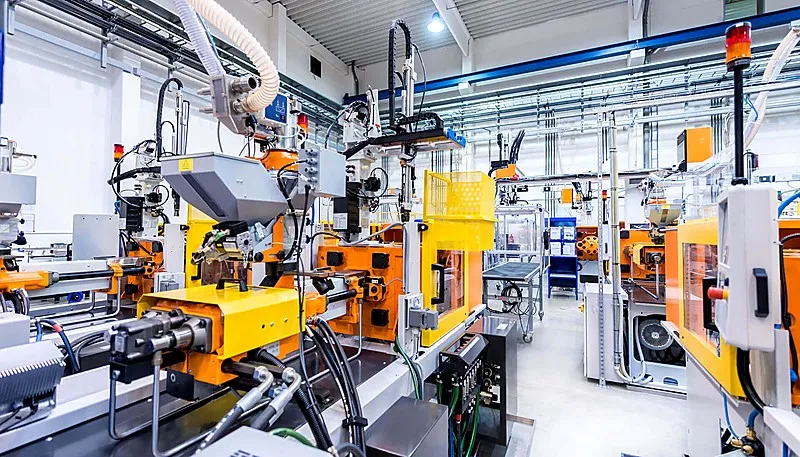
L’audit d’usine est l’outil le plus efficace pour distinguer les fournisseurs légitimes des sociétés de négoce se présentant comme des fabricants. Points clés à examiner : parc et état des machines, équipements de contrôle qualité, stockage des matières et organisation du personnel. Commencez par demander une liste des machines indiquant tonnage et marques. Un véritable mouleur disposant de presses de 90T à 1850T peut traiter diverses tailles de pièces et matières. Une société de négoce donnera des réponses vagues sur ses capacités. Vérifiez la présence d’équipements de mesure et la validité des étiquettes d’étalonnage.
Avec 400+ matériaux dans notre base d’expérience, nous savons qu’une bonne gestion de la matière influe directement sur la qualité des pièces, surtout pour les résines hygroscopiques comme le nylon et le polycarbonate. Observez l’organisation de l’atelier : des locaux propres et bien éclairés, avec des instructions de travail claires à chaque poste, indiquent une production mature. Demandez à voir la zone de maintenance des moules. Un fournisseur qui fabrique des moules sans pouvoir les entretenir est soit nouveau, soit dépendant de la sous-traitance. Notre atelier intégré produit 100+ jeux de moules par mois, ce qui nous permet d’entretenir et de réparer rapidement les outils sans fournisseur externe.
Si l’audit virtuel est votre seule option, demandez un appel vidéo en direct durant lequel le fournisseur vous fait visiter l’usine en temps réel — pas une vidéo marketing soigneusement montée.
Quelles questions poser lors de la vérification d’un fournisseur ?
Poser les bonnes questions avant de s’engager coûte moins cher que d’apprendre à ses dépens. Voici les questions qui distinguent les fournisseurs fiables des fournisseurs risqués, ainsi que les éléments à rechercher dans leurs réponses. Premièrement : « Pouvez-vous me décrire votre processus de revue de conception des moules ? » Un bon fournisseur détaillera son analyse DFM (conception pour la fabrication), sa simulation d’écoulement et ses réunions de revue. S’il répond « nous construisons simplement selon votre plan », il n’apporte aucune valeur d’ingénierie. Deuxièmement : « Quelle est votre garantie standard sur les moules et que couvre-t-elle ? » Un fournisseur sûr de son travail offrira au moins 12 mois de garantie couvrant l’usure normale.
Troisièmement : “Pouvez-vous fournir trois références de clients de ma région ?” Appelez-les réellement — vous seriez surpris du nombre de “références” fabriquées. Quatrièmement : “Que se passe-t-il si le contrôle de la première pièce échoue ?” La réponse indique si le fournisseur considère les problèmes de qualité comme sa responsabilité ou la vôtre. Cinquièmement : “À qui appartient l’outillage si nous l’avons payé ?” Faites-le préciser par écrit dès le départ. Certains fournisseurs retiennent l’outillage pour conserver le client. Sixièmement : “Quelle est votre politique de substitution des matières ?” S’il admet remplacer des matières sans l’accord du client, partez. Septièmement : “Puis-je venir pendant la production ou organiser une inspection par un tiers ?” Les fournisseurs qui acceptent volontiers une inspection sur site n’ont rien à cacher.
Nos 10+ spécialistes QC effectuent des inspections à chaque étape, et nous encourageons les clients à venir sur place ou à envoyer des auditeurs. Le bon fournisseur considère vos questions de vérification comme une preuve de professionnalisme, non de suspicion.
Quand faut-il renoncer à un fournisseur de moulage par injection ?
Certains signaux d’alerte sont rédhibitoires et aucune négociation ne peut y remédier. Renoncez immédiatement si le fournisseur refuse de consigner les accords verbaux par écrit, vous pousse à payer 100% d’avance avant le début des travaux ou ne peut pas expliquer sa structure tarifaire. Renoncez également si vous découvrez qu’il sous-traite votre outillage à une troisième usine sans vous en informer — cette pratique courante chez les sociétés de négoce signifie que vous n’avez aucun contact direct avec le fabricant réel. Si un fournisseur exerce depuis moins de trois ans et revendique des capacités supérieures à celles que sa liste d’équipements permet, son ambition peut dépasser sa capacité de livraison.
Grâce à notre modèle intégré de fabrication et de services commerciaux, nous gérons à la fois le le moulage par injection et la fabrication de moules sous un même toit. afin que vous sachiez toujours exactement où en est votre projet. Autre facteur décisif : un fournisseur qui ne peut pas fournir de rapports d’inspection du premier article (FAI) avec des données de mesure réelles. Si leurs rapports de qualité indiquent seulement « réussi » sans dimensions ni tolérances spécifiques, ils ne mesurent rien en réalité. Enfin, si le contrat ne définit pas clairement les conditions de livraison, la couverture de la garantie, la protection de la propriété intellectuelle et le règlement des litiges, vous n’avez aucun filet de sécurité en cas de problème. Le meilleur moment pour identifier un mauvais fournisseur est avant de le payer. Le deuxième meilleur moment est maintenant, avant de le payer davantage.
"La certification ISO 9001 est la norme de qualité minimale à exiger de tout fournisseur de moulage par injection."True
ISO 9001 fournit un cadre vérifiable de management de la qualité. Sans celui-ci, rien ne garantit que le fournisseur applique des processus documentés d’inspection, de traçabilité ou d’action corrective.
"Un fournisseur proposant un prix inférieur de 40 pour cent à la moyenne du marché vous offre une meilleure affaire grâce à son efficacité."False
Les devis très inférieurs au marché cachent presque toujours des compromis : acier de moindre qualité, moins d’empreintes, revues de conception omises ou hausses prévues après contrat. Le devis le moins cher donne rarement le coût total le plus bas.
La compréhension de ces principes de vérification devient d’autant plus importante que la complexité du projet augmente. Un moule simple à une empreinte pour un produit de consommation non critique présente moins de risques qu’un outillage de précision multi-empreintes destiné à une application automobile ou médicale. Pour les outillages à forts enjeux, envisagez de mandater une société d’inspection tierce indépendante afin de réaliser un essai du moule en usine avant expédition. Cette prestation coûte généralement quelques centaines de dollars, mais peut éviter des dizaines de milliers de dollars de reprises et de retards. L’inspecteur assistera à l’essai du moule, mesurera les pièces échantillons, vérifiera l’état de surface et consignera tout problème avant l’expédition.
"Demander une visite vidéo en direct de l’usine est une étape légitime et efficace de vérification d’un fournisseur."True
Une visite vidéo en direct permet de vérifier en temps réel le parc machines, la propreté, l’organisation et les effectifs, sans montage ni images d’archives. Tout fabricant légitime acceptera cette demande sans hésiter.
"Si un fournisseur offre une garantie sur le moule, les conditions précises et l’étendue de la couverture n’ont aucune importance."False
La couverture de garantie varie considérablement. Certaines garanties couvrent uniquement les défauts de fabrication, tout en excluant l’usure normale, les défaillances causées par la conception et la dégradation des matériaux. Lisez toujours les conditions particulières, l’étendue de la couverture, la durée et les exclusions avant de compter sur une garantie pour vous protéger contre les risques.
Questions fréquemment posées
Quel est le principal signal d’alerte lors du choix d’un fournisseur de moulage par injection ?
Le principal signal d’alerte est un devis nettement inférieur au marché, associé à l’absence de questions techniques détaillées du fournisseur. Un fournisseur qui propose un prix bas sans analyser la géométrie de votre pièce, les matériaux requis et le volume de production prévu réduit la qualité ou compte augmenter ses prix une fois votre engagement acquis. Comparez toujours les devis selon le niveau de détail technique qui les étaye, pas seulement selon le montant final. Un fournisseur transparent fournit une ventilation détaillée des coûts indiquant les nuances d’acier, le nombre d’empreintes et les spécifications d’état de surface.
Combien d’années d’expérience un fournisseur fiable de moulage par injection doit-il avoir ?
Recherchez des fournisseurs ayant au moins 10 ans d’expérience démontrée à l’exportation, de préférence avec des clients dans votre région géographique. Le nombre d’années d’activité seul peut être trompeur car une usine avec 20 ans de production uniquement domestique peut avoir des difficultés avec la logistique internationale, les exigences en matière de documentation et la communication en anglais. Demandez spécifiquement leur historique d’exportation, le nombre de chefs de projet anglophones en poste et une expérience vérifiable avec vos normes industrielles spécifiques et exigences réglementaires. Un fournisseur qui expédie à l’étranger depuis 2013 aura établi des processus pour la documentation douanière et la coordination du fret international.
Dois-je toujours visiter l’usine avant de passer une commande d’outillage ?
Une visite physique de l’usine est idéale mais pas toujours pratique lors de l’évaluation de fournisseurs de moulage par injection à l’étranger. Au minimum, vous devriez demander une visite vidéo en direct de l’usine réalisée en temps réel, demander des photographies récentes des machines et équipements spécifiques qui seront utilisés pour vos pièces, et vérifier indépendamment toutes les certifications auprès des organismes émetteurs. Si le fournisseur résiste ou retarde l’une de ces étapes de vérification de base, considérez cette résistance comme un signe d’avertissement significatif concernant sa transparence et ses capacités de fabrication. Les fournisseurs légitimes accueillent la vérification comme une pratique commerciale standard.
Quelles sont les conditions de paiement standard pour l’outillage de moulage par injection ?
Les conditions de paiement standard pour l’outillage de moulage par injection impliquent typiquement un acompte initial de 30 à 50 pour cent, avec des paiements ultérieurs liés à des jalons spécifiques tels que l’approbation de la conception du moule, l’échantillonnage du premier article et l’acceptation finale du moule. Méfiez-vous de tout fournisseur exigeant un prépaiement intégral avant de commencer les travaux, car cela supprime complètement votre pouvoir de négociation si des problèmes de qualité ou des retards de livraison surviennent pendant la production. Liez toujours chaque paiement à des livrables vérifiables et documentés clairement spécifiés dans votre contrat pour protéger votre investissement tout au long du processus de fabrication.
Une société de commerce peut-elle être un fournisseur de moulage par injection fiable ?
Les sociétés de commerce peuvent fonctionner raisonnablement bien pour l’approvisionnement en produits simples, mais elles ajoutent un risque significatif pour les projets d’outillage sur mesure car vous manquez de communication directe avec le fabricant réel qui construit votre moule. Si vous choisissez de travailler par l’intermédiaire d’une société de commerce, insistez pour savoir exactement quelle usine construira votre moule, confirmez que vous pouvez auditer cette usine directement, et assurez-vous que votre contrat nomme explicitement le fabricant réel. La sous-traitance cachée sans divulgation est l’une des sources les plus courantes de problèmes de qualité et de retards de livraison dans les projets transfrontaliers de fabrication de moules.
Comment vérifier les déclarations d’un fournisseur concernant ses certifications ?
Demandez toujours au fournisseur son numéro de certificat spécifique et le nom de l’organisme émetteur, puis vérifiez directement auprès de ce certificateur. La plupart des principaux organismes de certification tels que SGS, TÜV et BSI fournissent des outils de vérification en ligne où vous pouvez confirmer le statut et le champ d’application du certificat. Il est crucial de vérifier que le certificat couvre l’installation de fabrication spécifique où vos pièces seront produites, et pas seulement un siège social situé ailleurs. Les certificats expirés et les certifications à champ d’application limité qui ne couvrent pas les processus de fabrication pertinents sont des signaux d’alarme courants qu’une vérification de base révélera rapidement.
Que doit inclure un contrat avec un fournisseur de moulage par injection ?
Un contrat complet avec un fournisseur de moulage par injection devrait couvrir explicitement : la propriété de l’outillage et les conditions de transfert, les nuances d’acier spécifiées, le nombre et la disposition des empreintes, la durée de vie attendue du moule en cycles, les normes de finition de surface, les tolérances dimensionnelles, les exigences d’inspection du premier article avec un plan d’échantillonnage, les spécifications des matériaux avec traçabilité des lots, les conditions de livraison et les pénalités, les jalons de paiement liés aux livrables, les termes de garantie incluant la durée et les exclusions, les clauses de protection de la propriété intellectuelle, et un mécanisme défini de résolution des litiges. L’absence de l’un de ces éléments crée un risque inutile qui peut entraîner des retards de projets, des coûts imprévus ou des litiges sur la propriété de l’outillage.
Choisir le bon fournisseur de moulage par injection se résume à la vérification, pas à la confiance. Chaque signal d’alarme dans ce guide a une contre-mesure simple : posez des questions, exigez des preuves et ne négligez jamais la diligence raisonnable pour gagner du temps. Chez ZetarMold, nos plus de 20 ans d’expérience, notre fabrication interne de moules et nos plus de 30 chefs de projet anglophones signifient que vous bénéficiez d’une communication transparente du premier devis à la livraison finale. Prêt à travailler avec un fournisseur qui accueille vos questions ? Obtenez un devis gratuit et laissez notre équipe d’ingénieurs examiner votre projet.
Classe 101 : la classe 101 fait référence à la classification de moule la plus élevée, définie comme des moules de production conçus pour résister à plus d'un million de cycles d'injection. ↩
P20 : le P20 est un acier pour moules à usage général pré-trempé défini comme adapté aux moules d'injection de faible à moyen volume de production. ↩
ISO 9001 : ISO 9001 est une norme internationale pour les systèmes de gestion de la qualité qui exige des processus documentés pour le contrôle et l'inspection de la production. ↩