Elegir al proveedor de moldeo por inyección equivocado puede costarle meses de retrasos, miles en utillaje desperdiciado y ciclos interminables de retrabajo. Tras dos décadas trabajando con compradores de Norteamérica y Europa, hemos visto todas las señales de alarma imaginables, desde presupuestos sospechosamente bajos hasta correos ignorados después de pagar el anticipo. Esta guía explica 15 advertencias concretas que deberían hacerle detenerse antes de firmar un contrato de utillaje y ofrece pasos prácticos de verificación para proteger el presupuesto y calendario de su proyecto.
- Los presupuestos más de un 30% inferiores a la media del mercado suelen ocultar atajos en materia de calidad
- La ausencia de certificaciones ISO implica que no existe un sistema de gestión de calidad verificable
- Las respuestas tardías o vagas durante la cotización anticipan un peor servicio después del pago
- Las fotos y los vídeos de la fábrica son la auditoría más barata que obtendrá jamás
- Un proveedor que no pueda indicar los grados de acero no debería fabricar su molde
¿Cuáles son las señales de alarma más habituales en un proveedor de moldeo por inyección?
Las principales señales de alerta corresponden a precio, comunicación, credenciales, estado de las instalaciones y contrato. El mayor peligro no es la estafa obvia, sino el proveedor casi adecuado que recorta donde no puede verlo. Una oferta un 40% inferior a la competencia implica pérdidas y menor calidad o requisitos mal entendidos. En ambos casos pierde. Busque proveedores que pregunten por geometría, material y volumen anual. Quien cotiza sin preguntar no ha realizado el trabajo de ingeniería.
Para obtener una visión más amplia del diseño de moldes de inyección, nuestra guía principal trata la estructura del utillaje, el control térmico y las concesiones de manufacturabilidad.
Durante nuestro proceso de presupuestación, nuestros 8 ingenieros sénior revisan cada proyecto para identificar posibles problemas antes de fijar el precio, porque el presupuesto más barato rara vez es el más preciso. Otra señal de alarma frecuente es un proveedor que no puede proporcionar referencias de clientes de su sector o región. Si afirma tener 15 años de experiencia exportadora, pero no puede nombrar ni un solo cliente occidental, algo no cuadra. Los proveedores legítimos entienden que la diligencia debida es recíproca y aceptan de buen grado la verificación.
¿Cómo puede saber si el presupuesto de un proveedor es poco realista?
Las tres señales de alerta son un precio extremadamente bajo, plazos de entrega imposiblemente cortos y la ausencia de un desglose de costes. Cuando un proveedor cotiza un molde multicavidad con contrasalidas complejas al mismo precio que un molde simple de apertura y cierre, no ha analizado su pieza. El acero del molde por sí solo representa el 25-40% del coste del utillaje, por lo que una oferta que no especifique el grado de acero oculta información. En nuestra fábrica de Shanghái, cada cotización incluye un desglose detallado que abarca la selección del acero, el número de cavidades, la vida útil prevista del molde, el acabado superficial y las estimaciones del tiempo de ciclo.
Si un proveedor solo ofrece una cifra final sin este desglose, piensa renegociar después o no está diseñando correctamente la herramienta. Desconfíe de presupuestos que prometen una vida de molde Class 1011 por un precio que apenas cubre el acero. En términos realistas, fabricar un molde de producción multicavidad de calidad para una pieza compleja tarda entre 6 y 10 semanas y puede utilizar acero P202 para usos generales o H13 para temperaturas superiores. Un proveedor que prometa 3 semanas para la misma especificación omite pasos críticos o entregará tarde.
¿Por qué la calidad de la comunicación predice la fiabilidad del proveedor?
La comunicación durante la fase de cotización es el mejor indicador de cómo será la comunicación durante la producción. Si un proveedor tarda cuatro días en responder a su consulta inicial, espere ocho días cuando tenga un problema urgente de producción. Hemos comprobado que la regularidad del tiempo de respuesta importa más que la rapidez: un proveedor que responde de forma constante en 24 horas es más fiable que uno que a veces responde en dos horas y otras veces en una semana. El dominio del idioma es otro factor crítico. Contar con 30+ jefes de proyecto angloparlantes en nuestro equipo no es solo una comodidad: significa que los detalles técnicos sobre tolerancias, acabados superficiales y selección de materiales no se pierden en la traducción.
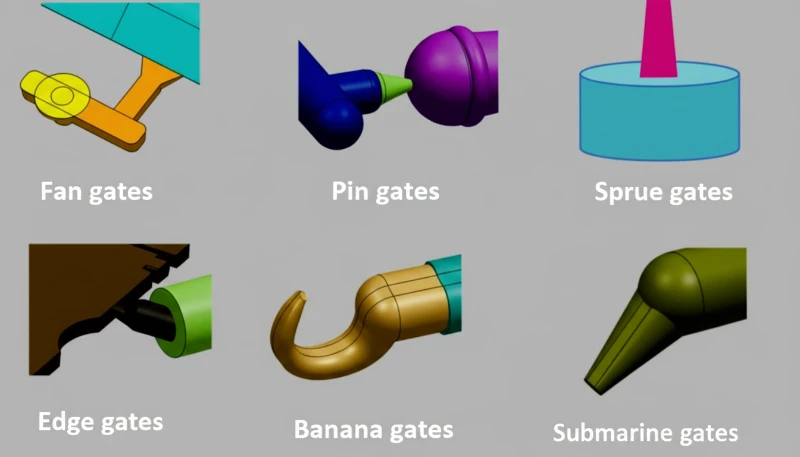
Cuando su proveedor no puede explicar con claridad por qué recomienda un tipo específico de compuerta o por qué un espesor de pared podría provocar marcas de hundimiento, carece de capacidad técnica o no presta atención. Fíjese en la calidad de las preguntas que formula. Los buenos proveedores preguntan por la función de la pieza, los requisitos de montaje, los estándares estéticos y las necesidades normativas. Los malos solo piden el archivo 3D y las condiciones de pago. Desconfíe también de quienes aceptan todo sin objetar. Un fabricante de moldes experimentado le indicará los problemas de su diseño y propondrá alternativas.
¿Qué certificaciones debe exigir a un proveedor de moldeo por inyección?
ISO 90013 es la certificación mínima que debe exigir, junto con las normas sectoriales para aplicaciones médicas o en contacto con alimentos. ISO 9001 garantiza procesos documentados para inspección de entrada, controles en proceso y medición final. Para piezas médicas, ISO 13485 es esencial. En aplicaciones alimentarias se exige trazabilidad de materiales conforme a FDA. Certificaciones ambientales como ISO 14001 y de seguridad como ISO 45001 indican inversión en operaciones sostenibles. Desconfíe de proveedores que afirman estar certificados, pero no facilitan números de certificado ni informes de auditoría para verificarlo.
Mantenemos las certificaciones ISO 9001, ISO 13485, ISO 14001 e ISO 45001 y podemos facilitar informes de auditoría previa solicitud. Compruebe también si sus certificaciones cubren la instalación específica donde se fabricarán sus piezas, no solo una sede corporativa situada a kilómetros de distancia. Un proveedor con más de 20 años de experiencia debe contar con un sistema de calidad bien documentado, no solo con un certificado colgado en la pared. Solicite sus procedimientos de inspección de materiales entrantes, la frecuencia de las inspecciones durante el proceso y el plan de muestreo de la inspección final. Si no pueden explicarlos con claridad, sus certificaciones pueden ser un mero trámite documental en lugar de prácticas integradas.
Mantenemos las certificaciones ISO 9001, ISO 13485, ISO 14001 e ISO 45001 en nuestras instalaciones de Shanghai, respaldadas por más de 20 años de mejora continua de la calidad.
¿Cómo revelan las auditorías de fábrica los riesgos ocultos de los proveedores?
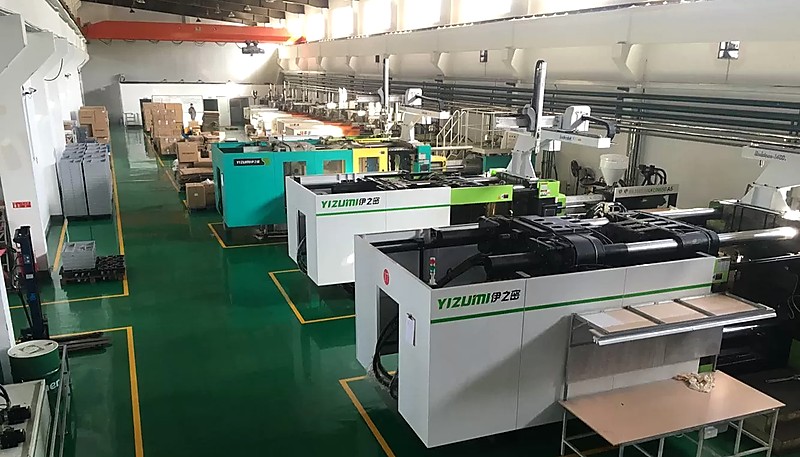
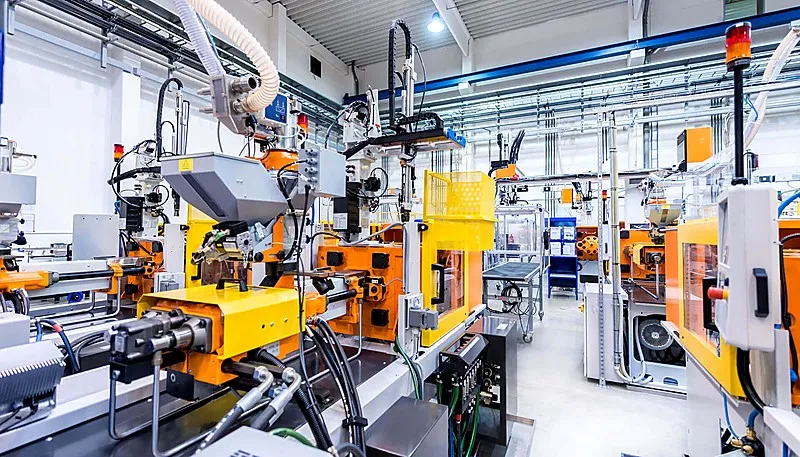
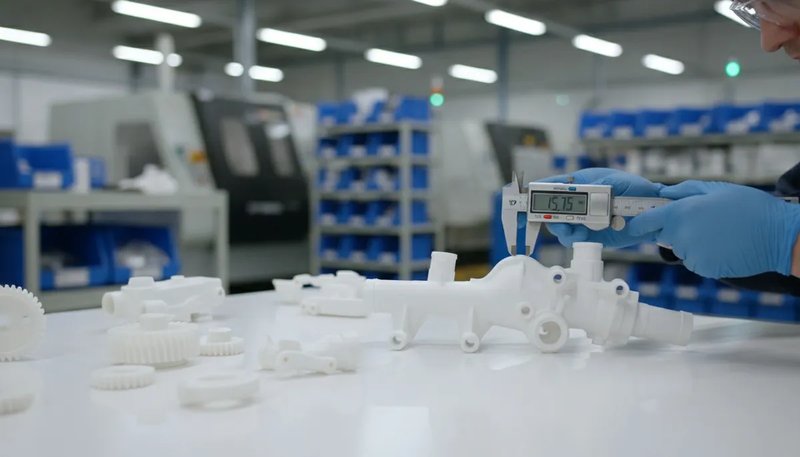
Una auditoría de fábrica es la herramienta más eficaz para distinguir a los proveedores legítimos de las empresas comerciales que se hacen pasar por fabricantes. Áreas clave que deben examinarse: inventario y estado de las máquinas, equipos de control de calidad, prácticas de almacenamiento de materiales y organización de la plantilla. Empiece solicitando una lista de máquinas con sus tonelajes y marcas. Un moldeador por inyección real con prensas de entre 90T y 1850T puede manejar piezas de distintos tamaños y materiales. Una empresa comercial dará respuestas imprecisas sobre su capacidad. Compruebe si dispone de equipos de medición y si las etiquetas de calibración están vigentes.
Con más de 400 materiales en nuestra base de experiencia, sabemos que una manipulación adecuada influye directamente en la calidad de la pieza, especialmente con resinas higroscópicas como el nailon y el policarbonato. Observe la organización de la planta: unas instalaciones limpias, bien iluminadas y con instrucciones claras en cada puesto indican una operación madura. Pida ver la zona de mantenimiento de moldes. Un proveedor que fabrica moldes pero carece de capacidad para mantenerlos es nuevo o subcontrata ese trabajo. Nuestra planta interna fabrica más de 100 juegos de moldes al mes, por lo que podemos mantener y reparar el utillaje con rapidez sin depender de proveedores externos.
Si una auditoría virtual es su única opción, solicite una videollamada en directo en la que le muestren la fábrica en tiempo real, no un vídeo de marketing pulido.
¿Qué preguntas debe formular durante la verificación del proveedor?
Hacer las preguntas adecuadas antes de comprometerse es más barato que aprender por las malas. Estas son las preguntas que distinguen a los proveedores fiables de los arriesgados, junto con lo que debe buscar en sus respuestas. Primera: “¿Puede explicarme su proceso de revisión del diseño del molde?” Un buen proveedor describirá su análisis DFM (diseño para la fabricación), la simulación del flujo del molde y las reuniones de revisión del diseño. Si responde “simplemente fabricamos según su plano”, no está aportando valor de ingeniería. Segunda: “¿Cuál es su garantía estándar para los moldes y qué cubre?” Un proveedor que confía en su trabajo ofrecerá al menos 12 meses de garantía del molde que cubra el desgaste normal.
Tercero: “¿Puede proporcionar tres referencias de clientes de mi región?” Llámelos realmente; le sorprendería cuántas “referencias” son falsas. Cuarto: “¿Qué ocurre si falla la inspección del primer artículo?” La respuesta indica si consideran los problemas de calidad responsabilidad suya o de usted. Quinto: “¿Quién es propietario del molde si lo hemos pagado?” Déjelo por escrito desde el principio. Algunos proveedores retienen el utillaje para conservar el negocio. Sexto: “¿Cuál es su política sobre sustitución de materiales?” Si admiten cambiar materiales sin aprobación del cliente, descártelos. Séptimo: “¿Puedo visitar durante la producción u organizar una inspección externa?” Los proveedores que aceptan inspecciones in situ no tienen nada que ocultar.
Nuestros más de 10 especialistas en QC realizan inspecciones en cada etapa, y animamos a los clientes a visitarnos o enviar auditores. El proveedor adecuado considera sus preguntas de verificación una muestra de profesionalidad, no de desconfianza.
¿Cuándo debe descartar a un proveedor de moldeo por inyección?
Algunas señales de alarma son motivos para descartar un acuerdo y ninguna negociación puede corregirlas. Aléjese de inmediato si el proveedor se niega a poner por escrito los acuerdos verbales, le presiona para pagar el 100% por adelantado antes de comenzar cualquier trabajo o no puede explicar su estructura de precios. Aléjese también si descubre que subcontrata su molde a una tercera fábrica sin informarle: es una práctica habitual de las empresas comerciales que significa que usted no tiene contacto directo con el fabricante real. Si un proveedor lleva menos de tres años en el mercado y afirma tener capacidades que su lista de equipos no respalda, su ambición puede superar su capacidad de entrega.
Con nuestro modelo integrado de fabricación y servicios comerciales, realizamos bajo un mismo techo tanto el moldeo por inyección como la fabricación de moldes, de modo que siempre sepa exactamente en qué punto está su proyecto. Otro motivo para descartar al proveedor es que no pueda entregar informes de inspección del primer artículo (FAI) con datos de medición reales. Si sus informes de calidad solo dicen «aprobado» sin dimensiones ni tolerancias concretas, no están midiendo nada. Por último, si el contrato no define claramente las condiciones de entrega, la garantía, la protección de la propiedad intelectual y la resolución de disputas, carecerá de protección cuando algo falle. El mejor momento para detectar a un mal proveedor es antes de pagarle; el segundo mejor es ahora, antes de pagarle más.
"La certificación ISO 9001 es el estándar de calidad mínimo que debe exigir a cualquier proveedor de moldeo por inyección."True
ISO 9001 proporciona un marco verificable de gestión de la calidad. Sin él, no hay garantía de que el proveedor siga procesos documentados de inspección, trazabilidad o acción correctiva.
"Un proveedor que cotiza un 40 por ciento por debajo de la media del mercado le ofrece un mejor precio gracias a su eficiencia."False
Las cotizaciones muy inferiores al precio de mercado casi siempre implican concesiones ocultas: acero de menor calidad, menor número de cavidades, revisiones de diseño omitidas o aumentos de precio previstos después del contrato. La cotización más barata rara vez produce el menor coste total.
Comprender estos principios de verificación resulta aún más importante a medida que aumenta la complejidad del proyecto. Un molde monocavidad sencillo para un producto de consumo no crítico conlleva menos riesgo que un molde de precisión multicavidad para una aplicación automotriz o médica. Para utillajes de alto riesgo, considere contratar a una empresa independiente de inspección para que realice una prueba del molde en la fábrica antes del envío. Normalmente cuesta unos cientos de dólares, pero puede ahorrar decenas de miles en retrabajos y retrasos del proyecto. El inspector presenciará la prueba del molde, medirá las piezas de muestra, comprobará el acabado superficial y documentará cualquier problema antes del envío.
"Solicitar una visita en directo a la fábrica por vídeo es un paso legítimo y eficaz para verificar al proveedor."True
Un recorrido por vídeo en directo permite comprobar en tiempo real el inventario de máquinas, la limpieza, la organización y la plantilla, sin edición ni imágenes de archivo. Cualquier fabricante legítimo atenderá esta solicitud sin dudarlo.
"Si un proveedor ofrece garantía para el molde, las condiciones específicas y el alcance de la cobertura no importan."False
La cobertura de las garantías varía considerablemente. Algunas solo cubren defectos de fabricación y excluyen el desgaste normal, los fallos provocados por el diseño y la degradación del material. Lea siempre las condiciones específicas, el alcance y la duración de la cobertura y las exclusiones antes de confiar en una garantía como protección frente al riesgo.
Preguntas frecuentes
¿Cuál es la mayor señal de alarma al elegir un proveedor de moldeo por inyección?
La mayor señal de alerta es una oferta muy inferior al mercado sin preguntas técnicas detalladas. Quien cotiza barato sin analizar geometría, materiales y volumen recorta calidad o planea subir precios una vez comprometido el proyecto. Compare las ofertas por el detalle técnico que las sustenta, no solo por el total. Un proveedor transparente desglosa grados de acero, número de cavidades y acabado superficial.
¿Cuántos años de experiencia debe tener un proveedor fiable de moldeo por inyección?
Busque proveedores con al menos 10 años de experiencia demostrada en exportación, preferiblemente con clientes en su región geográfica. Los años en el negocio por sí solos pueden ser engañosos porque una fábrica con 20 años de producción solo nacional puede tener dificultades con la logística internacional, los requisitos de documentación y la comunicación en inglés. Pregunte específicamente sobre su historial de exportación, el número de gerentes de proyecto de habla inglesa en su personal y la experiencia verificable con sus estándares de la industria específicos y requisitos regulatorios. Un proveedor que ha estado enviando al extranjero desde 2013 tendrá procesos establecidos para la documentación aduanera y la coordinación de flete internacional.
¿Debo visitar siempre la fábrica antes de realizar un pedido de herramientas?
Una visita física a la fábrica es ideal, pero no siempre es práctica al evaluar proveedores de moldeo por inyección en el extranjero. Como mínimo, debe solicitar un recorrido en video en vivo de la fábrica realizado en tiempo real, pedir fotografías recientes de las máquinas y equipos específicos que se utilizarán para sus piezas, y verificar de forma independiente todas las certificaciones con los organismos emisores. Si el proveedor se resiste o retrasa cualquiera de estos pasos básicos de verificación, trate esa resistencia como una señal de advertencia significativa sobre su transparencia y capacidades de fabricación. Los proveedores legítimos acogen la verificación como una práctica comercial estándar.
¿Qué términos de pago son estándar para herramientas de moldeo por inyección?
Los términos de pago estándar para herramientas de moldeo por inyección generalmente implican un depósito inicial del 30 al 50 por ciento, con pagos posteriores vinculados a entregables específicos como la aprobación del diseño del molde, muestreo del primer artículo y aceptación final del molde. Tenga cuidado con cualquier proveedor que exija el pago completo por adelantado antes de comenzar el trabajo, porque esto elimina por completo su poder de negociación si surgen problemas de calidad o retrasos en la entrega durante la producción. Siempre vincule cada pago a entregables verificables y documentados claramente especificados en su contrato para proteger su inversión durante todo el proceso de fabricación.
¿Puede una empresa comercial ser un proveedor confiable de moldeo por inyección?
Las empresas comerciales pueden funcionar razonablemente bien para el abastecimiento de productos simples, pero agregan un riesgo significativo para proyectos de herramientas personalizadas porque carece de comunicación directa con el fabricante real que construye su molde. Si elige trabajar a través de una empresa comercial, insista en saber exactamente qué fábrica construirá su molde, confirme que puede auditar esa fábrica directamente y asegúrese de que su contrato nombre explícitamente al fabricante real. La subcontratación oculta sin divulgación es una de las fuentes más comunes de problemas de calidad y fechas de entrega incumplidas en proyectos transfronterizos de fabricación de moldes.
¿Cómo verifico las afirmaciones de un proveedor sobre certificaciones?
Siempre solicite al proveedor su número de certificado específico y el nombre del organismo emisor, luego verifique directamente con ese certificador. La mayoría de los principales organismos de certificación, como SGS, TUV y BSI, proporcionan herramientas de verificación en línea donde puede confirmar el estado y el alcance del certificado. Es fundamental verificar que el certificado cubra la instalación de fabricación específica donde se producirán sus piezas, no solo una sede corporativa ubicada en otro lugar. Los certificados vencidos y las certificaciones de alcance limitado que no cubren los procesos de fabricación relevantes son señales de alerta comunes que una verificación básica revelará rápidamente.
¿Qué debe incluirse en un contrato con un proveedor de moldeo por inyección?
Un contrato integral con un proveedor de moldeo por inyección debe cubrir explícitamente: propiedad de herramientas y condiciones de transferencia, grados de acero especificados, cantidad y disposición de cavidades, vida útil esperada del molde en ciclos, estándares de acabado superficial, tolerancias dimensionales, requisitos de inspección de primer artículo con plan de muestreo, especificaciones de materiales con trazabilidad de lote, términos de entrega y penalizaciones, hitos de pago vinculados a entregables, términos de garantía que incluyen duración y exclusiones, cláusulas de protección de propiedad intelectual, y un mecanismo definido de resolución de disputas. La falta de cualquiera de estos elementos crea un riesgo innecesario que puede resultar en proyectos retrasados, costos inesperados o disputas sobre la propiedad de las herramientas.
Elegir el proveedor de moldeo por inyección adecuado se reduce a la verificación, no a la confianza. Cada señal de alerta en esta guía tiene una contramedida simple: haga preguntas, exija evidencia y nunca omita la debida diligencia para ahorrar tiempo. En ZetarMold, nuestros más de 20 años de experiencia, fabricación interna de moldes y más de 30 gerentes de proyecto de habla inglesa significan que obtendrá una comunicación transparente desde el primer presupuesto hasta la entrega final. ¿Listo para trabajar con un proveedor que acoge sus preguntas? Obtenga un presupuesto gratuito y deje que nuestro equipo de ingeniería revise su proyecto.
Clase 101: Clase 101 se refiere a la clasificación de moldes más alta, definida como moldes de producción diseñados para soportar más de un millón de ciclos de inyección. ↩
P20: P20 es un acero de molde de propósito general pre-atenuado definido como adecuado para moldes de inyección de volumen de producción baja a media. ↩
ISO 9001: ISO 9001 es un estándar internacional para sistemas de gestión de calidad que requiere procesos documentados de control e inspección de producción. ↩