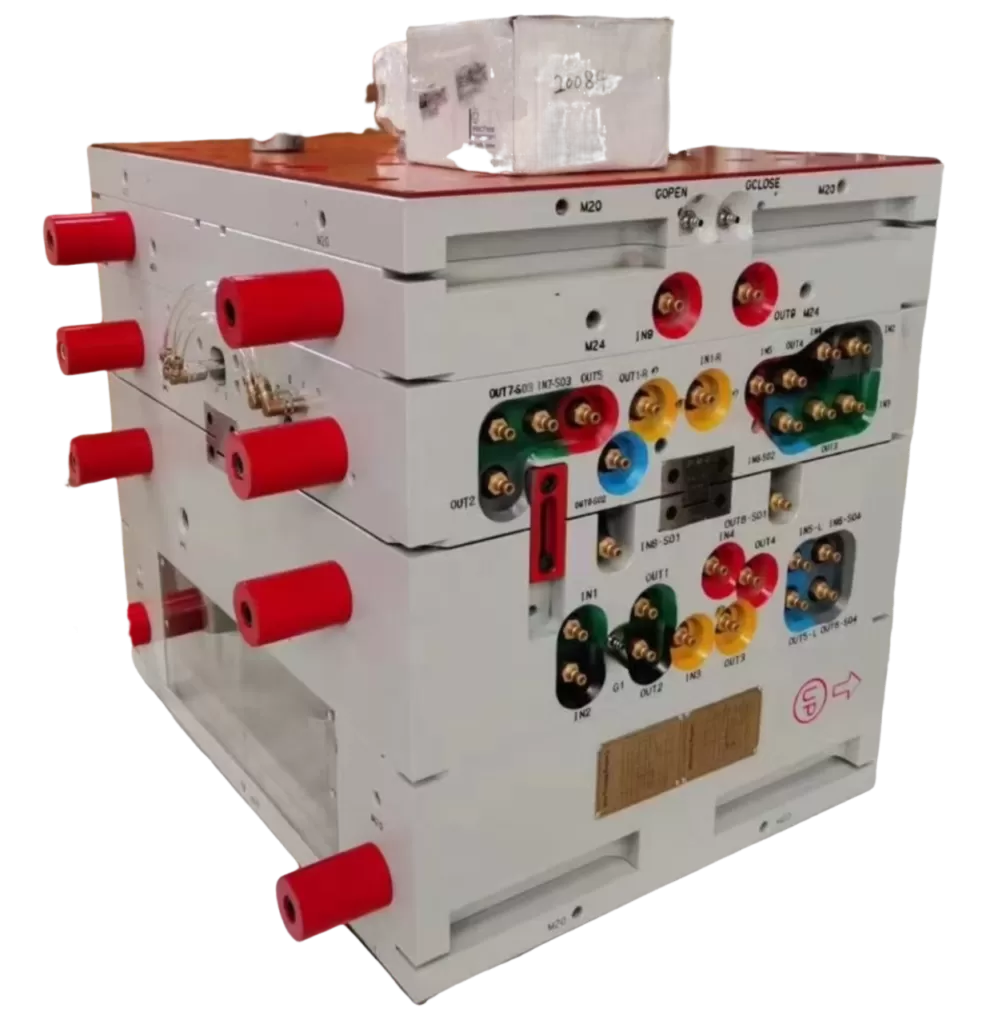
U heeft net een offerte voor gereedschap van 45.000 USD ontvangen van een spuitgietleverancier in China. De betalingsvoorwaarden zeggen 50% vooraf, 50% voor verzending. Geen mijlpaalstructuur, geen inspectiebehoud. Als er iets misgaat met de matrijs, heeft u geen enkele onderhandelingsmacht meer. Dit scenario speelt zich elke week af in onze industrie — en kost kopers jaarlijks miljoenen aan onherstelbare gereedschapskosten.
Betalingsvoorwaarden bij spuitgieten op maat zijn niet alleen een commercieel detail. Ze zijn uw belangrijkste instrument voor risicobeheer in het spuitgietproces. De betalingsstructuur bepaalt wie in elke fase de onderhandelingsmacht heeft en of u bij een slechte leverancier kunt vertrekken zonder uw hele investering te verliezen. Dit artikel behandelt gangbare betalingsstructuren, waarschuwingssignalen en onderhandelingsstrategieën die echt werken.
- Koppel betalingen altijd aan geverifieerde mijlpalen — betaal nooit 100% voor T1-monsters
- Standaard betaling gereedschap: 30–50% aanbetaling, restant na monster goedkeuring
- Een leverancier die volledige vooruitbetaling eist, geeft aan geen vertrouwen te hebben in zijn eigen levering
- Gebruik holds van derden voor inspectie om productiestadiumbetalingen te beschermen
- Betalingsvoorwaarden moeten de complexiteit van het project weerspiegelen, niet een one-size-fits-all sjabloon
Wat zijn standaard betalingsvoorwaarden voor spuitgietgereedschap?
Standaard betaling voor gereedschap is 30–50% aanbetaling bij bestelling, restant verschuldigd na T1-goedkeuring. De meeste leveranciers gebruiken een twee- of driedelige structuur om het risico tussen koper en maker te verdelen.
In de praktijk dekt de aanbetaling de inkoop van grondstoffen — matrijsbasis, staal, elektroden en hotrunnercomponenten. Het restbedrag wordt opeisbaar wanneer u bevestigt dat de spuitgietmatrijs onderdelen maakt die aan uw maat- en uiterlijke specificaties voldoen. Deze structuur bestaat omdat matrijsgereedschap maatwerk is: zodra het staal is verspaand, heeft de matrijs voor iemand anders vrijwel geen waarde. De leverancier heeft commitment nodig en u zekerheid.
Bij ZetarMold structureren we matrijsgereedschap doorgaans als 30% aanbetaling, 40% bij T1-bemonstering en 30% na goedkeuring van FAI1. Met meer dan 20 jaar ervaring in wereldwijde matrijsleveringen hebben we vastgesteld dat deze structuur kopers zinvolle controlemomenten geeft terwijl het project doorloopt. Een leverancier die 100% vooruitbetaling eist, moet direct argwaan wekken — wie vertrouwen heeft in zijn werk, moet een deel durven aanhouden totdat u het hebt geverifieerd.
Hoe beschermen mijlpaalbetalingen uw investering?
Mijlpaalbetalingen koppelen elke betaling aan een geverifieerd resultaat — T1-monsters2, CMM-rapporten of FAI-goedkeuring. Dit is het doeltreffendste middel om risico te beperken bij de inkoop van spuitgietmatrijzen op maat bij buitenlandse leveranciers.
Een goed gestructureerd mijlpaalplan voor spuitgietgereedschap omvat meestal deze controlepunten:
| Mijlpaal | Typische betaling | Verificatiemethode |
|---|---|---|
| Orderbevestiging en ontwerpbevriezing | 30% | Ondertekend DFM3-rapport en 3D-matrijsontwerp |
| Staalsnijden voltooid | 10–15% | Foto's van verspaande holtes en kernen |
| T1 monstername | 20–30% | Dimensionaal rapport en monsterverscheping |
| FAI-goedkeuring | 20–30% | Volledig inspectierapport, cosmetische goedkeuring |
| Verzending matrijs | Resterend saldo | Trackingsnummer of gegevens eerste productierun |
Cruciaal: keur nooit een mijlpaal alleen op het woord van de leverancier goed. Vraag per fase foto’s, CMM-data of inspectie door derden. Wanneer wij T1-monsters uit onze fabriek in Shanghai verzenden, voegen we volledige maatrapporten toe zodat de inkoper kan verifiëren vóór vrijgave van de volgende tranche.
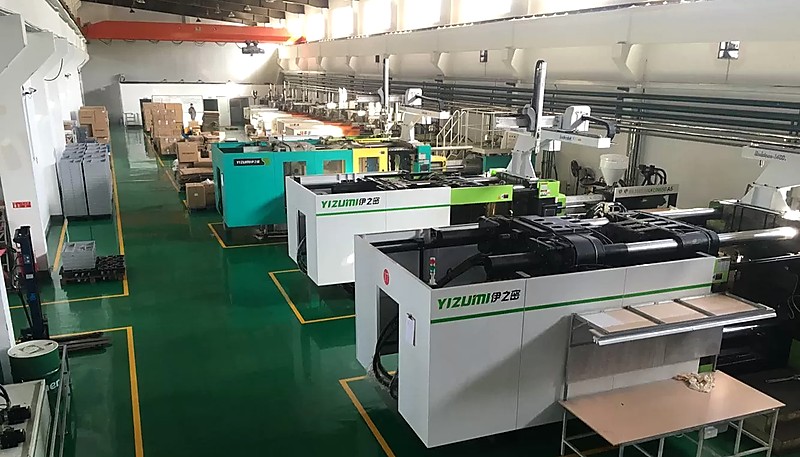
In de fabriek van ZetarMold in Shanghai gebruiken we 47 spuitgietmachines van 90T tot 1850T. Elk T1-monster dat we verzenden, wordt geleverd met een maatinspectierapport dat door onze 8 senior engineers is opgesteld. Onze 30+ Engelssprekende projectmanagers coördineren mijlpaalgoedkeuringen over tijdzones heen, zodat er geen onduidelijkheid bestaat over wat elke betalingsvrijgave activeert.
Op welke waarschuwingssignalen moet u letten in de betalingsvoorwaarden van een leverancier?
De grootste rode vlag is een leverancier die om 100% betaling vraagt vóór T1-monstername. Dit duidt op financiële problemen of een gebrek aan vertrouwen in hun eigen leveringscapaciteit.
Hier zijn de specifieke rode vlaggen die we kopers adviseren om op te letten:
100% vooruitbetaling vereist — hierdoor verliest u alle onderhandelingsmacht. Als de matrijs problemen heeft, bezit de leverancier uw geld al en heeft hij geen enkele financiële prikkel om die snel op te lossen.
Geen mijlpaalstructuur — een vaag ‘betaal nu 50% en later 50%’ zonder te bepalen wat elke betaling activeert, is in wezen hetzelfde als vooruitbetalen.
"Betalingen per mijlpaal moeten gekoppeld zijn aan verifieerbare resultaten zoals T1-monsters en FAI-rapporten."True
Elke betalingsvrijgave moet overeenkomen met een concrekt controlepunt — DFM-goedkeuring, foto's van staalsnijden, T1 dimensionale rapporten, of FAI-ondertekening. Deze structuur zorgt ervoor dat de leverancier voortgang moet aantonen voordat hij aanvullende fondsen ontvangt.
"Een leverancier die voor maatwerkmatrijzen 100% vooruitbetaling verlangt, volgt de gangbare praktijk in de sector."False
De standaardpraktijk is een aanbetaling van 30-50% met saldobetalingen op basis van mijlpalen. Het eisen van 100% vooraf elimineert de invloed van de koper en is een significante rode vlag die aangeeft dat de leverancier mogelijk geen vertrouwen heeft in zijn leveringscapaciteit.
Weigering van inspectie door een derde — als een leverancier geen inspecteur toelaat voordat u het restbedrag vrijgeeft, is dat een waarschuwingssignaal. Bonafide fabrieken verwelkomen inspectie omdat die beide partijen beschermt.
Betaling naar een privérekening — overschrijvingen naar privérekeningen in plaats van een bedrijfsrekening wijzen erop dat het bedrijf mogelijk geen geregistreerde fabriek is, waardoor u geen juridische verhaalsmogelijkheid hebt.
Voortdurende prijswijzigingen na de aanbetaling — sommige leveranciers offreren laag om de order te winnen en verhogen daarna de prijzen voor wijzigingen, materialen of ‘onverwachte complexiteit’. Een duidelijke scope en vasteprijsafspraak voorkomen dit.
Hoe moet u betalingen voor productieruns structureren?
Betalingen voor productieruns moeten een gefaseerde structuur volgen: 50/50 aanbetaling voor nieuwe leveranciers, overgaand naar Net 30 voorwaarden nadat de kwaliteit is bewezen. Het risico neemt in de loop van de tijd af omdat productieonderdelen herhaalbaar zijn en het matrijs is gevalideerd.
Voor uw eerste paar productieruns met een nieuwe leverancier, adviseren we deze gefaseerde aanpak:
Run 1–3: 50% aanbetaling, 50% na ingangscontrole in uw vestiging. Zo hebt u tijd om de kwaliteit te verifiëren vóór volledige betaling.
Run 4–6: ga over op 30% aanbetaling en 70% bij verzending met een inspectierapport van een derde. U beschikt inmiddels over basisgegevens voor de kwaliteit.
Run 7+: onderhandel over Net 30- of Net 60-voorwaarden zodra de leverancier bij meerdere runs een constante kwaliteit heeft aangetoond.
Eén les uit meer dan tien jaar spuitgietinkoopprojecten: sla bij de eerste drie runs nooit de ingangscontrole over, hoe goed de monsters er ook uitzagen. Productieconsistentie is een andere uitdaging dan monsterkwaliteit.
Welke betaalmethoden zijn het veiligst voor internationale matrijsbestellingen?
Een L/C is het veiligst voor grote matrijzen; T/T met mijlpaalblokkades werkt voor standaardbestellingen. De beste methode hangt af van je bestelwaarde en risicotolerantie. Elke betalingsoptie komt overeen met een ander projectomvang en vertrouwensniveau tussen koper en leverancier.
| Betaalmethode | Beste voor | Kopersbescherming | Typische kosten |
|---|---|---|---|
| Bankoverschrijving (T/T) | Bestellingen onder 20.000 USD | Laag — onomkeerbaar na verzending | 25–50 USD per overschrijving |
| Documentair krediet (L/C) | Gereedschap boven 20.000 USD | Hoog — de bank houdt fondsen aan totdat documenten levering bewijzen | 0,5–2% van de bestelwaarde |
| PayPal / creditcard | Prototypes onder 5.000 USD | Matig — chargeback mogelijk | 3–5% handelaarskosten |
| Escrowservice | Hoogwaardige gereedschappen met mijlpalen | Hoog — fondsen vrijgegeven per overeenkomst | 1–3% van orderwaarde |
De keuze tussen betaalmethoden hangt vaak af van de transactiegrootte en de relatievolwassenheid. Eerste orders profiteren van de extra zekerheid van een L/C of escrowservice, terwijl herhaalorders met een bewezen leverancier eenvoudiger T/T-structuren kunnen gebruiken. Sommige kopers splitsen het verschil door een L/C te gebruiken voor het toolingdeel en T/T voor productieruns, waardoor bankkosten op kleinere terugkerende betalingen worden verminderd terwijl sterke bescherming op de grotere upfront toolinginvestatie blijft.
Voor de meeste van onze overzeese kopers werkt T/T met mijlpaalblokkades goed omdat de betalingscontrolepunten zijn ingebouwd in de projecttijdlijn. Elke mijlpaal komt overeen met een fysiek leverbaar item dat je kunt verifiëren. Voor matrijsprojecten boven de 50.000 USD raden we kopers sterk aan om een L/C te overwegen. De bank zorgt ervoor dat fondsen alleen worden vrijgegeven wanneer verzenddocumenten en inspectiecertificaten worden overlegd. De extra 1 tot 2 procent kosten van een L/C is goedkope verzekering op een vijfcijferige matrijsinvestering, vooral wanneer je voor het eerst met een nieuwe leverancier werkt. Veel kopers die deze bescherming overslaan, geven uiteindelijk veel meer uit aan juridische kosten wanneer geschillen ontstaan.
Waarom vragen sommige leveranciers hogere aanbetalingen dan andere?
Leveranciers vragen hogere aanbetalingen wanneer de voorafgaande materiaalkosten substantieel zijn, niet omdat ze meer ervaren zijn. Een multi-cavitieten matrijs met H13-staal vereist 8.000 tot 15.000 USD in grondstoffen voordat de machining begint, wat het aanbetalingpercentage bepaalt.
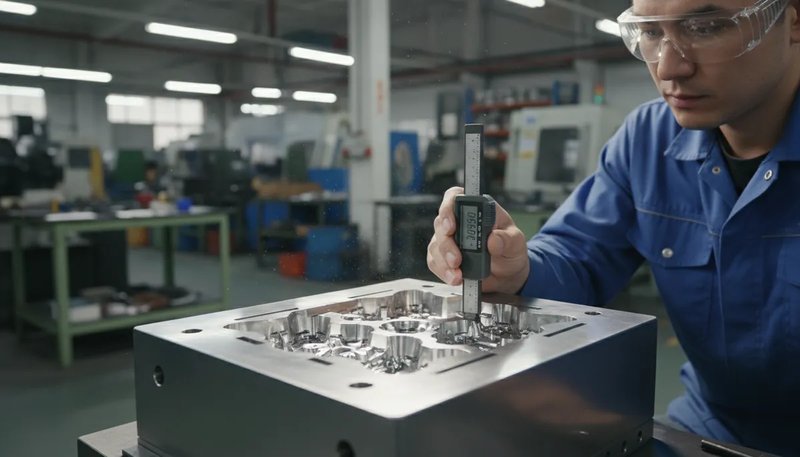
Wanneer een leverancier een mal quoteert, moeten ze de malbasis, cavity steel (P20, H13, of 718H), electrodes voor EDM-machining, en eventuele hot runner-componenten aanschaffen. Voor een multi-cavity mal met H13 steel en een hot runner systeem kunnen materiaalkosten alleen al 8.000 tot 15.000 USD bereiken voordat machining begint. Extra kosten omvatten guide pins, ejector pins, coolingkanalen, en oppervlaktebehandeling. Een 30% deposit op een 40.000 USD mal dekken deze materialen nauwelijks. In praktijk financiert de leverancier al een significant deel van uw project voordat ze hun eerste betaling van u ontvangen.
Dat gezegd, een aanbetaling boven 50 procent voor standaard gereedschap is ongewoon en waard om te bevragen. De leverancier moet kunnen uitleggen wat de aanbetaling precies omvat, opgesplitst in materialen, design engineering, CNC machining, EDM en assemblagefasen. Als ze deze breakdown niet kunnen geven, kan het getal opgehoogd zijn met marge in plaats van werkelijke kosten. Bij ZetarMold detaileren we de aanbetalingallocatie in elke gereedschap proposal zodat kopers precies weten waar hun geld gaat in elke fase van de matrijsbouwproces. Transparantie in aanbetalingstructuur is een sterke indicator van een betrouwbare productiepartner.
Begrijpen waarom aanbetalingen variëren tussen projecten helpt je te evalueren of een leverancier eerlijk prijst. De aanbetaling moet ongeveer overeenkomen met de materialen en initiële engineeringwerk die nodig zijn voor jouw specifieke matrijs. Als een eenvoudige enkelvoudige aluminium matrijs dezelfde 50 procent aanbetaling heeft als een complexe meervoudige stalen productiematrijs, verdient de prijsstructuur nader onderzoek voordat je je verbindt aan de bestelling.
"Betalingen via een Letter of Credit beschermen inkopers doordat de leverancier verzend- en inspectiedocumenten moet overleggen voordat middelen worden vrijgegeven."True
Een L/C is een door een bank gegarandeerd betaalmechanisme waarbij fondsen worden vastgehouden totdat de leverancier bewijs van verzending, inspectiecertificaten en andere overeengekomen documenten presenteert. Dit verschuift de leverage naar de koper tijdens de cruciale leveringsfase.
"Een hogere aanbetaling duidt altijd op een meer ervaren en betrouwbare leverancier."False
De aanbetaling weerspiegelt voorafgaande materiaalkosten en projectcomplexiteit, niet leveranciercapaciteit. Een leverancier die 70% vooraf vraagt voor een simpele single-cavitieten matrijs is overpriced of heeft cash-flowproblemen. Evalueer aanbetalingen tegen materiaalkosten, niet alleen leverancier reputatie.
Hoe onderhandelt u betere betalingsvoorwaarden zonder de leverancier te verliezen?
Bied de leverancier iets aan wat zij waarderen — volume-verplichtingen, snellere goedkeuringen of betaalde inspectie — in ruil voor betere betalingsvoorwaarden. Het doel is wederzijdse stimulans, niet afpersing.
Hieronder staan onderhandelingstactieken die in de praktijk echt werken:
Bied volumecommitment: als u zich aan twaalf maanden productie kunt verbinden, accepteren leveranciers vaak 20% in plaats van 30% aanbetaling voor gereedschap, omdat de productieomzet gegarandeerd is.
Snellere mijlpaalgoedkeuring: zeg toe T1-monsters binnen vijf werkdagen te beoordelen in plaats van de gebruikelijke 2–3 weken. Leveranciers hebben een hekel aan wachten op goedkeuring — snelheid bieden heeft voor hen echte waarde.
Inspectie door een derde die u betaalt: als u de inspectie inhuurt en betaalt, draagt de leverancier die kosten niet. Daardoor accepteert hij eerder dat betalingen tot na inspectie worden aangehouden.
Verwijs naar hun staat van dienst: als de leverancier meer dan 500 matrijzen heeft geleverd, moet hij genoeg vertrouwen hebben om mijlpaalinhoudingen te accepteren. Formuleer het zo: uw ervaring moet goedkeuring bij mijlpalen eenvoudig maken.
Begin klein en onderhandel daarna: plaats eerst een order voor een prototype- of matrijs met weinig holten. Onderhandel na het opbouwen van vertrouwen over betere voorwaarden voor het productiegereedschap.
Wat gebeurt er als een betalingsgeschil ontstaat?
De meeste betalingsgeschillen komen voort uit drie oorzaken: de matrijs voldoet niet aan de specificatie, levering is vertraagd of onverwachte kosten duiken op. Een schriftelijke gereedschapsovereenkomst is uw beste verdediging.
De beste verdediging is een contract — geen inkooporder, maar een echte gereedschapsovereenkomst die specificeert:
Maattoleranties en uiterlijke normen — zo mogelijk met referentiemonsters, zodat beide partijen hetzelfde beeld hebben van wat aanvaardbaar is.
Verwachte matrijslevensduur — doorgaans 100K–1M+ shots, afhankelijk van de staalsoort. Leg dit vooraf vast, zodat de leverancier voortijdige slijtage niet normaal kan noemen.
Wijzigingsbeleid — wie betaalt wijzigingen wanneer het onderdeel door problemen met het matrijsontwerp dan wel het onderdeelontwerp niet aan de specificatie voldoet.
Maximale doorlooptijd — met boetebepalingen voor vertragingen van meer dan 15–20% ten opzichte van de overeengekomen planning.
Mechanisme voor geschillenbeslechting — bemiddeling, arbitragebevoegdheid of escrowvoorwaarden om meningsverschillen zonder rechtszaak af te handelen.
In onze fabriek voorkomen we de meeste geschillen voordat ze beginnen door een volledige DFM-beoordeling uit te voeren voordat er staal wordt gestoken. Als onze ingenieurs een risico signaleren — wanddikteproblemen, complexiteit van ondervormingen of koeluitdagingen — geven we dit van tevoren aan. Onze 8 senior ingenieurs en 30+ Engelssprekende projectmanagers zorgen ervoor dat de specificatie vastligt voordat de bewerking begint. Dit elimineert de meest voorkomende oorzaak van betalingsgeschillen: niet-overeenkomende verwachtingen tussen wat de koper verwachtte en wat de matrijs produceert.
Veelgestelde vragen over spuitgietbetalingsvoorwaarden
Veelgestelde vragen
Wat is een normale aanbetaling voor een spuitgietmatrijs?
Een normale aanbetaling voor aangepaste spuitgietmatrijs gereedschap is 30 tot 50 procent van de totale matrijs prijs, die grondstoffen zoals matrijsbasis, staal en elektroden dekt. Het resterende saldo wordt betaald na T1-monster goedkeuring of FAI-ondertekening. Aanbetalingen boven de 50 procent moeten worden betwijfeld, tenzij de matrijs gespecialiseerde materialen zoals H13-staal of complexe hot runner systemen gebruikt die aanzienlijk hogere voorafgaande materiaalkosten met zich meebrengen. De aanbetaling vertegenwoordigt uw inzet voor het project, terwijl de restbetaling uw hefboom is om een kwaliteitslevering te garanderen.
Kun je betalingsvoorwaarden met spuitgietleveranciers onderhandelen?
Ja, betalingsvoorwaarden zijn altijd onderhandelbaar met spuitgietleveranciers. Effectieve onderhandelingspositie omvat het toezeggen van een productievolume van 12 maanden, het aanbieden van snellere mijlpaalgoedkeuringen binnen 5 werkdagen na ontvangst van monsters, en het vrijwillig betalen voor inspectiediensten door derden. Leveranciers met een bewezen staat van dienst en gezonde cashflow zijn over het algemeen flexibeler qua betalingsvoorwaarden. Beginnen met een kleiner pilotmalproject voordat je je vastlegt op volledige productietooling versterkt ook je onderhandelingspositie door wederzijds vertrouwen op te bouwen en je betrouwbaarheid als langetermijnklant te tonen.
Wat is het verschil tussen T/T- en L/C-betaling voor matrijsbestellingen?
T/T (overschrijving) is een directe betaalmethode zonder bank als tussenpersoon. Het is snel en goedkoop, maar biedt geen kopersbescherming nadat de fondsen zijn verzonden. L/C (Lettter of Credit) houdt een bank in die fondsen in bewaring houdt totdat de leverancier verzenddocumenten en inspectiecertificaten overlegt die levering bewijzen. L/C kost doorgaans 0,5 tot 2 procent van de orderwaarde, maar biedt aanzienlijk sterkere kopersbescherming voor gereedschapsbestellingen boven 20.000 USD. Voor kleinere orders is T/T met mijlpaalhouders meestal voldoende en praktischer voor beide partijen.
Moet ik de volledige matrijs prijs betalen voordat ik monsters ontvang?
Nee, u zou niet de volledige matrijs prijs moeten betalen voordat u monsters ontvangt. Het betalen van 100 procent voor T1-monsters elimineert al uw hefboomwerking als de matrijs gebreken, dimensionale problemen of cosmetische problemen heeft. Standaard industriële praktijk is om ten minste 30 tot 50 procent van de gereedschapskosten aan te houden totdat u eerste-artikel monsters heeft geïnspecteerd en bevestigd dat ze aan uw specificaties voldoen. Elke leverancier die aandringt op volledige vooruitbetaling voordat monsters worden geproduceerd, is een belangrijke rode vlag die aanvullende zorgvuldigheid vereist voordat u uw middelen aan die specifieke leverancier toewijst.
Hoe werken mijlpaalbetalingen bij spuitgieten?
Bij mijlpaalbetalingen worden middelen vrijgegeven in vastgelegde projectfasen in plaats van via één vooruitbetaling. Een gebruikelijke structuur is 30 procent bij orderbevestiging, 10 tot 15 procent na het verspanen van het staal, 20 tot 30 procent bij T1-bemonstering en het restant na FAI-goedkeuring. Elke mijlpaal moet gekoppeld zijn aan een verifieerbaar resultaat, zoals DFM-rapporten, bewerkingsfoto’s, maatgegevens of inspectiecertificaten, en niet alleen aan een mondelinge bevestiging van de leverancier. Deze structuur houdt beide partijen verantwoordelijk gedurende het volledige matrijsbouwproces.
Welke betalingsvoorwaarden zijn standaard voor productieruns?
Voor eerste productieruns met een nieuwe leverancier moet je rekenen op een aanbetaling van 50 procent, met de resterende 50 procent verschuldigd na binnenkomende QC-inspectie op jouw locatie. Na 3 tot 6 succesvolle runs met consistente kwaliteitsgegevens bieden leveranciers doorgaans Netto 30 betalingsvoorwaarden. Gevestigde relaties met een bewezen betalingsgeschiedenis kunnen tot Netto 60 voorwaarden worden uitgebreid. Productiebetalingen brengen een lager financieel risico met zich mee dan toolingbetalingen omdat de mal al gevalideerd is, onderdelen reproduceerbaar zijn en kwaliteitsverwachtingen zijn vastgesteld via eerdere productieruns met gedocumenteerde inspectieresultaten.
Wat moet er in een toolingovereenkomst staan om betalingsvoorwaarden te beschermen?
Een uitgebreide gereedschapsovereenkomst moet dimensionale toleranties en cosmetische normen specificeren, de verwachte levensduur van de matrijs in shots, verantwoordelijkheid voor aanpassingen, maximale levertijd met vertragingsboetes, betalingsmomenten met verificatiemethoden, en geschillenbeslechtingstermen inclusief arbitragejurisdictie. Zonder deze details schriftelijk vastgelegd, wordt elke betalingsonenigheid een kwestie van mondelinge interpretatie met beperkte juridische mogelijkheden voor de koper. De overeenkomst moet ook duidelijk definiëren wat aanvaardbare T1-monsters zijn en het specifieke proces voor het goedkeuren of afwijzen ervan voordat de resterende betaling verschuldigd wordt.
Laatste gedachten: Bescherm uw investering in gereedschappen
Snelle regel voor betalingsvoorwaarden bij spuitgieten: betaal nooit meer dan 50% voordat je onderdelen van de daadwerkelijke mal hebt gezien en gemeten. Structureer je betalingen rond mijlpalen, koppel elke vrijgave aan een verifieerbare oplevering en stap weg bij elke leverancier die niet akkoord gaat met inspectievoorwaarden.
Bij ZetarMold hebben we meer dan 20 jaar vertrouwen opgebouwd met buitenlandse kopers door transparante mijlpaalstructuren, gedetailleerde inspectierapporten in elke fase en een team van 30+ Engelssprekende projectmanagers die de communicatie duidelijk houden. Of u nu uw eerste prototype-matrijs bestelt of opschaalt naar productievolumes, wij structureren betalingen zodat beide partijen belang hebben bij succes.
Klaar om uw malproject te bespreken met transparante betalingsvoorwaarden? Vraag een Gratis Offerte aan en laat ons technisch team uw onderdeelontwerp beoordelen — zonder verplichtingen.
FAI: First Article Inspection (FAI) is een formeel kwaliteitsverificatieproces dat de eerste productieonderdelen aan de hand van maatmetingen, materiaaltests en visuele inspectie vergelijkt met de engineeringspecificaties. ↩
T1-monsters: T1-monsters zijn de eerste onderdelen die met een voltooide spuitgietmatrijs worden gemaakt; ze dienen om maatnauwkeurigheid, oppervlakteafwerking en de algemene matrijsprestaties te verifiëren voordat het gereedschap voor productie wordt goedgekeurd. ↩
DFM: Design for Manufacturability (DFM) is een engineeringbeoordeling die een onderdeelontwerp op produceerbaarheid toetst en vóór de matrijsbouw mogelijke problemen zoals variërende wanddikte, ondersnijdingen of onvoldoende lossingshoeken vaststelt. ↩