Acabou de receber um orçamento de ferramentaria de 45.000 USD de um fornecedor de moldação por injeção na China. As condições de pagamento indicam 50% antecipado, 50% antes do envio. Sem estrutura de marcos, sem retenção para inspeção. Se algo correr mal com o molde, não tem qualquer alavancagem restante. Este cenário repete-se todas as semanas na nossa indústria — e custa aos compradores milhões em despesas de ferramentaria irrecuperáveis todos os anos.
As condições de pagamento na moldagem por injeção personalizada não são apenas um detalhe comercial. Eles são a sua principal ferramenta de gerenciamento de riscos para o processo de moldagem por injeção. A estrutura dos seus pagamentos determina quem detém a alavancagem em cada fase e se você pode abandonar um fornecedor ruim sem perder todo o seu investimento. Este artigo analisa estruturas de pagamento padrão, sinais de alerta e estratégias de negociação que realmente funcionam.
- Associe sempre os pagamentos a marcos verificados — nunca pague 100% antes das amostras T1
- Pagamento padrão de ferramentaria: entrada de 30–50%, saldo após aprovação da amostra
- Um fornecedor que exige o pagamento integral antecipado está a indicar que não confia na sua própria capacidade de entrega
- Utilize retenções de inspeção por terceiros para proteger os pagamentos da fase de produção
- Os termos de pagamento devem refletir a complexidade do projeto, não um modelo único
Quais São os Termos de Pagamento Padrão para Ferramentas de Moldagem por Injeção?
O pagamento padrão para ferramentas é um depósito de 30–50% na encomenda, saldo devido após aprovação T1. A maioria dos fornecedores usa uma estrutura de duas ou três parcelas para dividir o risco entre comprador e fabricante.
Na prática, o depósito cobre a aquisição de matéria-prima – base de molde, aço, eletrodos e componentes de câmara quente. O pagamento do saldo é acionado quando você confirma que o molde produz peças que atendem às suas especificações dimensionais e cosméticas. Essa estrutura existe porque as ferramentas do molde de injeção são personalizadas – uma vez que o aço é cortado, o molde tem valor próximo de zero para qualquer outro. O fornecedor precisa de compromisso e você precisa de garantia.
Na ZetarMold, normalmente estruturamos as ferramentas como depósito de 30%, 40% na amostragem T1 e 30% após a aprovação FAI1. Com mais de 20 anos de experiência no envio de moldes em todo o mundo, descobrimos que essa estrutura oferece aos compradores pontos de verificação significativos, ao mesmo tempo que mantém o projeto em andamento. Um fornecedor que pressiona 100% antecipadamente deve levantar preocupação imediata – se estiver confiante em seu trabalho, deverá se sentir confortável em segurar uma parte até que você verifique.
Como é que os Pagamentos por Marcos Protegem o Seu Investimento?
Os pagamentos Milestone funcionam vinculando cada pagamento a um resultado verificado – amostras T12, relatórios CMM ou aprovação FAI. Esta é a ferramenta de redução de risco mais eficaz disponível ao adquirir moldes de injeção personalizados de fornecedores estrangeiros.
Um plano de etapas bem estruturado para ferramentas de moldagem por injeção geralmente inclui estes pontos de verificação:
| Marco | Pagamento Típico | Método de Verificação |
|---|---|---|
| Confirmação da encomenda e congelamento do design | 30% | Relatório DFM3 assinado e projeto de molde 3D |
| Corte do aço concluído | 10–15% | Fotos de cavidades e núcleos usinados |
| Amostragem T1 | 20–30% | Relatório dimensional e envio de amostra |
| Aprovação FAI | 20–30% | Relatório completo de inspeção, aprovação estética |
| Envio do molde | Saldo remanescente | Número de rastreio ou dados da primeira série de produção |
O ponto crítico: nunca aprove um marco apenas com base na palavra do fornecedor. Solicite fotografias, dados CMM ou uma inspeção por terceiros em cada fase. Quando enviamos amostras T1 da nossa fábrica de Xangai, incluímos relatórios dimensionais completos para que o comprador possa verificar os resultados antes de libertar a tranche seguinte.
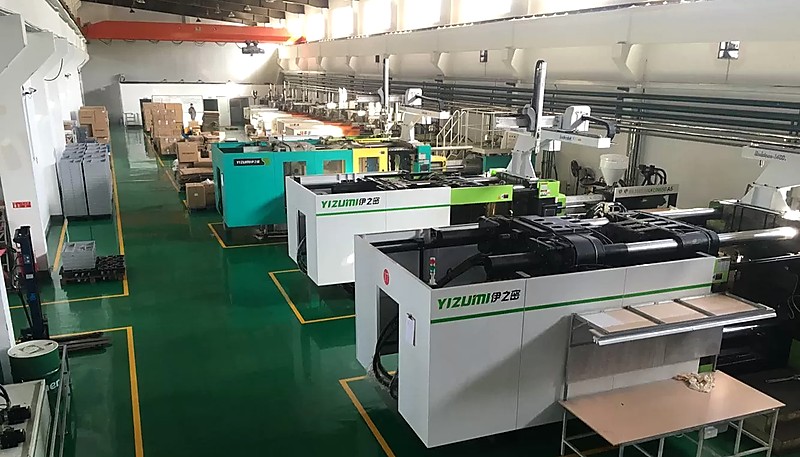
Na fábrica da ZetarMold em Xangai, operamos 47 máquinas de moldagem por injeção de 90T a 1850T. Todas as amostras T1 que enviamos são acompanhadas por um relatório de inspeção dimensional elaborado pelos nossos 8 engenheiros seniores. Os nossos mais de 30 gestores de projeto que falam inglês coordenam a aprovação dos marcos entre fusos horários, pelo que não existe qualquer ambiguidade sobre o que desencadeia a libertação de cada pagamento.
Que sinais de alerta deve procurar nas condições de pagamento de um fornecedor?
O maior sinal de alerta é um fornecedor pedir pagamento de 100% antes da amostragem T1. Isto indica dificuldades financeiras ou falta de confiança na sua própria capacidade de entrega.
Aqui estão os sinais de alerta específicos que dizemos aos compradores para estarem atentos:
É necessário pagamento antecipado de 100% — Isso elimina toda a sua alavancagem. Se o molde apresentar problemas, o fornecedor já tem seu dinheiro e nenhum incentivo financeiro para consertá-los rapidamente.
Sem estrutura de marcos – Um vago “pague 50% agora, 50% depois” sem definir o que desencadeia cada pagamento é essencialmente o mesmo que pagar adiantado.
"Os pagamentos por etapas devem estar associados a entregáveis verificáveis, como amostras T1 e relatórios FAI."True
Cada libertação de pagamento deve corresponder a um ponto de verificação concreto — aprovação de DFM, fotos do corte do aço, relatórios dimensionais T1 ou aprovação de FAI. Esta estrutura garante que o fornecedor deve demonstrar progresso antes de receber fundos adicionais.
"É prática normal do setor um fornecedor exigir o pagamento antecipado de 100% de um molde personalizado."False
A prática padrão é um depósito de 30-50% com pagamentos do saldo baseados em marcos. Exigir 100% antecipadamente elimina o poder de negociação do comprador e é um sinal de alerta significativo que indica que o fornecedor pode não ter confiança na sua capacidade de entrega.
Recusa em permitir inspeção de terceiros – Se um fornecedor não permitir que você envie um fiscal antes de liberar o saldo, isso é um sinal de alerta. As fábricas legítimas acolhem bem a inspeção porque protege ambas as partes.
Pagamento para uma conta pessoal — As transferências eletrônicas para contas pessoais, em vez de uma conta corporativa, sugerem que a operação pode não ser uma fábrica registrada, deixando você sem recurso legal.
Mudanças constantes de preço após o depósito - Alguns fornecedores fazem cotações baixas para ganhar o pedido e, em seguida, inflacionam os preços para modificações, materiais ou “complexidade inesperada”. Um escopo claro e um acordo de preço fixo evitam isso.
Como Deve Estruturar os Pagamentos da Série de Produção?
Os pagamentos da série de produção devem seguir uma estrutura faseada: depósito 50/50 para novos fornecedores, transitando para termos Net 30 após a qualidade ser comprovada. O risco diminui ao longo do tempo porque as peças de produção são repetíveis e o molde foi validado.
Para as suas primeiras séries de produção com um novo fornecedor, recomendamos esta abordagem faseada:
Execução 1–3: depósito de 50%, 50% após inspeção de entrada em suas instalações. Isso lhe dá tempo para verificar a qualidade antes do pagamento integral.
Execução 4–6: Mudança para depósito de 30%, 70% no envio com relatório de inspeção de terceiros. Agora você tem dados básicos de qualidade.
Execução 7+: negocie os termos Net 30 ou Net 60 assim que o fornecedor demonstrar qualidade consistente em várias execuções.
Uma coisa que aprendemos ao executar projetos de fornecimento de moldagem por injeção por mais de uma década: nunca pule a inspeção de entrada nas três primeiras execuções, não importa quão boas sejam as amostras. A consistência da produção é um desafio separado da qualidade da amostra.
Quais Métodos de Pagamento São Mais Seguros para Encomendas Internacionais de Moldes?
Um L/C é o mais seguro para ferramentas de grande dimensão; T/T com retenção por marcos funciona para pedidos padrão. O melhor método depende do valor do seu pedido e da sua tolerância ao risco. Cada opção de pagamento corresponde a um tamanho de projeto diferente e a um nível de confiança entre comprador e fornecedor.
| Método de Pagamento | Melhor para | Proteção do Comprador | Custo típico |
|---|---|---|---|
| Transferência Bancária (T/T) | Pedidos abaixo de 20.000 USD | Baixo — irreversível uma vez enviado | 25–50 USD por transferência |
| Carta de Crédito (L/C) | Ferramentas acima de 20.000 USD | Alto — o banco retém os fundos até que os documentos comprovem a entrega | 0,5–2% do valor do pedido |
| PayPal / Cartão de Crédito | Protótipos abaixo de 5.000 USD | Moderado — é possível contestar a transação | Taxa comercial 3–5% |
| Serviço de Conta de Garantia (Escrow) | Ferramentas de alto valor com marcos | Elevado — fundos libertados conforme acordo | 1–3% do valor do pedido |
A escolha entre métodos de pagamento muitas vezes resume-se ao tamanho da transação e à maturidade da relação. Encomendas pela primeira vez beneficiam da segurança adicional de um L/C ou serviço de depósito em garantia, enquanto encomendas repetidas com um fornecedor comprovado podem usar estruturas T/T mais simples. Alguns compradores dividem a diferença usando um L/C para a parte da ferramentaria e T/T para as séries de produção, reduzindo as taxas bancárias em pagamentos recorrentes menores enquanto mantêm uma forte proteção no maior investimento inicial em ferramentaria.
Para a maioria dos nossos compradores internacionais, T/T com retenções por marco funciona bem porque os pontos de verificação de pagamento estão integrados na linha temporal do projeto. Cada marco corresponde a um entregável físico que pode verificar. Para projetos de ferramentaria que excedam 50.000 USD, recomendamos vivamente que os compradores considerem um L/C. O banco garante que os fundos só são libertados quando os documentos de embarque e os certificados de inspeção são apresentados. O custo extra de 1 a 2 por cento de um L/C é um seguro barato num investimento de molde de cinco dígitos, especialmente quando se trabalha com um novo fornecedor pela primeira vez. Muitos compradores que dispensam esta proteção acabam por gastar muito mais em honorários legais quando surgem disputas.
Por Que é que Alguns Fornecedores Exigem Entradas Mais Elevadas do que Outros?
Os fornecedores exigem depósitos mais elevados quando os custos iniciais dos materiais são substanciais, não por serem mais experientes. Um molde multi-cavidade com aço H13 precisa de 8.000 a 15.000 USD em matérias-primas antes de começar a usinagem, o que impulsiona a percentagem do depósito.
Quando um fornecedor cotiza um molde, precisa de adquirir a base do molde, o aço da cavidade (P20, H13 ou 718H), os eletrodos para usinagem por EDM e quaisquer componentes do sistema de canais quentes. Para um molde de múltiplas cavidades com aço H13 e um sistema de canais quentes, apenas os custos dos materiais podem atingir 8.000 a 15.000 USD antes de qualquer usinagem começar. Despesas adicionais incluem pinos guia, pinos ejetores, canais de refrigeração e tratamento de superfície. Um depósito de 30 por cento num molde de 40.000 USD mal cobre estes materiais. Na prática, o fornecedor já está a financiar uma parte significativa do seu projeto antes de receber o seu primeiro pagamento.
Dito isto, um depósito acima de 50 por cento para ferramentas padrão é invulgar e merece ser questionado. O fornecedor deve ser capaz de explicar exatamente o que o depósito cobre, decompondo-o em fases de materiais, engenharia de design, usinagem CNC, EDM e montagem. Se não conseguir fornecer esta discriminação, o valor pode estar inflacionado com margem em vez de refletir os custos reais. Na ZetarMold, detalhamos a alocação do depósito em cada proposta de ferramenta para que os compradores entendam exatamente para onde vai o seu dinheiro em cada fase do processo de construção do molde. A transparência na estrutura do depósito é um forte indicador de um parceiro de fabrico fiável.
Compreender porque é que os depósitos variam entre projetos ajuda-o a avaliar se um fornecedor está a cotar de forma justa. O depósito deve corresponder aproximadamente aos materiais e ao trabalho de engenharia inicial necessários para o seu molde específico. Se um molde simples de alumínio de cavidade única tiver o mesmo depósito de 50 por cento que um molde de produção complexo de aço de múltiplas cavidades, a estrutura de preços merece um escrutínio mais detalhado antes de se comprometer com a encomenda.
"Os pagamentos por carta de crédito protegem os compradores, exigindo que o fornecedor apresente os documentos de transporte e inspeção antes de os fundos serem libertados."True
Um L/C é um mecanismo de pagamento garantido por um banco, em que os fundos são retidos até que o fornecedor apresente prova de expedição, certificados de inspeção e outros documentos acordados. Isto transfere a alavancagem para o comprador durante a fase crítica de entrega.
"Um adiantamento mais elevado indica sempre um fornecedor mais experiente e fiável."False
O tamanho do depósito reflete os custos de materiais antecipados e a complexidade do projeto, não a capacidade do fornecedor. Um fornecedor que exija 70% antecipadamente para um molde de cavidade única simples está ou a cobrar a mais ou com restrições de fluxo de caixa. Avalie os depósitos em relação aos custos dos materiais, não apenas à reputação do fornecedor.
Como Negociar Melhores Termos de Pagamento Sem Perder o Fornecedor?
Ofereça ao fornecedor algo que ele valorize — compromissos de volume, aprovações mais rápidas ou inspeção paga — em troca de melhores termos de pagamento. O objetivo é incentivo mútuo, não espremer.
Aqui estão táticas de negociação que realmente funcionam na prática:
Ofereça compromisso de volume: se você puder se comprometer com 12 meses de produção, os fornecedores geralmente aceitarão um depósito de 20% em vez de 30% em ferramentas porque a receita de produção é garantida.
Aprovações de marcos mais rápidas: Comprometa-se a revisar amostras T1 dentro de cinco dias úteis, em vez das típicas duas a três semanas. Os fornecedores odeiam esperar pela aprovação – oferecer velocidade tem um valor real para eles.
Inspeção de terceiros pela qual você paga: Quando você contrata e paga pela inspeção, o fornecedor não arca com esse custo. Isso os torna mais dispostos a aceitar retenções de inspeção nos pagamentos.
Consulte seu histórico: se o fornecedor tiver enviado mais de 500 moldes, ele deverá estar confiante o suficiente para aceitar retenções de marcos. Enquadre-o como: sua experiência deve facilitar as aprovações de marcos.
Comece pequeno e depois negocie: primeiro faça um pedido de protótipo ou molde de baixa cavidade. Uma vez estabelecida a confiança, negocie melhores condições para as ferramentas de produção.
O Que Acontece Quando Surge uma Disputa de Pagamento?
A maioria dos litígios de pagamento resulta de três causas: o molde não cumpre as especificações, o atraso na entrega ou o aparecimento de encargos inesperados. Um acordo escrito de ferramentaria é a sua melhor defesa.
A melhor defesa é um contrato — não uma ordem de compra, mas um acordo real de ferramental que especifique:
Tolerâncias dimensionais e padrões cosméticos — com amostras de referência, se possível, para que ambos os lados concordem sobre o que é aceitável.
Expectativa de vida útil do molde — normalmente de 100 mil a 1 milhão de tiros, dependendo do tipo de aço. Defina isso antecipadamente para que o fornecedor não possa alegar que o desgaste prematuro é normal.
Política de modificação — quem paga pelas alterações se a peça não atender às especificações devido a problemas de projeto do molde versus problemas de projeto da peça.
Prazo máximo de entrega — com cláusulas de penalidade para atrasos superiores a 15–20% do cronograma acordado.
Mecanismo de resolução de disputas – mediação, jurisdição de arbitragem ou termos de garantia para lidar com divergências sem ir a tribunal.
Na nossa fábrica, prevenimos a maioria das disputas antes de começarem, realizando uma revisão completa de DFM antes de qualquer corte de aço. Se os nossos engenheiros detetarem um risco — problemas de espessura da parede, complexidade de subcorte ou desafios de arrefecimento — sinalizamo-lo antecipadamente. Os nossos 8 engenheiros seniores e mais de 30 gestores de projeto anglófonos garantem que a especificação está bloqueada antes de começar a maquinagem. Isto elimina a causa mais comum de disputas de pagamento: expectativas desencontradas entre o que o comprador esperava e o que o molde produz.
Perguntas Frequentes Sobre Termos de Pagamento em Moldagem por Injeção
Perguntas mais frequentes
Qual é um depósito normal para um molde de injeção?
Um depósito normal para ferramental de molde por injeção personalizado é de 30 a 50 por cento do preço total do molde, cobrindo matérias-primas como base do molde, aço e elétrodos. O saldo restante é pago após aprovação da amostra T1 ou assinatura da FAI. Depósitos acima de 50 por cento devem ser questionados, a menos que o molde utilize materiais especializados como aço H13 ou sistemas complexos de hot runner que impliquem custos de materiais inicialmente significativamente mais elevados. O depósito representa o seu compromisso com o projeto, enquanto o pagamento do saldo é a sua alavanca para garantir uma entrega de qualidade.
Pode negociar termos de pagamento com fornecedores de moldagem por injeção?
Sim, os termos de pagamento são sempre negociáveis com fornecedores de moldagem por injeção. Alavancagem de negociação eficaz inclui comprometer-se com um volume de produção de 12 meses, oferecer aprovações de marcos mais rápidas dentro de 5 dias úteis após receber amostras e oferecer-se para pagar serviços de inspeção de terceiros. Fornecedores com histórico comprovado e fluxo de caixa saudável são geralmente mais flexíveis nos termos de pagamento. Começar com um projeto de molde piloto menor antes de comprometer-se com a ferramentaria de produção completa também fortalece a sua posição de negociação, construindo confiança mútua e demonstrando a sua fiabilidade como cliente de longo prazo.
Qual é a diferença entre pagamento T/T e L/C para encomendas de moldes?
T/T (transferência bancária) é um método de pagamento direto sem intermediário bancário. É rápido e barato, mas não oferece proteção ao comprador após o envio dos fundos. L/C (Carta de Crédito) envolve um banco que mantém os fundos em custódia até o fornecedor apresentar documentos de envio e certificados de inspeção que comprovem a entrega. L/C custa tipicamente 0,5 a 2% do valor do pedido, mas oferece proteção significativamente mais forte ao comprador para encomendas de ferramentaria acima de 20.000 USD. Para encomendas menores, T/T com retenções por marcos é geralmente suficiente e mais prático para ambas as partes.
Devo pagar o preço total do molde antes de receber amostras?
Não, não deve pagar o preço total do molde antes de receber amostras. Pagar 100% antes da amostragem T1 elimina toda a sua alavancagem se o molde tiver defeitos, problemas dimensionais ou problemas cosméticos. A prática padrão da indústria é reter pelo menos 30 a 50% do custo da ferramentaria até ter inspecionado as amostras de primeiro artigo e confirmado que cumprem as suas especificações. Qualquer fornecedor que insista no pré-pagamento total antes de produzir amostras é um sinal de alerta significativo que justifica diligência adicional antes de comprometer os seus fundos com esse fornecedor específico.
Como funcionam os pagamentos por etapas para moldação por injeção?
Os pagamentos por etapas libertam fundos em fases definidas do projeto, em vez de num único pagamento antecipado. Uma estrutura típica prevê 30 por cento na confirmação da encomenda, 10 a 15 por cento após o corte do aço, 20 a 30 por cento na amostragem T1 e o saldo remanescente após a aprovação FAI. Cada etapa deve estar associada a um elemento verificável, como relatórios DFM, fotografias da maquinagem, dados dimensionais ou certificados de inspeção, em vez de depender apenas da confirmação verbal do fornecedor. Esta estrutura responsabiliza ambas as partes durante todo o processo de construção do molde, do início ao fim.
Quais são os termos de pagamento padrão para séries de produção?
Para corridas de produção iniciais com um novo fornecedor, espere pagar um depósito de 50% com os restantes 50% devidos após inspeção de QC à receção nas suas instalações. Após 3 a 6 corridas bem-sucedidas com dados de qualidade consistentes, os fornecedores normalmente oferecem termos de pagamento Net 30. Relações estabelecidas com um histórico de pagamento comprovado podem estender-se a termos Net 60. Os pagamentos de produção têm menor risco financeiro do que os pagamentos de ferramentaria porque o molde já está validado, as peças são repetíveis e as expectativas de qualidade foram estabelecidas através de corridas de produção anteriores com resultados de inspeção documentados.
O que deve constar num acordo de ferramentaria para proteger os termos de pagamento?
Um acordo de ferramentaria abrangente deve especificar tolerâncias dimensionais e padrões cosméticos, expectativa de vida útil do molde em tiragens, responsabilidade de modificação, prazo de entrega máximo com penalizações por atraso, gatilhos de pagamento por marcos com métodos de verificação e termos de resolução de disputas, incluindo jurisdição de arbitragem. Sem estes detalhes documentados por escrito, qualquer desacordo sobre pagamento torna-se uma questão de interpretação verbal com recurso legal limitado para o comprador. O acordo também deve definir claramente o que constitui amostras T1 aceitáveis e o processo específico para aprová-las ou rejeitá-las antes de o saldo do pagamento se tornar devido.
Considerações Finais: Proteja o Seu Investimento em Ferramentas
Regra rápida para termos de pagamento em moldagem por injeção: nunca pague mais de 50% antes de ter visto e medido peças do molde real. Estruture os seus pagamentos em torno de marcos, vincule cada libertação a um entregável verificável e afaste-se de qualquer fornecedor que não concorde com retenções para inspeção.
Na ZetarMold, passámos mais de 20 anos a construir confiança com compradores estrangeiros através de estruturas transparentes de etapas, relatórios de inspeção detalhados em cada fase e uma equipa de mais de 30 gestores de projeto anglófonos que mantêm a comunicação clara. Quer esteja a encomendar o seu primeiro molde de protótipo ou a escalar para volumes de produção, estruturamos os pagamentos para que ambas as partes tenham algo em jogo.
Pronto para discutir o seu projeto de molde com termos de pagamento transparentes? Obtenha um Orçamento Gratuito e deixe a nossa equipa de engenharia analisar o design da sua peça — sem compromisso necessário.
FAI: A Inspeção do Primeiro Artigo (FAI) é um processo formal de verificação de qualidade que compara as primeiras peças de produção com as especificações de engenharia usando medição dimensional, teste de material e inspeção visual. ↩
Amostras T1: As amostras T1 referem-se às amostras t1 (Teste 1) referem-se ao primeiro conjunto de peças produzidas a partir de um molde de injeção completo, usado para verificar a precisão dimensional, o acabamento superficial e o desempenho geral do molde antes de aprovar a ferramenta para produção. ↩
DFM: Design for Manufacturability (DFM) é um processo de revisão de engenharia que avalia um projeto de peça quanto à viabilidade de produção, identificando problemas potenciais como variação de espessura de parede, cortes inferiores ou ângulos de inclinação inadequados antes do início da construção do molde. ↩