Sie haben gerade ein Werkzeugbau-Angebot über 45.000 USD von einem Spritzguss-Lieferanten in China erhalten. Die Zahlungsbedingungen lauten: 50% im Voraus, 50% vor dem Versand. Keine Meilensteinstruktur, keine Inspektionssperre. Wenn etwas mit dem Werkzeug schiefgeht, haben Sie keinerlei Hebelwirkung mehr. Dieses Szenario spielt sich jede Woche in unserer Branche ab – und kostet Käufern jährlich Millionen an nicht wiederherstellbaren Werkzeugkosten.
Zahlungsbedingungen im kundenspezifischen Spritzgießen sind nicht nur ein kaufmännisches Detail. Sie sind Ihr wichtigstes Instrument zur Risikosteuerung für den Spritzgießprozess. Die Zahlungsstruktur bestimmt, wer in jeder Phase die Verhandlungsmacht besitzt und ob Sie sich von einem ungeeigneten Lieferanten trennen können, ohne Ihre gesamte Investition zu verlieren. Dieser Artikel erläutert übliche Zahlungsstrukturen, Warnsignale und tatsächlich wirksame Verhandlungsstrategien.
- Knüpfen Sie Zahlungen stets an verifizierte Meilensteine – zahlen Sie niemals 100% vor T1-Mustern
- Standard-Werkzeugzahlung: 30–50% Anzahlung, Rest nach Musterfreigabe
- Ein Lieferant, der die vollständige Vorauszahlung verlangt, signalisiert mangelndes Vertrauen in seine eigene Lieferfähigkeit
- Verwenden Sie Drittprüfungsstopps, um Zahlungen in der Produktionsphase zu schützen
- Zahlungsbedingungen sollten die Projektkomplexität widerspiegeln, nicht eine Einheitslösung
Was sind Standard-Zahlungsbedingungen für Spritzguss-Werkzeugbau?
Standard-Werkzeugzahlung ist 30–50% Anzahlung bei Auftragserteilung, Restzahlung nach T1-Freigabe. Die meisten Lieferanten verwenden eine Zwei- oder Drei-Tranchen-Struktur, um das Risiko zwischen Käufer und Hersteller aufzuteilen.
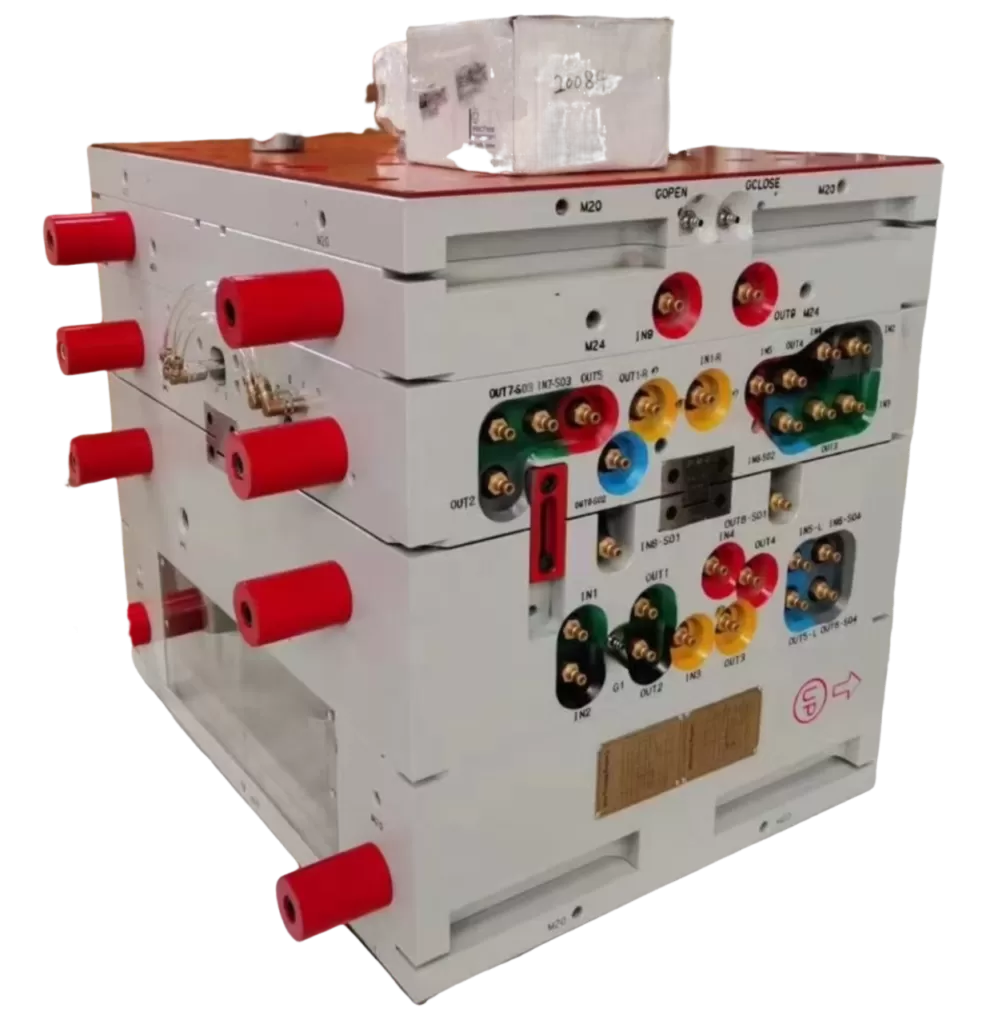
In der Praxis deckt die Anzahlung die Beschaffung der Ausgangsmaterialien ab — Werkzeugaufbau, Stahl, Elektroden und Heißkanalkomponenten. Die Restzahlung wird fällig, sobald Sie bestätigen, dass das Werkzeug Teile herstellt, die Ihren maßlichen und optischen Spezifikationen entsprechen. Diese Struktur besteht, weil Werkzeuge für Spritzgussformen kundenspezifisch sind — sobald der Stahl bearbeitet ist, hat das Werkzeug für andere nahezu keinen Wert. Der Lieferant benötigt Verbindlichkeit, und Sie benötigen Sicherheit.
Bei ZetarMold strukturieren wir die Werkzeugzahlungen üblicherweise als 30% Anzahlung, 40% bei der T1-Bemusterung und 30% nach der FAI1-Freigabe. Aus 20+ Jahren Erfahrung mit dem weltweiten Versand von Formen wissen wir, dass diese Struktur Käufern aussagekräftige Prüfpunkte bietet und zugleich den Projektfortschritt sichert. Verlangt ein Lieferant 100% Vorauszahlung, ist dies ein unmittelbares Warnsignal – wenn er von seiner Arbeit überzeugt ist, sollte er problemlos einen Teilbetrag bis zu Ihrer Prüfung zurückstellen können.
Wie schützen Meilensteinzahlungen Ihre Investition?
Meilensteinzahlungen funktionieren, indem jede Zahlung an ein verifiziertes Ergebnis geknüpft wird — T1-Muster2, CMM-Berichte oder FAI-Freigabe. Dies ist das effektivste verfügbare Risikominderungsinstrument bei der Beschaffung kundenspezifischer Spritzgussformen von Übersee-Lieferanten.
Ein gut strukturierter Meilensteinplan für Spritzguss-Werkzeugbau umfasst typischerweise diese Kontrollpunkte:
| Meilenstein | Typische Zahlung | Verifizierungsmethode |
|---|---|---|
| Auftragsbestätigung und Designfreigabe | 30% | Unterzeichneter DFM3-Bericht und 3D-Werkzeugkonstruktion |
| Stahlschnitt abgeschlossen | 10–15% | Fotos der bearbeiteten Kavitäten und Kerne |
| T1-Musterfertigung | 20–30% | Maßbericht und Probenversand |
| FAI-Freigabe | 20–30% | Vollständiger Prüfbericht, kosmetische Freigabe |
| Formenversand | Restbetrag | Sendungsnummer oder Daten des ersten Produktionslaufs |
Entscheidend ist: Geben Sie einen Meilenstein nie allein aufgrund der Aussage des Lieferanten frei. Fordern Sie in jeder Phase Fotos, CMM-Daten oder eine unabhängige Inspektion an. Wenn wir T1-Muster aus unserem Werk in Shanghai versenden, legen wir vollständige Maßberichte bei, damit der Einkäufer die Ergebnisse vor Freigabe der nächsten Zahlungstranche prüfen kann.
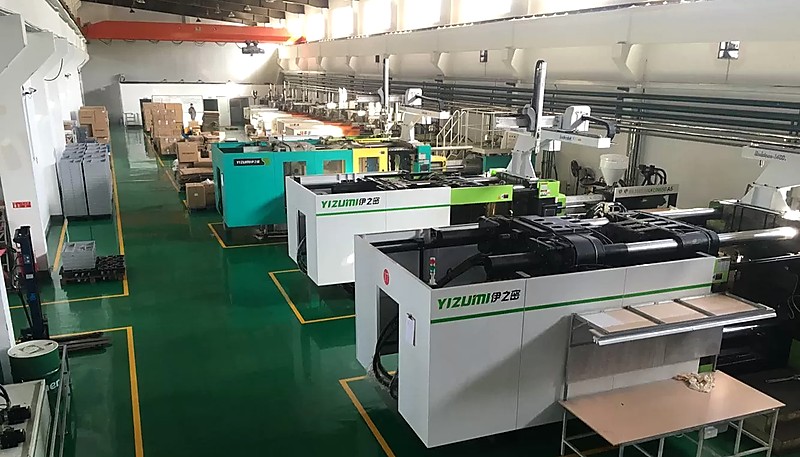
Im Werk von ZetarMold in Shanghai betreiben wir 47 Spritzgießmaschinen von 90T bis 1850T. Jedes ausgelieferte T1-Muster wird von einem Maßprüfbericht begleitet, den unsere 8 leitenden Ingenieure erstellen. Unsere 30+ englischsprachigen Projektmanager koordinieren Meilensteinfreigaben über Zeitzonen hinweg, sodass eindeutig feststeht, wodurch die jeweilige Zahlungsfreigabe ausgelöst wird.
Auf welche Warnsignale sollten Sie bei den Zahlungsbedingungen eines Lieferanten achten?
Das größte Warnsignal ist ein Lieferant, der 100% Zahlung vor der T1-Musterfertigung verlangt. Dies deutet entweder auf finanzielle Schwierigkeiten oder auf mangelndes Vertrauen in die eigene Lieferfähigkeit hin.
Hier sind die spezifischen Warnsignale, auf die wir Käufer hinweisen:
100% Vorauszahlung erforderlich — Damit verlieren Sie jede Verhandlungsposition. Hat das Werkzeug Mängel, verfügt der Lieferant bereits über Ihr Geld und hat keinerlei finanziellen Anreiz, sie schnell zu beheben.
Keine Meilensteinstruktur — Eine vage Regelung “50% jetzt, 50% später” ohne Definition der jeweiligen Zahlungsauslöser entspricht im Wesentlichen einer Vorauszahlung.
"Meilensteinzahlungen sollten an prüfbare Liefergegenstände wie T1-Muster und FAI-Berichte geknüpft sein."True
Jede Zahlungsfreigabe sollte einem konkreten Meilenstein entsprechen – DFM-Freigabe, Fotos des Stahlschnitts, T1-Maßberichte oder FAI-Abnahme. Diese Struktur stellt sicher, dass der Lieferant Fortschritte nachweisen muss, bevor er weitere Mittel erhält.
„Dass ein Lieferant für kundenspezifische Werkzeuge 100% Vorauszahlung verlangt, ist übliche Branchenpraxis.“False
Standardpraxis ist eine 30-50% Anzahlung mit Ratenzahlungen basierend auf Meilensteinen. Eine 100% Vorauszahlung eliminiert die Verhandlungsmacht des Käufers und ist ein deutliches Warnsignal, das darauf hinweisen kann, dass der Lieferant nicht von seiner Lieferfähigkeit überzeugt ist.
Verweigerung der Drittprüfung — Wenn ein Lieferant vor Freigabe der Restzahlung keinen von Ihnen beauftragten Prüfer zulässt, ist das ein Warnsignal. Seriöse Fabriken begrüßen Inspektionen, weil sie beide Parteien schützen.
Zahlung auf ein persönliches Konto — Überweisungen auf Privatkonten statt auf ein Firmenkonto deuten darauf hin, dass der Betrieb möglicherweise keine registrierte Fabrik ist und Sie keine rechtliche Handhabe haben.
Ständige Preisänderungen nach Anzahlung — Einige Lieferanten bieten niedrig an, um den Auftrag zu gewinnen, und erhöhen dann die Preise für Änderungen, Materialien oder “unerwartete Komplexität”. Ein klarer Leistungsumfang und eine Festpreisvereinbarung verhindern dies.
Wie sollten Sie Zahlungen für Produktionsläufe strukturieren?
Produktionslaufzahlungen sollten einer phasenweisen Struktur folgen: 50/50 Anzahlung für neue Lieferanten, Übergang zu Netto 30 Konditionen nach Qualitätsbeweis. Das Risiko sinkt über Zeit, weil Produktionsteile reproduzierbar sind und die Form validiert wurde.
Für Ihre ersten Produktionsläufe mit einem neuen Lieferanten empfehlen wir diesen gestuften Ansatz:
Lauf 1–3: 50% Anzahlung, 50% nach Eingangsinspektion in Ihrem Betrieb. Dies gibt Ihnen Zeit, die Qualität vor vollständiger Zahlung zu verifizieren.
Lauf 4–6: Wechsel zu 30 % Anzahlung, 70 % bei Versand mit Prüfbericht einer dritten Partei. Zu diesem Zeitpunkt liegen bereits Basisqualitätsdaten vor.
Lauf 7+: Netto 30 oder Netto 60 Konditionen vereinbaren, wenn der Lieferant über mehrere Produktionsläufe konstante Qualität demonstriert hat.
Eine Erkenntnis aus mehr als einem Jahrzehnt Erfahrung mit Beschaffungsprojekten für Spritzgussleistungen: Überspringen Sie bei den ersten drei Produktionsläufen niemals die Wareneingangsprüfung, unabhängig davon, wie gut die Muster aussahen. Die Konstanz der Serienproduktion ist eine andere Herausforderung als die Musterqualität.
Welche Zahlungsmethoden sind für internationale Formenbestellungen am sichersten?
Ein Akkreditiv ist für große Werkzeuge am sichersten; T/T mit Meilensteinzahlungen funktioniert bei Standardaufträgen. Die beste Methode hängt von Ihrem Auftragswert und Ihrer Risikobereitschaft ab. Jede Zahlungsoption entspricht einer anderen Projektgröße und einem anderen Vertrauensniveau zwischen Käufer und Lieferant.
| Zahlungsmethode | Am besten für | Käuferschutz | Typische Kosten |
|---|---|---|---|
| Überweisung (T/T) | Aufträge unter 20.000 USD | Niedrig – unwiderruflich nach Versand | 25–50 USD pro Überweisung |
| Akkreditiv (L/C) | Werkzeuge über 20.000 USD | Hoch — die Bank blockiert die Mittel bis Dokumente die Lieferung belegen | 0.5–2% des Auftragsvolumens |
| PayPal / Kreditkarte | Prototypen unter 5.000 USD | Moderat — Rückbuchung möglich | 3–5 % Händlergebühr |
| Escrow-Dienst | Hochwertige Werkzeuge mit Meilensteinen | Hoch – Mittel werden gemäß Vereinbarung freigegeben | 1–3% des Auftragsvolumens |
Die Wahl der Zahlungsmethode hängt oft von der Auftragsgröße und der Beziehungsreife ab. Bei Erstaufträgen bieten Akkreditiv oder Escrow-Dienste zusätzliche Sicherheit, während Wiederholungsaufträge bei bewährten Lieferanten einfachere T/T-Strukturen nutzen können. Einige Käufer wählen einen Mittelweg: Akkreditiv für den Werkzeugbau und T/T für die Serienproduktion, um Bankgebühren bei kleineren laufenden Zahlungen zu reduzieren und gleichzeitig den größeren Vorab-Investitionen in Werkzeuge starken Schutz zu bieten.
Für die meisten unserer internationalen Käufer funktioniert T/T mit Meilenstein-Blockierung gut, weil die Zahlungsprüfpunkte in den Projektzeitplan integriert sind. Jeder Meilenstein entspricht einem physischen Lieferobjekt, das Sie verifizieren können. Für Werkzeugprojekte über 50.000 USD empfehlen wir Käufern stark, einen L/C zu erwägen. Die Bank stellt sicher, dass Mittel nur freigegeben werden, wenn Versanddokumente und Inspektionszertifikate vorgelegt werden. Die zusätzlichen 1 bis 2 Prozent Kosten eines L/C sind eine kostengünstige Versicherung für eine fünfstellige Formeninvestition, insbesondere wenn erstmals mit einem neuen Lieferant gearbeitet wird. Viele Käufer, die diesen Schutz überspringen, enden mit deutlich höheren Rechtskosten bei auftretenden Streitigkeiten.
Warum verlangen einige Lieferanten höhere Anzahlungen als andere?
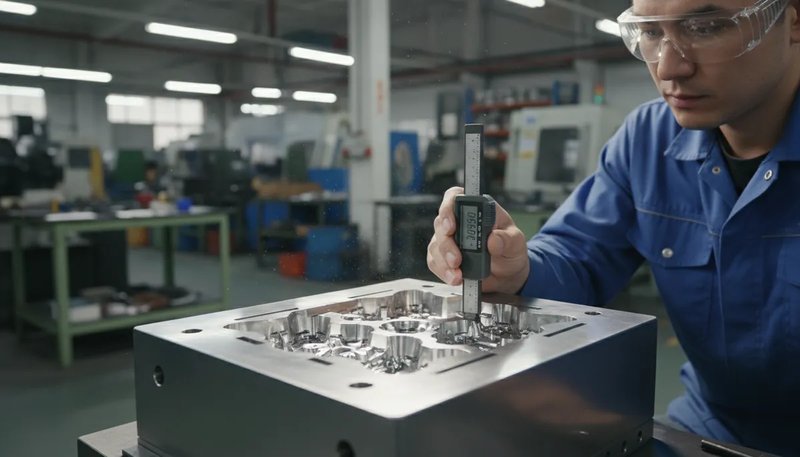
Lieferanten verlangen höhere Anzahlungen, wenn die Vorab-Materialkosten erheblich sind, nicht weil sie erfahrener sind. Ein Mehrfachhohlwerkzeug aus H13-Stahl benötigt 8.000 bis 15.000 USD an Rohmaterial, bevor die Bearbeitung beginnt – das bestimmt den Anzahlungsprozentsatz.
Wenn ein Lieferant ein Werkzeug anbietet, muss er den Werkzeuggrundkörper, Kavitätenstahl (P20, H13 oder 718H), Elektroden für die funkenerosive Bearbeitung und alle Heißkanalkomponenten beschaffen. Bei einem Mehrfachwerkzeug mit H13-Stahl und einem Heißkanalsystem können die Materialkosten allein 8.000 bis 15.000 USD betragen, bevor überhaupt mit der Bearbeitung begonnen wird. Zusätzliche Kosten umfassen Führungsstifte, Auswerferstifte, Kühlkanäle und Oberflächenbehandlung. Eine Anzahlung von 30 Prozent auf ein 40.000-USD-Werkzeug deckt diese Materialien kaum ab. In der Praxis finanziert der Lieferant bereits einen erheblichen Teil Ihres Projekts, bevor er die erste Zahlung von Ihnen erhält.
Allerdings ist eine Anzahlung über 50 Prozent für Standardwerkzeuge ungewöhnlich und sollte hinterfragt werden. Der Lieferant sollte genau erklären können, was die Anzahlung deckt, und sie in Materialien, Designengineering, CNC-Bearbeitung, EDM und Montagephasen aufschlüsseln. Wenn er diese Aufschlüsselung nicht liefern kann, könnte die Zahl mit zusätzlichen Margen aufgebläht sein, statt die tatsächlichen Kosten zu reflektieren. Bei ZetarMold detaillieren wir die Anzahlungszuordnung in jedem Werkzeugvorschlag, damit Käufer genau wissen, wo ihr Geld in jeder Phase des Formenbauprozesses eingesetzt wird. Transparenz in der Anzahlungsstruktur ist ein starkes Indiz für einen zuverlässigen Fertigungspartner.
Zu verstehen, warum Anzahlungen zwischen Projekten variieren, hilft Ihnen zu beurteilen, ob ein Lieferant fair kalkuliert. Die Anzahlung sollte in etwa den Material- und anfänglichen Engineering-Kosten für Ihr spezifisches Werkzeug entsprechen. Wenn ein einfaches Einfachhohlwerkzeug aus Aluminium dieselben 50 % Anzahlung erfordert wie ein komplexes Mehrfachhohlwerkzeug aus Stahl für die Serienproduktion, verdient die Preisstruktur eine genauere Prüfung, bevor Sie den Auftrag erteilen.
"Akkreditivzahlungen schützen Käufer, da der Lieferant vor der Freigabe der Mittel Versand- und Prüfunterlagen vorlegen muss."True
Ein L/C ist ein bankgarantierter Zahlungsmechanismus, bei dem die Mittel so lange zurückgehalten werden, bis der Lieferant Versandnachweise, Prüfzertifikate und weitere vereinbarte Dokumente vorlegt. Dadurch verlagert sich die Verhandlungsmacht in der kritischen Lieferphase auf den Käufer.
"Eine höhere Anzahlung weist stets auf einen erfahreneren und zuverlässigeren Lieferanten hin."False
Die Höhe der Anzahlung spiegelt die anfänglichen Materialkosten und die Projektkomplexität wider, nicht die Leistungsfähigkeit des Lieferanten. Ein Lieferant, der für ein einfaches Einkavitätenwerkzeug 70% im Voraus verlangt, berechnet entweder zu viel oder hat Liquiditätsengpässe. Bewerten Sie Anzahlungen anhand der Materialkosten und nicht allein anhand des Rufs des Lieferanten.
Wie verhandeln Sie bessere Zahlungsbedingungen, ohne den Lieferanten zu verlieren?
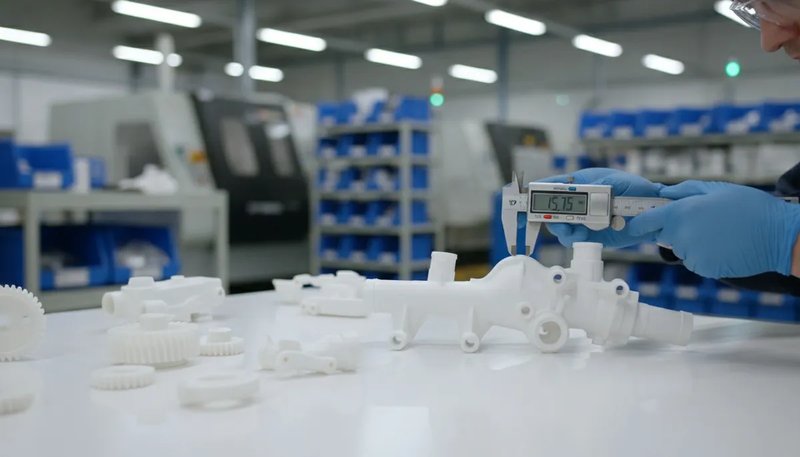
Bieten Sie dem Lieferanten im Austausch für bessere Zahlungsbedingungen einen Mehrwert — etwa Volumenzusagen, schnellere Freigaben oder eine bezahlte Prüfung. Ziel ist ein gegenseitiger Anreiz, nicht maximaler Druck.
Diese Verhandlungstaktiken funktionieren in der Praxis tatsächlich:
Mengenabnahme zusagen: Wenn Sie sich zu einer Produktion über 12 Monate verpflichten, akzeptieren Lieferanten für Werkzeuge häufig eine Anzahlung von 20% statt 30%, da der Produktionsumsatz gesichert ist.
Schnellere Meilensteinfreigaben: Verpflichten Sie sich, T1-Muster innerhalb von 5 Arbeitstagen statt der üblichen 2–3 Wochen zu prüfen. Lieferanten warten nur ungern auf eine Freigabe — schnelle Rückmeldungen haben für sie einen echten Wert.
Von Ihnen bezahlte Prüfung durch Dritte: Wenn Sie die Prüfung beauftragen und bezahlen, trägt der Lieferant diese Kosten nicht. Dadurch ist er eher bereit, prüfungsbedingte Zahlungssperren zu akzeptieren.
Prüfen Sie die bisherigen Referenzen: Wenn der Lieferant 500+ Formen ausgeliefert hat, sollte er ausreichend Vertrauen haben, Meilenstein-Zahlungssperren zu akzeptieren. Formulieren Sie es so: Ihre Erfahrung sollte die Freigabe der Meilensteine unkompliziert machen.
Klein beginnen, dann verhandeln: Bestellen Sie zunächst eine Prototypenform oder eine Form mit wenigen Kavitäten. Sobald Vertrauen besteht, verhandeln Sie bessere Konditionen für das Produktionswerkzeug.
Was passiert, wenn ein Zahlungsstreit auftritt?
Die meisten Zahlungsstreitigkeiten haben drei Ursachen: Die Form entspricht nicht der Spezifikation, die Lieferung verzögert sich oder es entstehen unerwartete Kosten. Eine schriftliche Werkzeugvereinbarung ist Ihr bester Schutz.
Der beste Schutz ist ein Vertrag – keine Bestellung, sondern eine echte Werkzeugvereinbarung, in der Folgendes festgelegt ist:
Maßtoleranzen und kosmetische Standards — möglichst mit Referenzmustern, damit sich beide Seiten darüber einig sind, was als akzeptabel gilt.
Erwartete Werkzeuglebensdauer — je nach Stahlsorte typischerweise 100K–1M+ Schuss. Legen Sie dies im Voraus fest, damit der Lieferant vorzeitigen Verschleiß nicht als normal darstellen kann.
Änderungsrichtlinie — wer für Änderungen aufkommt, wenn das Bauteil aufgrund der Werkzeugkonstruktion beziehungsweise der Bauteilkonstruktion nicht der Spezifikation entspricht.
Maximale Vorlaufzeit — mit Vertragsstrafen für Verzögerungen von mehr als 15–20% gegenüber dem vereinbarten Terminplan.
Streitbeilegungsverfahren — Mediation, Schiedsgerichtsstand oder Treuhandbedingungen zur Beilegung von Streitigkeiten ohne Gerichtsverfahren.
In unserem Werk verhindern wir die meisten Streitigkeiten, bevor sie entstehen, indem wir vor jeder Stahlbearbeitung eine vollständige DFM-Prüfung durchführen. Erkennen unsere Ingenieure ein Risiko — etwa Probleme mit der Wanddicke, komplexe Hinterschneidungen oder Herausforderungen bei der Kühlung —, weisen wir frühzeitig darauf hin. Unsere 8 leitenden Ingenieure und mehr als 30 englischsprachigen Projektmanager stellen sicher, dass die Spezifikation vor Bearbeitungsbeginn verbindlich festgelegt ist. Dadurch entfällt die häufigste Ursache für Zahlungsstreitigkeiten: voneinander abweichende Erwartungen zwischen dem, was der Käufer erwartet, und dem, was das Werkzeug tatsächlich produziert.
Häufig gestellte Fragen zu Zahlungsbedingungen für Spritzguss
Häufig gestellte Fragen
Wie hoch ist die übliche Anzahlung für eine Spritzgussform?
Eine übliche Anzahlung für kundenspezifische Spritzgießwerkzeuge beträgt 30 bis 50 Prozent des gesamten Werkzeugpreises und deckt Rohmaterialien wie Werkzeugaufbau, Stahl und Elektroden ab. Der Restbetrag wird nach Freigabe der T1-Muster oder FAI-Abnahme gezahlt. Anzahlungen über 50 Prozent sollten hinterfragt werden, sofern das Werkzeug nicht Spezialwerkstoffe wie H13-Stahl oder komplexe Heißkanalsysteme mit erheblich höheren anfänglichen Materialkosten erfordert. Die Anzahlung belegt Ihre Projektzusage; der Restbetrag ist Ihr Druckmittel für eine qualitätsgerechte Lieferung.
Lassen sich Zahlungsbedingungen mit Spritzgießlieferanten verhandeln?
Ja, Zahlungsbedingungen sind mit Spritzgusslieferanten grundsätzlich verhandelbar. Wirksame Verhandlungshebel sind die Zusage eines Produktionsvolumens über 12 Monate, schnellere Meilensteinfreigaben innerhalb von 5 Arbeitstagen nach Mustereingang und die freiwillige Übernahme externer Prüfkosten. Lieferanten mit nachweislicher Erfolgsbilanz und gesundem Cashflow sind bei Zahlungsbedingungen meist flexibler. Ein kleineres Pilotwerkzeug vor der Beauftragung des vollständigen Produktionswerkzeugs stärkt ebenfalls Ihre Position, da es gegenseitiges Vertrauen schafft und Ihre Zuverlässigkeit als langfristiger Kunde belegt.
Worin unterscheiden sich T/T- und L/C-Zahlungen bei Werkzeugbestellungen?
T/T (Banküberweisung) ist eine direkte Zahlungsmethode ohne zwischengeschaltete Bank. Sie ist schnell und kostengünstig, bietet dem Käufer nach der Überweisung jedoch keinen Schutz. Bei L/C (Letter of Credit) hält eine Bank die Mittel treuhänderisch, bis der Lieferant Versanddokumente und Prüfbescheinigungen als Liefernachweis vorlegt. L/C kostet in der Regel 0.5 bis 2 Prozent des Auftragswerts, bietet bei Werkzeugaufträgen über 20,000 USD jedoch einen deutlich stärkeren Käuferschutz. Bei kleineren Aufträgen ist T/T mit meilensteinabhängigen Einbehalten meist ausreichend und für beide Parteien praktikabler.
Sollte ich den vollständigen Werkzeugpreis bezahlen, bevor ich Muster erhalte?
Nein, Sie sollten den vollständigen Werkzeugpreis nicht vor Erhalt der Muster bezahlen. Eine Zahlung von 100 Prozent vor der T1-Bemusterung nimmt Ihnen jedes Druckmittel, falls das Werkzeug Fehler, Maßprobleme oder optische Mängel aufweist. Branchenüblich ist es, mindestens 30 bis 50 Prozent der Werkzeugkosten zurückzuhalten, bis Sie Erstmuster geprüft und bestätigt haben, dass sie Ihren Spezifikationen entsprechen. Jeder Lieferant, der vor der Musterfertigung auf vollständiger Vorauszahlung besteht, ist ein deutliches Warnsignal und sollte sorgfältiger geprüft werden, bevor Sie diesem konkreten Lieferanten Ihre Mittel anvertrauen.
Wie funktionieren Meilensteinzahlungen beim Spritzgießen?
Bei Meilensteinzahlungen werden Mittel in festgelegten Projektphasen statt als einmalige Vorauszahlung freigegeben. Eine typische Struktur umfasst 30 Prozent bei Auftragsbestätigung, 10 bis 15 Prozent nach dem Stahlzuschnitt, 20 bis 30 Prozent bei der T1-Bemusterung und den Restbetrag nach FAI-Freigabe. Jeder Meilenstein sollte an einen überprüfbaren Liefergegenstand wie DFM-Berichte, Bearbeitungsfotos, Maßdaten oder Prüfbescheinigungen geknüpft sein, statt allein auf der mündlichen Bestätigung des Lieferanten zu beruhen. Diese Struktur verpflichtet beide Parteien während des gesamten Werkzeugbauprozesses von Anfang bis Ende zur Rechenschaft.
Welche Zahlungsbedingungen sind für Produktionsläufe üblich?
Bei ersten Produktionsläufen mit einem neuen Lieferanten ist üblicherweise eine Anzahlung von 50 Prozent zu leisten; die verbleibenden 50 Prozent werden nach der Wareneingangs-QC-Prüfung in Ihrem Werk fällig. Nach 3 bis 6 erfolgreichen Läufen mit konstanten Qualitätsdaten bieten Lieferanten meist ein Zahlungsziel von Net 30 an. Bei etablierten Geschäftsbeziehungen und nachweislich zuverlässiger Zahlung sind auch Net 60 möglich. Produktionszahlungen bergen ein geringeres finanzielles Risiko als Werkzeugzahlungen, weil die Form bereits validiert ist, die Teile reproduzierbar sind und die Qualitätsanforderungen durch frühere Produktionsläufe mit dokumentierten Prüfergebnissen feststehen.
Was sollte eine Werkzeugvereinbarung zum Schutz der Zahlungsbedingungen enthalten?
Eine umfassende Werkzeugvereinbarung sollte Maßtoleranzen und optische Standards, die erwartete Werkzeuglebensdauer in Schuss, die Verantwortung für Änderungen, die maximale Lieferzeit mit Verzugsstrafen, Meilensteinzahlungen samt Verifizierungsmethoden sowie Streitbeilegungsregeln einschließlich des Schiedsgerichtsstands festlegen. Ohne schriftliche Dokumentation dieser Punkte wird jeder Zahlungsstreit zur Frage mündlicher Auslegung, bei der dem Einkäufer nur begrenzte Rechtsmittel bleiben. Die Vereinbarung sollte außerdem klar definieren, was als akzeptables T1-Muster gilt und nach welchem Verfahren diese Muster vor Fälligkeit der Restzahlung freigegeben oder abgelehnt werden.
Abschließende Gedanken: Schützen Sie Ihre Werkzeuginvestition
Einfache Regel für Zahlungsbedingungen im Spritzguss: Zahlen Sie niemals mehr als 50%, bevor Sie Bauteile aus dem tatsächlichen Werkzeug gesehen und vermessen haben. Strukturieren Sie Ihre Zahlungen anhand von Meilensteinen, knüpfen Sie jede Freigabe an eine überprüfbare Leistung und lehnen Sie jeden Lieferanten ab, der Inspektionshalte nicht akzeptiert.
Bei ZetarMold bauen wir seit 20+ Jahren Vertrauen bei Käufern aus Übersee auf – durch transparente Meilensteinstrukturen, detaillierte Prüfberichte in jeder Phase und ein Team aus 30+ englischsprachigen Projektmanagern, das für klare Kommunikation sorgt. Ob Sie Ihr erstes Prototypenwerkzeug bestellen oder auf Serienvolumen skalieren: Wir strukturieren Zahlungen so, dass beide Seiten ein eigenes Risiko tragen.
Möchten Sie Ihr Werkzeugprojekt mit transparenten Zahlungsbedingungen besprechen? Fordern Sie ein kostenloses Angebot an und lassen Sie unser Engineering-Team Ihre Bauteilkonstruktion prüfen — unverbindlich.
FAI: Die Erstmusterprüfung (FAI) ist ein formeller Qualitätssicherungsprozess, bei dem die ersten Produktionsteile mittels Maßprüfung, Werkstoffprüfung und Sichtprüfung mit den technischen Spezifikationen verglichen werden. ↩
T1-Muster: T1-Muster beziehungsweise t1-Muster (Trial 1) sind die ersten Teile, die mit einem fertiggestellten Spritzgießwerkzeug gefertigt werden. Sie dienen dazu, Maßhaltigkeit, Oberflächenqualität und die Gesamtleistung des Werkzeugs zu verifizieren, bevor das Werkzeug für die Produktion freigegeben wird. ↩
DFM: Design for Manufacturability (DFM) ist ein technischer Prüfprozess, der eine Teilekonstruktion auf ihre Fertigungseignung bewertet und potenzielle Probleme wie Schwankungen der Wanddicke, Hinterschneidungen oder unzureichende Entformungsschrägen vor Beginn des Formenbaus identifiziert. ↩