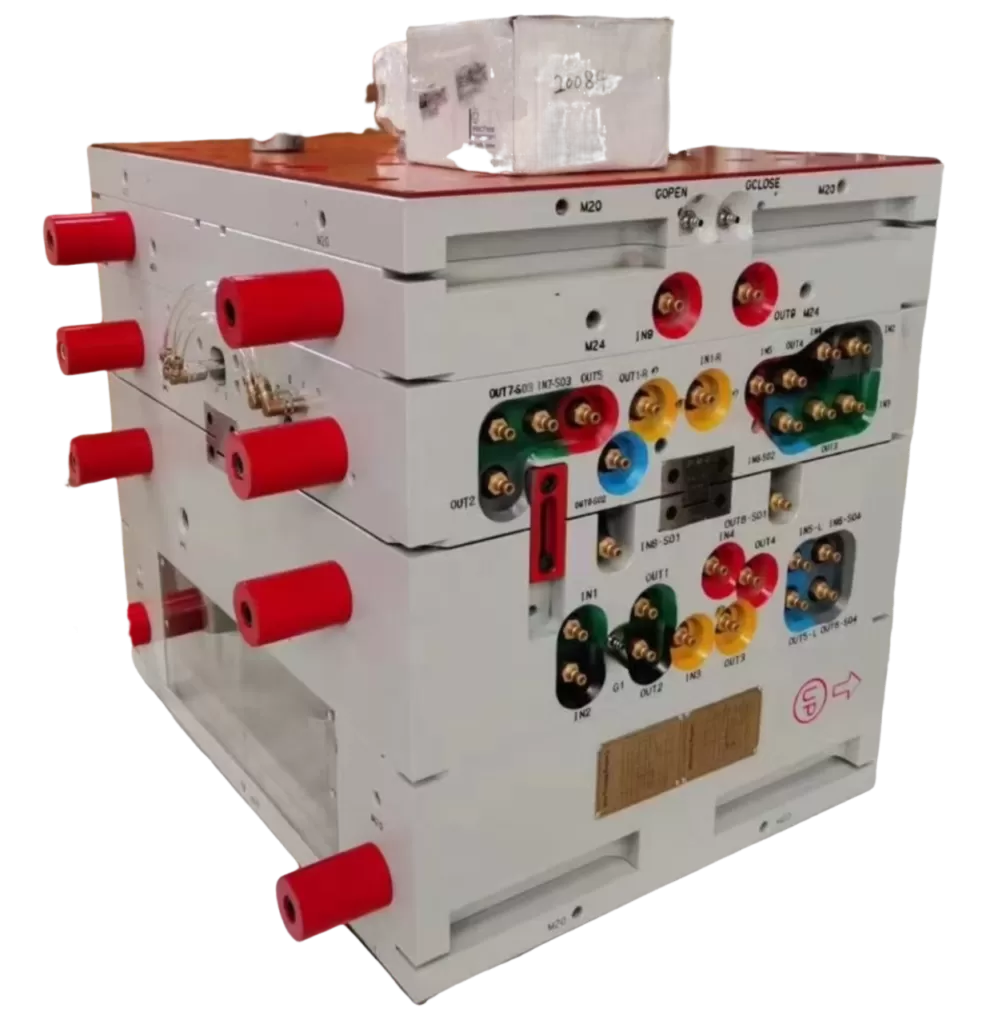
Hai appena ricevuto un preventivo per utensili di 45.000 USD da un fornitore di stampaggio a iniezione in Cina. Le condizioni di pagamento indicano 50% anticipati, 50% prima della spedizione. Nessuna struttura per milestone, nessuna trattenuta per ispezione. Se qualcosa va storto con lo stampo, non hai più alcuna leva. Questo scenario si ripete ogni settimana nel nostro settore — e costa agli acquirenti milioni in spese per utensili irrecuperabili ogni anno.
Nello stampaggio a iniezione personalizzato, le condizioni di pagamento non sono un semplice dettaglio commerciale. Sono il principale strumento di gestione del rischio nel processo di stampaggio a iniezione. La struttura dei pagamenti determina chi mantiene il potere negoziale in ogni fase e se potete abbandonare un cattivo fornitore senza perdere l’intero investimento. Questo articolo analizza le strutture di pagamento standard, i segnali d’allarme e le strategie negoziali che funzionano davvero.
- Associa sempre i pagamenti a milestone verificate — non pagare mai il 100% prima dei campioni T1
- Pagamento utensili standard: deposito 30–50%, saldo dopo approvazione campione
- Un fornitore che pretende il pagamento anticipato completo segnala di non fidarsi della propria capacità di consegna
- Utilizza blocchi di ispezione di terze parti per proteggere i pagamenti nella fase di produzione
- Le condizioni di pagamento dovrebbero riflettere la complessità del progetto, non un modello unico per tutti
Quali Sono i Termini di Pagamento Standard per gli Utensili di Stampaggio a Iniezione?
Il pagamento utensili standard è un deposito del 30–50% all’ordine, saldo dovuto dopo approvazione T1. La maggior parte dei fornitori utilizza una struttura a due o tre tranche per suddividere il rischio tra acquirente e produttore.
In pratica, l’anticipo copre l’acquisto delle materie prime: portastampo, acciaio, elettrodi e componenti del canale caldo. Il saldo scatta quando confermate che lo stampo produce pezzi conformi alle specifiche dimensionali ed estetiche. Questa struttura esiste perché l’attrezzatura dello stampo a iniezione è personalizzata: una volta tagliato l’acciaio, lo stampo non ha quasi alcun valore per altri. Il fornitore ha bisogno del vostro impegno e voi di garanzie.
In ZetarMold strutturiamo di norma il pagamento dello stampo con il 30% di anticipo, il 40% al campionamento T1 e il 30% dopo l’approvazione FAI1. Con oltre 20 anni di esperienza nella spedizione di stampi in tutto il mondo, abbiamo constatato che questa struttura offre agli acquirenti punti di controllo significativi senza rallentare il progetto. Un fornitore che pretende il 100% anticipato deve destare immediata preoccupazione: se ha fiducia nel proprio lavoro, dovrebbe accettare di trattenere una quota fino alla vostra verifica.
Come Proteggono i Pagamenti a Milestone il Tuo Investimento?
I pagamenti per milestone collegano ogni pagamento a un risultato verificato: campioni T12, rapporti CMM o approvazione FAI. È lo strumento più efficace disponibile per ridurre il rischio quando si acquistano stampi a iniezione personalizzati da fornitori esteri.
Un piano a milestone ben strutturato per utensili di stampaggio a iniezione include tipicamente questi punti di controllo:
| Traguardo | Pagamento Tipico | Metodo di Verifica |
|---|---|---|
| Conferma dell'ordine e blocco del progetto | 30% | Rapporto DFM3 firmato e progetto 3D dello stampo |
| Taglio dell'acciaio completato | 10–15% | Foto delle cavità e dei nuclei lavorati |
| Campionamento T1 | 20–30% | Spedizione del rapporto dimensionale e del campione |
| Approvazione FAI | 20–30% | Rapporto di ispezione completo, approvazione estetica |
| Spedizione dello stampo | Saldo residuo | Numero di tracciamento o dati della prima produzione |
Il punto critico: non approvate mai una milestone soltanto sulla parola del fornitore. Richiedete fotografie, dati CMM o ispezioni di terzi in ogni fase. Quando spediamo campioni T1 dalla fabbrica di Shanghai, includiamo report dimensionali completi affinché l’acquirente possa verificare prima di liberare la tranche successiva.
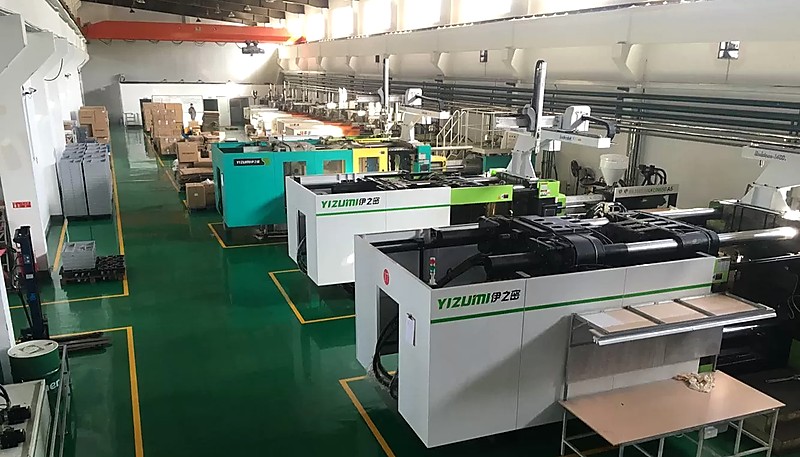
Nello stabilimento ZetarMold di Shanghai utilizziamo 47 presse a iniezione da 90T a 1850T. Ogni campione T1 che spediamo è accompagnato da un rapporto di controllo dimensionale redatto dai nostri 8 ingegneri senior. I nostri oltre 30 project manager anglofoni coordinano le approvazioni delle tappe fondamentali tra diversi fusi orari, eliminando ogni ambiguità sugli eventi che autorizzano ciascun pagamento.
Quali segnali d’allarme occorre individuare nelle condizioni di pagamento di un fornitore?
Il più grande campanello d’allarme è un fornitore che chiede un pagamento del 100% prima del campionamento T1. Questo segnala o difficoltà finanziarie o mancanza di fiducia nella propria capacità di consegna.
Ecco i segnali specifici di allarme che diciamo agli acquirenti di monitorare:
Pagamento anticipato del 100% obbligatorio — elimina tutto il vostro potere negoziale. Se lo stampo presenta problemi, il fornitore ha già il vostro denaro e nessun incentivo economico a risolverli rapidamente.
Nessuna struttura per milestone — un vago «50% ora, 50% dopo» senza definire cosa attivi ogni pagamento equivale sostanzialmente a pagare in anticipo.
"I pagamenti per milestone devono essere legati a risultati verificabili, come campioni T1 e rapporti FAI."True
Ogni rilascio di pagamento dovrebbe corrispondere a un checkpoint concreto — approvazione DFM, foto del taglio dell'acciaio, report dimensionali T1, o firma FAI. Questa struttura garantisce che il fornitore debba dimostrare progressi prima di ricevere fondi aggiuntivi.
"Richiedere il pagamento anticipato del 100% per uno stampo personalizzato è una prassi standard del settore."False
La prassi standard è un deposito del 30-50% T/T con pagamenti del saldo basati su milestone. Richiedere il 100% T/T in anticipo elimina la leva dell'acquirente ed è un significativo segnale di allarme che indica che il fornitore potrebbe non avere fiducia nella propria capacità di consegna.
Rifiuto di consentire ispezioni di terzi — se un fornitore non permette di inviare un ispettore prima del pagamento del saldo, è un segnale d’allarme. Gli stabilimenti legittimi accolgono favorevolmente le ispezioni perché proteggono entrambe le parti.
Pagamento su un conto personale — i bonifici verso conti personali anziché aziendali suggeriscono che l’attività potrebbe non essere uno stabilimento registrato, lasciandovi senza tutela legale.
Variazioni continue del prezzo dopo l’anticipo — alcuni fornitori presentano offerte basse per acquisire l’ordine, poi gonfiano i prezzi per modifiche, materiali o «complessità imprevista». Un ambito chiaro e un accordo a prezzo fisso lo impediscono.
Come Dovresti Strutturare i Pagamenti della Produzione?
I pagamenti delle serie di produzione dovrebbero seguire una struttura a fasi: deposito 50/50 per i nuovi fornitori, passando a termini Net 30 dopo che la qualità è stata dimostrata. Il rischio diminuisce nel tempo perché i pezzi di produzione sono ripetibili e lo stampo è stato convalidato.
Per le vostre prime produzioni con un nuovo fornitore, raccomandiamo questo approccio graduale:
Serie 1–3: 50% di anticipo, 50% dopo il controllo in accettazione presso il vostro stabilimento. Avrete così il tempo di verificare la qualità prima di pagare tutto.
Serie 4–6: passate al 30% di anticipo e al 70% alla spedizione, con rapporto di ispezione di terzi. A questo punto disporrete di dati qualitativi di riferimento.
Dalla serie 7 in poi: negoziate termini Net 30 o Net 60 dopo che il fornitore avrà dimostrato una qualità costante su più serie.
Da oltre dieci anni di gestione di progetti di approvvigionamento per lo stampaggio a iniezione abbiamo imparato una cosa: non saltate mai il controllo in accettazione sulle prime tre serie, per quanto buoni fossero i campioni. La costanza produttiva è una sfida distinta dalla qualità dei campioni.
Quali Metodi di Pagamento Sono Più Sicuri per Ordini Internazionali di Stampi?
Una L/C è la più sicura per attrezzature di grandi dimensioni; il T/T con milestone funziona per ordini standard. Il metodo migliore dipende dal valore dell’ordine e dalla tolleranza al rischio. Ogni opzione di pagamento corrisponde a una dimensione di progetto diversa e a un diverso livello di fiducia tra acquirente e fornitore.
| Metodo di Pagamento | Il migliore per | Protezione dell'acquirente | Costo tipico |
|---|---|---|---|
| Bonifico Bancario (T/T) | Ordini inferiori a 20.000 USD | Bassa — irreversibile una volta inviata | 25–50 USD per bonifico |
| Lettera di Credito (L/C) | Attrezzature superiori a 20.000 USD | Alta — la banca trattiene i fondi finché i documenti non provano la consegna | 0,5–2% del valore dell'ordine |
| PayPal / Carta di credito | Prototipi inferiori a 5.000 USD | Moderata — possibile contenzioso | Commissione del commerciante del 3–5% |
| Servizio di Escrow | Attrezzature di alto valore con milestone | Alto — fondi rilasciati secondo l'accordo | 1–30% del valore dell'ordine |
La scelta tra i metodi di pagamento spesso si riduce alle dimensioni della transazione e alla maturità del rapporto. Gli ordini per la prima volta beneficiano della maggiore sicurezza di una L/C o di un servizio di deposito fiduciario, mentre gli ordini ripetuti con un fornitore collaudato possono utilizzare strutture T/T più semplici. Alcuni acquirenti dividono la differenza utilizzando una L/C per la parte di attrezzatura e T/T per le serie di produzione, riducendo le commissioni bancarie sui pagamenti ricorrenti più piccoli mantenendo una forte protezione sul maggiore investimento iniziale in attrezzature.
Per la maggior parte dei nostri acquirenti esteri, il T/T con milestone funziona bene perché i punti di controllo del pagamento sono integrati nella timeline del progetto. Ogni milestone corrisponde a una consegna fisica che potete verificare. Per progetti di attrezzature superiori a 50.000 USD, raccomandiamo vivamente che gli acquirenti considerino una L/C. La banca garantisce che i fondi vengano rilasciati solo quando vengono presentati i documenti di spedizione e i certificati di ispezione. Il costo extra dell’1-2% di una L/C è un’assicurazione a basso costo su un investimento a cinque cifre per uno stampo, specialmente quando si lavora per la prima volta con un nuovo fornitore. Molti acquirenti che saltano questa protezione finiscono per spendere molto di più in spese legali quando sorgono controversie.
Perché Alcuni Fornitori Richiedono Depositi Più Alti di Altri?
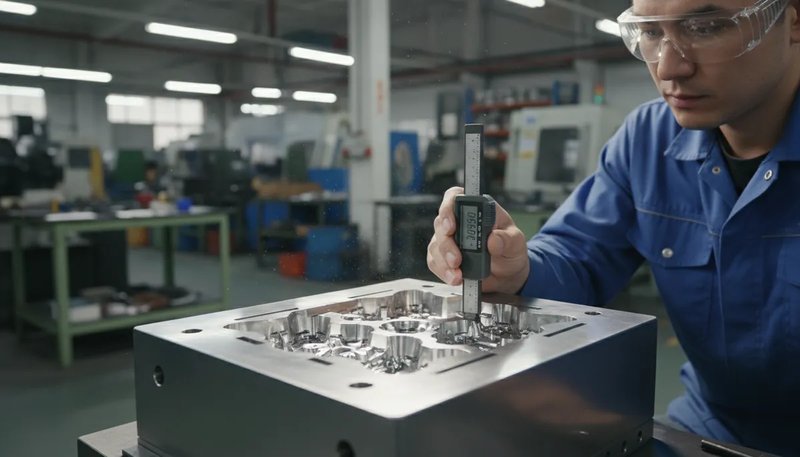
I fornitori richiedono depositi più elevati quando i costi iniziali dei materiali sono sostanziali, non perché siano più esperti. Uno stampo a più cavità in acciaio H13 richiede da 8.000 a 15.000 USD in materie prime prima che inizi la lavorazione, ed è questo che determina la percentuale del deposito.
Quando un fornitore offre un preventivo per uno stampo, deve acquistare la base dello stampo, l’acciaio per la cavità (P20, H13 o 718H), gli elettrodi per la lavorazione EDM e qualsiasi componente del sistema hot runner. Per uno stampo multi-cavità in acciaio H13 con sistema hot runner, i costi dei soli materiali possono raggiungere gli 8.000-15.000 USD prima che inizi qualsiasi lavorazione. Spese aggiuntive includono perni guida, perni di espulsione, canali di raffreddamento e trattamento superficiale. Un acconto del 30% su uno stampo da 40.000 USD copre a malapena questi materiali. In pratica, il fornitore sta già finanziando una parte significativa del tuo progetto prima di ricevere il primo pagamento da te.
Detto questo, un deposito superiore al 50 percento per attrezzature standard è insolito e merita di essere messo in discussione. Il fornitore dovrebbe essere in grado di spiegare esattamente cosa copre il deposito, suddividendolo in materiali, progettazione ingegneristica, lavorazione CNC, EDM e fasi di assemblaggio. Se non possono fornire questa suddivisione, l’importo potrebbe essere gonfiato con margine piuttosto che riflettere i costi effettivi. In ZetarMold, dettagliamo l’allocazione del deposito in ogni proposta di attrezzatura in modo che gli acquirenti capiscano esattamente dove va il loro denaro in ogni fase del processo di costruzione dello stampo. La trasparenza nella struttura del deposito è un forte indicatore di un partner di produzione affidabile.
Comprendere perché i depositi variano tra i progetti aiuta a valutare se un fornitore sta quotando in modo equo. Il deposito dovrebbe corrispondere approssimativamente ai materiali e al lavoro ingegneristico iniziale necessari per il vostro stampo specifico. Se uno stampo semplice a cavità singola in alluminio richiede lo stesso deposito del 50% di uno stampo complesso a più cavità in acciaio per produzione, la struttura dei prezzi merita un esame più approfondito prima di impegnarsi nell’ordine.
"I pagamenti mediante lettera di credito proteggono gli acquirenti imponendo al fornitore di presentare i documenti di spedizione e ispezione prima dello svincolo dei fondi."True
Una L/C è un meccanismo di pagamento garantito dalla banca, nel quale i fondi vengono trattenuti finché il fornitore non presenta la prova di spedizione, i certificati di ispezione e gli altri documenti concordati. Ciò trasferisce il potere negoziale all'acquirente durante la fase critica della consegna.
"Un acconto più elevato indica sempre un fornitore più esperto e affidabile."False
L'entità dell'anticipo riflette i costi iniziali dei materiali e la complessità del progetto, non la capacità del fornitore. Un fornitore che richiede il 70% in anticipo per un semplice stampo monocavità applica un sovrapprezzo oppure ha problemi di liquidità. Valutate gli anticipi rispetto ai costi dei materiali, non soltanto alla reputazione del fornitore.
Come Negozia Termini di Pagamento Migliori Senza Perdere il Fornitore?
Offrire al fornitore qualcosa di valore, come impegni sui volumi, approvazioni più rapide o ispezioni a pagamento, in cambio di migliori condizioni di pagamento. L’obiettivo è creare un incentivo reciproco, non esercitare pressione.
Ecco le tattiche di negoziazione che funzionano davvero:
Offrite un impegno sui volumi: se potete impegnarvi per 12 mesi di produzione, spesso i fornitori accetteranno un anticipo del 20% anziché del 30% sullo stampo, perché i ricavi della produzione sono garantiti.
Approvazioni più rapide delle milestone: impegnatevi a esaminare i campioni T1 entro 5 giorni lavorativi anziché nelle consuete 2–3 settimane. I fornitori detestano aspettare l’approvazione: offrire rapidità ha per loro un valore concreto.
Ispezione di terzi a vostro carico: assumendo e pagando l’ispettore, il fornitore non sostiene tale costo. Sarà quindi più disposto ad accettare la sospensione dei pagamenti in attesa dell’ispezione.
Richiamate i risultati già ottenuti: se il fornitore ha spedito oltre 500 stampi, dovrebbe avere sufficiente fiducia per accettare trattenute legate alle milestone. Presentatela così: la vostra esperienza dovrebbe rendere semplici le approvazioni delle milestone.
Iniziate in piccolo, poi negoziate: ordinate prima un prototipo o uno stampo con poche cavità. Una volta instaurata la fiducia, negoziate condizioni migliori per lo stampo di produzione.
Cosa Succede Quando Sorge una Controversia sul Pagamento?
La maggior parte delle controversie sui pagamenti deriva da tre cause: lo stampo non rispetta le specifiche, la consegna è in ritardo oppure compaiono costi imprevisti. Un accordo scritto sull’attrezzatura è la migliore tutela.
La migliore tutela è un contratto: non un ordine di acquisto, ma un vero accordo sull’attrezzaggio che specifichi:
Tolleranze dimensionali e standard estetici — possibilmente con campioni di riferimento, affinché entrambe le parti concordino su cosa sia accettabile.
Durata prevista dello stampo — in genere da 100.000 a oltre 1 milione di cicli, a seconda del grado di acciaio. Definitela in anticipo affinché il fornitore non possa sostenere che un’usura prematura sia normale.
Politica sulle modifiche — chi paga le modifiche se il pezzo non rispetta le specifiche per problemi di progettazione dello stampo anziché del pezzo.
Tempo di consegna massimo — con penali per ritardi superiori al 15–20% del programma concordato.
Meccanismo di risoluzione delle controversie — mediazione, foro arbitrale o condizioni di deposito a garanzia per gestire i disaccordi senza ricorrere al tribunale.
Nel nostro stabilimento preveniamo la maggior parte delle controversie prima che insorgano, eseguendo una revisione DFM completa prima di lavorare l’acciaio. Se i nostri ingegneri individuano un rischio, come problemi di spessore delle pareti, complessità dei sottosquadri o difficoltà di raffreddamento, lo segnaliamo fin dall’inizio. I nostri 8 ingegneri senior e oltre 30 responsabili di progetto anglofoni assicurano la definizione definitiva delle specifiche prima dell’inizio della lavorazione. In questo modo eliminiamo la causa più comune delle controversie sui pagamenti: la divergenza tra le aspettative dell’acquirente e ciò che lo stampo effettivamente produce.
Domande Frequenti sui Termini di Pagamento dello Stampaggio a Iniezione
Domande frequenti
Qual è l’acconto normalmente richiesto per uno stampo a iniezione?
Un acconto normale per uno stampo a iniezione personalizzato è pari al 30–50 percent del prezzo totale dello stampo e copre materie prime quali base stampo, acciaio ed elettrodi. Il saldo viene versato dopo l’approvazione dei campioni T1 o la firma della FAI. Acconti superiori al 50 percent devono essere messi in discussione, salvo che lo stampo utilizzi materiali speciali come acciaio H13 o sistemi complessi a canale caldo che comportano costi iniziali dei materiali significativamente maggiori. L’acconto rappresenta il vostro impegno nel progetto, mentre il saldo è la vostra leva per garantire una consegna conforme alla qualità richiesta.
È possibile negoziare le condizioni di pagamento con i fornitori di stampaggio a iniezione?
Sì, le condizioni di pagamento sono sempre negoziabili con i fornitori di stampaggio a iniezione. Le leve negoziali efficaci includono l’impegno su un volume produttivo di 12 mesi, l’offerta di approvazioni più rapide delle tappe entro 5 giorni lavorativi dal ricevimento dei campioni e la disponibilità a pagare servizi di ispezione di terzi. I fornitori con precedenti consolidati e un flusso di cassa sano sono generalmente più flessibili. Iniziare con un progetto pilota più piccolo prima di impegnarsi sull’attrezzatura di produzione completa rafforza inoltre la posizione negoziale, creando fiducia reciproca e dimostrando affidabilità come cliente di lungo periodo.
Qual è la differenza tra pagamento T/T e L/C per ordini di stampi?
Il T/T (bonifico bancario) è un metodo di pagamento diretto senza intermediario bancario. È rapido ed economico, ma non offre protezione all’acquirente dopo l’invio dei fondi. La L/C (lettera di credito) coinvolge una banca che trattiene i fondi in garanzia finché il fornitore non presenta documenti di spedizione e certificati di ispezione che dimostrano la consegna. La L/C costa in genere dallo 0.5 al 2 percento del valore dell’ordine, ma offre una protezione molto maggiore per ordini di attrezzature superiori a 20.000 USD. Per ordini più piccoli, il T/T con trattenute per milestone è solitamente sufficiente e più pratico per entrambe le parti.
Devo pagare l’intero prezzo dello stampo prima di ricevere i campioni?
No, non dovreste pagare l’intero prezzo dello stampo prima di ricevere i campioni. Pagare il 100 percento prima della campionatura T1 elimina ogni leva negoziale se lo stampo presenta difetti, problemi dimensionali o estetici. La prassi standard del settore prevede di trattenere almeno dal 30 al 50 percento del costo dello stampo finché non avete ispezionato i campioni del primo articolo e confermato che rispettano le specifiche. Un fornitore che insiste sul pagamento anticipato totale prima di produrre campioni rappresenta un importante segnale d’allarme e richiede ulteriori verifiche prima di affidargli i fondi.
Come funzionano i pagamenti per fasi nello stampaggio a iniezione?
I pagamenti per milestone rilasciano i fondi in fasi definite del progetto anziché in un unico anticipo. Una struttura tipica prevede il 30 percento alla conferma dell’ordine, dal 10 al 15 percento dopo il taglio dell’acciaio, dal 20 al 30 percento al campionamento T1 e il saldo dopo l’approvazione FAI. Ogni milestone deve essere legata a un risultato verificabile, come rapporti DFM, foto della lavorazione, dati dimensionali o certificati di ispezione, senza basarsi soltanto sulla conferma verbale del fornitore. Questa struttura responsabilizza entrambe le parti durante l’intero processo di costruzione dello stampo.
Quali condizioni di pagamento sono standard per le produzioni in serie?
Per i primi cicli produttivi con un nuovo fornitore, è previsto un acconto del 50% e il saldo del restante 50% dopo il controllo qualità in ingresso presso il tuo stabilimento. Dopo 3–6 cicli riusciti con dati qualitativi costanti, i fornitori offrono generalmente termini di pagamento a 30 giorni. Nei rapporti consolidati, con uno storico comprovato dei pagamenti, i termini possono arrivare a 60 giorni. I pagamenti della produzione comportano un rischio finanziario inferiore rispetto a quelli delle attrezzature perché lo stampo è già convalidato, i pezzi sono ripetibili e le aspettative qualitative sono state definite nei cicli precedenti mediante risultati di ispezione documentati.
Che cosa deve contenere un accordo per la costruzione dello stampo al fine di tutelare le condizioni di pagamento?
Un accordo completo sulle attrezzature deve specificare tolleranze dimensionali e standard estetici, durata prevista dello stampo in cicli, responsabilità delle modifiche, tempo massimo con penali, scadenze di pagamento con metodi di verifica e risoluzione delle controversie, inclusa la giurisdizione arbitrale. Senza dettagli scritti, ogni disaccordo sui pagamenti resta soggetto a interpretazione verbale con tutele limitate. L’accordo deve inoltre definire campioni T1 accettabili e la procedura per approvarli o respingerli prima del saldo.
Considerazioni Finali: Proteggi il Tuo Investimento negli Utensili
Regola pratica per le condizioni di pagamento nello stampaggio a iniezione: non pagare mai più del 50% prima di aver visto e misurato i pezzi prodotti dallo stampo effettivo. Strutturare i pagamenti per traguardi, collegare ogni erogazione a un risultato verificabile e rinunciare a qualsiasi fornitore che non accetti sospensioni del pagamento in attesa dei controlli.
In ZetarMold abbiamo dedicato oltre 20 anni a costruire la fiducia degli acquirenti esteri attraverso strutture trasparenti per traguardi, rapporti di ispezione dettagliati in ogni fase e un team di oltre 30 project manager anglofoni che mantengono chiara la comunicazione. Che stiate ordinando il primo stampo prototipo o passando ai volumi di produzione, strutturiamo i pagamenti affinché entrambe le parti condividano il rischio.
Vuoi discutere il progetto stampo con condizioni di pagamento trasparenti? Richiedi un preventivo gratuito e fai esaminare il progetto dal nostro team tecnico, senza impegno.
FAI: la First Article Inspection (FAI) è un processo formale di verifica della qualità che confronta i primi pezzi prodotti con le specifiche tecniche mediante misurazioni dimensionali, prove sui materiali e controllo visivo. ↩
campioni T1: i campioni T1, ossia Trial 1, sono la prima serie di pezzi prodotti da uno stampo a iniezione completato e servono a verificare precisione dimensionale, finitura superficiale e prestazioni complessive dello stampo prima di approvarlo per la produzione. ↩
DFM: il Design for Manufacturability (DFM) è un processo di revisione ingegneristica che valuta la fattibilità produttiva del progetto di un pezzo, individuando potenziali problemi quali variazioni dello spessore delle pareti, sottosquadri o angoli di sformo insufficienti prima che inizi la costruzione dello stampo. ↩