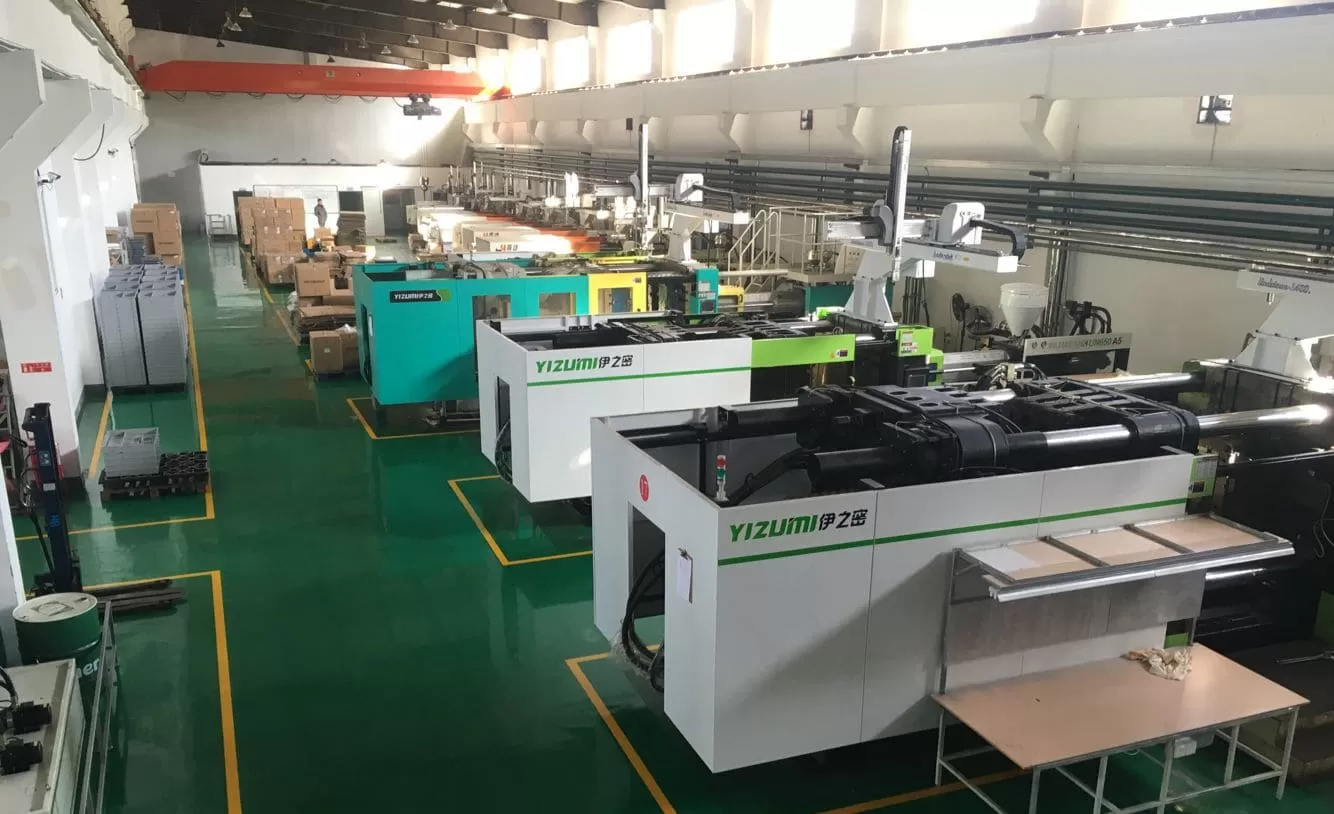
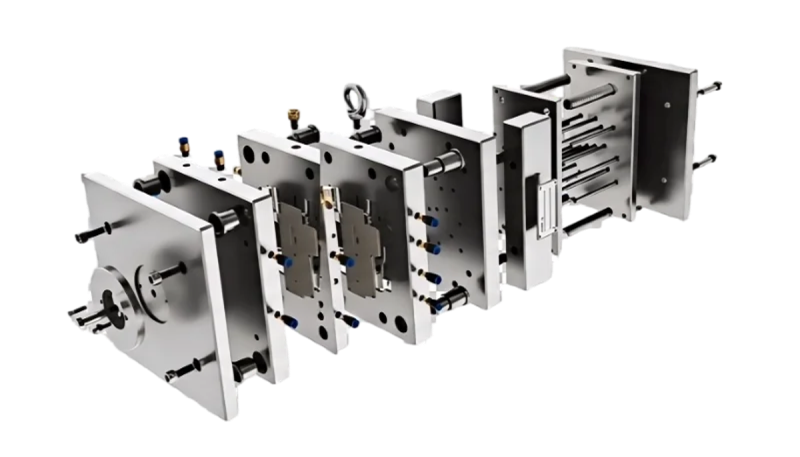
Spuitgieten van medische hulpmiddelen volgens ISO 13485¹ is niet gewoon reguliere productie met extra papierwerk—het is een totaal andere benadering van kwaliteitsmanagement. Na twee decennia medische onderdelen te hebben geproduceerd, heb ik fabrikanten zien worstelen met de overgang van ISO 9001 naar de wereld van medische hulpmiddelen. Het verschil bestaat niet alleen uit strengere eisen; het is een fundamentele verschuiving in de manier waarop u over risico’s, traceerbaarheid en procesbeheersing denkt.
- ISO 13485 vereist risicogestuurd denken gedurende het gehele spuitgietproces
- Schone-ruimte omgevingen en contaminatiebeheersing zijn verplicht voor de meeste medische hulpmiddelen productie
- Procesvalidatie via IQ-, OQ- en PQ-protocollen is essentieel voor regelgevingsgoedkeuring
- Volledige traceerbaarheid van grondstof tot eindproduct moet worden gehandhaafd
- Materiaalkeuze vereist biocompatibiliteitstesten en documentatie voor regelgevingsconformiteit
Wat is ISO 13485 en hoe verschilt het van ISO 9001?
ISO 13485 en de verschillen met ISO 9001 worden bepaald door de functie, beperkingen en afwegingen die in dit gedeelte worden toegelicht. Voor een bredere kijk op het ontwerp van spuitgietmatrijzen behandelt onze hoofdgids de matrijsstructuur, thermische beheersing en afwegingen rond produceerbaarheid.
ISO 13485¹ is de kwaliteitsmanagementnorm die specifiek is ontwikkeld voor fabrikanten van medische hulpmiddelen. Hoewel de norm enige verwantschap vertoont met ISO 9001, houden de overeenkomsten daar snel op. ISO 13485 vervangt de eis van ‘continue verbetering’ uit ISO 9001 door ‘effectiviteit handhaven’, omdat ongeoorloofde wijzigingen aan medische hulpmiddelen levensgevaarlijk kunnen zijn. De norm vereist geïntegreerd risicomanagement, naleving van regelgeving en post-market surveillance die veel verder gaan dan algemene kwaliteitssystemen.
De gevolgen voor het spuitgieten zijn aanzienlijk. Waar ISO 9001 procesverbeteringen op basis van efficiëntiewinst mogelijk accepteert, vereist ISO 13485 formeel wijzigingsbeheer, effectbeoordeling en vaak melding aan de regelgevende instantie voor elke proceswijziging. Elke spuitgietparameter—temperatuur, druk, cyclustijd—wordt onderdeel van een gevalideerd proces dat niet zomaar mag worden aangepast. Een gedocumenteerde kaart van de processtappen bij het spuitgieten helpt elke parameter te koppelen aan hetzelfde bewijspakket dat bij de validatie wordt gebruikt.
| Aspect | ISO 9001 | ISO 13485 |
|---|---|---|
| Primaire Focus | Klanttevredenheid | Veiligheid en effectiviteit |
| Verbeteringsfilosofie | Continue verbetering | Effectiviteit behouden |
| Risicobeheer | Optionele overweging | Verplichte integratie |
| Regelgevingsconformiteit | Niet gespecificeerd | Expliciete vereiste |
| Proceswijzigingen | Aangemoedigd indien nuttig | Gecontroleerd en gevalideerd |
| Documentatieniveau | Matig | Uitgebreid en traceerbaar |
| Activiteiten na levering | Klantfeedback | Post-markttoezicht |
"ISO 13485-gecertificeerde spuitgietfaciliteiten moeten gevalideerde processen hanteren die niet zonder formele goedkeuring mogen worden gewijzigd."True
Dit is volledig juist. ISO 13485 vereist dat alle productieprocessen worden gevalideerd en beheerst. Elke wijziging van spuitgietparameters, materialen of procedures moet een formeel wijzigingsbeheerproces met risicobeoordeling en validatie doorlopen. Zo wordt gewaarborgd dat wijzigingen de veiligheid of doeltreffendheid van het hulpmiddel niet aantasten.
"ISO 13485 is slechts ISO 9001 met aanvullende documentatie-eisen voor medische hulpmiddelen."False
Dit is een gevaarlijke oversimplificatie. Hoewel ISO 13485 ISO 9001 als basis gebruikt, verandert het fundamenteel de benadering van kwaliteitsmanagement. De verschuiving van continue verbetering naar het handhaven van effectiviteit, verplichte integratie van risicobeheer en regelgevingsvereisten vertegenwoordigen een volledig andere kwaliteitsfilosofie, niet alleen extra papierwerk.
Welke cleanroomvereisten gelden voor medisch spuitgieten?
Dit gedeelte behandelt de cleanroomeisen voor medisch spuitgieten en hun invloed op kosten, kwaliteit, planning en inkooprisico. De cleanroomeisen voor medisch spuitgieten hangen af van de classificatie van het hulpmiddel en het besmettingsrisico. Hulpmiddelen van klasse I vereisen mogelijk alleen basale reinheidsbeheersing, terwijl implanteerbare hulpmiddelen een omgeving van ISO 14644 Class 7 of beter nodig hebben. De uitdaging is niet alleen de cleanroom handhaven, maar ook spuitgietapparatuur in een gecontroleerde omgeving integreren zonder de reinheid of het spuitgietproces aan te tasten.
Temperatuurbeheersing wordt kritiek wanneer het HVAC-systeem van de cleanroom botst met de warmtebehoefte van spuitgieten. Installaties hebben moeite ±2°C te handhaven met machines van 1850 ton die enorme warmtebelastingen genereren. Luchtstromen moeten rond de machineopstelling worden ontworpen en personeelsstromen zorgvuldig worden gepland, vooral bij matrijswissels van 2-3 uur.
| Cleanroom Klasse | Deeltjes ≥0,5μm per m³ | Toepassingen voor Medische Hulpmiddelen | Typische vereisten |
|---|---|---|---|
| ISO 5 | 3,520 | Implanteerbare apparaten, steriele componenten | Volledige kleding, laminaire stroming |
| ISO 6 | 35,200 | Kritische chirurgische instrumenten | Cleanroompakken, gecontroleerde toegang |
| ISO 7 | 352,000 | Niet-steriele implantaten, diagnostische hulpmiddelen | Laboratoriumjassen, schoenovertrekken |
| ISO 8 | 3,520,000 | Externe medische hulpmiddelen | Eenvoudige beschermende kleding |
| Standaardruimte | >3,520,000 | Medische hulpmiddelen van klasse I (laag risico) | Goede orde en netheid |
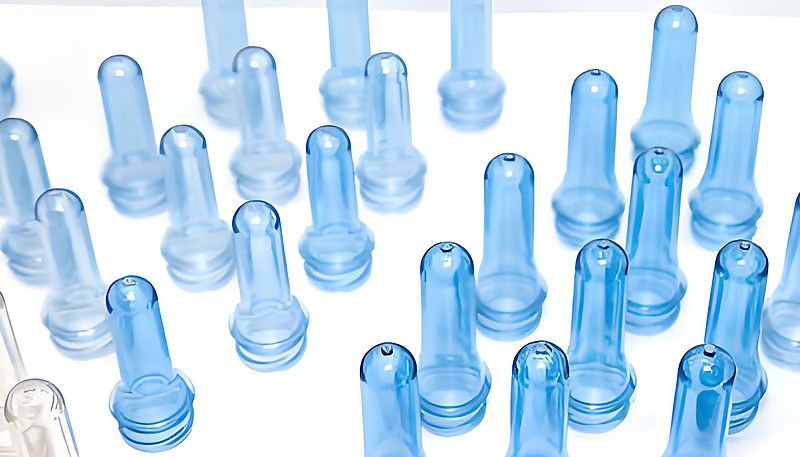
Hoe wordt procesvalidatie (IQ, OQ, PQ) uitgevoerd in medisch spuitgieten?
Dit gedeelte gaat over Procesvalidatie1 (IQ, OQ, PQ) bij medisch spuitgieten en de invloed daarvan op kosten, kwaliteit, planning en inkooprisico. Procesvalidatie IQ/OQ/PQ bij medisch spuitgieten volgt het protocol dat aantoont dat uw proces consequent onderdelen produceert die aan de specificaties voldoen. Installation Qualification (IQ) verifieert of apparatuur volgens de specificaties is geïnstalleerd—waarbij wordt gecontroleerd of uw spuitgietmachine de in uw proces voorgeschreven temperaturen en drukken daadwerkelijk kan bereiken. Dit is geen snelle controle; reken per machine op 2-3 dagen documentatie en tests.
Operational Qualification (OQ) bewijst dat de apparatuur binnen haar bedrijfsbereiken volgens specificatie presteert. Voor spuitgieten betekent dit het testen van temperatuurgelijkmatigheid over verwarmingszones, druknauwkeurigheid en herhaalbaarheid. Testcycli worden uitgevoerd bij minimale, maximale en gebruikelijke bedrijfsparameters. Performance Qualification (PQ) bewijst dat het volledige proces aanvaardbare onderdelen produceert — doorgaans met 30 opeenvolgende succesvolle productieruns en volledige maat- en functietests.
De documentatielast is aanzienlijk. Elk validatieprotocol kan 200-500 pagina’s documentatie opleveren en elke aanpassing van apparatuur vereist hervalidatie. We onderhouden afzonderlijke validatiepakketten voor elke combinatie van matrijs en materiaal, omdat de FDA deze als verschillende processen beschouwt. De investering is aanzienlijk—begroot USD 15,000-30,000 en 4-6 weken per procesvalidatie, afhankelijk van de complexiteit, en stem de validatieplanning af op een realistische productietijd voor spuitgieten voordat u introductiedata toezegt.
"Procesvalidatie moet zijn voltooid voordat commerciële productie van medische hulpmiddelen kan beginnen."True
Dit is correct en niet onderhandelbaar. FDA-regels en ISO 13485 vereisen procesvalidatie vóór commerciële productie. Medische hulpmiddelen uit niet-gevalideerde processen mogen niet worden geleverd. Dit omvat spuitgietparameters, omgevingsbeheersing en kwaliteitscontroleprocedures. Elke proceswijziging vereist hervalidatie voordat de productie wordt hervat.
"Na validatie hoeft een proces nooit opnieuw te worden gevalideerd, tenzij apparatuur defect raakt."False
Dit is onjuist en mogelijk gevaarlijk. Hervalidatie is vereist bij wijzigingen aan apparatuur, veranderingen van procesparameters, verhuizing van faciliteiten, personeelswisselingen die de procesbeheersing beïnvloeden en periodieke hervalidatie (doorgaans jaarlijks of tweejaarlijks). Zelfs software-updates van besturingen van spuitgietmachines kunnen hervalidatie vereisen.
Welke rol speelt traceerbaarheid bij ISO 13485-naleving?
Dit gedeelte behandelt de rol van traceerbaarheid bij naleving van iso 13485 en de gevolgen voor kosten, kwaliteit, doorlooptijd en inkooprisico. Traceerbaarheid bij medisch spuitgieten volgens ISO 13485 betekent dat elke component kan worden gevolgd vanaf de grondstofbatch tot de specifieke patiënt die het hulpmiddel heeft ontvangen. Dit omvat niet alleen batchregistraties, maar een volledige genealogie met materiaalbatchnummers, procesparameters, resultaten van kwaliteitstests en betrokken medewerkers. Als een medisch hulpmiddel in de praktijk faalt, verwachten toezichthouders dat u binnen enkele uren, niet dagen, elk mogelijk getroffen hulpmiddel kunt identificeren.
De gevolgen voor het spuitgieten zijn verstrekkend. Elke materiaalbatch moet afzonderlijk worden gehouden en tijdens de verwerking worden gevolgd. Het gebruik van maalgoed vereist documentatie van verontreinigingsverhoudingen en goedkeuringsregistraties. Onderhoudsregistraties van machines worden onderdeel van de hulpmiddelenhistorie, omdat een versleten schroef of verontreinigde cilinder de productkwaliteit kan beïnvloeden. We houden Device History Records⁴ (DHR2) bij waarmee afzonderlijke onderdelen tot specifieke holteposities in matrijzen met meerdere holtes kunnen worden herleid.
Digitale systemen zijn praktisch verplicht voor effectieve traceerbaarheid. Handmatige papieren systemen worden bij meer dan kleine productievolumes onbeheersbaar. Reken op een investering van $50,000-200,000 in MES- of ERP-systemen die aan de traceerbaarheidseisen voor medische hulpmiddelen kunnen voldoen. Het systeem moet gekoppeld zijn aan de besturing van spuitgietmachines om procesparameters automatisch vast te leggen en moet de gegevensintegriteit waarborgen voor wettelijke audits die tientallen jaren bestrijken.
Welke materialen worden vaak gebruikt in medisch spuitgieten?
Materialen voor medisch spuitgieten vallen op basis van biocompatibiliteitseisen en toepassing in verschillende categorieën. Materialen volgens USP Class VI3 vormen de basis voor de meeste medische toepassingen, terwijl implanteerbare hulpmiddelen een biologische evaluatie volgens ISO 10993 vereisen. De meest gebruikte materialen zijn polypropyleen, polycarbonaat en ABS van medische kwaliteit, en speciale polymeren zoals PEEK voor hoogwaardige toepassingen.
Materiaalkeuze omvat meer dan mechanische eigenschappen. Elk materiaal vereist documentatie over biocompatibiliteit, tests op extraheerbare en uitloogbare stoffen en vaak sterilisatievalidatie. Polypropyleen is geschikt voor wegwerphulpmiddelen door compatibiliteit met gamma- en ethyleenoxidesterilisatie. Polycarbonaat biedt optische helderheid voor diagnoseapparatuur, maar vereist zorgvuldige verwerking om spanningsscheuren tijdens sterilisatie te voorkomen.
Speciale materialen hebben een hogere prijs maar lossen specifieke uitdagingen op. PEEK biedt chemische bestendigheid en radiolucentie voor implantaten, maar vereist verwerkingstemperaturen boven 400°C. Vloeibare siliconenrubber (LSR) biedt biocompatibiliteit en flexibiliteit, maar vereist gespecialiseerde spuitgietapparatuur. Materialen van medische kwaliteit kosten doorgaans 2-5x zoveel als standaardkwaliteiten; certificering per partij verhoogt bovendien de doorlooptijd en voorraadkosten.
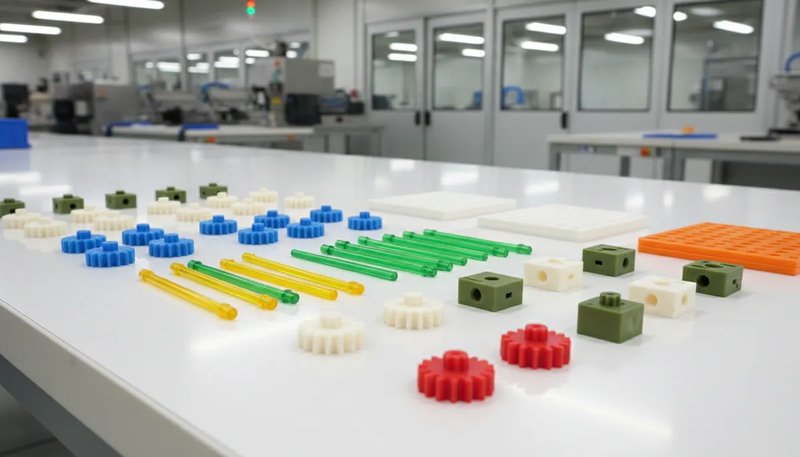
Wat zijn de voor- en nadelen van ISO 13485-naleving?
De voor- en nadelen van naleving van ISO 13485 zijn de hoofdcategorieën of opties die in dit gedeelte worden toegelicht. Naleving van ISO 13485 biedt toegang tot lucratieve markten voor medische hulpmiddelen, maar vereist aanzienlijke investeringen en operationele veranderingen. De voordelen zijn onder meer toegang tot gereguleerde markten, hogere prijzen voor medische componenten en concurrentieonderscheid. De nalevingslast heeft echter invloed op elk operationeel aspect, van documentatievereisten tot personeelstraining en procesflexibiliteit.
| Aspect | Voordelen | Nadelen |
|---|---|---|
| Markttoegang | Wereldwijde markten voor medische hulpmiddelen, wettelijke goedkeuring | Langdurig certificeringsproces, doorlopende audits |
| Prijzen | Premiumtarieven (20-40% hoger), langlopende contracten | Hogere materiaal- en nalevingskosten |
| Kwaliteitssystemen | Robuuste processen, minder defecten, klantvertrouwen | Uitgebreide documentatie, tragere proceswijzigingen |
| Concurrentie | Minder gekwalificeerde leveranciers, marktbarrières | Hogere toetredingsdrempels, gespecialiseerde expertise vereist |
| Bedrijfsvoering | Systematische aanpak, integratie van risicobeheer | Minder flexibiliteit, langere doorlooptijden |
| Investering | Langdurige klantrelaties, stabiele omzet | Aanzienlijke initiële kosten en doorlopende nalevingskosten |
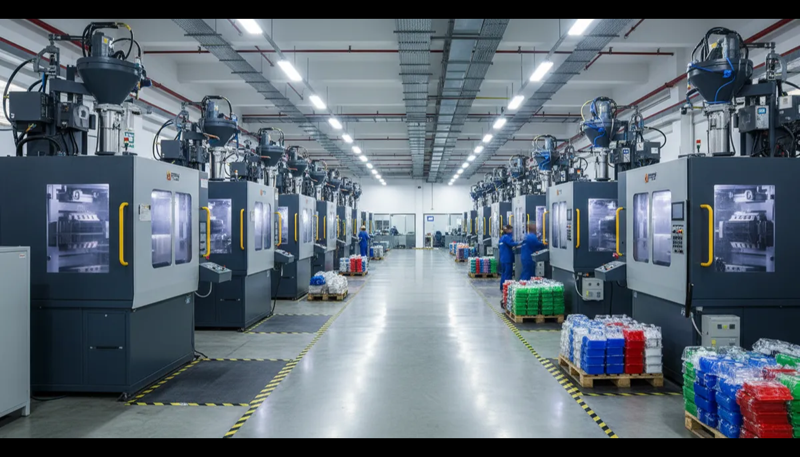
In onze fabriek in Shanghai werkt ons team volgens ISO 9001-, ISO 13485-, ISO 14001- en ISO 45001-systemen. Voor medisch spuitgietwerk ondersteunen 6 machines in een stofvrije ruimte van klasse M8 een schonere productiebeheersing, terwijl onze bredere capaciteit van 47 spuitgietmachines met een bereik van 90T tot 1850T beschikbaar blijft voor niet-medische projecten. Onze ervaring met meer dan 20 jaar spuitgieten en gereedschapsbouw leert dat medische projecten gedocumenteerde procesvalidatie, materiaaltraceerbaarheid en tussentijdse controles nodig hebben voordat een leveranciersgesprek van prijsvergelijking naar kwalificatie kan overgaan.
Hoe Kies Je een ISO 13485 Gecertificeerde Spuitgietpartner?
Bij de keuze van een ISO 13485-gecertificeerde spuitgietpartner gaat het om gereedschapscapaciteit, kwaliteitssystemen, communicatie en commerciële geschiktheid. Voor de selectie van een ISO 13485-spuitgietpartner moeten meer capaciteiten worden beoordeeld dan alleen de basiscertificering. Audit de cleanroomfaciliteiten, beoordeel de validatiedocumentatie en toets de ervaring met regelgeving. Een certificaat aan de muur garandeert geen deskundige uitvoering: u hebt leveranciers nodig die de FDA-regelgeving, de EU MDR-vereisten en de specifieke uitdagingen van de productie van medische hulpmiddelen begrijpen.
Technische capaciteiten zijn even belangrijk als certificering. Beoordeel de spuitgietervaring van leveranciers met uw specifieke materialen en toepassingen. Materialen van medische kwaliteit vereisen vaak gespecialiseerde verwerkingskennis en complexe geometrieën kunnen geavanceerde giettechnieken vereisen. Beoordeel hun kwaliteitssystemen, mogelijkheden voor statistische procesbeheersing en documentatiepraktijken. Een uitgebreide inkoopgids kan helpen uw beoordelingsproces te structureren.
Financiële stabiliteit en schaalbaarheid zijn cruciaal voor langetermijnpartnerschappen. Medische hulpmiddelen hebben vaak levenscycli van 10-15 jaar, en u hebt leveranciers nodig die groeiende volumes en regelgevingswijzigingen kunnen ondersteunen. Evalueer hun klantenbestand, investeringen in faciliteiten en retentie van technisch personeel. De leverancier met de laagste kosten overleeft zelden de compliance-eisen en investeringsvereisten van duurzame productie van medische hulpmiddelen.
Veelgestelde vragen
Hoe lang duurt ISO 13485-certificering voor een spuitgietfaciliteit?
Initiële ISO 13485-certificering duurt doorgaans 12-18 maanden voor een gevestigde spuitgietfaciliteit met bestaande kwaliteitssystemen. Deze tijdlijn omvat gap-analyse, procedureontwikkeling, personeelstraining, systeemimplementatie, interne audits en de tweefasen certificeringsaudit door een aangemelde instantie. Faciliteiten die vanaf nul beginnen—zonder cleanrooms of gevalideerde apparatuur—moeten rekening houden met 18-24 maanden. De grootste vertraging die we zien is procesvalidatie: elke matrijs-materiaalcombinatie vereist een eigen IQ/OQ/PQ-pakket, en de meeste faciliteiten onderschatten deze inspanning. Budgetteer royaal en betrek vroeg in het proces een ervaren adviseur om kostbare verrassingen tijdens de auditfase te voorkomen.
Wat zijn de jaarlijkse kosten voor het behoud van ISO 13485-certificering?
Bestaande spuitgietapparatuur kan vaak worden aangepast voor de productie van medische hulpmiddelen, maar dit traject is niet eenvoudig. Apparatuur moet een volledige Installation Qualification (IQ) doorlopen om te bevestigen dat deze aan de specificaties voldoet, gevolgd door Operational Qualification (OQ) om de capaciteit over de bedrijfsbereiken aan te tonen. Machines moeten procesbewaking en gegevensregistratie hebben om de parameters van elk shot vast te leggen. Ook cleanroomcompatibiliteit is belangrijk—hydraulische machines genereren warmte en deeltjes die gecontroleerde omgevingen kunnen aantasten. Oudere machines zonder gesloten regelkring of adequate documentatie-interfaces vereisen mogelijk aanzienlijke upgrades (,000-50,000) of vervanging. De leeftijd van de apparatuur is op zichzelf geen uitsluitingsgrond, maar de capaciteit van elke machine moet via formele kwalificatieprotocollen worden aangetoond.
Kan bestaande spuitgietapparatuur worden gebruikt voor medische hulpmiddelenproductie?
Medisch spuitgieten vereist een uitgebreid documentatie-ecosysteem. Kerndocumenten omvatten Device Master Records (DMR) met tekeningen, materiaalspecificaties en werkvoorschriften; Device History Records (DHR) die aantonen dat elke partij volgens de DMR is geproduceerd; procesvalidatieprotocollen en -rapporten (IQ/OQ/PQ); materiaalcertificaten en biocompatibiliteitstestresultaten; apparatuurkwalificatie- en kalibratierecords; standaard bedrijfsprocedures voor elke processtap; en wijzigingsbeheersdocumentatie voor aanpassingen. Elke productiepartij genereert een complete batchregistratie met real-time procesparameters, kwaliteitsinspectieresultaten en volledige materiaaltraceerbaarheid. Verwacht een documentatievolume 10-20x hoger dan standaard spuitgieten, en plan digitale systemen om de last effectief te beheren.
Welke documentatie is vereist voor medische spuitgietprocessen?
ISO 13485 verandert fundamenteel hoe spuitgietvormen worden ontworpen, onderhouden en aangepast. Vormontwerpen worden gecontroleerde documenten binnen het Design Control-proces—waarbij formele ontwerpbeoordelingen, risicoanalyses (met tools zoals FMEA) en gedocumenteerde verificatie dat de vorm aan de apparaatspecificaties voldoet, vereist zijn. Elke vormaanpassing, zelfs een ogenschijnlijk kleine holtepolijsting, activeert een wijzigingsbeheersproces met impactbeoordeling en mogelijke hervalidatie. Onderhoudsschema’s voor vormen worden onderdeel van het kwaliteitssysteem, waarbij elk onderhoudsgebeurtenis wordt gedocumenteerd in de apparaatgeschiedenis. Meervoudige holtevormen vereisen traceerbaarheid op holteniveau, wat betekent dat elke holte individueel geïdentificeerd en gevolgd moet worden gedurende de productie. Deze strengheid zorgt ervoor dat vormgerelateerde defecten geïsoleerd en gecorrigeerd kunnen worden zonder niet-aangetaste holten of apparaten te beïnvloeden.
Hoe beïnvloedt ISO 13485 het ontwerp en de productie van spuitgietmatrijzen?
Veelvoorkomende sterilisatiemethoden voor gespoten medische hulpmiddelen omvatten gammastraling (25-40 kGy), ethyleenoxidegas, elektronenbundel, stoomautoclaaf en waterstofperoxideplasma. Materiaalkeuze moet rekening houden met sterilisatiecompatibiliteit vanaf het ontwerpstadium: polypropyleen en polyethyleen verdragen gamma goed, maar polypropyleen kan bros worden bij hogere doses. Polycarbonaat kan vergelen onder straling. PEEK kan vrijwel alle sterilisatiemethoden aan maar kost 10-20x standaardmaterialen. EtO-sterilisatie vereist poreuze verpakking en voldoende aëratietijd om restanten te verwijderen. Elke apparaat-materiaal-sterilisatiecombinatie vereist een eigen validatiestudie die een sterilisatiezekerheidsniveau (SAL) van 10⁻⁶ aantoont. Het niet valideren van de specifieke combinatie kan leiden tot afwijzing door regelgevers tijdens apparaatindiening.
Welke sterilisatiemethoden zijn compatibel met gespoten medische hulpmiddelen?
ISO 13485 vereist gedocumenteerde trainingsprogramma’s voor elke persoon wiens werk de productkwaliteit beïnvloedt. Spuitgietoperators moeten competentie aantonen in medische hulpmiddelenvereisten, cleanroomprotocollen, contaminatiepreventie en specifieke procesprocedures voordat ze zelfstandig werken. Trainingsregistraties moeten initiële kwalificatie, periodieke opfriscursussen (meestal jaarlijks) en ad-hoc training voor procedurewijzigingen of corrigerende maatregelen bevatten. Competentiebeoordelingen gaan verder dan aanwezigheid—operators moeten begrip aantonen door praktische evaluatie. Het management blijft verantwoordelijk voor het waarborgen van trainingseffectiviteit en het bijhouden van registraties die regelgevende audits doorstaan. Veel faciliteiten vullen interne training aan met externe cursussen over ISO 13485, cleanroomoperaties en GMP-principes. Budgeteer 40-80 uur initiële training per operator, plus 16-24 uur jaarlijks voor doorlopende vereisten.
Zijn er specifieke trainingsvereisten voor personeel in ISO 13485-spuitgieten?
Ja, ISO 13485 vereist gedocumenteerde training voor personeel wiens werk de productkwaliteit beïnvloedt. Spuitgietoperators, proces technici, QC-inspecteurs, magazijnmedewerkers en projectingenieurs die medische hulpmiddelenprogramma’s beheren, moeten allemaal gestructureerde training ontvangen. Dit omvat initiële kwalificatietraining, jaarlijkse opfriscursussen en ad-hoc training wanneer procedures veranderen of corrigerende maatregelen worden geïmplementeerd. De effectiviteit van de training moet worden geverifieerd door praktische beoordeling, niet alleen door aanwezigheidsregistraties. Het management draagt directe verantwoordelijkheid voor het waarborgen van competentie in alle rollen. Faciliteiten moeten budgetteren voor 40-80 uur initiële training per operator plus 16-24 uur jaarlijks voor doorlopende compliancevereisten en voortgezette educatie.
Klaar om ISO 13485 spuitgieten van medische hulpmiddelen voor uw project te verkennen? Neem contact op met ZetarMold om uw specifieke vereisten te bespreken met onze gecertificeerde kwaliteitsspecialisten. Onze 20+ jaar ervaring in de productie van medische hulpmiddelen, gecombineerd met uitgebreide cleanroommogelijkheden en gevalideerde processen, kan helpen uw medisch hulpmiddel veilig en efficiënt op de markt te brengen.
Procesvalidatie: Procesvalidatie verwijst naar gedocumenteerd bewijs dat een proces dat binnen vastgestelde parameters wordt uitgevoerd, effectief en reproduceerbaar een geneesmiddel kan produceren dat aan vooraf vastgestelde specificaties voldoet. ↩
DHR: DHR staat voor Device History Record—een verzameling registraties met de productiegeschiedenis van een voltooid medisch hulpmiddel. ↩
USP Class VI: USP Class VI verwijst naar de testnorm van de United States Pharmacopeia voor biologische reactiviteit van kunststofmaterialen die in medische hulpmiddelen worden gebruikt. ↩