El moldeo por inyección de dispositivos médicos conforme a ISO 13485¹ no es una fabricación convencional con papeleo adicional: es un enfoque completamente distinto de la gestión de la calidad. Tras dos décadas produciendo componentes médicos, he visto a fabricantes tener dificultades con la transición de ISO 9001 al mundo de los dispositivos médicos. La diferencia no se limita a unos requisitos más estrictos; supone un cambio fundamental en la forma de concebir el riesgo, la trazabilidad y el control de procesos.
- ISO 13485 exige un pensamiento basado en riesgos durante todo el proceso de moldeo por inyección
- Los entornos de sala limpia y el control de contaminación son obligatorios en la fabricación de la mayoría de los dispositivos médicos
- La validación del proceso mediante protocolos IQ, OQ y PQ es esencial para la aprobación regulatoria
- Debe mantenerse una trazabilidad completa desde la materia prima hasta el dispositivo acabado
- La selección del material requiere ensayos de biocompatibilidad y documentación de cumplimiento normativo
¿Qué es ISO 13485 y en qué se diferencia de ISO 9001?
ISO 13485 y sus diferencias respecto a ISO 9001 se definen por la función, las restricciones y los compromisos explicados en esta sección. Para una visión más amplia del diseño de moldes de inyección, nuestra guía principal aborda la estructura del utillaje, el control térmico y los compromisos de fabricabilidad.
ISO 13485¹ es la norma de gestión de la calidad diseñada específicamente para fabricantes de productos sanitarios. Aunque comparte parte de su base con ISO 9001, las similitudes terminan pronto. ISO 13485 elimina el requisito de “mejora continua” de ISO 9001 en favor de “mantener la eficacia”, porque en los productos sanitarios los cambios no autorizados pueden causar muertes. La norma exige una integración de la gestión de riesgos, el cumplimiento normativo y la vigilancia poscomercialización que van mucho más allá de los sistemas generales de calidad.
Las implicaciones para el moldeo por inyección son importantes. Mientras que ISO 9001 podría aceptar mejoras del proceso basadas en ganancias de eficiencia, ISO 13485 exige un control formal de cambios, una evaluación del impacto y, a menudo, una notificación reglamentaria de cualquier modificación del proceso. Cada parámetro de moldeo por inyección —temperatura, presión, tiempo de ciclo— pasa a formar parte de un proceso validado que no puede ajustarse de manera informal. Un mapa documentado de las etapas del proceso de moldeo por inyección ayuda a vincular cada parámetro con el mismo paquete de evidencias utilizado durante la validación.
| Aspecto | ISO 9001 | ISO 13485 |
|---|---|---|
| Enfoque principal | Satisfacción del cliente | Seguridad y eficacia |
| Filosofía de mejora | Mejora continua | Mantener la eficacia |
| Gestión de riesgos | Consideración opcional | Integración obligatoria |
| Cumplimiento normativo | No especificado | Requisito explícito |
| Cambios de proceso | Recomendado si resulta beneficioso | Controlado y validado |
| Nivel de documentación | Moderado | Exhaustivo y trazable |
| Actividades posteriores a la entrega | Comentarios de clientes | Vigilancia poscomercialización |
"Las instalaciones de moldeo por inyección certificadas según ISO 13485 deben mantener procesos validados que no pueden modificarse sin aprobación formal."True
Es totalmente correcto. ISO 13485 exige validar y controlar todos los procesos de fabricación. Cualquier cambio en los parámetros, materiales o procedimientos de moldeo por inyección debe someterse a un proceso formal de control de cambios con evaluación de riesgos y validación. Así se garantiza que las modificaciones no comprometan la seguridad ni la eficacia del dispositivo.
"ISO 13485 es simplemente ISO 9001 con requisitos adicionales de documentación para dispositivos médicos."False
Esta es una simplificación excesiva y peligrosa. Aunque ISO 13485 utiliza ISO 9001 como base, cambia de forma fundamental el enfoque de la gestión de la calidad. El paso de la mejora continua al mantenimiento de la eficacia, la integración obligatoria de la gestión de riesgos y los requisitos de cumplimiento normativo representan una filosofía de calidad completamente distinta, no solo papeleo adicional.
¿Qué requisitos de sala limpia se aplican al moldeo por inyección para productos médicos?
Esta sección trata sobre los requisitos de sala limpia aplicables al moldeo por inyección médico y su repercusión en el coste, la calidad, los plazos o el riesgo de abastecimiento. Los requisitos de sala limpia para el moldeo por inyección médico dependen de la clasificación del dispositivo y del riesgo de contaminación. Los dispositivos de Clase I pueden requerir únicamente controles básicos de limpieza, mientras que los dispositivos implantables exigen entornos ISO 14644 Class 7 o superiores. El desafío no consiste solo en mantener la sala limpia, sino en integrar el equipo de moldeo por inyección en entornos controlados sin comprometer la limpieza ni el proceso de moldeo.
El control de la temperatura se vuelve crítico cuando el sistema HVAC de la sala limpia entra en conflicto con los requisitos térmicos del moldeo por inyección. Hemos visto instalaciones con dificultades para mantener un control de ±2°C mientras operan máquinas de 1850-ton que generan enormes cargas térmicas. Los patrones de flujo de aire deben diseñarse en función de la ubicación de las máquinas, y los flujos de personal requieren una consideración cuidadosa, especialmente durante los cambios de molde, que pueden tardar 2-3 hours.
| Clase de sala limpia | Partículas ≥0.5μm por m³ | Aplicaciones de dispositivos médicos | Requisitos habituales |
|---|---|---|---|
| ISO 5 | 3,520 | Dispositivos implantables, componentes estériles | Indumentaria completa, flujo laminar |
| ISO 6 | 35,200 | Instrumentos quirúrgicos críticos | Trajes de sala blanca, acceso controlado |
| ISO 7 | 352,000 | La estabilidad financiera y la escalabilidad son cruciales para las asociaciones a largo plazo. Los productos de dispositivos médicos suelen tener ciclos de vida de 10 a 15 años, y necesitas proveedores que puedan respaldar volúmenes crecientes y cambios regulatorios. Evalúa su base de clientes, inversiones en instalaciones y retención de personal técnico. El proveedor de menor costo rara vez sobrevive a las exigencias de cumplimiento y los requisitos de inversión de la fabricación sostenida de dispositivos médicos. | Batas de laboratorio, cubrezapatos |
| ISO 8 | 3,520,000 | Dispositivos médicos externos | Ropa de protección básica |
| Sala estándar | >3,520,000 | Dispositivos Clase I (bajo riesgo) | Buenas prácticas de orden y limpieza |
¿Cómo se ejecuta la validación del proceso (IQ, OQ, PQ) en el moldeo médico?
Esta sección trata sobre la validación de procesos1 (IQ, OQ, PQ) aplicada al moldeo médico y su repercusión en el coste, la calidad, los plazos o el riesgo de abastecimiento. La validación de procesos IQ/OQ/PQ en el moldeo por inyección médico sigue el protocolo que demuestra que el proceso produce de forma constante piezas conformes con las especificaciones. La cualificación de la instalación (IQ) verifica que los equipos estén instalados según las especificaciones y comprueba que la máquina de moldeo por inyección pueda alcanzar realmente las temperaturas y presiones indicadas en el proceso. No es una comprobación rápida: prevea entre 2 y 3 días de documentación y ensayos por máquina.
La cualificación operacional (OQ) demuestra que el equipo funciona según lo previsto en todos sus rangos operativos. En el moldeo por inyección, esto implica comprobar la uniformidad de la temperatura en las zonas de calentamiento, la precisión de la presión y la repetibilidad. Se realizan ciclos de prueba con parámetros operativos mínimos, máximos y habituales. La cualificación del rendimiento (PQ) demuestra que el proceso completo produce piezas aceptables y suele requerir 30 series de producción consecutivas satisfactorias con ensayos dimensionales y funcionales completos.
La carga documental es considerable. Cada protocolo de validación puede generar entre 200 y 500 páginas de documentación, y cualquier modificación de los equipos exige una revalidación. Mantenemos paquetes de validación independientes para cada combinación de molde y material porque la FDA los considera procesos distintos. La inversión es significativa: presupueste entre USD 15.000 y 30.000 y entre 4 y 6 semanas por validación de proceso, según la complejidad, y alinee el calendario de validación con un plazo de producción de moldeo por inyección realista antes de prometer fechas de lanzamiento.
"La validación del proceso debe completarse antes de que pueda comenzar la producción comercial de dispositivos médicos."True
Esto es correcto y no negociable. La normativa de la FDA y los requisitos de ISO 13485 obligan a validar los procesos antes de la producción comercial. No se pueden enviar dispositivos médicos fabricados mediante procesos no validados. Esto incluye los parámetros de moldeo por inyección, los controles ambientales y los procedimientos de control de calidad. Cualquier cambio del proceso requiere una nueva validación antes de reanudar la producción.
"Una vez validado un proceso, nunca necesita revalidación salvo que se averíe el equipo."False
Esto es incorrecto y potencialmente peligroso. Se requiere revalidación cuando se modifica el equipo, cambian los parámetros del proceso, se trasladan las instalaciones, cambia el personal que afecta al control del proceso y de forma periódica (normalmente anual o bienal). Incluso las actualizaciones de software de los controladores de las máquinas de moldeo por inyección pueden activar requisitos de revalidación.
¿Qué papel desempeña la trazabilidad en el cumplimiento de ISO 13485?
Esta sección trata sobre la función de la trazabilidad en el cumplimiento de ISO 13485 y su repercusión en el coste, la calidad, los plazos o el riesgo de abastecimiento. La trazabilidad en el moldeo por inyección médico conforme a ISO 13485 significa que se puede rastrear cada componente desde el lote de materia prima hasta el paciente específico que recibió el dispositivo. No se trata solo de registros de lotes, sino de una genealogía completa que incluye los números de lote del material, los parámetros de procesamiento, los resultados de las pruebas de calidad y el personal implicado. Cuando un dispositivo médico falla en servicio, los reguladores esperan que se identifiquen todos los dispositivos potencialmente afectados en cuestión de horas, no de días.
Las implicaciones para el moldeo por inyección son amplias. Cada lote de material debe segregarse y rastrearse durante el procesamiento. El uso de material triturado exige documentación que muestre las proporciones de contaminación y los registros de aprobación. Los registros de mantenimiento de las máquinas pasan a formar parte del historial del dispositivo, pues un husillo desgastado o un cilindro contaminado podrían afectar a la calidad del producto. Mantenemos registros del historial del dispositivo⁴ (DHR2) capaces de rastrear piezas individuales hasta posiciones de cavidad concretas en moldes multicavidad.
Los sistemas digitales son prácticamente obligatorios para una trazabilidad eficaz. Los sistemas manuales en papel se vuelven inmanejables más allá de pequeños volúmenes de producción. Cabe prever una inversión de $50,000-200,000 en sistemas MES o ERP capaces de gestionar los requisitos de trazabilidad de dispositivos médicos. El sistema debe conectarse con los controles de la máquina de moldeo por inyección para capturar automáticamente los parámetros del proceso y debe mantener la integridad de los datos para auditorías reglamentarias que abarquen décadas.
¿Qué materiales se utilizan habitualmente en el moldeo por inyección médico?
Los materiales para moldeo por inyección médico se dividen en varias categorías según los requisitos de biocompatibilidad y la aplicación. Los materiales USP Clase VI3 constituyen la referencia para la mayoría de las aplicaciones médicas, mientras que los dispositivos implantables requieren una evaluación biológica ISO 10993. Entre los materiales más habituales se encuentran el polipropileno, el policarbonato y el ABS de grado médico, además de polímeros especiales como PEEK para aplicaciones de alto rendimiento.
La selección abarca más que propiedades mecánicas. Cada material requiere documentación de biocompatibilidad, ensayos de extraíbles y lixiviables y validación de esterilización. PP sirve para desechables por compatibilidad con gamma y óxido de etileno. PC aporta claridad a diagnóstico, pero requiere proceso cuidadoso para evitar grietas por tensión durante esterilización.
Los materiales especiales tienen precios superiores, pero resuelven retos específicos. El PEEK ofrece resistencia química y radiolucidez para implantes, pero requiere temperaturas de procesamiento superiores a 400°C. El caucho de silicona líquida (LSR) aporta biocompatibilidad y flexibilidad, pero necesita equipos especializados de moldeo por inyección. Los materiales de grado médico suelen costar entre 2-5 veces más que los grados estándar, y la certificación de cada lote añade plazo de entrega y costes de inventario.
¿Cuáles son las ventajas y desventajas del cumplimiento de ISO 13485?
Las ventajas y desventajas del cumplimiento de ISO 13485 son las principales categorías u opciones explicadas en esta sección. El cumplimiento de ISO 13485 abre las puertas a mercados lucrativos de dispositivos médicos, pero exige una inversión considerable y cambios operativos. Entre sus ventajas se incluyen el acceso a mercados regulados, precios superiores para componentes médicos y diferenciación competitiva. Sin embargo, la carga del cumplimiento afecta a todos los aspectos de las operaciones, desde los requisitos de documentación hasta la formación del personal y la flexibilidad del proceso.
| Aspecto | Ventajas | Desventajas |
|---|---|---|
| Acceso al mercado | Mercados mundiales de dispositivos médicos, aprobación normativa | Proceso de certificación prolongado, auditorías continuas |
| Precios | Tarifas prémium (20-40% superiores), contratos a largo plazo | Mayores costes de material y cumplimiento |
| Sistemas de calidad | Procesos robustos, menos defectos y confianza del cliente | Documentación extensa, cambios de proceso más lentos |
| Competencia | Menos proveedores cualificados, barreras de mercado | Mayores barreras de entrada, se requiere experiencia especializada |
| Operaciones | Enfoque sistemático, integración de la gestión de riesgos | Menor flexibilidad, plazos de entrega más largos |
| Inversión | Relaciones duraderas con clientes, ingresos estables | Costes iniciales importantes, gastos continuos de cumplimiento |
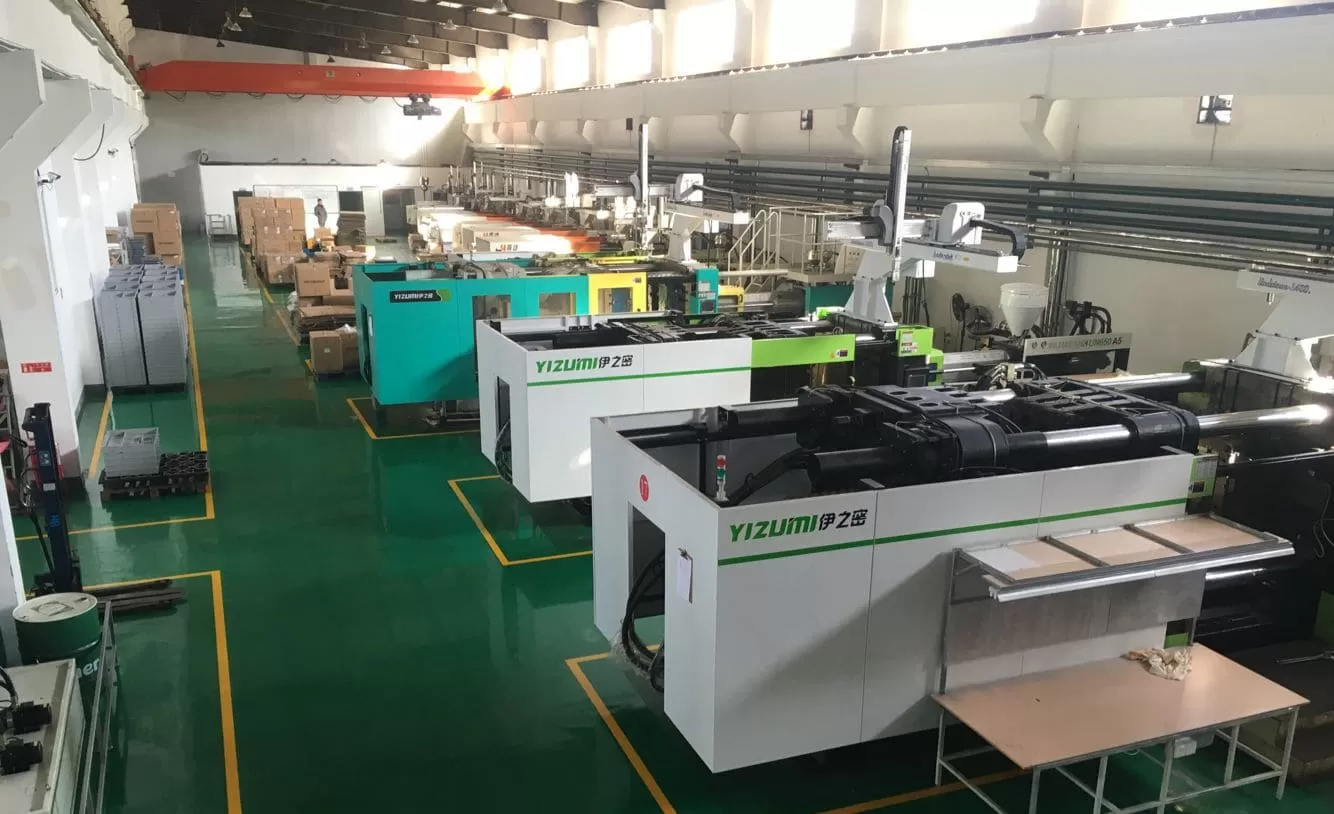
En nuestra fábrica de Shanghái, el equipo trabaja conforme a los sistemas ISO 9001, ISO 13485, ISO 14001 e ISO 45001. Para trabajos de moldeo médico, 6 máquinas en una sala sin polvo de Class M8 permiten un control de producción más limpio, mientras que nuestras otras 47 máquinas de moldeo por inyección y el intervalo de 90T a 1850T mantienen disponible la capacidad de ingeniería para proyectos no médicos. Según nuestra experiencia de 20+ años en moldeo por inyección y utillaje, los proyectos médicos necesitan validación documentada del proceso, trazabilidad de materiales y controles durante el proceso antes de que una conversación con un proveedor pase de comparar precios a la homologación.
¿Cómo se elige un socio de moldeo por inyección certificado conforme a ISO 13485?
Elegir un socio de moldeo por inyección certificado según iso 13485 depende de la capacidad de utillaje, los sistemas de calidad, la comunicación y el encaje comercial. Seleccionar un socio de moldeo por inyección ISO 13485 exige evaluar capacidades más allá de la certificación básica. Audite sus salas limpias, revise la documentación de validación y evalúe su experiencia regulatoria. Un certificado expuesto no garantiza una ejecución competente: necesita proveedores que comprendan las normativas FDA, los requisitos EU MDR y los retos específicos de fabricar dispositivos médicos.
Las capacidades técnicas importan tanto como la certificación. Evalúe su experiencia en moldeo por inyección con sus materiales y aplicaciones específicos. Los materiales de grado médico suelen exigir conocimientos especializados de procesamiento, y las geometrías complejas pueden requerir técnicas avanzadas de moldeo. Revise sus sistemas de calidad, sus capacidades de control estadístico de procesos y sus prácticas documentales. Una guía de abastecimiento completa puede ayudar a estructurar el proceso de evaluación.
La estabilidad financiera y la escalabilidad son cruciales para las colaboraciones a largo plazo. Los productos sanitarios suelen tener ciclos de vida de 10-15 años y se necesitan proveedores capaces de soportar volúmenes crecientes y cambios normativos. Evalúe su cartera de clientes, sus inversiones en instalaciones y la retención de su personal técnico. El proveedor de menor coste rara vez sobrevive a las exigencias de cumplimiento y de inversión de la fabricación sostenida de productos sanitarios.
Preguntas frecuentes
Guía de Moldeo por Inyección de Dispositivos Médicos ISO 13485 | ZetarMold
La certificación inicial ISO 13485 suele requerir 12-18 meses para una planta de moldeo consolidada con sistemas de calidad existentes. Este plazo incluye análisis de carencias, desarrollo de procedimientos, formación del personal, implantación del sistema, auditorías internas y la auditoría de certificación en dos etapas por un organismo notificado. Las instalaciones que parten de cero —sin salas limpias ni equipos validados— deben prever 18-24 meses. El mayor retraso que observamos es la validación del proceso: cada combinación de molde y material exige su propio paquete IQ/OQ/PQ, y la mayoría de las plantas subestima este trabajo. Asigne un margen generoso y contrate pronto a un consultor experimentado para evitar sorpresas costosas durante la auditoría.
¿Cuáles son los costes anuales de mantener la certificación ISO 13485?
Los equipos de moldeo por inyección existentes suelen poder adaptarse a la producción de dispositivos médicos, pero el proceso no es sencillo. Los equipos deben someterse a una cualificación de instalación (IQ) completa para verificar que cumplen las especificaciones, seguida de una cualificación operativa (OQ) que demuestre su capacidad en todos los rangos de funcionamiento. Las máquinas necesitan funciones de supervisión del proceso y registro de datos para capturar los parámetros de cada inyección. La compatibilidad con salas limpias es otra consideración: las máquinas hidráulicas generan calor y partículas que pueden afectar a los entornos controlados. Las máquinas antiguas sin control de lazo cerrado o interfaces de documentación adecuadas pueden requerir actualizaciones importantes (,000-50,000) o su sustitución. La antigüedad del equipo no es por sí sola un criterio de exclusión, pero debe demostrarse la capacidad de cada máquina mediante protocolos formales de cualificación.
¿Puede utilizarse el equipo de moldeo por inyección existente para fabricar dispositivos médicos?
El moldeo por inyección médica requiere un ecosistema documental completo. Los documentos principales incluyen los registros maestros del dispositivo (DMR), con planos, especificaciones de materiales e instrucciones de trabajo; los registros históricos del dispositivo (DHR), que demuestran que cada lote se fabricó conforme al DMR; protocolos e informes de validación del proceso (IQ/OQ/PQ); certificaciones de materiales y resultados de ensayos de biocompatibilidad; registros de cualificación y calibración de equipos; procedimientos operativos estándar para cada etapa del proceso; y documentación de control de cambios para cualquier modificación. Cada lote de producción genera un registro completo con parámetros del proceso en tiempo real, resultados de inspección de calidad y trazabilidad total de los materiales. Cabe esperar un volumen documental entre 10 y 20 veces superior al del moldeo por inyección estándar, por lo que deben planificarse sistemas digitales que gestionen eficazmente esta carga.
¿Qué documentación se requiere para los procesos de moldeo por inyección médica?
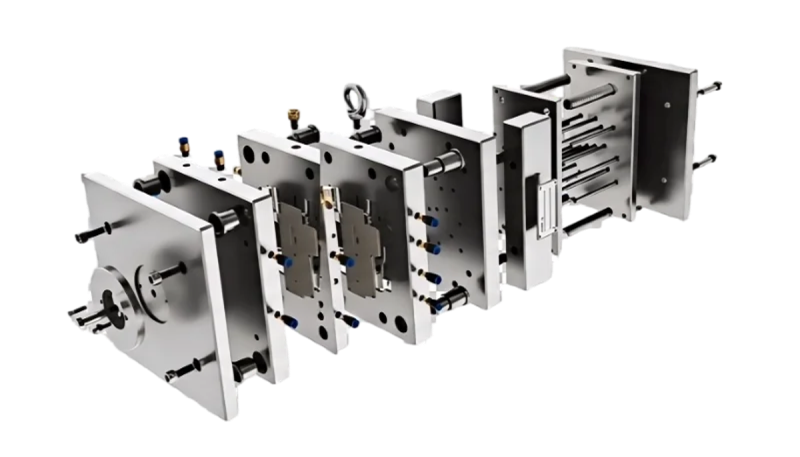
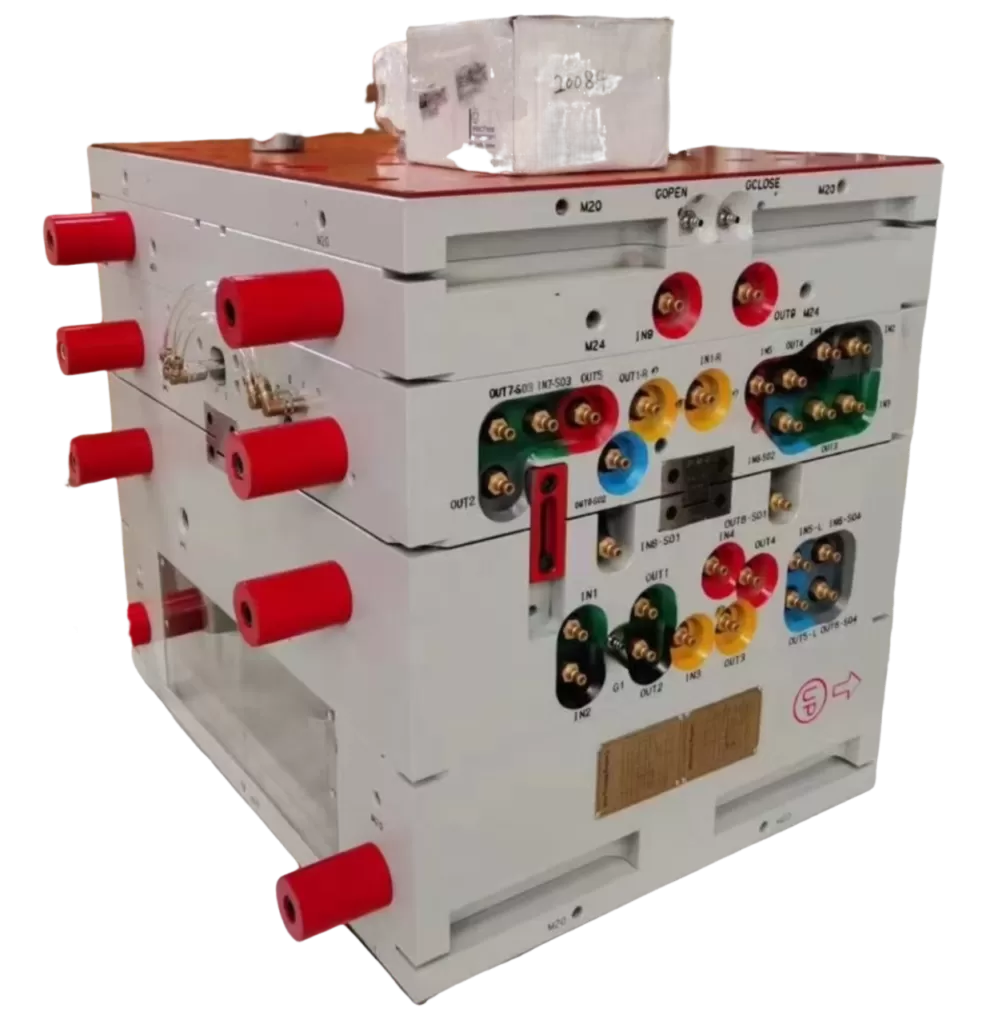
ISO 13485 cambia de manera fundamental la forma en que se diseñan, mantienen y modifican los moldes de inyección. Los diseños de molde pasan a ser documentos controlados dentro del proceso de Control de Diseño, lo que exige revisiones formales del diseño, análisis de riesgos (con herramientas como FMEA) y una verificación documentada de que el molde cumple las especificaciones del dispositivo. Cualquier modificación del molde, incluso un pulido de cavidad aparentemente menor, activa un proceso de control de cambios con evaluación de impacto y posible revalidación. Los programas de mantenimiento del molde pasan a formar parte del sistema de calidad, y cada intervención de mantenimiento queda documentada en el historial del dispositivo. Los moldes multicavidad requieren trazabilidad a nivel de cavidad, lo que significa que cada cavidad debe identificarse y seguirse individualmente durante toda la producción. Este rigor permite aislar y corregir los defectos relacionados con el molde sin afectar a las cavidades o dispositivos no afectados.
¿Cómo afecta ISO 13485 al diseño y la fabricación de moldes de inyección?
Los métodos habituales de esterilización de dispositivos médicos moldeados por inyección incluyen radiación gamma (25-40 kGy), gas de óxido de etileno, haz de electrones, autoclave de vapor y plasma de peróxido de hidrógeno. La selección del material debe tener en cuenta la compatibilidad con la esterilización desde la fase de diseño: el polipropileno y el polietileno toleran bien la radiación gamma, pero el polipropileno puede volverse quebradizo con dosis más altas. El policarbonato puede amarillear bajo la radiación. El PEEK admite prácticamente todos los métodos de esterilización, pero cuesta entre 10 y 20 veces más que los materiales estándar. La esterilización con EtO requiere embalaje poroso y un tiempo de aireación adecuado para eliminar los residuos. Cada combinación de dispositivo, material y esterilización requiere su propio estudio de validación que demuestre un nivel de garantía de esterilidad (SAL) de 10⁻⁶. No validar la combinación específica puede provocar el rechazo reglamentario durante la presentación del dispositivo.
¿Qué métodos de esterilización son compatibles con los dispositivos médicos moldeados por inyección?
ISO 13485 exige programas de formación documentados para toda persona cuyo trabajo afecte a la calidad del producto. Los operarios de moldeo por inyección deben demostrar competencia en requisitos de dispositivos médicos, protocolos de sala limpia, prevención de la contaminación y procedimientos específicos del proceso antes de trabajar de forma independiente. Los registros deben incluir la cualificación inicial, cursos periódicos de actualización (normalmente anuales) y formación puntual ante cambios de procedimiento o acciones correctivas. Las evaluaciones van más allá de la asistencia: los operarios deben demostrar su comprensión mediante una evaluación práctica. La dirección conserva la responsabilidad de garantizar la eficacia de la formación y mantener registros que superen las auditorías normativas. Muchas instalaciones complementan la formación interna con cursos externos sobre ISO 13485, operaciones de sala limpia y principios GMP. Presupueste 40-80 horas de formación inicial por operario, más 16-24 horas anuales para los requisitos continuos.
¿Existen requisitos específicos de formación para el personal de moldeo por inyección conforme a ISO 13485?
Sí, la norma ISO 13485 exige formación documentada para el personal cuyo trabajo afecta a la calidad del producto. Los operarios de moldeo por inyección, los técnicos de procesos, los inspectores de control de calidad, el personal de almacén y los ingenieros de proyectos que gestionan programas de dispositivos médicos deben recibir formación estructurada. Esta incluye formación inicial de cualificación, cursos anuales de actualización y formación específica siempre que cambien los procedimientos o se apliquen medidas correctivas. La eficacia de la formación debe verificarse mediante una evaluación práctica, no solo con registros de asistencia. La dirección asume la responsabilidad directa de garantizar la competencia en todas las funciones. Las instalaciones deben presupuestar 40-80 horas de formación inicial por operario, más 16-24 horas anuales para los requisitos de cumplimiento continuo y la formación permanente.
¿Está listo para explorar el moldeo por inyección de dispositivos médicos conforme a ISO 13485 para su proyecto? Contacte con ZetarMold para comentar sus requisitos específicos con nuestros especialistas certificados en calidad. Nuestros más de 20 años de experiencia en la fabricación de dispositivos médicos, junto con amplias capacidades de sala limpia y procesos validados, pueden ayudarle a llevar su dispositivo médico al mercado de forma segura y eficiente.
Validación de procesos: la validación de procesos es la evidencia documentada de que un proceso, operado dentro de los parámetros establecidos, puede funcionar de manera eficaz y reproducible para producir un medicamento conforme con sus especificaciones predeterminadas. ↩
DHR: DHR se refiere al registro del historial del dispositivo, una recopilación de registros que contiene el historial de producción de un dispositivo médico terminado. ↩
USP Clase VI: USP Clase VI se refiere a la norma de ensayo de reactividad biológica de la Farmacopea de Estados Unidos para materiales plásticos utilizados en dispositivos médicos. ↩