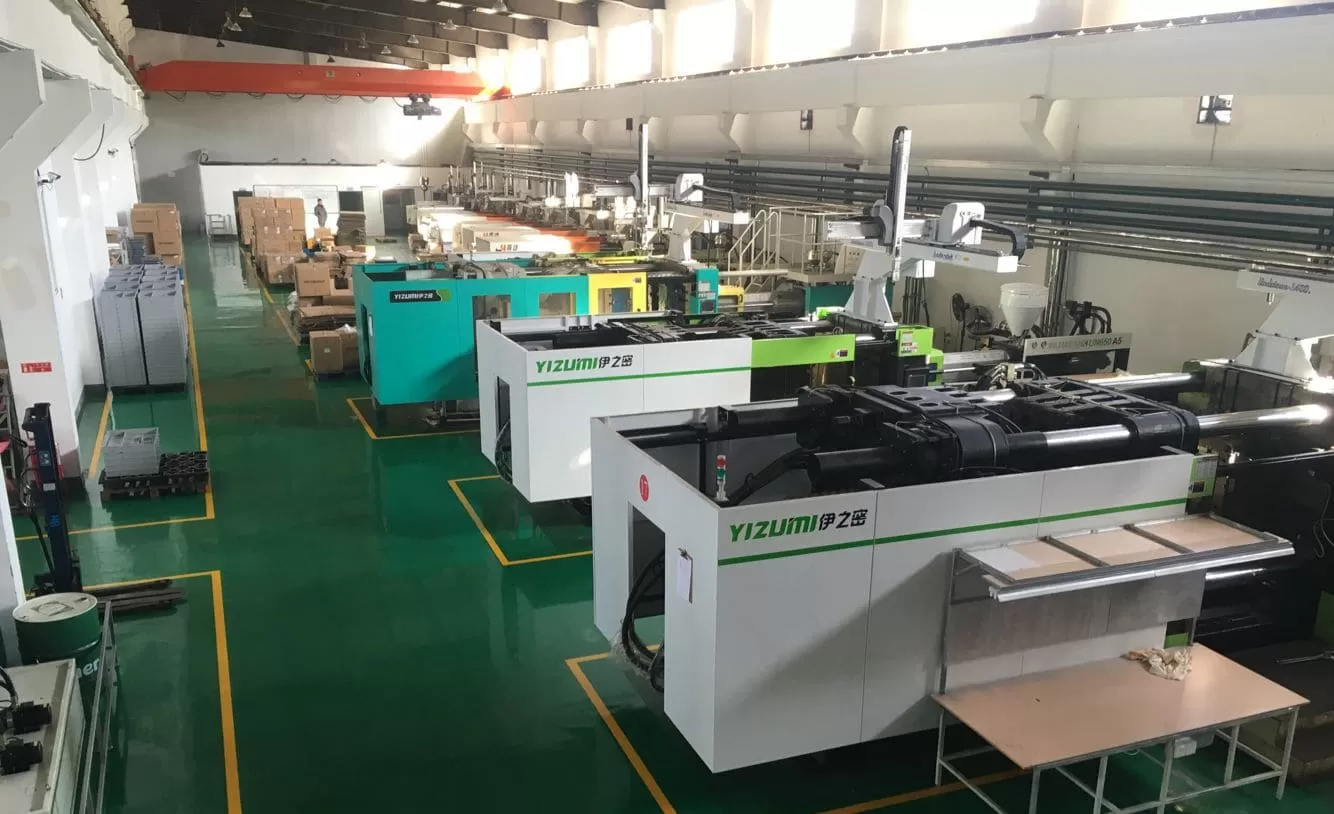
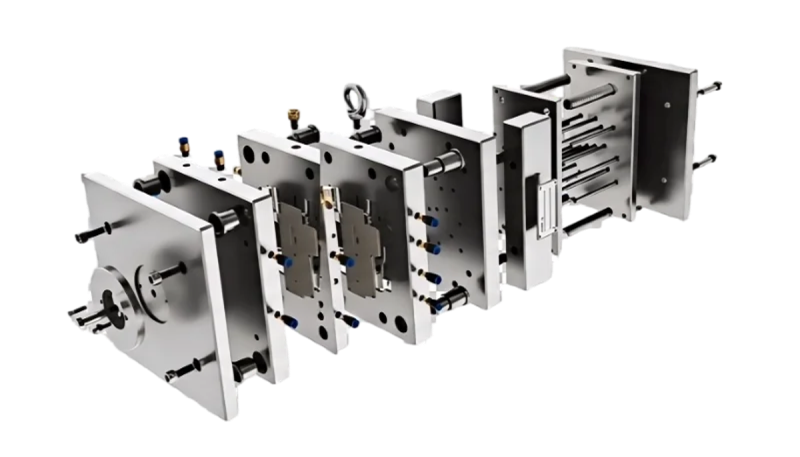
Das Spritzgießen von Medizinprodukten nach ISO 13485¹ ist nicht einfach gewöhnliche Fertigung mit zusätzlicher Dokumentation, sondern ein grundlegend anderer Ansatz des Qualitätsmanagements. In zwei Jahrzehnten der Herstellung medizinischer Komponenten habe ich erlebt, wie Hersteller mit dem Übergang von ISO 9001 in die Welt der Medizinprodukte ringen. Der Unterschied besteht nicht nur in strengeren Anforderungen, sondern in einer grundlegenden Veränderung des Umgangs mit Risiken, Rückverfolgbarkeit und Prozesskontrolle.
- ISO 13485 verlangt risikobasiertes Denken im gesamten Spritzgießprozess
- Reinraumumgebungen und Kontaminationskontrolle sind für die Herstellung der meisten Medizinprodukte vorgeschrieben
- Die Prozessvalidierung anhand von IQ-, OQ- und PQ-Protokollen ist für die behördliche Zulassung unerlässlich
- Die vollständige Rückverfolgbarkeit vom Rohstoff bis zum fertigen Medizinprodukt muss gewährleistet sein
- Die Materialauswahl erfordert Biokompatibilitätsprüfungen und Dokumentation der regulatorischen Konformität
Was ist ISO 13485 und wie unterscheidet sie sich von ISO 9001?
Was ISO 13485 ist und wie sie sich von ISO 9001 unterscheidet, ergibt sich aus den in diesem Abschnitt erläuterten Funktionen, Randbedingungen und Zielkonflikten. Einen breiteren Überblick über die Konstruktion von Spritzgießformen bietet unser Grundlagenleitfaden zu Werkzeugstruktur, Wärmeregelung und fertigungsgerechter Auslegung.
ISO 13485¹ ist die speziell für Hersteller von Medizinprodukten entwickelte Qualitätsmanagementnorm. Obwohl sie einige Grundzüge mit ISO 9001 gemeinsam hat, enden die Ähnlichkeiten schnell. ISO 13485 ersetzt die Anforderung der ISO 9001 an die “kontinuierliche Verbesserung” durch “Wirksamkeit aufrechterhalten” — denn bei Medizinprodukten können nicht genehmigte Änderungen Menschenleben gefährden. Die Norm fordert die Integration des Risikomanagements, die Einhaltung regulatorischer Vorgaben und eine Überwachung nach dem Inverkehrbringen, die weit über allgemeine Qualitätssysteme hinausgeht.
Die Auswirkungen auf das Spritzgießen sind erheblich. Während ISO 9001 Prozessverbesserungen aufgrund von Effizienzgewinnen akzeptieren kann, verlangt ISO 13485 bei jeder Prozessänderung eine formale Änderungskontrolle, Folgenabschätzung und häufig eine Meldung an die Aufsichtsbehörden. Jeder Spritzgießparameter – Temperatur, Druck und Zykluszeit – wird Bestandteil eines validierten Prozesses und darf nicht beiläufig geändert werden. Eine dokumentierte Übersicht der Spritzgießprozessschritte verknüpft jeden Parameter mit demselben Nachweispaket, das bei der Validierung verwendet wird.
| Aspekt | ISO 9001 | ISO 13485 |
|---|---|---|
| Hauptschwerpunkt | Kundenzufriedenheit | Sicherheit und Wirksamkeit |
| Verbesserungsphilosophie | Kontinuierliche Verbesserung | Wirksamkeit aufrechterhalten |
| Risikomanagement | Optionale Erwägung | Verpflichtende Integration |
| Einhaltung gesetzlicher Vorschriften | Keine Angaben | Ausdrückliche Anforderung |
| Prozessänderungen | Empfohlen, wenn vorteilhaft | Kontrolliert und validiert |
| Dokumentationsniveau | Mäßig | Umfangreich und rückverfolgbar |
| Aktivitäten nach der Lieferung | Kundenfeedback | Überwachung nach dem Inverkehrbringen |
"Nach ISO 13485 zertifizierte Spritzgießbetriebe müssen validierte Prozesse aufrechterhalten, die nicht ohne formelle Genehmigung geändert werden dürfen."True
Das ist uneingeschränkt richtig. ISO 13485 verlangt, dass alle Fertigungsprozesse validiert und beherrscht werden. Änderungen an Spritzgießparametern, Materialien oder Verfahren müssen einen formalen Änderungslenkungsprozess mit Risikobewertung und Validierung durchlaufen. Dadurch wird sichergestellt, dass Änderungen weder die Sicherheit noch die Wirksamkeit des Produkts beeinträchtigen.
"ISO 13485 ist lediglich ISO 9001 mit zusätzlichen Dokumentationsanforderungen für Medizinprodukte."False
Dies ist eine gefährliche Vereinfachung. Zwar nutzt ISO 13485 die ISO 9001 als Grundlage, verändert den Ansatz des Qualitätsmanagements jedoch grundlegend. Der Wechsel von kontinuierlicher Verbesserung zur Aufrechterhaltung der Wirksamkeit, die verpflichtende Integration des Risikomanagements und regulatorische Konformitätsanforderungen stellen eine völlig andere Qualitätsphilosophie dar – nicht bloß zusätzlichen Dokumentationsaufwand.
Welche Reinraumanforderungen gelten für das medizinische Spritzgießen?
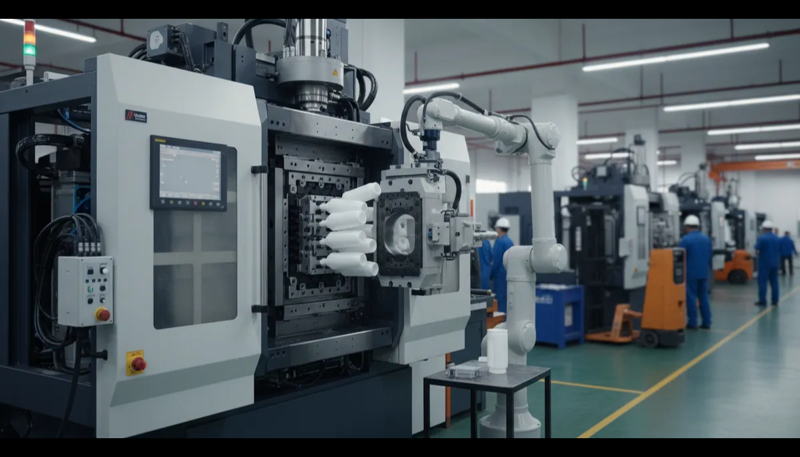
Dieser Abschnitt behandelt die für das medizinische Spritzgießen geltenden Reinraumanforderungen und deren Auswirkungen auf Kosten, Qualität, Zeitplanung oder Beschaffungsrisiko. Die Reinraumanforderungen für das medizinische Spritzgießen hängen von der Klassifizierung des Medizinprodukts und dem Kontaminationsrisiko ab. Für Produkte der Klasse I reichen möglicherweise grundlegende Sauberkeitskontrollen aus, während implantierbare Produkte Umgebungen nach ISO 14644 Class 7 oder besser erfordern. Die Herausforderung besteht nicht nur im Betrieb des Reinraums, sondern auch darin, Spritzgießanlagen in kontrollierte Umgebungen zu integrieren, ohne die Sauberkeit oder den Spritzgießprozess zu beeinträchtigen.
Die Temperaturregelung wird kritisch, wenn das HLK-System Ihres Reinraums den thermischen Anforderungen des Spritzgießens entgegenwirkt. Wir haben erlebt, dass Betriebe Schwierigkeiten hatten, eine Temperaturregelung von ±2°C einzuhalten, während 1850-Tonnen-Maschinen enorme Wärmelasten erzeugten. Luftströmungsmuster müssen auf die Maschinenaufstellung abgestimmt werden; auch die Wege des Personals sind sorgfältig zu planen — insbesondere bei Werkzeugwechseln, die 2-3 Stunden dauern können.
| Reinraum-Klasse | Partikel ≥0.5μm pro m³ | Anwendungen für Medizinprodukte | Typische Anforderungen |
|---|---|---|---|
| ISO 5 | 3,520 | Implantierbare Geräte, sterile Komponenten | Vollständige Reinraumbekleidung, laminare Strömung |
| ISO 6 | 35,200 | Kritische chirurgische Instrumente | Reinraumanzüge, kontrollierter Zugang |
| ISO 7 | 352,000 | Nicht sterile Implantate, Diagnosegeräte | Laborkittel, Schuhüberzieher |
| ISO 8 | 3,520,000 | Externe Medizinprodukte | Grundlegende Schutzkleidung |
| Standardraum | >3,520,000 | Produkte der Class I (geringes Risiko) | Die anfängliche ISO-13485-Zertifizierung dauert in der Regel 12–18 Monate für eine etablierte Spritzgussanlage mit bestehenden Qualitätssystemen. Dieser Zeitplan umfasst Gap-Analyse, Verfahrensentwicklung, Personalschulung, Systemimplementierung, interne Audits und das zweistufige Zertifizierungsaudit durch eine benannte Stelle. Einrichtungen, die bei Null anfangen – ohne Reinräume oder validierte Ausrüstung – sollten mit 18–24 Monaten planen. Die größte Verzögerung, die wir beobachten, ist die Prozessvalidierung: Jede Form-Werkstoff-Kombination erfordert ihr eigenes IQ/OQ/PQ-Paket, und die meisten Betriebe unterschätzen diesen Aufwand. Planen Sie großzügig und binden Sie frühzeitig einen erfahrenen Berater ein, um kostspielige Überraschungen während der Auditphase zu vermeiden. |
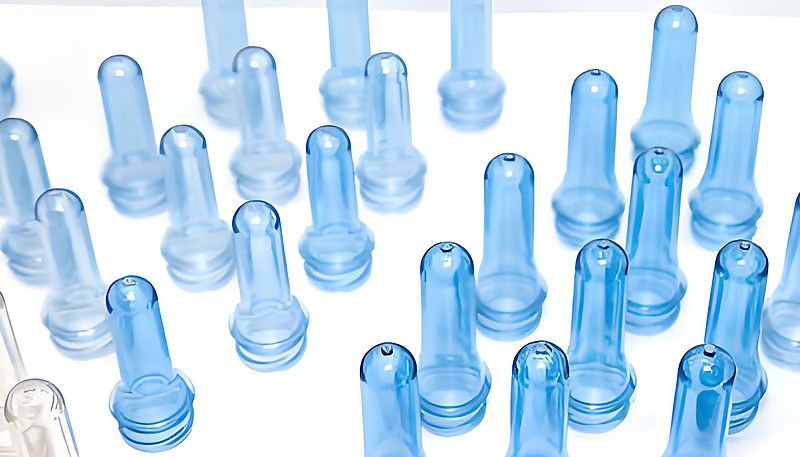
Wie wird die Prozessvalidierung (IQ, OQ, PQ) beim medizinischen Spritzgießen durchgeführt?
Dieser Abschnitt behandelt die Prozessvalidierung1 (IQ, OQ, PQ) beim medizinischen Spritzgießen und ihre Auswirkungen auf Kosten, Qualität, Termine und Beschaffungsrisiken. Die Prozessvalidierung IQ/OQ/PQ folgt beim medizinischen Spritzgießen einem Protokoll, das nachweist, dass der Prozess dauerhaft spezifikationskonforme Teile produziert. Die Installationsqualifizierung (IQ) bestätigt die spezifikationsgemäße Installation der Ausrüstung und prüft unter anderem, ob die Spritzgießmaschine die im Prozess festgelegten Temperaturen und Drücke tatsächlich erreicht. Dies ist keine kurze Kontrolle; rechnen Sie pro Maschine mit 2-3 Tagen Dokumentation und Prüfung.
Die Funktionsqualifizierung (OQ) weist nach, dass die Anlage über ihre Betriebsbereiche hinweg wie vorgesehen arbeitet. Beim Spritzgießen bedeutet dies die Prüfung der Temperaturgleichmäßigkeit in den Heizzonen, der Druckgenauigkeit und der Wiederholbarkeit. Sie führen Testzyklen mit minimalen, maximalen und typischen Betriebsparametern durch. Bei der Leistungsqualifizierung (PQ) weisen Sie nach, dass der Gesamtprozess akzeptable Bauteile erzeugt — üblicherweise sind dafür 30 aufeinanderfolgende erfolgreiche Produktionsläufe mit vollständigen Maß- und Funktionsprüfungen erforderlich.
Der Dokumentationsaufwand ist beträchtlich. Jedes Validierungsprotokoll kann 200-500 Seiten umfassen, und jede Änderung an der Ausrüstung erfordert eine erneute Validierung. Wir führen für jede Kombination aus Werkzeug und Werkstoff eigene Validierungspakete, da die FDA diese als unterschiedliche Prozesse betrachtet. Die Investition ist erheblich: Planen Sie je nach Komplexität USD 15,000-30,000 und 4-6 Wochen pro Prozessvalidierung ein, und stimmen Sie den Validierungskalender auf eine realistische Produktionszeit beim Spritzgießen ab, bevor Sie Markteinführungstermine zusagen.
"Die Prozessvalidierung muss abgeschlossen sein, bevor die kommerzielle Produktion von Medizinprodukten beginnen darf."True
Das ist richtig und nicht verhandelbar. FDA-Vorschriften und die Anforderungen der ISO 13485 schreiben vor, dass Prozesse vor der kommerziellen Produktion validiert werden. Medizinprodukte aus nicht validierten Prozessen dürfen nicht ausgeliefert werden. Dies umfasst Spritzgussparameter, Umgebungskontrollen und Qualitätskontrollverfahren. Jede Prozessänderung erfordert vor der Wiederaufnahme der Produktion eine erneute Validierung.
"Sobald ein Prozess validiert ist, muss er nur dann erneut validiert werden, wenn die Anlage ausfällt."False
Das ist falsch und potenziell gefährlich. Eine Revalidierung ist bei Änderungen an der Ausrüstung, Änderungen der Prozessparameter, Standortverlagerungen, Personaländerungen mit Einfluss auf die Prozesssteuerung sowie regelmäßig (typischerweise jährlich oder halbjährlich) erforderlich. Selbst Softwareaktualisierungen an Steuerungen von Spritzgießmaschinen können eine Revalidierungspflicht auslösen.
Welche Rolle spielt die Rückverfolgbarkeit bei der Einhaltung von ISO 13485?
Dieser Abschnitt erläutert die Rolle der Rückverfolgbarkeit bei der Einhaltung von ISO 13485 und ihre Auswirkungen auf Kosten, Qualität, Zeitplanung oder Beschaffungsrisiko. Rückverfolgbarkeit im medizinischen Spritzguss nach ISO 13485 bedeutet, dass Sie jede Komponente vom Rohmateriallos bis zu dem konkreten Patienten verfolgen können, der das Produkt erhalten hat. Das umfasst nicht nur Chargenaufzeichnungen, sondern eine vollständige Genealogie mit Materiallosnummern, Verarbeitungsparametern, Qualitätsprüfergebnissen und beteiligtem Personal. Wenn ein Medizinprodukt im Einsatz versagt, erwarten die Behörden, dass Sie innerhalb von Stunden statt Tagen alle potenziell betroffenen Produkte identifizieren.
Die Auswirkungen auf das Spritzgießen sind weitreichend. Jede Werkstoffcharge muss getrennt und über die gesamte Verarbeitung rückverfolgt werden. Der Einsatz von Mahlgut erfordert eine Dokumentation der Verunreinigungsanteile und Freigaben. Wartungsunterlagen der Maschinen werden Teil der Produkthistorie, weil eine verschlissene Schnecke oder ein verunreinigter Zylinder die Produktqualität beeinträchtigen kann. Wir führen Device History Records⁴ (DHR2), mit denen einzelne Teile bis zu bestimmten Kavitätenpositionen in Mehrkavitätenwerkzeugen zurückverfolgt werden können.
Digitale Systeme sind für eine wirksame Rückverfolgbarkeit praktisch unverzichtbar. Manuelle papiergestützte Systeme werden über kleine Produktionsmengen hinaus unbeherrschbar. Rechnen Sie mit Investitionen von 50.000–200.000 $ in MES- oder ERP-Systeme, die die Anforderungen an die Rückverfolgbarkeit von Medizinprodukten erfüllen. Das System muss mit den Steuerungen der Spritzgießmaschinen verbunden sein, um Prozessparameter automatisch zu erfassen, und die Datenintegrität für regulatorische Audits über Jahrzehnte hinweg aufrechterhalten.
Welche Materialien werden beim medizinischen Spritzguss häufig verwendet?
Werkstoffe für das medizinische Spritzgießen werden anhand der Anforderungen an Biokompatibilität und Anwendung in mehrere Kategorien eingeteilt. Werkstoffe nach USP Class VI3 bilden die Grundlage für die meisten medizinischen Anwendungen, während implantierbare Produkte eine biologische Beurteilung nach ISO 10993 erfordern. Zu den häufigsten Werkstoffen zählen medizinisches Polypropylen, Polycarbonat, ABS und Spezialpolymere wie PEEK für Hochleistungsanwendungen.
Bei der Werkstoffauswahl geht es um mehr als nur mechanische Eigenschaften. Jeder Werkstoff erfordert eine Biokompatibilitätsdokumentation, Prüfungen auf extrahierbare und auslaugbare Stoffe und häufig eine Sterilisationsvalidierung. Polypropylen eignet sich aufgrund seiner Kompatibilität mit Gamma- und Ethylenoxidsterilisation gut für Einwegprodukte. Polycarbonat bietet optische Klarheit für Diagnosegeräte, muss jedoch sorgfältig verarbeitet werden, um Spannungsrisse während der Sterilisationszyklen zu vermeiden.
Spezialmaterialien erzielen höhere Preise, lösen jedoch spezifische Herausforderungen. PEEK bietet Chemikalienbeständigkeit und Röntgentransparenz für Implantate, erfordert aber Verarbeitungstemperaturen über 400°C. Flüssigsilikonkautschuk (LSR) bietet Biokompatibilität und Flexibilität, benötigt jedoch spezielle Spritzgießanlagen. Materialien in Medizinqualität kosten üblicherweise das 2- bis 5-Fache von Standardtypen, und die chargenweise Zertifizierung erhöht Lieferzeit und Lagerkosten.
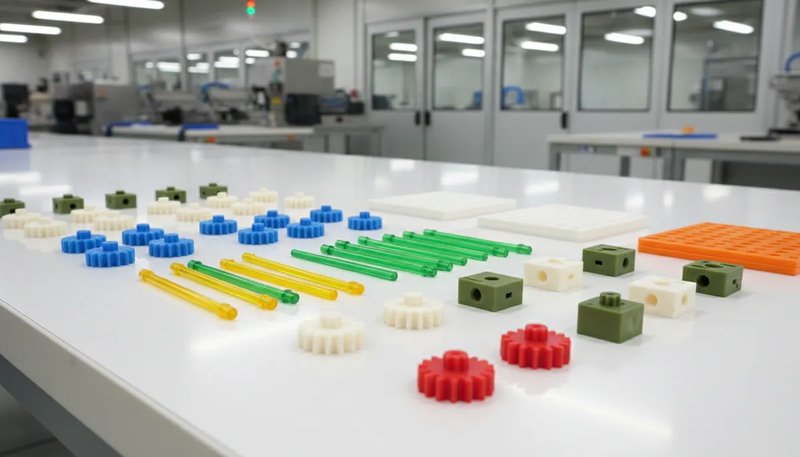
Welche Vor- und Nachteile hat die Einhaltung der ISO 13485?
Die Vor- und Nachteile der ISO-13485-Konformität sind die wichtigsten Kategorien beziehungsweise Möglichkeiten, die in diesem Abschnitt erläutert werden. Die ISO-13485-Konformität eröffnet den Zugang zu lukrativen Märkten für Medizinprodukte, erfordert jedoch erhebliche Investitionen und betriebliche Veränderungen. Zu den Vorteilen gehören der Zugang zu regulierten Märkten, höhere Preise für medizinische Komponenten und eine Differenzierung vom Wettbewerb. Die Konformitätsanforderungen wirken sich jedoch auf sämtliche Betriebsbereiche aus – von Dokumentationspflichten über Personalschulungen bis hin zur Prozessflexibilität.
| Aspekt | Vorteile | Benachteiligungen |
|---|---|---|
| Marktzugang | Globale Märkte für Medizinprodukte, regulatorische Zulassung | Langwieriger Zertifizierungsprozess, laufende Audits |
| Preisgestaltung | Premiumpreise (20-40 % höher), langfristige Verträge | Höhere Material- und Compliance-Kosten |
| Qualitätssysteme | Robuste Prozesse, weniger Fehler, Kundenvertrauen | Umfangreiche Dokumentation, langsamere Prozessänderungen |
| Wettbewerb | Weniger qualifizierte Lieferanten, Markteintrittsbarrieren | Höhere Markteintrittsbarrieren, spezialisiertes Fachwissen erforderlich |
| Betrieb | Systematischer Ansatz, Integration des Risikomanagements | Geringere Flexibilität, längere Lieferzeiten |
| Investition | Langfristige Kundenbeziehungen, stabile Umsätze | Erhebliche Anfangskosten, laufende Konformitätskosten |
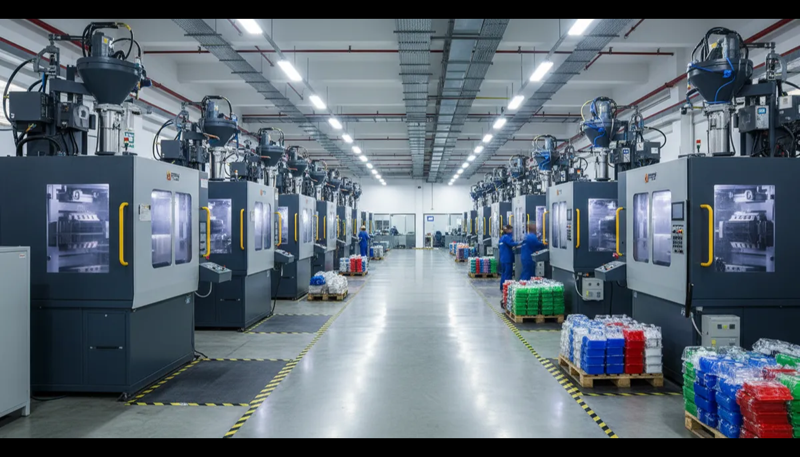
In unserer Fabrik in Shanghai arbeitet unser Team unter ISO 9001, ISO 13485, ISO 14001 und ISO 45001 Systemen. Für medizinische Spritzgussarbeiten unterstützen 6 Maschinen in einem staubfreien Raum der Klasse M8 eine sauberere Produktionskontrolle, während unsere breitere Palette von 47 Spritzgussmaschinen und 90T bis 1850T die technische Kapazität für nicht-medizinische Projekte bereithält. Nach unserer Erfahrung aus über 20 Jahren Spritzguss und Werkzeugbau benötigen medizinische Projekte dokumentierte Prozessvalidierung, Materialrückverfolgbarkeit und In-Prozess-Prüfungen, bevor ein Lieferantengespräch vom Preisvergleich zur Qualifizierung übergeht.
Wie wählen Sie einen nach ISO 13485 zertifizierten Spritzgusspartner aus?
Bei der Wahl eines nach iso 13485 zertifizierten Spritzgießpartners kommt es auf Werkzeugkompetenz, Qualitätssysteme, Kommunikation und die wirtschaftliche Eignung an. Die Auswahl eines ISO 13485-Spritzgießpartners erfordert die Bewertung von Fähigkeiten, die über die grundlegende Zertifizierung hinausgehen. Auditieren Sie seine Reinraumeinrichtungen, prüfen Sie die Validierungsdokumentation und bewerten Sie seine regulatorische Erfahrung. Ein Zertifikat an der Wand garantiert keine kompetente Umsetzung – Sie benötigen Lieferanten, die FDA-Vorschriften, Anforderungen der EU MDR und die besonderen Herausforderungen der Medizinproduktefertigung verstehen.
Technische Fähigkeiten sind ebenso wichtig wie Zertifizierungen. Bewerten Sie die Spritzgießerfahrung des Anbieters mit Ihren konkreten Werkstoffen und Anwendungen. Medizinische Werkstoffe erfordern häufig spezielles Verarbeitungswissen, und komplexe Geometrien können fortgeschrittene Spritzgießverfahren voraussetzen. Prüfen Sie das Qualitätssystem, die Fähigkeiten zur statistischen Prozessregelung und die Dokumentationspraxis. Ein umfassender Beschaffungsleitfaden hilft dabei, den Bewertungsprozess zu strukturieren.
Finanzielle Stabilität und Skalierbarkeit sind für langfristige Partnerschaften entscheidend. Medizinprodukte haben häufig Lebenszyklen von 10–15 Jahren, und Sie benötigen Lieferanten, die wachsende Stückzahlen und regulatorische Änderungen bewältigen können. Bewerten Sie deren Kundenbasis, Investitionen in Anlagen und die Bindung technischer Fachkräfte. Der günstigste Lieferant übersteht die Compliance-Anforderungen und den Investitionsbedarf einer dauerhaften Medizinproduktefertigung nur selten.
Häufig gestellte Fragen
Wie lange dauert die ISO-13485-Zertifizierung eines Spritzgussbetriebs?
Die Erstzertifizierung nach ISO 13485 dauert bei einem etablierten Spritzgießbetrieb mit vorhandenen Qualitätssystemen üblicherweise 12–18 Monate. Dieser Zeitraum umfasst Lückenanalyse, Verfahrensentwicklung, Mitarbeiterschulung, Systemeinführung, interne Audits und das zweistufige Zertifizierungsaudit durch eine benannte Stelle. Betriebe, die bei null beginnen — ohne Reinräume oder validierte Anlagen — sollten 18–24 Monate einplanen. Die größte einzelne Verzögerung beobachten wir bei der Prozessvalidierung: Jede Werkzeug-Material-Kombination benötigt ein eigenes IQ/OQ/PQ-Paket, und die meisten Betriebe unterschätzen diesen Aufwand. Planen Sie großzügig und beziehen Sie frühzeitig einen erfahrenen Berater ein, um kostspielige Überraschungen während der Auditphase zu vermeiden.
Spritzgegossene medizinische Teile Stückprüfung
Vorhandene Spritzgießanlagen lassen sich häufig für die Herstellung von Medizinprodukten anpassen, doch der Weg ist anspruchsvoll. Die Ausrüstung muss zunächst eine vollständige Installationsqualifizierung (IQ) durchlaufen, um die Spezifikationserfüllung nachzuweisen, gefolgt von einer Funktionsqualifizierung (OQ) über die Betriebsbereiche. Maschinen benötigen Prozessüberwachung und Datenaufzeichnung, um die Parameter jedes Schusses zu erfassen. Auch die Reinraumtauglichkeit ist zu beachten — Hydraulikmaschinen erzeugen Wärme und Partikel, die kontrollierte Umgebungen beeinträchtigen können. Ältere Maschinen ohne geschlossene Regelkreise oder geeignete Dokumentationsschnittstellen erfordern möglicherweise umfangreiche Nachrüstungen (,000-50,000) oder einen Austausch. Das Anlagenalter allein ist kein Ausschlusskriterium; die Eignung jeder Maschine muss jedoch durch formale Qualifizierungsprotokolle belegt werden.
Können vorhandene Spritzgießmaschinen für die Herstellung von Medizinprodukten eingesetzt werden?
Medizinisches Spritzgießen erfordert ein umfassendes Dokumentationssystem. Kerndokumente sind Device Master Records (DMR) mit Zeichnungen, Materialspezifikationen und Arbeitsanweisungen; Device History Records (DHR) als Nachweis der DMR-konformen Chargenfertigung; Prozessvalidierungsprotokolle und -berichte (IQ/OQ/PQ); Materialzertifikate und Biokompatibilitätstests; Qualifizierungs- und Kalibrierungsnachweise; Standardarbeitsanweisungen für jeden Prozessschritt sowie Änderungskontrolldokumente. Jede Charge erzeugt einen vollständigen Datensatz mit Echtzeit-Prozessparametern, Prüfergebnissen und lückenloser Materialrückverfolgbarkeit. Rechnen Sie mit dem 10-20-Fachen des Dokumentationsumfangs normalen Spritzgießens und planen Sie digitale Systeme zur wirksamen Verwaltung ein.
Welche Dokumentation ist für medizinische Spritzgießprozesse erforderlich?
ISO 13485 verändert grundlegend, wie Spritzgießwerkzeuge konstruiert, gewartet und geändert werden. Werkzeugkonstruktionen werden im Design-Control-Prozess zu gelenkten Dokumenten — mit formellen Konstruktionsprüfungen, Risikoanalysen (mithilfe von Werkzeugen wie FMEA) und dokumentierter Verifizierung, dass das Werkzeug die Gerätespezifikationen erfüllt. Jede Werkzeugänderung, selbst eine scheinbar geringfügige Kavitätspolitur, löst einen Änderungskontrollprozess mit Folgenabschätzung und möglicher Revalidierung aus. Werkzeugwartungspläne werden Teil des Qualitätssystems, wobei jedes Wartungsereignis in der Gerätehistorie dokumentiert wird. Mehrkavitätenwerkzeuge erfordern Rückverfolgbarkeit auf Kavitätsebene, das heißt, jede Kavität muss während der gesamten Produktion einzeln identifiziert und verfolgt werden. Diese Strenge stellt sicher, dass werkzeugbedingte Fehler isoliert und behoben werden können, ohne nicht betroffene Kavitäten oder Geräte zu beeinträchtigen.
Wie wirkt sich ISO 13485 auf die Konstruktion und Fertigung von Spritzgussformen aus?
Zu den gängigen Sterilisationsverfahren für spritzgegossene Medizinprodukte gehören Gammastrahlung mit 25–40 kGy, Ethylenoxidgas, Elektronenstrahl, Dampfautoklavierung und Wasserstoffperoxidplasma. Die Materialauswahl muss die Sterilisationsverträglichkeit bereits in der Konstruktionsphase berücksichtigen: Polypropylen und Polyethylen vertragen Gammastrahlung gut, doch Polypropylen kann bei höheren Dosen spröde werden. Polycarbonat kann sich unter Bestrahlung gelb verfärben. PEEK verträgt praktisch alle Sterilisationsverfahren, kostet jedoch 10–20-mal mehr als Standardmaterialien. Die EtO-Sterilisation erfordert eine poröse Verpackung und ausreichende Belüftungszeit zur Entfernung von Rückständen. Jede Kombination aus Produkt, Material und Sterilisationsverfahren benötigt eine eigene Validierungsstudie, die ein Sterilitätssicherheitsniveau (SAL) von 10⁻⁶ nachweist. Wird die konkrete Kombination nicht validiert, kann dies bei der Produkteinreichung zur regulatorischen Ablehnung führen.
Welche Sterilisationsverfahren sind mit spritzgegossenen Medizinprodukten kompatibel?
ISO 13485 schreibt dokumentierte Schulungsprogramme für jede Person vor, deren Arbeit die Produktqualität beeinflusst. Bediener von Spritzgießmaschinen müssen ihre Kompetenz in den Anforderungen an Medizinprodukte, Reinraumprotokollen, Kontaminationsvermeidung und spezifischen Prozessabläufen nachweisen, bevor sie selbstständig arbeiten. Schulungsunterlagen müssen die Erstqualifikation, regelmäßige Auffrischungskurse (üblicherweise jährlich) und anlassbezogene Schulungen bei Verfahrensänderungen oder Korrekturmaßnahmen enthalten. Kompetenzbewertungen gehen über die bloße Teilnahme hinaus — die Bediener müssen ihr Verständnis durch eine praktische Bewertung nachweisen. Das Management bleibt dafür verantwortlich, die Wirksamkeit der Schulungen sicherzustellen und Aufzeichnungen zu führen, die behördlichen Audits standhalten. Viele Betriebe ergänzen interne Schulungen durch externe Kurse zu ISO 13485, Reinraumbetrieb und GMP-Grundsätzen. Planen Sie pro Bediener 40–80 Stunden Erstschulung sowie jährlich 16–24 Stunden für laufende Anforderungen ein.
Gibt es besondere Schulungsanforderungen für Personal im Spritzgießen nach ISO 13485?
Ja, ISO 13485 verlangt eine dokumentierte Schulung für Personal, dessen Arbeit die Produktqualität beeinflusst. Bediener von Spritzgießmaschinen, Verfahrenstechniker, Qualitätsprüfer, Lagermitarbeiter und Projektingenieure für Medizinprodukte müssen strukturiert geschult werden. Dazu gehören eine Erstqualifizierung, jährliche Auffrischungskurse und anlassbezogene Schulungen bei Verfahrensänderungen oder der Umsetzung von Korrekturmaßnahmen. Die Wirksamkeit der Schulung muss praktisch bewertet werden; Anwesenheitslisten allein reichen nicht. Das Management trägt die direkte Verantwortung für die Kompetenz in allen Funktionen. Betriebe sollten je Bediener 40–80 Stunden Erstschulung sowie jährlich 16–24 Stunden für fortlaufende Konformitätsanforderungen und Weiterbildung einplanen.
Möchten Sie ISO-13485-konformes Spritzgießen für Medizinprodukte für Ihr Projekt prüfen? Kontaktieren Sie ZetarMold, um Ihre spezifischen Anforderungen mit unseren zertifizierten Qualitätsspezialisten zu besprechen. Unsere mehr als 20-jährige Erfahrung in der Herstellung von Medizinprodukten, kombiniert mit umfassenden Reinraumkapazitäten und validierten Prozessen, kann dazu beitragen, Ihr Medizinprodukt sicher und effizient auf den Markt zu bringen.
Prozessvalidierung: Als Prozessvalidierung gilt der dokumentierte Nachweis, dass ein innerhalb festgelegter Parameter betriebener Prozess wirksam und reproduzierbar ein Arzneimittel herstellen kann, das seinen vorab festgelegten Spezifikationen entspricht. ↩
DHR: DHR steht für Device History Record, eine Zusammenstellung von Aufzeichnungen über die Produktionshistorie eines fertigen Medizinprodukts. ↩
USP Class VI: USP Class VI bezeichnet den Standard der United States Pharmacopeia für Prüfungen der biologischen Reaktivität von Kunststoffen, die in Medizinprodukten eingesetzt werden. ↩