ISO 13485¹に準拠した医療機器の射出成形は、通常の製造に書類を追加するだけではなく、品質管理へのアプローチがまったく異なります。医療部品の製造に20年間携わる中で、ISO 9001から医療機器分野への移行に苦労するメーカーを見てきました。違いは要件が厳しいことだけではありません。リスク、トレーサビリティ、工程管理に対する考え方の根本的な転換です。
- ISO 13485は、射出成形プロセス全体を通じてリスクベースの思考を要求します
- クリーンルーム環境と汚染管理は、ほとんどの医療機器製造において必須です
- IQ, OQ, and PQプロトコルによるプロセスバリデーションは、規制承認に不可欠です
- 原材料から完成機器までの完全なトレーサビリティを維持する必要があります
- 材料選定には、生体適合性試験と規制適合文書が必要です
ISO 13485とは何か、ISO 9001とどう違うか?
ISO 13485とは何か、ISO 9001とどう異なるかは、このセクションで説明する機能、制約、トレードオフによって定義されます。射出金型設計をより広く理解するため、ピラーガイドでは金型構造、熱制御、製造性のトレードオフを解説しています。
ISO 13485¹は、医療機器メーカー向けに特化して策定された品質マネジメント規格です。ISO 9001と一部の基本思想を共有していますが、類似点はそこまでです。ISO 13485では、ISO 9001の「継続的改善」要求事項に代えて「有効性の維持」を求めています。医療機器では、承認されていない変更が人命を奪うおそれがあるためです。この規格は、一般的な品質システムをはるかに超えるリスクマネジメントの統合、規制遵守、市販後監視を要求します。
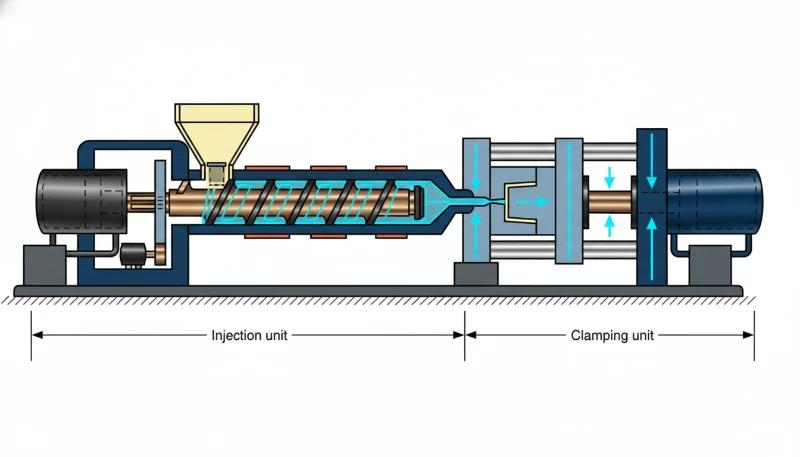
射出成形への影響は重大です。ISO 9001では効率向上に基づく工程改善が認められる場合がありますが、ISO 13485では、あらゆる工程変更に正式な変更管理、影響評価、多くの場合は規制当局への通知が必要です。温度、圧力、サイクルタイムという射出成形の各パラメータは、妥当性確認済み工程の一部となり、安易に調整できません。文書化された射出成形工程ステップのマップは、各パラメータを妥当性確認時に使用した同じエビデンス一式に関連付けるのに役立ちます。
| アスペクト | ISO 9001 | ISO 13485 |
|---|---|---|
| 主な注力分野 | 顧客満足度 | 安全性と有効性 |
| 改善の理念 | 継続的改善 | 有効性の維持 |
| リスク管理 | 任意の検討事項 | 必須の統合 |
| 法規制への適合 | 特になし | 明示的な要件 |
| プロセス変更 | 有益な場合は推奨 | 管理および検証済み |
| 文書化レベル | 中程度 | 広範かつ追跡可能 |
| 納品後の活動 | 顧客フィードバック | 市販後監視 |
"ISO 13485認証を取得した射出成形施設では、正式な承認なしに変更できない、バリデーション済みの工程を維持しなければなりません。"True
そのとおりです。ISO 13485では、すべての製造工程をバリデーションし、管理することが求められます。射出成形条件、材料、手順を変更する場合は、リスク評価とバリデーションを伴う正式な変更管理プロセスを経なければなりません。これにより、変更が医療機器の安全性や有効性を損なわないことを保証します。
"ISO 13485は、ISO 9001に医療機器関連の文書化要求事項を追加しただけの規格です。"False
これは危険なほど単純化された見方です。ISO 13485はISO 9001を基礎としていますが、品質管理へのアプローチを根本的に変えます。継続的改善から有効性の維持への転換、リスク管理統合の義務化、規制遵守要件は、単なる書類の追加ではなく、まったく異なる品質思想を示しています。
医療用射出成形に適用されるクリーンルーム要件は何ですか?
本節では、医療用射出成形に適用されるクリーンルーム要件と、それがコスト、品質、納期、調達リスクに及ぼす影響を説明します。医療用射出成形のクリーンルーム要件は、医療機器の分類と汚染リスクによって異なります。Class I機器では基本的な清浄度管理だけで足りる場合がありますが、インプラント機器にはISO 14644 Class 7以上の環境が必要です。課題はクリーンルームの維持だけではありません。清浄度と成形工程のどちらも損なわずに、射出成形設備を管理環境へ統合する必要があります。
クリーンルームのHVACシステムと射出成形の熱管理要件が相反する場合、温度管理が極めて重要になります。当社では、大量の熱を発生する1850-ton成形機を稼働させながら、±2°Cの温度管理に苦慮する施設を見てきました。気流パターンは成形機の配置に合わせて設計する必要があり、人員の動線も慎重に検討しなければなりません。特に、2-3 hoursかかることもある金型交換時には重要です。
| クリーンルーム・クラス | 粒子数 ≥0.5μm/m³ | 医療機器アプリケーション | 一般的な要件 |
|---|---|---|---|
| ISO 5 | 3,520 | 埋込み型機器、滅菌部品 | 完全防護衣、層流 |
| ISO 6 | 35,200 | 重要な外科用器具 | クリーンルームスーツ、制御されたアクセス |
| ISO 7 | 352,000 | 非滅菌インプラント、診断機器 | 実験室用コート、シューズカバー |
| ISO 8 | 3,520,000 | 体外医療機器 | 基本的な保護服 |
| 標準ルーム | >3,520,000 | クラスIデバイス(低リスク) | 適切な整理整頓の実践 |
医療用成形におけるプロセスバリデーション(IQ、OQ、PQ)はどのように実行されますか?
このセクションでは、医療成形で実施されるプロセスバリデーション1(IQ、OQ、PQ)と、それがコスト、品質、日程、調達リスクに与える影響を説明します。医療射出成形におけるプロセスバリデーションIQ/OQ/PQは、工程が仕様を満たす部品を一貫して製造できることを証明する手順に従います。据付時適格性評価(IQ)は、装置が仕様どおりに設置されていること、すなわち射出成形機が工程で指定された温度と圧力に実際に到達できることを確認します。これは簡単な確認ではなく、機械1台につき2~3日間の文書作成と試験を見込む必要があります。
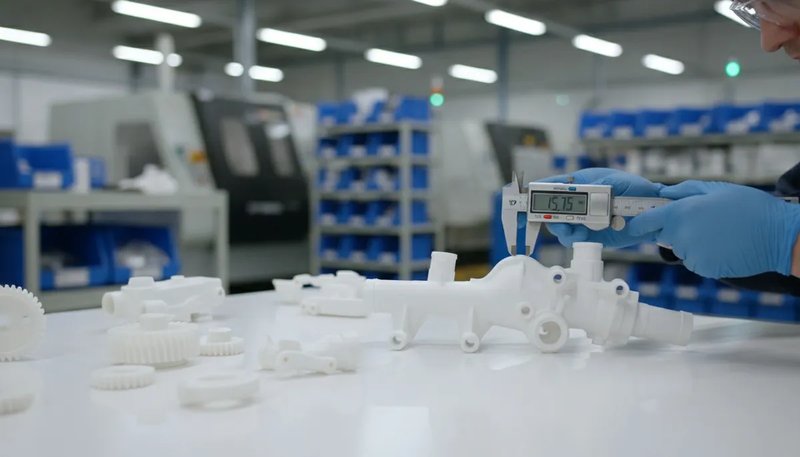
運転時適格性評価(OQ)では、装置が運転範囲全体で意図どおりに機能することを実証します。射出成形では、加熱ゾーン間の温度均一性、圧力精度、再現性を試験します。最小、最大、標準の各運転パラメータでテストサイクルを実行します。性能適格性評価(PQ)では、工程全体で合格部品を製造できることを実証します。通常は、完全な寸法・機能試験を伴う30回連続の製造成功が必要です。
文書作成の負担は相当なものです。各バリデーションプロトコルで200~500ページの文書が作成されることがあり、装置を変更するたびに再バリデーションが必要です。FDAは金型と材料の組み合わせごとに別工程と見なすため、当社では組み合わせごとに個別のバリデーションパッケージを維持しています。投資額は大きく、複雑さに応じて工程バリデーション1件当たりUSD 15,000~30,000、4~6週間を見込む必要があります。また、発売日を約束する前に、バリデーション日程を現実的な射出成形の生産期間と整合させる必要があります。
「医療機器の商業生産を開始する前に、プロセスバリデーションを完了しなければなりません。」True
これは正しく、交渉の余地はありません。FDA規制およびISO 13485要件は、商業生産前にプロセスをバリデーションすることを義務付けています。バリデーションされていないプロセスで生産された医療機器を出荷することはできません。これには射出成形パラメータ、環境制御、品質管理手順が含まれます。プロセスの変更があった場合、生産再開前に再バリデーションが必要です。
"一度工程をバリデーションすれば、設備が故障しない限り再バリデーションは不要である。"False
これは誤りであり、危険を伴う可能性があります。設備の改造、プロセスパラメータの変更、施設移転、プロセス制御に影響を与える人員変更、定期的な再バリデーション(通常は年1回または半年に1回)には再バリデーションが必要です。射出成形機コントローラーのソフトウェア更新でさえ、再バリデーション要件を引き起こす可能性があります。
ISO 13485への適合において、トレーサビリティはどのような役割を果たしますか?
このセクションでは、ISO 13485への適合においてトレーサビリティが果たす役割と、それがコスト、品質、納期、調達リスクに与える影響を説明します。ISO 13485に準拠した医療用射出成形におけるトレーサビリティとは、原材料ロットから、その機器を受け取った特定の患者に至るまで、すべての構成部品を追跡できることを意味します。これは単なるバッチ記録ではなく、材料ロット番号、加工条件、品質試験結果、関与した担当者を含む完全な履歴です。医療機器が市場で故障した場合、規制当局は、影響を受ける可能性のあるすべての機器を数日ではなく数時間以内に特定することを求めます。
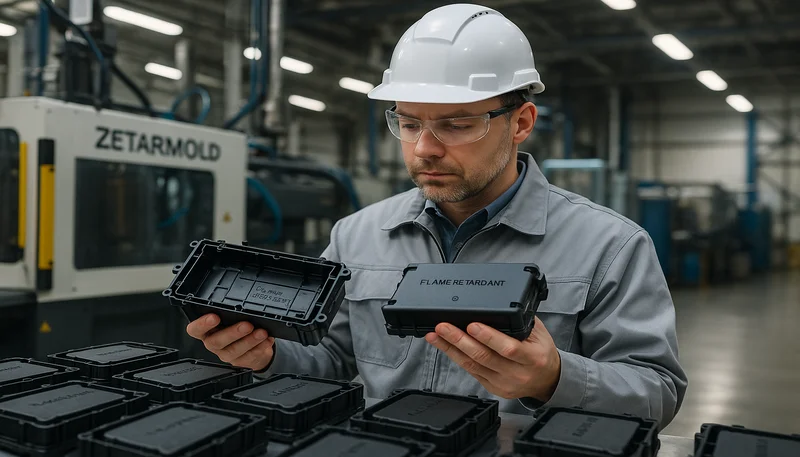
射出成形への影響は広範です。材料ロットはすべて分離し、加工工程全体で追跡しなければなりません。再生粉砕材の使用には、混入比率と承認記録を示す文書が必要です。摩耗したスクリューや汚染されたバレルが製品品質に影響する可能性があるため、機械の保守記録も機器履歴の一部になります。当社では、多数個取り金型の特定のキャビティ位置まで個々の部品を追跡できる機器履歴記録⁴(DHR2)を維持しています。
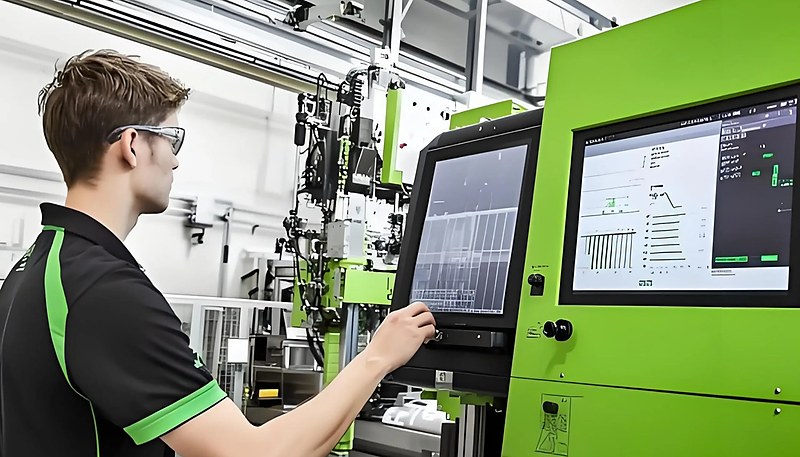
効果的なトレーサビリティのためには、デジタルシステムが事実上必須です。手動の紙システムは、少ない生産量を超えると管理不能になります。医療機器のトレーサビリティ要件に対応可能なMESまたはERPシステムに5万~20万ドルの投資を見込んでください。このシステムは射出成形機の制御装置と連携してプロセスパラメータを自動的に取得し、数十年にわたる規制監査のためにデータ完全性を維持する必要があります。
医療用射出成形で一般的に使用される材料は?
医療射出成形材料は、生体適合性要件と用途に基づいていくつかのカテゴリーに分類されます。USP Class VI3材料はほとんどの医療用途の基準であり、埋め込み型機器にはISO 10993に基づく生物学的評価が必要です。最も一般的な材料には、医療グレードのポリプロピレン、ポリカーボネート、ABS、および高性能用途向けのPEEKなどの特殊ポリマーがあります。
材料選択は機械的特性以上のものを含みます。すべての材料には、生体適合性文書、抽出物および溶出物テスト、および多くの場合滅菌検証が必要です。ポリプロピレンは、ガンマおよびエチレンオキサイド滅菌適合性により、使い捨てデバイスに適しています。ポリカーボネートは診断機器の光学透明度を提供しますが、滅菌サイクル中にストレスクラックを避けるために慎重な加工が必要です。
特殊材料はプレミアム価格を要求しますが、特定の課題を解決します。PEEKは化学耐性と放射線透過性をインプラントに提供しますが、400°C以上の加工温度を必要とします。液体シリコーンゴム(LSR)は生体適合性と柔軟性を提供しますが、特殊な射出成形設備が必要です。医療グレードの材料は通常、標準グレードの2~5倍のコストがかかり、ロットごとの認証はリードタイムと在庫コストを増加させます。
ISO 13485準拠の長所と短所は何ですか?
ISO 13485適合の利点と欠点は、このセクションで説明される主なカテゴリまたは選択肢です。ISO 13485適合は、収益性の高い医療デバイス市場への扉を開きますが、重要な投資と運用上の変更を要求します。利点には、規制市場へのアクセス、医療コンポーネントのプレミアム価格設定、および競争上の差別化が含まれます。しかし、適合負担は、文書要件から人員トレーニング、プロセス柔軟性まで、運用のすべての側面に影響します。
| アスペクト | メリット | デメリット |
|---|---|---|
| 市場アクセス | グローバル医療デバイス市場、規制承認 | 長い認証プロセス、継続的な監査 |
| 価格設定 | 割高な料金(20-40%高い)、長期契約 | 高い材料およびコンプライアンスコスト |
| 品質システム | 堅牢なプロセス、欠陥の削減、顧客の信頼 | 広範な文書化、プロセス変更が遅い |
| 競争 | 認定サプライヤーが少ない、市場障壁 | 高い参入障壁、専門知識が必要 |
| 運用 | 体系的なアプローチ、リスク管理の統合 | 柔軟性の低下、リードタイムの長期化 |
| 投資 | 長期的な顧客関係、安定した収益 | 初期費用が高額、継続的なコンプライアンス費用 |
当社の上海工場では、チームはISO 9001、ISO 13485、ISO 14001、およびISO 45001システムの下で作業しています。医療用成形作業では、クラスM8の無塵室にある6台の機械がクリーンな生産管理をサポートし、一方で47台の射出成形機と90Tから1850Tの範囲を持つ広範な設備により、非医療プロジェクト向けのエンジニアリング能力を確保しています。20年以上の射出成形および金型製造の経験から、医療プロジェクトでは、サプライヤーとの会話が価格比較から認定に移行する前に、文書化されたプロセスバリデーション、材料の追跡可能性、および工程内チェックが必要です。
ISO 13485認証を取得した射出成形パートナーはどのように選定すべきですか?
iso 13485認証を取得した射出成形パートナーを選ぶ際は、金型製作能力、品質システム、コミュニケーション、取引条件との適合性が重要です。ISO 13485射出成形パートナーの選定では、認証の有無だけでなく、それを超えた能力を評価する必要があります。クリーンルーム設備を監査し、バリデーション文書を確認し、規制対応の経験を評価してください。壁に掲げられた証明書だけでは、確実な遂行能力は保証されません。FDA規制、EU MDR要件、医療機器製造特有の課題を理解しているサプライヤーが必要です。
技術力は認証と同じくらい重要です。対象となる材料や用途での射出成形経験を評価してください。医療グレード材料には専門的な加工知識が必要なことが多く、複雑な形状には高度な成形技術が必要になる場合があります。品質システム、統計的工程管理能力、文書管理慣行を確認してください。包括的な調達ガイドは、評価プロセスの体系化に役立ちます。
財務的安定性と拡張性は、長期的なパートナーシップにとって重要です。医療機器製品は多くの場合10〜15年のライフサイクルを持ち、増加する生産量と規制の変化に対応できるサプライヤーが必要です。顧客基盤、施設への投資、技術スタッフの定着率を評価してください。最低コストのサプライヤーは、持続的な医療機器製造のコンプライアンス要求と投資要件を満たすことはほとんどありません。
よくある質問
射出成形施設のISO 13485認証取得にはどのくらいの時間がかかりますか?
確立された品質システムを持つ既存の射出成形施設の場合、ISO 13485の初期認証取得には通常12〜18ヶ月かかります。この期間には、ギャップ分析、手順策定、要員トレーニング、システム導入、内部監査、および通知機関による2段階の認証監査が含まれます。クリーンルームやバリデーション済み設備がない状態からのスタートとなる施設は、18〜24ヶ月の期間を見込むべきです。最も大きな遅延要因はプロセスバリデーションです。各金型・材料の組み合わせごとに独自のIQ/OQ/PQパッケージが必要であり、多くの施設はこの作業量を過小評価しています。監査段階での予期せぬコストを避けるため、予算は十分に確保し、経験豊富なコンサルタントをプロセスの早い段階から関与させてください。
ISO 13485認証を維持するための年間コストはいくらですか?
既存の射出成形設備を医療機器の生産向けに転用できる場合は多いものの、その手順は単純ではありません。設備が仕様を満たしていることを確認する完全な据付時適格性評価(IQ)を実施し、続いて運転範囲全体での能力を実証する運転時適格性評価(OQ)を行う必要があります。成形機には、各ショットのパラメータを記録する工程監視機能とデータロギング機能が必要です。クリーンルームへの適合性も検討事項です。油圧成形機は熱と微粒子を発生させ、管理環境を損なうおそれがあります。クローズドループ制御や十分な文書化インターフェースを備えていない旧型機では、大幅な改修(,000-50,000)または交換が必要になる場合があります。設備が古いという理由だけで不適格になるわけではありませんが、正式な適格性評価手順によって各成形機の能力を証明しなければなりません。
既存の射出成形設備は医療機器の生産に使用できますか?
医療機器射出成形には、包括的な文書管理エコシステムが必要です。中核となる文書には、図面、材料仕様、作業指示を含むデバイスマスターレコード(DMR)、各ロットがDMRに従って製造されたことを証明するデバイス履歴記録(DHR)、プロセスバリデーション計画書と報告書(IQ/OQ/PQ)、材料証明書と生体適合性試験結果、設備の適格性評価と校正記録、各工程ステップの標準作業手順書、および変更管理文書が含まれます。各生産ロットは、リアルタイムのプロセスパラメータ、品質検査結果、完全な材料トレーサビリティを含む完全なバッチ記録を生成します。標準的な射出成形に比べて文書量が10〜20倍になると予想され、負担を効果的に管理するためのデジタルシステムの導入を計画してください。
医療用射出成形プロセスに必要な文書は何ですか?
ISO 13485は、射出成形金型の設計、保守、変更の方法を根本的に変えます。金型設計は、設計管理プロセス内で管理文書となり、正式な設計レビュー、リスク分析(FMEAなどのツールを使用)、金型がデバイス仕様を満たしていることの文書化された検証が必要となります。金型の変更は、一見些細なキャビティ研磨であっても、影響評価と再検証の可能性を伴う変更管理プロセスを引き起こします。金型の保守スケジュールは品質システムの一部となり、各保守作業はデバイスの履歴に文書化されます。多キャビティ金型ではキャビティレベルのトレーサビリティが必要であり、各キャビティは生産を通じて個別に識別・追跡されなければなりません。この厳格さにより、金型に関連する欠陥を、影響を受けていないキャビティやデバイスに影響を与えることなく、隔離して修正することが可能になります。
ISO 13485は射出金型の設計と製造にどのような影響を与えますか?
射出成形された医療機器の一般的な滅菌方法には、ガンマ線照射(25〜40 kGy)、エチレンオキサイドガス、電子ビーム、蒸気オートクレーブ、過酸化水素プラズマがあります。材料の選択は、設計段階から滅菌適合性を考慮する必要があります:ポリプロピレンとポリエチレンはガンマ線に耐性がありますが、ポリプロピレンは高線量で脆くなる可能性があります。ポリカーボネートは放射線で黄変する可能性があります。PEEKは事実上全ての滅菌方法に対応できますが、標準材料の10〜20倍のコストがかかります。EtO滅菌には多孔質の包装と残留物を除去するための十分な通気時間が必要です。各デバイス・材料・滅菌方法の組み合わせには、無菌保証レベル(SAL)10⁻⁶を実証する独自のバリデーション研究が必要です。特定の組み合わせをバリデーションしないと、デバイス申請時の規制上の拒否につながる可能性があります。
射出成形された医療機器と互換性のある滅菌方法は何ですか?
ISO 13485は、製品品質に影響を与える仕事を行うすべての人に対して、文書化されたトレーニングプログラムを義務付けています。射出成形オペレーターは、独立して作業を開始する前に、医療機器の要件、クリーンルームプロトコル、汚染防止、および特定のプロセス手順に関する能力を実証しなければなりません。トレーニング記録には、初期資格認定、定期的な再教育コース(通常は年1回)、手順変更や是正処置のための臨時トレーニングを含める必要があります。能力評価は出席を超えて行われ、オペレーターは実践的評価を通じて理解度を実証しなければなりません。経営陣は、トレーニングの有効性を確保し、規制監査に耐えうる記録を維持する責任を負います。多くの施設では、ISO 13485、クリーンルーム運用、GMP原則に関する外部コースを内部トレーニングに補完しています。オペレーター1人あたり初期トレーニングとして40〜80時間、継続要件として年間16〜24時間の予算を確保してください。
ISO 13485射出成形における要員に特定のトレーニング要件はありますか?
はい、ISO 13485では、作業が製品品質に影響を与える要員に対して文書化されたトレーニングが要求されます。射出成形オペレーター、プロセス技術者、QC検査員、倉庫スタッフ、医療機器プログラムを管理するプロジェクトエンジニアは全員、体系的なトレーニングを受ける必要があります。これには、初期資格トレーニング、年間リフレッシャーコース、および手順が変更されたときや是正処置が実施されたときの随時トレーニングが含まれます。トレーニングの効果は、単なる出席記録ではなく、実践的な評価を通じて検証されなければなりません。管理職は、全ての役割において能力が確保されていることを直接的に責任を持って確認する必要があります。施設は、オペレーターごとに40〜80時間の初期トレーニングに加え、継続的なコンプライアンス要件と継続教育のために年間16〜24時間の予算を組むべきです。
プロジェクトでISO 13485 医療機器射出成形を検討する準備はできていますか?認定品質スペシャリストと具体的な要件について話し合うために、ZetarMoldにお問い合わせください。20年以上の医療機器製造経験、包括的なクリーンルーム能力、バリデーション済みプロセスを組み合わせることで、お客様の医療機器を安全かつ効率的に市場に投入するお手伝いができます。