ISO 13485¹ kapsamında tıbbi cihaz enjeksiyon kalıplama, fazladan evrak eklenmiş sıradan üretim değildir; kalite yönetimine tamamen farklı bir yaklaşımdır. Tıbbi bileşen üretiminde yirmi yılın ardından üreticilerin ISO 9001’den tıbbi cihaz dünyasına geçişte zorlandığını gördüm. Fark yalnızca daha sıkı gereklilikler değil; risk, izlenebilirlik ve proses kontrolü hakkında düşünme biçiminde temel bir değişimdir.
- ISO 13485, tüm enjeksiyon kalıplama prosesi boyunca risk temelli düşünmeyi gerektirir
- Temiz oda ortamları ve kirlenme kontrolü çoğu medikal cihaz üretiminde zorunludur
- IQ, OQ ve PQ protokolleriyle proses doğrulaması, mevzuat onayı için şarttır
- Ham maddeden bitmiş cihaza kadar eksiksiz izlenebilirlik korunmalıdır
- Malzeme seçimi, biyouyumluluk testi ve mevzuata uygunluk belgelerini gerektirir
ISO 13485 nedir ve ISO 9001’den farkı nedir?
ISO 13485’in ne olduğu ve ISO 9001’den nasıl ayrıldığı, bu bölümde açıklanan işlev, kısıtlar ve ödünleşimlerle tanımlanır. Enjeksiyon kalıbı tasarımına daha geniş açıdan bakmak için temel kılavuzumuz takım yapısını, ısıl kontrolü ve üretilebilirlik ödünleşimlerini kapsar.
ISO 13485¹, tıbbi cihaz üreticileri için özel olarak tasarlanmış kalite yönetim standardıdır. ISO 9001 ile bazı ortak özelliklere sahip olsa da benzerlikler kısa sürede sona erer. ISO 13485, ISO 9001’in “sürekli iyileştirme” gerekliliğini “etkinliği sürdürme” yaklaşımı lehine kaldırır; çünkü tıbbi cihazlarda yetkisiz değişiklikler insanların ölümüne yol açabilir. Standart, genel kalite sistemlerinin çok ötesinde risk yönetimi entegrasyonu, mevzuata uygunluk ve satış sonrası gözetim talep eder.
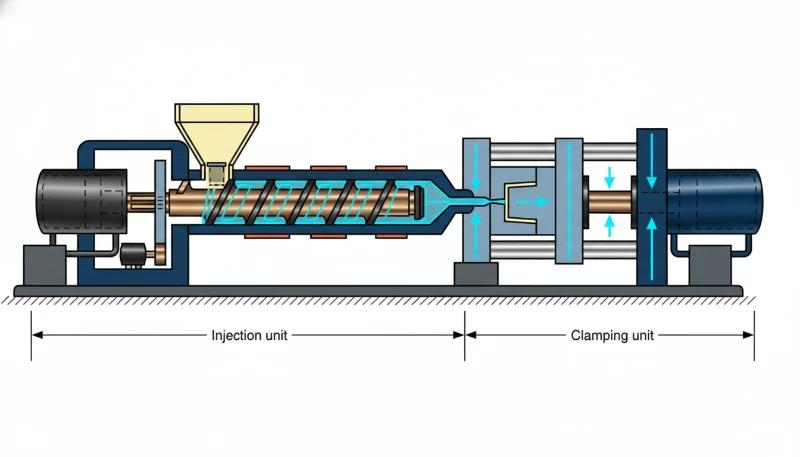
Enjeksiyon kalıplama açısından sonuçlar önemlidir. ISO 9001 verimlilik kazancına dayalı proses iyileştirmelerini kabul edebilirken ISO 13485 her proses değişikliği için resmî değişiklik kontrolü, etki değerlendirmesi ve çoğu zaman mevzuat bildirimi ister. Sıcaklık, basınç ve çevrim süresi dâhil her enjeksiyon kalıplama parametresi, gelişigüzel değiştirilemeyen doğrulanmış bir prosesin parçası olur. Belgelenmiş bir enjeksiyon kalıplama proses adımı haritası, her parametreyi doğrulamada kullanılan aynı kanıt paketine bağlar.
| Boyut | ISO 9001 | ISO 13485 |
|---|---|---|
| Ana Odak | Müşteri memnuniyeti | Güvenlik ve etkinlik |
| İyileştirme Felsefesi | Sürekli iyileştirme | Etkinliği koruyun |
| Risk Yönetimi | İsteğe bağlı değerlendirme | Zorunlu entegrasyon |
| Mevzuata Uygunluk | Belirtilmemiş | Açık gereksinim |
| Proses Değişiklikleri | Faydalıysa teşvik edilir | Kontrollü ve doğrulanmış |
| Dokümantasyon Düzeyi | Orta düzeyde | Kapsamlı ve izlenebilir |
| Teslimat Sonrası Faaliyetler | Müşteri geri bildirimi | Piyasaya arz sonrası gözetim |
"ISO 13485 sertifikalı enjeksiyon kalıplama tesisleri, resmî onay olmadan değiştirilemeyen doğrulanmış prosesleri sürdürmek zorundadır."True
Bu kesinlikle doğrudur. ISO 13485, tüm imalat proseslerinin doğrulanmasını ve kontrol edilmesini gerektirir. Enjeksiyon kalıplama parametrelerinde, malzemelerde veya prosedürlerde yapılan her değişiklik; risk değerlendirmesi ve doğrulama içeren resmî bir değişiklik kontrol sürecinden geçmelidir. Bu, değişikliklerin cihaz güvenliğini veya etkinliğini tehlikeye atmamasını sağlar.
"ISO 13485, yalnızca ek tıbbi cihaz dokümantasyonu gereklilikleri eklenmiş ISO 9001'dir."False
Bu tehlikeli bir aşırı basitleştirmedir. ISO 13485, ISO 9001'i temel alsa da kalite yönetimine yaklaşımı kökten değiştirir. Sürekli iyileştirmeden etkinliği sürdürmeye geçiş, zorunlu risk yönetimi entegrasyonu ve mevzuata uygunluk gereklilikleri yalnızca ek evrak değil, tamamen farklı bir kalite felsefesidir.
Tıbbi Enjeksiyon Kalıplamaya Hangi Temiz Oda Gereksinimleri Uygulanır?
Bu bölüm, tıbbi enjeksiyon kalıplamada geçerli olan temiz oda gereksinimlerini ve bunların maliyet, kalite, zamanlama veya tedarik riskine etkisini ele alır. Tıbbi enjeksiyon kalıplamada temiz oda gereksinimleri, cihaz sınıflandırmasına ve kirlenme riskine bağlıdır. Class I cihazlar yalnızca temel temizlik kontrolleri gerektirebilirken implant edilebilir cihazlar ISO 14644 Class 7 veya daha iyi ortamlar gerektirir. Zorluk yalnızca temiz odayı korumak değil, temizlikten veya kalıplama sürecinden ödün vermeden enjeksiyon kalıplama ekipmanını kontrollü ortama entegre etmektir.
Temiz oda HVAC sisteminiz enjeksiyon kalıplamanın ısı gereksinimleriyle çeliştiğinde sıcaklık kontrolü kritik hâle gelir. Çok büyük ısı yükleri oluşturan 1850-ton makineleri çalıştırırken ±2°C sıcaklık kontrolünü sürdürmekte zorlanan tesisler gördük. Hava akışı örüntüleri makine yerleşimine göre tasarlanmalı, personel akışları ise özellikle 2-3 saat sürebilen kalıp değişimleri sırasında dikkatle değerlendirilmelidir.
| Temiz Oda Sınıfı | m³ başına ≥0.5μm parçacıklar | Tıbbi Cihaz Uygulamaları | Tipik gereklilikler |
|---|---|---|---|
| ISO 5 | 3,520 | İmplante edilebilir cihazlar, steril bileşenler | Tam koruyucu giyinme, laminer akış |
| ISO 6 | 35,200 | Kritik cerrahi aletler | Temiz oda kıyafetleri, kontrollü erişim |
| ISO 7 | 352,000 | Steril olmayan implantlar, teşhis cihazları | ISO 13485 sertifikası, bir enjeksiyon kalıplama tesisi için ne kadar sürer? |
| ISO 8 | 3,520,000 | Harici tıbbi cihazlar | Temel koruyucu giysi |
| Standart Oda | >3,520,000 | Sınıf I cihazlar (düşük risk) | İyi düzen ve temizlik uygulamaları |
Medikal Kalıplamada Proses Validasyonu (IQ, OQ, PQ) Nasıl Yürütülür?
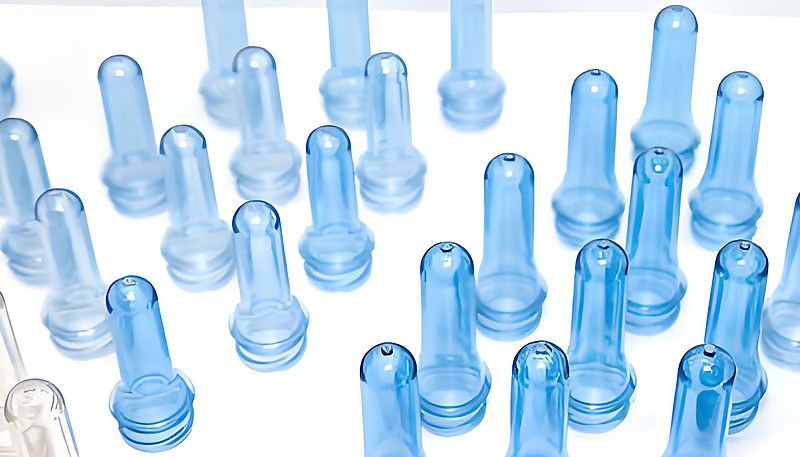
Bu bölüm, tıbbi kalıplamada yürütülen Proses Doğrulama1 (IQ, OQ, PQ) ile bunun maliyet, kalite, zamanlama veya tedarik riski üzerindeki etkisini ele alır. Tıbbi enjeksiyon kalıplamada Proses Doğrulama IQ/OQ/PQ, prosesinizin şartnamelere uyan parçaları sürekli ürettiğini kanıtlayan protokolü izler. Kurulum Yeterliliği (IQ), ekipmanın şartnamelere göre kurulduğunu doğrular; enjeksiyon kalıplama makinenizin proseste belirtilen sıcaklık ve basınçlara gerçekten ulaşabildiğini kontrol eder. Bu hızlı bir kontrol değildir; makine başına 2-3 günlük belge ve test çalışması bekleyin.
Operasyonel Kalifikasyon (OQ), ekipmanın çalışma aralıkları boyunca amaçlandığı gibi performans gösterdiğini kanıtlar. Enjeksiyon kalıplamada bu; ısıtma bölgeleri arasındaki sıcaklık eşitliğinin, basınç doğruluğunun ve tekrarlanabilirliğin test edilmesi anlamına gelir. Minimum, maksimum ve tipik çalışma parametrelerinde test çevrimleri yürütürsünüz. Performans Kalifikasyonu (PQ), tüm prosesin kabul edilebilir parçalar ürettiğini kanıtladığınız aşamadır ve genellikle eksiksiz ölçüsel ve işlevsel testlerle art arda 30 başarılı üretim çalışması gerektirir.
Belgeleme yükü büyüktür. Her doğrulama protokolü 200-500 sayfa belge üretebilir ve her ekipman değişikliği yeniden doğrulama gerektirir. FDA bunları farklı prosesler saydığı için her kalıp ve malzeme birleşimi için ayrı doğrulama paketleri tutuyoruz. Yatırım kayda değerdir: karmaşıklığa bağlı olarak proses doğrulama başına USD 15,000-30,000 ve 4-6 hafta bütçeleyin; lansman tarihlerini taahhüt etmeden önce doğrulama takvimini gerçekçi enjeksiyon kalıplama üretim süresiyle uyumlu hâle getirin.
"Tıbbi cihazların ticari üretimine başlanmadan önce proses validasyonu tamamlanmalıdır."True
Bu doğru ve tartışılmazdır. FDA düzenlemeleri ve ISO 13485 gereksinimleri, ticari üretimden önce proseslerin doğrulanmasını zorunlu kılar. Doğrulanmamış prosesle üretilen medikal cihazları sevk edemezsiniz. Buna enjeksiyon parametreleri, çevresel kontroller ve kalite prosedürleri dâhildir. Her proses değişikliği üretime dönmeden önce yeniden doğrulama gerektirir.
"Bir proses doğrulandıktan sonra ekipman arızalanmadıkça yeniden doğrulanması gerekmez."False
Bu yanlıştır ve potansiyel olarak tehlikelidir. Ekipman değişiklikleri, proses parametresi değişiklikleri, tesis taşınmaları, proses kontrolünü etkileyen personel değişiklikleri ve periyodik yeniden doğrulama (genellikle yılda bir veya iki yılda bir) için yeniden doğrulama gerekir. Enjeksiyon kalıplama makinesi kontrolörlerindeki yazılım güncellemeleri bile yeniden doğrulama gereksinimlerini tetikleyebilir.
İzlenebilirlik ISO 13485 Uyumluluğunda Nasıl Bir Rol Oynar?
Bu bölüm, izlenebilirliğin ISO 13485 uyumundaki rolünü ve maliyet, kalite, zamanlama veya tedarik riski üzerindeki etkisini ele alır. ISO 13485 kapsamındaki tıbbi enjeksiyon kalıplamada izlenebilirlik, her bileşeni ham madde partisinden cihazın verildiği belirli hastaya kadar takip edebilmeniz demektir. Bu yalnızca parti kayıtları değildir; malzeme parti numaralarını, işleme parametrelerini, kalite testi sonuçlarını ve ilgili personeli kapsayan eksiksiz bir soy kütüğüdür. Bir tıbbi cihaz sahada arızalandığında düzenleyici kurumlar, etkilenme olasılığı bulunan her cihazı günler değil saatler içinde belirlemenizi bekler.
Enjeksiyon kalıplama açısından sonuçlar kapsamlıdır. Her malzeme partisi ayrılmalı ve işleme boyunca izlenmelidir. Yeniden öğütülmüş malzeme kullanımı, kontaminasyon oranlarını ve onay kayıtlarını gösteren belgeler gerektirir. Aşınmış vida veya kirlenmiş kovan ürün kalitesini etkileyebileceğinden makine bakım kayıtları cihaz geçmişinin parçası olur. Tek tek parçaları çok gözlü kalıplardaki belirli göz konumlarına kadar izleyebilen Cihaz Geçmiş Kayıtları⁴ (DHR2) tutuyoruz.
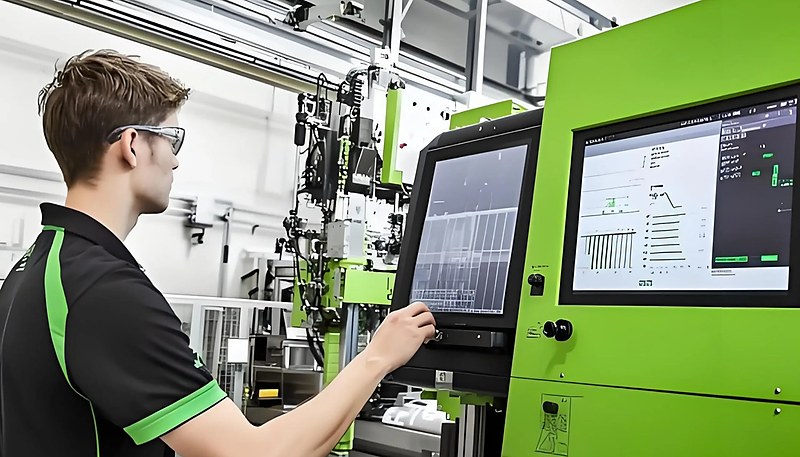
Etkili izlenebilirlik için dijital sistemler uygulamada zorunludur. Manuel kâğıt sistemleri küçük üretim hacimlerinin ötesinde yönetilemez hâle gelir. Tıbbi cihaz izlenebilirliği gereksinimlerini karşılayabilen MES veya ERP sistemlerine 50.000-200.000 dolar yatırım yapmayı bekleyin. Sistem, proses parametrelerini otomatik olarak kaydetmek için enjeksiyon kalıplama makinesinin kontrolleriyle arayüz oluşturmalı ve onlarca yılı kapsayan düzenleyici denetimler için veri bütünlüğünü korumalıdır.
Medikal Enjeksiyon Kalıplamada Hangi Malzemeler Yaygın Kullanılır?
Tıbbi enjeksiyon kalıplama malzemeleri, biyouyumluluk gerekliliklerine ve uygulamaya göre çeşitli kategorilere ayrılır. USP Sınıf VI3 malzemeler çoğu tıbbi uygulamanın temelidir; implante edilebilir cihazlar ise ISO 10993 biyolojik değerlendirmesi gerektirir. En yaygın malzemeler tıbbi sınıf polipropilen, polikarbonat, ABS ve yüksek performanslı uygulamalar için PEEK gibi özel polimerlerdir.
Malzeme seçimi yalnızca mekanik özelliklerden ibaret değildir. Her malzeme biyouyumluluk belgeleri, ekstrakte edilebilir ve sızabilir madde testleri ve çoğu zaman sterilizasyon validasyonu gerektirir. Polipropilen, gama ve etilen oksit sterilizasyonuyla uyumluluğu sayesinde tek kullanımlık cihazlarda iyi sonuç verir. Polikarbonat, tanı ekipmanları için optik berraklık sağlar ancak sterilizasyon çevrimlerinde gerilim çatlağını önlemek için dikkatli işlenmelidir.
Özel malzemeler yüksek fiyatlıdır ancak belirli zorlukları çözer. PEEK, implantlar için kimyasal direnç ve radyolüsensi sağlar ancak 400°C’nin üzerinde işleme sıcaklıkları gerektirir. Sıvı silikon kauçuk (LSR), biyouyumluluk ve esneklik sunar ancak özel enjeksiyon kalıplama ekipmanı gerektirir. Tıbbi sınıf malzemeler genellikle standart sınıfların 2-5 katı maliyetlidir ve partiden partiye sertifikasyon, teslim süresini ve stok maliyetlerini artırır.
ISO 13485 Uyumluluğunun Avantajları ve Dezavantajları Nelerdir?
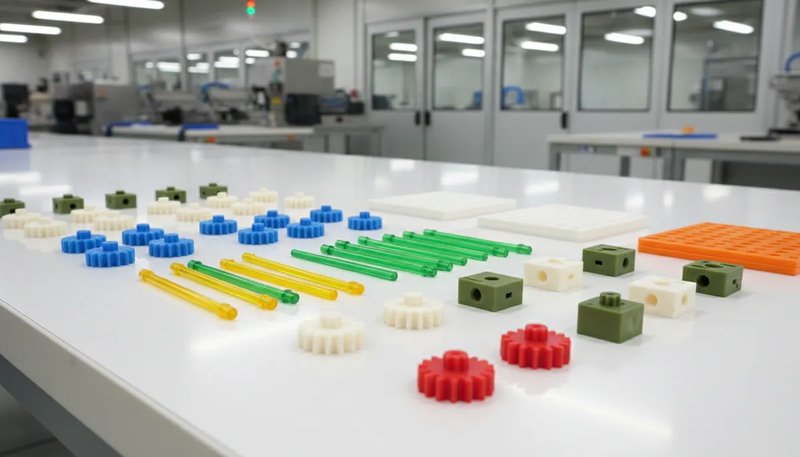
ISO 13485 uyumluluğunun avantajları ve dezavantajları, bu bölümde açıklanan ana kategoriler veya seçeneklerdir. ISO 13485 uyumluluğu kazançlı tıbbi cihaz pazarlarının kapısını açar, ancak önemli yatırım ve operasyonel değişiklikler gerektirir. Avantajlar arasında düzenlemeye tabi pazarlara erişim, tıbbi bileşenler için yüksek fiyatlandırma ve rekabetçi farklılaşma bulunur. Bununla birlikte uyumluluk yükü, dokümantasyon gereksinimlerinden personel eğitimine ve proses esnekliğine kadar operasyonların her yönünü etkiler.
| Boyut | Avantajlar | Dezavantajlar |
|---|---|---|
| Pazar Erişimi | Küresel tıbbi cihaz pazarları, mevzuat onayı | Uzun sertifikasyon süreci, devam eden denetimler |
| Fiyatlandırma | Primli fiyatlar (%20-40 daha yüksek), uzun vadeli sözleşmeler | Daha yüksek malzeme ve uygunluk maliyetleri |
| Kalite Sistemleri | Sağlam prosesler, daha az kusur, müşteri güveni | Kapsamlı dokümantasyon, daha yavaş süreç değişiklikleri |
| Rekabet | Daha az nitelikli tedarikçi, pazar engelleri | Daha yüksek giriş engelleri, uzmanlık gereksinimi |
| Operasyonlar | Sistematik yaklaşım, risk yönetimi entegrasyonu | Daha düşük esneklik, daha uzun teslim süreleri |
| Yatırım | Uzun vadeli müşteri ilişkileri, istikrarlı gelir | Önemli başlangıç maliyetleri, devam eden uygunluk giderleri |
Şangay fabrikamızda, ekibimiz ISO 9001, ISO 13485, ISO 14001 ve ISO 45001 sistemleri altında çalışmaktadır. Tıbbi kalıplama işleri için, Sınıf M8 tozsuz bir odadaki 6 makine daha temiz üretim kontrolünü desteklerken, daha geniş 47 enjeksiyon kalıplama makinemiz ve 90T ila 1850T aralığımız, tıbbi olmayan projeler için mühendislik kapasitesini hazır tutar. 20+ yıllık enjeksiyon kalıplama ve kalıpçılık deneyimimizde, tıbbi projelerin, bir tedarikçi görüşmesi fiyat karşılaştırmasından kalifikasyona geçmeden önce, belgelenmiş süreç doğrulaması, malzeme izlenebilirliği ve süreç içi kontroller gerektirdiğini gördük.
ISO 13485 Sertifikalı Bir Enjeksiyon Ortağı Nasıl Seçilir?
iso 13485 sertifikalı bir enjeksiyon kalıplama ortağı seçerken kalıp yetkinliği, kalite sistemleri, iletişim ve ticari uyum değerlendirilir. Bir ISO 13485 enjeksiyon kalıplama ortağının seçimi, temel sertifikanın ötesindeki yetkinliklerin incelenmesini gerektirir. Temiz oda tesislerini denetleyin, doğrulama belgelerini inceleyin ve mevzuat deneyimlerini değerlendirin. Duvardaki sertifika yetkin uygulamayı garanti etmez—FDA düzenlemelerini, EU MDR gerekliliklerini ve tıbbi cihaz üretiminin kendine özgü zorluklarını anlayan tedarikçilere ihtiyacınız vardır.
Teknik yetenekler sertifika kadar önemlidir. Belirli malzeme ve uygulamalarınızdaki enjeksiyon kalıplama deneyimlerini değerlendirin. Tıbbi sınıf malzemeler çoğu zaman özel işleme bilgisi, karmaşık geometriler ise ileri kalıplama teknikleri gerektirir. Kalite sistemlerini, istatistiksel proses kontrol yeteneklerini ve belgeleme uygulamalarını inceleyin. Kapsamlı bir tedarik kılavuzu değerlendirme sürecinizi yapılandırmanıza yardımcı olabilir.
Finansal istikrar ve ölçeklenebilirlik, uzun vadeli ortaklıklar için kritik önemdedir. Tıbbi cihaz ürünleri çoğu zaman 10–15 yıllık yaşam döngülerine sahiptir ve artan hacimleri ve mevzuat değişikliklerini destekleyebilecek tedarikçilere ihtiyaç duyarsınız. Müşteri tabanlarını, tesis yatırımlarını ve teknik personeli elde tutma oranlarını değerlendirin. En düşük maliyetli tedarikçi, sürdürülebilir tıbbi cihaz üretiminin uygunluk taleplerini ve yatırım gereksinimlerini nadiren karşılayabilir.
Sıkça Sorulan Sorular
Bir enjeksiyon kalıplama tesisinin ISO 13485 sertifikası alması ne kadar sürer?
ISO 13485 Tıbbi Cihaz Enjeksiyon Kalıplama Kılavuzu | ZetarMold
ISO 13485 sertifikasını sürdürmenin yıllık maliyeti nedir?
Mevcut enjeksiyon kalıplama ekipmanı çoğu zaman tıbbi cihaz üretimine uyarlanabilir; ancak süreç kolay değildir. Ekipman, şartnameleri karşıladığını doğrulamak için eksiksiz Kurulum Kalifikasyonundan (IQ), ardından çalışma aralıklarındaki kabiliyetini gösteren Operasyonel Kalifikasyondan (OQ) geçmelidir. Makinelerde her enjeksiyonun parametrelerini kaydetmek için proses izleme ve veri kaydı özellikleri bulunmalıdır. Temiz oda uyumluluğu da dikkate alınmalıdır; hidrolik makineler, kontrollü ortamları bozabilecek ısı ve parçacık üretir. Kapalı çevrim kontrolü veya yeterli dokümantasyon arayüzü bulunmayan eski makineler önemli yükseltmeler (,000-50,000) ya da değişim gerektirebilir. Ekipmanın yaşı tek başına engel değildir; ancak her makinenin kabiliyeti resmi kalifikasyon protokolleriyle kanıtlanmalıdır.
Mevcut enjeksiyon kalıplama ekipmanı tıbbi cihaz üretiminde kullanılabilir mi?
Tıbbi enjeksiyon kalıplama kapsamlı bir dokümantasyon ekosistemi gerektirir. Temel belgeler; çizimleri, malzeme özelliklerini ve çalışma talimatlarını içeren Cihaz Ana Kayıtları (DMR); her partinin DMR’ye göre üretildiğini kanıtlayan Cihaz Geçmiş Kayıtları (DHR); proses doğrulama protokolleri ve raporları (IQ/OQ/PQ); malzeme sertifikaları ve biyouyumluluk test sonuçları; ekipman yeterlilik ve kalibrasyon kayıtları; her proses adımı için standart çalışma prosedürleri ve tüm değişiklikler için değişiklik kontrol belgeleridir. Her üretim partisi gerçek zamanlı proses parametrelerini, kalite denetimi sonuçlarını ve tam malzeme izlenebilirliğini içeren eksiksiz bir parti kaydı oluşturur. Standart enjeksiyon kalıplamadan 10-20 kat daha fazla dokümantasyon bekleyin ve yükü etkin biçimde yönetmek için dijital sistemler planlayın.
Medikal enjeksiyon kalıplama süreçleri için hangi belgeler gereklidir?
ISO 13485, enjeksiyon kalıplarının tasarlanma, bakım ve değiştirilme biçimini temelden değiştirir. Kalıp tasarımları, Tasarım Kontrolü süreci içinde kontrollü belgeler hâline gelir; resmî tasarım incelemeleri, risk analizleri (FMEA gibi araçlarla) ve kalıbın cihaz spesifikasyonlarını karşıladığının belgeli doğrulaması gerekir. Görünüşte küçük bir kalıp gözü parlatması bile etki değerlendirmesi ve olası yeniden validasyon içeren bir değişiklik kontrol sürecini tetikler. Kalıp bakım programları kalite sisteminin parçası olur ve her bakım olayı cihaz geçmişinde belgelenir. Çok gözlü kalıplarda göz düzeyinde izlenebilirlik gerekir; yani üretim boyunca her göz ayrı ayrı tanımlanmalı ve takip edilmelidir. Bu titizlik, kalıpla ilgili kusurların etkilenmeyen gözleri veya cihazları etkilemeden yalıtılıp düzeltilmesini sağlar.
ISO 13485 enjeksiyon kalıbı tasarımını ve üretimini nasıl etkiler?
Enjeksiyonla kalıplanmış tıbbi cihazlar için yaygın sterilizasyon yöntemleri arasında gama radyasyonu (25-40 kGy), etilen oksit gazı, elektron ışını, buhar otoklavı ve hidrojen peroksit plazması bulunur. Malzeme seçimi, tasarım aşamasından itibaren sterilizasyon uyumluluğunu dikkate almalıdır: polipropilen ve polietilen gama’yı iyi tolere eder, ancak polipropilen daha yüksek dozlarda kırılgan hale gelebilir. Polikarbonat radyasyon altında sararabilir. PEEK neredeyse tüm sterilizasyon yöntemlerini uygular ancak standart malzemelerin 10-20 katı maliyeti vardır. EtO sterilizasyonu, gözenekli paketleme ve kalıntıları gidermek için yeterli havalandırma süresi gerektirir. Her cihaz-materyal-sterilizasyon kombinasyonu, 10⁻⁶ sterilite güvence düzeyini (SAL) gösteren kendi doğrulama çalışmasını gerektirir. Spesifik kombinasyonun doğrulanamaması, cihazın sunulması sırasında düzenlemenin reddedilmesine neden olabilir.
Enjeksiyonla kalıplanmış tıbbi cihazlarla hangi sterilizasyon yöntemleri uyumludur?
ISO 13485, işi ürün kalitesini etkileyen her kişi için belgelenmiş eğitim programlarını zorunlu kılar. Enjeksiyon kalıplama operatörleri bağımsız çalışmadan önce tıbbi cihaz gereksinimleri, temiz oda protokolleri, kontaminasyonun önlenmesi ve belirli proses prosedürlerinde yeterlilik göstermelidir. Eğitim kayıtları ilk yeterliliği, periyodik tazeleme kurslarını (genellikle yıllık) ve prosedür değişiklikleri veya düzeltici faaliyetler için özel eğitimleri içermelidir. Yeterlilik değerlendirmeleri katılımın ötesine geçer; operatörler anladıklarını pratik değerlendirmeyle göstermelidir. Yönetim, eğitimin etkinliğini sağlamaktan ve düzenleyici denetimlere dayanacak kayıtları tutmaktan sorumludur. Birçok tesis iç eğitimi ISO 13485, temiz oda operasyonları ve GMP ilkeleriyle ilgili dış kurslarla tamamlar. Operatör başına 40-80 saat ilk eğitim ve devam eden gereksinimler için yılda 16-24 saat bütçe ayırın.
ISO 13485 enjeksiyon kalıplamada personel için özel eğitim gereksinimleri var mıdır?
Evet, ISO 13485, işi ürün kalitesini etkileyen personel için belgelenmiş eğitim gerektirir. Enjeksiyon kalıplama operatörleri, süreç teknisyenleri, kalite kontrol görevlileri, depo personeli ve tıbbi cihaz programlarını yöneten proje mühendislerinin tümü yapılandırılmış eğitim almalıdır. Buna ilk yeterlilik eğitimi, yıllık tazeleme kursları ve prosedürler değiştiğinde veya düzeltici faaliyetler uygulandığında verilen özel eğitimler dâhildir. Eğitim etkinliği yalnızca katılım kayıtlarıyla değil, uygulamalı değerlendirmeyle doğrulanmalıdır. Yönetim tüm rollerde yetkinliği sağlamaktan doğrudan sorumludur. Tesisler operatör başına 40-80 saatlik ilk eğitim ile süregelen uygunluk ve sürekli eğitim gereklilikleri için yılda 16-24 saat bütçe ayırmalıdır.
Projeniz için ISO 13485 tıbbi cihaz enjeksiyon kalıplamasını değerlendirmeye hazır mısınız? Özel gereksinimlerinizi sertifikalı kalite uzmanlarımızla görüşmek için ZetarMold ile iletişime geçin. 20 yılı aşkın tıbbi cihaz üretimi deneyimimiz, kapsamlı temiz oda kabiliyetlerimiz ve doğrulanmış proseslerimiz, tıbbi cihazınızı güvenli ve verimli biçimde pazara sunmanıza yardımcı olabilir.
Proses Doğrulama: Proses Doğrulama, belirlenmiş parametreler içinde işletilen bir prosesin önceden belirlenmiş şartnameleri karşılayan bir tıbbi ürünü etkili ve tekrarlanabilir biçimde üretebildiğini gösteren belgelenmiş kanıttır. ↩
DHR: DHR, bitmiş bir tıbbi cihazın üretim geçmişini içeren kayıtların derlemesi olan Cihaz Geçmiş Kaydını ifade eder. ↩
USP Sınıf VI: USP Sınıf VI, tıbbi cihazlarda kullanılan plastik malzemeler için Amerika Birleşik Devletleri Farmakopesi biyolojik reaktivite test standardını ifade eder. ↩