콘텐츠로 건너뛰기
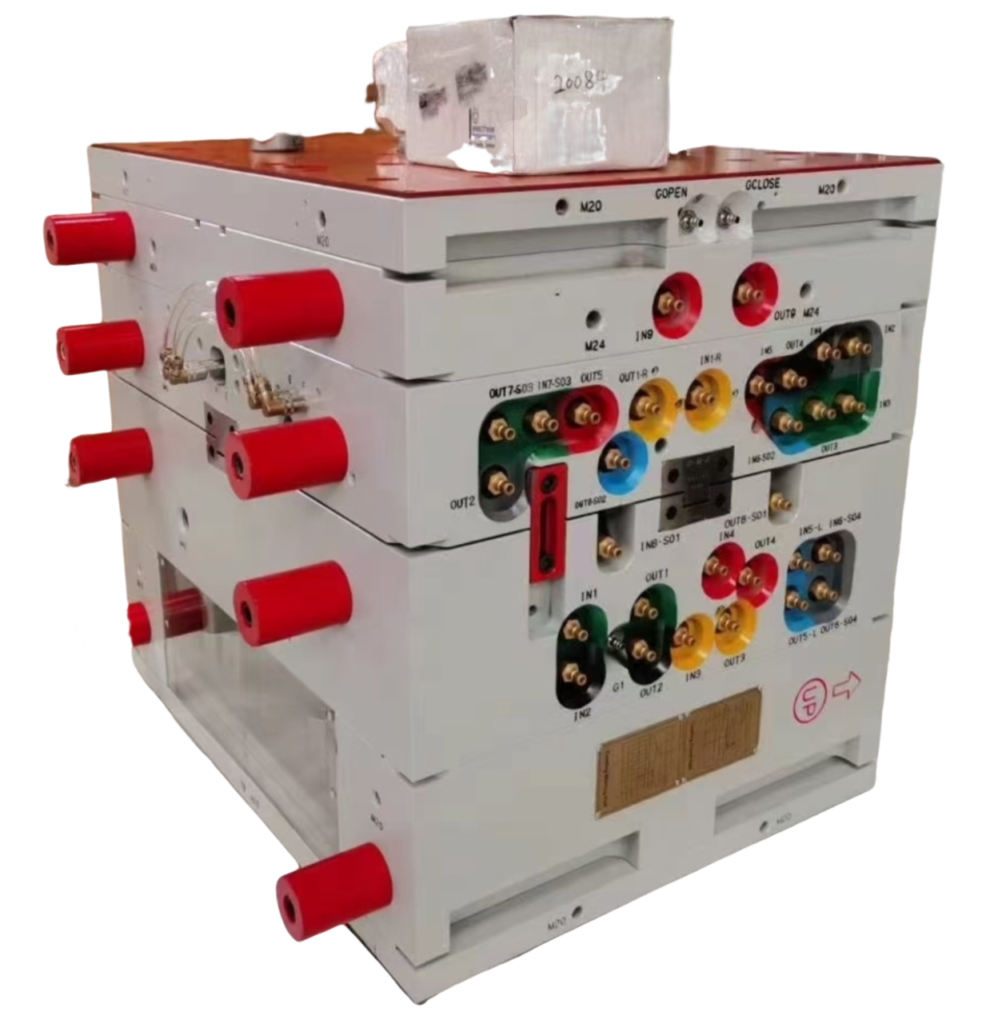
Medical device 사출 성형 비멸균 임플란트, 진단 장치
- ISO 13485 requires risk-based thinking throughout the entire injection molding process
- Cleanroom environments and contamination control are mandatory for most medical device manufacturing
- Process validation through IQ, OQ, and PQ protocols is essential for regulatory approval
- Complete traceability from raw material to finished device must be maintained
- Material selection requires biocompatibility testing and regulatory compliance documentation
What Is ISO 13485 and How Does It Differ from ISO 9001?
Iso 13485 and how does it differ from iso 9001 is defined by the function, constraints, and tradeoffs explained in this section. For a broader look at 사출 금형 설계, our pillar guide covers tooling structure, thermal control, and manufacturability tradeoffs.
ISO 13485¹ is the quality management standard specifically designed for medical device manufacturers. While it shares some DNA with ISO 9001, the similarities end quickly. ISO 13485 eliminates the “continuous improvement” requirement of ISO 9001 in favor of “maintain effectiveness”—because in medical devices, unauthorized changes can kill people. The standard demands risk management integration, regulatory compliance, and post-market surveillance that goes far beyond general quality systems.
사출 성형의 함의는 상당합니다. ISO 9001은 효율성 향상을 기반으로 한 공정 개선을 수용할 수 있지만, ISO 13485는 모든 공정 변경에 대해 공식적인 변경 관리, 영향 평가 및 종종 규제 기관 통지를 요구합니다. 모든 사출 성형 매개변수—온도, 압력, 사이클 시간—는 임의로 조정할 수 없는 검증된 공정의 일부가 됩니다. 문서화된 사출 성형 공정 단계 맵은 각 매개변수가 검증 중 사용된 동일한 증거 패키지에 연결되도록 유지하는 데 도움이 됩니다.
| 측면 | ISO 9001 | ISO 13485 |
|---|---|---|
| Primary Focus | Customer satisfaction | Safety and effectiveness |
| Improvement Philosophy | Continuous improvement | Maintain effectiveness |
| Risk Management | Optional consideration | Mandatory integration |
| Regulatory Compliance | 지정되지 않음 | Explicit requirement |
| Process Changes | Encouraged if beneficial | Controlled and validated |
| Documentation Level | 보통 | Extensive and traceable |
| Post-delivery Activities | Customer feedback | Post-market surveillance |
“ISO 13485 certified injection molding facilities must maintain validated processes that cannot be changed without formal approval.”True
This is absolutely correct. ISO 13485 requires that all manufacturing processes be validated and controlled. Any changes to injection molding parameters, materials, or procedures must go through a formal change control process with risk assessment and validation. This ensures that modifications don’t compromise device safety or effectiveness.
“ISO 13485 is just ISO 9001 with additional medical device documentation requirements.”False
This is a dangerous oversimplification. While ISO 13485 uses ISO 9001 as a foundation, it fundamentally changes the approach to quality management. The shift from continuous improvement to maintaining effectiveness, mandatory risk management integration, and regulatory compliance requirements represent a completely different quality philosophy, not just additional paperwork.
What Cleanroom Requirements Apply to Medical Injection Molding?
이 섹션은 의료 사출 성형에 적용되는 청정실 요구 사항과 비용, 품질, 시기 또는 조달 리스크에 미치는 영향에 관한 것입니다. 의료 사출 성형을 위한 청정실 요구 사항은 기기 분류 및 오염 위험에 따라 다릅니다. Class I 기기는 기본적인 청결도 관리만 필요할 수 있지만, 이식 가능한 기기에는 ISO 14644 Class 7 이상의 환경이 필요합니다. 과제는 단순히 청정실을 유지하는 것이 아닙니다—청결도나 성형 공정을 저해하지 않으면서 통제된 환경에 사출 성형 장비를 통합하는 것입니다.
Temperature control becomes critical when your cleanroom HVAC system conflicts with injection molding heat requirements. We’ve seen facilities struggle with maintaining ±2°C temperature control while running 1850-ton machines that generate massive heat loads. Air flow patterns must be designed around machine placement, and personnel flow patterns need careful consideration—especially during mold changes that can take 2-3 hours.
| 클린룸 클래스 | Particles ≥0.5μm per m³ | Medical Device Applications | Typical Requirements |
|---|---|---|---|
| ISO 5 | 3,520 | Implantable devices, sterile components | Full gowning, laminar flow |
| ISO 6 | 35,200 | Critical surgical instruments | Cleanroom suits, controlled access |
| ISO 7 | 352,000 | Non-sterile implants, diagnostic devices | 사출 성형 시설의 ISO 13485 인증 취득에는 얼마나 걸리나요? |
| ISO 8 | 3,520,000 | External medical devices | Basic protective clothing |
| Standard Room | >3,520,000 | Class I devices (low risk) | Good housekeeping practices |
How Is Process Validation (IQ, OQ, PQ) Executed in Medical Molding?
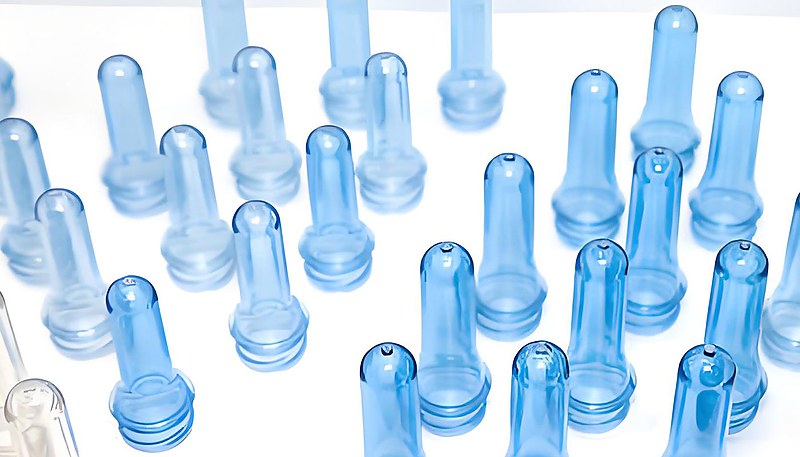
이 섹션은 다음에 관한 것입니다 프로세스 유효성 검사1 (IQ, OQ, PQ)가 의료 성형에서 실행되며 비용, 품질, 시기 또는 조달 리스크에 미치는 영향. 의료 사출 성형에서 공정 검증 IQ/OQ/PQ는 귀하의 공정이 사양을 충족하는 부품을 지속적으로 생산한다는 것을 입증하는 프로토콜을 따릅니다. 설치 적격성(IQ)은 사양에 따른 장비 설치를 검증합니다—사출 성형기가 실제로 공정에 명시된 온도와 압력에 도달할 수 있는지 확인합니다. 이는 빠른 점검이 아닙니다; 기계당 2-3일의 문서화 및 테스트를 예상하십시오.
Operational Qualification (OQ) proves the equipment performs as intended across its operating ranges. For injection molding, this means testing temperature uniformity across heating zones, pressure accuracy, and repeatability. You’ll run test cycles at minimum, maximum, and typical operating parameters. Performance Qualification (PQ) is where you prove the entire process produces acceptable parts—typically requiring 30 consecutive successful production runs with full dimensional and functional testing.
문서화 부담은 상당합니다. 각 검증 프로토콜은 200-500페이지의 문서를 생성할 수 있으며, 장비 수정 시 재검증이 필요합니다. FDA는 이를 다른 공정으로 간주하기 때문에 각 금형 및 재료 조합에 대해 별도의 검증 패키지를 유지합니다. 투자는 상당합니다—복잡성에 따라 공정 검증당 USD 15,000-30,000 및 4-6주의 예산을 책정하고, 검증 일정을 현실적인 사출 성형 생산 시간 출시 일정을 약속하기 전에.
“Process validation must be completed before commercial production of medical devices can begin.”True
This is correct and non-negotiable. FDA regulations and ISO 13485 requirements mandate that processes be validated before commercial production. You cannot ship medical devices produced on unvalidated processes. This includes injection molding parameters, environmental controls, and quality control procedures. Any process changes require revalidation before resuming production.
“Once a process is validated, it never needs revalidation unless equipment breaks down.”False
This is incorrect and potentially dangerous. Revalidation is required for equipment modifications, process parameter changes, facility moves, personnel changes affecting process control, and periodic revalidation (typically annually or biannually). Even software updates on injection molding machine controllers can trigger revalidation requirements.
What Role Does Traceability Play in ISO 13485 Compliance?
이 섹션은 ISO 13485 준수에서 추적성의 역할과 비용, 품질, 시기 또는 조달 리스크에 미치는 영향에 관한 것입니다. ISO 13485 의료 사출 성형에서의 추적성은 원자재 로트부터 장치를 받은 특정 환자까지 모든 구성 요소를 추적할 수 있음을 의미합니다. 이는 단순히 배치 기록이 아닙니다—재료 로트 번호, 처리 매개변수, 품질 테스트 결과 및 관련 인원을 포함한 완전한 계보입니다. 의료 기기가 현장에서 고장 나면 규제 기관은 몇 일이 아니라 몇 시간 내에 잠재적으로 영향을 받을 수 있는 모든 기기를 식별할 것을 기대합니다.
The injection molding implications are extensive. Every material lot must be segregated and tracked through processing. Regrind usage requires documentation showing contamination ratios and approval records. Machine maintenance records become part of device history because a worn screw or contaminated barrel could affect product quality. We maintain Device History Records⁴ (DHR2) that can trace individual parts to specific cavity positions in multi-cavity molds.
Digital systems are practically mandatory for effective traceability. Manual paper systems become unmanageable beyond small production volumes. Expect to invest $50,000-200,000 in MES or ERP systems capable of handling medical device traceability requirements. The system must interface with injection molding machine controls to automatically capture process parameters, and it needs to maintain data integrity for regulatory audits spanning decades.
What Materials Are Commonly Used in Medical Injection Molding?
Medical injection molding materials fall into several categories based on biocompatibility requirements and application. USP Class VI3 materials are the baseline for most medical applications, while implantable devices require ISO 10993 biological evaluation. The most common materials include medical-grade polypropylene, polycarbonate, ABS, and specialty polymers like PEEK for high-performance applications.
Material selection involves more than just mechanical properties. Every material requires biocompatibility documentation, extractables and leachables testing, and often sterilization validation. Polypropylene works well for disposable devices due to gamma and ethylene oxide sterilization compatibility. Polycarbonate offers optical clarity for diagnostic equipment but requires careful processing to avoid stress cracking during sterilization cycles.
Specialty materials command premium pricing but solve specific challenges. PEEK offers chemical resistance and radiolucency for implants but requires processing temperatures above 400°C. Liquid silicone rubber (LSR) provides biocompatibility and flexibility but needs specialized injection molding equipment. Medical-grade materials typically cost 2-5x standard grades, and lot-to-lot certification adds lead time and inventory costs.
What Are the Pros and Cons of ISO 13485 Compliance?
The pros and cons of iso 13485 compliance are the main categories or options explained in this section. ISO 13485 compliance opens doors to lucrative medical device markets but demands significant investment and operational changes. The benefits include access to regulated markets, premium pricing for medical components, and competitive differentiation. However, the compliance burden affects every aspect of operations from documentation requirements to personnel training and process flexibility.
| 측면 | 장점 | 단점 |
|---|---|---|
| Market Access | Global medical device markets, regulatory approval | Lengthy certification process, ongoing audits |
| Pricing | Premium rates (20-40% higher), long-term contracts | Higher material and compliance costs |
| Quality Systems | Robust processes, reduced defects, customer confidence | Extensive documentation, slower process changes |
| Competition | Fewer qualified suppliers, market barriers | Higher barriers to entry, specialized expertise required |
| Operations | Systematic approach, risk management integration | Reduced flexibility, longer lead times |
| Investment | Long-term customer relationships, stable revenue | Significant upfront costs, ongoing compliance expenses |
상하이 공장에서 우리 팀은 ISO 9001, ISO 13485, ISO 14001 및 ISO 45001 시스템 하에서 작업합니다. 의료 성형 작업의 경우, M8 등급 무진실의 6대 기계가 더 깨끗한 생산 관리를 지원하며, 보다 광범위한 47대의 사출 성형기와 90톤에서 1850톤 범위는 비의료 프로젝트를 위한 엔지니어링 역량을 유지합니다. 20년 이상의 사출 성형 및 금형 제작 경험을 통해, 의료 프로젝트는 공급업체와의 대화가 가격 비교에서 자격 심사로 이동하기 전에 문서화된 공정 검증, 재료 추적성 및 공정 중 점검이 필요합니다.
How Do You Choose an ISO 13485 Certified Injection Molding Partner?
Choosing an iso 13485 certified injection molding partner is about tooling capability, quality systems, communication, and commercial fit. Selecting an ISO 13485 injection molding partner requires evaluating capabilities beyond basic certification. Audit their cleanroom facilities, review validation documentation, and assess their regulatory experience. A certificate on the wall doesn’t guarantee competent execution—you need suppliers who understand FDA regulations, EU MDR requirements, and the specific challenges of medical device manufacturing.
Technical capabilities matter as much as certification. Evaluate their injection molding experience with your specific materials and applications. Medical-grade materials often require specialized processing knowledge, and complex geometries may need advanced molding techniques. Review their quality systems, statistical process control capabilities, and documentation practices. A comprehensive sourcing guide can help structure your evaluation process.
Financial stability and scalability are crucial for long-term partnerships. Medical device products often have 10-15 year lifecycles, and you need suppliers who can support growing volumes and regulatory changes. Evaluate their customer base, facility investments, and technical staff retention. The lowest cost supplier rarely survives the compliance demands and investment requirements of sustained medical device manufacturing.
자주 묻는 질문
How long does ISO 13485 certification take for an injection molding facility?
ISO 13485 의료기기 사출 성형 가이드 | ZetarMold
What are the annual costs of maintaining ISO 13485 certification?
Existing injection molding equipment can often be adapted for medical device production, but the path is not straightforward. Equipment must undergo complete Installation Qualification (IQ) to verify it meets specifications, followed by Operational Qualification (OQ) demonstrating capability across operating ranges. Machines need process monitoring and data logging capabilities to capture every shot’s parameters. Cleanroom compatibility is another consideration—hydraulic machines generate heat and particles that can compromise controlled environments. Older machines lacking closed-loop control or adequate documentation interfaces may require significant upgrades (,000-50,000) or replacement. Equipment age alone isn’t disqualifying, but you must prove each machine’s capability through formal qualification protocols.
Can existing injection molding equipment be used for medical device production?
Medical injection molding requires a comprehensive documentation ecosystem. Core documents include Device Master Records (DMR) containing drawings, material specifications, and work instructions; Device History Records (DHR) proving each lot was manufactured per the DMR; process validation protocols and reports (IQ/OQ/PQ); material certifications and biocompatibility test results; equipment qualification and calibration records; standard operating procedures for every process step; and change control documentation for any modifications. Each production lot generates a complete batch record with real-time process parameters, quality inspection results, and full material traceability. Expect documentation volume 10-20x higher than standard injection molding, and plan for digital systems to manage the burden effectively.
What documentation is required for medical injection molding processes?
ISO 13485 fundamentally changes how injection molds are designed, maintained, and modified. Mold designs become controlled documents within the Design Control process—requiring formal design reviews, risk analyses (using tools like FMEA), and documented verification that the mold meets device specifications. Any mold modification, even a seemingly minor cavity polish, triggers a change control process with impact assessment and potential revalidation. Mold maintenance schedules become part of the quality system, with each maintenance event documented in the device history. Multi-cavity molds require cavity-level traceability, meaning each cavity must be identified and tracked individually throughout production. This rigor ensures that mold-related defects can be isolated and corrected without affecting unaffected cavities or devices.
How does ISO 13485 affect injection mold design and manufacturing?
Common sterilization methods for injection molded medical devices include gamma radiation (25-40 kGy), ethylene oxide gas, electron beam, steam autoclave, and hydrogen peroxide plasma. Material selection must account for sterilization compatibility from the design stage: polypropylene and polyethylene tolerate gamma well, but polypropylene can become brittle at higher doses. Polycarbonate may yellow under radiation. PEEK handles virtually all sterilization methods but costs 10-20x standard materials. EtO sterilization requires porous packaging and adequate aeration time to remove residuals. Each device-material-sterilization combination requires its own validation study demonstrating sterility assurance level (SAL) of 10⁻⁶. Failure to validate the specific combination can result in regulatory rejection during device submission.
What sterilization methods are compatible with injection molded medical devices?
ISO 13485 mandates documented training programs for every person whose work affects product quality. Injection molding operators must demonstrate competency in medical device requirements, cleanroom protocols, contamination prevention, and specific process procedures before working independently. Training records must include initial qualification, periodic refresher courses (typically annual), and ad-hoc training for procedure changes or corrective actions. Competency assessments go beyond attendance—operators must demonstrate understanding through practical evaluation. Management retains responsibility for ensuring training effectiveness and maintaining records that survive regulatory audits. Many facilities supplement internal training with external courses on ISO 13485, cleanroom operations, and GMP principles. Budget 40-80 hours of initial training per operator, plus 16-24 hours annually for ongoing requirements.
Are there specific training requirements for personnel in ISO 13485 injection molding?
Yes, ISO 13485 requires documented training for personnel whose work affects product quality. Injection molding operators, process technicians, QC inspectors, warehouse staff, and project engineers managing medical device programs must all receive structured training. This includes initial qualification training, annual refresher courses, and ad-hoc training whenever procedures change or corrective actions are implemented. Training effectiveness must be verified through practical assessment, not just attendance records. Management bears direct responsibility for ensuring competency across all roles. Facilities should budget 40-80 hours of initial training per operator plus 16-24 hours annually for ongoing compliance requirements and continuing education.
Ready to explore ISO 13485 medical device injection molding for your project? Contact ZetarMold to discuss your specific requirements with our certified quality specialists. Our 20+ years of medical device manufacturing experience, combined with comprehensive cleanroom capabilities and validated processes, can help bring your medical device to market safely and efficiently.
-
Process Validation: Process Validation refers to documented evidence that a process, operated within established parameters, can perform effectively and reproducibly to produce a medicinal product meeting its predetermined specifications. ↩
-
DHR: DHR refers to device History Record – compilation of records containing the production history of a finished medical device. ↩
-
USP Class VI: USP Class VI refers to united States Pharmacopeia biological reactivity test standard for plastic materials used in medical devices. ↩

 EN
EN  ES
ES  FR
FR  DE
DE  PT
PT  AR
AR  RU
RU  JA
JA  KO
KO  IT
IT  NL
NL  TR
TR  PL
PL