 콘텐츠로 건너뛰기
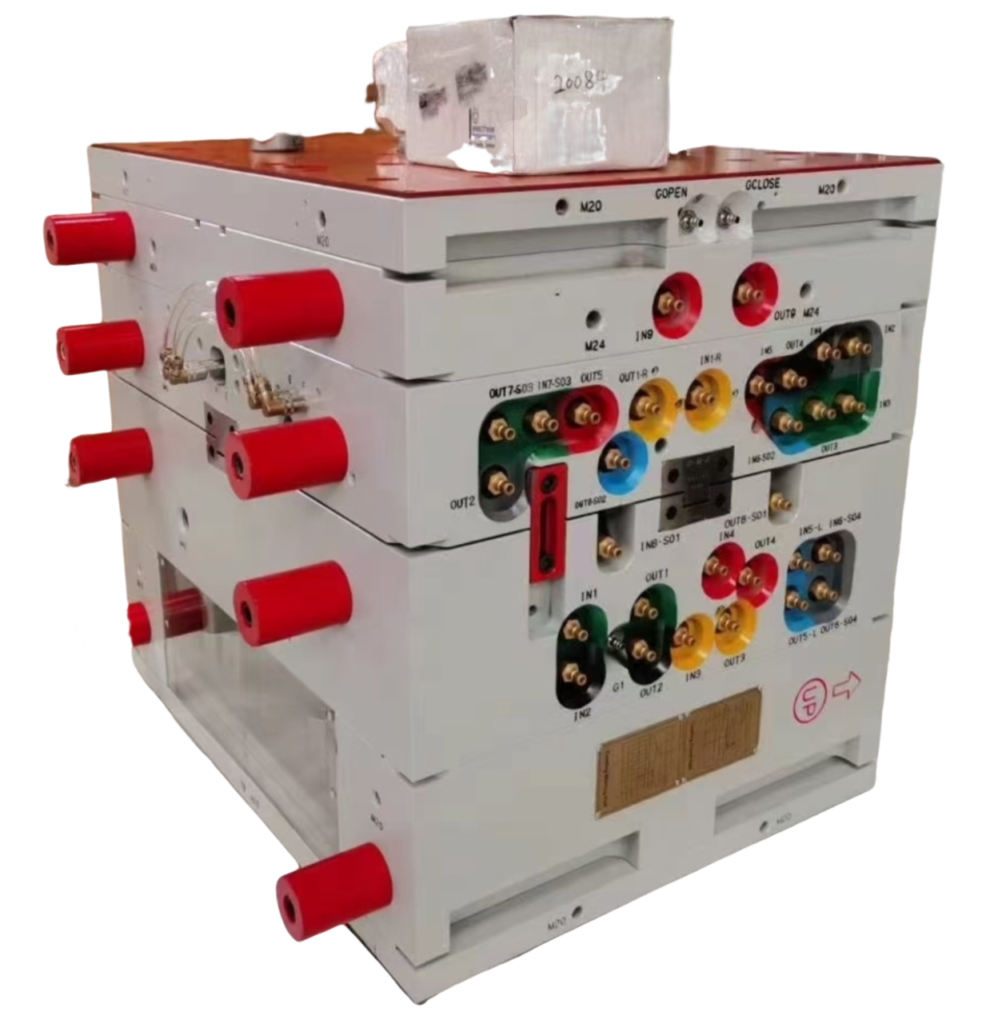
TPU 소재의 사출 성형 공법은 대량으로 유연하고 내구성 있으며 마모 저항성이 있는 부품을 생산하는 가장 가치 있는 제조 기술 중 하나입니다. 열가소성 폴리우레탄(TPU)은 경질 플라스틱과 연질 고무 사이의 독특한 위치에 있어 엔지니어들이 탄성과 구조적 강도를 결합한 부품을 만들 수 있는 능력을 제공합니다 — 다른 소재들이 거의 따라올 수 없는 특성입니다. 폰 케이스와 시계 밴드부터 자동차 부싱, 의료 튜빙 및 산업용 컨베이어 벨트까지, TPU 사출 성형은 사실상 모든 주요 제조 분야의 제품을 지원합니다.
TPU 사출 성형은 TPU 펠릿을 가열하고 금형에 주입하여 유연하고 탄력적인 부품을 만드는 방식으로 신발, 자동차, 전자제품에 주로 사용됩니다.
"TPU는 사출 성형에서 TPE와 동일합니다." Injection Molding Complete Guide.
“TPU offers excellent abrasion resistance and flexibility.”True
TPU is widely recognized for its superior abrasion resistance and flexibility, making it ideal for demanding applications like footwear soles and cable jackets.
“TPU injection molding is less efficient than other methods.”False
TPU 사출 성형은 매우 효율적이며 섬세하고 내구성이 뛰어난 부품을 생산할 수 있기 때문에 종종 선택됩니다.
TPU 소재란 무엇인가요?
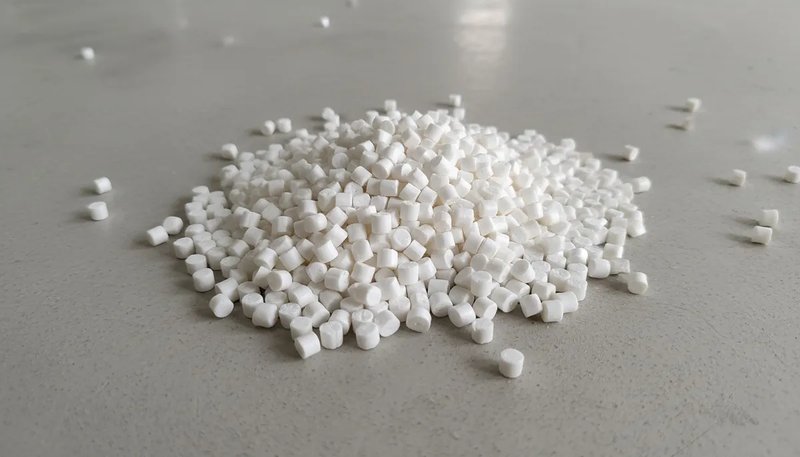
TPU stands for thermoplastic polyurethane elastomer rubber. It’s not a textile in the traditional sense, let alone leather. TPU overcomes many of the shortcomings of PVC, PU leather, and PU coating, and has made major breakthroughs in the application of waterproof and breathable fabrics.
TPU not only has most of the characteristics of rubber and ordinary plastics, but also has excellent comprehensive physical and chemical properties. It is a new type of polymer environmentally friendly material between rubber and plastic. It has both the softness of rubber and the hardness of hard plastic.
“TPU is both flexible and durable.”True
TPU’s unique composition allows it to maintain flexibility while providing strength and resistance to wear and tear, making it ideal for diverse applications.
“TPU is only used in clothing and footwear.”False
TPU는 의류 및 신발 분야에서 인기가 높지만, 적응성이 뛰어난 특성 덕분에 자동차, 의료 및 전자 산업으로 응용 분야가 확장되고 있습니다.
TPU 소재의 기본 특성은 무엇인가요?
TPU 소재의 기본 특성은 이 섹션에서 설명된 주요 범주 또는 옵션입니다. TPU 소재는 높은 탄성력, 우수한 마모 저항성 및 온도 범위에서의 유연성을 제공하여 신발류, 의료 기기(규격 충족)에 이상적입니다. ISO 10993 biocompatibility1 튜빙 및 하우징 규격) 및 요구 환경에서의 자동차 부품.
넓은 경도 범위
By changing the ratio of each reaction component of TPU, you can get products of different Shore hardness2 경도 수준이며, 경도 증가에 따라 제품들은 여전히 우수한 탄성과 마모 저항성을 유지합니다. TPU의 강성은 탄성 계수로 측정될 수 있습니다.
The elastic modulus of rubber is usually 1~10Mpa, TPU is 10~1000Mpa, and plastics such as nylon, ABS, PC, POM, etc. are 1000~10000Mpa.
뛰어난 내한성
TPU has a low TPU glass transition temperature3 and remains elastic and flexible even at minus 35 degrees. It is flexible over a wide temperature range of -40 to 120 degrees Celsius without the need for plasticizers.
내유성, 내수성, 내화학성 및 곰팡이 방지성
TPU is good at resisting oils (mineral oils, animal and vegetable oils and lubricants) and many solvents. TPU\’s oil resistance is better than nitrile rubber, and it has an excellent oil resistance life.
테이퍼 마모값은 0.5-0.35mg으로 플라스틱 중 가장 작습니다. MoS2, 실리콘 오일 흑연 등을 첨가하면 마찰 계수를 낮추고 내마모성을 향상시킬 수 있습니다.
Tensile strength and elongation: TPU has a tensile strength that is 2-3 times that of natural rubber and synthetic rubber. The tensile strength of polyester TPU is almost 60MPa, and the elongation is almost 410%. The tensile strength of polyether TPU is 50MPa, and the elongation is >30%.
“TPU materials enhance product durability in harsh environments.”True
TPU’s resistance to abrasion and chemicals makes it suitable for use in challenging conditions.
“TPU materials are only suitable for footwear applications.”False
신발에 널리 사용되는 TPU 소재는 다용도성과 탄력성으로 인해 자동차, 의료 및 산업 분야에도 이상적입니다.
Tpu 사출 성형 공정의 공정 조건은 무엇입니까?
온도
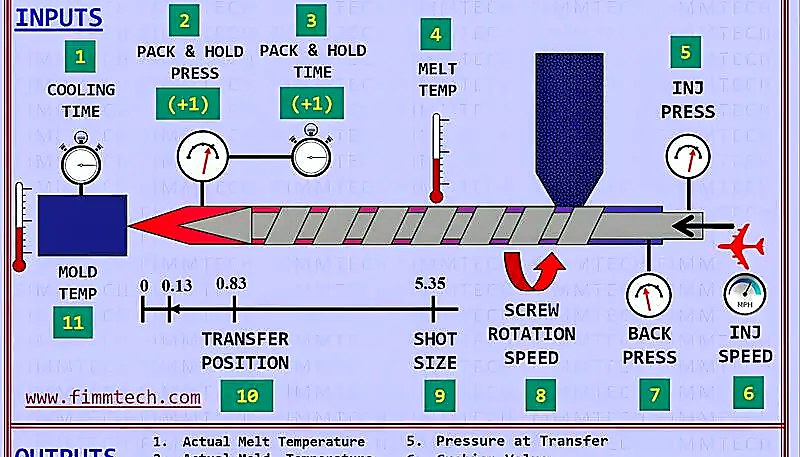
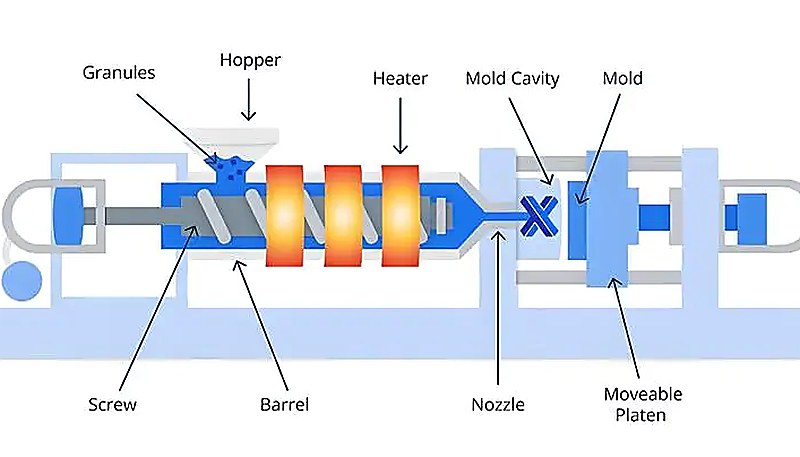
The temperatures you need to control in the TPU molding process are the barrel temperature, nozzle temperature, and mold temperature. The first two temperatures mainly affect the plasticization and flow of TPU, and the last temperature affects the flow and cooling of TPU. Learn more in our 사출 금형 설계 가이드.
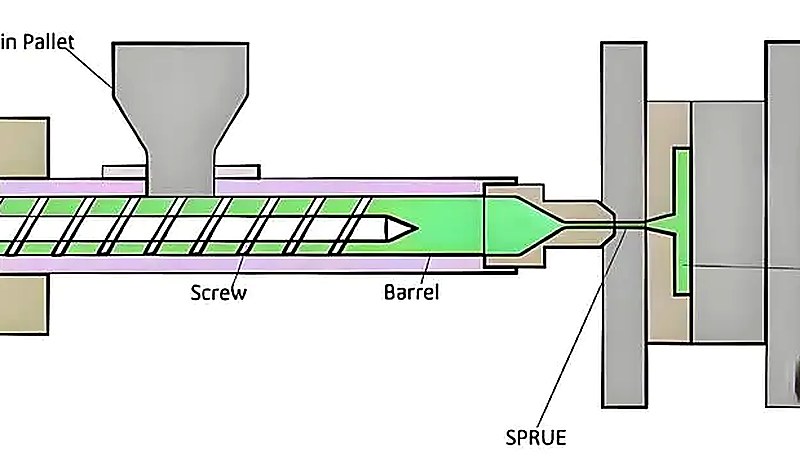
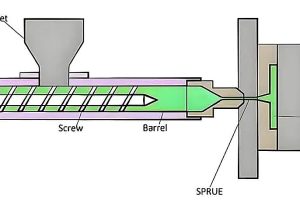
배럴 온도: 배럴 온도 선택은 TPU의 경도와 관련됩니다. 높은 경도의 TPU는 높은 용융 온도와 높은 배럴 최대 온도를 갖습니다. TPU 처리에 사용되는 배럴 온도 범위는 177~232°C입니다. 배럴 온도 분포는 일반적으로 호퍼 측(후단)부터 노즐(전단)까지 측으로 점진적으로 증가하여 TPU의 온도가 안정적으로 상승하여 균일한 가소화 목적을 달성합니다.
노즐 온도: The nozzle temperature is usually slightly lower than the maximum temperature of the barrel to prevent the molten material from drooling out of the straight-through nozzle.
MoldTemperature:The mold temperature is very important for the intrinsic performance and appearance quality of TPU products. It is determined by many factors such as the crystallinity of TPU and the size of the product. The mold temperature is usually controlled by a constant temperature cooling medium such as water.
The mold temperature of TPU products is generally 10~60℃.When the mold temperature is low, the melt freezes prematurely and produces streamlines, which is not conducive to the growth of spherulites, resulting in low crystallinity of the product and a late crystallization process, which causes post-shrinkage and performance changes of the product.
압력
The pressure in the injection molding process includes plasticizing pressure (back pressure) and injection pressure. When the screw retreats, the pressure on the top melt is the back pressure, which is adjusted by the overflow valve.
배압을 높이면 용융 온도가 상승하고 가소 화 속도가 감소하며 용융 온도가 균일 해지고 착색제가 고르게 혼합되고 용융 가스가 배출되지만 성형주기가 연장됩니다. TPU의 배압은 일반적으로 0.3~4MPa입니다.
Injection pressure is the pressure applied by the top of the screw to TPU. It’s used to overcome the flow resistance of TPU from the barrel to the cavity, increase the rate of melt filling, and compact the melt.
In other words, melt viscosity is determined by temperature and pressure, as well as TPU hardness and deformation rate. The higher the shear rate, the lower the viscosity. When the shear rate remains unchanged, the higher the hardness of TPU, the greater the viscosity.
When the shear rate is constant, the viscosity decreases as the temperature increases, but at high shear rates, the viscosity is not as affected by temperature as it is at low shear rates. The injection pressure of TPU is generally 20~110MPa.
시간
사출에 걸리는 시간을 성형 주기라고 합니다. 성형 사이클에는 금형을 채우는 데 걸리는 시간, 금형을 고정하는 데 걸리는 시간, 금형을 식히는 데 걸리는 시간, 기타 시간(예: 금형을 열고 금형에서 부품을 꺼내고 금형을 닫는 데 걸리는 시간)이 모두 포함되며, 이는 작업량과 장비를 사용할 수 있는 정도에 영향을 줍니다.
The molding cycle for TPU is usually determined by how hard the TPU is, how thick the part is, and what shape the part is. The cycle is short for hard TPU, long for thick parts, and long for parts that have a lot of shapes.
사출 속도
사출 속도는 주로 TPU 제품의 구성에 따라 결정됩니다. 끝면이 두꺼운 제품은 사출 속도가 느리고 끝면이 얇은 제품은 사출 속도가 빠릅니다.
나사 속도
TPU 제품을 가공할 때는 낮은 전단 속도를 사용해야 하므로 나사 속도를 낮춰야 합니다. TPU의 나사 속도는 일반적으로 20~80r/min이며, 20~40r/min이 더 좋습니다.
종료 처리
TPU는 고온에 장시간 노출되면 열화될 수 있으므로 종료 후 PS, PE, 아크릴 플라스틱 또는 ABS로 세척해야 하며, 종료 시간이 1시간을 초과할 경우 난방을 꺼야 합니다.
제품 후처리
TPU는 배럴의 가소화가 고르지 않거나 금형 캐비티의 냉각 속도가 다르기 때문에 결정화, 방향, 수축이 고르지 않은 경우가 많습니다. 이로 인해 제품 내부에 응력이 발생하며, 이는 벽이 두꺼운 제품이나 금속 인서트가 있는 제품에서 더욱 두드러집니다.
Products with internal stress often experience a decrease in mechanical properties during storage and use, silver streaks on the surface, and even deformation and cracking. The way to solve these problems in production is to anneal the product. The annealing temperature depends on the hardness of the TPU product.
경도가 높은 제품의 어닐링 온도도 높고 경도가 낮은 제품의 어닐링 온도도 낮습니다. 온도가 너무 높으면 제품이 뒤틀리거나 변형될 수 있으며, 온도가 너무 낮으면 내부 응력을 제거하는 목적을 달성할 수 없습니다.
재활용 재료의 재활용
TPU 가공 공정에서 러너, 스프 루, 사양 외 부품과 같은 폐기물은 재활용 및 재사용이 가능합니다. 테스트 결과, 신소재와 혼합하지 않은 100% 재활용 소재는 기계적 특성이 크게 저하되지 않고 충분히 활용할 수 있는 것으로 나타났습니다.
“Correct TPU injection molding conditions prevent defects in final products.”True
이상적인 온도와 압력 설정을 준수하면 재료의 특성을 유지하고 뒤틀림이나 기포와 같은 결함을 줄일 수 있습니다.
“You can use any mold temperature for TPU without affecting the outcome.”False
금형 온도가 잘못되면 표면 마감 불량과 구조적 문제가 발생할 수 있으므로 특정 온도 범위의 중요성이 강조됩니다.
TPU 소재의 사출 성형 공정에서 주의할 점은 무엇인가요?
재료 건조
Because TPU is easy to absorb moisture and easy to hydrolyze, if the TPU raw materials are not dried thoroughly, it will easily cause processing difficulties.
If carbon powder or masterbatch is used for dyeing, it must be fully mixed with TPU natural colorant and dried together. Generally, a circulating air dryer or a dehumidifying dryer is used to dry TPU.
재활용 재료 처리
노즐 재료, 세탁기 재료 또는 불량 최종 제품은 분쇄하여 새 재료와 혼합할 수 있지만 사용하기 전에 다시 건조해야 합니다. 일부 기계적 물리적 요구 사항의 경우 재활용 재료를 사출 성형 공정에 사용할 수 없습니다.
모든 원재료의 30% 이상. 압출된 재활용 재료는 별도로 처리하거나 새로운 사출 성형 재료에 첨가해야 합니다. 또한 재활용 재료는 너무 오래 보관해서는 안 됩니다. 마른 상판을 사용합니다. 재활용할 수 없는 폐기물은 소각하여 열을 얻을 수 있습니다.
사출 속도 및 압력 제어
The speed and pressure of the injection are important for how well the TPU material flows and fills the mold. If the speed and pressure are too high, the material can break or make bubbles.
금형 온도 제어
But if the mold temperature is too high, it can cause the material to overheat and decompose or bubble. If the mold temperature is too low, it can cause cold flow marks or shrinkage marks on the surface of the product.
과도한 가열 및 전단 방지
과도한 가열과 높은 전단 속도는 처리 과정 중 TPU를 분해시켜 변색, 가스 생성 및 기계적 특성의 영구적 손실을 야기할 수 있습니다. 배럴 온도를 특정 TPU 등급에 권장된 범위 내로 유지하고 배럴 내 장기 체류 시간을 피하십시오. 기계가 몇 분 이상 유휴 상태일 경우, 온도 설정을 낮추거나 폴리에틸렌 같은 적합 소재로 배럴을 퍼지하여 열 분해를 방지하십시오.
깨끗한 사출 성형 환경 유지
사출 성형 환경의 청결은 TPU 소재의 사출 성형 품질에 매우 중요합니다. 불순물과 기름 얼룩이 있으면 금형 표면에 달라붙거나 재료에 섞여 제품 표면에 결함이 생기거나 성능이 저하될 수 있습니다.
“Injection molding of TPU requires precise temperature management.”True
TPU’s thermoplastic nature demands consistent temperature regulation to maintain material integrity and prevent defects.
“All TPU materials can be molded under the same conditions.”False
TPU 배합에 따라 원하는 결과를 얻기 위해 온도, 속도, 압력의 다양한 설정이 필요할 수 있으므로 맞춤형 가공 조건이 필요합니다.
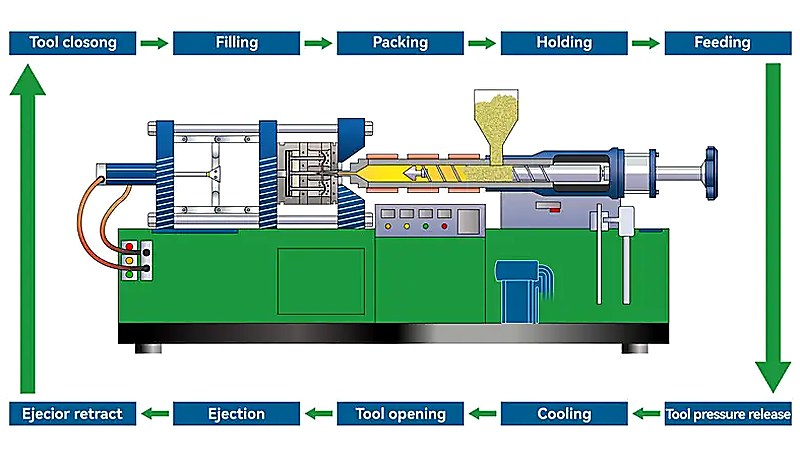
TPU 소재 사출 성형의 공정 흐름은 어떻게 되나요?
재료 준비
Before you start injection molding tpu pellets, you need to get them ready. This means drying them, preheating them, and mixing them. Drying gets rid of any moisture in the material so you don’t get bubbles or cracks when you’re injection molding.
금형 설계
TPU 소재 사출 금형을 설계할 때는 제품의 재료 유동성, 수축 및 탈형과 같은 요소를 고려해야 합니다. 합리적인 금형 설계는 제품의 불량률을 효과적으로 줄이고 생산 효율성을 향상시킬 수 있습니다.
사출 성형기 선택
Choosing the right injection molding machine is key to ensuring the stability of the TPU material injection molding process and the quality of the product.
사출 성형 공정 파라미터 설정
사출 성형 공정 파라미터를 설정하는 것은 TPU 소재 사출 성형의 품질을 보장하는 데 매우 중요합니다. 이러한 파라미터에는 사출 압력, 사출 속도, 유지 시간, 금형 온도 등이 포함됩니다.
By setting the process parameters properly, you can make sure that the TPU material flows and fills the mold completely during the injection molding process, while avoiding defects like bubbles and shrinkage holes.
제품 후처리
사출 성형 후 TPU 제품은 내부 응력을 제거하고 치수 안정성을 개선하며 표면 품질을 향상시키기 위해 후가공을 거쳐야 합니다. 일반적인 후처리 방법에는 열처리, 냉각, 표면 처리 등이 있습니다.
열처리는 사출 성형 공정 중에 제품에서 발생하는 내부 응력을 제거하고 치수 안정성을 향상시킬 수 있습니다. 냉각은 제품의 빠른 성형과 변형 감소에 도움이 됩니다. 표면 처리는 제품의 외관과 성능을 향상시킬 수 있습니다.
“TPU injection molding results in durable and flexible products.”True
TPU’s unique properties make it ideal for producing parts that require elasticity and resilience.
“TPU is the same as TPE in injection molding.”False
TPU와 TPE는 유연성은 비슷하지만 구성과 성능 특성이 다른 별개의 소재입니다.
TPU 소재 사출 성형 공정의 결함은 무엇인가요?
제품에 균열이 있습니다.
TPU 처리
이형 불량으로 인한 균열을 방지하려면 금형 캐비티에 충분한 이형 경사가 있어야 하며 이젝터 핀의 크기, 위치 및 모양이 적절해야 합니다. 이젝트할 때 제품 각 부분의 이형 저항이 균일해야 합니다.
Overfilling happens when you shoot too much plastic into the mold. This can be caused by too much injection pressure or too much material being metered.
금형을 과도하게 채우면 금형 부품에 더 많은 응력이 가해져 부품을 금형에서 꺼내기가 더 어려워지고 부품에 균열이 생기거나 파손될 수 있습니다. 이런 일이 발생하면 사출 압력을 낮추어 과충진을 막아야 합니다.
과충진으로 인한 내부 응력은 일반적으로 게이트 영역에 남아 있습니다. 게이트 근처의 영역, 특히 직접 게이트 영역은 부서지기 쉬우며 내부 응력으로 인해 파손될 수 있습니다.
제품의 표면 광택 불량
Poor surface gloss is usually caused by inadequate polishing of the mold surface. When the surface condition of the mold cavity is good, increasing the material and mold temperature can improve the surface gloss of the product.
또한 재료가 수분을 흡수하거나 휘발성 물질이나 이물질로 오염된 경우 표면 광택이 떨어질 수 있습니다. 따라서 금형 및 재료와 관련된 요인에 주의를 기울여야 합니다.
제품에 버가 있습니다.
TPU 제품에는 종종 버가 있습니다. 금형 캐비티에서 원료의 압력이 너무 크면 발생하는 분리력이 클램핑력보다 커서 금형이 강제로 열리고 원료가 넘쳐서 버가 형성됩니다.
버에는 원료 문제, 사출 성형기 문제, 부적절한 조정 또는 금형 자체 등 여러 가지 이유가 있습니다. 따라서 버의 원인을 파악할 때는 쉬운 것부터 어려운 것까지 진행하세요.
원료가 완전히 건조되었는지, 이물질이 섞여 있는지, 다른 종류의 원료가 섞여 있는지, 원료 점도의 영향을 확인합니다.
사출 성형기의 압력 제어 시스템을 올바르게 조정하고 사출 속도 조정은 사용 된 클램핑 력과 조정되어야합니다. 금형의 특정 부분이 마모되었는지, 배기구가 막혔는지, 흐름 채널 설계가 합리적인지 여부 .
사출 성형기 템플릿 간의 평행도에 편차가 있는지, 템플릿 타이로드 힘 분포가 균일한지, 나사 체크 링과 용융 배럴이 마모되었는지 여부를 확인합니다.
제품 충전 부족
용융된 재료가 금형의 모든 모서리로 흐르지 않는 것을 충진 불충분이라고 합니다. 여기에는 성형 조건이 올바르게 설정되지 않았거나 금형이 설계 또는 제작되지 않았거나 제품에 두꺼운 부품과 얇은 부품이 있는 경우 등 몇 가지 이유가 있습니다.
To fix this, you can raise the temperature of the material and mold, increase the injection pressure and speed, and make the material flow better. You can also make the runner or flow channel bigger, or change the gate\’s position, size, or number to make the material flow better.
제품 뒤틀림 및 변형
TPU 사출 성형 제품의 뒤틀림과 변형의 원인은 너무 짧은 냉각 및 성형 시간, 너무 높고 고르지 않은 금형 온도, 비대칭적인 유로 시스템입니다.
따라서 금형을 설계 할 때 동일한 플라스틱 부품에서 두께 차이가 너무 크지 않도록하고, 과도한 날카로운 각도를 피하고, 버퍼 영역이 너무 짧아서 두께 회전이 크게 달라지지 않도록하고, 적절한 이젝터 수를 설정하고 합리적인 캐비티 냉각 흐름 채널을 설계하는 데주의를 기울이십시오.
“Warping is a common defect in TPU injection molding.”True
불균일한 냉각 속도로 인해 뒤틀림이 발생하면 내부 응력이 발생하여 성형 부품이 뒤틀리게 됩니다.
“Sink marks are only a cosmetic issue in TPU molding.”False
싱크 마크는 잠재적인 구조적 약점을 나타내며, 최종 제품의 외관과 무결성 모두에 영향을 미칩니다.
If you are evaluating TPU injection molding suppliers for your next project, our Injection Molding Supplier Sourcing Guide provides a practical framework for comparing capabilities, lead times, and pricing across manufacturers.
- TPU injection molding requires precise temperature control: barrel 190–230°C, mold 10–60°C, adjusted to Shore hardness grade.
- Proper drying (80–110°C for 2–3 hours) is essential — residual moisture causes silver streaks and degraded mechanical properties.
- Injection pressure and speed must match TPU hardness: harder grades need higher pressure, softer grades need faster filling.
- Common defects like warping, short shots, and sink marks are preventable by optimizing cooling time, mold temperature, and holding pressure.
- TPU’s unique combination of flexibility, abrasion resistance, and temperature range (−40 to 120°C) makes it indispensable for footwear, automotive, and medical applications.
TPU 사출 성형에 관한 자주 묻는 질문은 무엇입니까?
What temperature should TPU be injection molded at?
TPU is typically injection molded at barrel temperatures of 190–230°C with mold temperatures maintained between 10–60°C, though the exact settings depend heavily on the Shore hardness grade of the specific TPU material being processed. Harder TPU grades require higher barrel temperatures to achieve proper melt flow, while softer grades process effectively at lower temperatures. The nozzle temperature should generally be set slightly below the maximum barrel temperature to prevent premature drooling. Always consult the manufacturer’s technical data sheet for grade-specific processing windows.
Does TPU need to be dried before injection molding?
Yes, TPU must be thoroughly dried before injection molding to prevent surface defects and ensure consistent mechanical performance in finished parts. The recommended drying conditions are 80–110°C for 2–3 hours using a dehumidifying hopper dryer, bringing moisture content below 0.1% by weight. Residual moisture above this threshold causes silver streaks, surface bubbles, and significantly degraded mechanical properties including reduced tensile strength and elongation at break. Ester-based TPUs tend to absorb more moisture than ether-based grades and may require extended drying cycles. Always verify dryness with a moisture analyzer before loading material into the hopper.
What is the difference between ester-based and ether-based TPU for injection molding?
Ester-based TPU delivers superior mechanical strength, abrasion resistance, and oil resistance, making it the preferred choice for heavy-duty applications such as industrial conveyor belts, hydraulic seals, and sport shoe soles. However, ester-based grades are more susceptible to hydrolysis in humid or wet environments over time. Ether-based TPU offers excellent hydrolysis resistance, better low-temperature flexibility down to −40°C, and inherent microbial resistance, which makes it the standard choice for medical tubing, outdoor cable jackets, and aquatic sports equipment. Both types process similarly on standard injection molding machines, but drying requirements and optimal melt temperature profiles may differ between grades.
What causes warping in TPU injection molded parts?
Warping in TPU injection molded parts is primarily caused by uneven cooling across the part, insufficient cooling time before ejection, or inconsistent mold surface temperatures between the core and cavity halves. Additional contributing factors include excessive injection pressure combined with low mold temperature, and part geometries with significant wall thickness variations. The most effective countermeasures are extending the cooling cycle, ensuring uniform mold temperature through balanced cooling channel design, and reducing the temperature differential between the core and cavity to within 5°C.
Can TPU be overmolded onto other materials?
Yes, TPU is one of the most commonly overmolded materials and bonds well to substrates including ABS, PC, PA, and metal inserts when proper processing conditions are met. Successful overmolding requires adequate melt temperature for chemical bonding, clean substrate surfaces, and compatible material chemistry between the TPU and the substrate. Two-shot (two-component) molding is the most efficient production method, widely used for consumer electronics grips, power tool handles, and automotive interior components where a soft-touch surface is needed over a rigid structure.
우리 경험에 따르면, 우리 팀은 건조, 배럴 열 또는 전단 속도가 안정된 공정 범위를 벗어날 때 TPU 결함이 빠르게 증가함을 관찰합니다. 우리 공장에서는 90T부터 1850T까지 47대의 사출 성형 기계에서 400+ 종류의 소재를 처리합니다. TPU 시험에서는 일반적으로 0.3MPa부터 4.0MPa의 백 프레셔, 20.0MPa부터 110.0MPa의 사출 압력 및 20.0r/min부터 80.0r/min의 스크루 속도로 시작하여 경도와 벽 두께에 따라 조정합니다.
더 나은 제품을 위해 TPU 사출 성형을 어떻게 마스터할 수 있을까요?
The injection molding process of TPU materials is a complex and delicate technology that requires comprehensive consideration of multiple factors such as material properties, mold design, injection molding machine selection, and process parameter setting.
사출 성형 공정의 핵심 링크와 기술 포인트를 정확하게 제어함으로써 고품질의 고정밀 TPU 제품을 생산할 수 있습니다. 앞으로 TPU 소재 성능의 지속적인 개선과 사출 성형 기술의 지속적인 혁신으로 TPU 소재 사출 성형 기술이 더 많은 분야에서 널리 사용되고 관련 산업의 지속 가능한 발전을 촉진 할 것이라고 믿을만한 이유가 있습니다.
-
ISO 10993 biocompatibility: ISO 10993 biocompatibility refers to a series of standards for evaluating the biocompatibility of medical devices, relevant for medical-grade TPU grades used in tubing and device housings. ↩
-
Shore hardness: Shore hardness refers to a standardized measure of material hardness, where Shore A (0–100) is used for softer elastomers like TPU and Shore D for harder plastics. ↩
-
TPU glass transition temperature: TPU glass transition temperature refers to the temperature at which TPU transitions from a rigid to a rubbery state, typically between −40 °C and −20 °C for ether-based grades. ↩


 EN
EN  ES
ES  FR
FR  DE
DE  PT
PT  AR
AR  RU
RU  JA
JA  KO
KO  IT
IT  NL
NL  TR
TR  PL
PL 