5. Crecimiento de dispositivos médicos bajo el MDR de la UE.
- El mercado alemán del moldeo por inyección se sustenta en la demanda de los sectores automotriz, médico y electrónico, con importantes centros en Baden-Wurtemberg, Baviera y Renania del Norte-Westfalia.
- Los proveedores alemanes suelen contar con las certificaciones ISO 9001, IATF 16949, ISO 13485 y VDA, que se encuentran entre los criterios de calidad más estrictos del mundo.
- Los costes de producción en Alemania son entre un 30 y un 55 % superiores a las alternativas con sede en China, por lo que Alemania resulta ideal para trabajos regulados por la UE o de ultraprecisión.
- Los plazos de fabricación de utillaje en Alemania son de 8–20 semanas de media, frente a los 15–30 días de China.
- Para la mayoría de las cadenas de suministro globales, una estrategia combinada —producción de volumen en el extranjero y proveedores locales de la UE para requisitos normativos específicos— ofrece el mejor ROI.
¿Cómo es el mercado alemán del moldeo por inyección?
Alemania domina el mayor mercado de máquinas de moldeo por inyección de Europa, con aproximadamente €1.78 mil millones1 en demanda anual de maquinaria y cientos de moldeadores especializados, desde grupos industriales globales hasta empresas Mittelstand de propiedad privada. El país alberga moldeo por inyección líderes como Röchling (12,000+ empleados, 90+ plantas en todo el mundo) junto con *mediana empresa alemana* empresas que constituyen la columna vertebral de la fabricación alemana.
El mercado está impulsado por tres sectores dominantes:
Automóvil: BMW, Mercedes-Benz y sus amplias redes de proveedores tier-1/tier-2 consumen enormes volúmenes de componentes moldeados por inyección: molduras interiores, cubiertas bajo el capó, carcasas de sensores, conectores y soportes estructurales. Los proveedores de Baden-Württemberg y Baviera dominan este segmento.
Productos sanitarios: de Alemania *Tecnología médica* el sector, concentrado en torno a Múnich, Tuttlingen y el corredor Rin-Meno, requiere moldeo en sala limpia con certificación ISO 13485 para todo tipo de productos, desde carcasas de diagnóstico hasta consumibles de un solo uso.
Electrónica e industria: La región Rin-Meno y Renania del Norte-Westfalia albergan moldeadores de precisión que producen conectores, carcasas y piezas funcionales con tolerancias estrechas, a menudo con materiales ignífugos (UL 94 V-0).
Lo que distingue a Alemania no es el volumen, sino la precisión. Los profesionales alemanes del moldeo se forman mediante un sistema dual de formación profesional (*Formación profesional*) que hace hincapié en la resolución sistemática de problemas y la disciplina de procesos. El país ocupa el tercer puesto mundial en densidad de robots, con 415 unidades robóticas2 por cada 10,000 empleados, lo que implica altos niveles de automatización y una calidad uniforme de las piezas entre tiradas de producción por moldeo por inyección.
El acceso a materias primas es otra ventaja estructural. BASF, Covestro y Lanxess —todas con sede en Alemania— suministran resinas de grado técnico (PA, POM, PC, PEEK y compuestos especiales) con plazos de entrega cortos y documentación completa de trazabilidad. Los moldeadores alemanes obtienen conocimientos especializados sobre materiales a los que los compradores internacionales sencillamente no pueden acceder con la misma facilidad desde otras regiones.
¿El inconveniente? El coste. El coste laboral de Alemania alcanzó €41.303 por hora en 2023, entre los más altos de la UE. Junto con los elevados precios de la energía y los estrictos costes de cumplimiento ambiental, el precio por pieza de los proveedores alemanes es considerablemente superior al de las alternativas de Europa del Este o Asia.
¿Qué tendencias están configurando la industria alemana del moldeo por inyección?
El sector alemán del moldeo por inyección evoluciona rápidamente. Cinco tendencias están transformando ahora mismo las capacidades de los proveedores y las expectativas de los compradores:
1. Aligeramiento para plataformas de EV. BMW, Mercedes y VW están acelerando su transición a los EV, lo que impulsa la demanda de plásticos estructurales ligeros que sustituyan al aluminio y al acero. Las inversiones en termoplásticos de fibra larga (LFT) y procesamiento de láminas orgánicas aumentan con rapidez entre los moldeadores alemanes que abastecen a OEMs de automoción.
2. Economía circular e integración de material reciclado. El Reglamento de la EU sobre envases y residuos de envases (PPWR) está impulsando a los moldeadores alemanes a homologar resinas recicladas posconsumo (PCR) junto con grados vírgenes, con documentación de trazabilidad completa. La sostenibilidad ya no es opcional: es un requisito de compra de los principales OEMs alemanes.
3. Industria 4.0 y SPC en tiempo real. Los fabricantes alemanes lideran la conectividad de máquinas (protocolos OPC-UA), los sensores de presión en la cavidad y los paneles de control estadístico del proceso en tiempo real. El resultado: ventanas de proceso más estrechas, menores tasas de desecho y datos más completos para la documentación de calidad.
"“Las marcas alemanas de maquinaria, como Arburg, dominan el moldeo por inyección mundial.”"True
Arburg lidera en Europa, pero Haitian International envía más de 40.000 máquinas al año, más que cualquier fabricante europeo. Marcas japonesas como JSW y Toshiba también tienen una cuota de mercado considerable en aplicaciones de moldeo de precisión.
"“Las máquinas europeas siempre producen piezas de mejor calidad que las alternativas asiáticas.”"False
La calidad de las piezas depende de los parámetros del proceso, el diseño del molde y la selección del material. Una máquina asiática bien calibrada con un molde correctamente diseñado produce piezas indistinguibles de las fabricadas en equipos europeos.
La tendencia a la automatización merece especial atención en las decisiones de aprovisionamiento. Aunque las fábricas alemanas lideran en densidad de robots (415 robots por cada 10,000 empleados), el coste de implantar y mantener sistemas automatizados está incorporado en el precio unitario. Si sus piezas no requieren tolerancias submicrométricas ni una producción totalmente automatizada y sin personal, quizá esté pagando de más por una capacidad que no necesita.
4. Retroceso del nearshoring desde Asia. Las interrupciones de la cadena de suministro posteriores a la pandemia llevaron a algunos compradores alemanes a relocalizar o acercar la producción, lo que benefició a proveedores nacionales y de Europa del Este en series de volumen medio. Esta tendencia es más visible en la automoción y los envases médicos.
"“Alemania lidera en Europa la adopción de tecnología de moldeo por inyección de precisión.”"True
Con más de 415 robots industriales por cada 10,000 empleados y una inversión considerable en I+D, los fabricantes alemanes son pioneros constantes en técnicas avanzadas de moldeo, como el moldeo multicomponente, el micromoldeo y la producción en sala limpia para aplicaciones médicas.
"“Todos los moldeadores alemanes mantienen los mismos estándares de calidad en todas sus líneas de productos.”"False
Las capacidades de calidad varían significativamente entre los proveedores alemanes. Una empresa especializada en conectores para automoción puede carecer de instalaciones de sala limpia de grado médico, mientras que un moldeador de bienes de consumo podría no disponer del equipo de precisión necesario para piezas técnicas con tolerancias estrechas.
5. Crecimiento de los dispositivos médicos bajo el MDR de la UE. Los plazos de cumplimiento más estrictos del EU MDR (2024–2026) están generando una demanda considerable de empresas de moldeo en sala limpia con certificación ISO 13485. Los OEMs de dispositivos médicos tradicionales se apresuran a recertificar sus productos, y las empresas alemanas de moldeo con capacidades consolidadas de documentación MDR están experimentando un fuerte aumento de pedidos.
Para los compradores, estas tendencias significan que los socios de fuente alemanes están mejorando en la gestión de calidad basada en datos y el procesamiento sostenible de materiales—pero también están aumentando sus costos y están más ocupados, con tiempos de entrega más largos para nuevos proyectos.
¿Cómo se elige un proveedor de moldeo por inyección en Alemania?
El proveedor alemán de moldeo por inyección adecuado es el que se ajusta a sus necesidades de certificación, herramientas, comunicación y pruebas piloto. Alemania tiene cientos de moldeadores capaces, por lo que el desafío no es encontrar uno; es encontrar el adecuado para su proyecto específico. Utilice este marco de evaluación antes de preseleccionar proveedores.
1. Ajuste las certificaciones a sus requisitos. ISO 9001 es el punto de partida. En automoción, el cumplimiento de IATF 16949 y VDA 6.3 es prácticamente obligatorio para las cadenas de suministro de OEM alemanes. Los proyectos médicos requieren ISO 13485 y capacidad de sala limpia. No pague por certificaciones que no necesita ni haga concesiones con las que sí necesita.
2. Verifique que la fabricación de herramientas sea interna. Muchos moldeadores por inyección alemanes subcontratan la fabricación de moldes. Fabricarlos internamente permite una comunicación más rápida entre diseñadores de moldes e ingenieros de procesos, un mejor control de los plazos y una mayor responsabilidad sobre la calidad del molde durante toda su vida útil. Pregunte siempre dónde se fabricará y mantendrá el molde.
| Factor de evaluación | Qué preguntar | Señal de alerta |
|---|---|---|
| Sistema de calidad | ¿Puede compartir un paquete PPAP reciente? | Se niega o envía documentación incompleta |
| Parque de máquinas | ¿Qué rango de tonelaje y qué marcas de máquinas? | Solo bajo tonelaje, marcas desconocidas |
| Comunicación | ¿Quién es mi contacto diario? ¿Qué nivel de inglés tiene? | Contacto solo comercial, sin enlace con ingeniería |
| Referencias | ¿Puedo hablar con un cliente actual de la UE/EE. UU.? | Sin referencias de exportación verificables |
3. Evalúe la capacidad de comunicación en inglés. Las empresas de moldeo del Mittelstand alemán son técnicamente excelentes, pero muchas dan prioridad a clientes nacionales y se comunican principalmente en alemán. Para los compradores internacionales es esencial una gestión de proyectos específica en inglés. Compruébelo en su consulta inicial: la calidad de la respuesta revela mucho sobre cómo se desarrollará el proyecto.
4. Audite el sistema de calidad, no solo el certificado. La certificación ISO es habitual. Lo que distingue a los buenos proveedores es cómo la utilizan. Pregunte por su aplicación del SPC, sus equipos CMM, su proceso FMEA y sus procedimientos de acciones correctivas. Un proveedor que pueda explicar en detalle su plan de control aporta más valor que otro que simplemente muestre un certificado colgado en la pared.
5. Empiece con un proyecto piloto, no con un compromiso de producción. Antes de comprometerse con una producción de gran volumen, realice un prototipo o una primera pieza de bajo volumen. Esto permite validar el rendimiento real frente a las capacidades documentadas y ofrece a ambas partes la oportunidad de armonizar sus procesos antes de que haya mucho en juego. Es una práctica habitual en las cadenas de suministro alemanas del automóvil y también debería ser su enfoque.
"“Los OEMs automotrices alemanes adquieren nacionalmente todas sus piezas moldeadas por inyección.”"True
Los principales OEMs alemanes obtienen volúmenes significativos de proveedores chinos y de Europa del Este. La optimización de costos impulsa las decisiones de abastecimiento: un programa típico de componentes interiores automotrices puede ahorrar un 30-40% en el precio por pieza al calificar a un fabricante chino experimentado con certificación IATF 16949.
"“Un proveedor debe contar con certificación ISO en Alemania para vender a empresas alemanas.”"False
La certificación ISO es internacional: una fábrica de Shanghái con ISO 9001 e IATF 16949 emitidas por TÜV Rheinland cumple las mismas normas de auditoría que unas instalaciones certificadas en Alemania. Lo importante es la reputación del organismo certificador y el alcance de la certificación, no el país donde se encuentra la fábrica.
Preste atención a: la falta de transparencia en los precios (costes de utillaje que aumentan a mitad del proyecto y tarifas indefinidas por cambios de ingeniería), los largos plazos de fabricación de moldes (entre 8 y 20 semanas es habitual en Alemania) y los proveedores que, durante los periodos de máxima demanda, dan prioridad a sus clientes OEM nacionales frente a las nuevas cuentas internacionales.
¿Cuáles son las 10 principales empresas de moldeo por inyección de Alemania?
Alemania cuenta con una amplia variedad de empresas de moldeo por inyección, desde grupos industriales globales hasta firmas Mittelstand altamente especializadas. Estos son diez actores prestigiosos en distintas especialidades:
1. Röchling Group
Fundada en 1822 y con sede en Mannheim, Röchling es una de las mayores empresas transformadoras de plásticos industriales de Alemania, con más de 12.000 empleados repartidos en 90 plantas de todo el mundo. Su división de automoción fabrica sistemas aerodinámicos para bajos de vehículos, componentes de gestión del aire y módulos estructurales de plástico. Su división médica ofrece moldeo por inyección en salas limpias de clase 7/8 con pleno cumplimiento de las normas FDA/MDR. Röchling cuenta con las certificaciones ISO 9001, ISO 13485 e IATF 16949. Sitio web: roechling.com
2. Arburg
Con sede en Lossburg, Baden-Württemberg, Arburg es uno de los principales fabricantes mundiales de máquinas de moldeo por inyección. Sus líneas de máquinas ALLROUNDER y ALLDRIVE eléctricas son utilizadas por transformadores de todo el mundo. Arburg también presta sus propios servicios de moldeo para producción, considerados un referente en optimización de tiempos de ciclo y eficiencia energética. Fundada en 1923, la empresa emplea a unas 3.500 personas. Sitio web: arburg.com
3. Braunform GmbH
Con sede en Bahlingen am Kaiserstuhl (Baden-Württemberg), Braunform se especializa en el moldeo en sala limpia de grado médico y en utillaje complejo para moldes de inyección multicavidad. Con certificación ISO 13485, atiende a empresas farmacéuticas y de diagnóstico de toda Europa mediante moldeo de precisión en entornos controlados.
4. FOBOHA GmbH
Fundada en 1973 en Haslach, FOBOHA es reconocida por su tecnología Cube Mold, un sistema de molde apilado giratorio que duplica el número de cavidades sin aumentar el tamaño de la máquina. Esta innovación permite producir con gran eficiencia y alto rendimiento componentes para envases, productos médicos y bienes de consumo. La empresa posee varias patentes de moldeo multicomponente. Sitio web: foboha.com
"“Alemania lidera Europa en tecnología de moldeo por inyección de precisión.”"True
Con más de 415 robots industriales por cada 10,000 empleados y una importante inversión en I+D de empresas como Arburg y KraussMaffei, los fabricantes alemanes son pioneros constantes en técnicas avanzadas de moldeo, como el moldeo multicomponente, el micromoldeo y la producción en salas limpias.
"“Todos los moldeadores alemanes mantienen los mismos estándares de calidad en todas sus líneas de productos.”"False
Las capacidades de calidad varían significativamente entre los proveedores alemanes. Una empresa especializada en conectores para automoción puede carecer de instalaciones de sala limpia de grado médico, mientras que un moldeador de bienes de consumo podría no disponer del equipo de precisión necesario para piezas técnicas con tolerancias estrechas.
5. Georg Utz GmbH
Utz, uno de los actores destacados del moldeo por inyección industrial de gran formato, se especializa en contenedores reutilizables, palés y soluciones logísticas desde su planta alemana. Sus equipos de gran tonelaje (hasta 3.500 toneladas) fabrican piezas estructurales con una repetibilidad excelente. Fundada en 1951, Utz opera a escala mundial y mantiene una sólida posición en logística de automoción y manipulación de materiales. Sitio web: utzgroup.com
6. Gebr. Krallmann GmbH
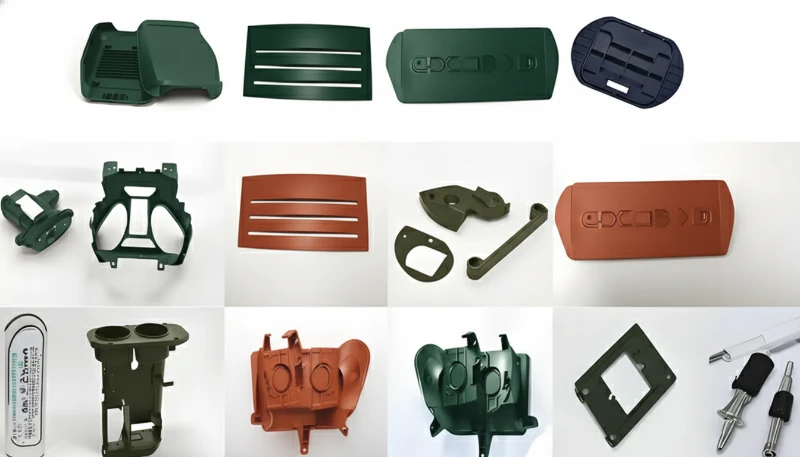
Krallmann, uno de los fabricantes de moldes y moldeadores para producción más avanzados técnicamente de Alemania, es conocido por el moldeo por inyección multicomponente complejo. Atiende tanto al sector de la automoción como al de productos de consumo mediante diseño interno de moldes, fabricación de utillaje de precisión y producción en serie. Su equipo de ingeniería destaca en proyectos que exigen tolerancias estrechas y geometrías complejas. Sitio web: krallmann.com
7. Fehrer Group
Fundada en 1947 y con sede en Kitzingen, Baviera, Fehrer es un importante proveedor de automoción con más de 4.000 empleados en instalaciones de todo el mundo. Sus capacidades abarcan el moldeo por inyección, el procesamiento de espuma de poliuretano y los sistemas acústicos. Con certificación integral IATF 16949, Fehrer integra el moldeo con el montaje y el acabado posteriores para suministrar módulos completos a OEM y clientes de nivel 1. Sitio web: fehrer.com
8. KTP Kunststoff Palatal Technik GmbH & Co. KG
Fundada en 1980 y con sede en Bingen am Rhein, KTP es una empresa mediana de moldeo por inyección con unos 250 empleados que atiende a los sectores de la automoción, la electricidad y la industria. Opera líneas de moldeo por inyección de 25 a 1.500 toneladas y posee experiencia especial en el procesamiento de PA y PBT reforzados con fibra de vidrio. KTP cuenta con las certificaciones ISO 9001 e IATF 16949 y mantiene un departamento interno de utillaje para acortar los ciclos de desarrollo. Sitio web: ktp-kunststoff.de
9. FKuR Kunststoff GmbH
Fundada en 1992 y con sede en Willich (NRW), FKuR es una empresa especializada en compuestos y moldeo por inyección, centrada en sistemas de polímeros de origen biológico y biodegradables. Sus líneas de productos Bio-Flex y Terraprene son reconocidas en toda Europa por su compostabilidad certificada (EN 13432) y su conformidad para el contacto con alimentos. FKuR ofrece moldeo por inyección personalizado con formulaciones propias de biopolímeros, ideal para marcas comprometidas con los principios de la economía circular. Certificación ISO 9001. Sitio web: fkur.com
10. Gerhardi Kunststofftechnik GmbH
Fundada en 1796 y con sede en Lüdenscheid, Renania del Norte-Westfalia, Gerhardi es uno de los fabricantes familiares de plásticos más antiguos de Alemania. La empresa se especializa en piezas moldeadas por inyección y cromadas de alto brillo para la industria del automóvil, en particular molduras decorativas, rejillas y componentes interiores. Gerhardi opera más de 47 máquinas de moldeo por inyección (200T–2500T) y emplea a unas 1.800 personas. Su línea interna de cromado es una de las mayores de Europa, lo que le confiere una ventaja singular en programas de automoción prémium. La empresa cuenta con las certificaciones IATF 16949 e ISO 14001 y presta servicio a OEM como BMW y Mercedes-Benz. Gerhardi también dispone de plantas de producción en China (Suzhou) y Estados Unidos, por lo que es un socio verdaderamente global para el abastecimiento en automoción.
¿Cómo se compara el coste del moldeo por inyección en Alemania con el de China?
El precio suele ser la primera pregunta cuando los compradores comparan proveedores alemanes y chinos. Así es como se ven realmente los números para un escenario de producción típico: una abrazadera automotriz de PA66-GF30 de 200g, 50.000 unidades anuales.
| Factor de coste | Alemania | China (Ejemplo ZetarMold) |
|---|---|---|
| Molde de producción (cavidad única) | €25,000–€45,000 | $8,000–$15,000 |
| Precio unitario por pieza | €1.80–€3.50 | $0.55–$1.20 |
| Tiempo de entrega del molde (samples T1) | 10–16 semanas | 5–8 semanas |
| Envío a la UE (contenedor de 40 pies) | Incluido (nacional) | $2,500–$4,500 |
| Derechos de importación (estándar UE) | 0% | 3.5–6.5% (HS 3926) |
| Sobrecarga de comunicación | Bajo (misma zona horaria/idioma) | Medio (8h de diferencia horaria, PM en inglés) |
Algunas observaciones de la experiencia real de cotización: la diferencia por pieza suele ser un 50–65% inferior en China incluso después de añadir el envío y los aranceles. Las herramientas alemanas cuestan 2–3 veces más, lo que importa enormemente para los moldes de producción multicavidad. Sin embargo, para pequeños volúmenes de producción (menos de 5.000 unidades), los gastos de envío y aranceles pueden reducir la diferencia al 20–30%, haciendo que los proveedores alemanes sean más competitivos de lo que sugieren las comparaciones de precio unitario puro.
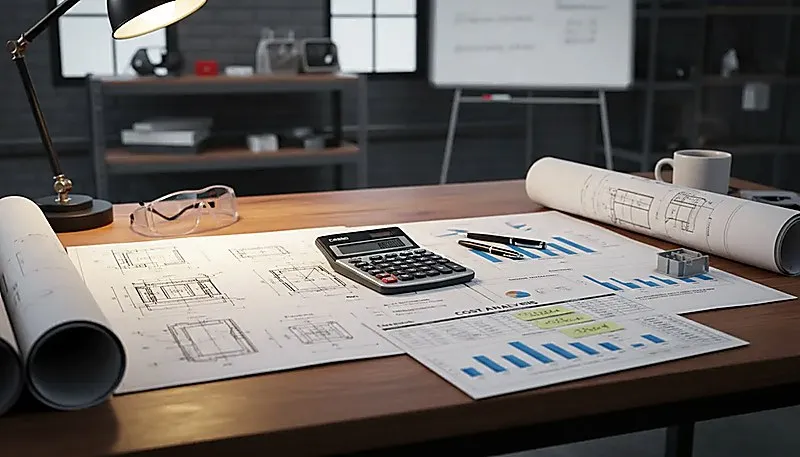
Los costos ocultos también importan. Los proveedores alemanes incluyen la documentación de calidad (PPAP, CoC, informes dimensionales) en su precio. Los proveedores chinos varían ampliamente: algunos la incluyen, otros cobran extra. Solicite siempre un desglose de costos que liste por separado documentación, inspección y embalaje antes de comparar cotizaciones. El tiempo de envío (4-6 semanas por transporte marítimo desde Shanghái a Hamburgo) también añade costos de capital de trabajo que muchos compradores subestiman. Este detalle cambia materialmente las comparaciones de costo de llegada.
¿Cuándo es Alemania la Elección Correcta de Fuente para Moldeo por Inyección?
Ni Alemania ni China son universalmente mejores. La elección correcta depende de lo que esté comprando, de cuántas unidades necesite y de qué riesgos pueda asumir su empresa. Aquí tiene un marco de decisión práctico.
Elija Alemania cuando: su proyecto exija tolerancias inferiores a 5 μm o producción certificada en sala limpia (clase ISO 7/8); necesite pasar del prototipo a la producción en menos de 4 semanas, con cambios de ingeniería el mismo día; sus volúmenes sean bajos (menos de 2.000 unidades) y el envío desde Asia anule la ventaja del precio unitario; el cumplimiento normativo requiera documentación local en alemán y capacidad de enlace con los organismos reguladores locales; o busque componentes para dispositivos médicos que precisen auditorías de un organismo notificado dentro de la cadena de suministro de la UE.
Elija China cuando: su volumen anual supere las 10.000 unidades y el coste por pieza sea el factor principal; necesite moldes de producción multicavidad con una inversión en utillaje entre 2 y 3 veces menor; su proyecto implique abastecerse de varias familias de piezas a través de un único proveedor con capacidad integrada de fabricación de moldes y moldeo; quiera contar con más de 30 gestores de proyecto anglófonos que cubran las diferencias horarias; o el plazo sea decisivo y necesite muestras T1 en 5–8 semanas, no en 10–16.
Muchos profesionales experimentados de abastecimiento usan un modelo híbrido: prototipan y validan herramientas en Alemania para piezas de tolerancia estrecha, luego transfieren la producción a un socio extranjero probado para escalar volumen. Este enfoque captura lo mejor de ambos mundos: obtiene precisión de ingeniería alemana para desarrollo y precios competitivos para series de producción masiva.
Para comparar, valide el alcance de la documentación, los planes de muestreo, las responsabilidades de embalaje y las tarifas de cambios de ingeniería antes de comparar precios finales entre Alemania y China.
¿Cuáles son las preguntas más frecuentes sobre el moldeo por inyección en Alemania?
Preguntas frecuentes
¿Qué certificaciones debo buscar en un proveedor alemán de moldeo por inyección?
Como mínimo, ISO 9001 para la gestión de la calidad. Para proyectos de automoción, IATF 16949 es el requisito estándar en toda la cadena de suministro alemana. Las aplicaciones médicas exigen ISO 13485 con certificación de sala limpia. También debe comprobar que las certificaciones estén vigentes y no solo enumeradas en un sitio web. Solicite el número real del certificado y contrástelo con el registro público del organismo emisor. Un proveedor sin credenciales ISO verificables representa un riesgo considerable, por muy pulida que parezca su presentación comercial. Los OEM alemanes exigen cada vez más la gestión ambiental (ISO 14001) como parte de sus políticas de compras ESG.
¿Cuánto suelen durar las herramientas de moldeo por inyección de fabricantes alemanes?
Las herramientas fabricadas en Alemania superan rutinariamente 1 millón de disparos para moldes de acero estándar (P20/718). Los moldes de acero endurecido (H13/S136) pueden alcanzar 2–5 millones de disparos con programas de mantenimiento adecuados. El factor clave no es el origen del acero del molde, sino la disciplina de mantenimiento: la limpieza regular, el almacenamiento adecuado y el reemplazo oportuno de componentes importan más que el grado original del acero. Las herramientas chinas que usan aceros equivalentes ofrecen una vida útil comparable cuando el diseño del molde, el tratamiento térmico y el acabado superficial se ejecutan correctamente. Siempre solicite un programa de mantenimiento del molde y una estimación de vida útil esperada de la herramienta a su proveedor antes de comprometerse.
¿Pueden los fabricantes chinos igualar la calidad alemana en piezas de automoción?
Sí, para la gran mayoría de las aplicaciones automotrices. Proveedores como ZetarMold mantienen la certificación IATF 16949, usan equipos de inspección de marca alemana (CMM Zeiss, medición óptica Keyence) y producen piezas con tolerancias de ±0.01mm de forma rutinaria. El diferenciador real no es la geografía, sino el control de proceso: la documentación PPAP, el monitoreo SPC y la certificación de materiales entrantes son lo que determina la calidad de la pieza. Para aplicaciones de micro-moldeo de ultra precisión que requieren tolerancias inferiores a 5μm, los especialistas alemanes aún mantienen una ventaja técnica, pero eso representa un segmento estrecho y especializado de la demanda automotriz total.
¿Cuál es el plazo habitual del utillaje de producción en Alemania frente a China?
Los talleres de moldes alemanes suelen cotizar 10–16 semanas para herramientas de producción hasta la etapa de muestra T1. Fabricantes chinos experimentados como ZetarMold entregan herramientas de producción equivalentes en 5–8 semanas. La diferencia de velocidad proviene de las capacidades de procesamiento paralelo: las fábricas chinas a menudo ejecutan diseño de moldes, compra de materiales y mecanizado de electrodos simultáneamente en lugar de secuencialmente. Para proyectos urgentes, los proveedores chinos pueden comprimir los plazos aún más con equipos de proyecto dedicados y programación de horas extras. Sin embargo, el plazo más rápido asume especificaciones claras desde el principio; los cambios de diseño iterativos extenderán los plazos independientemente de la ubicación del proveedor.
¿Cómo puedo verificar la capacidad de un proveedor sin visitarlo en persona?
Solicite una visita virtual en directo a la fábrica que muestre máquinas específicas, equipos de calidad (CMM, comparadores ópticos y medidores de rugosidad superficial) y áreas de producción activas. Pida documentación PPAP reciente, informes dimensionales de proyectos similares al suyo y certificados de materias primas del fabricante de resina. Las auditorías de terceros de organizaciones como TÜV o SGS verifican de forma independiente las capacidades de fabricación y los sistemas de calidad. También puede solicitar piezas de muestra producidas según sus especificaciones exactas antes de comprometerse con el utillaje de producción completo; esta es la forma más fiable de evaluar la capacidad real de un proveedor.
¿Qué es VDA 6.3 y por qué es importante para el moldeo por inyección?
VDA 6.3 es un estándar de auditoría de procesos desarrollado por la Asociación de la Industria Automotriz Alemana (Verband der Automobilindustrie). Evalúa la madurez del proceso en seis elementos: gestión de procesos, gestión de proyectos, planificación de desarrollo de producto y proceso, gestión de proveedores, realización del proceso y satisfacción del cliente. Una puntuación VDA 6.3 superior a 90% indica un proceso de fabricación maduro, bien controlado con mecanismos robustos de prevención de fallos. OEMs alemanes como BMW y otros grandes fabricantes suelen exigir el cumplimiento de VDA 6.3 a proveedores de moldeo por inyección de nivel 1 y 2, convirtiéndolo en un criterio de calificación crítico.
¿Por qué es ZetarMold el socio adecuado para compradores alemanes?
Si busca precisión de grado alemán con un coste 30–55% menor, ZetarMold lo ofrece exactamente desde nuestra fábrica en Shanghai. Obtendrá calidad certificada ISO, más de 30 gestores de proyectos angloparlantes y plazos de fabricación de moldes medidos en días, no meses.
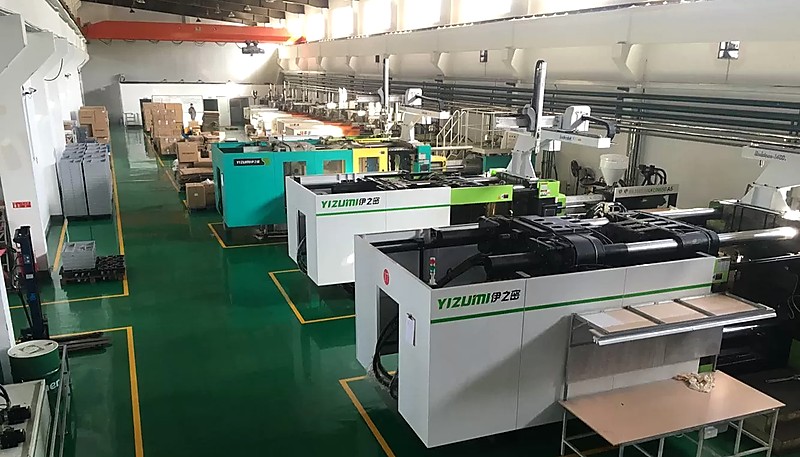
En nuestra fábrica de Shanghai, operamos 47 máquinas de moldeo por inyección desde 90T hasta 1850T, respaldadas por más de 20 años de experiencia desde 2005. Nuestra instalación interna de fabricación de moldes produce más de 100 juegos de moldes mensuales, y hemos procesado más de 400 materiales plásticos en aplicaciones automotrices, médicas y electrónicas. Con más de 30 gestores de proyectos angloparlantes y 8 ingenieros senior, cerramos la brecha de comunicación que preocupa a los compradores alemanes al abastecerse de China. Nuestro sistema de calidad opera bajo certificaciones ISO 9001, ISO 13485, ISO 14001 e ISO 45001 — los mismos estándares que mantienen sus proveedores alemanes.
Nuestra planta de Shanghai opera 47 máquinas de moldeo por inyección desde 90T hasta 1.850T, produciendo desde componentes micro-moldeados hasta piezas estructurales grandes. Fabricamos moldes internamente, sin subcontratación, por lo que su herramienta permanece bajo un mismo techo desde el diseño hasta la producción. Nuestros ingenieros revisan el DFM, selección de materiales y requisitos de inspección antes de cada entrega de producción.
| Factor | Impacto típico |
|---|---|
| Precisión del utillaje | Tolerancia de ±0.01mm frente a ±0.05mm |
| Comunicación | Dominio del inglés + tiempo de respuesta |
Nuestro equipo de más de 120 trabajadores de producción y 8 ingenieros sénior procesa más de 400 tipos de materiales, incluidas todas las resinas de ingeniería comunes en aplicaciones alemanas de automoción y medicina.
Para los compradores alemanes, tres aspectos son especialmente importantes:
Comunicación sin fricciones. Más de 30 gestores de proyecto que hablan inglés con fluidez, tiempos de respuesta inferiores a 24 horas y un gestor dedicado a cada proyecto. Sin barreras lingüísticas ni excusas por la diferencia horaria.
Nuestro proceso de control de calidad de 6 pasos —IQC, controles de muestras durante el proceso, inspección del proceso, inspección de embalaje/montaje, FQC y OQC— ofrece el rigor sistemático que cabría esperar de un proveedor alemán.
Una rapidez que cambia la economía del proyecto. Fabricación de moldes estándar: 15–30 días. Utillaje complejo multicavidad o de canal caliente: 25–45 días. Compárelo con las 8–20 semanas de la mayoría de los fabricantes de moldes alemanes. En los ciclos de desarrollo de nuevos productos y prototipos, esa diferencia de velocidad permite llegar antes al mercado.
Atendemos a clientes de Alemania, Reino Unido, Países Bajos, Francia y Escandinavia: equipos de ingeniería que nos eligieron después de evaluar proveedores europeos y priorizar conjuntamente la calidad, la rapidez y la eficiencia de costes.
¿Quiere saber si un socio extranjero es la opción adecuada para su proyecto de moldeo por inyección? Solicite un presupuesto gratuito a nuestro equipo de ingeniería para obtener una revisión DFM sin compromiso y una cotización detallada.
NextMSC, Análisis del mercado alemán de máquinas de moldeo por inyección 2024–2030: el mercado estaba valorado en USD 1,78 mil millones en 2023 y se prevé que alcance USD 2,20 mil millones en 2030.↩
Federación Internacional de Robótica, World Robotics 2023: Robots industriales: Alemania ocupó el tercer puesto mundial, con 415 robots por cada 10.000 empleados.↩
Oficina Federal de Estadística de Alemania (Destatis), Comparación de costes laborales 2023: el coste laboral medio por hora en Alemania fue de €41,30, el sexto más alto de la UE.↩
¿Necesita un presupuesto para su proyecto de moldeo por inyección?
Obtenga precios competitivos, comentarios de DFM y un calendario de producción de nuestro equipo de ingeniería.
"“Alemania lidera en Europa la adopción de tecnología de moldeo por inyección de precisión.”"True
Con más de 415 robots industriales por cada 10,000 empleados y una inversión considerable en I+D, los fabricantes alemanes son pioneros constantes en técnicas avanzadas de moldeo, como el moldeo multicomponente, el micromoldeo y la producción en sala limpia para aplicaciones médicas.
"“Todos los moldeadores alemanes mantienen los mismos estándares de calidad en todas sus líneas de productos.”"False
Las capacidades de calidad varían significativamente entre los proveedores alemanes. Una empresa especializada en conectores para automoción puede carecer de instalaciones de sala limpia de grado médico, mientras que un moldeador de bienes de consumo podría no disponer del equipo de precisión necesario para piezas técnicas con tolerancias estrechas.
Solicite un presupuesto gratuito →
€1,78 mil millones: €1,78 mil millones se refiere a NextMSC, Análisis del mercado alemán de máquinas de moldeo por inyección 2024–2030: el mercado estaba valorado en USD 1,78 mil millones en 2023 y se prevé que alcance USD 2,20 mil millones en 2030. ↩
415 robots: 415 robots se refiere a la Federación Internacional de Robótica (IFR): Alemania ocupa el tercer puesto mundial en densidad de robots, con 415 robots por cada 10.000 empleados. ↩
€41,30: €41,30 se refiere a la Oficina Federal de Estadística de Alemania (Destatis), Comparación de costes laborales 2023: el coste laboral medio por hora en Alemania fue de €41,30, el sexto más alto de la UE. ↩