Almanya, Avrupa’nın teknik açıdan en gelişmiş enjeksiyon kalıplama şirketlerinden bazılarına ev sahipliği yapar. Hassas plastik parçalar için Alman tedarikçileri değerlendiriyorsanız yalnızca broşürlerindeki iddiaları değil, her şirketin gerçekten neyi iyi yaptığını bilmeniz gerekir. Bu rehber başlıca oyuncuları, uzmanlık alanlarını ve projeniz için Alman bir üreticinin mi yoksa denizaşırı bir alternatifin mi daha mantıklı olduğuna nasıl karar vereceğinizi ele alır.
- Almanya'nın enjeksiyon kalıplama pazarı otomotiv, medikal ve elektronik talebine dayanır; başlıca merkezleri Baden-Württemberg, Bavyera ve Kuzey Ren-Vestfalya'dadır.
- Alman tedarikçiler genellikle dünya çapındaki en katı kalite ölçütleri arasında yer alan ISO 9001, IATF 16949, ISO 13485 ve VDA sertifikalarına sahiptir.
- Almanya'daki üretim maliyetleri Çin merkezli alternatiflerden %30–55 daha yüksektir; bu nedenle Almanya, AB mevzuatına tabi veya ultra hassas işler için idealdir.
- Almanya'da kalıp teslim süreleri ortalama 8–20 haftayken Çin'den teslimat 15–30 gündür.
- Küresel tedarik zincirlerinin çoğunda karma bir strateji — hacimli üretim için denizaşırı, mevzuata özgü zorunluluklar için yerel AB tedarikçileri — en iyi yatırım getirisini sağlar.
Almanya’nın Enjeksiyon Kalıplama Pazarı Nasıl Görünüyor?
Almanya, yaklaşık 1,78 milyar €1 yıllık makine talebiyle Avrupa’nın en büyük enjeksiyon kalıplama makinesi pazarına sahiptir; küresel sanayi gruplarından özel mülkiyetli Mittelstand şirketlerine kadar yüzlerce uzman kalıpçı bulunur. Ülke, Alman imalatının omurgasını oluşturan Mittelstand şirketlerinin yanı sıra Röchling (12.000+ çalışan, dünya genelinde 90+ tesis) gibi enjeksiyon kalıplama liderlerine ev sahipliği yapar.
Pazarı üç baskın sektör yönlendirir:
Otomotiv: BMW, Mercedes-Benz ve geniş 1./2. kademe tedarikçi ağları; iç kaplamalar, motor kaputu altı kapaklar, sensör muhafazaları, konnektörler ve yapısal braketler gibi muazzam miktarda enjeksiyonla kalıplanmış bileşen tüketir. Baden-Württemberg ve Bavyera’daki tedarikçiler bu segmente hâkimdir.
Tıbbi cihazlar: Almanya’nın Münih, Tuttlingen ve Ren-Main koridorunda yoğunlaşan Medizintechnik sektörü, tanı muhafazalarından tek kullanımlık sarf malzemelerine kadar her şey için ISO 13485 sertifikalı temiz oda kalıplaması gerektirir.
Elektronik ve endüstri: Ren-Main bölgesi ile Kuzey Ren-Vestfalya, çoğu zaman alev geciktirici (UL 94 V-0) malzemeler kullanarak sıkı toleranslı konnektörler, muhafazalar ve işlevsel parçalar üreten hassas kalıpçılara ev sahipliği yapar.
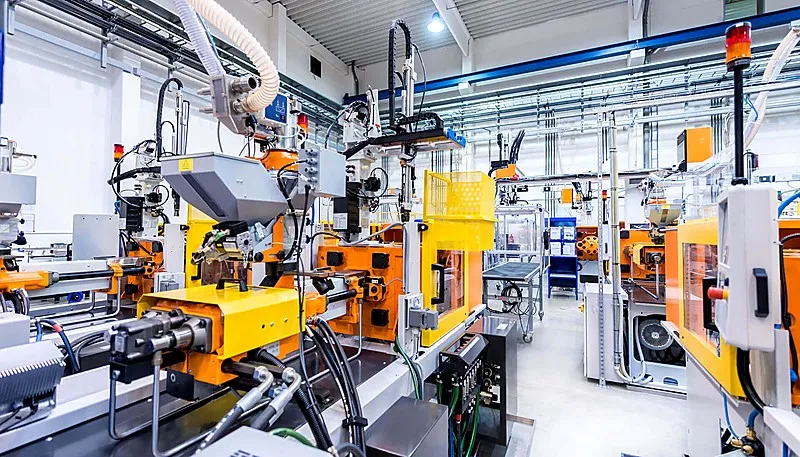
Almanya’yı farklı kılan hacim değil, hassasiyettir. Alman kalıpçılar, sistematik problem çözme ve süreç disiplinini vurgulayan ikili mesleki eğitim sistemiyle (Ausbildung) yetiştirilir. Ülke, 10.000 çalışan başına 415 robot2 ile robot yoğunluğunda dünyada üçüncü sıradadır; bu da yüksek otomasyon oranları ve enjeksiyon kalıplama üretimleri boyunca tutarlı parça kalitesi anlamına gelir.
Ham maddeye erişim bir diğer yapısal avantajdır. Merkezleri Almanya’da bulunan BASF, Covestro ve Lanxess; mühendislik sınıfı reçineleri (PA, POM, PC, PEEK, özel bileşikler) kısa teslim süreleri ve tam izlenebilirlik belgeleriyle tedarik eder. Alman kalıpçıları, uluslararası alıcıların diğer bölgelerden aynı kolaylıkla erişemeyeceği malzeme uzmanlığına sahiptir.
Peki sorun? Maliyet. Almanya’nın işçilik maliyeti 2023’te saat başına 41,30 €3 seviyesine ulaşarak AB’nin en yüksekleri arasına girdi. Yüksek enerji fiyatları ve katı çevre uyum maliyetleriyle birleşince Alman tedarikçilerin parça başı fiyatları Doğu Avrupa veya Asya alternatiflerinden önemli ölçüde yüksektir.
Almanya’nın Enjeksiyon Kalıplama Sektörünü Hangi Eğilimler Şekillendiriyor?
Almanya’nın enjeksiyon kalıplama sektörü hızla gelişiyor. Şu anda beş trend, tedarikçi yetkinliklerini ve alıcı beklentilerini yeniden şekillendiriyor:
1. EV platformları için hafifletme. BMW, Mercedes ve VW elektrikli araç dönüşümlerini hızlandırarak alüminyum ve çeliğin yerini alan hafif yapısal plastiklere talebi artırıyor. Otomotiv OEM’lerine hizmet veren Alman kalıpçılarda uzun elyaflı termoplastik (LFT) ve organik levha işleme yatırımları hızla artıyor.
2. Döngüsel ekonomi ve geri dönüştürülmüş malzeme entegrasyonu. AB Ambalaj ve Ambalaj Atıkları Tüzüğü (PPWR), Alman kalıpçıları tam izlenebilirlik belgeleriyle birlikte tüketici sonrası geri dönüştürülmüş (PCR) reçineleri bakir sınıfların yanında onaylamaya zorluyor. Sürdürülebilirlik artık isteğe bağlı değil; büyük Alman OEM’lerinin satın alma şartıdır.
3. Endüstri 4.0 ve gerçek zamanlı SPC. Alman üreticiler makine bağlantısında (OPC-UA protokolleri), kalıp içi basınç sensörlerinde ve gerçek zamanlı istatistiksel süreç kontrol panolarında öncüdür. Sonuç: Daha dar süreç pencereleri, daha düşük hurda oranları ve kalite belgeleri için daha zengin veri.
"“Arburg gibi Alman makine markaları küresel enjeksiyon kalıplama sektörüne hâkimdir.”"True
Arburg Avrupa'da liderdir; ancak Haitian International yılda 40,000'den fazla makine sevk eder — bu sayı tüm Avrupalı üreticilerden fazladır. JSW ve Toshiba gibi Japon markaları da hassas kalıplama uygulamalarında önemli pazar payına sahiptir.
"“Avrupa makineleri her zaman Asya'daki alternatiflerden daha kaliteli parçalar üretir.”"False
Parça kalitesi proses parametrelerine, kalıp tasarımına ve malzeme seçimine bağlıdır. İyi tasarlanmış bir kalıba sahip, doğru kalibre edilmiş Asya üretimi makine, Avrupa ekipmanlarında üretilenlerden ayırt edilemeyen parçalar üretir.
Otomasyon eğilimi, tedarik kararlarında özel dikkat gerektirir. Alman fabrikaları robot yoğunluğunda önde olsa da (10,000 çalışan başına 415 robot), otomatik sistemlerin kurulum ve bakım maliyeti birim fiyatlara yansır. Parçalarınız mikron altı tolerans veya tam otomatik insansız üretim gerektirmiyorsa ihtiyaç duymadığınız bir kabiliyet için fazla ödeme yapıyor olabilirsiniz.
4. Asya’dan yakın ülkelere ve yurda dönüş. Pandemi sonrası tedarik zinciri kesintileri, bazı Alman alıcıları üretimi ülkeye veya yakın ülkelere taşımaya yöneltti; orta hacimli üretimlerde yerli ve Doğu Avrupalı tedarikçiler bundan yararlandı. Bu eğilim en çok otomotiv ve medikal ambalajda görülür.
"“Almanya, hassas enjeksiyon kalıplama teknolojisinin benimsenmesinde Avrupa'ya liderlik ediyor.”"True
10,000 çalışan başına 415'in üzerinde endüstriyel robot ve önemli Ar-Ge yatırımıyla Alman üreticiler; çok bileşenli kalıplama, mikro kalıplama ve tıbbi uygulamalar için temiz oda üretimi dahil ileri kalıplama tekniklerine sürekli öncülük eder.
"“Tüm Alman kalıpçılar, ürün gruplarının tamamında aynı kalite standartlarını korur.”"False
Alman tedarikçiler arasında kalite kabiliyetleri önemli ölçüde değişir. Otomotiv konnektörlerinde uzmanlaşmış bir firmada tıbbi sınıf temiz oda bulunmayabilir; tüketici ürünü kalıpçısında ise dar toleranslı teknik parçalar için gereken hassas ekipman olmayabilir.
5. AB MDR kapsamında tıbbi cihaz büyümesi. Daha katı AB MDR uyum son tarihleri (2024–2026), ISO 13485 sertifikalı temiz oda kalıpçılarına önemli talep yaratıyor. Eski tıbbi cihaz OEM’leri ürünlerini yeniden sertifikalandırmak için yarışırken yerleşik MDR belgeleme kapasitesine sahip Alman kalıpçıların siparişleri hızla artıyor.
Alıcılar için, bu trendler Alman tedarik partnerlerinin veri odaklı kalite yönetimi ve sürdürülebilir malzeme işleme konusunda daha iyi hale geldiğini—ama aynı zamanda daha pahalı ve daha yoğun olduklarını, yeni projeler için teslim süreleri uzadığını gösterir.
Almanya’da Enjeksiyon Kalıplama Tedarikçisi Nasıl Seçilir?
Doğru Alman enjeksiyon kalıp tedarikçisi, sertifikasyon, kalıp, iletişim ve pilot gereksinimlerinize uyan tedarikçidir. Almanya’da yüzlerce yetenekli kalıpçı var, dolayısıyla sorun birini bulmak değil; spesifik projeniz için doğru olanı bulmaktır. Tedarikçileri kısa listeye almak için bu değerlendirme çerçevesini kullanın.
1. Sertifikaları gereksinimlerinizle eşleştirin. ISO 9001 temel düzeydir. Otomotiv sektöründeyseniz IATF 16949 ile VDA 6.3 uyumu, Alman OEM tedarik zincirleri için fiilen zorunludur. Medikal projeler temiz oda kapasitesiyle ISO 13485 gerektirir. İhtiyacınız olmayan sertifikalara para ödemeyin; ihtiyaç duyduklarınızdan da taviz vermeyin.
2. Takım üretiminin şirket içinde yapıldığını doğrulayın. Birçok Alman enjeksiyon kalıpçısı takım üretimini alt yükleniciye verir. Şirket içi takım üretimi, kalıp tasarımcıları ile süreç mühendisleri arasında daha hızlı iletişim, daha iyi takvim kontrolü ve kalıbın ömrü boyunca kalitesinden daha güçlü sorumluluk demektir. Takımın nerede üretileceğini ve bakımının nerede yapılacağını daima sorun.
| Değerlendirme Faktörü | Sorulması Gerekenler | Uyarı İşareti |
|---|---|---|
| Kalite sistemi | Güncel bir PPAP paketini paylaşabilir misiniz? | Reddeder veya eksik belgeler gönderir |
| Makine parkı | Tonaj aralığı ve makine markaları nelerdir? | Yalnızca düşük tonajlı, bilinmeyen markalar |
| İletişim | Günlük irtibat kişim kim? İngilizce düzeyi nedir? | Yalnızca satış yetkilisi, mühendislik bağlantısı yok |
| Referanslar | Mevcut bir AB/ABD müşterisiyle konuşabilir miyim? | Doğrulanabilir ihracat referansı yok |
3. İngilizce iletişim kapasitesini değerlendirin. Almanya’nın Mittelstand kalıpçıları teknik açıdan kusursuzdur; ancak çoğu yerli müşterilere öncelik verir ve esas olarak Almanca iletişim kurar. Uluslararası alıcılar için İngilizce konuşan özel proje yönetimi şarttır. Bunu ilk talebinizde sınayın; yanıt kalitesi projenin nasıl yürütüleceği hakkında çok şey söyler.
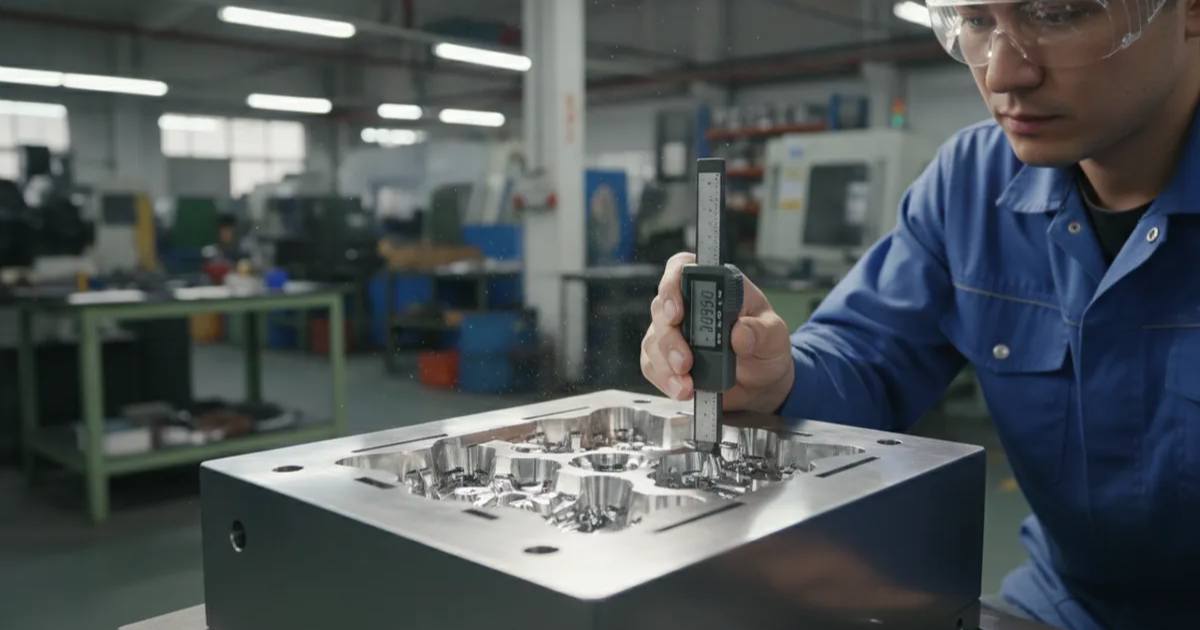
4. Yalnızca sertifikayı değil, kalite sistemini denetleyin. ISO sertifikası yaygındır. İyi tedarikçileri ayıran, onu nasıl kullandıklarıdır. SPC uygulamalarını, CMM ekipmanlarını, FMEA süreçlerini ve düzeltici faaliyet prosedürlerini sorun. Kontrol planını ayrıntılı biçimde tartışabilen bir tedarikçi, duvardaki sertifikayı göstermekle yetinen birinden daha değerlidir.
5. Üretim taahhüdüyle değil, pilot çalışmayla başlayın. Yüksek hacimli üretime geçmeden önce bir prototip veya düşük hacimli ilk ürün çalışması yapın. Böylece gerçek performansı belgelenen yeteneklerle karşılaştırabilir ve riskler büyümeden önce iki tarafın süreçlerde uzlaşmasını sağlayabilirsiniz. Bu, Alman otomotiv tedarik zincirlerinde standart uygulamadır; sizin yaklaşımınız da böyle olmalıdır.
"“Alman otomotiv OEM'leri enjeksiyonla kalıplanmış tüm parçalarını yurt içinden tedarik eder.”"True
Büyük Alman OEM'ler, Çinli ve Doğu Avrupa tedarikçilerinden önemli hacimlerde tedarik yapar. Maliyet optimizasyonu tedarik kararlarını yönlendirir: tipik bir otomotiv iç bileşen programı, IATF 16949 sertifikasyonuyla deneyimli bir Çinli üreticiyi kalifiye ederek parça fiyatında 30-40% tasarruf sağlayabilir.
"“Bir tedarikçinin Alman şirketlerine satış yapabilmesi için Almanya'da ISO sertifikalı olması gerekir.”"False
ISO sertifikası uluslararasıdır — Şanghay'da TÜV Rheinland'dan ISO 9001 ve IATF 16949 sertifikaları almış bir fabrika, Almanya'da sertifikalandırılmış bir tesisle aynı denetim standartlarını karşılar. Önemli olan fabrikanın bulunduğu ülke değil, sertifikasyon kuruluşunun itibarı ve sertifikanın kapsamıdır.
Şunlara dikkat edin: Fiyatlandırmanın şeffaf olmaması (projenin ortasında artan kalıp maliyetleri, tanımlanmamış mühendislik değişikliği ücretleri), uzun kalıp teslim süreleri (Almanya’da 8–20 hafta yaygındır) ve talebin yoğun olduğu dönemlerde yeni uluslararası müşteriler yerine yerel OEM müşterilerine öncelik veren tedarikçiler.
Almanya’daki En İyi 10 Enjeksiyon Kalıplama Şirketi Hangileridir?
Almanya, küresel sanayi gruplarından son derece uzmanlaşmış Mittelstand şirketlerine kadar geniş bir enjeksiyon kalıplama şirketleri havuzuna sahiptir. Farklı uzmanlık alanlarında itibarlı on oyuncu şunlardır:
1. Röchling Group
1822’de kurulan ve merkezi Mannheim’da bulunan Röchling, dünya çapında 90 tesiste 12.000’den fazla çalışanıyla Almanya’nın en büyük endüstriyel plastik işleyicilerinden biridir. Otomotiv bölümü gövde altı aerodinamik sistemleri, hava yönetimi bileşenleri ve yapısal plastik modüller üretir. Medikal bölümü, FDA/MDR gerekliliklerine tam uyumlu Sınıf 7/8 temiz oda enjeksiyon kalıplama hizmeti sunar. Röchling; ISO 9001, ISO 13485 ve IATF 16949 sertifikalarına sahiptir. Web sitesi: roechling.com
2. Arburg markası
Baden-Württemberg, Lossburg merkezli Arburg, dünyanın önde gelen enjeksiyon kalıplama makinesi üreticilerinden biridir. ALLROUNDER ve elektrikli ALLDRIVE makine serileri dünya çapındaki üreticiler tarafından kullanılır. Arburg ayrıca çevrim süresi optimizasyonu ve enerji verimliliğinde altın standardı temsil eden kendi üretim kalıplama hizmetlerini yürütür. 1923’te kurulan şirket yaklaşık 3.500 kişiyi istihdam etmektedir. Web sitesi: arburg.com
3. Braunform GmbH
Merkezi Bahlingen am Kaiserstuhl’da (Baden-Württemberg) bulunan Braunform, medikal sınıf temiz oda kalıplama ve karmaşık çok gözlü enjeksiyon kalıbı takımları konusunda uzmandır. ISO 13485 sertifikalı şirket, kontrollü ortamlarda hassas kalıplama yaparak Avrupa genelindeki ilaç ve tanı şirketlerine hizmet verir.
Mühendislik ekibimizden ücretsiz bir teklif alın, zorunluluk olmadan bir DFM incelemesi ve detaylı bir fiyat teklifi için.
1973’te Haslach’ta kurulan FOBOHA, makine boyutunu büyütmeden göz sayısını iki katına çıkaran döner istif kalıp sistemi Cube Mold teknolojisiyle tanınır. Bu yenilik; ambalaj, medikal ve tüketici bileşenlerinin olağanüstü verimlilikle yüksek adetlerde üretilmesini sağlar. Şirketin çok bileşenli kalıplama alanında birden fazla patenti vardır. Web sitesi: foboha.com
"“Almanya, hassas enjeksiyon kalıplama teknolojisinde Avrupa'ya öncülük ediyor.”"True
10,000 çalışan başına 415'ten fazla endüstriyel robot ve Arburg ile KraussMaffei gibi şirketlerin önemli Ar-Ge yatırımları sayesinde Alman üreticiler; çok bileşenli kalıplama, mikro kalıplama ve temiz oda üretimi dâhil gelişmiş kalıplama tekniklerine sürekli öncülük eder.
"“Tüm Alman kalıpçılar, ürün gruplarının tamamında aynı kalite standartlarını korur.”"False
Alman tedarikçiler arasında kalite kabiliyetleri önemli ölçüde değişir. Otomotiv konnektörlerinde uzmanlaşmış bir firmada tıbbi sınıf temiz oda bulunmayabilir; tüketici ürünü kalıpçısında ise dar toleranslı teknik parçalar için gereken hassas ekipman olmayabilir.
5. Georg Utz GmbH
Büyük formatlı endüstriyel enjeksiyon kalıplamada önemli bir oyuncu olan Utz, Almanya’daki tesisinde yeniden kullanılabilir konteynerler, paletler ve lojistik çözümleri üretir. Yüksek tonaj kapasitesi (3.500 tona kadar), yapısal parçaların mükemmel tekrarlanabilirlikle üretilmesini sağlar. 1951’de kurulan Utz, otomotiv lojistiği ve malzeme taşımada güçlü bir konumla küresel ölçekte faaliyet gösterir. Web sitesi: utzgroup.com
6. Gebr. Krallmann GmbH
Almanya’nın teknik açıdan en gelişmiş kalıpçı ve seri üretim kalıplamacılarından biri olan Krallmann, karmaşık çok bileşenli enjeksiyon kalıplamayla tanınır. Şirket içi kalıp tasarımı, hassas takım üretimi ve seri üretim yetenekleriyle otomotiv ve tüketici ürünleri sektörlerine hizmet verir. Mühendislik ekibi dar toleranslar ve karmaşık geometriler gerektiren projelerde öne çıkar. Web sitesi: krallmann.com
7. Fehrer Grubu
1947’de kurulan ve merkezi Bavyera, Kitzingen’de bulunan Fehrer, küresel tesislerinde 4.000’den fazla çalışanı olan büyük bir otomotiv tedarikçisidir. Yetenekleri enjeksiyon kalıplama, poliüretan köpük işleme ve akustik sistemleri kapsar. Tam IATF 16949 sertifikalı Fehrer, OEM ve Tier-1 müşterilerine komple modül tedarik etmek için kalıplamayı sonraki montaj ve sonlandırma işlemleriyle birleştirir. Web sitesi: fehrer.com
8. KTP Kunststoff Palatal Technik GmbH & Co. KG
1980’de kurulan ve Bingen am Rhein merkezli KTP, otomotiv, elektrik ve sanayi sektörlerine hizmet veren, yaklaşık 250 çalışanlı orta ölçekli bir enjeksiyon kalıplamacıdır. Özellikle cam elyaf takviyeli PA ve PBT işlemede uzmanlaşmış olup 25 ila 1.500 tonluk enjeksiyon hatları işletir. ISO 9001 ve IATF 16949 sertifikalı KTP, hızlı geliştirme döngüleri için şirket içi takım bölümüne sahiptir. Web sitesi: ktp-kunststoff.de
9. FKuR Kunststoff GmbH
1992’de kurulan ve Willich (NRW) merkezli FKuR, biyobazlı ve biyobozunur polimer sistemlerine odaklanan özel bir kompaund ve enjeksiyon kalıplama şirketidir. Bio-Flex ve Terraprene ürün serileri, sertifikalı kompostlanabilirlik (EN 13432) ve gıda temasına uygunluklarıyla Avrupa genelinde tanınır. FKuR, döngüsel ekonomi ilkelerine bağlı markalar için ideal olan özel biyopolimer formülleriyle özel enjeksiyon kalıplama sunar. ISO 9001 sertifikalıdır. Web sitesi: fkur.com
10. Gerhardi Kunststofftechnik GmbH
1796’da kurulan ve merkezi Kuzey Ren-Vestfalya, Lüdenscheid’da bulunan Gerhardi, Almanya’nın en eski aile işletmesi plastik üreticilerinden biridir. Şirket, otomotiv için özellikle dekoratif çıta, ızgara ve iç mekân bileşenleri olmak üzere parlak krom kaplı enjeksiyon parçalarında uzmandır. Gerhardi 47’den fazla enjeksiyon makinesi (200T–2500T) işletir ve yaklaşık 1.800 kişiyi istihdam eder. Avrupa’nın en büyüklerinden biri olan şirket içi krom kaplama hattı, premium otomotiv programlarında benzersiz avantaj sağlar. IATF 16949 ve ISO 14001 sertifikalı şirket BMW ve Mercedes-Benz dahil OEM’lere hizmet verir. Çin’de (Suzhou) ve ABD’de de üretim tesisleri bulunan Gerhardi, otomotiv tedariki için gerçek anlamda küresel bir ortaktır.
Almanya’nın Enjeksiyon Kalıplama Maliyeti Çin ile Nasıl Karşılaştırılır?
Alıcılar Alman ve Çinli tedarikçileri karşılaştırırken genellikle ilk soru fiyattır. Tipik bir üretim senaryosu için gerçek rakamlar şöyledir: yılda 50,000 adet üretilen 200g PA66-GF30 otomotiv braketi.
| Maliyet Faktörü | Almanya | Çin (ZetarMold Örneği) |
|---|---|---|
| Üretim kalıbı (tek boşluklu) | €25,000–€45,000 | $8,000–$15,000 |
| Parça başına birim fiyat | €1.80–€3.50 | $0.55–$1.20 |
| Kalıp termin süresi (T1 numuneleri) | Termin süresi: 10–16 hafta | 5–8 hafta |
| AB'ye sevkiyat (40ft konteyner) | Dahil (yurt içi) | $2,500–$4,500 |
| İthalat vergisi (AB standardı) | 0% | 3.5–6.5% (HS 3926) |
| İletişim yükü | Düşük (aynı saat dilimi/dil) | Orta (8 saat farkı, İngilizce PM) |
Gerçek teklif deneyiminden birkaç gözlem: nakliye ve vergiler eklendikten sonra bile Çin’den parça başı fiyat farkı genellikle %50–65 daha düşüktür. Alman takımları 2–3 kat daha pahalıdır ve bu, çok kaviteli üretim kalıplarında büyük önem taşır. Ancak küçük üretim hacimlerinde (5,000 adedin altında) nakliye ve vergi yükü farkı %20–30’a kadar daraltabilir; bu da Alman tedarikçileri salt birim fiyat karşılaştırmasının gösterdiğinden daha rekabetçi kılar.
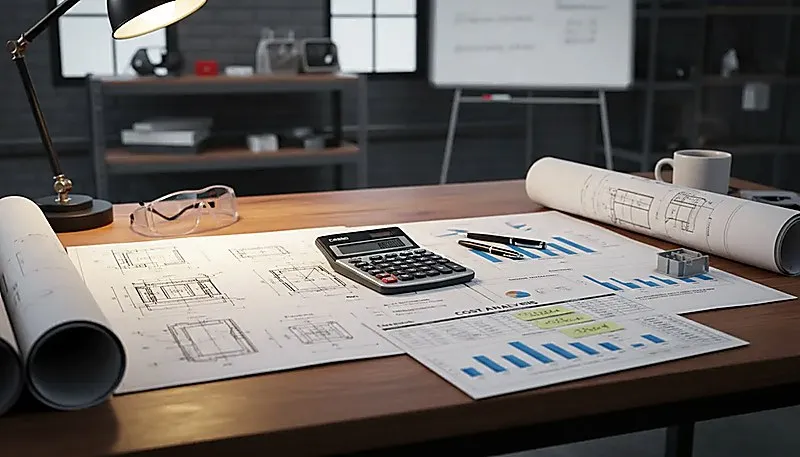
Gizli maliyetler de önemlidir. Alman tedarikçiler kalite dokümantasyonunu (PPAP, CoC, boyutsal raporlar) fiyatlarına dahil eder. Çinli tedarikçiler çok farklılık gösterir: bazıları bunu dahil eder, bazıları ek ücret alır. Fiyat tekliflerini karşılaştırmadan önce, dokümantasyon, muayene ve paketlemeyi ayrıca listeleyen bir maliyet analizi talep edin. Nakliye teslim süresi (Shanghai’dan Hamburg’a deniz taşımacılığı 4-6 hafta) da çok sayıda alıcının küçümsediği işletme sermaye maliyetini ekler. Bu detay, nihai maliyet karşılaştırmalarını önemli ölçüde değiştirir.
Almanya ne zaman enjeksiyon kalıplama için doğru tedarik seçeneğidir?
Almanya ya da Çin genel olarak daha iyi değildir. Doğru seçim, ne aldığınız, ne kadar ihtiyacınız olduğu ve işletmenizin ne riskleri tolere edebileceğine bağlıdır. Burada pratik bir karar çerçevesi.
Şu durumlarda Almanya’yı seçin: Projeniz 5μm altı toleranslar veya sertifikalı temiz oda üretimi (ISO Sınıf 7/8) gerektiriyorsa; aynı gün mühendislik değişiklikleriyle prototipten üretime 4 haftadan kısa sürede geçmeniz gerekiyorsa; hacminiz düşükse (2.000 adedin altında) ve Asya’dan nakliye birim fiyat avantajını ortadan kaldırıyorsa; mevzuata uyum Almanca yerel dokümantasyon ve yerel düzenleyici irtibat yeteneği gerektiriyorsa; AB tedarik zincirinde onaylanmış kuruluş denetimi gerektiren tıbbi cihazlar tedarik ediyorsanız.
Şu durumlarda Çin’i seçin: Yıllık hacminiz 10.000 adedi aşıyor ve parça başı maliyet birincil etkense; 2–3 kat daha düşük takım yatırımıyla çok gözlü üretim kalıplarına ihtiyacınız varsa; projeniz kalıp yapımı ile kalıplamayı birleştiren tek bir tedarikçiden birden fazla parça ailesi tedarik etmeyi içeriyorsa; saat dilimleri arasında iletişimi yöneten 30’dan fazla İngilizce konuşan proje yöneticisi istiyorsanız; teslim süresi önemliyse ve T1 numunelerine 10–16 değil 5–8 haftada ihtiyacınız varsa.
Çok sayıda deneyimli tedarik profesyoneli hibrit bir model kullanır: hassas toleranslı parçalar için prototip ve kalıp validasyonunu Almanya’da yapıp, ardından üretimi hacim artışı için kanıtlanmış bir yurt dışı partnerine transfer eder. Bu yaklaşım her iki tarafın en iyisini yakalar—geliştirme için Alman mühendislik hassasiyeti ve seri üretim için rekabetçi fiyatlar elde edersiniz.
Karşılaştırma için, Almanya ve Çin genelinde teslim fiyatlarını karşılaştırmadan önce belge kapsamını, örnekleme planlarını, paketleme sorumluluklarını ve mühendislik değişiklik ücretlerini doğrulayın.
Almanya’da Enjeksiyon Kalıplama Hakkında En Sık Sorulan Sorular Nelerdir?
Sıkça Sorulan Sorular
Alman bir enjeksiyon kalıplama tedarikçisinde hangi sertifikaları aramalıyım?
Kalite yönetimi için asgari gereklilik ISO 9001’dir. Otomotiv projelerinde IATF 16949, Alman tedarik zincirinin standart gerekliliğidir. Tıbbi uygulamalar, temiz oda sertifikasıyla birlikte ISO 13485 gerektirir. Sertifikaların yalnızca web sitesinde listelenmiş değil, güncel olduğunu da doğrulayın. Gerçek sertifika numarasını isteyin ve düzenleyen kuruluşun kamuya açık sicilinden kontrol edin. Satış sunumu ne kadar iyi görünürse görünsün, doğrulanabilir ISO belgeleri bulunmayan tedarikçi önemli bir risktir. Çevre yönetimi (ISO 14001), Alman OEM’lerinin ESG tedarik politikalarında giderek daha fazla talep edilmektedir.
Alman üreticilerin enjeksiyon kalıpları genellikle ne kadar dayanır?
Alman yapımı standart çelik kalıplar (P20/718) düzenli olarak 1 milyon atışı aşar. Sertleştirilmiş çelik kalıplar (H13/S136), doğru bakım programıyla 2–5 milyon atışa ulaşabilir. Temel etken kalıp çeliğinin kökeni değil bakım disiplinidir; düzenli temizlik, doğru depolama ve zamanında bileşen değişimi ilk çelik sınıfından daha önemlidir. Eşdeğer çelik kullanan Çin takımları; kalıp tasarımı, ısıl işlem ve yüzey bitirme doğru yapıldığında karşılaştırılabilir ömür sunar. Taahhütte bulunmadan önce tedarikçinizden her zaman kalıp bakım programı ve beklenen takım ömrü tahmini isteyin.
Çinli üreticiler otomotiv parçalarında Alman kalitesini yakalayabilir mi?
Evet, otomotiv uygulamalarının büyük çoğunluğu için. ZetarMold gibi tedarikçiler IATF 16949 sertifikasını korur, Alman marka ölçüm ekipmanları (Zeiss CMM, Keyence optik ölçüm) kullanır ve rutin olarak ±0.01mm toleranslı parçalar üretir. Gerçek farkı yaratan coğrafya değil, proses kontrolüdür; parça kalitesini PPAP dokümantasyonu, SPC izlemesi ve gelen malzeme sertifikasyonu belirler. 5μm’nin altında tolerans gerektiren ultra hassas mikro kalıplama uygulamalarında Alman uzmanlar hâlâ teknik üstünlüğe sahiptir, ancak bu, genel otomotiv talebinin dar ve uzmanlaşmış bir bölümünü temsil eder.
Almanya ve Çin’de üretim kalıplarının tipik teslim süresi nedir?
Alman kalıp atölyeleri üretim takımından T1 numune aşamasına kadar genellikle 10–16 hafta teklif eder. ZetarMold gibi deneyimli Çinli üreticiler eşdeğer üretim takımını 5–8 haftada teslim eder. Hız farkı paralel işleme kabiliyetlerinden kaynaklanır — Çin fabrikaları kalıp tasarımı, malzeme tedariki ve elektrot işlemeyi sıralı değil, çoğu zaman eş zamanlı yürütür. Acil projelerde Çinli tedarikçiler özel proje ekipleri ve fazla mesai planlamasıyla süreyi daha da kısaltabilir. Ancak daha hızlı süre baştan açık teknik özellikler bulunduğunu varsayar; yinelemeli tasarım değişiklikleri tedarikçinin konumundan bağımsız olarak teslim süresini uzatır.
Bir tedarikçinin kabiliyetini bizzat ziyaret etmeden nasıl doğrulayabilirim?
Belirli makineleri, kalite ekipmanını (CMM, optik komparatörler, yüzey pürüzlülük ölçüm cihazları) ve faal üretim alanlarını gösteren canlı bir fabrika video turu isteyin. Yakın tarihli PPAP belgelerini, projenize benzer işlerin ölçüm raporlarını ve reçine üreticisinden alınmış ham madde sertifikalarını talep edin. TÜV veya SGS gibi kuruluşların üçüncü taraf denetimleri, üretim yetkinlikleri ve kalite sistemleri için bağımsız doğrulama sağlar. Tam üretim takımına geçmeden önce kendi teknik şartlarınıza göre üretilmiş numune parçalar da isteyebilirsiniz; bu, tedarikçinin gerçek yetkinliğini değerlendirmenin en güvenilir yoludur.
VDA 6.3 nedir ve enjeksiyon kalıplama için neden önemlidir?
VDA 6.3, Alman Otomotiv Endüstrisi Birliği (Verband der Automobilindustrie) tarafından geliştirilen bir proses audit standardıdır. Altı proses elementinde proses maturityini değerlendirir: proses yönetimi, proje yönetimi, ürün ve proses geliştirme planlaması, tedarikçi yönetimi, proses gerçekleştirme ve müşteri memnuniyeti. 90% üzerinde bir VDA 6.3 skoru, sağlam hata önleme mekanizmalarıyla mature, iyi kontrol edilen bir üretim prosesini gösterir. BMW ve büyük Alman OEM’ler gibi Alman OEM’ler Tier 1 ve Tier 2 enjeksiyon kalıp tedarikçileri için VDA 6.3 uyumunu gerektirir, bu da kritik bir kalifikasyon kriteri olmasını sağlar.
ZetarMold, Almanya’daki Alıcılar İçin Neden Doğru Ortaktır?
Alman dereceli hassasiyeti 30–55% daha düşük maliyetle istiyorsanız, ZetarMold bunu Shanghai fabrikamızda tam olarak sağlar. ISO sertifikalı kalite, 30+ İngilizce konuşan proje yöneticisi ve kalıp teslim süresi günlerde, ay değil.
Şanghay fabrikamızda, 2005’ten bu yana 20+ yıllık deneyimle 90T ile 1850T arasında 47 enjeksiyon kalıplama makinesi çalıştırıyoruz. Tesis içi kalıp üretim birimimiz ayda 100+ kalıp seti üretiyor ve otomotiv, medikal ve elektronik uygulamalarında 400+ plastik malzeme işledik. İngilizce konuşan 30+ proje yöneticimiz ve 8 kıdemli mühendisimizle Alman alıcıların Çin’den tedarik sırasında kaygı duyduğu iletişim açığını kapatıyoruz. Kalite sistemimiz ISO 9001, ISO 13485, ISO 14001 ve ISO 45001 sertifikaları altında çalışır; bunlar Alman tedarikçilerinizin sahip olduğu standartlarla aynıdır.
Shanghai fabrikamız 90T ile 1,850T arasında 47 enjeksiyon kalıp makinesi çalışır, mikro kalıplı bileşenlerden büyük yapısal parçalara kadar her şeyi üretir. Kalıpları içerde yaparız, alt taşeron yoktur, dolayısıyla kalıp tasarımdan üretime kadar tek bir çatı altında kalır. Mühendislerimiz DFM, malzeme seçimi ve muayene gereksinimlerini her üretim transferinden önce inceler.
| Faktör | Tipik etki |
|---|---|
| Takım hassasiyeti | ±0.01mm'ye karşı ±0.05mm tolerans |
| İletişim | İngilizce yeterliliği + yanıt süresi |
120’den fazla üretim personeli ve 8 kıdemli mühendisten oluşan ekibimiz, Alman otomotiv ve tıp uygulamalarında yaygın olan tüm mühendislik reçineleri dâhil 400’den fazla malzeme türünü işler.
Özellikle Alman alıcılar için en önemli üç unsur şunlardır:
Sorunsuz iletişim. Akıcı İngilizce konuşan 30’dan fazla proje yöneticisi, 24 saatin altında yanıt süreleri ve her projeye atanmış özel proje yöneticileri. Dil engeli yok, saat dilimi bahanesi yok.
6 adımlı kalite kontrol sürecimiz—IQC, proses içi numune kontrolleri, proses denetimi, ambalaj/montaj denetimi, FQC ve OQC—bir Alman tedarikçiden bekleyeceğiniz sistematik titizlikle eşleşir.
Proje ekonomisini değiştiren hız. Standart kalıp üretimi: 15–30 gün. Karmaşık çok gözlü veya sıcak yolluklu takımlar: 25–45 gün. Bunu çoğu Alman kalıpçının 8–20 haftalık süresiyle karşılaştırın. Yeni ürün geliştirme ve prototipleme döngülerinde bu hız farkı pazara daha hızlı giriş demektir.
Almanya, Birleşik Krallık, Hollanda, Fransa ve İskandinavya genelindeki müşterilere hizmet veriyoruz; bunlar Avrupalı tedarikçileri değerlendirdikten sonra kalite, hız ve maliyet verimliliğine birlikte öncelik vererek bizi seçen mühendislik ekipleridir.
Enjeksiyon kalıplama projeniz için yurt dışındaki bir ortağın doğru seçim olup olmadığını görmeye hazır mısınız? Yükümlülük getirmeyen bir DFM incelemesi ve ayrıntılı fiyat teklifi için mühendislik ekibimizden Ücretsiz Teklif Alın.
NextMSC, Almanya Enjeksiyon Kalıplama Makinesi Pazarı Analizi 2024–2030 — 2023’te 1,78 milyar USD değerindeki pazarın 2030’da 2,20 milyar USD’ye ulaşması bekleniyor.↩
Uluslararası Robotik Federasyonu, World Robotics 2023: Endüstriyel Robotlar — Almanya, 10.000 çalışan başına 415 robotla dünyada üçüncü sırada.↩
Almanya Federal İstatistik Ofisi (Destatis), İşgücü Maliyeti Karşılaştırması 2023 — Almanya’da ortalama saatlik işgücü maliyeti 41,30 € ile AB’deki altıncı en yüksek düzeydeydi.↩
Enjeksiyon Kalıplama Projeniz İçin Teklif mi Gerekiyor?
Mühendislik ekibimizden rekabetçi fiyatlandırma, DFM geri bildirimi ve üretim takvimi alın.
"“Almanya, hassas enjeksiyon kalıplama teknolojisinin benimsenmesinde Avrupa'ya liderlik ediyor.”"True
10,000 çalışan başına 415'in üzerinde endüstriyel robot ve önemli Ar-Ge yatırımıyla Alman üreticiler; çok bileşenli kalıplama, mikro kalıplama ve tıbbi uygulamalar için temiz oda üretimi dahil ileri kalıplama tekniklerine sürekli öncülük eder.
"“Tüm Alman kalıpçılar, ürün gruplarının tamamında aynı kalite standartlarını korur.”"False
Alman tedarikçiler arasında kalite kabiliyetleri önemli ölçüde değişir. Otomotiv konnektörlerinde uzmanlaşmış bir firmada tıbbi sınıf temiz oda bulunmayabilir; tüketici ürünü kalıpçısında ise dar toleranslı teknik parçalar için gereken hassas ekipman olmayabilir.
Ücretsiz Fiyat Teklifi İsteyin →
1,78 milyar €: 1,78 milyar €, NextMSC'nin Almanya Enjeksiyon Kalıplama Makinesi Pazarı Analizi 2024–2030 raporuna atıfta bulunur; pazar 2023'te 1,78 milyar USD değerindeydi ve 2030'da 2,20 milyar USD'ye ulaşması bekleniyor. ↩
415 robot: 415 robot, Uluslararası Robotik Federasyonunun (IFR) Almanya'yı 10.000 çalışan başına 415 robotla robot yoğunluğunda dünyada üçüncü sıraya koyan verisine atıfta bulunur. ↩
41,30 €: 41,30 €, Almanya Federal İstatistik Ofisinin (Destatis) İşgücü Maliyeti Karşılaştırması 2023 verisine atıfta bulunur; Almanya'daki ortalama saatlik işgücü maliyeti 41,30 € ile AB'deki altıncı en yüksek düzeydeydi. ↩