「ドイツはヨーロッパにおける精密射出成形技術の導入で先導的立場にある。」
- ドイツの射出成形市場は、自動車、医療、電子機器の需要を基盤とし、バーデン=ヴュルテンベルク州、バイエルン州、ノルトライン=ヴェストファーレン州に主要拠点があります。
- ドイツのサプライヤーは通常、世界で最も厳格な品質基準に数えられるISO 9001、IATF 16949、ISO 13485、VDAの認証を取得しています。
- ドイツの生産費は中国拠点の代替案より30~55%高く、EU規制対象または超精密な案件に適しています。
- ドイツの金型リードタイムは平均8–20週間で、中国の15–30日と比べて長くなります。
- 大半のグローバルサプライチェーンでは、量産を海外、規制固有の要件を現地EUサプライヤーに任せる複合戦略が最良のROIをもたらします。
ドイツの射出成形市場はどのような状況ですか?
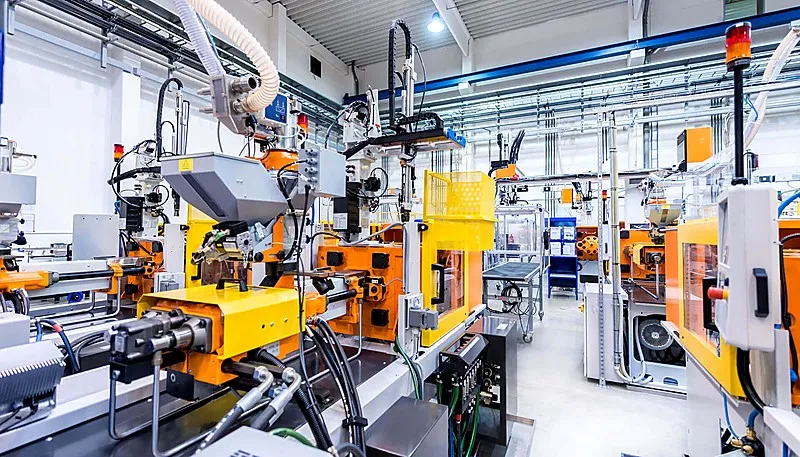
ドイツは欧州最大の射出成形機市場を有し、機械の年間需要は約17.8億ユーロ1です。世界的産業グループから民間のミッテルシュタント企業まで、数百社の専門成形業者があります。Röchling(従業員12,000人超、世界90拠点超)のような射出成形大手と、ドイツ製造業の基盤を成すミッテルシュタント企業が共存しています。
市場をけん引する主要分野は次の三つです。
自動車:BMW、Mercedes-Benzと広大なTier 1・Tier 2供給網は、内装トリム、エンジンルームカバー、センサー筐体、コネクター、構造ブラケットなど膨大な射出成形部品を消費します。バーデン=ヴュルテンベルク州とバイエルン州のサプライヤーがこの分野を主導します。
医療機器:ミュンヘン、テュットリンゲン、ライン=マイン回廊に集中するドイツの医療技術分野では、診断機器筐体から単回使用消耗品まで、ISO 13485認証のクリーンルーム成形が必要です。
電子・産業:ライン=マイン地域とノルトライン=ヴェストファーレン州には、難燃性(UL 94 V-0)材料を多用し、厳しい公差のコネクター、筐体、機能部品を製造する精密成形業者が集積しています。
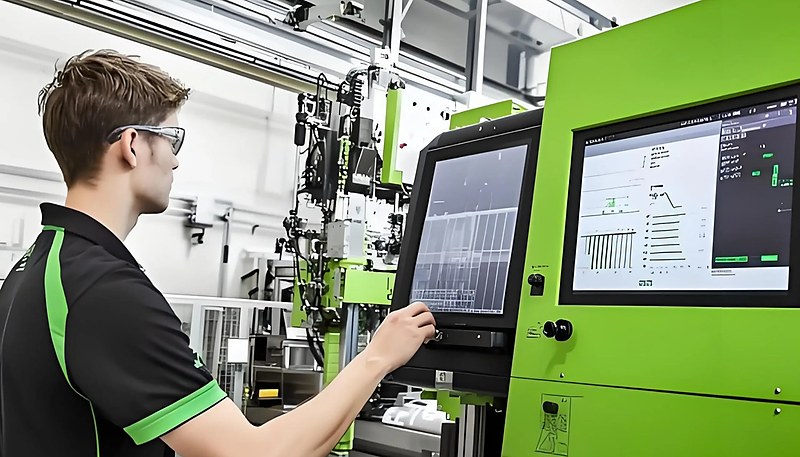
ドイツを際立たせるのは量ではなく精度です。成形技術者は、体系的な問題解決と工程規律を重視するデュアル職業訓練制度(Ausbildung)で育成されます。従業員10,000人当たりのロボット密度は415台2で世界3位であり、高い自動化率と射出成形の全生産ロットで一貫した部品品質を実現しています。
原材料へのアクセスも構造的な強みです。いずれもドイツに本社を置くBASF、Covestro、Lanxessは、短納期かつ完全なトレーサビリティ文書付きでエンジニアリンググレード樹脂(PA、POM、PC、PEEK、特殊コンパウンド)を供給しています。ドイツの成形業者は、他地域からでは海外の買い手が容易に得られない材料専門知識を利用できます。
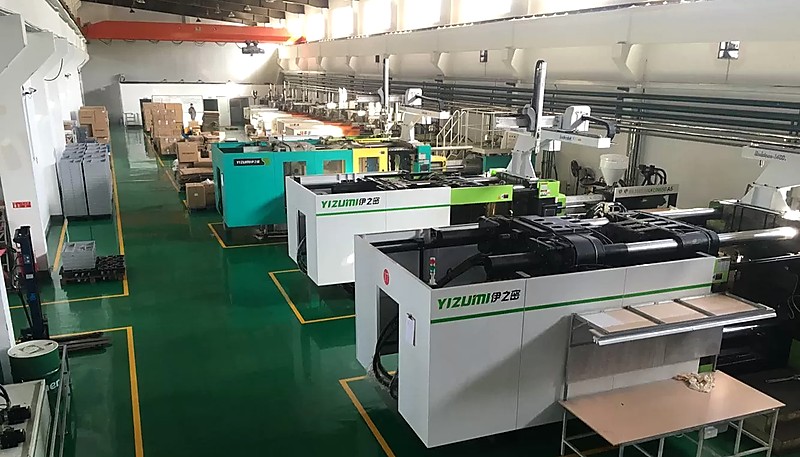
難点はコストです。ドイツの労働コストは2023年に1時間当たり€41.303に達し、EU最高水準でした。高いエネルギー価格と厳格な環境適合コストも重なり、ドイツ業者の部品単価は東欧・アジアの代替先より大幅に高くなります。
ドイツの射出成形業界を形成しているトレンドとは?
ドイツの射出成形業界は急速に進化しています。現在、5つのトレンドがサプライヤーの能力とバイヤーの期待を再形成しています。
1. EVプラットフォームの軽量化。BMW、Mercedes、VWはEV移行を加速し、アルミや鋼を代替する軽量構造用プラスチックの需要を押し上げています。自動車OEMに供給するドイツ成形業者では、長繊維熱可塑性樹脂(LFT)と有機シート加工への投資が急増しています。
2. 循環経済と再生材の統合。EU包装・包装廃棄物規則(PPWR)により、ドイツの成形業者は完全なトレーサビリティ文書を備え、バージン材と並行して消費者使用後再生材(PCR)樹脂の認定を進めています。持続可能性はもはや任意ではなく、ドイツ大手OEMの調達要件です。
3. インダストリー4.0とリアルタイムSPC。ドイツメーカーは、機械接続(OPC-UAプロトコル)、キャビティ内圧力センサー、リアルタイム統計的工程管理ダッシュボードを主導しています。その結果、工程ウィンドウが狭まり、不良率が下がり、品質文書のデータが充実します。
「『Arburgのようなドイツの機械ブランドが、世界の射出成形市場を席巻しています。』」True
欧州ではArburgが首位ですが、Haitian Internationalは年間40,000台以上を出荷し、どの欧州メーカーより多くなっています。JSWやToshibaなどの日本ブランドも、精密成形用途で大きな市場シェアを持っています。
"“欧州製成形機はアジア製の代替機より常に高品質な部品を生産します。”"False
部品品質は工程条件、金型設計、材料選定によって決まります。適切に校正されたアジア製成形機と良好に設計された金型なら、欧州設備で作った部品と見分けがつかない部品を製造できます。
調達判断では、自動化の動向に特に注意する必要があります。ドイツの工場はロボット密度(従業員10,000人当たり415台)で先行していますが、自動化システムの導入・保守コストは部品単価に織り込まれています。部品にサブミクロン公差や完全自動の無人運転が不要であれば、必要のない能力に過剰な対価を支払っている可能性があります。
4. アジアからのニアショア回帰。パンデミック後のサプライチェーン混乱により、一部のドイツ企業は生産を国内回帰または近隣国へ移し、中量生産では国内・東欧サプライヤーが恩恵を受けています。この傾向は自動車と医療包装で特に顕著です。
"「ドイツは、精密射出成形技術の導入で欧州をリードしている。」"True
従業員10,000人当たり415台を超える産業用ロボットと多額のR&D投資を背景に、ドイツのメーカーは、多材成形、マイクロ成形、医療用途向けクリーンルーム生産などの高度な成形技術を継続的に先導しています。
"「ドイツの成形メーカーはすべて、全製品ラインで同一の品質基準を維持している。」"False
品質対応力はドイツのサプライヤー間で大きく異なります。自動車用コネクターを専門とする企業には医療グレードのクリーンルーム設備がない場合があり、消費財の成形業者には厳しい公差の技術部品に必要な精密設備がない場合があります。
5. EU MDR下での医療機器成長。厳格化するEU MDR適合期限(2024~2026年)により、ISO 13485認証クリーンルーム成形業者への需要が大幅に増えています。既存の医療機器OEMは製品再認証を急いでおり、MDR文書対応が確立したドイツ業者の受注は急増しています。
バイヤーにとって、これらの傾向は、ドイツの調達パートナーがデータ駆動型の品質管理と持続可能な材料処理にますます精通していることを意味しますが、同時により高価で忙しくなり、新規プロジェクトのリードタイムも長くなっています。
ドイツの射出成形サプライヤーを選ぶには?
適切なドイツの射出成形サプライヤーは、あなたの認証、金型、コミュニケーション、パイロットニーズに合致するものです。ドイツには数百の有能な成形業者がいるため、課題は業者を見つけることではなく、特定のプロジェクトに適した業者を見つけることです。サプライヤーを選定する前に、この評価フレームワークを使用してください。
1. 認証を要件に合わせる。ISO 9001が基準です。自動車ではIATF 16949とVDA 6.3への適合がドイツOEM供給網で実質必須です。医療案件ではクリーンルーム能力を伴うISO 13485が必要です。不要な認証に費用を払わず、必要な認証では妥協しないでください。
2. 金型製作が社内か確認する。ドイツの射出成形会社の多くは金型製作を外注します。社内製作なら金型設計者と工程技術者の連携が速く、日程管理に優れ、金型寿命全体の品質責任も明確です。金型をどこで製作・保守するか必ず確認してください。
| 評価要因 | 確認すべき質問 | 危険信号 |
|---|---|---|
| 品質システム | 最近のPPAP一式を共有できますか? | 拒否する、または不完全な文書を送る |
| 保有設備 | 型締力の範囲と成形機ブランドは? | 小型成形機、無名ブランドのみ |
| コミュニケーション | 日常の連絡窓口は誰ですか?英語力は? | 営業担当のみで、技術部門との橋渡しなし |
| 参考文献 | 現在のEU/米国顧客と話せますか? | 検証可能な輸出実績なし |
3. 英語でのコミュニケーション力を評価する。ドイツのミッテルシュタント成形業者は技術力に優れますが、国内顧客を優先し、主にドイツ語で連絡する会社も多くあります。海外の買い手には英語対応の専任プロジェクト管理が不可欠です。最初の問い合わせで試してください。回答品質からプロジェクト運営の多くが分かります。
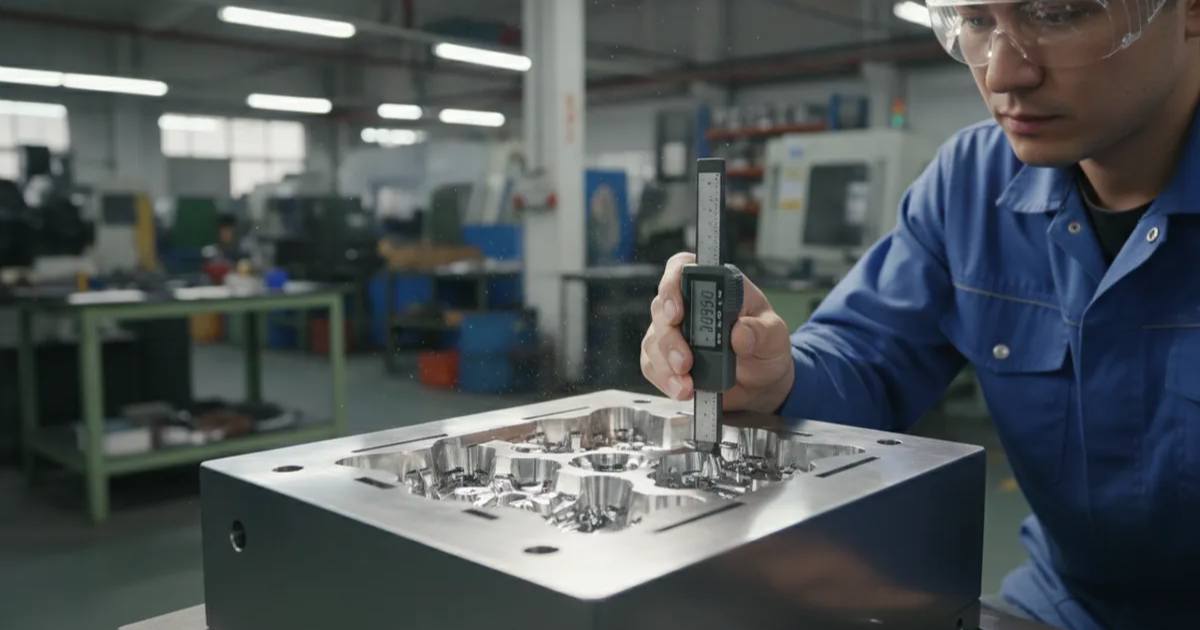
4. 証明書だけでなく品質システムを監査する。ISO認証は一般的で、優良業者との差はその運用方法です。SPCの実装、CMM設備、FMEA工程、是正措置手順を確認してください。壁の証明書を見せるだけの業者より、管理計画を詳しく説明できる業者の方が価値があります。
5. 量産を確約するのではなく、パイロットから始める。大量生産に踏み切る前に、試作品または少量の初回品を製作してください。これにより、文書に記載された能力に照らして実際の性能を検証でき、重要度が高まる前に双方がプロセスをすり合わせられます。これはドイツの自動車サプライチェーンにおける標準的な慣行であり、同じ方法を取るべきです。
"“ドイツの自動車OEMは、射出成形部品をすべて国内で調達している。”"True
主要なドイツOEMメーカーはすべて、中国および東欧のサプライヤーから大量の調達を行っています。コスト最適化が調達決定を推進しており、典型的な自動車内装部品プログラムでは、IATF 16949認証を取得した経験豊富な中国メーカーを認定することで、単価あたり30〜40%のコスト削減が可能です。
"“ドイツ企業へ販売するには、サプライヤーはドイツでISO認証を取得していなければならない。”"False
ISO認証は国際的なものです。上海の工場がTÜV RheinlandによるISO 9001およびIATF 16949認証を取得していれば、ドイツで認証された施設と同じ監査基準を満たします。重要なのは工場の所在国ではなく、認証機関の評判と認証範囲です。
注意点:価格の不透明さ(プロジェクト途中で増大する金型費や、定義されていない設計変更費)、長い金型リードタイム(ドイツでは8~20週間が一般的)、そして需要期に新規の海外顧客より国内OEM顧客を優先するサプライヤーです。
ドイツの射出成形企業トップ10は?
ドイツには、世界的な産業グループから高度に専門化した中堅企業まで、射出成形会社が数多くあります。分野の異なる評価の高い 10 社を以下に紹介します。
1. Röchling Group
1822年創業、マンハイムに本社を置くRöchlingは、世界90工場に12,000人超を擁するドイツ最大級の工業用プラスチック加工会社です。自動車部門は車体下面空力システム、空気管理部品、構造用プラスチックモジュールを生産しています。医療部門はFDA/MDRに完全準拠したClass 7/8クリーンルーム射出成形を提供しています。ISO 9001、ISO 13485、IATF 16949認証を取得しています。ウェブサイト:roechling.com
2. アーブルグ(Arburg)
バーデン=ヴュルテンベルク州ロスブルクを拠点とするArburgは、世界有数の射出成形機メーカーです。同社のALLROUNDERおよび電動ALLDRIVEシリーズは世界中の加工業者に使用されています。自社でも生産成形サービスを運営し、サイクルタイム最適化とエネルギー効率の最高水準を示しています。1923年創業で、従業員は約3,500人です。ウェブサイト:arburg.com
3. Braunform GmbH
バーデン=ヴュルテンベルク州バーリンゲン・アム・カイザーシュトゥールに本社を置くBraunformは、医療グレードのクリーンルーム成形と、複雑な多数個取り射出成形金型に特化しています。ISO 13485認証を取得し、管理環境下での精密成形によって欧州各地の製薬・診断企業にサービスを提供しています。
4. FOBOHA GmbH
1973年にハスラッハで設立されたFOBOHAは、機械サイズを大きくせずにキャビティ数を倍増させる回転式スタックモールドシステム、Cube Mold技術で知られています。この技術により、包装・医療・消費財部品を極めて効率よく大量生産できます。同社は多材質成形に関する複数の特許を保有しています。ウェブサイト:foboha.com
"“ドイツは精密射出成形技術で欧州をリードしています。”"True
従業員10,000人当たり415台を超える産業用ロボットと、ArburgやKraussMaffeiなどによる多額のR&D投資を背景に、ドイツメーカーは多材質成形、マイクロ成形、クリーンルーム生産などの先進成形技術を継続的に開拓しています。
"「ドイツの成形メーカーはすべて、全製品ラインで同一の品質基準を維持している。」"False
品質対応力はドイツのサプライヤー間で大きく異なります。自動車用コネクターを専門とする企業には医療グレードのクリーンルーム設備がない場合があり、消費財の成形業者には厳しい公差の技術部品に必要な精密設備がない場合があります。
5. Georg Utz GmbH
大型工業用射出成形の主要企業であるUtzは、ドイツ工場で再利用可能な容器、パレット、物流ソリューションを専門に生産しています。最大3,500トンの高型締力設備で、再現性に優れた構造部品を製造します。1951年創業で、自動車物流とマテリアルハンドリングに強みを持ち、世界各地で事業を展開しています。ウェブサイト:utzgroup.com
6. Gebr. Krallmann GmbH
ドイツで最も技術力の高い金型メーカー兼量産成形企業の一つであるKrallmannは、複雑な多材質射出成形で知られています。社内での金型設計、精密金型製作、量産能力を備え、自動車と消費財の両分野に対応します。厳しい公差と複雑な形状を要する案件を得意としています。ウェブサイト:krallmann.com
7. フェーラー・グループ
1947年創業、バイエルン州キッツィンゲンに本社を置くFehrerは、世界各地の拠点に4,000人超を擁する大手自動車部品サプライヤーです。射出成形、ポリウレタンフォーム加工、音響システムに対応します。IATF 16949認証の下、成形から後工程の組立・仕上げまで統合し、OEMとTier 1顧客へ完成モジュールを供給しています。ウェブサイト:fehrer.com
8. KTP Kunststoff Palatal Technik GmbH & Co. KG
1980年創業、ビンゲン・アム・ラインを拠点とするKTPは、約250人を擁し、自動車、電気、産業分野に対応する中規模射出成形企業です。25~1,500トンの成形ラインを運用し、ガラス繊維強化PAとPBTの加工を特に得意とします。ISO 9001とIATF 16949認証を取得し、短い開発サイクルを支える社内金型部門も備えています。ウェブサイト:ktp-kunststoff.de
9. FKuR Kunststoff GmbH
1992年創業、ヴィリッヒ(NRW)を拠点とするFKuRは、バイオ由来・生分解性ポリマーシステムに注力する特殊コンパウンドメーカー兼射出成形企業です。Bio-FlexとTerrapreneは、堆肥化適合(EN 13432)と食品接触適合で欧州全域に知られています。独自配合のバイオポリマーを用いたカスタム射出成形を提供し、循環型経済を重視するブランドに適しています。ISO 9001認証取得。ウェブサイト:fkur.com
10. Gerhardi Kunststofftechnik GmbH(ゲルハルディ・クンストシュトッフテクニーク有限会社)
1796年創業、ノルトライン=ヴェストファーレン州リューデンシャイトに本社を置くGerhardiは、ドイツで最も歴史ある同族経営のプラスチックメーカーの一つです。自動車向けの高光沢クロムめっき射出成形部品、特に装飾トリム、グリル、内装部品を専門とします。47台超の射出成形機(200T~2500T)を運用し、従業員は約1,800人です。社内クロムめっきラインは欧州最大級で、高級車プログラムに独自の優位性があります。IATF 16949とISO 14001認証を取得し、BMWやMercedes-BenzなどのOEMに供給しています。中国(蘇州)と米国にも生産拠点を持ち、自動車調達における真のグローバルパートナーです。
ドイツの射出成形コストは中国と比べてどうか?
バイヤーがドイツと中国のサプライヤーを比較する際、価格は通常最初の質問です。典型的な生産シナリオ(200g PA66-GF30自動車ブラケット、年間50,000ユニット)における実際の数値は以下の通りです。
| コスト要因 | ドイツ | 中国(ZetarMoldの例) |
|---|---|---|
| 量産金型(単一キャビティ) | €25,000–€45,000 | $8,000–$15,000 |
| 単価 | €1.80–€3.50 | $0.55–$1.20 |
| 金型リードタイム(T1サンプル) | 10~16週間 | 5~8週間 |
| EUへの輸送(40フィートコンテナ) | 含む(国内) | $2,500–$4,500 |
| 輸入関税(EU基準) | 0% | 3.5–6.5% (HS 3926) |
| コミュニケーション負荷 | 低(同じタイムゾーン/言語) | 中(8時間の時差、英語のプロジェクトマネージャー) |
実際の見積もり経験から得たいくつかの観察:中国からの単品あたりの価格差は、輸送費と関税を加算した後でも、通常50〜65%低くなります。ドイツの金型コストは2〜3倍高く、これは多キャビティ生産金型にとって非常に重要です。ただし、少量生産(5,000ユニット未満)の場合、輸送費と関税のオーバーヘッドにより価格差が20〜30%に縮小することがあり、純粋な単価比較が示唆するよりもドイツのサプライヤーの競争力が高まります。
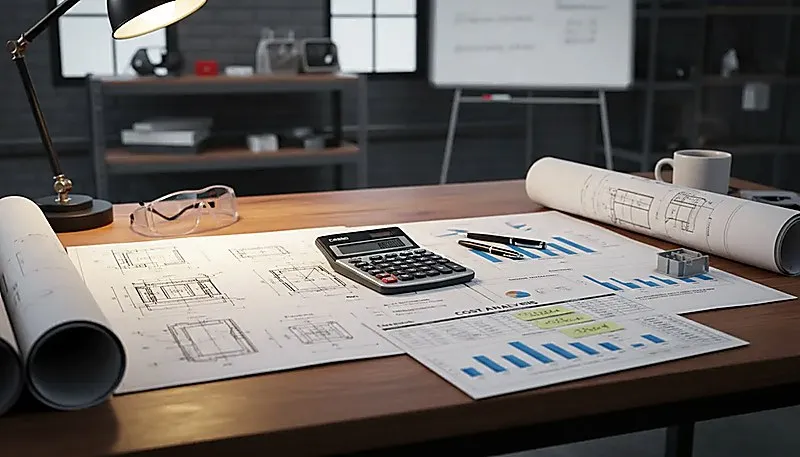
隠れたコストも重要です。ドイツのサプライヤーは品質文書(PPAP、CoC、寸法報告書)を価格に含めています。中国のサプライヤーは様々で、含めている場合もあれば別途請求する場合もあります。見積もりを比較する前に、文書、検査、梱包を別々に記載したコスト内訳を必ず請求してください。海上輸送のリードタイム(上海からハンブルクまで4~6週間)も、多くの買い手が過小評価している運転資本コストを上乗せします。この詳細は着地価格の比較を実質的に変えます。
射出成形においてドイツが適切な調達先となるのはいつか?
ドイツも中国も普遍的に優れているわけではありません。適切な選択は、購入するもの、必要な数量、ビジネスが吸収できるリスクによって異なります。以下に実用的な意思決定フレームワークを示します。
ドイツを選ぶべき場合:プロジェクトに5μm未満の公差または認証済みクリーンルーム生産(ISO Class 7/8)が必要な場合。同日設計変更に対応し、試作から量産まで4週間未満で進める必要がある場合。数量が2,000個未満で、アジアからの輸送により単価面の利点が失われる場合。規制対応でドイツ語の現地文書と現地規制当局との連絡能力が必要な場合。EUサプライチェーン内で通知機関の監査を要する医療機器を調達する場合です。
中国を選ぶべき場合:年間数量が10,000個を超え、個別単価が最重要の場合。金型投資を2~3分の1に抑えて多数個取り量産金型が必要な場合。金型製作と成形を統合した単一サプライヤーから複数の部品群を調達する場合。30人超の英語対応プロジェクトマネージャーによる時差をまたぐ連絡が必要な場合。リードタイムが重要で、T1サンプルを10~16週間ではなく5~8週間で必要とする場合です。
多くの経験豊富な調達プロフェッショナルは、ハイブリッドモデルを採用しています:高精度部品の試作と金型検証をドイツで行い、量産化は実績のある海外パートナーに移管する方法です。このアプローチにより、開発段階ではドイツのエンジニアリング精度を、量産段階では競争力のある価格を両立できます。
比較のために、ドイツと中国の到着価格を比較する前に、文書の範囲、サンプリング計画、梱包責任、および設計変更手数料を確認してください。
ドイツの射出成形に関するよくある質問は?
よくある質問
ドイツの射出成形サプライヤーでは、どの認証を確認すべきですか?
最低限必要なのは、品質管理のISO 9001です。自動車プロジェクトでは、ドイツのサプライチェーン全体でIATF 16949が標準要件となっています。医療用途では、クリーンルーム認証を伴うISO 13485が求められます。また、ウェブサイトに掲載されているだけでなく、認証が有効であることも確認してください。実際の認証番号を提示してもらい、認証機関の公開登録簿と照合します。営業資料がどれほど洗練されていても、検証可能なISO認証を持たないサプライヤーは重大なリスクです。環境管理のISO 14001も、ESG調達方針の一環としてドイツのOEMから求められるケースが増えています。
ドイツメーカーの射出金型は通常どれくらい使用できますか?
ドイツ製金型は標準鋼材(P20/718)で通常100万ショット以上を達成します。焼入れ鋼材(H13/S136)は適切なメンテナンス計画で200~500万ショットに達します。重要な要因は金型鋼材の原産地ではなくメンテナンス規律です——定期的な清掃、適切な保管、適時の部品交換は、元の鋼材グレードよりも重要です。同等鋼材を使用する中国製金型も、金型設計、熱処理、表面仕上げが適切に実行されれば同等の寿命を発揮します。発注前に必ずサプライヤーに金型メンテナンス計画と期待工具寿命の見積もりを要求してください。
中国メーカーは自動車部品でドイツ品質に匹敵できますか?
はい、自動車用途の大部分において可能です。ZetarMoldのようなサプライヤーはIATF 16949認証を保持し、ドイツブランドの検査設備(Zeiss CMM、Keyence光学測定器)を使用し、±0.01mmの公差で日常的に部品を生産しています。真の違いは立地ではなくプロセス制御にあります——PPAP文書、SPC監視、入庫材料認証が部品品質を決定します。5μm未満の公差を要求する超高精度マイクロ成形用途では、ドイツの専門企業が依然技術的優位性を保持していますが、これは自動車需要全体の中で狭く専門的な分野です。
ドイツと中国で量産金型の一般的なリードタイムはどれくらい違いますか?
ドイツの金型工場は通常、量産金型のT1サンプル段階までに10~16週間を要見積もりします。ZetarMoldのような経験豊富な中国メーカーは同等の量産金型を5~8週間で納入します。この速度差は並列処理能力によるものです——中国工場では金型設計、材料調達、電極加工を順次ではなく同時並行で進めることが多いためです。緊急プロジェクトでは、中国サプライヤーは専任プロジェクトチームと時間外スケジュールでさらに納期を短縮できます。ただし、迅速な納期は事前に明確な仕様が前提であり、設計変更の繰り返しはサプライヤーの所在地に関わらずリードタイムを延長します。
訪問せずにサプライヤーの能力を確認するには?
特定の成形機、品質検査機器(CMM、光学式コンパレーター、表面粗さ測定機)、稼働中の生産エリアを映すライブ動画による工場見学を依頼してください。最近のPPAP文書、自社案件に類似するプロジェクトの寸法検査報告書、樹脂メーカー発行の原材料証明書も求めます。TÜVやSGSなどの機関による第三者監査は、製造能力と品質システムを独立した立場から検証する手段となります。本生産用金型を正式発注する前に、指定どおりに製作したサンプル部品を依頼することもできます。これは、サプライヤーの実力を評価するうえで最も確実な方法です。
VDA 6.3とは何で、射出成形に重要なのはなぜですか?
VDA 6.3はドイツ自動車工業会(Verband der Automobilindustrie)が開発したプロセス監査基準です。プロセス管理、プロジェクト管理、製品・プロセス開発計画、サプライヤー管理、プロセス実現、顧客満足度の6つのプロセス要素にわたるプロセス成熟度を評価します。VDA 6.3スコア90%以上は、堅牢な故障防止メカニズムを備えた成熟した管理製造プロセスを示します。BMWなどのドイツOEMや主要ドイツOEMは、Tier1およびTier2射出成形サプライヤーにVDA 6.3適合を要求することが多く、重要な認定基準となっています。
ZetarMoldがドイツの購入企業に適したパートナーである理由は?
ドイツ並みの精度を30~55%低コストで実現したい場合、ZetarMoldは上海工場からまさにそれを提供します。ISO認証品質、30名以上の英語対応プロジェクトマネージャー、そして数ヶ月ではなく数日単位で計測される金型リードタイムを実現します。
当社の上海工場では、90Tから1850Tまでの47台の射出成形機を稼働しており、2005年以降20年以上の経験を有しています。自社金型製造施設では月産100セット以上の金型を製造し、自動車、医療、電子機器分野で400種類以上のプラスチック材料を加工実績があります。30名以上の英語を話すプロジェクトマネージャーと8名のシニアエンジニアが在籍し、ドイツのバイヤーが中国調達時に懸念するコミュニケーションギャップを解消します。品質システムはISO 9001、ISO 13485、ISO 14001、ISO 45001認証に準拠しており、これはドイツのサプライヤーが保持するものと同じ基準です。
当社の上海工場では90トンから1,850トンまでの47台の射出成形機を稼働させ、マイクロ成形部品から大型構造部品まであらゆる製品を製造しています。金型は内製化しており、外注は一切行わないため、設計から生産まで一貫して同一施設内で管理されます。当社のエンジニアは各生産引継ぎ前に、DFM(製造性設計審査)、材料選定、検査要件をレビューします。
| ファクター | 一般的な影響 |
|---|---|
| 金型精度 | ±0.01mm 対 ±0.05mm の公差 |
| コミュニケーション | 英語力+応答時間 |
120名以上の生産スタッフと8名の上級技術者が、ドイツの自動車・医療用途で一般的な全エンジニアリング樹脂を含む400種類以上の材料を加工します。
特にドイツの購入者にとって最も重要なのは次の3点です:
摩擦のないコミュニケーション。英語に堪能なプロジェクトマネージャー30人超、24時間以内の応答、全案件への専任PM配置。言語の壁も、時差を理由にした言い訳もありません。
IQC、工程内サンプル検査、工程検査、梱包・組立検査、FQC、OQCからなる当社の6段階QC工程は、ドイツのサプライヤーに期待される体系的な厳密さに相当します。
プロジェクトの採算を変えるスピード。標準金型の製作は15~30日、複雑な多数個取り金型やホットランナー金型は25~45日です。多くのドイツ金型メーカーの8~20週間と比べてください。新製品開発と試作サイクルでは、この速度差が市場投入の早期化につながります。
当社はドイツ、英国、オランダ、フランス、スカンジナビア各国の顧客に対応しています。欧州サプライヤーを評価したうえで、品質、速度、費用効率を同時に重視して当社を選んだエンジニアリングチームです。
海外パートナーが射出成形プロジェクトに適しているか確認しませんか?当社のエンジニアリングチームに無料見積もりをご依頼いただければ、義務のないDFMレビューと詳細見積もりを提供します。
NextMSC『ドイツ射出成形機市場分析2024~2030年』— 2023年の市場規模は17.8億米ドル、2030年には22.0億米ドルに達すると予測。↩
国際ロボット連盟『World Robotics 2023: Industrial Robots』— ドイツは従業員10,000人当たり415台で世界第3位。↩
ドイツ連邦統計局(Destatis)『2023年労働コスト比較』— ドイツの平均時間当たり労働コストは€41.30で、EU内第6位。↩
射出成形プロジェクトのお見積もりが必要ですか?
当社の技術チームから競争力のある価格、DFMフィードバック、生産スケジュールをご案内します。
"「ドイツは、精密射出成形技術の導入で欧州をリードしている。」"True
従業員10,000人当たり415台を超える産業用ロボットと多額のR&D投資を背景に、ドイツのメーカーは、多材成形、マイクロ成形、医療用途向けクリーンルーム生産などの高度な成形技術を継続的に先導しています。
"「ドイツの成形メーカーはすべて、全製品ラインで同一の品質基準を維持している。」"False
品質対応力はドイツのサプライヤー間で大きく異なります。自動車用コネクターを専門とする企業には医療グレードのクリーンルーム設備がない場合があり、消費財の成形業者には厳しい公差の技術部品に必要な精密設備がない場合があります。
無料見積りを依頼 →