„Wszyscy niemieckie formy zachowują takie same standardy jakości w swoich liniach produktów.”
- Niemiecki rynek formowania wtryskowego opiera się na popycie z branży motoryzacyjnej, medycznej i elektronicznej, a jego główne ośrodki znajdują się w Badenii-Wirtembergii, Bawarii i Nadrenii Północnej-Westfalii.
- Niemieccy dostawcy posiadają zwykle certyfikaty ISO 9001, IATF 16949, ISO 13485 i VDA — należące do najbardziej rygorystycznych standardów jakości na świecie.
- Koszty produkcji w Niemczech są o 30–55% wyższe niż w przypadku alternatyw z Chin, dlatego Niemcy są idealnym wyborem dla prac objętych regulacjami UE lub wymagających ultrawysokiej precyzji.
- Średni czas realizacji oprzyrządowania w Niemczech wynosi 8–20 tygodni, w porównaniu z 15–30 dniami w Chinach.
- W przypadku większości globalnych łańcuchów dostaw strategia mieszana — dostawcy zagraniczni do produkcji masowej, lokalni dostawcy z UE do spełniania szczególnych wymogów regulacyjnych — zapewnia najlepszy zwrot z inwestycji.
Jak wygląda niemiecki rynek formowania wtryskowego?
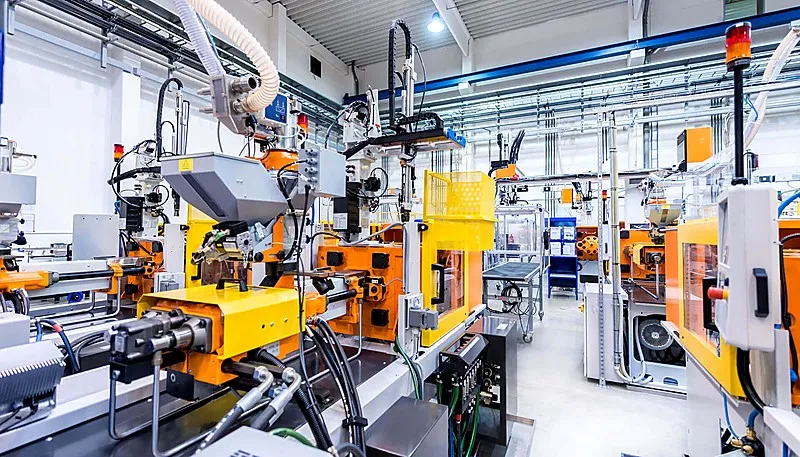
Niemcy mają największy w Europie rynek wtryskarek, z rocznym popytem na maszyny wynoszącym około 1,78 mld €1 oraz setkami wyspecjalizowanych wtryskowni — od globalnych grup przemysłowych po prywatne firmy Mittelstand. W kraju działają liderzy formowania wtryskowego, tacy jak Röchling (ponad 12 000 pracowników i ponad 90 zakładów na świecie), a także firmy Mittelstand stanowiące trzon niemieckiej produkcji.
Rynek napędzają trzy dominujące sektory:
Motoryzacja: BMW, Mercedes-Benz i ich rozległe sieci dostawców Tier 1 i Tier 2 zużywają ogromne ilości elementów formowanych wtryskowo — wykończeń wnętrz, osłon pod maską, obudów czujników, złączy i wsporników konstrukcyjnych. W tym segmencie dominują dostawcy z Badenii-Wirtembergii i Bawarii.
Wyroby medyczne: niemiecki sektor Medizintechnik, skupiony wokół Monachium, Tuttlingen i korytarza Ren–Men, wymaga formowania w pomieszczeniach czystych z certyfikatem ISO 13485 — od obudów diagnostycznych po jednorazowe materiały medyczne.
Elektronika i przemysł: region Ren–Men oraz Nadrenia Północna-Westfalia skupiają precyzyjne wtryskownie produkujące złącza, obudowy i części funkcjonalne o wąskich tolerancjach, często z materiałów trudnopalnych (UL 94 V-0).
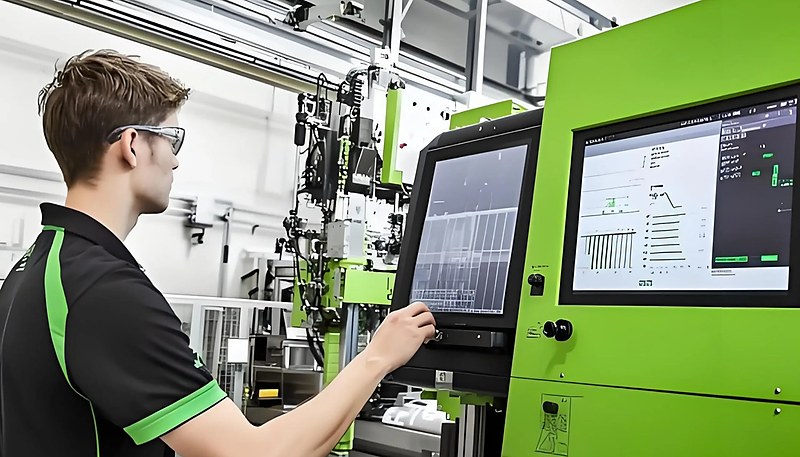
Niemcy wyróżnia nie wolumen, lecz precyzja. Pracownicy wtryskowni kształcą się w dualnym systemie zawodowym (Ausbildung), który kładzie nacisk na systematyczne rozwiązywanie problemów i dyscyplinę procesową. Kraj zajmuje trzecie miejsce na świecie pod względem gęstości robotyzacji — 415 robotów2 na 10 000 pracowników — co przekłada się na wysoki poziom automatyzacji i powtarzalną jakość części w kolejnych seriach formowania wtryskowego.
Dostęp do surowców stanowi kolejną przewagę strukturalną. BASF, Covestro i Lanxess — wszystkie z siedzibą w Niemczech — dostarczają żywice klasy konstrukcyjnej (PA, POM, PC, PEEK i mieszanki specjalistyczne) z krótkimi terminami realizacji oraz pełną dokumentacją identyfikowalności. Niemieckie firmy wtryskowe mają dostęp do wiedzy materiałowej, której międzynarodowi nabywcy po prostu nie mogą równie łatwo uzyskać w innych regionach.
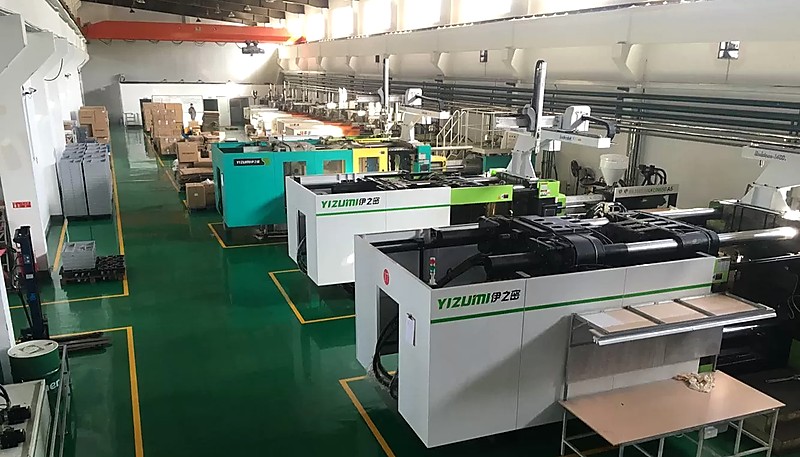
Problemem są koszty. W 2023 roku koszt pracy w Niemczech osiągnął 41,30 €3 za godzinę i należał do najwyższych w UE. W połączeniu z wysokimi cenami energii i rygorystycznymi kosztami zgodności środowiskowej sprawia to, że ceny jednostkowe niemieckich dostawców są znacznie wyższe niż u konkurentów z Europy Wschodniej lub Azji.
Jakie trendy kształtują niemiecką branżę formowania wtryskowego?
Niemiecki sektor formowania wtryskowego szybko się rozwija. Pięć trendów już teraz zmienia możliwości dostawców i oczekiwania nabywców:
1. Redukcja masy platform pojazdów elektrycznych. BMW, Mercedes i VW przyspieszają przechodzenie na napęd elektryczny, zwiększając popyt na lekkie tworzywa konstrukcyjne zastępujące aluminium i stal. Niemieckie wtryskownie obsługujące producentów samochodów gwałtownie zwiększają inwestycje w termoplasty wzmacniane długim włóknem (LFT) i przetwarzanie arkuszy organicznych.
2. Gospodarka o obiegu zamkniętym i integracja recyklatów. Unijne rozporządzenie w sprawie opakowań i odpadów opakowaniowych (PPWR) skłania niemieckie wtryskownie do kwalifikowania żywic z recyklatu pokonsumenckiego (PCR) obok gatunków pierwotnych, z pełną dokumentacją identyfikowalności. Zrównoważony rozwój nie jest już opcją — to wymóg zakupowy największych niemieckich producentów OEM.
3. Przemysł 4.0 i SPC w czasie rzeczywistym. Niemieccy producenci przodują w łączności maszyn (protokoły OPC-UA), stosowaniu czujników ciśnienia w gnieździe formy i pulpitach statystycznego sterowania procesem w czasie rzeczywistym. Efekt to węższe okna procesowe, mniej braków i bogatsze dane do dokumentacji jakościowej.
"„Niemieckie marki maszyn, takie jak Arburg, dominują w światowym formowaniu wtryskowym.”"True
Arburg jest liderem w Europie, ale Haitian International dostarcza ponad 40,000 maszyn rocznie — więcej niż jakikolwiek producent europejski. Japońskie marki, takie jak JSW i Toshiba, również mają znaczny udział w rynku precyzyjnych zastosowań formierskich.
"„Europejskie maszyny zawsze wytwarzają części lepszej jakości niż ich azjatyckie odpowiedniki”."False
Jakość części zależy od parametrów procesu, konstrukcji formy i wyboru materiału. Prawidłowo skalibrowana maszyna azjatycka z dobrze zaprojektowaną formą wytwarza części nieodróżnialne od wykonanych na urządzeniach europejskich.
Trend automatyzacji zasługuje na szczególną uwagę przy podejmowaniu decyzji zakupowych. Niemieckie zakłady przodują pod względem gęstości robotyzacji — 415 robotów na 10 000 pracowników — lecz koszt wdrożenia i utrzymania systemów automatycznych jest uwzględniany w cenie jednostkowej. Jeśli części nie wymagają tolerancji poniżej jednego mikrometra ani w pełni zautomatyzowanej produkcji bezobsługowej, możesz przepłacać za możliwości, których nie potrzebujesz.
4. Odwrót od zaopatrzenia w Azji na rzecz nearshoringu. Zakłócenia łańcuchów dostaw po pandemii skłoniły część niemieckich nabywców do przenoszenia produkcji do kraju lub bliższych regionów, co przy seriach średniej wielkości sprzyja dostawcom krajowym i wschodnioeuropejskim. Trend ten jest najbardziej widoczny w motoryzacji i opakowaniach medycznych.
"“Niemcy przodują w Europie we wdrażaniu technologii precyzyjnego formowania wtryskowego.”"True
Dzięki ponad 415 robotom przemysłowym na 10,000 pracowników oraz znacznym inwestycjom w badania i rozwój niemieccy producenci konsekwentnie wprowadzają zaawansowane techniki formowania, w tym formowanie wielokomponentowe, mikroformowanie i produkcję w pomieszczeniach czystych do zastosowań medycznych.
"„Wszyscy niemieccy przetwórcy utrzymują jednakowe standardy jakości we wszystkich liniach produktowych.”"False
„Niemcy przodują w Europie w technologii precyzyjnego formowania wtryskowego.”
5. Wzrost rynku wyrobów medycznych w warunkach EU MDR. Zaostrzone terminy zgodności z EU MDR (2024–2026) generują znaczny popyt na wtryskownie z pomieszczeniami czystymi i certyfikatem ISO 13485. Doświadczeni producenci wyrobów medycznych pilnie ponownie certyfikują produkty, a niemieckie wtryskownie z ugruntowanymi kompetencjami dokumentacyjnymi MDR odnotowują gwałtowny wzrost zamówień.
Dla kupujących te trendy oznaczają, że niemieccy partnerzy zaopatrzeniowi stają się lepsi w zarządzaniu jakością opartym na danych i zrównoważonym przetwarzaniu materiałów – ale stają się też drożsi i bardziej zajęci, z dłuższymi terminami realizacji nowych projektów.
Jak wybrać dostawcę usług formowania wtryskowego w Niemczech?
Właściwy niemiecki dostawca formowania wtryskowego to taki, który spełnia Twoje wymagania dotyczące certyfikacji, narzędzi, komunikacji i potrzeb pilotażowych. Niemcy mają setki kompetentnych wytwórców, więc wyzwaniem nie jest znalezienie któregoś, ale znalezienie właściwego dla konkretnego projektu. Użyj tych ram oceny, zanim stworzysz krótką listę dostawców.
1. Dopasuj certyfikaty do wymagań. ISO 9001 to podstawa. W motoryzacji zgodność z IATF 16949 i VDA 6.3 jest faktycznie obowiązkowa w łańcuchach dostaw niemieckich producentów OEM. Projekty medyczne wymagają ISO 13485 i możliwości produkcji w pomieszczeniach czystych. Nie płać za certyfikaty, których nie potrzebujesz, ale też nie rezygnuj z tych koniecznych.
2. Sprawdź, czy narzędziownia jest własna. Wiele niemieckich wtryskowni zleca produkcję form podwykonawcom. Własna narzędziownia oznacza szybszą komunikację między konstruktorami form a inżynierami procesu, lepszą kontrolę terminów i większą odpowiedzialność za jakość formy przez cały okres jej użytkowania. Zawsze pytaj, gdzie narzędzie będzie budowane i serwisowane.
| Kryterium oceny | O co zapytać | Sygnał ostrzegawczy |
|---|---|---|
| System jakości | Czy możesz udostępnić aktualny pakiet PPAP? | Odmawia przekazania dokumentów lub przesyła niekompletne |
| Park maszynowy | Jaki zakres siły zwarcia i jakie marki maszyn? | Wyłącznie maszyny o małej sile zwarcia nieznanych marek |
| Komunikacja | Kto jest moim codziennym kontaktem? Jaki jest poziom angielskiego? | Kontakt wyłącznie z działem sprzedaży, bez łącznika z działem inżynieryjnym |
| Referencje | Czy mogę porozmawiać z obecnym klientem z UE/USA? | Brak możliwych do zweryfikowania referencji eksportowych |
3. Oceń możliwość komunikacji po angielsku. Niemieckie wtryskownie Mittelstand są znakomite technicznie, ale wiele z nich traktuje priorytetowo klientów krajowych i komunikuje się głównie po niemiecku. Dla nabywców międzynarodowych niezbędne jest dedykowane, anglojęzyczne zarządzanie projektem. Sprawdź je już przy pierwszym zapytaniu — jakość odpowiedzi wiele mówi o późniejszym przebiegu projektu.
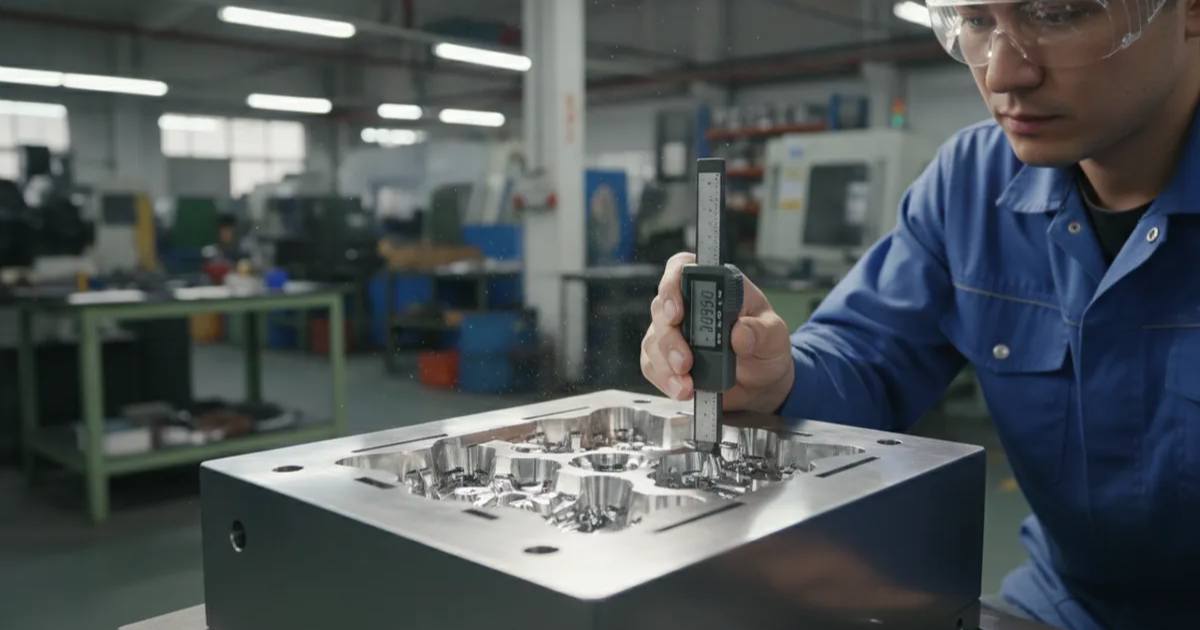
4. Audytuj system jakości, a nie tylko certyfikat. Certyfikacja ISO jest powszechna. Dobrych dostawców wyróżnia sposób, w jaki z niej korzystają. Zapytaj o wdrożenie SPC, wyposażenie CMM, proces FMEA i procedury działań korygujących. Dostawca, który potrafi szczegółowo omówić plan kontroli, jest cenniejszy niż ten, który jedynie pokazuje certyfikat wiszący na ścianie.
5. Zacznij od pilotażu, a nie od zobowiązania produkcyjnego. Zanim zdecydujesz się na produkcję wielkoseryjną, wykonaj prototyp lub pierwszą sztukę w małej serii. Pozwoli to zweryfikować rzeczywiste wyniki względem deklarowanych możliwości i da obu stronom szansę uzgodnienia procesów, zanim wzrośnie ryzyko. Jest to standardowa praktyka w niemieckich łańcuchach dostaw motoryzacyjnych i warto stosować ją również we własnych projektach.
"„Niemieccy producenci OEM z branży motoryzacyjnej zaopatrują się we wszystkie części formowane wtryskowo na rynku krajowym”."True
Wszyscy główni niemieccy producenci OEM pozyskują znaczące wolumeny od dostawców chińskich i wschodnioeuropejskich. Optymalizacja kosztów napędza decyzje zaopatrzeniowe: typowy program komponentów wnętrza samochodu może zaoszczędzić 30-40% na cenie jednostkowej poprzez kwalifikację doświadczonego chińskiego producenta z certyfikatem IATF 16949.
"„Aby sprzedawać niemieckim firmom, dostawca musi posiadać certyfikat ISO w Niemczech.”"False
Certyfikacja ISO ma charakter międzynarodowy — fabryka w Szanghaju posiadająca ISO 9001 i IATF 16949 wydane przez TÜV Rheinland spełnia te same standardy audytu co zakład certyfikowany w Niemczech. Liczy się reputacja jednostki certyfikującej i zakres certyfikacji, a nie kraj, w którym znajduje się fabryka.
Uważaj na: nieprzejrzyste ceny (koszty oprzyrządowania rosnące w trakcie projektu, nieokreślone opłaty za zmiany konstrukcyjne), długie terminy wykonania narzędzi (w Niemczech często 8–20 tygodni) oraz dostawców, którzy w okresach szczytowego popytu przedkładają krajowych klientów OEM nad nowe firmy zagraniczne.
Które firmy należą do 10 największych przedsiębiorstw zajmujących się formowaniem wtryskowym w Niemczech?
Niemcy mają szerokie zaplecze firm formowania wtryskowego, od globalnych grup przemysłowych po wysoko wyspecjalizowane przedsiębiorstwa Mittelstand. Oto dziesięciu cenionych graczy o różnych specjalizacjach:
1. Röchling Group
Założona w 1822 roku i mająca siedzibę w Mannheim firma Röchling jest jednym z największych niemieckich przetwórców tworzyw przemysłowych. Zatrudnia ponad 12 000 osób w 90 zakładach na całym świecie. Jej dział motoryzacyjny produkuje aerodynamiczne systemy podwozia, elementy zarządzania przepływem powietrza i konstrukcyjne moduły z tworzyw sztucznych. Dział medyczny oferuje formowanie wtryskowe w pomieszczeniach czystych klasy 7/8, z pełną zgodnością z FDA/MDR. Röchling ma certyfikaty ISO 9001, ISO 13485 i IATF 16949. Strona internetowa: roechling.com
2. Arburg
Firma Arburg z Lossburga w Badenii-Wirtembergii jest jednym z czołowych światowych producentów wtryskarek. Jej linie maszyn ALLROUNDER i elektrycznych ALLDRIVE są używane przez przetwórców na całym świecie. Arburg świadczy także własne usługi formowania produkcyjnego, wyznaczając najwyższy standard optymalizacji czasu cyklu i efektywności energetycznej. Założona w 1923 roku firma zatrudnia około 3500 osób. Strona internetowa: arburg.com
3. Braunform GmbH
Braunform z siedzibą w Bahlingen am Kaiserstuhl (Badenia-Wirtembergia) specjalizuje się w formowaniu medycznym w pomieszczeniach czystych oraz złożonych, wielogniazdowych formach wtryskowych. Firma z certyfikatem ISO 13485 obsługuje przedsiębiorstwa farmaceutyczne i diagnostyczne w całej Europie, oferując precyzyjne formowanie w kontrolowanym środowisku.
4. FOBOHA GmbH
Założona w 1973 roku w Haslach firma FOBOHA jest znana z technologii Cube Mold — obrotowego systemu form piętrowych, który podwaja liczbę gniazd bez zwiększania rozmiaru maszyny. Innowacja ta umożliwia wyjątkowo wydajną produkcję opakowań, elementów medycznych i konsumenckich w dużych wolumenach. Firma posiada liczne patenty w dziedzinie formowania wielokomponentowego. Strona internetowa: foboha.com
"„Niemcy są europejskim liderem w dziedzinie precyzyjnej technologii formowania wtryskowego.”"True
Dzięki ponad 415 robotom przemysłowym na 10,000 pracowników oraz znacznym inwestycjom w R&D firm takich jak Arburg i KraussMaffei niemieccy producenci stale wyznaczają kierunki zaawansowanych technik formowania, w tym formowania wielokomponentowego, mikroformowania i produkcji w pomieszczeniach czystych.
"„Wszyscy niemieccy przetwórcy utrzymują jednakowe standardy jakości we wszystkich liniach produktowych.”"False
„Niemcy przodują w Europie w technologii precyzyjnego formowania wtryskowego.”
5. Georg Utz GmbH
Utz jest ważnym graczem w dziedzinie wielkogabarytowego przemysłowego formowania wtryskowego i specjalizuje się w produkcji pojemników wielokrotnego użytku, palet oraz rozwiązań logistycznych w niemieckim zakładzie. Maszyny o dużej sile zwarcia (do 3500 ton) wytwarzają części konstrukcyjne o znakomitej powtarzalności. Założona w 1951 roku firma Utz działa globalnie i ma silną pozycję w logistyce motoryzacyjnej oraz transporcie materiałów. Strona internetowa: utzgroup.com
6. Gebr. Krallmann GmbH
Krallmann, jedna z najbardziej zaawansowanych technicznie niemieckich narzędziowni i wtryskowni produkcyjnych, słynie ze złożonego formowania wielokomponentowego. Obsługuje branżę motoryzacyjną i dóbr konsumenckich, oferując własne projektowanie form, precyzyjną produkcję narzędzi i produkcję seryjną. Zespół inżynierów szczególnie dobrze realizuje projekty wymagające wąskich tolerancji i złożonych geometrii. Strona internetowa: krallmann.com
7. Grupa Fehrer
Założona w 1947 roku firma Fehrer z siedzibą w Kitzingen w Bawarii jest dużym dostawcą motoryzacyjnym zatrudniającym ponad 4000 osób w zakładach na całym świecie. Jej kompetencje obejmują formowanie wtryskowe, przetwórstwo pianek poliuretanowych i systemy akustyczne. Fehrer, w pełni certyfikowany zgodnie z IATF 16949, łączy formowanie z późniejszym montażem i wykańczaniem, dostarczając kompletne moduły producentom OEM i klientom Tier 1. Strona internetowa: fehrer.com
8. KTP Kunststoff Palatal Technik GmbH & Co. KG
Założona w 1980 roku firma KTP z Bingen am Rhein jest średniej wielkości wtryskownią zatrudniającą około 250 osób i obsługującą sektory motoryzacyjny, elektryczny oraz przemysłowy. Prowadzi linie formowania wtryskowego o sile zwarcia od 25 do 1500 ton i specjalizuje się w przetwórstwie PA i PBT wzmacnianych włóknem szklanym. KTP ma certyfikaty ISO 9001 i IATF 16949 oraz własną narzędziownię, umożliwiającą ścisłą współpracę podczas rozwoju produktu. Strona internetowa: ktp-kunststoff.de
9. Firma FKuR Kunststoff GmbH
Założona w 1992 roku firma FKuR z Willich (NRW) jest producentem specjalistycznych mieszanek i wtryskownią skoncentrowaną na polimerach pochodzenia biologicznego i biodegradowalnych. Linie Bio-Flex i Terraprene są znane w całej Europie z certyfikowanej kompostowalności (EN 13432) i zgodności z wymaganiami kontaktu z żywnością. FKuR oferuje indywidualne formowanie wtryskowe z użyciem własnych formulacji biopolimerów — idealne dla marek realizujących zasady gospodarki o obiegu zamkniętym. Certyfikat ISO 9001. Strona internetowa: fkur.com
10. Firma Gerhardi Kunststofftechnik GmbH
Założona w 1796 roku firma Gerhardi z siedzibą w Lüdenscheid w Nadrenii Północnej-Westfalii jest jednym z najstarszych rodzinnych producentów tworzyw sztucznych w Niemczech. Specjalizuje się w wysoki połysk chromowanych częściach formowanych wtryskowo dla motoryzacji, zwłaszcza listwach dekoracyjnych, atrapach chłodnicy i elementach wnętrza. Gerhardi eksploatuje ponad 47 wtryskarek (200T–2500T) i zatrudnia około 1800 osób. Własna linia chromowania należy do największych w Europie i daje firmie wyjątkową przewagę w prestiżowych programach motoryzacyjnych. Firma ma certyfikaty IATF 16949 i ISO 14001 oraz obsługuje producentów OEM, w tym BMW i Mercedes-Benz. Gerhardi prowadzi też zakłady w Chinach (Suzhou) i USA, dzięki czemu jest prawdziwie globalnym partnerem w zaopatrzeniu motoryzacyjnym.
Jak koszty formowania wtryskowego w Niemczech wypadają w porównaniu z Chinami?
Cena jest zwykle pierwszą kwestią, gdy kupujący porównują dostawców niemieckich i chińskich. Tak w praktyce wyglądają liczby dla typowego scenariusza produkcyjnego — wspornika samochodowego z PA66-GF30 o masie 200g, produkowanego w liczbie 50,000 sztuk rocznie.
| Składnik kosztu | Niemcy | Chiny (przykład ZetarMold) |
|---|---|---|
| Forma produkcyjna (jedno gniazdo) | €25,000–€45,000 | $8,000–$15,000 |
| Cena jednostkowa za sztukę | €1.80–€3.50 | $0.55–$1.20 |
| Czas realizacji formy (próbki T1) | 10–16 tygodni | 5–8 tygodni |
| Wysyłka do UE (kontener 40ft) | W cenie (krajowo) | $2,500–$4,500 |
| Cło importowe (standard UE) | 0% | 3.5–6.5% (HS 3926) |
| Nakład pracy związany z komunikacją | Niski (ta sama strefa czasowa i ten sam język) | Średnia (8h różnicy czasu, anglojęzyczny PM) |
Kilka obserwacji z rzeczywistych wycen: różnica kosztu jednostkowego na korzyść Chin wynosi zwykle 50–65% nawet po doliczeniu transportu i ceł. Niemieckie oprzyrządowanie kosztuje 2–3× więcej, co ma ogromne znaczenie w przypadku wielogniazdowych form produkcyjnych. Jednak przy małych wolumenach produkcji (poniżej 5 000 sztuk) koszty transportu i ceł mogą zmniejszyć tę różnicę do 20–30%, przez co niemieccy dostawcy są bardziej konkurencyjni, niż sugerowałoby samo porównanie cen jednostkowych.
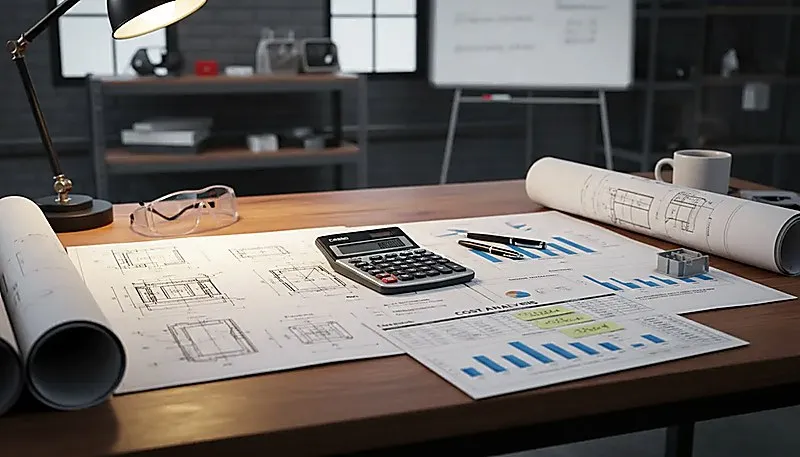
Ukryte koszty również mają znaczenie. Niemieccy dostawcy wliczają dokumentację jakościową (PPAP, CoC, raporty wymiarowe) w cenę. Chińscy dostawcy różnią się znacznie: niektórzy ją wliczają, inni pobierają dodatkowe opłaty. Zawsze żądaj szczegółowego kosztorysu, który osobno wymienia dokumentację, inspekcję i pakowanie, zanim porównasz oferty. Czas dostawy (4–6 tygodni transportem morskim z Szanghaju do Hamburga) również dodaje koszt kapitału obrotowego, który wielu kupujących niedoszacowuje. Ten szczegół znacząco zmienia porównania kosztów końcowych.
Kiedy Niemcy są właściwym kierunkiem pozyskiwania formowania wtryskowego?
Ani Niemcy, ani Chiny nie są zawsze lepszym wyborem. Właściwy wybór zależy od tego, co kupujesz, ile potrzebujesz i jakie ryzyko może zaabsorbować Twój biznes. Oto praktyczne ramy decyzyjne.
Wybierz Niemcy, gdy: projekt wymaga tolerancji poniżej 5 μm lub certyfikowanej produkcji w pomieszczeniach czystych (ISO klasa 7/8); potrzebujesz przejścia od prototypu do produkcji w mniej niż 4 tygodnie i zmian konstrukcyjnych tego samego dnia; wolumen jest niski (poniżej 2000 sztuk), a wysyłka z Azji niweluje przewagę ceny jednostkowej; zgodność regulacyjna wymaga lokalnej dokumentacji po niemiecku i miejscowego wsparcia regulacyjnego; zaopatrujesz projekt wyrobu medycznego wymagający audytu jednostki notyfikowanej w unijnym łańcuchu dostaw.
Wybierz Chiny, gdy: roczny wolumen przekracza 10 000 sztuk, a głównym kryterium jest koszt jednostkowy; potrzebujesz wielogniazdowych form produkcyjnych przy 2–3 razy niższej inwestycji w oprzyrządowanie; projekt obejmuje zaopatrzenie wielu rodzin części u jednego dostawcy łączącego produkcję form i formowanie; zależy Ci na ponad 30 anglojęzycznych kierownikach projektów zapewniających komunikację między strefami czasowymi; termin jest istotny — próbki T1 mają być gotowe w 5–8 tygodni, a nie 10–16.
Wielu doświadczonych specjalistów ds. zaopatrzenia stosuje model hybrydowy: prototypowanie i walidacja narzędzi w Niemczech dla części o wąskich tolerancjach, a następnie przeniesienie produkcji do sprawdzonego zagranicznego partnera na potrzeby skalowania wielkości produkcji. To podejście łączy w sobie najlepsze cechy obu światów — otrzymujesz niemiecką precyzję inżynieryjną na etapie rozwoju i konkurencyjne ceny dla dużych serii produkcyjnych.
Dla porównania, zweryfikuj zakres dokumentacji, plany pobierania próbek, odpowiedzialność za opakowanie i opłaty za zmiany inżynieryjne przed porównaniem cen końcowych w Niemczech i Chinach.
Jakie są najczęściej zadawane pytania dotyczące formowania wtryskowego w Niemczech?
Często zadawane pytania
Jakich certyfikatów należy szukać u niemieckiego dostawcy formowania wtryskowego?
Wymaganym minimum jest certyfikat ISO 9001 dotyczący zarządzania jakością. W przypadku projektów motoryzacyjnych standardowym wymogiem w całym niemieckim łańcuchu dostaw jest IATF 16949. Zastosowania medyczne wymagają certyfikatu ISO 13485 oraz certyfikacji pomieszczeń czystych. Należy również sprawdzić, czy certyfikaty są aktualne, a nie tylko wymienione na stronie internetowej. Poproś o rzeczywisty numer certyfikatu i zweryfikuj go w publicznym rejestrze jednostki certyfikującej. Dostawca bez możliwych do potwierdzenia certyfikatów ISO stanowi poważne ryzyko, niezależnie od profesjonalnego wyglądu jego prezentacji handlowej. Niemieccy producenci OEM coraz częściej wymagają również systemu zarządzania środowiskowego zgodnego z ISO 14001 w ramach swoich polityk zakupowych ESG.
Jak długo zwykle wytrzymują narzędzia wtryskowe niemieckich producentów?
Oprzyrządowanie produkowane w Niemczech rutynowo przekracza 1 milion wtrysków w przypadku standardowych form stalowych (P20/718). Formy ze stali hartowanej (H13/S136) mogą osiągnąć 2–5 milionów wtrysków przy właściwym harmonogramie konserwacji. Kluczowym czynnikiem nie jest pochodzenie stali formy, lecz dyscyplina konserwacji — regularne czyszczenie, prawidłowe przechowywanie i terminowa wymiana komponentów mają większe znaczenie niż pierwotny gatunek stali. Chińskie oprzyrządowanie z równoważnych stali osiąga porównywalną trwałość, jeśli projekt formy, obróbkę cieplną i wykończenie powierzchni wykonano prawidłowo. Przed podjęciem zobowiązania zawsze poproś dostawcę o harmonogram konserwacji formy i przewidywaną trwałość narzędzia.
Czy chińscy producenci mogą dorównać niemieckiej jakości części samochodowych?
Tak, w zdecydowanej większości zastosowań motoryzacyjnych. Dostawcy tacy jak ZetarMold utrzymują certyfikat IATF 16949, używają niemieckich urządzeń kontrolnych (maszyny CMM Zeiss, pomiary optyczne Keyence) i rutynowo produkują części z tolerancją ±0.01mm. Rzeczywistym wyróżnikiem nie jest geografia, lecz kontrola procesu — o jakości części decydują dokumentacja PPAP, monitorowanie SPC i certyfikacja przyjmowanych materiałów. W przypadku ultraprecyzyjnego mikroformowania wymagającego tolerancji poniżej 5μm niemieccy specjaliści nadal mają przewagę techniczną, ale jest to wąski i wyspecjalizowany segment całego popytu motoryzacyjnego.
Jaki jest typowy czas realizacji oprzyrządowania produkcyjnego w Niemczech i Chinach?
Niemieckie narzędziownie wyceniają zwykle 10–16 tygodni na wykonanie oprzyrządowania produkcyjnego do etapu próbki T1. Doświadczeni chińscy producenci, tacy jak ZetarMold, dostarczają równoważne oprzyrządowanie produkcyjne w ciągu 5–8 tygodni. Różnica w szybkości wynika z możliwości pracy równoległej — chińskie fabryki często jednocześnie projektują formę, zamawiają materiał i obrabiają elektrody, zamiast wykonywać te czynności kolejno. W pilnych projektach chińscy dostawcy mogą dodatkowo skrócić terminy dzięki dedykowanym zespołom projektowym i pracy w nadgodzinach. Krótszy termin zakłada jednak jasne specyfikacje od początku; iteracyjne zmiany konstrukcji wydłużą realizację niezależnie od lokalizacji dostawcy.
Jak zweryfikować możliwości dostawcy bez osobistej wizyty w zakładzie?
Należy poprosić o transmisję na żywo ze zwiedzania zakładu, obejmującą konkretne maszyny, wyposażenie kontroli jakości (CMM, komparatory optyczne, profilometry) oraz czynne obszary produkcyjne. Warto zażądać aktualnej dokumentacji PPAP, raportów wymiarowych z projektów podobnych do własnego oraz certyfikatów surowca wystawionych przez producenta żywicy. Audyty zewnętrzne prowadzone przez organizacje takie jak TÜV lub SGS zapewniają niezależne potwierdzenie zdolności produkcyjnych i systemów jakości. Przed zleceniem wykonania pełnego oprzyrządowania produkcyjnego można również zamówić próbki wyprodukowane dokładnie według własnej specyfikacji — jest to najbardziej wiarygodny sposób oceny rzeczywistych możliwości dostawcy.
Czym jest VDA 6.3 i dlaczego ma znaczenie w formowaniu wtryskowym?
VDA 6.3 to standard audytu procesowego opracowany przez Niemieckie Stowarzyszenie Przemysłu Motoryzacyjnego (Verband der Automobilindustrie). Ocenia on dojrzałość procesową w sześciu elementach procesu: zarządzanie procesem, zarządzanie projektami, planowanie rozwoju produktu i procesu, zarządzanie dostawcami, realizacja procesu oraz satysfakcja klienta. Wynik VDA 6.3 powyżej 90% oznacza dojrzały, dobrze kontrolowany proces produkcyjny z solidnymi mechanizmami zapobiegania błędom. Niemieccy producenci samochodów, tacy jak BMW i inni główni niemieccy OEM-owie, często wymagają zgodności z VDA 6.3 od dostawców formowania wtryskowego poziomu 1 i 2, czyniąc to kryterium kluczowym dla kwalifikacji.
Dlaczego ZetarMold jest właściwym partnerem dla niemieckich nabywców?
Jeśli chcesz niemiecką precyzję przy koszcie niższym o 30–55%, ZetarMold zapewnia dokładnie to z naszej fabryki w Szanghaju. Otrzymujesz jakość certyfikowaną ISO, ponad 30 anglojęzycznych kierowników projektów oraz terminy wykonania narzędzi mierzone w dniach, a nie miesiącach.
W naszej fabryce w Szanghaju eksploatujemy 47 wtryskarek o sile zamykania od 90 T do 1850 T, wspieranych ponad 20-letnim doświadczeniem gromadzonym od 2005 roku. Nasz wewnętrzny zakład produkcji form wytwarza ponad 100 zestawów form miesięcznie, a my przetworzyliśmy ponad 400 tworzyw sztucznych do zastosowań motoryzacyjnych, medycznych i elektronicznych. Ponad 30 anglojęzycznych kierowników projektów i 8 starszych inżynierów pomaga nam likwidować barierę komunikacyjną, której obawiają się niemieccy kupujący przy zakupach w Chinach. Nasz system jakości działa zgodnie z certyfikatami ISO 9001, ISO 13485, ISO 14001 i ISO 45001 — tymi samymi normami, które spełniają niemieccy dostawcy.
Nasz zakład w Szanghaju obsługuje 47 maszyn do formowania wtryskowego od 90T do 1850T, produkując wszystko, od mikroformowanych komponentów po duże części konstrukcyjne. Wykonujemy formy we własnym zakresie, bez podwykonawców, więc Twoje narzędzie pozostaje pod jednym dachem od projektu po produkcję. Nasi inżynierowie sprawdzają DFM, dobór materiałów i wymagania inspekcyjne przed każdym przekazaniem produkcji.
| Czynnik | Typowy wpływ |
|---|---|
| Precyzja oprzyrządowania | Tolerancja ±0.01mm wobec ±0.05mm |
| Komunikacja | Znajomość angielskiego + czas odpowiedzi |
Nasz zespół ponad 120 pracowników produkcyjnych i 8 starszych inżynierów przetwarza ponad 400 rodzajów materiałów, w tym wszystkie żywice konstrukcyjne typowe dla niemieckich zastosowań motoryzacyjnych i medycznych.
Dla niemieckich kupujących najważniejsze są trzy kwestie:
Komunikacja bez tarć. Ponad 30 biegle mówiących po angielsku kierowników projektów, czas odpowiedzi poniżej 24 godzin i dedykowany kierownik przypisany do każdego projektu. Bez barier językowych i wymówek związanych ze strefą czasową.
Nasz sześciostopniowy proces kontroli jakości — IQC, kontrole próbek w toku produkcji, kontrola procesu, kontrola pakowania/montażu, FQC i OQC — odpowiada systematycznej rygorystyczności oczekiwanej od niemieckiego dostawcy.
Szybkość, która zmienia ekonomikę projektu. Standardowe wykonanie formy: 15–30 dni. Złożone formy wielogniazdowe lub gorącokanałowe: 25–45 dni. Dla porównania większość niemieckich narzędziowni potrzebuje 8–20 tygodni. W rozwoju nowych produktów i cyklach prototypowania ta różnica oznacza szybsze wejście na rynek.
Obsługujemy klientów w Niemczech, Wielkiej Brytanii, Holandii, Francji i Skandynawii — zespoły inżynierskie, które wybrały nas po ocenie europejskich dostawców, traktując jakość, szybkość i efektywność kosztową jako wspólne priorytety.
Chcesz sprawdzić, czy zagraniczny partner będzie właściwym wyborem dla Twojego projektu formowania wtryskowego? Uzyskaj bezpłatną wycenę od naszego zespołu inżynierów wraz z niezobowiązującym przeglądem DFM i szczegółową ofertą.
NextMSC, analiza niemieckiego rynku wtryskarek 2024–2030 — wartość rynku wyniosła 1,78 mld USD w 2023 roku i ma osiągnąć 2,20 mld USD do 2030 roku.↩
Międzynarodowa Federacja Robotyki, World Robotics 2023: Industrial Robots — Niemcy zajęły trzecie miejsce na świecie z wynikiem 415 robotów na 10 000 pracowników.↩
Federalny Urząd Statystyczny Niemiec (Destatis), Labour Cost Comparison 2023 — średni godzinowy koszt pracy w Niemczech wynosił 41,30 €, co było szóstym najwyższym wynikiem w UE.↩
Potrzebujesz wyceny projektu formowania wtryskowego?
Uzyskaj konkurencyjną wycenę, uwagi DFM i harmonogram produkcji od naszego zespołu inżynierów.
"“Niemcy przodują w Europie we wdrażaniu technologii precyzyjnego formowania wtryskowego.”"True
Dzięki ponad 415 robotom przemysłowym na 10,000 pracowników oraz znacznym inwestycjom w badania i rozwój niemieccy producenci konsekwentnie wprowadzają zaawansowane techniki formowania, w tym formowanie wielokomponentowe, mikroformowanie i produkcję w pomieszczeniach czystych do zastosowań medycznych.
"„Wszyscy niemieccy przetwórcy utrzymują jednakowe standardy jakości we wszystkich liniach produktowych.”"False
„Niemcy przodują w Europie w technologii precyzyjnego formowania wtryskowego.”
Poproś o bezpłatną wycenę →
1,78 mld €: Kwota 1,78 mld € odnosi się do analizy nextMSC „Germany Injection Molding Machine Market Analysis 2024–2030” — rynek wyceniono na 1,78 mld USD w 2023 roku, a do 2030 roku ma osiągnąć 2,20 mld USD. ↩
415 robotów: Liczba 415 robotów odnosi się do danych Międzynarodowej Federacji Robotyki (IFR): Niemcy zajmują trzecie miejsce na świecie pod względem gęstości robotyzacji, z wynikiem 415 robotów na 10 000 pracowników. ↩
41,30 €: Kwota 41,30 € pochodzi z zestawienia Federalnego Urzędu Statystycznego Niemiec (Destatis) „Labour Cost Comparison 2023” — średni godzinowy koszt pracy w Niemczech wynosił 41,30 €, co było szóstym najwyższym wynikiem w UE. ↩