A Alemanha alberga algumas das empresas de moldagem por injeção tecnicamente mais avançadas da Europa. Se está a avaliar fornecedores alemães para peças plásticas de precisão, precisa de saber aquilo que cada empresa faz realmente bem — não apenas o que os seus folhetos afirmam. Este guia aborda os principais intervenientes, as suas especializações e como decidir se um fabricante alemão ou uma alternativa estrangeira faz mais sentido para o seu projeto.
- O mercado alemão de moldagem por injeção é sustentado pela demanda dos setores automotivo, médico e eletrônico, com polos importantes em Baden-Württemberg, Baviera e Renânia do Norte-Vestfália.
- Os fornecedores alemães normalmente possuem certificações ISO 9001, IATF 16949, ISO 13485 e VDA — entre as referências de qualidade mais rigorosas do mundo.
- Os custos de produção na Alemanha são 30–55% superiores aos da China, tornando-a ideal para trabalhos regulados pela UE ou de ultraprecisão.
- Os prazos de fabricação de moldes na Alemanha são, em média, de 8–20 semanas, em comparação com 15–30 dias na China.
- Para a maioria das cadeias de suprimentos globais, uma estratégia combinada — fornecedores estrangeiros para produção em volume e fornecedores locais da UE para exigências regulatórias específicas — proporciona o melhor ROI.
Como é o mercado alemão de moldagem por injeção?
A Alemanha detém o maior mercado europeu de máquinas de moldagem por injeção, com cerca de €1.78 bilhão1 em demanda anual por máquinas e centenas de moldadores especializados, desde grupos industriais globais até empresas privadas do Mittelstand. O país abriga líderes da moldagem por injeção como a Röchling (mais de 12,000 funcionários e mais de 90 fábricas no mundo), além das empresas do Mittelstand que formam a espinha dorsal da indústria alemã.
O mercado é impulsionado por três setores dominantes:
Setor automotivo: BMW, Mercedes-Benz e suas amplas redes de fornecedores tier 1 e tier 2 consomem enormes volumes de componentes moldados por injeção — revestimentos internos, coberturas sob o capô, carcaças de sensores, conectores e suportes estruturais. Fornecedores de Baden-Württemberg e Bavaria dominam esse segmento.
Dispositivos médicos: O setor alemão de Medizintechnik, concentrado em Munich, Tuttlingen e no corredor Rhine-Main, exige moldagem em sala limpa com certificação ISO 13485 para produtos que vão de carcaças de diagnóstico a descartáveis de uso único.
Eletrônica e indústria: A região Rhine-Main e North Rhine-Westphalia abrigam moldadores de precisão que produzem conectores, carcaças e peças funcionais com tolerâncias estreitas, muitas vezes usando materiais retardantes de chama (UL 94 V-0).
O que diferencia a Alemanha não é o volume, mas a precisão. Os moldadores alemães são formados por um sistema profissional dual (Ausbildung), que enfatiza a solução sistemática de problemas e a disciplina de processo. O país ocupa o terceiro lugar mundial em densidade robótica, com 415 robôs2 por 10,000 funcionários, o que se traduz em altas taxas de automação e qualidade consistente das peças entre os lotes de produção por moldagem por injeção.
O acesso a matérias-primas é outra vantagem estrutural. BASF, Covestro e Lanxess — todas sediadas na Alemanha — fornecem resinas de grau de engenharia (PA, POM, PC, PEEK, compostos especiais) com prazos de entrega curtos e documentação completa de rastreabilidade. Os transformadores alemães têm acesso a conhecimento especializado em materiais que os compradores internacionais simplesmente não conseguem obter com a mesma facilidade em outras regiões.
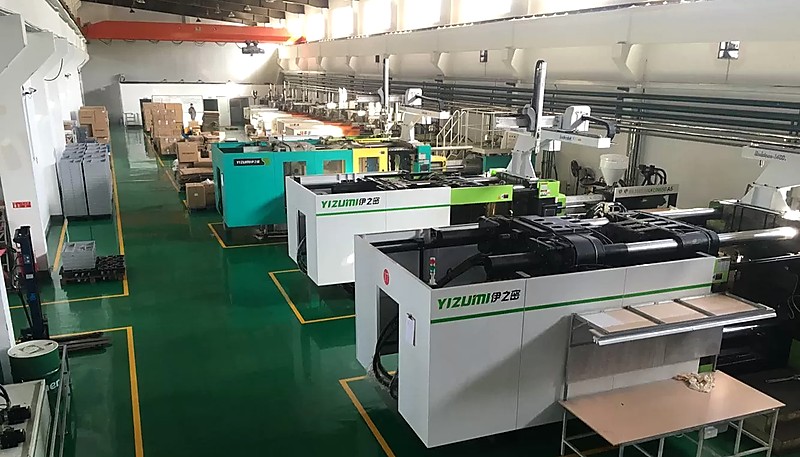
O porém? O custo. O custo da mão de obra na Alemanha chegou a €41.303 por hora em 2023, um dos mais altos da UE. Somado aos preços elevados da energia e aos rigorosos custos de conformidade ambiental, isso torna o preço por peça dos fornecedores alemães substancialmente maior que o das alternativas do Leste Europeu ou da Ásia.
Quais tendências estão moldando o setor de moldagem por injeção da Alemanha?
O setor de moldagem por injeção da Alemanha está evoluindo rapidamente. Cinco tendências estão reformulando neste momento as capacidades dos fornecedores e as expectativas dos compradores:
1. Redução de peso para plataformas de veículos elétricos. BMW, Mercedes e VW estão acelerando sua transição para veículos elétricos, elevando a demanda por plásticos estruturais leves que substituem alumínio e aço. Os moldadores alemães que atendem OEMs automotivos estão ampliando rapidamente os investimentos em termoplásticos de fibra longa (LFT) e processamento de chapas orgânicas.
2. Economia circular e incorporação de reciclados. O Regulamento de Embalagens e Resíduos de Embalagens da UE (PPWR) está levando os moldadores alemães a qualificar resinas recicladas pós-consumo (PCR) junto com materiais virgens, com documentação de rastreabilidade completa. A sustentabilidade deixou de ser opcional: é um requisito de compras dos principais OEMs alemães.
3. Indústria 4.0 e SPC em tempo real. Os fabricantes alemães lideram em conectividade de máquinas (protocolos OPC-UA), sensores de pressão na cavidade e painéis de controle estatístico de processo em tempo real. O resultado: janelas de processo mais estreitas, menores índices de refugo e dados mais completos para a documentação da qualidade.
"“Marcas alemãs de máquinas como a Arburg dominam a moldação por injeção a nível mundial.”"True
A Arburg lidera na Europa, mas a Haitian International fornece mais de 40 000 máquinas por ano — mais do que qualquer fabricante europeu. Marcas japonesas como JSW e Toshiba também detêm uma quota significativa nas aplicações de moldagem de precisão.
"“As máquinas europeias produzem sempre peças de melhor qualidade do que as alternativas asiáticas.”"False
A qualidade da peça depende dos parâmetros do processo, do projeto do molde e da seleção do material. Uma máquina asiática corretamente calibrada com um molde bem projetado produz peças indistinguíveis das fabricadas em equipamentos europeus.
A tendência para a automatização merece atenção especial nas decisões de aprovisionamento. Embora as fábricas alemãs liderem em densidade robótica (415 robôs por 10,000 trabalhadores), o custo de implementação e manutenção dos sistemas automatizados está incorporado no preço unitário. Se as suas peças não exigirem tolerâncias inferiores a um mícron ou uma produção totalmente automatizada sem presença humana, poderá estar a pagar em excesso por uma capacidade de que não necessita.
4. Retorno do fornecimento da Ásia para regiões próximas. As interrupções pós-pandemia nas cadeias de suprimentos levaram alguns compradores alemães a transferir a produção de volta ao país ou para regiões próximas, beneficiando fornecedores nacionais e do Leste Europeu em lotes de médio volume. Essa tendência é mais visível nos setores automotivo e de embalagens médicas.
"“A Alemanha lidera a Europa na adoção da tecnologia de moldagem por injeção de precisão.”"True
Com mais de 415 robôs industriais por 10,000 trabalhadores e um investimento substancial em R&D, os fabricantes alemães são pioneiros constantes em técnicas avançadas de moldagem, incluindo a moldagem multicomponente, a micromoldagem e a produção em sala limpa para aplicações médicas.
"“Todos os transformadores alemães mantêm os mesmos padrões de qualidade em todas as suas linhas de produtos.”"False
As capacidades de qualidade variam significativamente entre fornecedores alemães. Uma empresa especializada em conectores automóveis pode não dispor de instalações de sala limpa de grau médico, enquanto um moldador de bens de consumo pode não ter o equipamento de precisão necessário para peças técnicas com tolerâncias apertadas.
5. Crescimento dos dispositivos médicos sob o EU MDR. Os prazos mais rigorosos de conformidade com o EU MDR (2024–2026) estão criando forte demanda por moldadores em sala limpa com certificação ISO 13485. OEMs tradicionais de dispositivos médicos correm para recertificar produtos, e os moldadores alemães com capacidade consolidada de documentação MDR registram rápido crescimento das carteiras de pedidos.
Para os compradores, estas tendências significam que os parceiros de aprovisionamento alemães estão a melhorar na gestão da qualidade baseada em dados e no processamento sustentável de materiais — mas também estão mais caros e mais ocupados, com prazos de entrega mais longos para novos projetos.
Como escolher um fornecedor de moldagem por injeção na Alemanha?
O fornecedor alemão de moldação por injeção certo é aquele que corresponde às suas necessidades de certificação, ferramentas, comunicação e produção-piloto. A Alemanha tem centenas de moldadores competentes, pelo que o desafio não é encontrar um, mas encontrar o adequado ao seu projeto específico. Utilize este referencial de avaliação antes de selecionar os fornecedores.
1. Alinhe as certificações aos seus requisitos. A ISO 9001 é o ponto de partida. No setor automotivo, IATF 16949 e conformidade com VDA 6.3 são praticamente obrigatórias nas cadeias de fornecimento dos OEMs alemães. Projetos médicos exigem ISO 13485 e capacidade de sala limpa. Não pague por certificações desnecessárias nem abra mão das que você precisa.
2. Verifique se a ferramentaria é própria. Muitos moldadores por injeção alemães terceirizam a fabricação de ferramentas. Uma ferramentaria interna proporciona comunicação mais rápida entre projetistas de moldes e engenheiros de processo, melhor controle do cronograma e maior responsabilidade pela qualidade do molde ao longo de sua vida útil. Sempre pergunte onde a ferramenta será construída e mantida.
| Fator de avaliação | O que perguntar | Sinal de alerta |
|---|---|---|
| Sistema de qualidade | Pode partilhar um pacote PPAP recente? | Recusa ou envia documentação incompleta |
| Parque de máquinas | Qual é a faixa de tonelagem e quais são as marcas das máquinas? | Apenas marcas desconhecidas de baixa tonelagem |
| Comunicação | Quem é meu contato diário? Qual é o nível de inglês? | Contacto apenas comercial, sem ligação à engenharia |
| Referências | Posso falar com um cliente atual da UE/EUA? | Sem referências de exportação verificáveis |
3. Avalie a capacidade de comunicação em inglês. Os moldadores do Mittelstand alemão são tecnicamente excelentes, mas muitos priorizam clientes nacionais e se comunicam principalmente em alemão. Para compradores internacionais, uma gestão de projetos dedicada em inglês é essencial. Teste isso já na consulta inicial: a qualidade da resposta revela muito sobre como o projeto será conduzido.
4. Audite o sistema de qualidade, não apenas o certificado. A certificação ISO é comum. O que diferencia bons fornecedores é como eles a utilizam. Pergunte sobre a implementação de SPC, os equipamentos CMM, o processo FMEA e os procedimentos de ação corretiva. Um fornecedor capaz de discutir detalhadamente seu plano de controle vale mais do que um certificado na parede.
5. Comece com um projeto-piloto, não com um compromisso de produção. Antes de assumir uma produção de alto volume, faça um protótipo ou um primeiro artigo de baixo volume. Isso valida o desempenho real em relação às capacidades documentadas e permite que as duas partes alinhem os processos antes que os riscos aumentem. Essa é uma prática padrão nas cadeias automotivas alemãs e também deve ser sua abordagem.
"“Os OEM alemães do setor automóvel adquirem internamente todas as suas peças moldadas por injeção.”"True
Todos os principais OEM alemães adquirem volumes significativos a fornecedores chineses e da Europa de Leste. A otimização dos custos orienta as decisões de fornecimento: um programa típico de componentes para interiores de automóveis pode poupar 30-40% no preço por peça ao qualificar um fabricante chinês experiente com certificação IATF 16949.
"“Um fornecedor tem de possuir certificação ISO na Alemanha para vender a empresas alemãs.”"False
A certificação ISO é internacional — uma fábrica em Xangai com as certificações ISO 9001 e IATF 16949 da TÜV Rheinland cumpre as mesmas normas de auditoria que uma instalação certificada na Alemanha. O que importa é a reputação do organismo de certificação e o âmbito da certificação, e não o país onde a fábrica está localizada.
Atenção a: falta de transparência nos preços (custos de ferramental que aumentam no meio do projeto e taxas indefinidas para alterações de engenharia), prazos longos para o ferramental (8–20 semanas são comuns na Alemanha) e fornecedores que, nos períodos de pico de demanda, priorizam seus OEMs nacionais em detrimento de novas contas internacionais.
Quais são as 10 principais empresas de moldagem por injeção na Alemanha?
A Alemanha possui uma vasta rede de empresas de moldagem por injeção, desde grupos industriais globais até firmas Mittelstand altamente especializadas. Eis dez empresas reputadas em diferentes especialidades:
1. Grupo Röchling
Fundada em 1822 e sediada em Mannheim, a Röchling é uma das maiores processadoras de plásticos industriais da Alemanha, com mais de 12,000 funcionários em 90 fábricas no mundo. Sua divisão automotiva produz sistemas aerodinâmicos para a parte inferior da carroceria, componentes de gerenciamento de ar e módulos plásticos estruturais. A divisão médica oferece moldagem por injeção em salas limpas Classe 7/8, em plena conformidade com FDA/MDR. A Röchling possui certificações ISO 9001, ISO 13485 e IATF 16949. Site: roechling.com
2. Arburg
Sediada em Lossburg, Baden-Württemberg, a Arburg é uma das principais fabricantes mundiais de máquinas de moldagem por injeção. Suas linhas ALLROUNDER e ALLDRIVE elétricas são utilizadas por processadores em todo o mundo. A Arburg também oferece serviços próprios de moldagem de produção, considerados referência em otimização do tempo de ciclo e eficiência energética. Fundada em 1923, a empresa emprega cerca de 3,500 pessoas. Site: arburg.com
3. Braunform GmbH
Sediada em Bahlingen am Kaiserstuhl (Baden-Württemberg), a Braunform é especializada em moldagem em sala limpa de grau médico e ferramental complexo para molde de injeção multicavidade. Com certificação ISO 13485, atende empresas farmacêuticas e de diagnóstico em toda a Europa com moldagem de precisão em ambientes controlados.
4. FOBOHA GmbH
Fundada em 1973 em Haslach, a FOBOHA é reconhecida por sua tecnologia Cube Mold, um sistema de molde rotativo em pilha que dobra o número de cavidades sem aumentar o tamanho da máquina. Essa inovação viabiliza a produção altamente eficiente e em grande escala de componentes para embalagens, medicina e produtos de consumo. A empresa detém várias patentes em moldagem multicomponente. Site: foboha.com
"“A Alemanha lidera a Europa na tecnologia de moldação por injeção de precisão.”"True
Com mais de 415 robôs industriais por 10,000 funcionários e um investimento substancial em R&D por parte de empresas como a Arburg e a KraussMaffei, os fabricantes alemães são consistentemente pioneiros em técnicas avançadas de moldagem, incluindo moldagem multicomponente, micromoldagem e produção em sala limpa.
"“Todos os transformadores alemães mantêm os mesmos padrões de qualidade em todas as suas linhas de produtos.”"False
As capacidades de qualidade variam significativamente entre fornecedores alemães. Uma empresa especializada em conectores automóveis pode não dispor de instalações de sala limpa de grau médico, enquanto um moldador de bens de consumo pode não ter o equipamento de precisão necessário para peças técnicas com tolerâncias apertadas.
5. Georg Utz GmbH
Importante empresa de moldagem por injeção industrial de grande formato, a Utz é especializada em recipientes reutilizáveis, paletes e soluções logísticas produzidos em sua fábrica alemã. Suas máquinas de alta tonelagem (até 3,500 toneladas) produzem peças estruturais com excelente repetibilidade. Fundada em 1951, a Utz atua globalmente e ocupa posições de destaque na logística automotiva e na movimentação de materiais. Site: utzgroup.com
6. Gebr. Krallmann GmbH
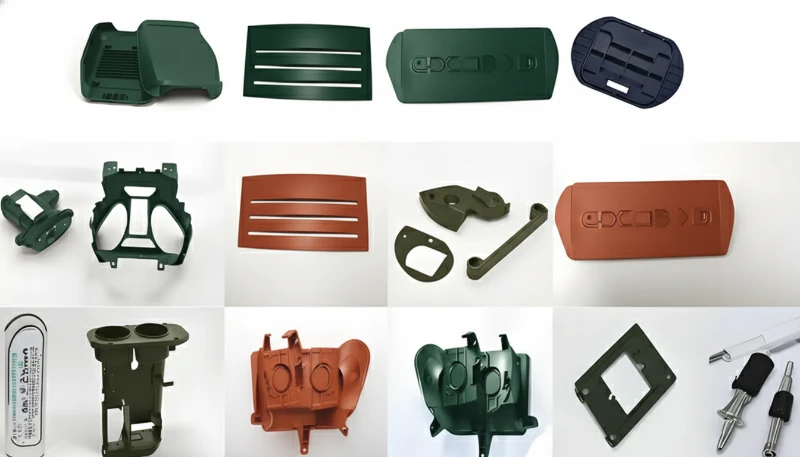
Uma das ferramentarias e moldadoras de produção mais avançadas tecnicamente da Alemanha, a Krallmann é conhecida pela complexa moldagem por injeção multicomponente. Atende tanto o setor automotivo quanto o de produtos de consumo, com projeto de moldes, ferramentaria de precisão e produção em série realizados internamente. Sua equipe de engenharia se destaca em projetos com tolerâncias estreitas e geometrias complexas. Site: krallmann.com
7. Grupo Fehrer
Fundada em 1947 e sediada em Kitzingen, Bavaria, a Fehrer é uma importante fornecedora automotiva, com mais de 4,000 funcionários em instalações no mundo todo. Suas capacidades abrangem moldagem por injeção, processamento de espuma de poliuretano e sistemas acústicos. Com certificação IATF 16949 completa, a Fehrer integra a moldagem à montagem e ao acabamento posteriores para fornecer módulos completos a OEMs e clientes tier 1. Site: fehrer.com
8. KTP Kunststoff Palatal Technik GmbH & Co. KG
Fundada em 1980 e sediada em Bingen am Rhein, a KTP é uma moldadora por injeção de médio porte, com cerca de 250 funcionários, que atende os setores automotivo, elétrico e industrial. Opera linhas de moldagem por injeção de 25 a 1,500 toneladas, com especialização no processamento de PA e PBT reforçados com fibra de vidro. A KTP possui certificações ISO 9001 e IATF 16949 e mantém ferramentaria própria para ciclos de desenvolvimento rápidos. Site: ktp-kunststoff.de
9. FKuR Kunststoff GmbH
Fundada em 1992 e sediada em Willich (NRW), a FKuR é uma produtora de compostos especiais e moldadora por injeção focada em sistemas poliméricos de base biológica e biodegradáveis. Suas linhas Bio-Flex e Terraprene são reconhecidas em toda a Europa pela compostabilidade certificada (EN 13432) e conformidade para contato com alimentos. A FKuR oferece moldagem por injeção personalizada com formulações próprias de biopolímeros — ideal para marcas comprometidas com os princípios da economia circular. Certificada pela ISO 9001. Site: fkur.com
10. Gerhardi Kunststofftechnik GmbH
Fundada em 1796 e sediada em Lüdenscheid, North Rhine-Westphalia, a Gerhardi é uma das mais antigas fabricantes familiares de plásticos da Alemanha. A empresa é especializada em peças moldadas por injeção com cromagem de alto brilho para a indústria automotiva, sobretudo frisos decorativos, grades e componentes internos. A Gerhardi opera mais de 47 máquinas de moldagem por injeção (200T–2500T) e emprega cerca de 1,800 pessoas. Sua linha interna de cromagem é uma das maiores da Europa, proporcionando vantagem exclusiva em programas automotivos premium. A empresa possui certificações IATF 16949 e ISO 14001 e atende OEMs como BMW e Mercedes-Benz. A Gerhardi também mantém fábricas na China (Suzhou) e nos EUA, sendo um parceiro verdadeiramente global para seleção de fornecedores automotivos.
Como se comparam os custos da moldagem por injeção na Alemanha e na China?
O preço é normalmente a primeira questão quando os compradores comparam fornecedores alemães e chineses. Eis os valores reais para um cenário de produção típico — um suporte automóvel de PA66-GF30 com 200g e uma produção anual de 50,000 unidades.
| Fator de custo | Alemanha | China (exemplo da ZetarMold) |
|---|---|---|
| Molde de produção (uma cavidade) | €25,000–€45,000 | $8,000–$15,000 |
| Preço unitário por peça | €1.80–€3.50 | $0.55–$1.20 |
| Prazo de fabrico do molde (amostras T1) | 10–16 semanas | 5–8 semanas |
| Envio para a UE (contentor de 40ft) | Incluído (nacional) | $2,500–$4,500 |
| Direitos de importação (norma da UE) | 0% | 3.5–6.5% (HS 3926) |
| Sobrecarga de comunicação | Baixo (mesmo fuso horário/idioma) | Médio (diferença horária de 8h, PM de língua inglesa) |
Algumas observações da experiência real em orçamentação: o custo por peça da China é normalmente 50–65% inferior, mesmo após acrescentar o transporte e os direitos aduaneiros. As ferramentas alemãs custam 2–3x mais, o que tem um enorme impacto nos moldes de produção multicavidade. Contudo, para pequenos volumes de produção (menos de 5,000 unidades), os custos adicionais de transporte e direitos aduaneiros podem reduzir a diferença para 20–30%, tornando os fornecedores alemães mais competitivos do que sugerem as comparações baseadas apenas no preço unitário.
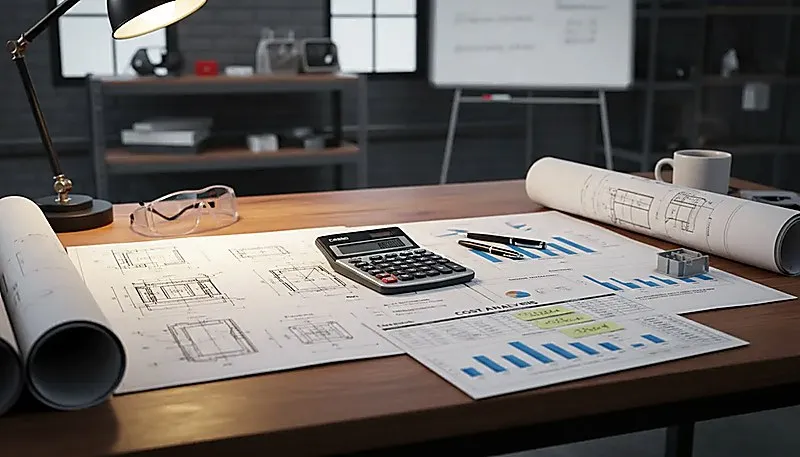
Os custos ocultos também são importantes. Os fornecedores alemães incluem a documentação da qualidade (PPAP, CoC, relatórios dimensionais) nos seus preços. Os fornecedores chineses variam muito: alguns incluem-na, outros cobram-na à parte. Antes de comparar orçamentos, peça sempre uma discriminação de custos que apresente separadamente a documentação, a inspeção e a embalagem. O prazo de transporte (4-6 semanas por via marítima de Xangai para Hamburgo) também acrescenta um custo de fundo de maneio que muitos compradores subestimam. Este pormenor altera significativamente as comparações do custo total à chegada.
Quando é a Alemanha a opção certa para adquirir serviços de moldagem por injeção?
Nem a Alemanha nem a China são universalmente melhores. A escolha certa depende do que está a comprar, da quantidade necessária e dos riscos que a sua empresa pode suportar. Segue-se um quadro prático para a decisão.
Escolha a Alemanha quando: Seu projeto exige tolerâncias inferiores a 5μm ou produção certificada em sala limpa (ISO Classe 7/8). Você precisa passar do protótipo à produção em menos de 4 semanas, com alterações de engenharia no mesmo dia. Seus volumes são baixos (menos de 2,000 unidades) e o frete da Ásia elimina a vantagem do preço unitário. A conformidade regulatória exige documentação local em alemão e capacidade de interlocução com órgãos reguladores locais. Você busca dispositivos médicos que precisam de auditorias de organismo notificado dentro da cadeia de suprimentos da UE.
Escolha a China quando: Seu volume anual supera 10,000 unidades e o custo por peça é o principal fator. Você precisa de moldes de produção multicavidade com investimento em ferramental 2–3 vezes menor. Seu projeto envolve selecionar várias famílias de peças de um único fornecedor com fabricação de moldes e capacidade de moldagem integradas. Você deseja mais de 30 gerentes de projeto fluentes em inglês, garantindo comunicação entre fusos horários. O prazo é importante — você precisa de amostras T1 em 5–8 semanas, não em 10–16.
Muitos profissionais experientes de sourcing usam um modelo híbrido: prototipagem e validação de ferramentas na Alemanha para peças com tolerâncias estreitas, depois transferência da produção para um parceiro internacional comprovado para escalamento de volume. Esta abordagem captura o melhor de ambos os mundos — obtém precisão de engenharia alemã para desenvolvimento, e preços competitivos para produção em massa.
Para comparação, valide o âmbito da documentação, planos de amostragem, responsabilidades de embalagem e taxas de alterações de engenharia antes de comparar preços de entrega entre Alemanha e China.
Quais são as perguntas mais frequentes sobre moldagem por injeção na Alemanha?
Perguntas mais frequentes
Quais certificações devo procurar em um fornecedor alemão de moldagem por injeção?
No mínimo, ISO 9001 para a gestão da qualidade. Nos projetos automóveis, a IATF 16949 é o requisito habitual em toda a cadeia de fornecimento alemã. As aplicações médicas exigem ISO 13485 com certificação de sala limpa. Deve também verificar se as certificações estão atualizadas — e não apenas indicadas num sítio Web. Peça o número real do certificado e confirme-o no registo público da entidade emissora. Um fornecedor sem credenciais ISO verificáveis representa um risco significativo, por mais cuidada que seja a sua apresentação comercial. A gestão ambiental (ISO 14001) é cada vez mais exigida pelos OEM alemães no âmbito das suas políticas de compras ESG.
Quanto tempo duram normalmente as ferramentas de moldagem por injeção de fabricantes alemães?
As ferramentas fabricadas na Alemanha normalmente excedem 1 milhão de tiros para moldes de aço padrão (P20/718). Moldes de aço temperado (H13/S136) podem atingir 2 a 5 milhões de tiros com cronogramas de manutenção adequados. O fator-chave não é a origem do aço do molde, mas sim a disciplina de manutenção — limpeza regular, armazenamento adequado e substituição oportuna de componentes importam mais do que o grau de aço original. Ferramentaria chinesa que utiliza aços equivalentes oferece vida útil comparável quando o projeto do molde, o tratamento térmico e o acabamento superficial são executados corretamente. Solicite sempre um cronograma de manutenção do molde e uma estimativa da vida útil esperada da ferramenta ao seu fornecedor antes de se comprometer.
Os fabricantes chineses conseguem igualar a qualidade alemã em peças automotivas?
Sim, para a grande maioria das aplicações automóveis. Fornecedores como a ZetarMold mantêm certificação IATF 16949, utilizam equipamento de inspeção de marca alemã (CMM Zeiss, medição ótica Keyence) e produzem peças com tolerâncias de ±0,01mm rotineiramente. O verdadeiro diferenciador não é a geografia, mas o controlo de processos — documentação PPAP, monitorização SPC e certificação de materiais recebidos são o que determina a qualidade da peça. Para aplicações de micro-moldagem ultra-precisas que exigem tolerâncias abaixo de 5μm, os especialistas alemães ainda mantêm uma vantagem técnica, mas isso representa um segmento estreito e especializado da procura automóvel global.
Qual é o prazo típico das ferramentas de produção na Alemanha vs China?
Os fabricantes de moldes alemães normalmente cotam 10–16 semanas para ferramentas de produção até à fase de amostra T1. Fabricantes chineses experientes como a ZetarMold entregam ferramentas de produção equivalentes em 5–8 semanas. A diferença de velocidade vem das capacidades de processamento paralelo — as fábricas chinesas frequentemente executam o design do molde, a procura de materiais e a maquinagem de eletrodos simultaneamente, em vez de sequencialmente. Para projetos urgentes, os fornecedores chineses podem comprimir os cronogramas ainda mais com equipas de projeto dedicadas e programação de horas extras. Contudo, o cronograma mais rápido assume especificações claras desde o início; alterações iterativas de design prolongarão os lead times independentemente da localização do fornecedor.
Como posso verificar a capacidade de um fornecedor sem o visitar pessoalmente?
Solicite uma visita virtual em direto à fábrica que mostre máquinas específicas, equipamento de qualidade (CMM, comparadores óticos, rugosímetros) e áreas de produção em atividade. Peça documentação PPAP recente, relatórios dimensionais de projetos semelhantes ao seu e certificados de matéria-prima emitidos pelo fabricante da resina. As auditorias de terceiros realizadas por organizações como a TÜV ou a SGS fornecem uma verificação independente das capacidades de fabrico e dos sistemas de qualidade. Também pode solicitar peças de amostra produzidas segundo as suas especificações exatas antes de adjudicar as ferramentas de produção completas — esta é a forma mais fiável de avaliar a capacidade real de um fornecedor.
O que é a VDA 6.3 e por que é importante para a moldagem por injeção?
A VDA 6.3 é uma norma de auditoria de processos desenvolvida pela Associação Alemã da Indústria Automóvel (Verband der Automobilindustrie). Avalia a maturidade do processo em seis elementos: gestão de processos, gestão de projetos, planeamento de desenvolvimento de produto e processo, gestão de fornecedores, realização de processos e satisfação do cliente. Uma pontuação VDA 6.3 acima de 90% indica um processo de fabrico maduro e bem controlado, com mecanismos robustos de prevenção de falhas. OEMs alemães como a BMW e outros grandes OEMs alemães exigem frequentemente conformidade com a VDA 6.3 para fornecedores de moldação por injecção Tier 1 e Tier 2, tornando-a um critério de qualificação crítico.
Por que a ZetarMold é a parceira certa para compradores alemães?
Se procura precisão de nível alemão a um custo 30–50% mais baixo, a ZetarMold oferece exatamente isso a partir da nossa fábrica em Xangai. Obtém qualidade certificada ISO, mais de 30 gestores de projeto anglófonos e prazos de ferramentaria medidos em dias, não em meses.
Na nossa fábrica em Xangai, operamos 47 máquinas de moldagem por injeção de 90T a 1850T, apoiadas por mais de 20 anos de experiência desde 2005. A nossa instalação interna de fabrico de moldes produz mais de 100 conjuntos de moldes por mês e já processámos mais de 400 materiais plásticos em aplicações automóveis, médicas e eletrónicas. Com mais de 30 gestores de projeto anglófonos e 8 engenheiros seniores, colmatamos a lacuna de comunicação que preocupa os compradores alemães ao adquirir produtos da China. O nosso sistema de qualidade opera sob certificações ISO 9001, ISO 13485, ISO 14001 e ISO 45001 — os mesmos padrões que os seus fornecedores alemães possuem.
A nossa instalação em Shanghai opera 47 máquinas de moldação por injecção de 90T a 1.850T, produzindo tudo desde componentes micro-moldados até grandes partes estruturais. Construímos moldes internamente, sem subcontratação, para que sua ferramenta permaneça sob um único controlo desde o design até à produção. Os nossos engenheiros revisam DFM, seleção de materiais e requisitos de inspeção antes de cada transferência de produção.
| Fator | Impacto típico |
|---|---|
| Precisão do ferramental | tolerância de ±0.01mm vs ±0.05mm |
| Comunicação | Proficiência em inglês + tempo de resposta |
A nossa equipa de mais de 120 colaboradores de produção e 8 engenheiros séniores processa mais de 400 tipos de materiais, incluindo todas as resinas de engenharia comuns nas aplicações automóveis e médicas alemãs.
Para compradores alemães especificamente, três aspectos são os mais importantes:
Comunicação sem atritos. Mais de 30 gerentes de projeto fluentes em inglês, respostas em menos de 24 horas e gerentes dedicados a cada projeto. Sem barreiras linguísticas nem desculpas de fuso horário.
O nosso processo de controlo de qualidade em 6 etapas — IQC, verificações de amostras durante o processo, inspeção do processo, inspeção da embalagem/montagem, FQC e OQC — corresponde ao rigor sistemático esperado de um fornecedor alemão.
Velocidade que muda a economia do projeto. Fabricação de moldes padrão: 15–30 dias. Ferramentas multicavidade ou com canal quente complexas: 25–45 dias. Compare com as 8–20 semanas da maioria das ferramentarias alemãs. Nos ciclos de desenvolvimento de novos produtos e prototipagem, essa diferença de velocidade significa chegar ao mercado mais cedo.
Atendemos clientes na Alemanha, Reino Unido, Países Baixos, França e Escandinávia — equipes de engenharia que nos escolheram após avaliar fornecedores europeus e priorizar conjuntamente qualidade, rapidez e eficiência de custos.
Pronto para descobrir se um parceiro internacional é a escolha certa para seu projeto de moldagem por injeção? Solicite uma cotação gratuita à nossa equipe de engenharia para receber uma análise DFM sem compromisso e uma proposta detalhada.
NextMSC, Análise do Mercado Alemão de Máquinas de Moldagem por Injeção 2024–2030 — mercado avaliado em USD 1.78 bilhão em 2023, com projeção de atingir USD 2.20 bilhões até 2030.↩
International Federation of Robotics, World Robotics 2023: Industrial Robots — a Alemanha ocupa o terceiro lugar mundial, com 415 robôs por 10,000 funcionários.↩
Federal Statistical Office of Germany (Destatis), Comparação de Custos Trabalhistas 2023 — o custo médio da mão de obra por hora na Alemanha foi de €41.30, o sexto mais alto da UE.↩
Precisa de uma cotação para seu projeto de moldagem por injeção?
Obtenha preços competitivos, feedback de DFM e o cronograma de produção da nossa equipe de engenharia.
"“A Alemanha lidera a Europa na adoção da tecnologia de moldagem por injeção de precisão.”"True
Com mais de 415 robôs industriais por 10,000 trabalhadores e um investimento substancial em R&D, os fabricantes alemães são pioneiros constantes em técnicas avançadas de moldagem, incluindo a moldagem multicomponente, a micromoldagem e a produção em sala limpa para aplicações médicas.
"“Todos os transformadores alemães mantêm os mesmos padrões de qualidade em todas as suas linhas de produtos.”"False
As capacidades de qualidade variam significativamente entre fornecedores alemães. Uma empresa especializada em conectores automóveis pode não dispor de instalações de sala limpa de grau médico, enquanto um moldador de bens de consumo pode não ter o equipamento de precisão necessário para peças técnicas com tolerâncias apertadas.
Solicite uma cotação gratuita →
€1.78 bilhão: €1.78 bilhão refere-se à Análise do Mercado Alemão de Máquinas de Moldagem por Injeção 2024–2030 da nextMSC — mercado avaliado em USD 1.78 bilhão em 2023, com projeção de atingir USD 2.20 bilhões até 2030. ↩
415 robôs: 415 robôs refere-se à International Federation of Robotics (IFR): a Alemanha ocupa o terceiro lugar mundial em densidade robótica, com 415 robôs por 10,000 funcionários. ↩
€41.30: €41.30 refere-se ao Federal Statistical Office of Germany (Destatis), Comparação de Custos Trabalhistas 2023 — o custo médio da mão de obra por hora na Alemanha foi de €41.30, o sexto mais alto da UE. ↩