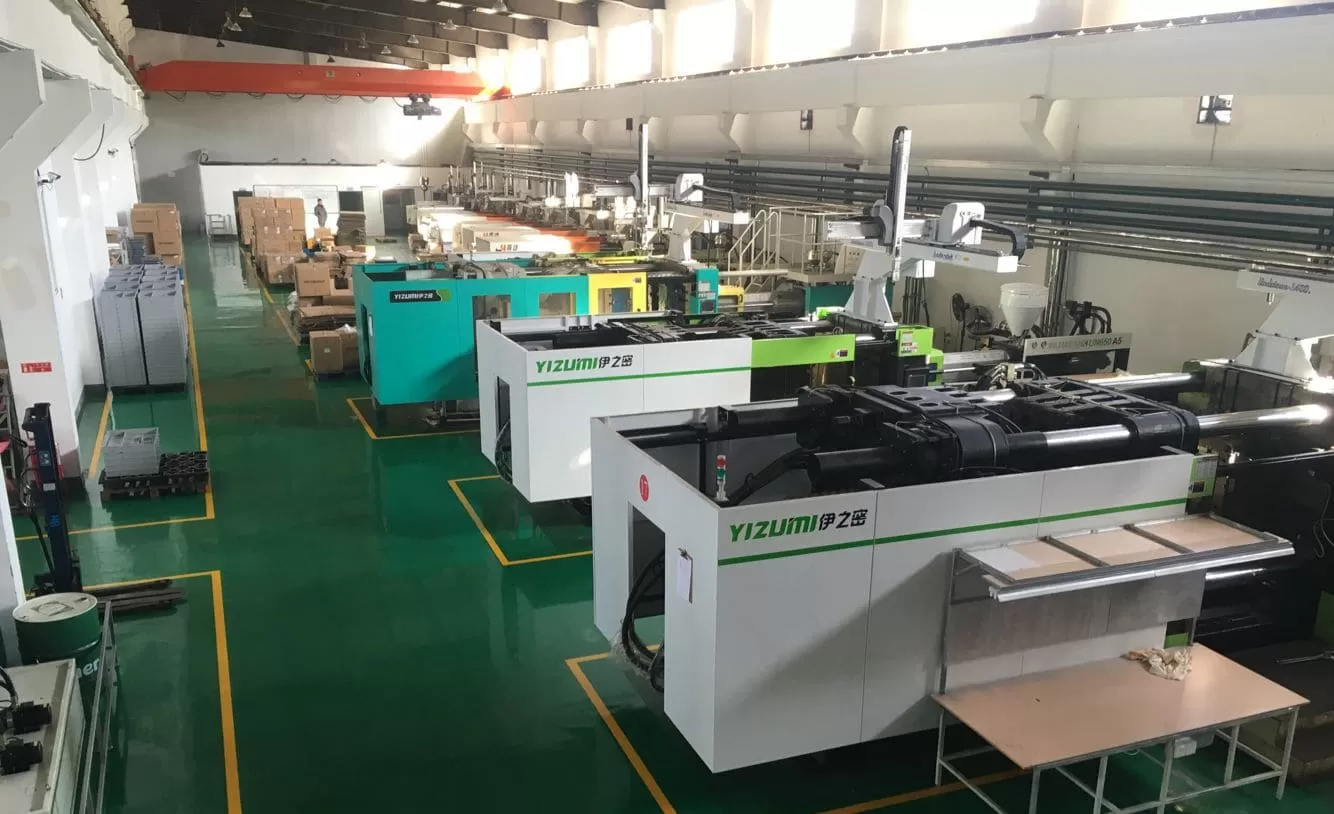
Luftblasen in Spritzgussteilen sind kein einzelner Fehler mit einer einzigen Abhilfe. Ursachen können eingeschlossene Luft nahe einer Bindenaht, zu Gas werdende Feuchtigkeit, zersetztes Harz, mangelhafte Entlüftung1 oder ein durch Schwindung verursachter innerer Vakuumhohlraum2 sein. Wer jede Blase nur mit höherem Druck behandelt, verdeckt womöglich ein Symptom und erzeugt drei neue.
Dieser Leitfaden bietet einen fabriknahen Diagnoseweg für Blasen beim Spritzgießen. Bestimmen Sie zuerst die Blasenart und passen Sie dann Materialtrocknung, Maschineneinstellungen, Anschnittposition, Formentlüftung oder Teilekonstruktion in der richtigen Reihenfolge an. Das spart Versuchszeit und verhindert, dass die Spritzgießform zu früh verantwortlich gemacht wird.
- Bestimmen Sie den Blasentyp, bevor Sie den Druck ändern.
- Feuchtigkeit, eingeschlossene Luft und Hohlräume erfordern unterschiedliche Abhilfemaßnahmen.
- Entlüftung und Anschnittlage entscheiden häufig über den Erfolg.
- Trocknungsprotokolle sind wichtiger als das Gedächtnis des Bedieners.
- Konstruktionsänderungen sind besser als extreme Prozessoptimierung.
Was verursacht Luftblasen in Spritzgussteilen?
Luftblasen entstehen durch eingeschlossenes Gas, Materialfeuchtigkeit, Schmelzeabbau, unzureichenden Nachdruck oder eine Geometrie, die den Gasaustritt behindert. Zunächst ist festzustellen, ob die Blase oberflächennah, in einer dicken Wand, am Fließwegende, an einer Rippe oder in Anschnittnähe liegt.
Ein echter Lufteinschluss3 tritt meist dort auf, wo zwei Schmelzefronten zusammentreffen oder die Kavität zuletzt gefüllt wird. Der Kunststoff schließt das Gas ein, bevor es über die Entlüftung entweichen kann. Sichtbar werden Blase, Brandstelle, Kurzschuss oder glänzende Schwachstelle. Folgt die Fehlerposition in jedem Zyklus dem Fließweg, prüfen Sie Luftbewegung und Entlüftung vor dem Harz.
Ein Vakuumhohlraum verhält sich anders. Er entsteht häufig in einem dicken Dom, am Rippenfuß oder in einer massiven Wand, wenn die Außenseite zuerst erstarrt und der Kern weiter schwindet. Die Oberfläche kann einwandfrei aussehen, doch beim Aufschneiden des Bauteils wird ein Hohlraum sichtbar. Nach unserer Erfahrung treten Vakuumhohlräume häufig auf, wenn Käufer zur Erhöhung der Festigkeit dicke Wände verlangen und sich anschließend über innere Blasen wundern.
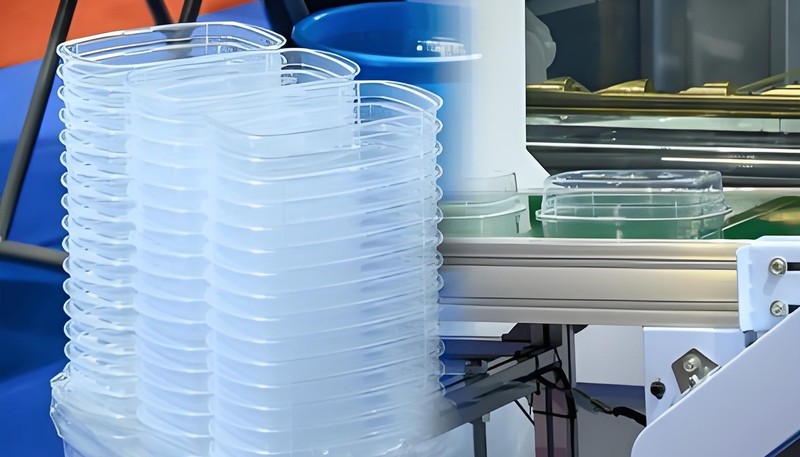
In unserem Werk in Shanghai betreibt ZetarMold 47 Spritzgießmaschinen von 90T bis 1850T und verfügt über Erfahrung mit 400+ Kunststoffmaterialien. Diese Bandbreite ist wichtig, weil Blasen in einer kleinen ABS-Abdeckung, einem großen PP-Gehäuse und einem Gehäuse aus glasfaserverstärktem Nylon unterschiedliche Ursachen haben können, selbst wenn der Fehler ähnlich aussieht.
"Die Position einer Blase liefert den schnellsten Hinweis auf ihre Ursache."True
Eine Blase am Fließwegende weist auf eingeschlossene Luft oder unzureichende Entlüftung hin; eine Blase in einem dickwandigen Bereich deutet dagegen auf Schwindung, unzureichenden Nachdruck oder eine unausgewogene Kühlung hin.
"Alle Blasen lassen sich durch Erhöhen des Einspritzdrucks beseitigen."False
Ein höherer Druck kann manche packungsbedingten Hohlräume verringern, aber Gratbildung, Spannungen, Brandstellen, Schererwärmung und Überpackung verschlimmern, wenn Feuchtigkeit oder eingeschlossene Luft die eigentliche Ursache sind.
Wie unterscheiden Sie eingeschlossene Luft von Feuchtigkeit oder Vakuumhohlräumen?
Lufteinschlüsse treten ortsstabil auf, Feuchtigkeit oft zufällig und Vakuumhohlräume meist verborgen in dicken Geometrien. Unterscheiden Sie sie anhand von Lage, Zeitpunkt, Schnittprüfung, Trocknungsaufzeichnungen und Prozessreaktion.
Beginnen Sie mit einer einfachen Schnittprüfung. Schneiden Sie das Teil durch den Fehler auf und untersuchen Sie die Wand. Liegt der Hohlraum mittig in einem dicken Bereich, behandeln Sie ihn zunächst als Schwindungs- oder Nachdruckproblem. Öffnet sich die Blase zur Oberfläche oder liegt sie nahe dem Fließwegende, prüfen Sie Entlüftungen, Bindenähte und Fließstockungen. Verändert sich der Fehler nach sachgerechter Trocknung, war Feuchtigkeit wahrscheinlich mitursächlich.
Ein Trocknungsprotokoll ist keine bloße Formalität. Hygroskopische Materialien wie Nylon, PC, ABS, PBT und TPU können beim Formen Dampf freisetzen, wenn der Feuchtegehalt zu hoch ist. Auch nicht hygroskopische Materialien können Oberflächenfeuchtigkeit aufweisen, wenn sie kalt gelagert oder feuchter Luft ausgesetzt werden. Wir empfehlen, bei jeder Untersuchung von Blasenbildung Trocknungstemperatur, Trocknungszeit, Taupunkt, Verweilzeit im Trichter und Harzcharge zu dokumentieren.
Ignorieren Sie Geruch oder Verfärbungen nicht. Riecht das Material verbrannt, vergilbt es oder weist es schwarze Punkte auf, kann die Blase durch Zersetzung statt durch normale Luft entstehen. Eine zu hohe Zylindertemperatur, lange Verweilzeit, hohe Schneckendrehzahl, Totzonen im Zylinder oder verunreinigtes Mahlgut können Gas erzeugen, bevor der Kunststoff die Kavität erreicht.
| Fehlerbild | Wahrscheinliche Ursache | Erste Prüfung |
|---|---|---|
| Blase am Fließwegende | Lufteinschluss | Entlüftungstiefe und Fließweg |
| Sporadische Silberschlieren | Feuchtigkeit oder flüchtige Bestandteile | Trocknungsprotokoll und Harzlagerung |
| Innerer Hohlkern | Vakuumhohlraum | Wanddicke und Nachdruck |
| Verbrannte Blase | Gaskompression | Entlüftung und Einspritzgeschwindigkeit |
Legen Sie nach der ersten Klassifizierung eine Mustertafel an. Befestigen Sie für jede Versuchseinstellung ein Teil und notieren Sie daneben Harzcharge, Trocknungsprotokoll, Schmelztemperatur, Einspritzgeschwindigkeitsprofil, Nachdruck und Kavitätsnummer. Diese einfache Gewohnheit verhindert Diskussionen aus der Erinnerung heraus. Sie zeigt außerdem, ob eine Korrektur reproduzierbar ist oder ein einzelner glücklicher Schuss irrtümlich für einen stabilen Serienprozess gehalten wird. Bewahren Sie Fotos, Schliffproben und Einstellungen für den späteren Teamvergleich sicher zusammen auf.
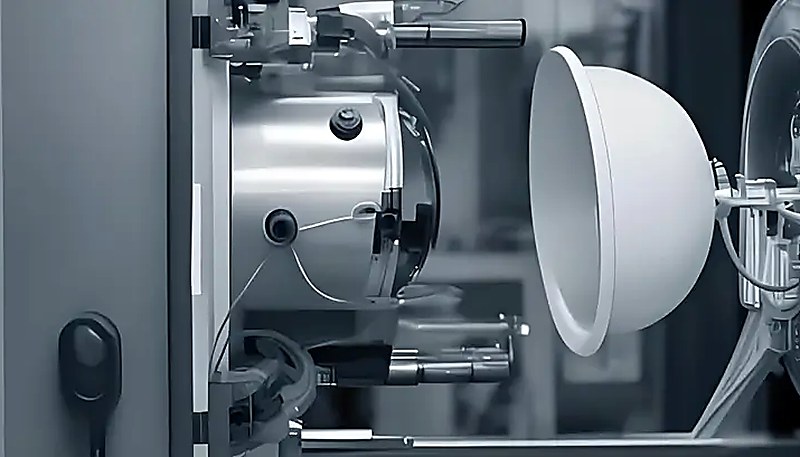
Wie sollten die Prozesseinstellungen angepasst werden, um Blasen zu beseitigen?
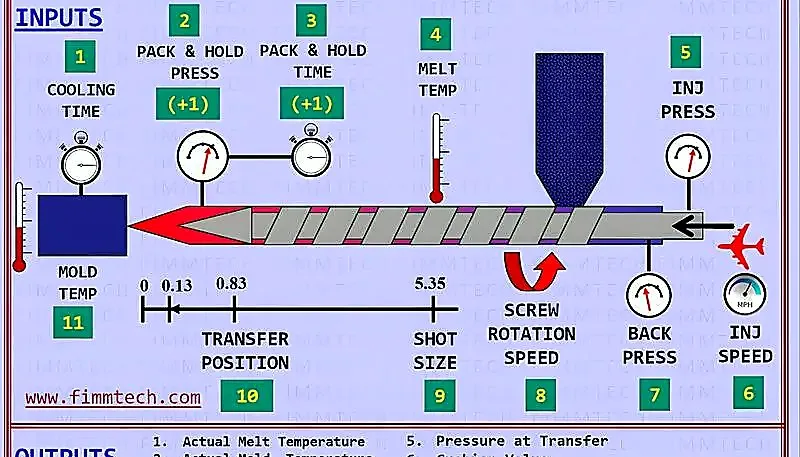
Prozesseinstellungen sollten erst angepasst werden, nachdem Materialtrocknung und Fehlerart bestätigt wurden. Bei eingeschlossener Luft ist eine überhöhte Einspritzgeschwindigkeit gegen Ende der Füllung zu reduzieren oder ein gestuftes Einspritzprofil zu verwenden. Bei Vakuumhohlräumen sind Nachdruck, Nachdruckzeit, Kontrolle des Anschnitteinfrierens und Kühlgleichgewicht zu verbessern.
Die sichere Reihenfolge lautet: zuerst trocknen, dann das Geschwindigkeitsprofil einstellen, anschließend Nachdruck und Nachdruckzeit, danach die Schmelzetemperatur und zuletzt die Werkzeugtemperatur. Wer alle fünf Parameter gleichzeitig ändert, erhält zwar einen ansprechend aussehenden Versuchsbericht, aber keine brauchbare Ursachenanalyse. Behalten Sie eine Referenzeinstellung bei, ändern Sie jeweils nur eine Variable und kennzeichnen Sie die Muster mit der exakten Schussnummer.
Die Einspritzgeschwindigkeit erfordert besondere Aufmerksamkeit. Eine schnelle Füllung kann ein vorzeitiges Erstarren verhindern, verdichtet eingeschlossene Luft jedoch stärker. Kann die Luft nicht entweichen, können Brandstellen, Blasen oder Unterfüllungen entstehen. Häufig ist ein zweistufiges Profil besser: schneller im leicht durchströmbaren Bereich und anschließend langsamer nahe dem zuletzt gefüllten Bereich, damit die Entlüftung wirksam arbeiten kann.
Bei einem Vakuumhohlraum helfen Nachdruckeinstellungen. Erhöhen Sie den Nachdruck vorsichtig, verlängern Sie die Nachdruckzeit bis zum Zufrieren des Anschnitts und prüfen Sie die Massepolsterstabilität. Friert der Anschnitt zu früh zu, bringt zusätzliche Nachdruckzeit nichts. Verknüpfen Sie die Korrektur mit der Spritzgießproduktionszeit, da längeres Kühlen und Nachdrücken Kosten und Ausstoß verändern.
„Ein abgestuftes Einspritzgeschwindigkeitsprofil kann Lufteinschlüsse am Füllende reduzieren.“True
Eine Verlangsamung der Schmelzefront nahe dem zuletzt gefüllten Bereich kann die Gaskompression reduzieren und der Entlüftung mehr Zeit geben, verdrängte Luft abzuführen.
"Eine längere Nachdruckzeit beseitigt innere Hohlräume immer."False
Die Nachdruckzeit ist nur wirksam, solange der Anschnitt offen ist. Ist der Anschnitt bereits erstarrt, kann der Druck den schwindenden Werkstoff im Bauteil nicht mehr erreichen.
Das Teilegewicht ist hier ein nützliches Prozesssignal. Wenn ein höherer Nachdruck das Teilegewicht erhöht und die Blase verkleinert, war die Nachdruckwirkung wahrscheinlich unzureichend. Steigt das Teilegewicht nicht weiter, obwohl der Hohlraum bestehen bleibt, ist der Anschnitt möglicherweise bereits eingefroren oder der dicke Bereich zu stark vom Anschnitt isoliert. Diese Unterscheidung ist wichtig, weil es sich im einen Fall um ein Einstellungsproblem handelt, während im anderen Änderungen am Anschnitt oder an der Konstruktion erforderlich sein können. Bewahren Sie die Muster zusammen mit den Teilegewichten auf, damit die nächste Schicht dieselbe Schlussfolgerung nachvollziehen kann, ohne später mit unzureichender Sicherheit raten zu müssen.
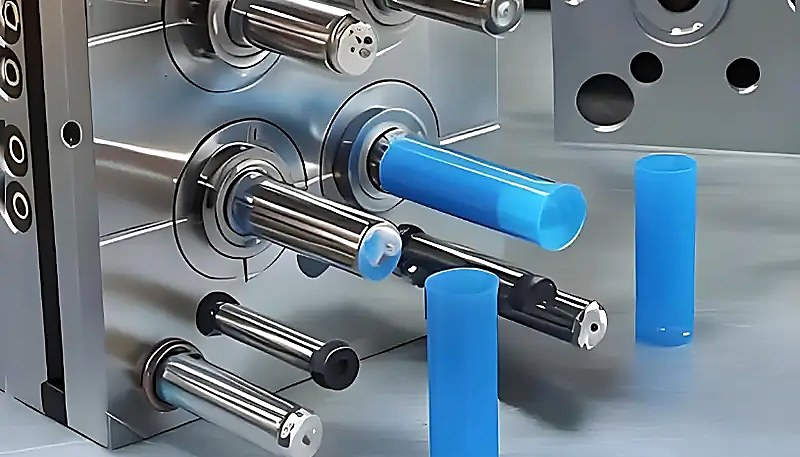
Wann sind Änderungen an Werkzeugentlüftung oder Anschnitt erforderlich?
Eine Werkzeugentlüftung ist erforderlich, wenn die Blase nach Trocknung und Prozessabstimmung wiederholt an derselben Stelle auftritt. Eine konstante Position bedeutet ein konstantes Fließverhalten. Wenn immer dieselbe Ecke, dasselbe Rippenende, derselbe Dom oder dieselbe Bindenaht fehlerhaft ist, zeigt das Werkzeug, wo die Luft eingeschlossen wird.
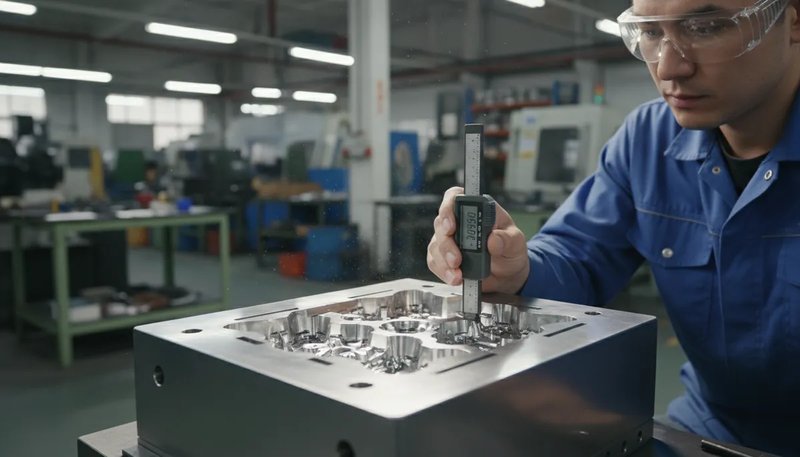
Die Entlüftung sollte am tatsächlichen zuletzt gefüllten Bereich angeordnet werden und nicht nur dort, wo der Konstrukteur ihn während des Werkzeugbaus vermutet hat. Eine Fließsimulation ist hilfreich, doch Untersuchungen mit Teilfüllungen sind in der Fertigung häufig praxisnäher. Füllen Sie das Bauteil zu 80%, 90% und 95% und beobachten Sie anschließend, wo die Fließfront zum Stillstand kommt und wo die Luft keinen Fluchtweg hat.
Auch die Angussposition ist wichtig. Ein Anguss, der die Schmelze um eine hohe Rippe oder in eine Sacktasche führt, kann Luft einschließen, selbst wenn die Entlüftungstiefe korrekt ist. Eine Verlagerung des Angusses, das Hinzufügen eines Überlaufs, eine Änderung der Kanalbalancierung oder eine bessere Entlüftung an der Trennebene kann zuverlässiger sein als der Versuch, Gas durch einen abgedichteten Bereich zu drücken. Für Einkäufer ist dies der Grund, warum eine frühe DFM-Prüfung einer späten Werkzeugreparatur überlegen ist.
Vergleichen Sie Lieferanten für ein optisches oder luftdichtes Projekt, fragen Sie vor der Werkzeugvergabe nach deren Blasendiagnose. Ein guter Beschaffungsleitfaden prüft, ob der Lieferant Entlüftung, Trocknung und Nachdruck erklären kann, statt jede spätere Fehlerbehebung als einfach zu versprechen.
Wie kann die Teilekonstruktion Blasen bereits vor dem Werkzeugbau verhindern?
Eine blasenvermeidende Bauteilkonstruktion erfordert vor allem gleichmäßige Wanddicken, offene Fließwege und eine Geometrie, aus der Luft entweichen kann. Vermeiden Sie dicke Bereiche, Sackräume, ungünstige Rippenübergänge und lange Fließwege, die Gas einschließen. Eine Konstruktion, die im CAD stabil wirkt, kann sich im Stahlwerkzeug nur schwer nachdrücken und entlüften lassen.
Beginnen Sie mit der Wanddicke. Dicke Dome und Rippen erzeugen Schwindungszentren, abrupte Wandübergänge verzögern den Fluss. Nutzen Sie Aushöhlungen, Rippen, Verstärkungen und allmähliche Übergänge statt massiver Blöcke. Ist ein dicker Bereich unvermeidbar, platzieren Sie den Anschnitt so, dass der Nachdruck ihn vor dem Zufrieren erreicht, und prüfen Sie früh die erwartete Formschwindung.
Entformungswinkel und Textur können auch die Blasendiagnose beeinflussen. Eine raue Textur kann kleine oberflächliche Gasspuren verdecken, beseitigt jedoch keine eingeschlossene Luft. Tiefe Rippen können zusätzliche Entlüftungen oder eine Entlüftung im Auswerferbereich erfordern. Dünnwandige Abschnitte benötigen möglicherweise eine höhere Geschwindigkeit, doch eine höhere Geschwindigkeit kann das Gas bei einem unzureichenden Entlüftungsweg stärker verdichten.
Die beste Prüffrage ist einfach: Wohin entweicht die Luft? Kann das vor der Stahlbearbeitung niemand beantworten, sind Verzögerungen bei den Versuchen zu erwarten. Kennzeichnen Sie beim DFM-Review die zuletzt gefüllten Bereiche, Bindenähte, dickwandigen Abschnitte und Sichtflächen. Diese eine Zeichnung verhindert oft tagelanges Rätselraten an der Maschine.
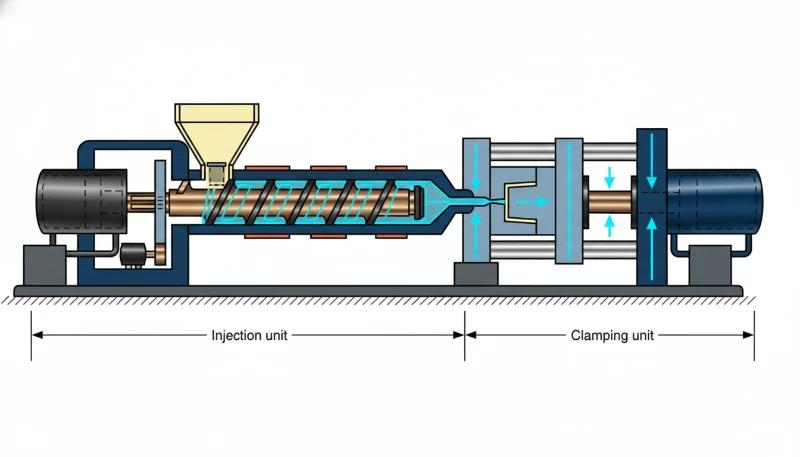
Was ist der schnellste Ablauf zur Fehlerbehebung bei Blasen?
Der schnellste Ablauf zur Fehlerbehebung bei Blasen ergibt sich aus der in diesem Abschnitt erläuterten Funktion, den Randbedingungen und Zielkonflikten. Am schnellsten ist es, zunächst die Blase zu klassifizieren, die Trocknung zu prüfen, eine Kurzschussstudie durchzuführen, eine einzige Prozessvariable anzupassen und erst danach das Werkzeug zu ändern. Diese Reihenfolge verhindert, dass Sie der falschen Ursache nachgehen, und sorgt dafür, dass die Untersuchung auch für die künftige Produktion verwertbar bleibt.
Gehen Sie in dieser Reihenfolge vor: Fehlerstelle prüfen, Bauteil aufschneiden, Material und Trocknung bestätigen, Sauberkeit der Entlüftungen prüfen, Kurzschüsse durchführen, Einspritzgeschwindigkeit abstimmen und Nachdruck prüfen. Entscheiden Sie erst dann, ob Entlüftung oder Anschnitt am Werkzeug geändert werden müssen. Bei laufender Serienfertigung sollte eine Fehlerkarte nach Kavitätsnummer geführt werden, um kavitätsspezifische von systemweiten Problemen zu unterscheiden.
ZetarMold verfügt über 20+ Jahre Erfahrung im Spritzguss und Werkzeugbau. Daher betrachtet unser Team Blasen als Systemproblem und nicht als einzelne Maschineneinstellung. Senden Sie uns Harztyp, Bauteilzeichnung, Wanddicke, Fotos der Blasen und das aktuelle Prozessdatenblatt, wenn Sie vor dem nächsten Versuch eine praxisnahe DFM- und Prozessprüfung wünschen.
Häufig gestellte Fragen
Was ist die häufigste Ursache für Luftblasen in spritzgegossenen Teilen?
Die häufigste Ursache hängt davon ab, wo die Blase auftritt, aber eingeschlossene Luft und Feuchtigkeit sind die ersten beiden Kontrollpunkte. Wenn der Defekt am Ende der Füllung oder in der Nähe einer Schweißnaht liegt, überprüfen Sie die Entlüftung und den Fließweg. Tritt der Defekt zufällig mit silbernen Streifen oder Spritznarben auf, bestätigen Sie die Trocknung und Lagerung des Harzes. Befindet sich die Blase in einer dicken Wand, behandeln Sie sie als Vakuumhohlraum, der durch Schrumpfung oder schwache Packung verursacht wird. Lage, Wiederholbarkeit und Schnittuntersuchung sollten die erste Korrektur leiten.
Kann schlechtes Trocknen Blasen in Kunststoff-Spritzgussteilen verursachen?
Ja, unzureichende Trocknung kann insbesondere bei hygroskopischen Werkstoffen wie Nylon, PC, ABS, PBT und TPU Blasen, Spritzschlieren, Silberstreifen und schwache Oberflächen verursachen. Feuchtigkeit wird zu Dampf, wenn das Harz die Schmelzetemperatur erreicht. Dieses Gas zieht sich anschließend durch den Fließweg oder sammelt sich nahe der Oberfläche. Prüfen Sie stets Trocknungstemperatur, Trocknungsdauer, Taupunkt und Verweilzeit im Trichter, bevor Sie die Form ändern. Wenn die Trocknung den Fehler beseitigt, darf kein Stahl bearbeitet werden. Bewahren Sie die Trocknungsdaten zur Rückverfolgbarkeit zusammen mit dem Produktionsprotokoll auf.
Wie beheben Formentlüftungen Luftblasen?
Formlüftungen beheben Luftblasen, indem sie verdrängter Luft einen kontrollierten Fluchtweg bieten, bevor die Schmelze den Hohlraum verschließt. Lüftungen werden üblicherweise an Trennlinien, letzten Füllzonen, Auswerferbereichen, Einsätzen oder Überlaufnasen platziert. Die Lüftungstiefe muss Gas ablassen, ohne Gratbildung zuzulassen. Wenn die Lüftung verschmutzt, zu flach oder an der falschen Stelle ist, bleibt die Luftfalle bestehen, selbst wenn der Einspritzdruck erhöht wird. Die Lüftungswartung sollte Teil der regelmäßigen Werkzeugpflege sein, insbesondere auch nach langen Produktionsläufen.
Warum bekommen dicke Kunststoffteile innere Hohlräume?
Dicke Kunststoffteile bilden innere Hohlräume, weil die äußere Oberfläche zuerst erstarrt, während sich das Zentrum beim Abkühlen weiter zusammenzieht. Wenn der Nachdruck nicht genug Schmelze in den schrumpfenden Bereich nachführen kann, zieht sich das Zentrum zurück und bildet einen Hohlraum. Dies ist nicht immer eine echte Luftblase. Bessere Wandgestaltung, größere oder besser platzierte Angüsse, längerer Nachdruck und verbessertes Kühlgleichgewicht sind typische Lösungen. Oft ist es notwendig, das Teil aufzuschneiden, um zunächst den tatsächlichen Fehlertyp eindeutig zu bestätigen.
Sollte ich den Injektionsdruck erhöhen, um Blasen zu entfernen?
Erhöhen Sie den Einspritzdruck erst, nachdem Sie den Blasentyp kennen. Ein höherer Druck kann helfen, einen Packungsfehler zu beheben, wenn das Anguss noch offen ist, aber er wird nasses Harz nicht trocknen oder einen fehlenden Entlüftungsweg schaffen. Zu hoher Druck kann zu Gratbildung, Spannungen, Überfüllung und schwierigem Auswerfen führen. Ein kontrollierter Versuch sollte den Druck zusammen mit der Nachdruckzeit, dem Angussgefrieren und den Teilgewichtsdaten anpassen. Verwenden Sie Druck niemals als erste blinde Lösung, da er die Beweise während der Versuche schnell verbergen kann.
Wann sollte der Spritzguss für Blasen modifiziert werden?
Ändern Sie das Werkzeug, wenn Blasen nach Trocknung, Reinigung der Entlüftungen und angemessenen Prozessanpassungen wiederholt an derselben Stelle auftreten. Eine feste Fehlerposition weist meist auf einen falschen Luftweg, eine ungeeignete Anschnittposition oder Wanddicke beziehungsweise eine falsch platzierte Entlüftung hin. Führen Sie vor der Stahlbearbeitung Unterfüllungsversuche durch, markieren Sie die zuletzt gefüllten Bereiche und bestätigen Sie den Fehler anhand der Kavitätsnummer. Werkzeugänderungen müssen auf Nachweisen beruhen, nicht auf Frustration. Die günstigste Stahländerung ist datengestützt, wird zuerst an Versuchsmustern verifiziert und erst danach freigegeben.
Entlüftung: Die Entlüftung ist eine Formkonstruktionsmethode, durch die verdrängte Luft und flüchtige Stoffe beim Füllen aus der Kavität entweichen. ↩
Vakuumhohlraum: Ein Vakuumhohlraum ist ein innerer Hohlraum, der nach dem Erstarren der Oberfläche durch ungleichmäßige Schwindung oder unzureichenden Nachdruck entsteht. ↩
Lufteinschluss: Ein Lufteinschluss ist eine eingeschlossene Gastasche, die nicht aus der Formkavität entweichen kann, bevor die Kunststoffschmelze sie abdichtet. ↩