...

射出成形部品の気泡:原因、診断、対策

• ZetarMold Engineering Guide
• Plastic Injection Mold Manufacturing Since 2005
• Built by ZetarMold engineers for buyers comparing mold and molding solutions.

最初の分類後、サンプルボードを保管してください。各試行設定から一部を取り出し、ボードに置き、その横に樹脂ロット、乾燥記録、溶融温度、射出速度プロファイル、保圧、キャビティ番号を記入します。この単純な習慣により、チームが記憶に頼って議論することを防ぎます。また、修正が再現可能か、あるいは今日の通常生産において安定したプロセスと誤解されている幸運な一発が再び起こっているかどうかを示します。写真、カットサンプル、設定を一緒に保管し、チームレビュー時の後日の比較のために安全に保管してください。 venting1, or an internal vacuum void2 caused by shrinkage. If you treat every bubble by simply raising pressure, you may hide one symptom and create three new ones.

This guide gives you a factory-style diagnosis path for 射出成形 bubbles. The goal is to identify the bubble type first, then adjust material drying, machine settings, gate location, mold venting, or part design in the right order. That saves trial time and keeps the 射出成形金型 from being blamed too early.

要点
  • Identify bubble type before changing pressure.
  • Moisture, trapped air, and voids need different fixes.
  • Venting and gate location often decide success.
  • Drying records matter more than operator memory.
  • Design changes beat heroic process tuning.

What causes air bubbles in injection molded parts?

Air bubbles are caused by trapped gas, material moisture, melt degradation, poor packing, or geometry that blocks gas escape. The first job is to decide whether the bubble is near the surface, inside a thick wall, at the end of flow, around a rib, or close to the gate.

A true air trap3 usually appears where two melt fronts meet or where the last area of the cavity fills. The plastic seals the gas before the vent can release it. You may see a bubble, burn mark, short shot, or shiny weak spot. If the defect location follows the flow path every cycle, suspect air movement and venting before blaming the resin.

A vacuum void behaves differently. It often forms inside a thick boss, rib base, or heavy wall where the outside freezes first and the center keeps shrinking. The surface may look acceptable, but cutting the part reveals a hollow space. In our experience, vacuum voids are common when buyers request thick walls for strength, then ask why the part has internal bubbles.

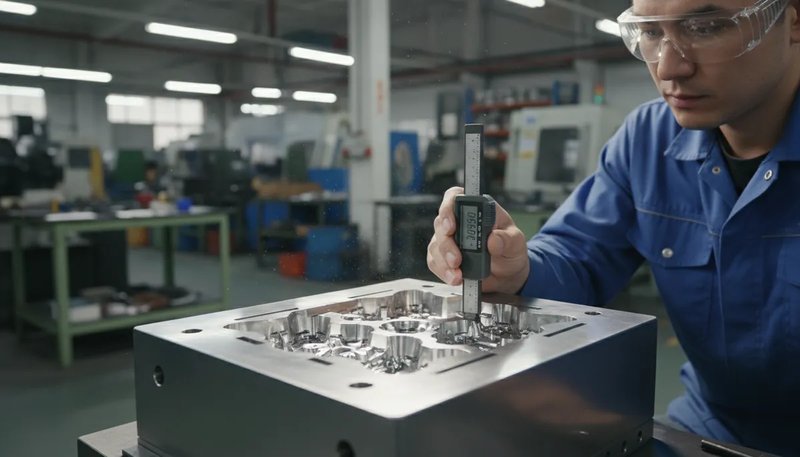
thin-wall-molded-plastic-part
Bubble diagnosis area
🏭 ZetarMold Factory Insight
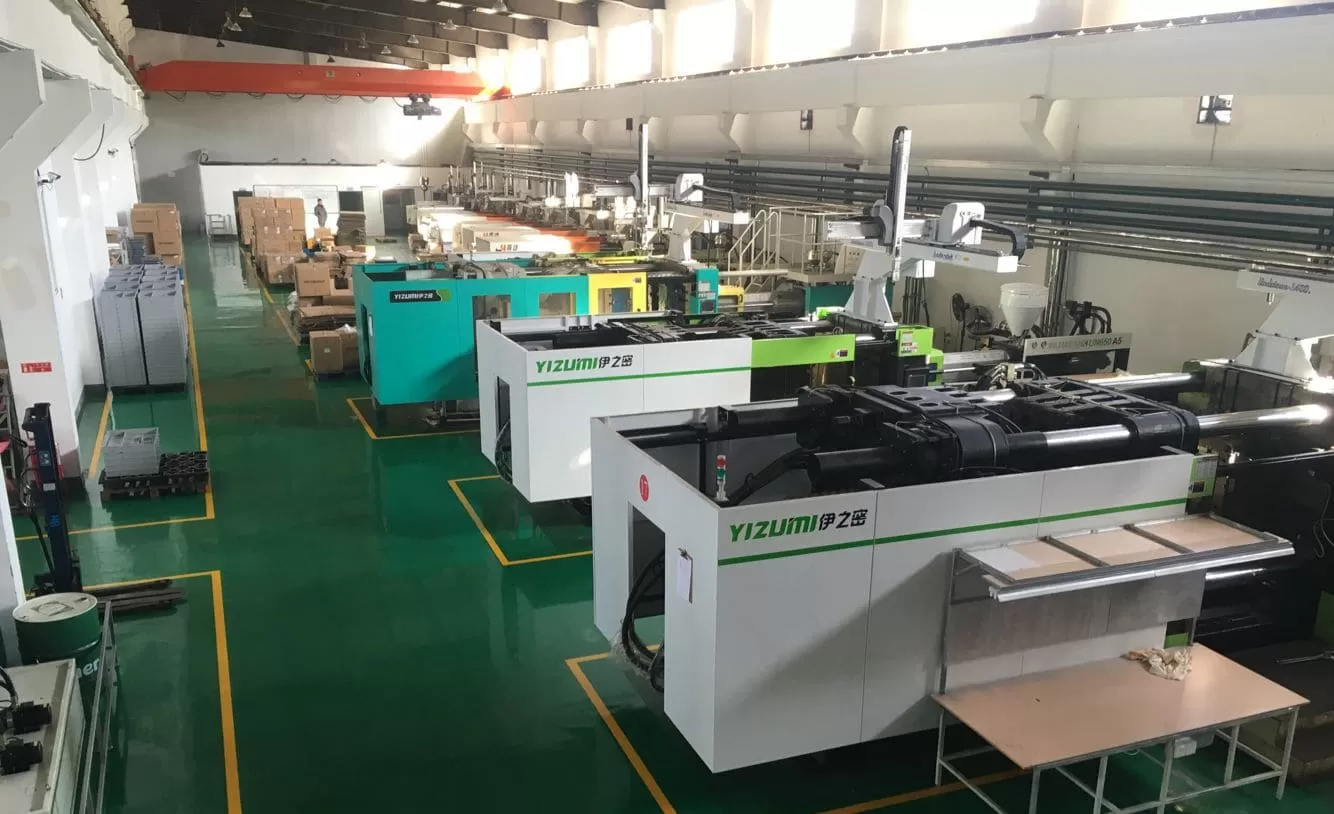
In our factory in Shanghai, ZetarMold runs 47 injection molding machines from 90T to 1850T and has experience with 400+ plastic materials. That range matters because bubbles in a small ABS cover, a large PP shell, and a glass-filled nylon housing can have different root causes even when the defect looks similar.

“Bubble location is the fastest clue for root cause.”

A bubble at the end of fill points toward trapped air or poor venting, while a bubble inside a thick section points toward shrinkage, packing, or cooling imbalance.

“All bubbles can be fixed by increasing injection pressure.”

Higher pressure can help some packing voids, but it can worsen flash, stress, burn marks, shear heating, and overpacking if the root cause is moisture or trapped air.

How do you tell trapped air from moisture or vacuum voids?

Trapped air is location-stable, moisture is often random, and vacuum voids are usually hidden inside thick geometry. Use location, timing, cut inspection, drying records, and process response to separate them.

Start with a simple cut test. Slice the part through the defect and inspect the wall. If the hollow space is central inside a thick area, treat it as shrinkage or packing first. If the bubble opens to the surface or sits near the end of fill, inspect vents, weld lines, and flow hesitation. If the defect changes after proper drying, moisture was probably part of the problem.

A drying log is not paperwork decoration. Hygroscopic materials such as nylon, PC, ABS, PBT, and TPU can release steam during molding when moisture is too high. Non-hygroscopic materials can still carry surface moisture if stored cold or exposed to humid air. We recommend recording drying temperature, drying time, dew point, hopper exposure time, and resin lot for every bubble investigation.

Do not ignore smell or discoloration. If the material smells burnt, turns yellow, or shows black specks, the bubble may come from degradation rather than normal air. Excessive barrel temperature, long residence time, high screw speed, dead zones in the barrel, or contaminated regrind can all generate gas before the plastic reaches the cavity.

Bubble diagnosis guide
オペレーターは、機械のノズル付近では耐熱手袋と保護眼鏡を着用する必要があります。ほとんどのエンジニアリングプラスチックでは、溶融温度が摂氏250度を超えます。最新の機械にはインターロック式安全ゲートが装備されており、開くとクランプ機構が停止します。PVCやアセタールなどの材料を加工する際には、加工温度で有害な蒸気が発生するため、適切な換気が不可欠です。油圧システムの定期的な点検により、生産現場での滑り事故や火災リスクを引き起こす漏れを防止します。ZetarMoldでは、すべてのオペレーターが生産を開始する前に認定安全トレーニングプログラムを修了し、各機械は四半期ごとに安全インターロック検証を受け、非常停止システムが正しく機能することを確認しています。 Likely cause First check
End-of-fill bubble Air trap Vent depth and flow path
Random splay marks Moisture or volatiles Drying log and resin storage
Internal hollow core Vacuum void Wall thickness and packing
Burned bubble Gas compression Venting and injection speed

After the first classification, keep a sample board. Put one part from each trial setting on the board and write the resin lot, drying record, melt temperature, injection speed profile, holding pressure, and cavity number next to it. That simple habit stops the team from arguing by memory. It also shows whether a fix is repeatable or whether one lucky shot is being mistaken for a stable process in normal production today again. Keep photos, cut samples, and settings together for later comparison during team review safely.

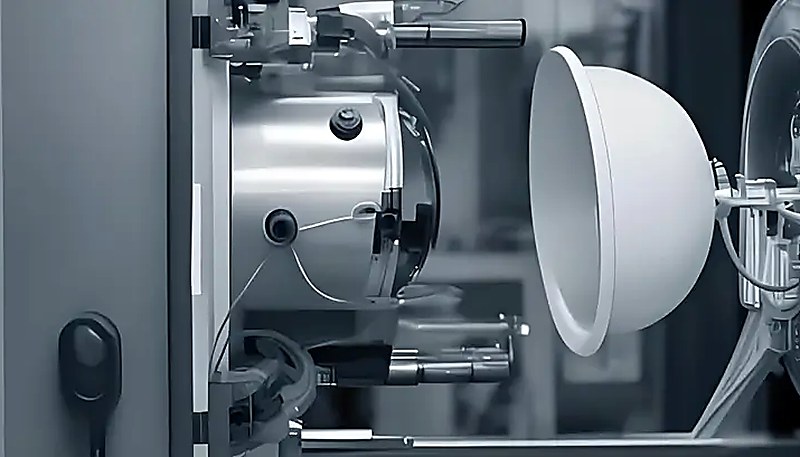
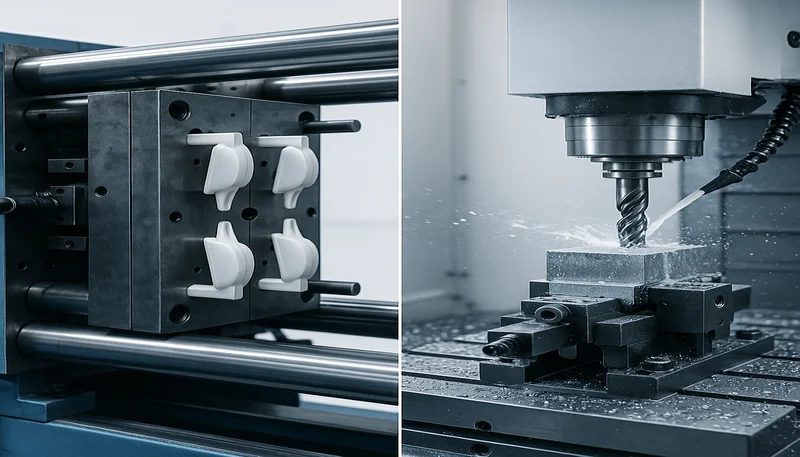
Injection mold and injection molded product
射出成形部品の気泡:原因と対策

How should process settings be adjusted to remove bubbles?

Process settings should be adjusted only after material drying and defect type are confirmed. For trapped air, reduce excessive injection speed near the end of fill or use staged injection. For vacuum voids, improve packing pressure, holding time, gate freeze control, and cooling balance.

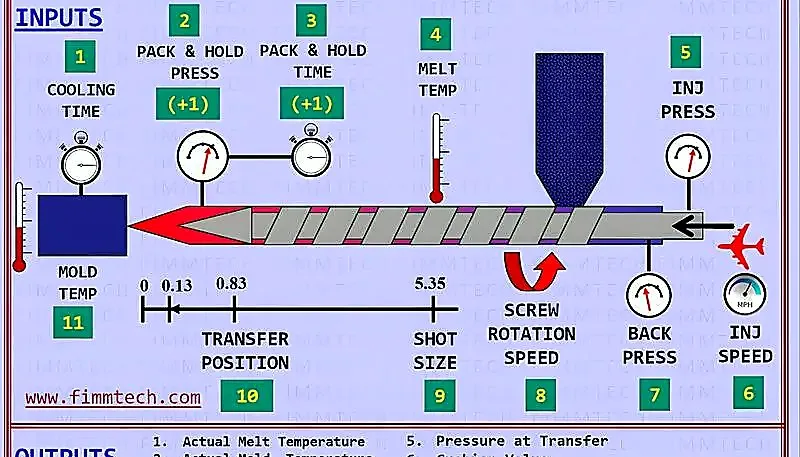
The safe sequence is drying first, then speed profile, then pack and hold, then melt temperature, then mold temperature. Changing all five at once creates a nice looking trial report and a useless root-cause record. Keep one reference setting, adjust one variable, and mark samples with the exact shot number.

Injection speed deserves special care. Fast fill can help prevent premature freezing, but it also compresses trapped air harder. If the air cannot escape, the result may be a burn mark, bubble, or short shot. A two-stage profile often works better: faster through the easy flow region, then slower near the last fill area so the vent has time to work.

Packing settings help when the defect is a vacuum void. Increase holding pressure carefully, extend holding time until the gate freezes, and confirm cushion stability. If the gate freezes too early, extra hold time does nothing. Link the correction to 射出成形の生産時間, because longer cooling and holding can change both cost and output.

“A staged injection speed profile can reduce end-of-fill air traps.”

Slowing the melt front near the last fill area can reduce gas compression and gives venting more time to release displaced air.

“More hold time always removes internal voids.”

Hold time only works while the gate is open. If the gate has already frozen, pressure cannot reach the shrinking material inside the part.

Part weight is a useful process signal here. If higher holding pressure increases part weight and reduces the bubble, packing was probably weak. If part weight stops increasing but the void remains, the gate may already be frozen or the thick section may be too isolated from the gate. That distinction matters because one case is a setting problem and the other may require gate or design changes. Keep the samples and part weights together so the next shift can repeat the same conclusion without guessing later safely enough.

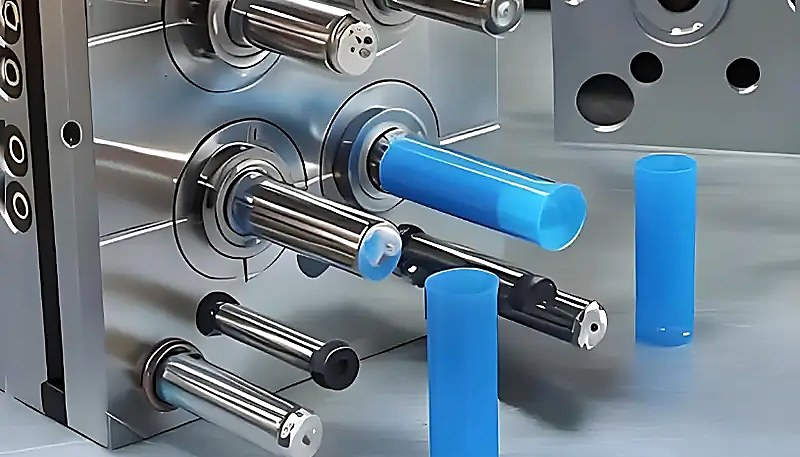
Injection mold and injection molded product
Packing window check

When does the mold need venting or gate changes?

Mold venting is needed when the bubble repeats in the same location after drying and process tuning. Stable location means stable flow behavior. If the same corner, rib end, boss, or weld line fails every time, the mold is telling you where the air is trapped.

Venting should be placed at the real last-fill area, not only where the designer guessed during tool build. Flow simulation helps, but short-shot studies are often more practical on the shop floor. Fill the part at 80%, 90%, and 95%, then watch where the melt front stops and where air has no escape path.

Gate location also matters. A gate that pushes flow around a tall rib or into a blind pocket can trap air even if the vent depth is correct. Moving the gate, adding an overflow tab, changing runner balance, or improving parting-line venting may be more reliable than trying to force gas through a sealed section. For buyers, this is why early DFM review beats late tool repair.

If you are comparing suppliers for a cosmetic or airtight project, ask how they diagnose bubbles before awarding the tool. A good sourcing guide should check whether the supplier can explain venting, drying, and packing instead of promising that every defect is easy to fix later.

How can part design prevent bubbles before tooling?

Bubble-safe part design is mainly about uniform walls, open flow paths, and geometry that lets air escape. Avoid thick sections, blind pockets, poor rib transitions, and long flow paths that trap gas. A design that looks strong in CAD can be difficult to pack and vent in steel.

Start with wall thickness. Thick bosses and ribs create shrinkage centers, while sudden wall transitions create flow hesitation. Use coring, ribs, gussets, and gradual transitions instead of solid blocks. If a thick area is unavoidable, place the gate so packing pressure can reach it before gate freeze and review expected 成形収縮率 early.

Draft and texture can also affect bubble diagnosis. A rough texture may hide small surface gas marks, but it will not fix trapped air. Deep ribs can need extra vents or ejector-area venting. Thin-wall sections may need higher speed, but higher speed can compress gas harder if the vent path is weak.

The best review question is simple: where will the air go? If nobody can answer that before steel cutting, expect trial delays. Mark last-fill zones, weld lines, thick sections, and cosmetic surfaces on the DFM review. That one drawing often prevents days of machine-side guessing.

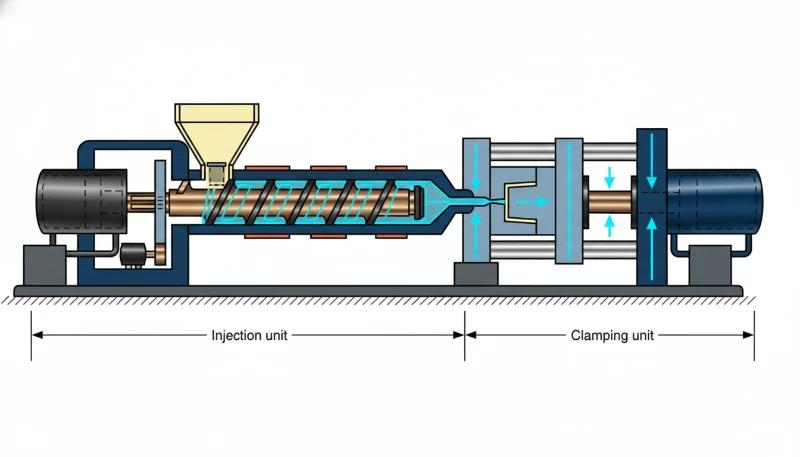
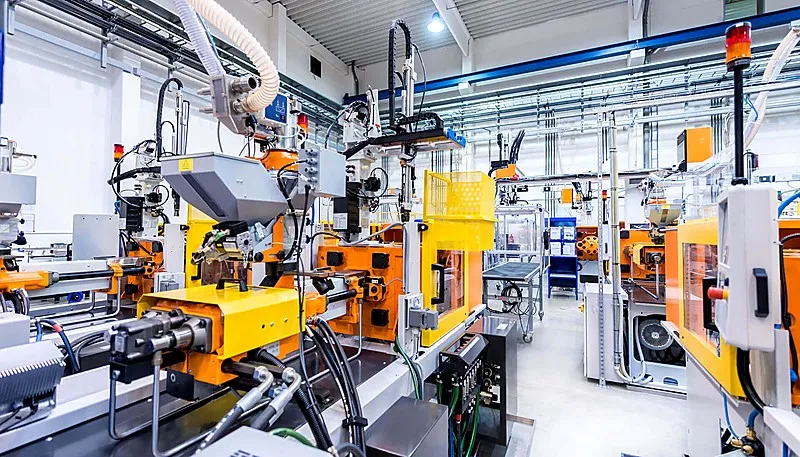
Diagram of a plastic injection molding machine
Process control path

What is the fastest troubleshooting workflow for bubbles?

The fastest troubleshooting workflow for bubbles is defined by the function, constraints, and tradeoffs explained in this section. The fastest troubleshooting workflow is to classify the bubble, verify drying, run a short-shot study, adjust one process variable, and only then modify the mold. This order protects you from chasing the wrong cause and keeps the investigation useful for future production.

Use this sequence: inspect location, cut the part, confirm resin and drying, check vent cleanliness, run short shots, tune injection speed, verify packing, then decide whether the tool needs vent or gate changes. If the product is already in mass production, keep a defect map by cavity number so you can see whether the issue is cavity-specific or system-wide.

ZetarMold has 20+ years of molding and tooling experience, so our team treats bubbles as a system issue, not a single knob on the machine. Send the resin grade, part drawing, wall thickness, bubble photos, and current process sheet if you want a practical DFM and process review before the next trial.

よくある質問

射出成形部品における気泡の最も一般的な原因は何ですか?

最も一般的な原因は、気泡が発生する場所によって異なりますが、閉じ込められた空気と湿気が最初に確認すべき二つの要因です。欠陥が充填の終端部または溶着線付近にある場合は、排気と流動経路を点検してください。欠陥が銀色の筋やスプレーを伴ってランダムに現れる場合は、樹脂の乾燥と保管状態を確認します。気泡が厚肉部の内部にある場合は、収縮または弱いパッキングによって引き起こされる真空ボイドとして扱います。位置、再現性、および切断検査が最初の修正の指針となるべきです。

不良な乾燥はプラスチック成形部品に気泡を引き起こす可能性がありますか?

Yes, poor drying can create bubbles, splay marks, silver streaks, and weak surfaces, especially in hygroscopic materials such as nylon, PC, ABS, PBT, and TPU. Moisture becomes steam when the resin reaches melt temperature. That gas then stretches through the flow path or collects near the surface. Always confirm drying temperature, drying time, dew point, and hopper exposure before changing the mold. If drying fixes the defect, do not cut steel. Keep drying data with the production record for traceability.

型の通気口はどうやって気泡を修正するのですか?

金型のベントは、溶融材がキャビティを封鎖する前に、押し出された空気に制御された逃げ道を与えることで気泡を修正します。ベントは通常、パーティングライン、最終充填エリア、エジェクター部分、インサート、またはオーバーフロータブに設置されます。ベントの深さは、フラッシュを発生させずにガスを逃がすように設定する必要があります。ベントが汚れていたり、浅すぎたり、誤った場所にある場合、射出圧力を上げてもエアトラップは解消されません。ベントのメンテナンスは、特に長期の生産運転後も、定期的な金型管理の一部として行うべきです。

なぜ厚いプラスチック部品には内部ボイドが発生するのですか?

厚いプラスチック部品は、外側の表面が最初に凍結し、中心部が冷却されるにつれて収縮し続けるため、内部にボイドが生じます。パッキング圧力が収縮領域にさらに溶融材を供給できない場合、中心部が引き離され、中空空間が形成されます。これは必ずしも真の気泡とは限りません。より良い壁の設計、より大きいまたはより適切な位置にあるゲート、より長い保圧時間、および改善された冷却バランスが一般的な修正方法です。実際の欠陥の種類を明確に確認するためには、部品を切り開くことがしばしば必要です。

気泡を除去するために注入圧力を上げるべきですか?

気泡のタイプを把握した後にのみ射出圧力を上げてください。ゲートがまだ開いている場合、高い圧力はパッキングボイドの改善に役立ちますが、湿った樹脂を乾燥させたり、不足しているベント経路を作成したりすることはできません。圧力が高すぎるとフラッシュ、応力、過充填、および取り出し困難を引き起こす可能性があります。制御された試験では、圧力を保持時間、ゲートフリーズ、および製品重量データとともに調整する必要があります。圧力は最初の盲目的な修正として使用しないでください。試験中に証拠を素早く隠してしまう可能性があるためです。

バブルが発生した場合、いつ射出成形金型を修正すべきですか?

Modify the mold when bubbles repeat in the same location after drying, vent cleaning, and reasonable process adjustments. A fixed defect location usually means the air path, gate location, wall thickness, or vent position is wrong. Before cutting steel, run short shots, mark last-fill areas, and confirm the defect by cavity number. Tool modification should be based on evidence, not frustration. The cheapest steel change is the one supported by data and verified on trial samples first before approval later.


  1. venting: Venting is a mold design method that lets displaced air and volatiles escape from the cavity during filling.

  2. vacuum void: A vacuum void is an internal hollow space caused by uneven shrinkage or insufficient packing after the surface freezes.

  3. air trap: An air trap is a pocket of trapped gas that cannot escape from the mold cavity before the plastic melt seals it.

最新の投稿
フェイスブック
ツイッター
LinkedIn
ピンタレスト
Mike Tangの写真
マイク・タン

Hi, I'm the author of this post, and I have been in this field for more than 20 years. and I have been responsible for handling on-site production issues, product design optimization, mold design and project preliminary price evaluation. If you want to custom plastic mold and plastic molding related products, feel free to ask me any questions.

私とつながる

クイック見積もり

図面および詳細要件を下記までお送りください。 

Emial:[email protected]

または下記のお問い合わせフォームにご記入ください:

クイック見積もり

図面および詳細要件を下記までお送りください。 

Emial:[email protected]

または下記のお問い合わせフォームにご記入ください:

クイック見積もり

図面および詳細要件を下記までお送りください。 

Emial:[email protected]

または下記のお問い合わせフォームにご記入ください:

クイック見積もり

図面および詳細要件を下記までお送りください。 

Emial:[email protected]

または下記のお問い合わせフォームにご記入ください:

クイック見積もり

図面および詳細要件を下記までお送りください。 

Emial:[email protected]

または下記のお問い合わせフォームにご記入ください:

ブランドのクイック見積もり

図面および詳細要件を下記までお送りください。 

Emial:[email protected]

または下記のお問い合わせフォームにご記入ください:

Спроситебыструюцитату。

Мы свяжемся с вами в течение одного рабочего дня, обратите внимание на письмо с суффиксом "[email protected]".

クイック見積もり

図面および詳細要件を下記までお送りください。 

Emial:[email protected]

または下記のお問い合わせフォームにご記入ください:

クイック見積もり

図面および詳細要件を下記までお送りください。 

Emial:[email protected]

または下記のお問い合わせフォームにご記入ください: