Spritzgusswerkzeuge sind das Rückgrat der modernen Kunststofffertigung. Ob Sie einen einfachen Flaschenverschluss oder ein komplexes Automobilgehäuse spritzen, das Werkzeug selbst ist eine Präzisionsbaugruppe aus Dutzenden – manchmal Hunderten – von Einzelkomponenten, die jeweils einen bestimmten Zweck erfüllen.
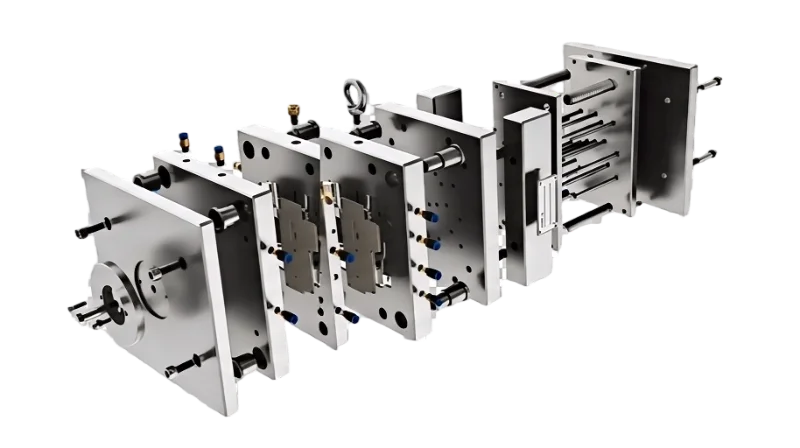
Eine Spritzgussform umfasst typischerweise den Formengrundkörper, Kavitäten- und Kerneinsätze, ein Angusssystem (Anguss, Läufer, Anschnitte), Kühlkanäle, Auswerferstifte und -platten, Führungsstifte und -buchsen, Entlüftungsnuten, Stützsäulen sowie verschiedene Hilfskomponenten wie Federn, Dichtungen und Schieber – alles konstruiert, um Kunststoffteile mit wiederholbarer Präzision zu formen, zu kühlen und auszuwerfen.
Diese Anleitung zerlegt jede wichtige Komponentengruppe, erklärt die Funktion jedes Teils und teilt praktische Einblicke aus zwei Jahrzehnten Bau und Betrieb von Spritzgießformen in unserem Shanghai Werk. Wenn Sie eine neue Form entwerfen oder eine bestehende analysieren, ist das Verständnis dieser Komponenten der Startpunkt für gute Entscheidungen.
- Eine Spritzgießform hat 8+ Komponentengruppen: Kavität/Kern, Anguss, Kühlung, Ausstoß, Führung, Entlüftung, Unterstützung und Hilfsysteme
- Kavität und Kern definieren die Bauteilform – ihr Material und ihre Oberfläche beeinflussen direkt die Bauteilqualität
- Das Angussdesign (heiß vs. kalt) beeinflusst Materialverschwendung, Zykluszeit und Produktionskosten
- Kühlkanäle steuern Zykluszeit und Bauteilverzug – konforme Kühlung kann Zyklen um 20–40% reduzieren
- Ausstoßstifttyp, Anzahl und Platzierung bestimmen, ob Teile sauber oder mit Beschädigung freigesetzt werden
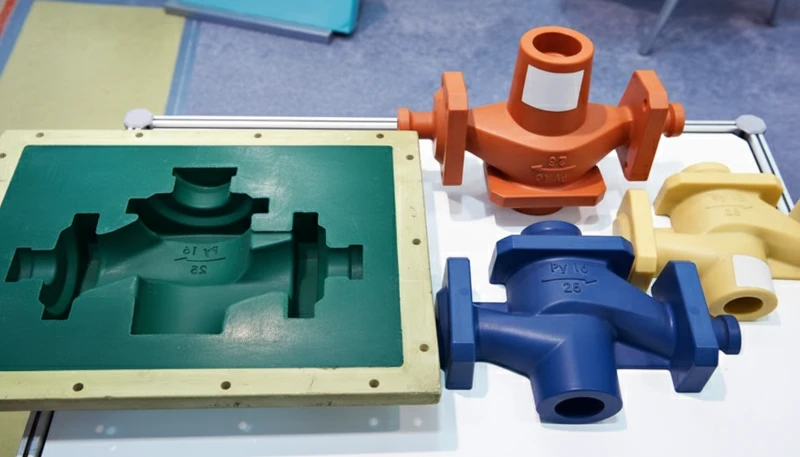
Was sind die Kernkomponenten eines Spritzgusswerkzeugs?
Jede Spritzgussform besitzt unabhängig von ihrer Komplexität dieselben Kernkomponenten, die gemeinsam Kunststoffteile formen, kühlen und auswerfen. Das Verständnis dieser Bausteine ist für alle wichtig, die an der Formkonstruktion, der Auswahl eines Spritzgießlieferanten oder der Produktion beteiligt sind.
Grundsätzlich besteht eine Spritzgussform aus zwei Hälften — der festen und der beweglichen Hälfte —, die auf den jeweiligen Aufspannplatten der Maschine für das Spritzgießen montiert sind. Beim Schließen bilden sie einen abgedichteten Hohlraum, der die Form des fertigen Bauteils bestimmt. Die feste Hälfte enthält üblicherweise die Kavität, die bewegliche Hälfte den Kern.
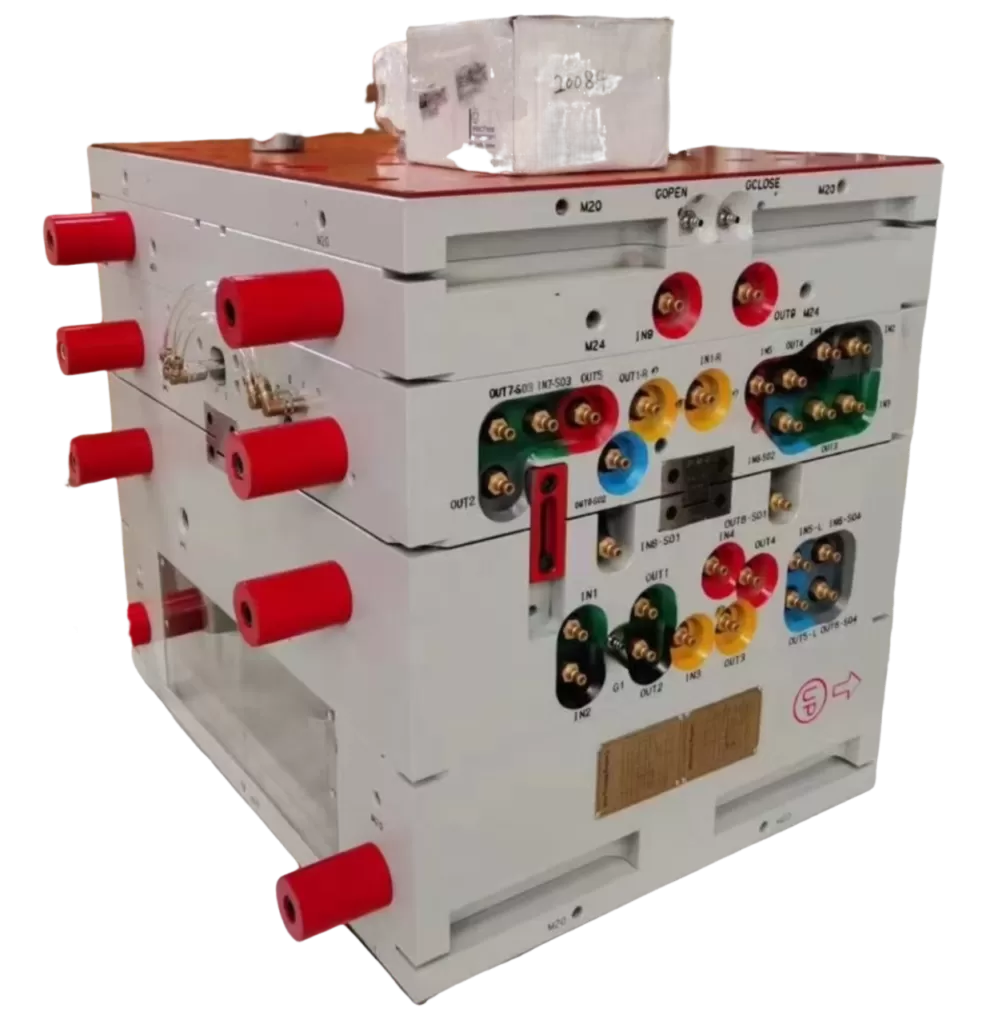
Das Formgestell bildet die strukturelle Grundlage. Es hält alle Einsätze, Platten und Teilsysteme präzise ausgerichtet. Formgestelle bestehen meist aus mittelgekohltem Stahl wie P20 oder S50C und müssen Tausenden Tonnen Schließkraft ohne Durchbiegung standhalten. Diese Komponenten beeinflussen unmittelbar die Schritte des Spritzgießens und die gesamte Spritzgieß-Produktionszeit, da Füllen, Kühlen, Auswerfen und Prüfen vom Werkzeugaufbau abhängen.
"Ein Spritzgießwerkzeug umfasst mehrere Teilsysteme, die präzise aufeinander abgestimmt arbeiten müssen."True
Die Kavität, der Anguss, die Kühlung, das Auswerfen, die Führung, die Entlüftung und die Stützsysteme müssen alle innerhalb enger Toleranzen – typischerweise ±0,005 mm – zusammenarbeiten, damit das Werkzeug konsistent akzeptable Teile produziert.
"Alle Spritzgießformen verwenden unabhängig von der Teilekomplexität denselben Komponentensatz."False
Die Komponentenauswahl variiert stark: Ein einfaches Einfachkavitätswerkzeug kann grundlegende Führungsstifte und geradlinige Auswerfer verwenden, während ein komplexes Mehrfachkavitätswerkzeug Lifter, Schieber, Heißkanäle und sequentielle Ventiltore erfordert.
- Kavitäts- und Kerneinsätze — formgebende Oberflächen, welche die Bauteilgeometrie bestimmen
- Angusssystem — Kanäle, die Kunststoffschmelze von der Maschinendüse zur Kavität führen
- Kühlsystem — Wasser- oder Ölkanäle, die dem Formteil Wärme entziehen
- Auswerfersystem — Stifte, Hülsen und Platten, die das Bauteil nach dem Abkühlen ausstoßen
- Führungssystem — Führungssäulen und -buchsen, die beide Formhälften exakt ausrichten
- Entlüftungssystem — flache Nuten, durch die eingeschlossene Luft und Gase entweichen
- Stützsystem — Stützsäulen, Distanzblöcke und Rückholstifte zur Erhaltung der strukturellen Steifigkeit
In der Praxis könnte eine Produktionsklasse-Form für ein mittelkomplexes Teil 50 bis 200 einzelne Komponenten enthalten. Eine Mehrkavitäten-Form für etwas wie eine medizinische Spritzenhülse könnte über 500 präzisionsbearbeitete Teile haben. Jede Komponente muss mit engen Toleranzen gefertigt werden — oft innerhalb ±0,005 mm — weil jede Fehlausrichtung oder dimensionale Abweichung direkt auf dem fertigen Teil sichtbar wird.
In unserem Werk in Shanghai betreibt unser Team 47 Spritzgießmaschinen von 90T bis 1850T, unterstützt durch einen internen Werkzeugbau. Da Werkzeugbau und Produktion unter einem Dach liegen, können wir Werkzeugkomponenten schnell iterieren — muss ein Auswerferstift1 neu positioniert oder ein Kühlkanal vergrößert werden, erfolgt die Änderung auf derselben Etage, auf der die Teile gespritzt werden.
Welche Rolle spielen Kavität und Kern im Formenbau?
Die Kavität und der Kern sind das Herzstück jedes Spritzgusswerkzeugs – sie sind die Oberflächen, die das Kunststoffteil direkt formen. Wenn diese richtig sind, wird alles andere einfacher. Wenn sie falsch sind, wird keine Prozessoptimierung das Teil retten.
Die Kavität ist die konkave, vertiefte Formseite, welche die Außenflächen des Bauteils bildet. Der Kern ist die konvexe, vorstehende Seite für die Innenflächen. Beim Schließen bestimmt der Spalt zwischen Kavität und Kern Wanddicke und Geometrie des Formteils. Im weiteren Sinne ist dieser Spalt die Formkavität2.
Die Materialauswahl für Kavitäts- und Kerneinsätze ist entscheidend. Für die Großserienfertigung (über 500,000 Zyklen) sind gehärtete Werkzeugstähle wie H13, S136 oder 8407 Standard. Für kleinere Serien oder Prototypen können Aluminium (z. B. 7075-T6) oder vorvergüteter P20-Stahl Kosten und Lieferzeit deutlich reduzieren. Die Oberflächenbeschaffenheit dieser Einsätze überträgt sich direkt auf das Bauteil — hochglanzpolierte Kavitäten erzeugen glänzende Teile, während strukturierte Oberflächen (mittels EDM oder Fotoätzen) Fließmarken verbergen und Griffflächen erzeugen können.
In der Praxis müssen Kavitäts- und Kernauslegung die Werkstoffschwindung berücksichtigen. Jeder Kunststoff schwindet beim Abkühlen – je nach Harz typischerweise um 0.5% bis 2.5%. Der Formenbauer muss die Kavitätsmaße anhand der erwarteten Schwindungsrate skalieren, damit das Fertigteil nach dem Abkühlen die Spezifikation erfüllt. Fehler führen zu Teilen, die durchgängig zu groß oder zu klein sind.
Auf Grundlage unserer Erfahrung mit 400+ Kunststoffmaterialien verwenden unsere Ingenieure MOLDFLOW-Simulationen, um Schwindung, Positionen von Bindenähten und Stellen mit Lufteinschlüssen vorherzusagen, bevor der Stahl bearbeitet wird. Unser Team behandelt diese vorgelagerte Analyse als Prüfung des Werkzeugrisikos, insbesondere bei Werkstoffen mit hohen oder anisotropen Schwindungsraten wie glasfaserverstärktem Nylon oder faserverstärktem PP.
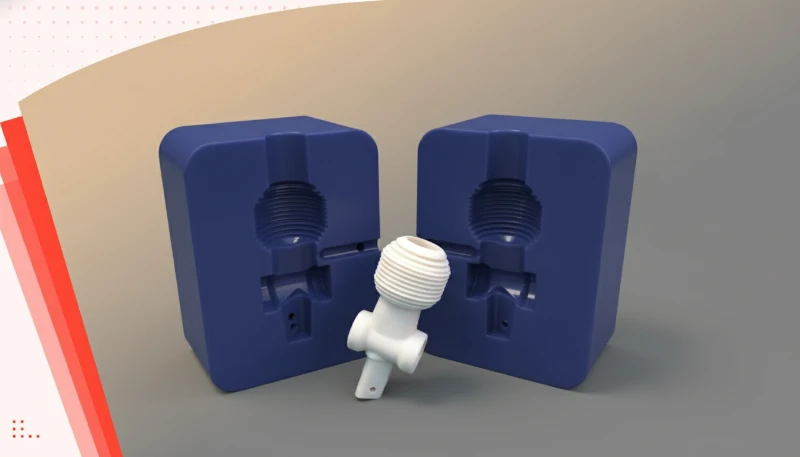
Wie liefert das Angussystem geschmolzenes Kunststoff?
Das Angusssystem ist das Kanalnetz, das den geschmolzenen Kunststoff von der Düse der Spritzgießmaschine in die Formkavität leitet. Seine Auslegung beeinflusst unmittelbar Füllbalance, Materialabfall, Zykluszeit und Teilequalität.
Ein Angusssystem besteht aus vier Hauptelementen: Angussbuchse, Verteilerkanälen, Anschnitten und Kaltpfropfenfängern. Bei Mehrkavitätenformen ist ein ausgewogenes Angusssystem, bei dem alle Kavitäten mit gleicher Geschwindigkeit und gleichem Druck gefüllt werden, eine grundlegende Konstruktionsanforderung.
Es gibt zwei Hauptarten von Angusssystemen. Kaltkanalsysteme sind einfacher und günstiger; der Kunststoff erstarrt in jedem Zyklus in den Kanälen und wird als Abfall ausgeworfen oder wiederaufbereitet. Heißkanalsysteme halten den Kunststoff mit beheizten Verteilern und Düsen in der Form flüssig und vermeiden Angussabfall vollständig. Ihre höheren Anfangskosten amortisieren sich bei Großserien schnell.
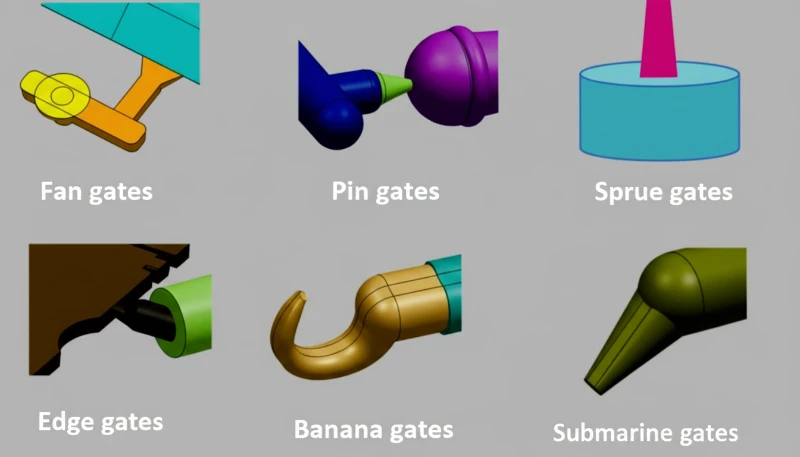
Die Anschnittauslegung erfordert besondere Aufmerksamkeit, da die Schmelze dort in die Kavität eintritt und eine sichtbare Anschnittmarke am Teil hinterlässt. Übliche Anschnitttypen sind Seitenanschnitt, Tunnelanschnitt, Punktanschnitt und Nadelverschlussanschnitt. Die Auswahl hängt von Bauteilgeometrie, optischen Anforderungen und der zulässigen Anschnittmarke auf der Sichtfläche ab.
Bei Mehrkavitätenwerkzeugen ist eine balancierte Verteilerkanalauslegung für ein gleichbleibendes Teilegewicht und einheitliche Abmessungen über alle Kavitäten hinweg unerlässlich. Natürlich balancierte Verteilerkanäle verwenden gleich lange Fließwege vom Anguss zu jeder Kavität, während künstlich balancierte Kanäle den Druckverlust durch angepasste Querschnitte ausgleichen. Bei Hochpräzisionsteilen mit engen Toleranzen kann bereits eine Abweichung der Füllzeit zwischen den Kavitäten von 2-3% messbare Maßunterschiede verursachen — deshalb nutzen viele Produktionsformen ventilgesteuerte Heißkanalsysteme für einen definierten Verschluss und eine präzise Zeitsteuerung.
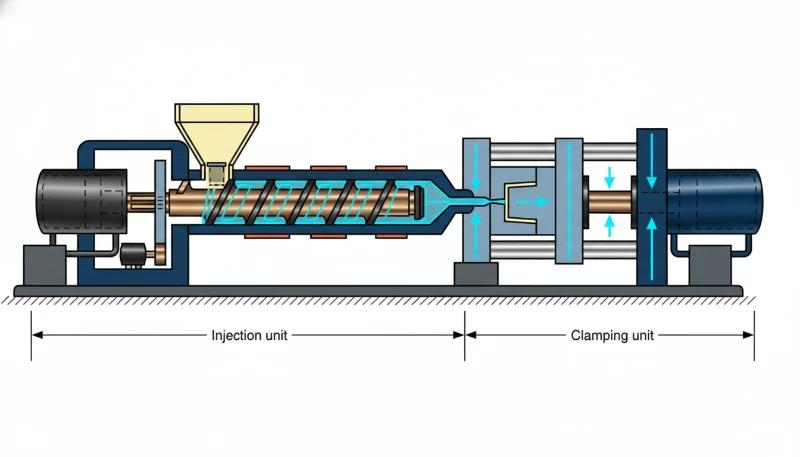
"Heißkanalsysteme vermeiden Angussabfall, indem sie den Kunststoff im Werkzeug geschmolzen halten."True
Beheizte Verteiler und Düsen halten das Polymer im gesamten Zuführsystem über seinem Schmelzpunkt, sodass kein erstarrter Anguss entsteht — das spart Material und reduziert die Nachbearbeitung.
"Die Verteilerkonstruktion beeinflusst die Bauteilqualität nicht — nur die Materialkosten."False
Angusskanalanordnung und Anschnittposition beeinflussen Füllbild, Bindenahtlage, Lufteinschlüsse, Nachdruck und Maßkonstanz entscheidend — und damit unmittelbar die Teilequalität.
Warum ist das Kühlsystem für die Bauteilqualität entscheidend?
Die Kühlung macht 60-70% der gesamten Spritzgießzykluszeit aus. Ein gut konstruiertes Kühlsystem fertigt schneller gleichbleibende Teile; ein schlechtes System führt zu Verzug, Einfallstellen, längeren Zyklen und höheren Stückkosten.
Das Kühlsystem besteht aus einem Netz von Kanälen, die durch die Werkzeugplatten gebohrt sind und üblicherweise temperiertes Wasser führen (bei Hochtemperaturanwendungen auch Öl). Diese Kanäle werden so nah wie möglich an den Kavitätsoberflächen angeordnet, um Wärme effizient abzuführen. Bei der Anordnung müssen gleichmäßige Kühlung und strukturelle Integrität gegeneinander abgewogen werden — die Kanäle dürfen nicht so nahe an der Kavität gebohrt werden, dass das Werkzeug unter dem Einspritzdruck reißt.
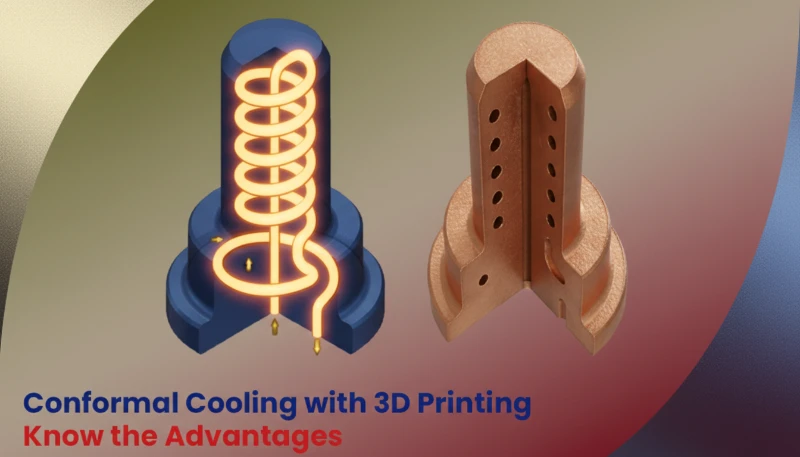
Die konventionelle Kühlung nutzt gerade Bohrkanäle und eignet sich für einfache Geometrien. Bei komplexen Bauteilen mit tiefen Rippen oder gekrümmten Flächen folgen konturnahe Kühlkanäle3, gefertigt mittels Metall-3D-Druck (DMLS/SLM), dem Kavitätsverlauf. Studien zufolge können sie die Zykluszeit um 20-40 % verkürzen und zugleich die Maßhaltigkeit verbessern.
Die Auslegung der Kühlkanäle beeinflusst auch die Bauteiloptik. Ungleichmäßige Kühlung verursacht unterschiedliche Schwindung, die sich als Verzug, Einfallstellen an dicken Bereichen oder innere Spannungen mit späterer Rissbildung zeigt. Die Werkzeugtemperatur muss auf den Werkstoff abgestimmt sein. Ein für einen teilkristallinen Werkstoff wie Nylon zu kalt betriebenes Werkzeug kann zu vorzeitigem Erstarren und unvollständiger Füllung führen.
Auch die Wärmeleitfähigkeit des Werkzeugstahls beeinflusst die Kühlleistung. Standardstahl P20 besitzt eine Wärmeleitfähigkeit von etwa 30-35 W/(m·K), während Berylliumkupfereinsätze — die mitunter in schwer zu kühlenden Bereichen eingesetzt werden — 200+ W/(m·K) bieten und die Wärmeabfuhr erheblich verbessern. Bei Werkzeugen für technische Harze, die höhere Werkzeugtemperaturen erfordern (beispielsweise PEEK oder LCP), halten ölbeheizte Temperiergeräte die Werkzeugtemperatur bei 150-200°C, anstatt Wasserkühlung einzusetzen.
Bei Mehrkavitätenwerkzeugen ist eine ausgewogene Kühlung zwischen den Kavitäten ebenso wichtig wie die absolute Kühlrate. Kühlt eine Kavität schneller als ihre benachbarten Kavitäten ab, kann die daraus entstehende Maßabweichung zwischen Bauteilen aus demselben Schuss so groß sein, dass einzelne Kavitäten vollständig verworfen werden müssen. Durchflussregler oder Drosseln im Kühlkreislauf helfen, die Wasserverteilung über alle Kavitäten auszugleichen und so eine gleichbleibende Bauteilqualität aus jeder Kavität des Werkzeugs sicherzustellen.
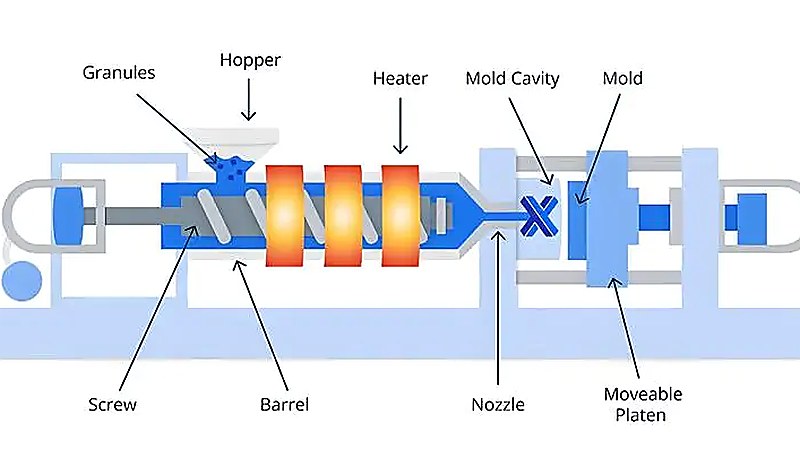
"Die Kühlzeit macht 60-70% des gesamten Spritzgießzyklus aus."True
Nach dem Füllen der Kavität muss das Teil unter seine Entformungstemperatur abkühlen, bevor sich das Werkzeug öffnen kann. Diese Wartezeit dominiert die Zykluszeit, sodass die Optimierung der Kühlung der wirksamste Hebel für die Produktivität ist.
"Alle Kühlkanäle müssen vollkommen gerade gebohrte Löcher sein."False
Während herkömmliches Bohren gerade Kanäle erzeugt, können mittels Metall-3D-Druck hergestellte konturnahe Kühlkanäle gekrümmten Kavitätsflächen folgen und bei komplexen Geometrien eine wesentlich gleichmäßigere Kühlung ermöglichen.
Auch das Verhältnis zwischen Kühlkanaldurchmesser und Durchflussmenge ist wichtig. Kanäle mit größerem Durchmesser (10-14 mm) ermöglichen höhere Durchflussmengen und eine bessere Wärmeabfuhr, entfernen jedoch mehr Stahl aus dem Werkzeug und können dadurch die Struktur schwächen. Kleinere Kanäle (6-8 mm) erhalten die strukturelle Integrität, benötigen aber einen höheren Druck für einen ausreichenden Durchfluss. Die meisten Produktionswerkzeuge verwenden als praktikablen Kompromiss Kanäle mit 8-10 mm Durchmesser sowie Leitbleche oder Einsätze, um die Strömung gezielt dorthin zu führen, wo sie am dringendsten benötigt wird.
Auch die Auslegung von Trennblechen in Kühlkanälen ist wichtig. Durchgehende Kanäle sind am einfachsten, doch Kanäle mit Trennblech – bei denen ein Blech die Strömung im Kanal zu einer Kehrtwende umlenkt – ermöglichen eine bessere Wärmeübertragung, weil das Wasser gegen die Kavitätsoberfläche geführt wird. Bei Kernen und schlanken Konturen leiten spiralförmige Kühlkanäle oder Sprudelrohre das Wasser tief in die Kontur und wieder zurück. Dadurch werden Wärmenester vermieden, die unterschiedliche Schwindung und Verzug verursachen.
Wie entfernt das Auswurfsystem fertige Teile?
Dieser Abschnitt behandelt, wie das Auswerfersystem fertige Teile entnimmt und welche Auswirkungen es auf Kosten, Qualität, Zeitplan oder Beschaffungsrisiken hat. Sobald das Kunststoffteil ausreichend abgekühlt ist, muss es sauber aus dem Werkzeug entnommen werden. Das Auswerfersystem übernimmt diesen kritischen Schritt; seine Auslegung bestimmt, ob die Teile sauber, reproduzierbar und ohne optische Schäden ausgeworfen werden.
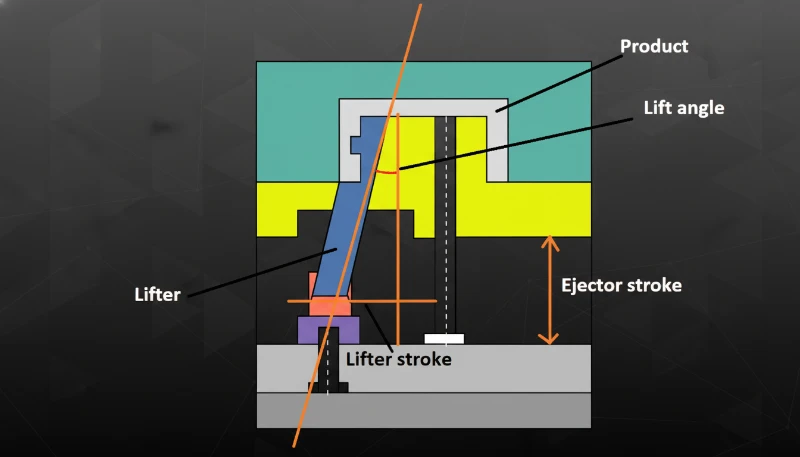
Zu den zentralen Auswerferkomponenten gehören Auswerferstifte, Auswerferhülsen, Abstreifplatten und Schrägauswerfer für Hinterschneidungen. Sie werden von einer als Einheit bewegten Auswerferplatte angetrieben, die das hydraulische oder mechanische Auswerfersystem der Spritzgießmaschine betätigt.
Die Positionierung der Auswerferstifte erfordert eine sorgfältige Abwägung. Bei zu wenigen Stiften verformt sich das Teil oder reißt beim Auswerfen. Bei zu vielen Stiften entstehen übermäßige Abdrücke auf der Bauteiloberfläche. Die Stifte müssen auf strukturell steife Bereiche des Teils drücken — Rippen, Dome oder dicke Wandabschnitte — und nicht auf dünne Wände, die sich verformen würden.
Für Bauteile mit Hinterschneidungen, die nicht geradlinig entformt werden können, benötigt die Form seitliche Mechanismen: Schrägauswerfer für innere und Schieber für äußere Hinterschneidungen. Sie erhöhen Komplexität und Kosten erheblich, sind aber für Schnappverbindungen, Gewindeprofile oder seitliche Bohrungen unverzichtbar.
Was sind die Führungs- und Positionierungskomponenten?
Die präzise Ausrichtung zwischen den beiden Werkzeughälften ist nicht verhandelbar. Selbst wenige Tausendstel Millimeter Fehlausrichtung verursachen Grat (dünnes, unerwünschtes Material an der Trennlinie), ungleichmäßige Wandstärken oder Maßabweichungen am geformten Teil.
Die wichtigsten Führungselemente sind Führungssäulen und Führungsbuchsen. Die Säulen sitzen auf einer Formhälfte, meist der beweglichen Seite, und fahren beim Schließen in die entsprechenden Buchsen der Gegenseite. Sie greifen ein, bevor sich die Kavitätsflächen berühren, und richten beide Hälften aus, bevor die volle Schließkraft anliegt.
Für höhere Präzision verwenden Formen auch konische Verriegelungen. Diese in Kavitäts- und Kerneinsätze eingearbeiteten konischen Paare sorgen an der Trennfuge für die endgültige, spielfreie Ausrichtung. Gerade Führungssäulen übernehmen die Grobausrichtung, Verriegelungen die letzten Mikrometer.
Bei Mehrplattenwerkzeugen (wie Abstreifplatten- oder Dreiplattenwerkzeugen) sind zusätzliche Führungsstifte erforderlich, um jedes Plattenpaar auszurichten. Positionierungsstifte (Passstifte) werden auch im gesamten Werkzeug verwendet, um sicherzustellen, dass Einsätze in ihrer korrekten Position verriegelt sind und sich unter Spritzdruck nicht drehen oder verschieben können.
Welche Hilfskomponenten verbessern die Formleistung?
Dieser Abschnitt handelt davon, wie Hilfskomponenten die Formleistung verbessern und deren Auswirkungen auf Kosten, Qualität, Zeitplan oder Beschaffungsrisiko. Neben den Hauptsubsystemen trägt eine Reihe von Hilfskomponenten zur Formzuverlässigkeit, Langlebigkeit und Leistung bei. Dies sind die Teile, die selten Aufmerksamkeit erhalten – bis sie versagen.
Entlüftungsnuten sind flache, typischerweise 0,01-0,03 mm tiefe Kanäle in der Trennfläche, durch die eingeschlossene Luft und Zersetzungsgase vor der vorrückenden Schmelzefront entweichen. Ohne ausreichende Entlüftung wird die Luft bis zur Dieselzündung verdichtet und erhitzt; dieser Gasbrand verkohlt die Kunststoffoberfläche.
Federn wie Rückhol- und Abstreiffedern liefern die Rückstellkraft für Auswerferplatten und die Vorspannung für Schieber. Tellerfedern eignen sich für hohe Kräfte, Schraubenfedern für leichtere Aufgaben. Federermüdung ist ein häufiger Wartungspunkt: Mit der Zeit sinkt die Kraft, was Auswerferprobleme oder unvollständige Schieberrückläufe verursacht.
Dichtungen und O-Ringe verhindern Kühlmittellecks an Kanalkreuzungen und Verschlüssen. Ein Leck in der Form verursacht Rost, verunreinigt Bauteile und kann Heizkreise in Heißkanalformen kurzschließen. Das O-Ring-Material muss zu Temperatur und Chemie des Kühlmittels passen: EPDM für Wasser, Fluorkautschuk für heißes Öl.
"Zu flache Entlüftungsnuten schließen Luft ein und verursachen Brandstellen am Teil."True
Wenn die Entlüftungstiefe unzureichend ist, erreicht Druckluft die Zündtemperatur und verursacht den Diesel-Effekt – die Kunststoffoberfläche verkohlt mit sichtbaren Brandflecken am Ende der Füllung.
"O-Ringe in Kühlsystemen müssen bei korrektem Einbau nie ersetzt werden."False
O-Ringe verschleißen durch thermische Zyklen, chemische Einwirkung und mechanische Druckverformung. Die meisten Hersteller empfehlen, Kühlmittel-O-Ringe alle 6-12 Monate im Rahmen der vorbeugenden Wartung auszutauschen.
Stützsäulen sitzen zwischen B-Platte und Stützplatte der beweglichen Formhälfte. Sie verhindern, dass sich die B-Platte unter Einspritzdruck durchbiegt. Ohne ausreichende Abstützung wölbt sich die Platte, die Trennfuge öffnet sich und Grat entsteht. Anzahl und Durchmesser werden anhand der projizierten Kavitätsfläche und des maximalen Einspritzdrucks berechnet.
Weitere Hilfskomponenten sind Heizbänder und Thermoelemente für die Heißkanalregelung, Verschleißplatten als austauschbare Gleitflächen sowie Kettenrollen und Endschalter für sequenzielle Schieberbewegungen.
Die Wartung von über 100 Formensätzen pro Monat bedeutet, dass unser Werkzeugteam täglich mit dem Verschleiß von Hilfskomponenten umgeht. Entlüftungsreinigung, Federersatz und O-Ring-Tausch sind Teil unseres standardmäßigen vorbeugenden Wartungsprotokolls – nicht etwas, das auf einen Ausfall wartet.
Wie werden Spritzgussformen konstruiert und hergestellt?
Dieser Abschnitt handelt von entworfenen und hergestellten Spritzgießformen und deren Auswirkungen auf Kosten, Qualität, Zeitplan oder Beschaffungsrisiko. Der Bau einer produktionsreifen Spritzgießform ist ein mehrwöchiges Ingenieursprojekt, das Software-Simulation, Präzisionsbearbeitung, Wärmebehandlung und manuelle Nachbearbeitung vereint. Das Verständnis dieses Prozesses hilft Ihnen, Formangebote, Zeitpläne und Qualität zu bewerten.
Der Prozess beginnt mit der Bauteilprüfung und DFM (fertigungsgerechter Konstruktion). Der Formkonstrukteur analysiert Hinterschneidungen, ungleichmäßige Wanddicken, tiefe Rippen und enge Toleranzen und empfiehlt Änderungen, bevor Stahl bearbeitet wird. Hier werden die kosteneffizientesten Entscheidungen getroffen.
Danach folgt die Formfüllsimulation mit Software wie MOLDFLOW oder Moldex3D. Sie prognostiziert Füllbild, Bindenähte, Lufteinschlüsse, Schwindung und Kühlleistung. Anhand der Ergebnisse optimiert der Konstrukteur Anschnittpositionen, Kanaldimensionen und Kühlung. Eine gute Simulation spart bei der Inbetriebnahme Wochen an Versuchen.
Nach der Simulation wird die Formkonstruktion in CAD (UG/NX, SOLIDWORKS oder ähnlich) fertiggestellt. Jede Komponente — Einsätze, Stifte, Buchsen, Federn und O-Ringe — wird mit Maßen, Toleranzen und Werkstoffvorgaben detailliert. Das vollständige Paket umfasst Zusammenbauzeichnungen, Einzelteilzeichnungen und Stückliste.
"Eine Moldflow-Simulation kann Füllmuster und Fehlerpositionen vor jeder Stahlbearbeitung vorhersagen."True
Software wie MOLDFLOW und Moldex3D simuliert den Spritzprozess digital, wodurch Designer Angussstellen, Angussdimensionen und Kühllayout optimieren können – was Wochen physischen Trial-and-Error spart.
"Ein Serienwerkzeug benötigt nur einen Probelauf, bevor es für die Massenproduktion bereit ist."False
Produktionsformen durchlaufen typischerweise 2-4 Versuchsiterationen, um Angussgröße, Entlüftungstiefe, Kühlbalance und Auswerfzeitpunkt feinabzustimmen. Jeder Versuch erzeugt Proben, die gemessen und bewertet werden, wobei zwischen den Läufen Stahlanpassungen vorgenommen werden.
| Schritt der Formenherstellung | Schlüsselprozess | Typische Toleranz |
|---|---|---|
| CNC-Fräsen | 3-5-Achs-Bearbeitung von Kavitäts-/Kernblöcken | ±0.005 mm |
| EDM (Senkerodieren) | Tiefe Rippen und scharfe Ecken durch Brennformen | ±0.01 mm |
| Drahterodieren | Durchgangsprofile für Lifter und Einsätze | ±0.005 mm |
| Flächenschleifen | Vorbereitung der flachen Trennfläche | ±0.002 mm |
| Polieren | Spiegel, SPI A-1 bis A-3 Oberflächengüte | Ra 0.012–0.025 μm |
Die Bearbeitung umfasst CNC-Fräsen, Senkerodieren (EDM), Drahterodieren, Flachschleifen und Polieren. Gehärtete Einsätze können mehrere Wärmebehandlungszyklen durchlaufen, um Spannungen abzubauen und die Zielhärte zu erreichen, typischerweise 48-52 HRC für P20 und 50-54 HRC für H13.
Abschließend wird die Form montiert, getestet und durch T1-Muster qualifiziert. Die T1-Muster werden mit den Bauteilzeichnungen verglichen; notwendige Stahlkorrekturen wie zusätzliche Entlüftungen, angepasste Anschnitte oder polierte Haftstellen werden ausgeführt. Eine Produktionsform durchläuft gewöhnlich 2-4 Versuchsiterationen vor der Freigabe.
Nach 20+ Jahren Formbau unter ISO 9001, ISO 13485, ISO 14001 und ISO 45001 Systemen ist unser Prozess von der DFM-Prüfung bis zum T1-Sampling standardisiert. Jede Form durchläuft dokumentierte Qualitätsprüfungen – Stahlhärteverifizierung, dimensionelle Inspektion der Einsätze und mindestens zwei Testläufe, bevor wir versenden oder die Produktion starten.
Häufig gestellte Fragen zu Spritzgusswerkzeugkomponenten?
Was ist der Unterschied zwischen einer Kavität und einem Kern in einem Spritzgussformwerkzeug?
Die Kavität ist die konkave (vertiefte) Seite der Form, die die äußeren Oberflächen des Teils bildet, während der Kern die konvexe (vorspringende) Seite ist, die die inneren Oberflächen bildet. Zusammen definieren sie die vollständige Geometrie des geformten Teils, wobei der Spalt zwischen ihnen die Wandstärke festlegt. In der Praxis befindet sich die Kavität normalerweise auf der festen (stationären) Formhälfte und der Kern auf der beweglichen Hälfte, obwohl dies je nach Teilgeometrie und Auswerfestrategie variieren kann. Das Verständnis des Unterschieds zwischen diesen beiden Komponenten ist entscheidend bei der Spezifikation von Formanforderungen, der Überprüfung von DFM-Feedback oder der Fehlerbehebung bei Ausblühungen und Maßproblemen während der Produktion.
Wie viele Komponenten hat eine typische Spritzgussform?
Eine Standard-Produktionsform mit einem Hohlraum enthält typischerweise 50 bis 200 Einzelkomponenten, darunter Kavitäts- und Kern-Einsätze, Auswerferstifte, Führungsstifte, Kühlbaffel, Federn und O-Ringe. Mehrfachhohlraumformen oder solche mit komplexen Seitenaktionen können 500 oder mehr Präzisionsteile enthalten. Jede Komponente muss mit engen Toleranzen, oft innerhalb von 0,005 mm, gefertigt werden, um eine gleichbleibende Teilequalität über Tausende von Produktionszyklen sicherzustellen. Bei der Bewertung von Formangeboten hilft das Verständnis dieser Komponentenanzahl dabei einzuschätzen, ob ein Lieferant angemessene Werkzeugkomplexität vorschlägt oder bei kritischen Subsystemen wie Kühlung und Auswerfen Abstriche macht.
Welches Material wird für Spritzgussformkomponenten verwendet?
Kavitäten- und Kern-Einsätze werden typisch aus gehärteten Werkzeugstählen wie H13, S136, P20 oder 8407 für Hochvolumenproduktionsformen gefertigt. Formgrundplatten verwenden mittelkohlenstoffhaltigen Stahl wie S50C. Ausstoßstifte bestehen aus gehärtetem SUJ2 Lagerstahl für Verschleißfestigkeit. Für Prototyp- oder Niedrigvolumenformen können Aluminiumlegierungen wie 7075-T6 Kosten und Durchlaufzeit um 30-50% reduzieren. Die Materialwahl hängt von Produktionsvolumen, Kunststoffabrasivität, benötigter Oberflächengüte und Budgetgrenzen ab. Ihr Formlieferant sollte spezifische Güten basierend auf Ihrem Anwendungsfall empfehlen, statt auf eine universelle Stahlwahl zurückzufallen.
Warum benötigen Spritzgießformen Kühlkanäle?
Kühlkanäle zirkulieren temperiertes Wasser oder Öl durch die Form, um Wärme vom sich verfestigenden Kunststoffteil abzuführen. Da Kühlung 60-70% der gesamten Spritzgusszykluszeit ausmacht, ist effiziente Kanaldesign der wichtigste Einflussfaktor zur Steigerung der Produktionsleistung und Reduzierung der Stückkosten. Richtige Kühlung verhindert auch häufige Defekte wie Verzug, Sinkstellen an dickeren Bereichen und interne Eigenspannung durch gleichmäßige Verfestigung vor dem Ausstoß. Das Überspringen der Kühlungsoptimierung während Formdesign ist eine der teuersten Fehler in Werkzeugbeschaffung.
Was ist der Zweck von Auswerferstiften in einer Spritzgießform?
Auswerferstifte sind gehärtete Stahlstifte, die das abgekühlte und erstarrte Bauteil nach dem Öffnen des Werkzeugs aus der Kavität drücken. Sie sind auf einer Auswerferplatte montiert, die vom hydraulischen oder mechanischen Auswerfersystem der Spritzgießmaschine betätigt wird. Anzahl, Durchmesser und Anordnung der Stifte müssen sorgfältig ausgelegt werden, damit die Auswerferkraft gleichmäßig wirkt, ohne das Bauteil zu verformen oder sichtbare Abdrücke auf Sichtflächen zu hinterlassen. Typische Durchmesser liegen je nach Bauteilgröße zwischen 2 mm und 12 mm. Die Stifte sollten auf strukturell steife Merkmale wie Rippen oder Dome wirken, nicht auf dünne Wandbereiche.
Das Verständnis von Spritzgussformkomponenten beeinflusst direkt Ihre Fähigkeit, die richtige Form zu spezifizieren, Lieferantenangebote zu evaluieren und Produktionsprobleme zu beheben.
Auswerferstift: Ein Auswerferstift ist ein gehärteter Stahlstift, der das abgekühlte Formteil mithilfe des Auswerfersystems der Spritzgießmaschine aus der Kavität drückt. ↩
Formkavität: Die Formkavität ist der Hohlraum einer Form, der Außenkontur und Oberflächenqualität des Formteils bestimmt. ↩
Konturnahe Kühlung: Konturnahe Kühlkanäle folgen dem Verlauf der Formkavität und ermöglichen gegenüber konventionellen geraden Bohrkanälen eine gleichmäßigere Kühlung und kürzere Zykluszeiten. ↩