koşucular
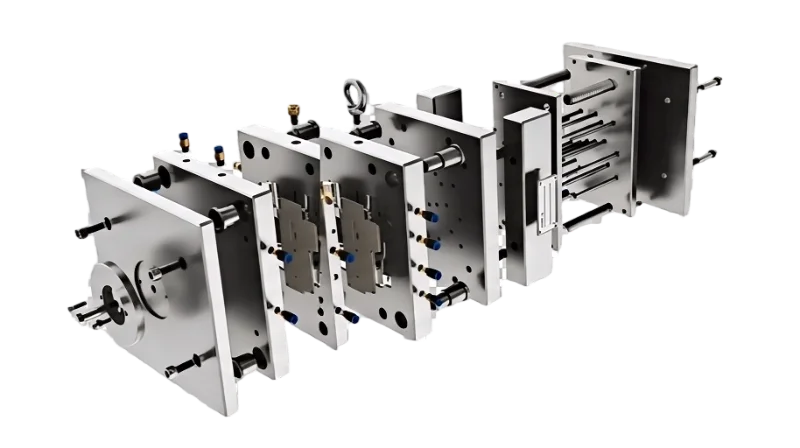
Bir enjeksiyon kalıbı tipik olarak kalıp tabanı, boşluk ve çekirdek insertleri, bir runner sistemi (spru, runnerlar, gate), soğutma kanalları, kalıptan çıkarma pimleri ve plakaları, kılavuz pimleri ve burçları, hava tahliye kanalları, destek kolonları ve çeşitli yardımcı bileşenler (yaylar, sızdırmazlık elemanları ve lifters) içerir — tümü tekrarlanabilir hassasiyetle plastik parçaları şekillendirmek, soğutmak ve çıkarmak için tasarlanmıştır.
Bu rehber tüm temel bileşen gruplarını açıklar, her parçanın işlevini anlatır ve Şanghay fabrikamızda yirmi yıldır enjeksiyon kalıpları üretip çalıştırırken edindiğimiz pratik bilgileri paylaşır. Yeni bir kalıp tasarlıyor veya mevcut bir kalıptaki sorunu gideriyorsanız doğru kararlar bu bileşenleri anlamakla başlar.
- Bir enjeksiyon kalıbında 8+ bileşen grubu bulunur: kavite/maça, yolluk, soğutma, parça çıkarma, kılavuzlama, havalandırma, destek ve yardımcı sistemler
- Boşluk ve göbek parçanın şeklini tanımlar; bunların malzemesi ve kaplaması parça kalitesini doğrudan etkiler
- Yolluk tasarımı (sıcak veya soğuk) malzeme israfını, çevrim süresini ve üretim maliyetini etkiler
- Soğutma kanalları çevrim süresini ve parça çarpılmasını kontrol eder; konformal soğutma çevrimleri %20–40 kısaltabilir
- İtici pim türü, sayısı ve konumu parçaların temiz mi yoksa hasarlı mı ayrılacağını belirler
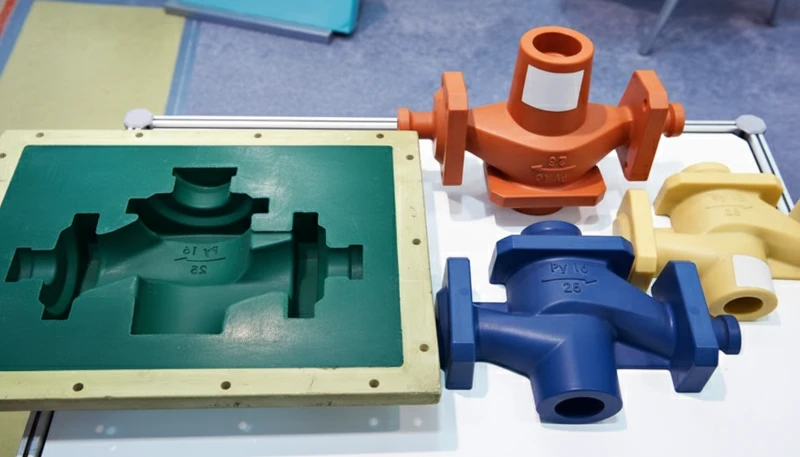
Bir Enjeksiyon Kalıbının Temel Bileşenleri Nelerdir?
Karmaşıklığı ne olursa olsun her enjeksiyon kalıbı, plastik parçaları biçimlendirmek, soğutmak ve çıkarmak üzere birlikte çalışan ortak bir temel bileşen grubuna sahiptir. Bu yapı taşlarını anlamak; kalıp tasarımı, enjeksiyon kalıplama tedarikçisi bulma veya üretim süreçlerinde görev alan herkes için gereklidir.
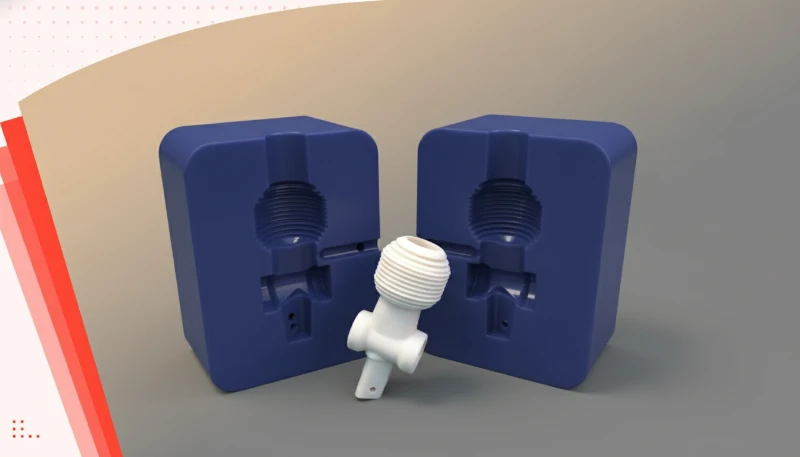
En temel düzeyde bir enjeksiyon kalıbı, enjeksiyon kalıplama makinesinin ilgili tablalarına bağlanan iki yarıdan oluşur: sabit yarı ve hareketli yarı. Bu iki yarı kapandığında nihai parçanın biçimini belirleyen sızdırmaz bir boşluk oluşturur. Sabit yarıda genellikle kavite (içbükey taraf), hareketli yarıda ise maça (dışbükey taraf) bulunur.
Kalıp tabanı (kalıp çerçevesi olarak da adlandırılır) yapısal temeldir. Tüm insertleri, plakaları ve alt sistemleri hassas biçimde hizalanmış durumda tutar. Kalıp tabanları genellikle P20 veya S50C gibi orta karbonlu çelikten üretilir ve esnemeden binlerce tonluk sıkma kuvvetine dayanmalıdır. Dolum, soğutma, çıkarma ve muayenenin tümü takım düzenine bağlı olduğundan bu bileşenler enjeksiyon kalıplamanın aşamalarını ve toplam enjeksiyon kalıplama üretim süresini doğrudan etkiler.
"Bir enjeksiyon kalıbı, hassas koordinasyon içinde çalışması gereken birden fazla alt sistem içerir."True
Kalıbın tutarlı bir şekilde kabul edilebilir parçalar üretmesi için boşluk, yolluk, soğutma, çıkarma, yönlendirme, havalandırma ve destek sistemlerinin tamamının dar toleranslar (tipik olarak ±0,005 mm) dahilinde birlikte çalışması gerekir.
"Tüm enjeksiyon kalıpları, parça karmaşıklığından bağımsız olarak aynı bileşen setini kullanır."False
Bileşen seçimi büyük ölçüde değişir: basit tek gözlü bir kalıpta temel kılavuz pimleri ve düz çekmeli itme kullanılabilirken karmaşık çok gözlü bir kalıp eğik iticiler, sürgüler, sıcak yolluklar ve sıralı valf girişleri gerektirir.
- Kavite ve maça insertleri — parça geometrisini belirleyen biçimlendirici yüzeyler
- Yolluk sistemi — erimiş plastiği makine memesinden kalıp boşluğuna taşıyan kanallar
- Soğutma sistemi — kalıplanmış parçadaki ısıyı uzaklaştıran su veya yağ kanalları
- Çıkarma sistemi — soğuduktan sonra parçayı dışarı iten pimler, kovanlar ve plakalar
- Kılavuz sistemi — kalıp yarılarının kusursuz hizalanmasını sağlayan kılavuz pimleri ve burçları
- Hava tahliye sistemi — hapsolmuş hava ve gazların çıkmasını sağlayan sığ kanallar
- Destek sistemi — yapısal rijitliği koruyan destek kolonları, ara takozlar ve geri dönüş pimleri
Uygulamada orta karmaşıklıktaki bir parçaya yönelik üretim sınıfı kalıp 50 ila 200 ayrı bileşen içerebilir. Tıbbi şırınga gövdesi gibi bir ürüne yönelik çok kaviteli bir kalıpta 500’den fazla hassas işlenmiş parça bulunabilir. Her bileşen dar toleranslarda, çoğunlukla ±0.005 mm içinde üretilmelidir; çünkü her hizasızlık veya boyutsal sapma doğrudan nihai parçada görülür.
Şanghay'daki fabrikamızda ekibimiz, şirket içi kalıp üretim tesisiyle desteklenen 90T ile 1850T aralığında 47 enjeksiyon kalıplama makinesi işletiyor. Kalıp üretimiyle seri üretimin aynı çatı altında olması, kalıp bileşenlerini hızla yinelememizi sağlar — bir itici pin1'in yeniden konumlandırılması veya bir soğutma kanalının genişletilmesi gerekiyorsa değişiklik, parçaların kalıplandığı aynı katta yapılır.
Kavite ve Maça Kalıp Tasarımında Nasıl Bir Rol Oynar?
Göz ve maça her enjeksiyon kalıbının kalbidir; plastik parçayı doğrudan şekillendiren yüzeylerdir. Bunları doğru yaparsanız diğer her şey kolaylaşır. Yanlış yaparsanız hiçbir proses ayarı parçayı kurtaramaz.
Kavite, kalıbın parçanın dış yüzeylerini oluşturan içbükey (oyuk) tarafıdır. Maça ise iç yüzeyleri oluşturan dışbükey (çıkıntılı) taraftır. Kalıp kapandığında kavite ile maça arasındaki boşluk, kalıplanmış parçanın cidar kalınlığını ve geometrisini belirler. Bu boşluk daha geniş anlamda kalıp boşluğu2 olarak adlandırılır.
Göz ve maça insertleri için malzeme seçimi kritiktir. Yüksek hacimde (500,000 çevrim üzeri) H13, S136 veya 8407 gibi sertleştirilmiş takım çeliği standarttır. Kısa seriler veya prototiplerde alüminyum (7075-T6 gibi) veya ön sertleştirilmiş P20 çeliği maliyeti ve teslim süresini önemli ölçüde azaltır. Insertlerin yüzeyi parçaya doğrudan aktarılır; ayna parlaklığındaki gözler parlak parça üretirken dokulu yüzeyler (EDM veya fotokimyasal aşındırmayla) akış izlerini gizler ve tutuş desenleri oluşturur.
Uygulamada kavite ve maça tasarımı malzeme çekmesini hesaba katmalıdır. Her plastik malzeme soğurken çeker; reçineye bağlı olarak bu oran genellikle %0,5 ila %2,5’tir. Kalıp tasarımcısı, soğumadan sonra nihai parçanın şartnameyi karşılaması için kavite ölçülerini beklenen çekme oranına göre ölçeklendirmelidir. Bu hesap yanlış yapılırsa parçalar sürekli olarak gereğinden büyük veya küçük çıkar.
400+ plastik malzeme üzerindeki deneyimle, mühendislerimiz herhangi bir çelik kesilmeden önce MOLDFLOW simülasyonunu kullanarak büzülme, weld-line pozisyonları ve hava tutma yerlerini tahmin eder. Ekibimiz bu ön analizi, cam dolgulu nylon veya fiber takviyeli PP gibi yüksek veya anizotropik büzülme hızlarına sahip malzemeler için özellikle bir kalıp risk kontrolü olarak ele alır.
Yolluk Sistemi Erimiş Plastiği Nasıl İletir?
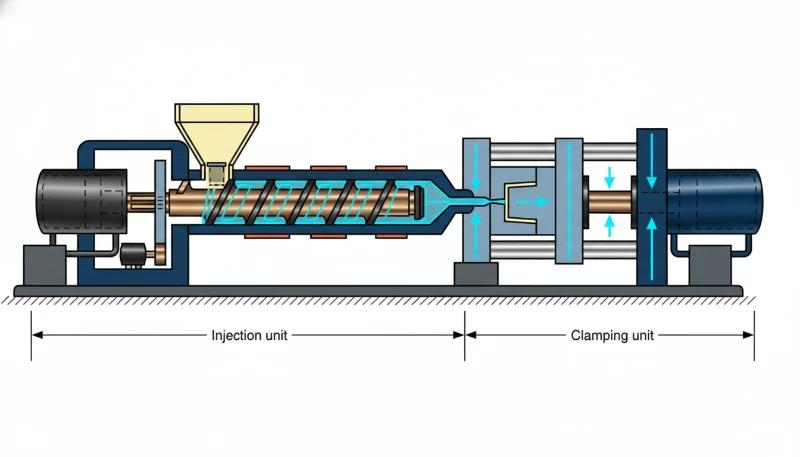
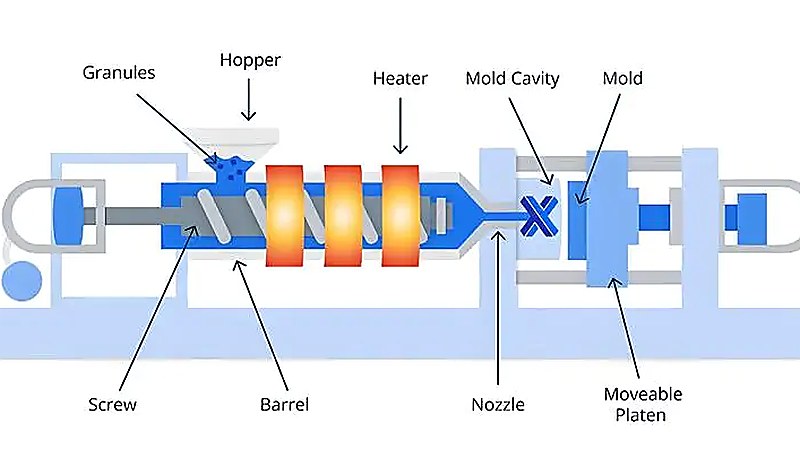
Yolluk sistemi, erimiş plastiği enjeksiyon makinesi nozulundan kalıp boşluğuna taşıyan kanallar ağıdır. Tasarımı dolum dengesini, malzeme israfını, çevrim süresini ve parça kalitesini doğrudan etkiler.
Bir yolluk sisteminin dört ana öğesi vardır: meme çıkışındaki ana kanal olan yolluk burcu, her kaviteye dallanan dağıtım kanalları, kaviteye açılan dar giriş noktaları ve eriyik akışının önündeki soğumuş malzemeyi tutan soğuk tapa cepleri. Çok gözlü kalıplarda her kavitenin aynı hız ve basınçta dolmasını sağlayan yolluk dengesi temel bir tasarım gereksinimidir.
Yolluk sistemleri iki ana kategoriye ayrılır. Soğuk yolluk sistemleri daha basit ve ucuzdur. Kanallardaki plastik her çevrimde katılaşır ve atık olarak çıkarılır ya da öğütülüp yeniden kullanılır. Sıcak yolluk sistemleri, plastiği kalıp içinde eriyik hâlde tutmak için ısıtılmış manifoldlar ve memeler kullanarak yolluk atığını tamamen ortadan kaldırır. Sıcak yollukların ilk maliyeti daha yüksektir ancak yüksek hacimli üretimde bu maliyet kısa sürede karşılanır.
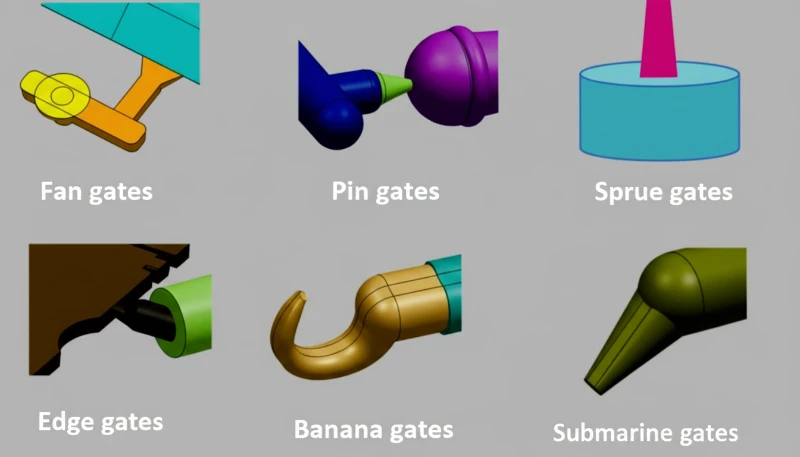
Yolluk girişi tasarımı özel dikkat gerektirir, çünkü eriyik kaviteye buradan girer ve parçada bir iz bırakır. Yaygın giriş türleri arasında kenar girişleri, tünel girişleri, nokta girişleri ve valf girişleri bulunur. Seçim; parça geometrisine, estetik gereksinimlere ve görünür yüzeyde giriş izi kabul edilip edilmediğine bağlıdır.
Çok gözlü kalıplarda, tüm gözlerde tutarlı parça ağırlığı ve boyutlar elde etmek için yolluk dengesi şarttır. Doğal dengeli yolluklar ana yolluktan her göze eşit uzunlukta yollar kullanırken, yapay dengeli yolluklar basınç düşüşünü eşitlemek için kesit boyutlarını ayarlar. Sıkı toleranslı yüksek hassasiyetli parçalarda, gözler arasındaki dolum süresinde %2-3’lük bir değişim bile ölçülebilir boyutsal farklar oluşturabilir — bu nedenle birçok üretim kalıbı pozitif kapatma ve hassas zamanlama kontrolü için valf kapılı sıcak yolluk sistemleri kullanır.
"Sıcak yolluk sistemleri, plastiği kalıbın içinde eriyik hâlde tutarak yolluk atığını ortadan kaldırır."True
Isıtılmış manifoldlar ve memeler, polimeri besleme sistemi boyunca erime noktasının üzerinde tutar; böylece katılaşmış yolluk oluşmaz, malzeme tasarrufu sağlanır ve son işlem azalır.
"Yolluk tasarımı parça kalitesini etkilemez; yalnızca malzeme maliyetini etkiler."False
Yolluk düzeni ve giriş konumu; dolum desenini, kaynak çizgisinin yerini, hava kapanlarını, ütüleme basıncını ve boyutsal tutarlılığı kritik ölçüde etkiler; bunların tümü parça kalitesine doğrudan yansır.
Soğutma Sistemi Parça Kalitesi İçin Neden Kritiktir?
Soğutma, toplam enjeksiyon kalıplama çevrim süresinin %60-70’ini oluşturur. İyi tasarlanmış bir soğutma sistemi tutarlı parçaları daha hızlı üretir; kötü bir sistem ise çarpılma, çökme izleri, daha uzun çevrimler ve daha yüksek parça başı maliyete yol açar.
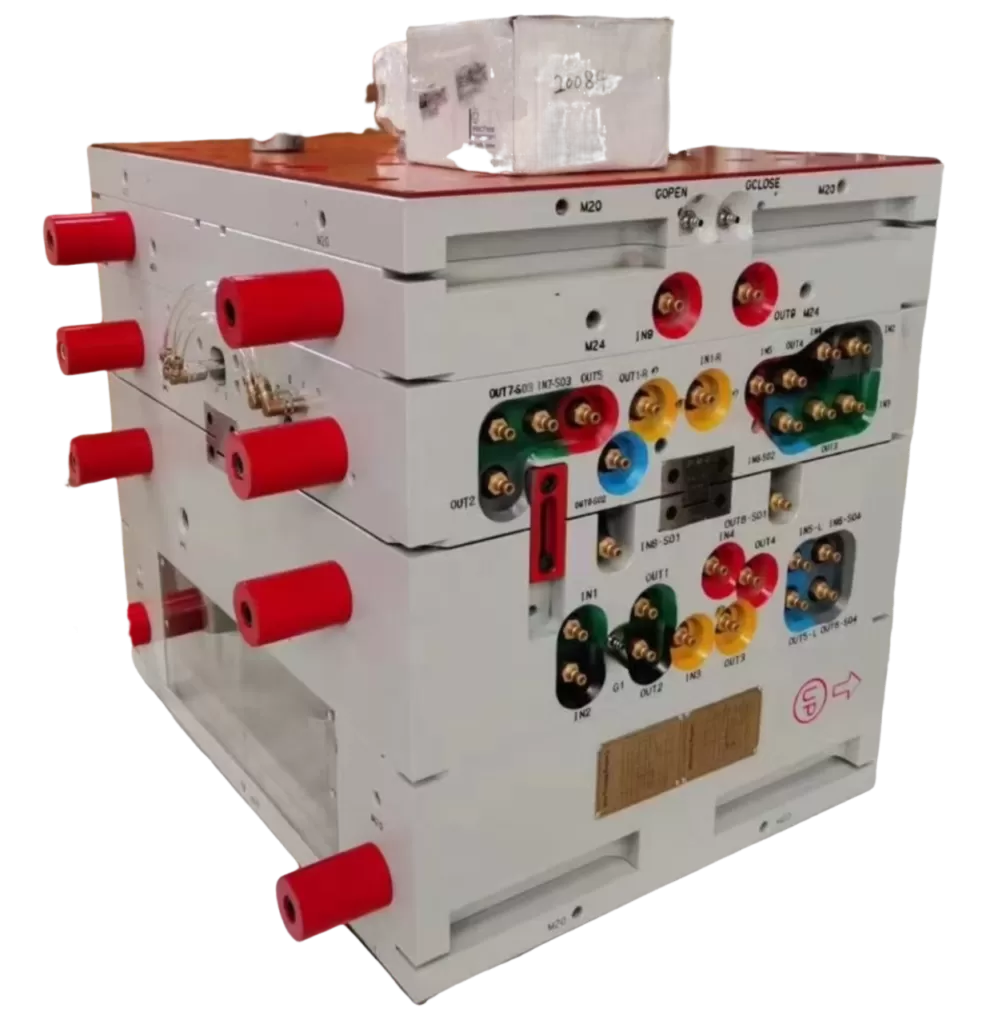
Soğutma sistemi, kalıp plakalarının içinden delinmiş ve genellikle sıcaklığı kontrol edilen su (ya da yüksek sıcaklık uygulamalarında yağ) taşıyan bir kanal ağından oluşur. Isıyı verimli biçimde uzaklaştırmak için bu kanallar kalıp gözü yüzeylerine mümkün olduğunca yakın konumlandırılır. Kanal yerleşimi, soğutma homojenliği ile yapısal bütünlük arasında denge kurmalıdır; kanallar kalıp gözüne, kalıbın enjeksiyon basıncı altında çatlamasına yol açacak kadar yakın delinemez.
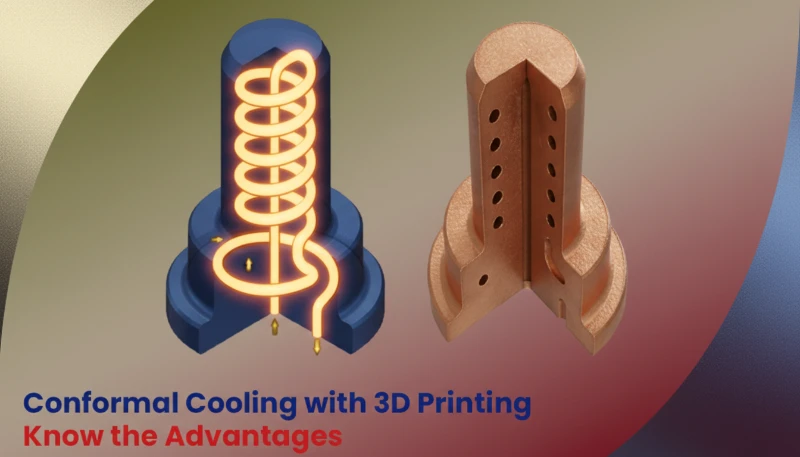
Geleneksel soğutmada basit geometrilerde iyi sonuç veren düz, delinmiş kanallar kullanılır. Derin nervürlü veya kavisli yüzeylere sahip karmaşık parçalarda metal 3D baskıyla (DMLS/SLM) üretilen konformal soğutma3 kanalları, kavite yüzeyinin konturunu izler. Araştırmalar, konformal soğutmanın ölçüsel tutarlılığı artırırken çevrim süresini %20-40 azaltabildiğini göstermiştir.
Soğutma kanalı tasarımı parça estetiğini de etkiler. Düzensiz soğutma, eğrilme, kalın bölümlerde çökme izleri veya daha sonra çatlamaya yol açan iç gerilim olarak kendini gösteren diferansiyel büzülmeye neden olur. Kalıp sıcaklığı malzemeye uygun olmalıdır; kalıbın naylon gibi yarı kristal bir malzeme için çok soğuk çalıştırılması erken donmaya ve eksik doluma neden olabilir.
Kalıp çeliğinin ısıl iletkenliği de soğutma performansında rol oynar. Standart P20 çeliğinin ısıl iletkenliği yaklaşık 30-35 W/(m·K) iken, bazen soğutulması zor alanlarda kullanılan berilyum bakır insertler 200+ W/(m·K) sunarak ısı uzaklaştırmayı büyük ölçüde iyileştirir. Daha yüksek kalıp sıcaklığı gerektiren mühendislik reçinelerini (PEEK veya LCP gibi) çalıştıran kalıplarda yağla ısıtılan termal regülatörler, suyla soğutma yerine kalıp sıcaklığını 150-200°C’de tutar.
Çok gözlü kalıplarda gözler arasındaki soğutma dengesi, mutlak soğutma hızı kadar önemlidir. Bir göz komşularından daha hızlı soğursa aynı çevrimde üretilen parçalar arasındaki boyutsal değişim, bazı gözlerden çıkan parçaların tamamen reddedilmesine yol açacak kadar büyük olabilir. Soğutma devresindeki debi regülatörleri veya kısıcılar, su dağılımını tüm gözlerde eşitlemeye yardımcı olarak kalıbın her gözünden tutarlı parça kalitesi sağlar.
"Soğutma süresi toplam enjeksiyon kalıplama çevriminin %60-70'ini oluşturur."True
Kalıp boşluğu dolduktan sonra, kalıp açılmadan önce parça çıkarma sıcaklığının altına soğumalıdır. Bu bekleme süresi çevrim süresine hâkim olduğundan soğutma optimizasyonu, verimlilik için en etkili kaldıraçtır.
"Tüm soğutma kanalları tamamen düz delinmiş delikler olmalıdır."False
Geleneksel delme işlemi düz kanallar oluştururken, metal 3D baskıyla üretilen konformal soğutma kanalları kavisli kavite yüzeylerini izleyebilir ve karmaşık geometrilerde çok daha homojen soğutma sağlar.
Soğutma kanalı çapı ile debi arasındaki ilişki de önemlidir. Daha büyük çaplı kanallar (10-14 mm) daha yüksek debilere ve daha iyi ısı uzaklaştırmaya olanak tanır, ancak kalıptan daha fazla çelik kaldırarak yapıyı zayıflatabilir. Daha küçük kanallar (6-8 mm) yapısal bütünlüğü korur fakat yeterli debiyi sağlamak için daha yüksek basınç gerektirir. Çoğu üretim kalıbı pratik bir denge olarak 8-10 mm kanallar kullanır; akışı en çok ihtiyaç duyulan yere hassas biçimde yönlendirmek için bölmeler veya insertler eklenir.
Soğutma kanallarının içindeki saptırıcı tasarımı da önemlidir. Düz geçişli kanallar en basitidir; ancak bir kanadın akışı kanal içinde U dönüşü yapacak şekilde yönlendirdiği saptırıcılı kanallar, suyu göz yüzeyine zorlayarak daha iyi ısı aktarımı sağlar. Maçalar ve ince uzun özellikler için spiral soğutma kanalları veya bubbler boruları suyu özelliğin derinliklerine ulaştırıp tekrar dışarı taşır; böylece farklı çekmeye ve çarpılmaya neden olan sıcak noktalar önlenir.
İtici Sistem Bitmiş Parçaları Nasıl Çıkarır?
Bu bölüm, kalıptan çıkarma sisteminin bitmiş parçaları nasıl çıkaracağı ve bunun maliyet, kalite, zamanlama veya tedarik riski üzerindeki etkisi ile ilgilidir. Plastik parça yeterince soğuduktan sonra kalıptan temiz bir şekilde çıkarılmalıdır. Kalıptan çıkarma sistemi bu kritik adımı gerçekleştirir ve tasarımı parçaların temiz, tutarlı ve görsel hasar olmadan çıkmasını belirler.
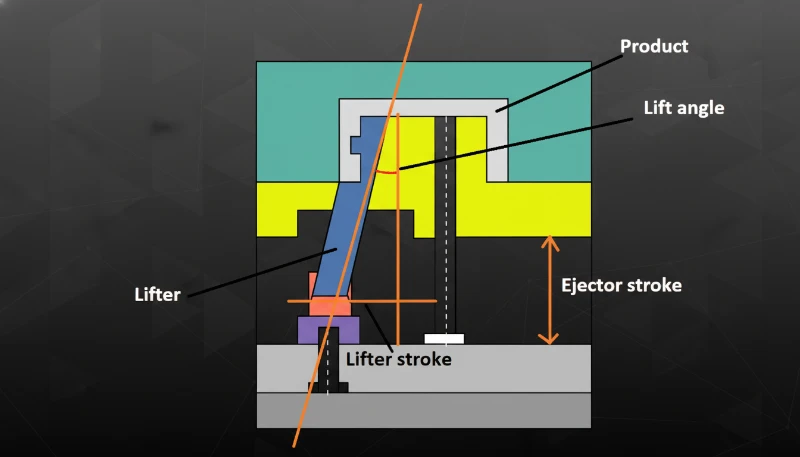
Temel çıkarma bileşenleri; parçaya baskı uygulayan düz yuvarlak itici pimler, maça piminin çevresinden iten itici kovanlar, parçanın tamamını maçadan sıyıran sıyırıcı plakalar ve ters açıları oluşturarak serbest bırakan açılı mekanizmalar olan eğik iticilerdir. Bu bileşenler, enjeksiyon makinesinin hidrolik veya mekanik çıkarma sistemiyle tahrik edilen ve tek parça hâlinde hareket eden bir itici plaka tarafından çalıştırılır.
İtici pim yerleşimi dikkatli bir denge gerektirir. Çok az pim kullanılırsa parça çıkarma sırasında eğrilir veya çatlar. Çok fazla pim kullanılırsa parça yüzeyinde aşırı iz kalır. Pimler, deforme olabilecek ince cidarlar yerine parçanın yapısal olarak rijit bölgelerine — nervürlere, bosslara veya kalın cidarlı kesitlere — baskı uygulamalıdır.
Ters açılı parçalarda (düz çekişle serbest bırakılamayan özelliklerde) kalıp, iç ters açılar için eğik iticiler ve dış ters açılar için sürgüler gibi yan hareket mekanizmalarına ihtiyaç duyar. Bunlar kalıbın karmaşıklığını ve maliyetini önemli ölçüde artırır ancak geçmeli bağlantılar, vida profilleri veya yanal delikler gibi özellikler için zorunludur.
Kılavuzlama ve konumlandırma bileşenleri nelerdir?
İki kalıp yarısı arasındaki hassas hizalama tartışmaya açık değildir. Milimetrenin birkaç binde biri kadar hizasızlık bile çapak (ayırma çizgisinde istenmeyen ince malzeme), uyumsuz duvar kalınlığı veya kalıplanmış parçada boyutsal hataya neden olur.
Başlıca kılavuz bileşenleri, kılavuz pimleri ve kılavuz burçlarıdır. Kılavuz pimleri kalıbın bir yarısına (genellikle hareketli tarafa) monte edilir ve kalıp kapanırken karşı yarıdaki ilgili kılavuz burçlarına girer. Kavite yüzeyleri temas etmeden önce devreye girerek iki yarının tam sıkma kuvvetine maruz kalmadan önce hizalanmasını sağlarlar.
Daha yüksek hassasiyet için kalıplarda konik kilitler de kullanılır. Bunlar, ayırma çizgisinde son ve sıkı hizalamayı sağlayan, kavite ve maça insertlerine işlenmiş konik erkek-dişi çiftlerdir. Düz kılavuz pimleri kaba hizalamayı, konik kilitler ise son birkaç mikronluk hizalamayı gerçekleştirir.
Çok plakalı kalıplarda (sıyırıcı plakalı veya üç plakalı kalıplar gibi), her plaka çiftini hizalamak için ek kılavuz pim setleri gerekir. Insertlerin doğru konumlarında kilitli kalmasını ve enjeksiyon basıncı altında dönememesini veya kaymamasını sağlamak için kalıp genelinde konumlandırma pimleri (dübel pimleri) de kullanılır.
Hangi Yardımcı Bileşenler Kalıp Performansını Artırır?
Bu bölüm, yardımcı bileşenlerin kalıp performansını nasıl geliştirdiği ve bunun maliyet, kalite, zamanlama veya tedarik riski üzerindeki etkisi hakkındadır. Ana alt sistemlerin ötesinde, bir dizi yardımcı bileşen kalıbın güvenilirliğine, dayanıklılığına ve performansına katkıda bulunur. Bunlar, arızalanana kadar nadiren dikkat çeken parçalardır.
Hava tahliye kanalları, ilerleyen eriyik cephesinin önünde hapsolmuş hava ile bozunma gazlarının kaçmasını sağlayan ve ayırma yüzeyine taşlanarak açılan sığ kanallardır (tipik derinlik 0.01-0.03 mm). Yeterli tahliye olmadığında sıkışan hava, dizel tutuşması noktasına kadar ısınıp plastik yüzeyi kömürleştiren gaz yanması veya dizelleşme denen olaya yol açar.
Yaylar (geri dönüş ve sıyırıcı yayları), itici plakalar için geri dönüş kuvveti ve sürgü mekanizmaları için ön yük sağlar. Yüksek kuvvetli uygulamalarda disk yaylar, daha hafif görevlerde ise helezon yaylar yaygındır. Yay yorulması sık karşılaşılan bir bakım konusudur; zamanla kuvvet kaybeden yaylar çıkarma sorunlarına veya sürgünün tam dönememesine yol açar.
Contalar ve O-ringler, kanal kesişimlerinde ve tapa bağlantılarında soğutma sıvısı sızıntısını önler. Kalıp içindeki bir soğutma sıvısı sızıntısı ciddi bir sorundur; paslanmaya ve parça kirlenmesine yol açar, ayrıca sıcak yolluklu kalıplardaki ısıtıcı devrelerinde kısa devre oluşturabilir. O-ring malzemesi, soğutma sıvısının sıcaklığına ve kimyasal yapısına uygun olmalıdır (su için EPDM, yüksek sıcaklıktaki yağ için florokarbon).
"Çok sığ havalandırma kanalları havayı hapseder ve parçada gaz yanıklarına yol açar."True
Havalandırma kanalı derinliği yetersiz olduğunda sıkışan hava tutuşma sıcaklığına ulaşır ve dizel etkisine neden olur — dolum sonunda plastik yüzeyi kömürleştirerek görünür yanık izleri bırakır.
"Soğutma sistemlerindeki O-ringler doğru takılırsa hiçbir zaman değiştirilmeleri gerekmez."False
O-ringler termal çevrim, kimyasal maruziyet ve mekanik sıkıştırma seti nedeniyle bozulur. Çoğu üretici, önleyici bakım kapsamında soğutma sıvısı O-ringlerinin 6-12 ayda bir değiştirilmesini önerir.
Destek kolonları, hareketli kalıp yarısının B plakası ile destek plakası arasına yerleştirilir. Enjeksiyon basıncı altında B plakasının esnemesini önlerler. Yetersiz destekte plaka eğilir, ayırma çizgisi açılır ve çapak oluşur. Destek kolonlarının sayısı ve çapı, öngörülen kavite alanı ile en yüksek enjeksiyon basıncına göre hesaplanır.
Diğer yardımcı bileşenler arasında ısıtıcı bantlar ve termokupllar (sıcak yolluk sıcaklık kontrolü için), aşınma plakaları (kayma sürtünmesini karşılayan değiştirilebilir yüzeyler), zincir makaraları ve limit anahtarları (sıralı sürgü hareketi için) bulunur.
Ayda 100'den fazla kalıp setinin bakımını yapmak, takım ekibimizin yardımcı bileşen aşınmasıyla her gün ilgilendiği anlamına gelir. Havalandırma kanalı temizliği, yay değişimi ve O-ring değişimleri, arıza oluşmasını bekleyen işler değil, standart önleyici bakım protokolümüzün parçalarıdır.
Enjeksiyon Kalıpları Nasıl Tasarlanır ve Üretilir?
Bu bölüm, tasarlanan ve üretilen enjeksiyon kalıpları ve bunun maliyet, kalite, zamanlama veya tedarik riski üzerindeki etkisi ile ilgilidir. Üretim kalitesinde bir enjeksiyon kalıbı oluşturmak, software simülasyonu, hassas işleme, ısıl işlem ve elle bitirme işlemlerini birleştiren birkaç ay süren bir mühendislik projesidir. Bu prosesi anlamak, kalıp tekliflerini, zaman çizelgelerini ve kaliteyi değerlendirmenize yardımcı olur.
Süreç, parça tasarımının ve DFM’nin (Üretilebilirlik için Tasarım) incelenmesiyle başlar. Kalıp tasarımcısı parça geometrisini; ters açılar, eşit olmayan cidar kalınlıkları, derin nervürler ve dar toleranslar gibi kalıplamayı zorlaştıran özellikler açısından analiz eder ve herhangi bir çelik kesilmeden önce değişiklik önerir. Maliyet açısından en verimli kararlar bu aşamada alınır.
Ardından MOLDFLOW veya Moldex3D gibi yazılımlarla kalıp akış simülasyonu yapılır. Simülasyon; dolum biçimini, kaynak çizgilerinin konumlarını, hava ceplerini, büzülmeyi ve soğutma verimliliğini tahmin eder. Tasarımcı sonuçlara göre yolluk girişlerinin konumlarını, yolluk ölçülerini ve soğutma düzenini ayarlar. İyi bir simülasyon çalışması, kalıbın devreye alınması sırasındaki deneme yanılma sürecinden haftalar kazandırır.
Simülasyondan sonra kalıp tasarımı CAD ortamında (UG/NX, SOLIDWORKS veya benzeri) tamamlanır. Insertler, pimler, burçlar, yaylar ve O-ringler dâhil her bileşen; ölçüleri, toleransları ve malzeme özellikleriyle ayrıntılandırılır. Tamamlanan tasarım paketi montaj çizimlerini, ayrı parça çizimlerini ve malzeme listesini içerir.
"Kalıp akış simülasyonu, herhangi bir çelik kesilmeden önce dolum düzenlerini ve kusur konumlarını öngörebilir."True
MOLDFLOW ve Moldex3D gibi yazılımlar enjeksiyon sürecini dijital olarak simüle ederek tasarımcıların yolluk girişi konumlarını, yolluk boyutlarını ve soğutma yerleşimini optimize etmesini sağlar; böylece haftalar süren fiziksel deneme yanılma çalışmasından tasarruf edilir.
"Bir üretim kalıbının seri üretime hazır olması için yalnızca bir deneme çalışması yeterlidir."False
Üretim kalıpları, yolluk giriş boyutuna, havalandırma derinliğine, soğutma dengesine ve itme zamanlamasına ince ayar yapmak için genellikle 2-4 deneme iterasyonundan geçer. Her denemede ölçülüp değerlendirilen numuneler üretilir ve denemeler arasında çelik üzerinde ayarlamalar yapılır.
| Kalıp İmalat Aşaması | Temel Proses | Tipik Tolerans |
|---|---|---|
| CNC Frezeleme | Kavite/maça bloklarının 3-5 eksenli işlenmesi | ±0.005 mm |
| EDM (Dalma Erozyon) | Derin nervürlerin ve keskin köşelerin yakarak şekillendirilmesi | ±0.01 mm |
| Tel Erozyon | konformal soğutma, geleneksel delikli kanallara kıyasla daha düzgün soğutma sağlayan ve döngü süresini azaltan, kalıp boşluğunun konturlarını takip eden kanalları ifade eder. | ±0.005 mm |
| Yüzey Taşlama | Düz ayırma yüzeyi hazırlığı | ±0.002 mm |
| Parlatma | Ayna, SPI A-1 ila A-3 yüzey kalitesi | Ra 0.012–0.025 μm |
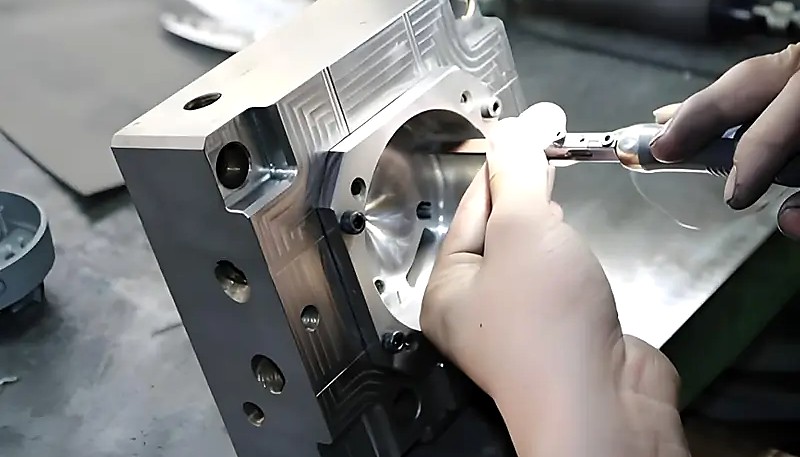
Talaşlı imalat; CNC frezeleme (kavite/maça blokları ve kalıp tabanı için), EDM (kesicilerin erişemediği ince ayrıntılar ve keskin köşeler için elektroerozyon), tel EDM (eğik iticiler gibi boydan boya profiller için), yüzey taşlama (düz ayırma yüzeyleri için) ve parlatma (ayna veya belirtilen yüzey kaliteleri için) işlemlerini kapsar. Sertleştirilmiş insertler, gerilimi gidermek ve hedef sertliğe ulaşmak için işleme sırasında birden fazla ısıl işlem çevriminden geçebilir (tipik olarak P20 için 48-52 HRC, H13 için 50-54 HRC).
Son olarak kalıp monte edilir, test edilir ve T1 (ilk deneme) numuneleriyle yeterliliği doğrulanır. T1 numuneleri parça çizimleriyle karşılaştırılarak ölçülür ve gerekli çelik düzeltmeleri (tahliye kanalı ekleme, yolluk girişinin boyutunu ayarlama, yapışan bölgeleri parlatma) yapılır. Bir üretim kalıbı, üretime alınmadan önce genellikle 2-4 deneme yinelemesinden geçer.
ISO 9001, ISO 13485, ISO 14001 ve ISO 45001 sistemleri kapsamında 20+ yıldır kalıp üreten şirketimizde prosesimiz DFM incelemesinden T1 numune alımına kadar standartlaştırılmıştır. Her kalıp, sevk veya üretime başlamadan önce belgelenmiş kalite kapılarından geçer: çelik sertliği doğrulaması, insertlerin boyutsal kontrolü ve en az iki deneme üretimi.
Enjeksiyon Kalıbı Bileşenleri Hakkında Sık Sorulan Sorular
Bir enjeksiyon kalıbında kalıp gözü ile maça arasındaki fark nedir?
Kavite, parçanın dış yüzeylerini oluşturan kalıbın içbükey (girintili) tarafı; maça ise iç yüzeyleri oluşturan dışbükey (çıkıntılı) tarafıdır. Birlikte kalıplı parçanın tüm geometrisini tanımlarlar ve aralarındaki boşluk et kalınlığını belirler. Uygulamada kavite genellikle sabit kalıp yarısında, maça ise hareketli yarıda bulunur; ancak bu, parça geometrisine ve çıkarma stratejisine göre değişebilir. Kalıp gereksinimlerini belirtirken, DFM geri bildirimini incelerken veya üretim sırasında çapak ve boyutsal sorunları giderirken bu iki bileşen arasındaki farkı anlamak şarttır.
Tipik bir enjeksiyon kalıbında kaç bileşen bulunur?
Standart tek kaviteli bir üretim kalıbı; kavite ve maça insertleri, itici pimler, kılavuz pimler, soğutma bölmeleri, yaylar ve O-ringler dâhil olmak üzere genellikle 50 ila 200 ayrı bileşen içerir. Çok kaviteli kalıplar veya karmaşık yan hareketlere sahip kalıplar 500 ya da daha fazla hassas parça içerebilir. Binlerce üretim çevrimi boyunca tutarlı parça kalitesi sağlamak için her bileşen, çoğu zaman 0,005 mm içinde olan dar toleranslarla üretilmelidir. Kalıp tekliflerini değerlendirirken bu bileşen sayısını anlamak, tedarikçinin yeterli takım karmaşıklığı önerip önermediğini veya soğutma ve itme gibi kritik alt sistemlerde kestirmeye gidip gitmediğini değerlendirmenize yardımcı olur.
Enjeksiyon kalıbı bileşenlerinde hangi malzeme kullanılır?
Yüksek hacimli üretim kalıplarında kavite ve maça ekleri genellikle H13, S136, P20 veya 8407 gibi sertleştirilmiş takım çeliklerinden yapılır. Kalıp tabanlarında S50C gibi orta karbonlu çelik kullanılır. İtici pimler aşınma direnci için sertleştirilmiş SUJ2 rulman çeliğinden yapılır. Prototip veya düşük hacimli kalıplarda 7075-T6 gibi alüminyum alaşımları maliyeti ve termin süresini %30-50 azaltabilir. Malzeme seçimi üretim hacmine, reçinenin aşındırıcılığına, gerekli yüzey finişine ve bütçe kısıtlarına bağlıdır. Kalıp tedarikçiniz herkese uyan tek bir çelik seçimini varsaymak yerine uygulamanıza göre belirli sınıflar önermelidir.
Enjeksiyon kalıpları neden soğutma kanallarına ihtiyaç duyar?
Soğutma kanalları, katılaşan plastik parçadan ısı çekmek için sıcaklığı kontrollü su veya yağı kalıp içinde dolaştırır. Soğutma toplam çevrimin %60-70’ini oluşturduğundan verimli kanal tasarımı çıktıyı artırmak ve parça başı maliyeti düşürmek için en etkili kaldıraçtır. Doğru soğutma, parça itilmeden önce eşit katılaşmasını sağlayarak çarpılma, kalın kesitlerde çökme ve iç kalıntı gerilimi gibi kusurları da önler. Kalıp tasarımında soğutma optimizasyonunu atlamak, takım tedarikindeki en pahalı hatalardan biridir.
Bir enjeksiyon kalıbında itici pimlerin amacı nedir?
İtici pimler, kalıp açıldıktan sonra soğuyup katılaşmış parçayı kalıp boşluğundan dışarı iten sertleştirilmiş çelik çubuklardır. Enjeksiyon makinesinin hidrolik veya mekanik çıkarma sistemiyle çalışan bir itici plakaya monte edilirler. Pim sayısı, çapı ve konumu; parçayı çarpıtmadan veya görünür yüzeylerde iz bırakmadan eşit çıkarma kuvveti uygulayacak biçimde tasarlanmalıdır. Tipik çaplar parça boyutuna göre 2 mm ile 12 mm arasındadır ve pimler ince duvar kesitleri yerine fitil veya bağlantı çıkıntısı gibi yapısal olarak rijit özelliklere basmalıdır.
Enjeksiyon kalıbı bileşenlerini anlamak, doğru kalıbı belirleme, tedarikçi tekliflerini değerlendirme ve üretim sorunlarını giderme becerinizi doğrudan etkiler.
itici pim: İtici pim, soğumadan sonra kalıplanmış parçayı kaviteden dışarı iten ve enjeksiyon makinesinin çıkarma sistemiyle çalıştırılan sertleştirilmiş bir çelik çubuktur. ↩
kalıp boşluğu: Kalıp boşluğu, bir kalıp içinde yer alan ve kalıplanmış parçanın dış biçimini ve yüzey kalitesini belirleyen oyuk alandır. ↩
konformal soğutma: Konformal soğutma kanalları kalıp boşluğunun konturlarını izleyerek geleneksel delinmiş kanallara kıyasla daha eşit soğutma sağlar ve çevrim süresini kısaltır. ↩