Wenn Sie 100.000 identische Kunststoffteile herstellen müssen, ist Spritzgießen fast immer die richtige Antwort. Das Verfahren liefert Zykluszeiten in Sekunden, Stückkosten, die im großen Maßstab unter einen Dime fallen, und Maßhaltigkeit, die andere Fertigungsmethoden einfach nicht erreichen können. Egal, ob Sie Gehäuse für Medizingeräte, Automobilsteckverbinder oder Verkleidungen für Unterhaltungselektronik produzieren, die Wirtschaftlichkeit und Wiederholgenauigkeit des Spritzgießens machen es zum Rückgrat der modernen Massenproduktion für Kunststoffkomponenten. In praktisch jeder Fertigungsbranche weltweit kommt kein anderes Verfahren an seine Produktionsgeschwindigkeit und Stückkosten bei großen Stückzahlen heran.
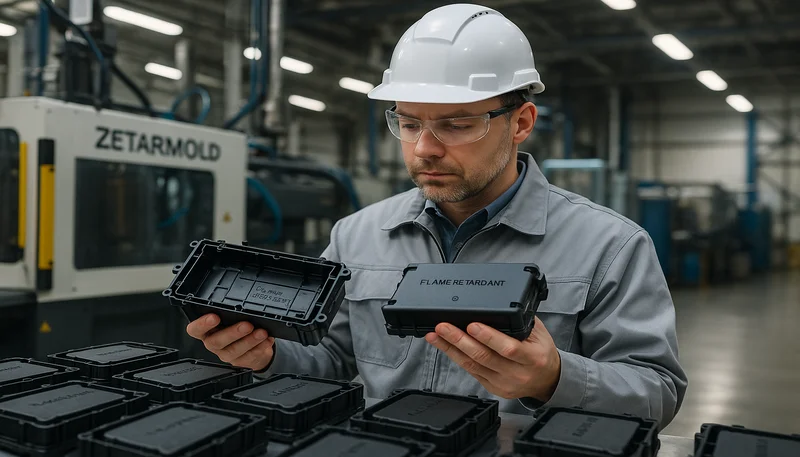
In mehr als 20 Jahren Spritzgießbetrieb am ZetarMold-Standort Shanghai haben wir aus erster Hand erlebt, wie diese Technik kleine Prototypenserien in Produktionsprogramme mit Millionenstückzahlen verwandelt. Dieser Leitfaden erläutert anhand echter Zahlen, realer Zielkonflikte und ohne Übertreibungen, warum sich Spritzgießen besonders für die Massenproduktion eignet, damit Sie fundierte Beschaffungsentscheidungen für Ihr nächstes Großserienprojekt treffen können.
- Die Zykluszeiten beim Spritzgießen liegen zwischen 2 und 30 Sekunden pro Schuss
- Bei Stückzahlen über 100,000 können die Stückkosten unter $0.10 sinken
- Eine einzelne Form kann bei ordnungsgemäßer Wartung 1 Million+ Teile produzieren
- Mehrkavitätenwerkzeuge vervielfachen den Ausstoß, ohne die Zykluszeit zu vervielfachen
- Automatisierung ermöglicht unbeaufsichtigte Produktion rund um die Uhr
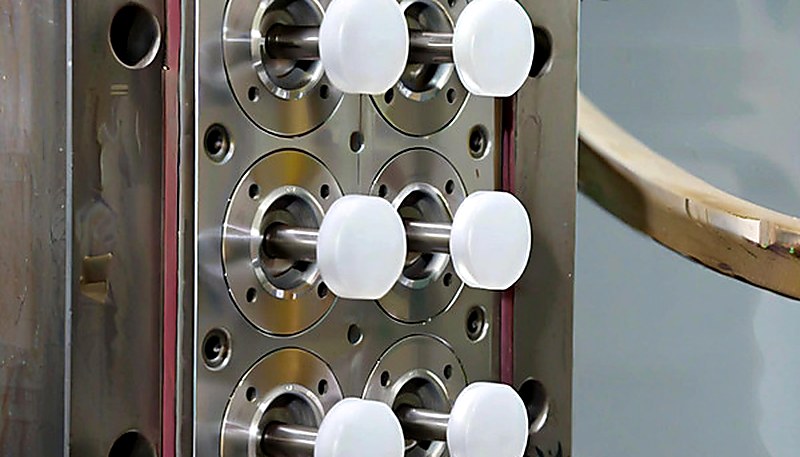
Warum ist Spritzgießen das bevorzugte Verfahren für die Massenproduktion?
Spritzgießen ist das vorherrschende Massenproduktionsverfahren für Kunststoffteile, weil es Zykluszeiten von wenigen Sekunden und Stückkosten von unter zehn Cent ermöglicht. Wenn Sie Anbieter vergleichen oder die Beschaffung planen, behandelt unser Leitfaden zur Beschaffung von Spritzgießlieferanten die Vorbereitung von Angebotsanfragen, die Qualifizierung und die Prüfung kaufmännischer Risiken.
Spritzgießen dominiert die Großserienfertigung von Kunststoffteilen, weil es drei Probleme gleichzeitig löst: Geschwindigkeit, Kosten und Konstanz. Anders als die CNC-Bearbeitung (Materialabtrag an jeweils einem Teil) oder der 3D-Druck (schichtweiser Aufbau) füllt das Spritzgießen eine ganze Kavität — oder mehrere Kavitäten — in einem einzigen, nur Sekunden dauernden Schuss.
Betrachten Sie ein einfaches, 8 Gramm schweres Steckverbindergehäuse. Auf einer CNC-Maschine würden Sie 3–5 Minuten pro Teil benötigen, um es aus einem Block zu bearbeiten. Mit einem 3D-Drucker müssten Sie pro Teil 20–40 Minuten warten. Eine Spritzgießmaschine mit einer 8-fach-Form kann alle 10 Sekunden 8 dieser Gehäuse herstellen — das sind 2,880 Teile pro Stunde auf einer einzigen Maschine.
"Ein einzelnes Spritzgusswerkzeug kann bei ordnungsgemäßer Wartung über 1 Million Teile produzieren."True
Werkzeuge aus gehärtetem H13-Stahl erreichen in Produktionsumgebungen bei planmäßiger vorbeugender Wartung und korrekten Verarbeitungsparametern routinemäßig mehr als 2,000,000 Schüsse.
"Spritzgießen ist erst bei Aufträgen über 100,000 Stück wirtschaftlich."False
Der Break-even-Punkt liegt je nach Bauteilkomplexität typischerweise zwischen 500 und 3.000 Einheiten. Einfache Teile mit Aluminiumformen können bereits bei 200–500 Einheiten die Gewinnschwelle erreichen.
Unsere Fertigung in Shanghai betreibt 47 Spritzgießmaschinen mit Schließkräften von 90T bis 1850T. Bei einem Großserienauftrag können wir mehrere Maschinen gleichzeitig einsetzen. Entscheidend ist, dass beim Spritzgießen die Kosten vor allem zu Beginn für das Spritzgießwerkzeug anfallen.
Eine Stahlform für die Serienfertigung kann je nach Komplexität $15,000–$80,000 kosten. Nach ihrer Fertigstellung fallen für jedes weitere Teil jedoch nur Material- und Maschinenkosten an. Bei 500,000 Stück sinken die anteiligen Formkosten auf wenige Cent pro Teil — eine Kostenstruktur, die kein anderes Verfahren bei thermoplastischen Bauteilen erreicht.
Wie schnell kann Spritzgießen tatsächlich Teile produzieren?
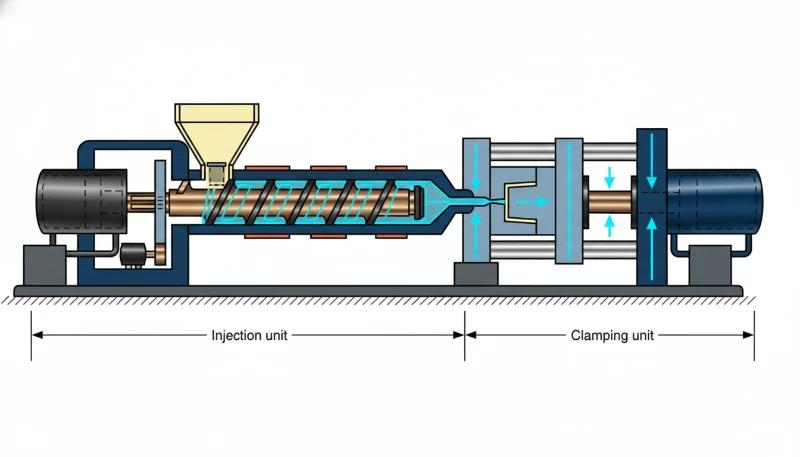
Die Zykluszeiten beim Spritzgießen liegen für die meisten Serienteile typischerweise bei 3–30 Sekunden. Die Zykluszeit1 wird beim Spritzgießen durch vier Phasen bestimmt: Einspritzen (Füllen der Kavität), Nachdruck (Druckhalten während der Erstarrung), Kühlen (Warten, bis das Teil ausreichend erstarrt ist) und Auswerfen (Entnahme des Teils). Davon beansprucht die Kühlung üblicherweise 50–70 % der gesamten Zykluszeit.
Ein dünnwandiges Verpackungsbauteil kann eine Gesamtzykluszeit von 3–5 Sekunden haben, während ein dickwandiges Strukturteil 30–60 Sekunden benötigen kann. Eine Mehrkavitätenform2 ist der eigentliche Multiplikator: Statt eines Teils pro Zyklus kann eine gut konstruierte Form mit jedem Schuss 4, 8, 16 oder sogar 64 identische Teile herstellen.
| Teil Typ | Wanddicke | Zykluszeit | Teile/Std. (1 Kavität) | Teile/Std. (8 Kav.) |
|---|---|---|---|---|
| Dünnwandige Verpackungen | < 1 mm | 3–5 s | 720–1,200 | 5,760–9,600 |
| Elektronikgehäuse | 1.5–2.5 mm | 8–15 Sek. | 240–450 | 1,920–3,600 |
| Automobilverkleidung | 2.5–4 mm | 15–30 s | 120–240 | 960–1,920 |
| Strukturhalterung | 4–8 mm | 25–60 Sek. | 60–144 | Die Herstellung von Medizinprodukten verdient besondere Erwähnung, da sie die Fähigkeiten des Spritzgießens in der anspruchsvollsten regulatorischen Umgebung demonstriert. Die ISO 13485-zertifizierte Produktion erfordert validierte Prozesse, dokumentierte Materialrückverfolgbarkeit und statistisch strenge Qualitätsstichprobenpläne. |
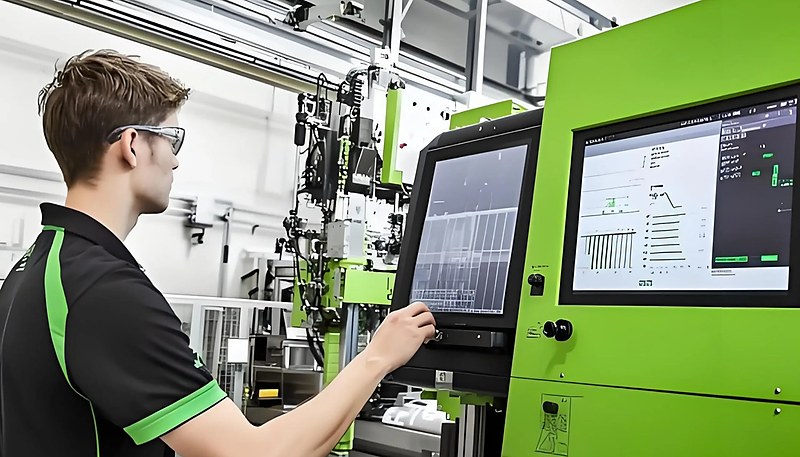
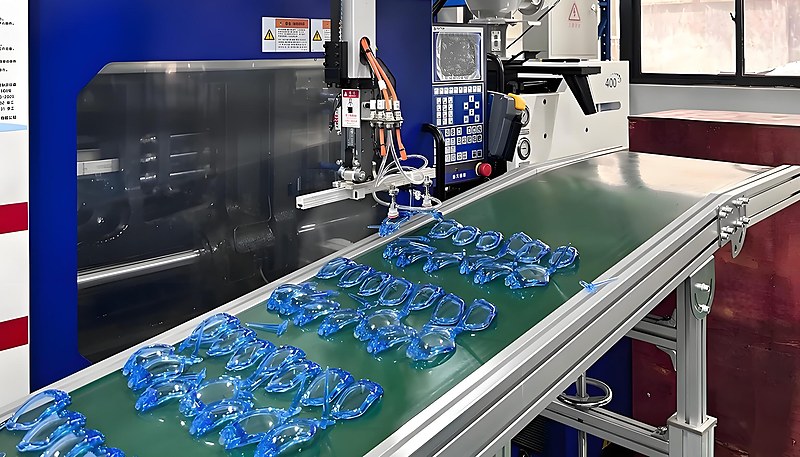
In unserem Werk betreiben wir regelmäßig 16-fach-Formen für kleine Komponenten der Unterhaltungselektronik und produzieren damit auf einer einzigen Maschine über 10.000 Teile pro Stunde. Die Automatisierung fügt einen weiteren Multiplikator hinzu: Servogesteuerte Maschinen mit robotischer Teileentnahme und automatischer Materialzuführung können stundenlang unbeaufsichtigt laufen.
Warum wird Spritzgießen mit steigender Stückzahl günstiger?
Die Kostenkurve des Spritzgießens ist ein klassisches Beispiel für Skaleneffekte3. Das erste Teil ist am teuersten, denn es umfasst die vollständige Formkonstruktion, CNC-Bearbeitung, EDM, Politur und Prüfung. Das zweite Teil kostet im Vergleich dazu fast nichts, und das 100.000. Teil ist noch günstiger, weil die Form bereits amortisiert ist.
Ein Praxisbeispiel: Für ein Elektronikgehäuse mittlerer Komplexität kostet die Form etwa $25,000. Das Rohmaterial ABS kostet rund $2.50/kg, jedes Teil wiegt 35 Gramm — die Materialkosten betragen somit etwa $0.09 pro Teil. Die Maschinenzeit auf einer 200T-Presse kostet ungefähr $15/Stunde.
| Band | Werkzeug/Teil | Material/Teil | Maschine/Bauteil | Gesamt |
|---|---|---|---|---|
| 1,000 Einheiten | $25.00 | $0.09 | $0.006 | $25.10 |
| 10,000 Einheiten | $2.50 | $0.09 | $0.006 | $2.60 |
| 100.000 Einheiten | $0.25 | $0.09 | $0.006 | $0.35 |
| 500.000 Einheiten | $0.05 | $0.09 | $0.006 | $0.15 |
| 1.000.000 Einheiten | $0.025 | $0.09 | $0.006 | $0.12 |
Bei Stückzahlen über 500.000 wird die Werkzeugamortisation vernachlässigbar, und die Materialkosten dominieren. Eine Verringerung der Wandstärke um 0,5 mm bei einem 35-Gramm-Teil kann 15–20 % Material einsparen – bei Millionenstückzahlen ein erheblicher Betrag. Mahlgut bietet einen weiteren Vorteil: Angüsse und Ausschussteile können gemahlen und mit einem Mahlgutanteil von 15–25 % erneut verarbeitet werden.
"Durch den Einsatz von Mahlgut lässt sich der Abfall beim Spritzgießen ohne Qualitätseinbußen um 20–30% reduzieren."True
Die meisten technischen Thermoplaste vertragen einen Rezyklatanteil von 15–25%. Gut geführte Rezyklatprogramme in Werken wie ZetarMold erzielen routinemäßig eine Abfallreduzierung von 20–30%, die durch prozessbegleitende Qualitätsprüfungen bestätigt wird.
"Materialabfälle aus dem Spritzgießen können im Produktionsprozess nicht recycelt werden."False
Verteilerkanäle, Angüsse und Ausschussteile werden routinemäßig gemahlen und erneut verarbeitet. Die meisten technischen Thermoplaste vertragen 15–25 % Mahlgutanteil, ohne mechanische Eigenschaften oder Maßhaltigkeit zu beeinträchtigen.
Welche Gestaltungsfreiheit bietet das Spritzgießen?
Einer der am häufigsten übersehenen Vorteile des Spritzgießens ist seine konstruktive Freiheit. Geschmolzenes Polymer füllt unter hohem Druck Kavitäten mit komplexen Geometrien — Hinterschneidungen, Innengewinde, Filmscharniere, Schnappverbindungen und texturierte Oberflächen — in einem einzigen Zyklus. Merkmale, die bei der CNC-Bearbeitung nachgelagerte Arbeitsgänge erfordern, können direkt geformt werden.
Dies ist bei großen Stückzahlen besonders wichtig, da jeder Sekundärprozess Kosten, Zykluszeit und Schwankungen erhöht. Wenn ein Schnappverschluss geformt statt ein Schraubdeckel montiert werden kann, entfällt ein kompletter Montageschritt. Wir haben Kunden dabei unterstützt, mehrteilige Baugruppen zu einzelnen Formteilen zusammenzufassen und die Gesamtzahl der Teile um 40–60% zu reduzieren.
Die Werkstoffvielfalt erweitert diese Flexibilität zusätzlich. Mit mehr als 400 Polymerformulierungen — von Standard-Polypropylenen bis zu hochtemperaturbeständigem PEEK — lässt sich der Werkstoff präzise auf die Anwendungsanforderungen abstimmen. Mehrkomponenten- und Einlegerspritzgießen gehen noch weiter: Unsere drei Zweikomponentenmaschinen formen Hart-Weich-Kombinationen in einem einzigen Zyklus.
Wie hält Spritzgießen bei hohen Stückzahlen die Qualität aufrecht?
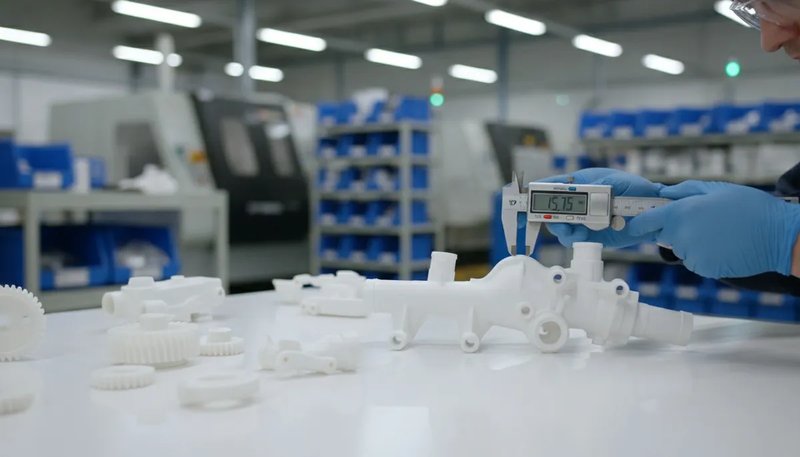
Bei der Konstanz in Großserie hebt sich das Spritzgießen tatsächlich von anderen Verfahren ab. Sobald ein Werkzeug qualifiziert und die Prozessparameter festgelegt sind, füllt jeder Schuss dieselbe Kavitätsgeometrie mit demselben Material bei gleicher Temperatur und gleichem Druck. Die Maßabweichung zwischen Schuss Nr. 1,000 und Schuss Nr. 1,000,000 liegt typischerweise innerhalb von ±0.005 inch.
Die Prozessüberwachung hat die Qualitätskontrolle grundlegend verändert. Echtzeitsensoren erfassen bei jedem Schuss Kavitätsdruck, Schmelzetemperatur, Füllzeit und Nachdruck. Algorithmen der statistischen Prozesskontrolle kennzeichnen Drift, bevor Teile außerhalb der Spezifikation entstehen. Unser Werk setzt einen sechsstufigen Qualitätsprozess um, der durch Zertifizierungen nach ISO 9001:2015 und ISO 13485 gestützt wird.
"Bei modernen Spritzgussverfahren können die Fehlerquoten für kritische Anwendungen unter 0.1% liegen."True
Bei Medizinprodukten und sicherheitsrelevanten Fahrzeugkomponenten werden durch wissenschaftliche Spritzgießmethoden, Echtzeitüberwachung des Kavitätsdrucks und strenge statistische Prozessregelung routinemäßig Fehlerquoten unter 0.1% erreicht.
"Hersteller von Medizinprodukten können Spritzgießen nicht für die Massenproduktion einsetzen."False
Spritzgießen wird in großem Umfang für die Großserienfertigung von Medizinprodukten eingesetzt. Nach ISO 13485 zertifizierte Spritzgießbetriebe fertigen Einwegspritzen, Gehäuse für Diagnosekartuschen und Griffe chirurgischer Instrumente millionenfach und mit vollständiger Rückverfolgbarkeit.
Zum Vergleich: Beim Druckguss liegen die typischen Ausschussquoten bei 1–3%, während bei der CNC-Bearbeitung der Werkzeugverschleiß zu einer fortschreitenden Maßabweichung führt. Bei der Fertigung von einer Million Bauteilen bedeutet eine Ausschussquote von 0.1% statt 2% insgesamt 19,000 Ausschussteile weniger und entsprechend weniger Materialverlust und Nacharbeit.
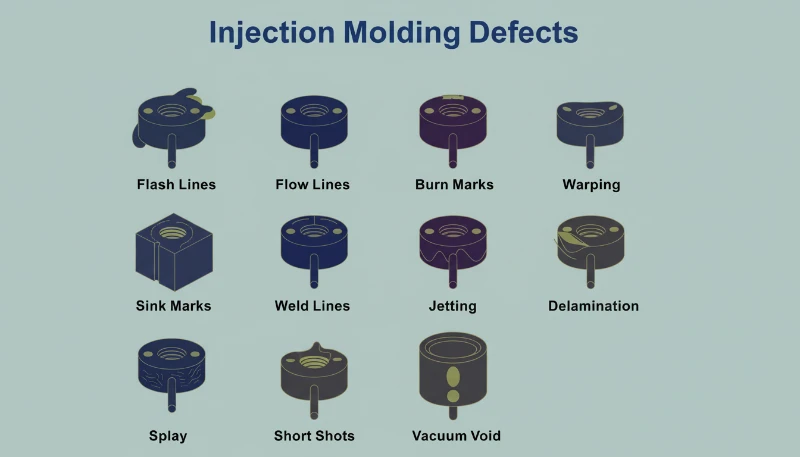
Welche Branchen sind bei der Massenproduktion auf Spritzgießen angewiesen?
Automobil, Medizin, Elektronik und Verpackung sind die vier wichtigsten Branchen, die für die Massenproduktion auf Spritzgießen angewiesen sind. Allein die Automobilindustrie verbraucht weltweit etwa 30% aller spritzgegossenen Teile – von Innenverkleidungen über Leuchtengehäuse bis hin zu Flüssigkeitsbehältern.
| Industrie | Typische Teile | Stückzahlbereich | Wesentliche Anforderungen |
|---|---|---|---|
| Automobilindustrie | Stoßfänger, Armaturenbretter, Steckverbinder | 50K–5M+ | Haltbarkeit, UV-Beständigkeit |
| Medizinische | Spritzen, Gehäuse, chirurgische Instrumente | 100K–50M | Reinraum, Biokompatibilität |
| Elektronik | Gehäuse, Halterungen, Steckverbinder | 100K–100M | EMI-Abschirmung, Flammhemmung |
| Verpackung | Kappen, Verschlüsse, Behälter | 1M–1B+ | Lebensmittelsicherheit, schneller Zyklus |
| Konsumgüter | Spielzeug, Küchenwaren, Haushaltsgeräte | 50K–10M | Ästhetik, Einhaltung von Sicherheitsvorschriften |
Die Fertigung von Medizinprodukten verdient besondere Erwähnung, da sie die Leistungsfähigkeit des Spritzgusses im anspruchsvollsten regulatorischen Umfeld zeigt. Eine nach ISO 13485 zertifizierte Produktion erfordert validierte Prozesse, dokumentierte Materialrückverfolgbarkeit und statistisch strenge Qualitätsstichprobenpläne.
"Eine Mittelklasselimousine enthält über 10,000 spritzgegossene Kunststoffteile."True
Moderne Fahrzeuge enthalten etwa 10,000+ Kunststoffkomponenten — von Innenverkleidungen und Instrumententafelbaugruppen bis zu Steckverbindern im Motorraum, Kabelbaumclips und Flüssigkeitsbehältern —, von denen die große Mehrheit im Spritzgießverfahren hergestellt wird.
„Konturfolgende Kühlkanäle können nicht in Spritzgießformen für die Produktion eingesetzt werden.“False
Konturnahe Kühleinsätze, die per Metall-3D-Druck gefertigt werden, finden zunehmend in Produktionswerkzeugen Verwendung. Gegenüber konventionell gebohrten Kanälen verkürzen sie die Kühlzeit um 20–40 % und sind in Großserienanwendungen der Automobil- und Unterhaltungselektronik für Millionen Zyklen validiert.
Wie verbessern moderne Technologien die Produktivität beim Spritzgießen?
Die moderne Spritzgießproduktivität wird durch vollelektrische Maschinen, wissenschaftliche Spritzgießmethodik, IoT-Überwachung und konforme Kühlung vorangetrieben. Vollelektrische Maschinen haben hydraulische Pressen in Präzisionsanwendungen weitgehend ersetzt. Servogetriebene Einspritzeinheiten bieten eine Schuss-zu-Schuss-Konsistenzverbesserung von 30–50% gegenüber hydraulischen Systemen bei gleichzeitiger Reduzierung des Energieverbrauchs um 50–70%. Sie eliminieren auch Hydrauliköl – ein Kontaminationsrisiko in Reinraumumgebungen.
Die Methodik des wissenschaftlichen Spritzgießens nutzt die statistische Versuchsplanung (Design of Experiments), um den Zusammenhang zwischen Prozessparametern und Teilequalität systematisch abzubilden. Sobald das optimale Prozessfenster ermittelt ist, wird es in der Maschinensteuerung festgeschrieben und zum dokumentierten Standard für diese Werkzeug-Bauteil-Kombination.
Die Integration von Industrie 4.0 verbindet Maschinen über IoT mit zentralen Dashboards. Algorithmen des maschinellen Lernens sagen Wartungsbedarf voraus, optimieren Zykluszeiten und erkennen Qualitätsabweichungen, bevor Fehler entstehen. Konturnahe Kühlkanäle — ermöglicht durch den Metall-3D-Druck von Werkzeugeinsätzen — verkürzen die Kühlzeit um 20–40 %.
Wann sollten Sie Spritzgießen den Alternativen vorziehen?
Spritzgießen ist die beste Wahl, wenn Sie 3.000+ identische thermoplastische Teile mit engen Toleranzen und komplexer Geometrie benötigen. Die Gewinnschwelle zwischen Spritzgießen und Alternativen (typischerweise CNC-Bearbeitung oder Urethan-Gießen) liegt normalerweise zwischen 500 und 3.000 Einheiten, abhängig von der Teilekomplexität.
| Faktor | IM wählen, wenn | Erwägen Sie Alternativen, wenn |
|---|---|---|
| Band | Mehr als 10.000 identische Teile | Weniger als 500 Teile |
| Werkstoff | Thermoplaste erfüllen die Anforderungen | Metalle oder Keramiken erforderlich |
| Geometrie | Komplexe 3D-Formen | Einfache flache Teile |
| Zeitleiste | 4–8 Wochen bis zur Werkzeugfreigabe | Teile innerhalb weniger Tage benötigt |
| Budget | Werkzeugkosten amortisieren sich über die Stückzahl | Begrenztes Anfangsbudget |
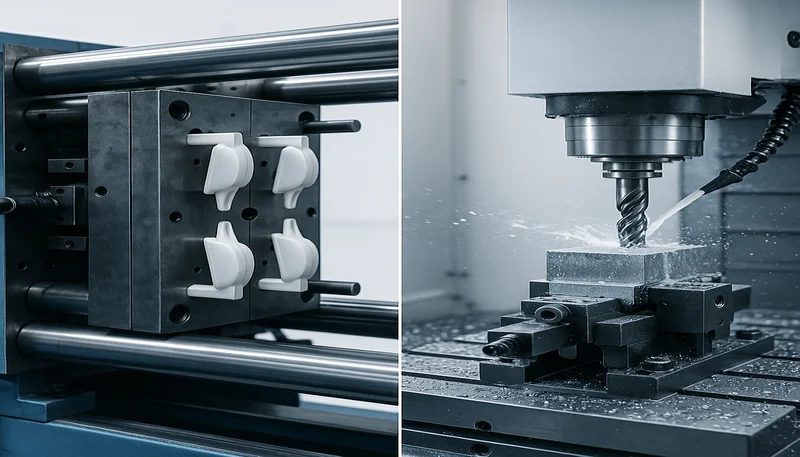
Im Werk von ZetarMold in Shanghai bedienen 120+ Produktionsmitarbeiter 47 Spritzgießmaschinen mit Schließkräften von 90T bis 1850T. Unterstützt werden sie von 8 leitenden Ingenieuren mit jeweils 10+ Jahren Erfahrung. In unserem eigenen Werkzeugbau fertigen wir monatlich 100+ Werkzeugsätze und behalten damit die volle Kontrolle über Werkzeugqualität und Lieferzeiten. Unser Team aus 30+ englischsprachigen Projektmanagern gewährleistet eine reibungslose Kommunikation mit internationalen OEMs – von der ersten DFM-Prüfung über den Produktionshochlauf bis zur laufenden Serienfertigung. Erfahren Sie mehr über die Beschaffung von Spritzgussteilen bei qualifizierten Lieferanten.
Im Werk von ZetarMold in Shanghai bedienen 120+ Produktionsmitarbeiter 47 Spritzgießmaschinen mit Schließkräften von 90T bis 1850T. Unterstützt werden sie von 8 leitenden Ingenieuren mit jeweils 10+ Jahren Erfahrung. In unserem eigenen Werkzeugbau fertigen wir monatlich 100+ Werkzeugsätze und behalten damit die volle Kontrolle über Werkzeugqualität und Lieferzeiten. Unser Team aus 30+ englischsprachigen Projektmanagern gewährleistet eine reibungslose Kommunikation mit internationalen OEMs – von der ersten DFM-Prüfung über den Produktionshochlauf bis zur laufenden Serienfertigung. Erfahren Sie mehr über die Beschaffung von Spritzgussteilen bei qualifizierten Lieferanten.
Häufig gestellte Fragen
Häufig gestellte Fragen
Welches Mindestvolumen ist erforderlich, damit Spritzgießen wirtschaftlich wird?
Für die meisten Teile wird Spritzgießen ab 3.000–10.000 Einheiten wirtschaftlich. Der genaue Break-even-Punkt hängt von Bauteilkomplexität, Werkstoffauswahl und Werkzeugkosten ab. Einfache Teile mit Aluminiumwerkzeugen können sich bereits ab 500 Einheiten rechnen, während komplexe Mehrkavitätenwerkzeuge aus Stahl möglicherweise mehr als 10.000 Einheiten benötigen, bis die Werkzeugkosten vollständig amortisiert sind. Wir empfehlen, für das erwartete Volumen einen Kostenvergleich zwischen CNC-Bearbeitung, Vakuumguss mit Polyurethan und Spritzgießen durchzuführen, um den optimalen Übergangspunkt für Ihr konkretes Projekt zu ermitteln. Diese Analyse sollte Berechnungen zur Werkzeugamortisation an mehreren Mengenschwellen enthalten. So lässt sich genau bestimmen, ab wann das Spritzgießen für Ihre spezifischen Geometrie- und Werkstoffanforderungen wirtschaftlicher ist als alternative Verfahren.
Wie lange hält ein Spritzgusswerkzeug in der Massenfertigung?
Eine ordnungsgemäß gewartete P20-Stahlform hält typischerweise 500.000–1.000.000 Schuss, bevor eine größere Überholung erforderlich ist. Formen aus gehärtetem H13- oder S136-Stahl können unter optimalen Bedingungen mehr als 2.000.000 Schuss erreichen. Aluminium-Prototypenformen halten 1.000–10.000 Schuss und eignen sich am besten als Übergang zu Serienwerkzeugen. Die tatsächliche Lebensdauer einer Form hängt von der Abrasivität des Materials, der Komplexität der Bauteilgeometrie, den Verarbeitungstemperaturen und der konsequenten vorbeugenden Wartung ab. In unserem Werk erfassen wir die Schusszahlen und planen Wartungen vorausschauend, um Qualitätsabweichungen zu verhindern. Regelmäßige Programme für Reinigung, Polieren und Komponentenaustausch verlängern die Formlebensdauer erheblich. Thermische Ermüdung und abrasiver Verschleiß begrenzen die Lebensdauer am stärksten, insbesondere bei der Verarbeitung glas- oder mineralgefüllter technischer Harze.
Kann Spritzgießen Teile mit engen Toleranzen konstant herstellen?
Ja, modernes Spritzgießen hält bei Standardteilen routinemäßig Toleranzen von ±0,005 Zoll (±0,13 mm) und bei Präzisionsanwendungen von ±0,001 Zoll (±0,025 mm) ein. Das Erreichen dieser Toleranzen erfordert eine sachgerechte Formkonstruktion mit ausreichender Kühlung, eine wissenschaftliche Spritzgießmethodik zur Prozessoptimierung und eine konstante Materialversorgung. Echtzeitüberwachung des Kavitätsdrucks und statistische Prozessregelung stellen sicher, dass diese Konstanz über Millionen von Produktionszyklen aufrechterhalten wird, wodurch das Spritzgießen zu einem der reproduzierbarsten verfügbaren Fertigungsverfahren zählt. Medizinische und automobile Anwendungen verlangen häufig noch engere Toleranzen, die durch eine optimierte Anschnittkonstruktion, eine gleichmäßige Kühlkanalanordnung und die Maßprüfung nach dem Formen mit Koordinatenmessgeräten (KMG) zur statistischen Verifizierung erreicht werden.
Wie steigert das Mehrkavitäten-Spritzgießen die Produktionsleistung?
Mehrkavitätenwerkzeuge produzieren in jedem Maschinenzyklus mehrere identische Teile. Ein Werkzeug mit 8 Kavitäten fertigt 8 Teile pro Schuss, wobei sich die Zykluszeit gegenüber einem Einkavitätenwerkzeug nur minimal erhöht. Dadurch skaliert die Produktionsleistung nahezu linear mit der Kavitätenzahl — ein Werkzeug mit 8 Kavitäten produziert pro Stunde etwa 7–8-mal so viele Teile wie eine Einkavitätenausführung. Familienwerkzeuge können außerdem verschiedene Teile derselben Produktbaugruppe in einem Schuss herstellen, was die Produktionseffizienz weiter steigert und die Fertigungskosten pro Teil senkt. Der Nachteil sind höhere anfängliche Werkzeugkosten, da Mehrkavitätenwerkzeuge mehr Bearbeitungszeit und größere Werkzeuggrundkörper erfordern. Bei Stückzahlen über 50,000 Einheiten rechtfertigen die Einsparungen pro Teil die zusätzliche Werkzeuginvestition jedoch typischerweise bereits im ersten Produktionslauf.
Wie lang ist die typische Vorlaufzeit für die Serienproduktion im Spritzgießen?
Die Fertigung von Serienwerkzeugen dauert je nach Werkzeugkomplexität, Kavitätenzahl und Anforderungen an die Oberflächengüte typischerweise 4–8 Wochen. Erstmusterprüfung und Prozessvalidierung benötigen weitere 1–2 Wochen. Nach der Qualifizierung des Werkzeugs werden 100,000+ Teile im Allgemeinen innerhalb von 2–4 Wochen ausgeliefert. Beschleunigter Werkzeugbau mit Aluminiumwerkzeugen kann die anfängliche Vorlaufzeit für Prototypen und Brückenproduktion auf 2–3 Wochen verkürzen. Bei dringenden Programmen können mehrere Maschinen parallel betrieben werden, um die Produktionszeiten erheblich zu verkürzen. Eilwerkzeugprogramme mit fest zugewiesenen Werkzeugbaukapazitäten verkürzen die Fristen weiter, erhöhen die Werkzeugkosten jedoch typischerweise um 20–40 %. Die parallele Planung des Werkzeugbaus und der abschließenden Konstruktionsoptimierung spart insgesamt am meisten Zeit.
Kann das Spritzgießen verschiedene Materialien in einem Teil verarbeiten?
Ja, durch Zweikomponenten- bzw. Mehrkomponenten-Spritzgießen und Überspritzen. Zweikomponentenmaschinen verarbeiten zwei unterschiedliche Materialien in einem Zyklus – ideal für Hart-Weich-Kombinationen wie einen steifen ABS-Körper mit einer TPE-Grifffläche. Insert-Molding ermöglicht außerdem das Einbetten von Metallkomponenten, Gewindeeinsätzen oder elektronischen Baugruppen während des Spritzzyklus. Diese integrierten Verfahren beseitigen nachgelagerte Montageschritte, senken Arbeitskosten und verbessern gegenüber klebstoffbasierten Montageverfahren die Haftfestigkeit zwischen unterschiedlichen Materialien. Die wesentliche Einschränkung ist die Materialverträglichkeit – beide Materialien müssen beim Formen richtig aneinander haften. Materiallieferanten stellen Verträglichkeitsdaten bereit, und Prototypentests bestätigen die Haftfestigkeit vor der Investition in Serienwerkzeuge.
Wie schneidet Spritzgießen gegenüber 3D-Druck in der Massenproduktion ab?
Bei Produktionsstückzahlen ist Spritzgießen erheblich schneller und günstiger. Ein Teil, dessen Spritzguss $0.15 kostet, kann im 3D-Druck mit vergleichbaren Materialien $3–$8 kosten; dabei stehen Zykluszeiten von Sekunden mehreren Stunden pro Teil gegenüber. Der 3D-Druck eignet sich besonders für Prototypen, Konstruktionsiterationen und Kleinserien unter 100 Einheiten. Oberhalb von 1,000 Einheiten dominiert das Spritzgießen. Die 3D-Drucktechnologie unterstützt das Spritzgießen jedoch zunehmend durch Rapid Tooling — 3D-gedruckte Werkzeugeinsätze können Kleinserien von 100–1,000 Teilen aus Produktionsmaterialien herstellen.
Welche Qualitätszertifizierungen sollte ein Spritzgießhersteller besitzen?
Mindestens erforderlich ist eine Zertifizierung des Qualitätsmanagementsystems nach ISO 9001:2015. Die Herstellung von Medizinprodukten erfordert eine ISO 13485-Zertifizierung und Reinraumkapazitäten. Automobilanwendungen erfordern typischerweise eine IATF 16949-Zertifizierung. Zertifizierungen für Umweltmanagement (ISO 14001) sowie Arbeits- und Gesundheitsschutz (ISO 45001) weisen auf einen gut geführten Betrieb mit ordnungsgemäßer Unternehmenssteuerung hin. Prüfen Sie stets, ob der Zertifizierungsumfang speziell die benötigten Spritzgussprozesse abdeckt — nicht nur die Verwaltungsfunktionen des Unternehmens. Fordern Sie bei der Lieferantenqualifizierung Originalzertifikate und Auditberichte an. Audits durch externe Zertifizierungsstellen (TUV, SGS, BSI) schaffen zusätzliches Vertrauen gegenüber Eigenerklärungen. In regulierten Branchen muss der Zertifizierungsumfang die jeweiligen Produktkategorien und nicht nur allgemeine Fertigungsprozesse abdecken.
Zykluszeit: Die Zykluszeit bezeichnet die gesamte Dauer eines Spritzgießzyklus vom Schließen der Form bis zum Auswerfen des Teils. ↩
Mehrkavitätenform: Eine Mehrkavitätenform ist ein Formwerkzeug mit zwei oder mehr identischen Kavitäten, das die gleichzeitige Herstellung mehrerer Teile in jedem Formzyklus ermöglicht. ↩
Skaleneffekte: Skaleneffekte bezeichnen den Kostenvorteil steigender Produktionsmengen, bei denen Fixkosten wie die Werkzeuginvestition auf mehr Einheiten verteilt werden. ↩