10万個の同一プラスチック部品を作る必要がある場合、射出成形がほぼ常に正解です。このプロセスはサイクルタイムが数秒単位で、規模が大きくなると1個あたりのコストが10セント以下に下がり、他の製造方法では到底及ばない寸法の一貫性を実現します。医療機器ハウジング、自動車コネクタ、民生電子機器筐体のいずれを生産する場合でも、射出成形の経済性と再現性が、プラスチック部品の現代的大量生産の基盤となっています。世界中のほぼすべての製造業界において、大量生産時の出力速度と単価の点で、これに匹敵する他のプロセスはありません。
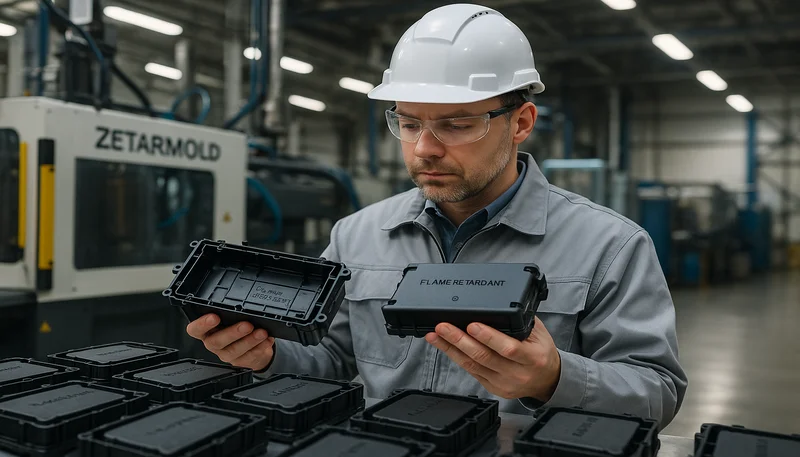
ZetarMoldの上海工場で20年以上にわたり射出成形事業を運営するなかで、少量の試作が100万個規模の量産計画へと変わる様子を実際に見てきました。本ガイドでは、射出成形が大量生産に優れる理由を、実際の数値とトレードオフを用いて誇張なく解説します。次の大ロット案件で、自信を持って調達判断を下すためにお役立てください。
- 射出成形のサイクル時間は1ショット当たり2–30秒
- 100,000個を超える数量では、単位コストを$0.10未満まで下げられます
- 適切に保守すれば、1つの金型で100万個以上の部品を生産できます
- 多数個取り金型はサイクル時間を増やさずに生産量を倍増させる
- 自動化により24時間365日の無人連続生産が可能
射出成形が大量生産の定番手法である理由は?
射出成形は、サイクルタイムが数秒で、1個当たりのコストを10セント未満に抑えられるため、プラスチック部品の大量生産で主流の工法です。ベンダー比較や調達計画を進めている方は、RFQの準備、適格性評価、商取引上のリスク確認を解説した射出成形サプライヤー調達ガイドもご覧ください。
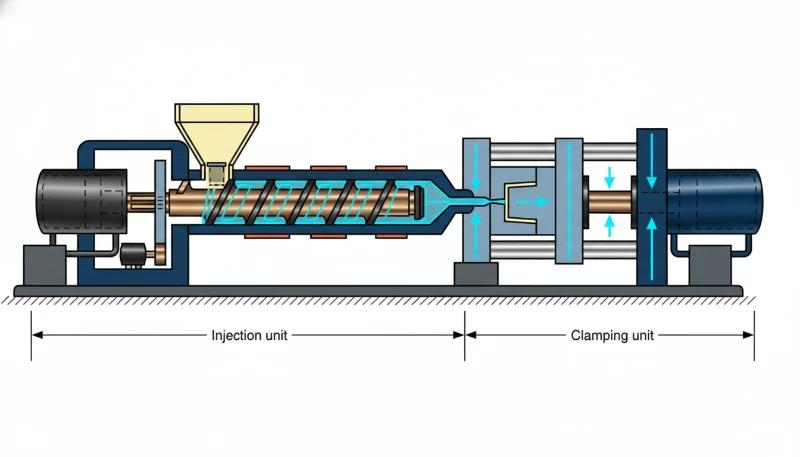
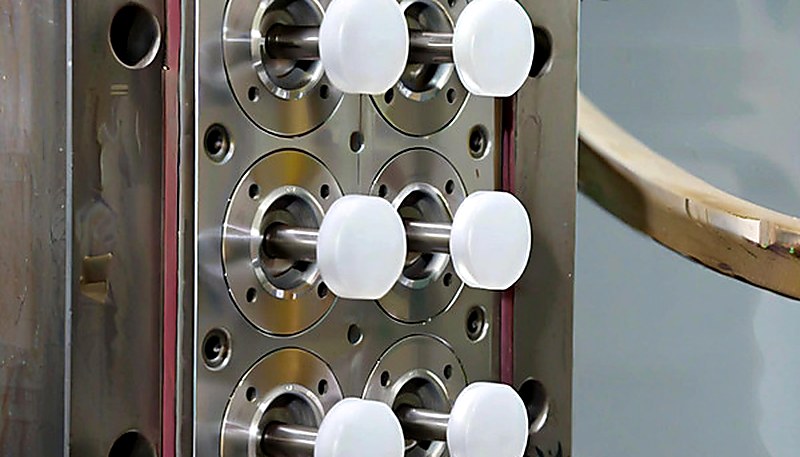
射出成形がプラスチックの大量生産で主流なのは、速度、費用、一貫性という3つの課題を同時に解決するためです。部品を1個ずつ削るCNC加工や、層ごとに造形する3Dプリントと異なり、射出成形は数秒の1ショットで金型キャビティ全体、または複数のキャビティを充填します。
重量8グラムの単純なコネクタハウジングを例に考えてみましょう。CNC加工機では、ブロック材から1個を切削するのに3~5分かかります。3Dプリンターでは、1個あたり20~40分待つことになります。8個取り金型を搭載した射出成形機なら、このハウジングを10秒ごとに8個生産できます。つまり、1台の成形機で毎時2,880個です。
"適切に保全すれば、1つの射出成形金型で100万個を超える部品を生産できます。"True
焼入れH13鋼製金型は、計画的な予防保全と適切な成形条件を適用する量産環境で、通常200万ショットを超えます。
「射出成形は、発注数量が100,000個を超える場合にのみ費用対効果があります。」False
損益分岐点は部品の複雑さに応じて通常500~3,000個です。アルミニウム金型を使用する単純部品では、わずか200~500個で損益分岐に達する場合があります。
上海の工場では、型締力90T~1850Tの射出成形機を47台稼働させています。大ロット案件が生産に入ると、複数台を同時に割り当てることができます。重要なのは、射出成形では初期費用が射出成形金型に集中するという点です。
量産用の鋼製金型は、複雑さに応じて$15,000–$80,000かかる場合があります。しかし、一度製作すれば、追加部品1個当たりのコストは原材料費と成形機の稼働時間だけです。500,000個を生産すれば、金型費の償却額は1個当たり数セントとなります。熱可塑性樹脂部品において、これに匹敵するコスト構造を持つ他の製法はありません。
射出成形では実際にどれほど速く部品を生産できますか?
一般的な量産部品の射出成形サイクルタイムは、通常3~30秒です。射出成形のサイクルタイム1は、射出、保圧、冷却、突き出しの4工程で決まります。このうち、冷却が総サイクルタイムの50~70%を占めるのが一般的です。
薄肉の包装部品なら総サイクルは3~5秒ですが、厚肉の構造部品では30~60秒かかる場合があります。真の生産力を生むのは多数個取り金型2です。適切に設計された金型なら1ショットで4個、8個、16個、さらには64個の同一部品を製造できます。
| 部品の種類 | 壁厚 | サイクルタイム | 部品数/時(1キャビティ) | 個/時(8キャビティ) |
|---|---|---|---|---|
| 薄肉包装 | < 1 mm | 3~5秒 | 720–1,200 | 5,760–9,600 |
| 電子機器筐体 | 1.5–2.5 mm | 8–15秒 | 240–450 | 1,920–3,600 |
| 自動車内外装部品 | 2.5–4 mm | 15–30秒 | 120–240 | 960–1,920 |
| 構造ブラケット | 4–8 mm | 25~60秒 | 60–144 | 480–1,152 |
現代の車両には、内装トリムパネルやダッシュボードアセンブリから、ボンネット下コネクター、ワイヤーハーネスクリップ、流体タンクまで、約10,000以上のプラスチック部品が含まれており、その大部分は射出成形によって製造されています。
生産量が増えると射出成形が安くなるのはなぜですか?
射出成形のコスト曲線は、規模の経済3の典型例です。最初の1個は、金型設計、CNC加工、放電加工、研磨、試験の全費用を含むため最も高価です。しかし2個目ははるかに低コストで、金型費が償却済みの10万個目はさらに安くなります。
実例を挙げます。中程度の複雑さを持つ電子機器筐体には、約$25,000の金型が必要です。原材料(ABS)は約$2.50/kgで、部品1個の重量は35グラムであるため、材料費は1個当たり約$0.09です。200T成形機の稼働費は約$15/時間です。
| ボリューム | 金型/部品 | 材料/部品 | 成形機/部品 | 合計 |
|---|---|---|---|---|
| 1,000個 | $25.00 | $0.09 | $0.006 | $25.10 |
| 10,000個 | $2.50 | $0.09 | $0.006 | $2.60 |
| 100,000個 | $0.25 | $0.09 | $0.006 | $0.35 |
| 500,000個 | $0.05 | $0.09 | $0.006 | $0.15 |
| 100万個 | $0.025 | $0.09 | $0.006 | $0.12 |
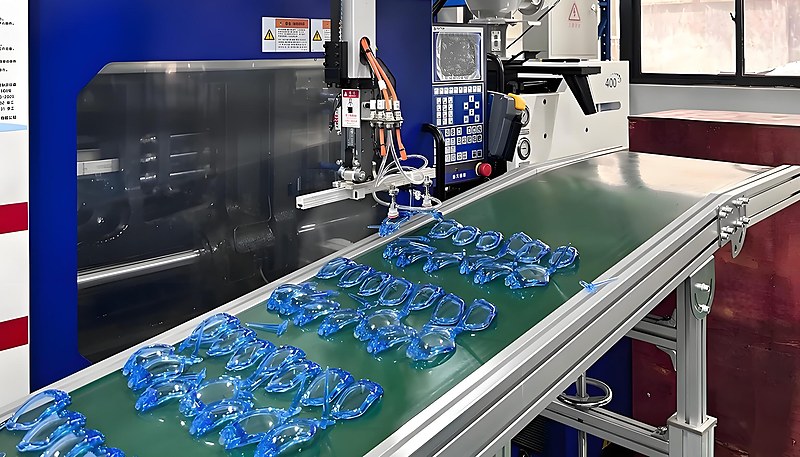
数量が500,000個を超えると、金型償却費は無視できる水準となり、材料費が支配的になります。35グラムの部品で肉厚を0.5mm減らすと、材料費を15–20%削減できます。これは百万個単位の生産では大きな効果です。再生材にも利点があり、ランナーと不良品を粉砕し、15–25%の再生材比率で再加工できます。
「粉砕再生材を使用すれば、品質を損なわずに射出成形廃棄物を20–30%削減できる。」True
ほとんどのエンジニアリング熱可塑性樹脂は15~25%の粉砕再生材を許容します。ZetarMoldのような工場で適切に管理された再生材プログラムは、工程内品質検査で確認しながら廃棄物を通常20~30%削減します。
「射出成形で生じる材料廃棄物は、生産工程でリサイクルできない。」False
ランナー、スプルー、不良部品は日常的に粉砕して再加工されます。ほとんどのエンジニアリング熱可塑性樹脂は、機械特性や寸法精度を損なわずに15~25%の粉砕再生材を使用できます。
射出成形にはどのような設計自由度がありますか?
射出成形で最も見落とされがちな利点の一つは、設計自由度の高さです。高圧下の溶融ポリマーは、アンダーカット、内ねじ、リビングヒンジ、スナップフィット、シボ面など、複雑な形状のキャビティにも1サイクルで充填できます。CNC加工では二次工程が必要な形状も、直接成形できます。
量産では、二次工程を一つ追加するたびにコスト、サイクルタイム、ばらつきが増えるため、これは非常に重要です。ねじ込み式の蓋を組み立てる代わりにスナップフィット式クロージャーを一体成形できれば、組立工程を丸ごと削減できます。当社は複数部品のアセンブリを単一成形部品に統合し、総部品点数を40–60%削減してきました。
材料の多様性が、この柔軟性をさらに高めます。汎用ポリプロピレンから高温用PEEKまで、400種類を超えるポリマー配合から、用途要件に合う材料を正確に選べます。多色・多材質成形とインサート成形により、可能性はさらに広がります。当社の3台の二色成形機は、硬質材と軟質材の組み合わせを1サイクルで成形します。
射出成形は大量生産でどのように品質を維持しますか?
量産規模での一貫性こそ、射出成形が他の工法と真に一線を画す点です。金型の適格性が確認され、工程パラメータが固定されると、すべてのショットで同じ材料が同じ温度と圧力で同じキャビティ形状に充填されます。ショット#1,000とショット#1,000,000の寸法差は、通常±0.005インチ以内です。
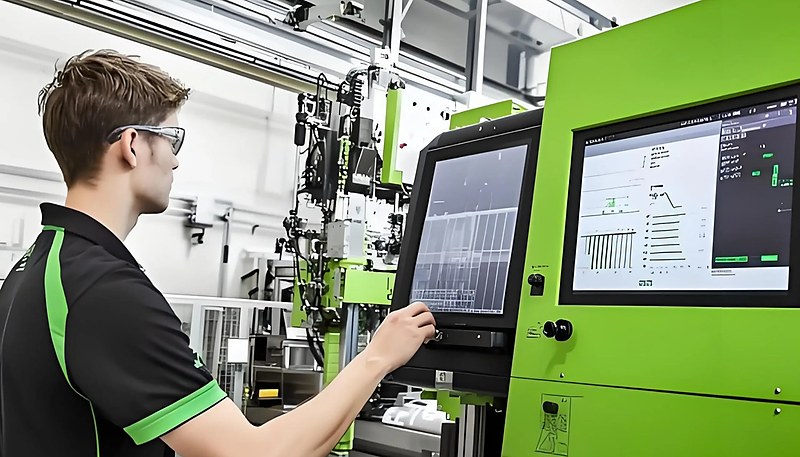
工程監視は品質管理を一変させました。リアルタイムセンサーが、ショットごとのキャビティ圧力、溶融温度、充填時間、保圧を追跡します。統計的工程管理アルゴリズムは、規格外品が発生する前に変動を検知します。当社工場では、ISO 9001:2015およびISO 13485認証に裏付けられた6段階の品質工程を実施しています。
"最新の射出成形では、重要用途の不良率を0.1%未満に抑えることができます。"True
医療機器と自動車安全部品の生産では、科学的成形手法、リアルタイムキャビティ圧力監視、厳格な統計的工程管理により、不良率0.1%未満を日常的に達成しています。
"医療機器メーカーは、量産に射出成形を利用できない。"False
射出成形は、医療機器の大量生産に広く使用されています。ISO 13485認証を受けた成形工場では、完全なトレーサビリティを備え、使い捨て注射器、診断用カートリッジハウジング、手術器具ハンドルを数百万個単位で生産しています。
これをダイカスト(一般的な不良率1–3%)やCNC加工(工具摩耗によって寸法が徐々に変動する)と比較してみましょう。100万個を生産する場合、不良率を2%ではなく0.1%に抑えれば、不良品を19,000個削減でき、それに伴う材料廃棄と手直しも減らせます。
大量生産で射出成形に依存しているのはどの業界ですか?
自動車、医療、電子機器、包装は、大量生産に射出成形に依存するトップ4業界です。自動車業界だけで、内装トリムから照明ハウジング、流体リザーバーまで、世界の射出成形部品の約30%を消費しています。
| 産業 | 代表的な部品 | 数量範囲 | 主要要件 |
|---|---|---|---|
| 自動車 | バンパー、ダッシュボード、コネクター | 50K–5M+ | 耐久性、耐UV性 |
| メディカル | 注射器、ハウジング、手術器具 | 100K–50M | クリーンルーム、生体適合性 |
| エレクトロニクス | ハウジング、ブラケット、コネクタ | 100K–100M | EMIシールド、難燃性 |
| パッケージング | キャップ、蓋、容器 | 1M–1B+ | 食品安全性、短サイクル |
| 消費財 | 玩具、台所用品、家電製品 | 50K–10M | 外観、安全規格への適合 |
医療機器製造は、最も厳格な規制環境における射出成形の能力を示すため、特に取り上げる価値があります。ISO 13485認証を受けた生産には、バリデートされた工程、文書化された材料トレーサビリティ、統計的に厳密な品質サンプリング計画が必要です。
"中型セダンには、10,000点を超える射出成形プラスチック部品が使用されている。"True
現代の車両には、内装トリムパネルやダッシュボードアセンブリから、エンジンルーム内コネクタ、ワイヤーハーネスクリップ、液体リザーバーまで、約10,000点以上のプラスチック部品が含まれ、その大半は射出成形で製造されています。
「コンフォーマル冷却水路は、量産用射出成形金型には使用できません。」False
金属3Dプリントで製造するコンフォーマル冷却インサートは、量産金型への採用が増えています。従来の穴あけ冷却チャネルと比べて冷却時間を20~40%短縮し、自動車や家電・電子機器の大量生産用途で数百万サイクルの耐久性が実証されています。
最新技術は射出成形の生産性をどう向上させるか?
現代の射出成形の生産性は、オール電動機、科学的成形手法、IoTモニタリング、コンフォーマル冷却によって推進されています。オール電動機は、精密用途において油圧プレスをほぼ置き換えています。サーボ駆動の射出ユニットは、油圧システムに比べてショット間の一貫性を30~50%向上させ、エネルギー消費を50~70%削減します。また、クリーンルーム環境での汚染リスクとなる油圧油も排除します。
科学的成形手法では、実験計画法を用いて、工程パラメータと部品品質の関係を体系的に明らかにします。最適なプロセスウィンドウを特定した後は、その条件を成形機のコントローラーに固定し、当該金型と部品の組み合わせに対する文書化された標準条件とします。
Industry 4.0の統合では、IoTを介して機械を一元管理ダッシュボードへ接続します。機械学習アルゴリズムは、保守の必要性を予測し、サイクルタイムを最適化し、不良が発生する前に品質異常を検出します。金型インサートの金属3Dプリントによって実現するコンフォーマル冷却チャネルは、冷却時間を20~40%短縮します。
代替工法ではなく射出成形を選ぶべきなのはいつですか?
厳密な公差と複雑な形状を持つ3,000個以上の同一熱可塑性プラスチック部品が必要な場合、射出成形が最適な選択です。射出成形と代替方法(通常はCNC加工またはウレタンキャスティング)の損益分岐点は、部品の複雑さに応じて通常500~3,000個の間になります。
| ファクター | 射出成形を選ぶ条件 | 代替案を検討する |
|---|---|---|
| ボリューム | 10,000個以上の同一部品 | 500個未満 |
| 素材 | 熱可塑性樹脂が要件に適合 | 金属またはセラミックスが必要 |
| 形状 | 複雑な3D形状 | 単純な平板部品 |
| タイムライン | 金型承認まで4~8週間 | 数日以内に部品が必要 |
| 予算 | 生産量の増加により金型費を回収 | 初期予算が限られている |
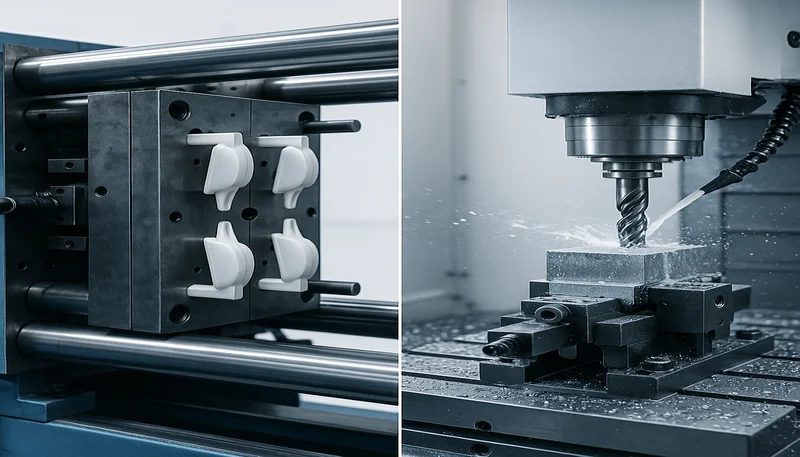
ZetarMoldの上海工場では、120+名の生産スタッフが90T~1850Tの射出成形機47台を稼働させ、各10+年の経験を持つ8名のシニアエンジニアが支援しています。社内金型工場で月間100+セットの金型を製造しているため、金型品質とリードタイムを完全に管理できます。30+名の英語対応プロジェクトマネージャーが、初期のDFMレビューから生産立ち上げ、継続的な量産まで、海外OEMとの円滑なコミュニケーションを確保します。認定サプライヤーから射出成形部品を調達する方法について詳しくご覧ください。
ZetarMoldの上海工場では、120+名の生産スタッフが90T~1850Tの射出成形機47台を稼働させ、各10+年の経験を持つ8名のシニアエンジニアが支援しています。社内金型工場で月間100+セットの金型を製造しているため、金型品質とリードタイムを完全に管理できます。30+名の英語対応プロジェクトマネージャーが、初期のDFMレビューから生産立ち上げ、継続的な量産まで、海外OEMとの円滑なコミュニケーションを確保します。認定サプライヤーから射出成形部品を調達する方法について詳しくご覧ください。
よくある質問
よくある質問
射出成形が費用対効果を持つ最小生産量は?
ほとんどの部品では、生産数が3,000~10,000個になると射出成形の費用対効果が高まります。正確な損益分岐点は、部品の複雑さ、材料選定、金型費用によって異なります。アルミ金型を使う単純な部品では500個で損益分岐点に達する一方、複雑な多個取り鋼製金型では金型費用を完全に償却するのに10,000個超が必要な場合があります。特定の案件に最適な切替点を見つけるため、予想生産量に基づいてCNC加工、ウレタン注型、射出成形のコスト比較分析を行うことを推奨します。この分析には複数の生産量区分での金型費用償却計算を含め、対象の形状と材料要件において射出成形が代替方法より経済的になる正確な切替点を特定する必要があります。
量産で射出成形金型はどのくらい使用できますか?
適切に保守されたP20鋼製金型は、大規模な改修が必要になるまで通常500,000~1,000,000ショット使用できます。焼入れH13またはS136鋼製金型は、最適条件下で2,000,000ショットを超えます。アルミニウム試作金型は1,000~10,000ショット使用でき、量産金型への橋渡しに最適です。実際の金型寿命は、材料の研磨性、部品形状の複雑さ、加工温度、予防保全の徹底度によって異なります。当社施設ではショット数を追跡し、品質変動を防ぐため予防的に保守を計画しています。定期的な清掃、研磨、部品交換プログラムは金型寿命を大幅に延ばします。熱疲労と研磨摩耗が金型寿命を制限する主因で、特にガラス繊維または鉱物充填エンジニアリング樹脂の加工時に顕著です。
射出成形で厳しい公差の部品を安定して生産できるか?
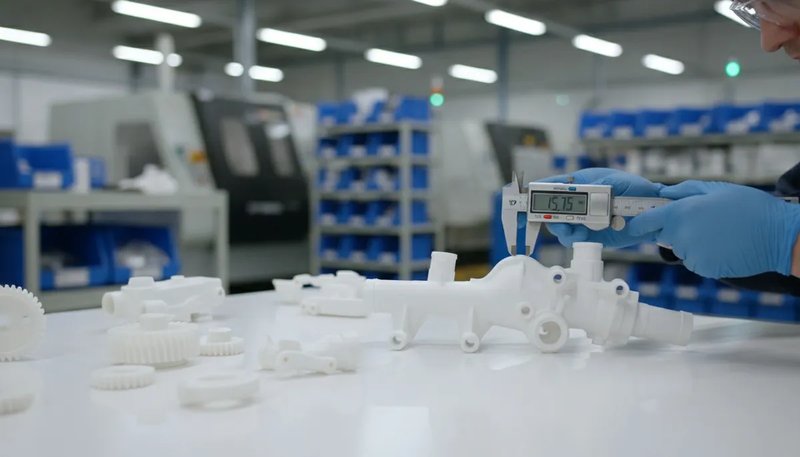
はい。最新の射出成形では、標準部品で±0.005インチ(±0.13mm)、精密用途で±0.001インチ(±0.025mm)の公差を日常的に維持できます。これらの公差を実現するには、十分な冷却を備えた適切な金型設計、工程最適化のための科学的成形手法、安定した材料供給が必要です。リアルタイムのキャビティ圧力監視と統計的工程管理により、数百万回の生産サイクルにわたってこの一貫性を維持できるため、射出成形は最も再現性の高い製造工程の一つとなっています。医療および自動車用途ではさらに厳しい公差が求められることが多く、最適化されたゲート設計、均一な冷却水路配置、統計的検証のための三次元測定機(CMMs)による成形後の寸法測定によって実現されます。
多数個取り成形は生産量をどのように増やしますか?
多個取り金型は、成形機の各サイクルで同一部品を複数製造します。8個取り金型は、1個取り金型と比べてサイクルタイムをほとんど増やさず、1ショットで8個の部品を製造します。つまり、生産量はキャビティ数にほぼ比例して増え、8個取り金型は1個取り版より1時間あたり約7~8倍多く生産します。ファミリーモールドは、同じ製品アセンブリの異なる部品を1ショットで製造でき、生産効率をさらに向上させ、部品製造費を削減します。代償は初期金型費の増加です。多個取り金型は加工時間が長く、モールドベースも大型になるためです。ただし、50,000個を超える数量での部品単価削減により、通常は初回生産中に追加の金型投資が正当化されます。
射出成形の量産に必要な一般的なリードタイムはどのくらいですか?
量産金型の製作には、金型の複雑さ、キャビティ数、表面仕上げ要件に応じて、通常4~8週間かかります。初品検査と工程検証には、さらに1~2週間かかります。金型の適格性確認後、100,000個以上の部品は通常2~4週間以内に出荷されます。アルミ金型を使った短納期金型では、プロトタイプ製作とブリッジ生産の初期リードタイムを2~3週間に短縮できます。緊急のプログラムでは、複数の機械を並行稼働させ、生産期間を大幅に圧縮できます。金型工場の専用リソースを使う特急金型プログラムなら期間をさらに短縮できますが、通常は金型費が20~40%増加します。最終設計の最適化と同時に金型計画を進めると、全体のスケジュールを最も短縮できます。
射出成形では、1つの部品に異なる材料を使用できますか?
可能です。二色(多成分)成形およびオーバーモールドによって実現できます。二色成形機は、1サイクルで2種類の異なる材料を成形します。硬質ABS本体とTPEグリップ面のような硬軟の組み合わせに最適です。インサート成形では、成形サイクル中に金属部品、ねじインサート、電子サブアセンブリを埋め込むこともできます。これらの一体化工程は二次組立工程をなくし、人件費を削減し、接着剤による組立方法と比べて異種材料間の接合強度を高めます。主な制約は材料の適合性です。2つの材料が成形中に適切に接着しなければなりません。材料メーカーが適合性データを提供し、量産金型への投資を決定する前に試作試験で接合強度を検証します。
量産では射出成形と3Dプリントをどう比較できますか?
量産数量では、射出成形が圧倒的に速く安価です。射出成形なら$0.15の部品でも、同等材料で3Dプリントすると$3–$8かかる場合があり、サイクル時間も1個当たり数秒に対して数時間です。3Dプリントは試作、設計反復、100個未満の小ロット生産に優れています。1,000個を超えると射出成形が優位です。ただし、3Dプリント技術はラピッドツーリングを通じて射出成形をますます支援しており、3Dプリント金型インサートにより量産材料で100–1,000個の短期生産が可能です。
射出成形メーカーが取得すべき品質認証とは?
最低限必要なのは、品質マネジメントシステムのISO 9001:2015認証です。医療機器の生産には、クリーンルーム能力を伴うISO 13485認証が必要です。自動車用途では通常、IATF 16949認証が必要です。環境マネジメント(ISO 14001)および労働安全衛生(ISO 45001)の認証は、適切なガバナンスの下で事業が良好に管理されていることを示します。認証範囲が、会社の管理業務だけでなく、必要とする射出成形工程を明確に対象としているか必ず確認してください。サプライヤー認定プロセスでは、認証書の原本と監査報告書を請求します。第三者認証機関(TUV、SGS、BSI)による監査は、自己宣言を超える信頼性をもたらします。規制産業では、一般的な製造工程だけでなく、対象となる特定の製品カテゴリーが認証範囲に含まれていることを確認してください。